Hebraic Elegy for Two Violins Cover Image

Hebraic Elegy for Two Violins: Violin, Duo, Conductor Score & Parts

$17.95 USD
Sale price  $17.95 USD Regular price 
Skip to product information
Hebraic Elegy for Two Violins Cover Image

Hebraic Elegy for Two Violins: Violin, Duo, Conductor Score & Parts

By Amy Barlowe

Grade: 5

Item: 36-BSMCHM103

$17.95
Shipped

One moment…

Description
Written by Amy Barlowe as a tribute to her late father, HEBRAIQUE ELEGIE is a hypnotic duo for two violins with a haunting and beautiful melody. This challenging and expressive duet is for advanced violinists. Versions for violin duo and viola duo are available from the publlisher.

Hebraic Elegy for Two Violins: Violin, Duo, Conductor Score & Parts isn't in MakeMusic Cloud just yet...but it could be. Let us know you'd like to see it, and you'll help shape what comes next. In the meantime, start a free trial and dive into thousands of interactive titles your students can play along with today.

Sample Pages

No sample pages found.

Sample Audio
No sample audio found.
Sample Video
Additional Details
Series: Black Squirrel Music - LudwigMasters
Publisher: Keiser Productions, Inc.
ISBN10: 8-89-270462-1
ISBN13: 979-8-89-270462-5
UPC: 659359649103
SKU: 36-BSMCHM103
Instrumentation: Violin Duo

More about this title

About the Composer: Amy Barlowe
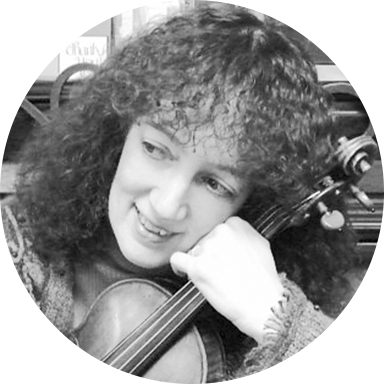
Amy Barlowe

Amy Barlowe studied violin at Juilliard School under Ivan Galamian and Margaret Pardee, earning both her B.M. and M.M. degrees. Her chamber music training included work with Josef Gingold, Felix Galimir, Samuel Rhodes, and Earl Carlyss. She has performed as a soloist and chamber musician across North America and in New York's major concert halls, earning the Helena Rubinstein Scholarship and numerous regional awards.

Barlowe has held faculty positions at Willamette University, Juilliard Pre-College, New York's School for Strings, and summer festivals including Meadowmount and Bowdoin. In 1988, she co-founded the Duo [AB]2 with her husband Alan Bodman, recording for Medici and Azica labels. Her compositions and arrangements span works for two violins and piano, chamber works, opera-ballet, and sacred music. Her arrangement of Schindler's List for two violins and piano received John Williams' endorsement and has been published by Hal Leonard.

Why we love this

Barlowe brings both compositional craft and deep string writing knowledge to this piece, evident in how she shapes the duet's expressive demands without sacrificing violinistic logic. The work honors a personal loss while offering advanced players a repertoire piece with genuine emotional weight and musical substance. Programming this signals to your audience that you value contemporary chamber music written by working musicians with something genuine to say.

What to expect

Haunting and introspective, this elegy carries the weight of genuine loss without becoming overwrought. The hypnotic quality emerges from the sustained interaction between the two voices, creating an atmosphere of quiet meditation and tender reflection that deepens with each phrase.

Who it's for

Advanced violinists seeking a meaningful contemporary duet that demands both technical security and emotional maturity. This piece suits partnerships preparing chamber recitals, studio showcases, or concert programming where listeners expect substantive modern repertoire alongside standard canon works.

How to get the most out of it

  • Shape the hypnotic melody with long, connected bow strokes that allow the phrases to breathe across the full measure rather than breaking into smaller gestures.
  • Balance intonation carefully in the unison and octave passages; these sustained moments require both players to lock in on pitch placement and vibrato width.
  • Explore tempo flexibility subtly within the overall structure; the haunting quality emerges when you resist pushing forward and instead let silence and space do expressive work.
  • Listen constantly to the other violinist's tone production and match it as closely as possible, especially in the lyrical passages where blend becomes part of the emotional statement.

How to use it

Position this as a chamber recital centerpiece or as part of a program exploring contemporary American string writing. Its emotional gravity pairs well on concert programs where you want to anchor an opening or close a set with quiet intensity, offering audiences a moment of intimate connection between performers.

Skills your students will build

  • Sustaining lyrical melodic lines with expressive vibrato control
  • Intonation precision in unison and octave passages
  • Dynamic balance and blend in a two-voice ensemble
  • Interpreting contemporary notation and compositional intent
  • Collaborative listening and phrase shaping in chamber music

You May Also Like