Heavenwards Cover Image

Heavenwards: Concert Band Conductor Score

$5.00 USD
Sale price  $5.00 USD Regular price 
Skip to product information
Heavenwards Cover Image

Heavenwards: Concert Band Conductor Score

By William Owens

Grade: 2.5

Item: 98-B1638S

$5.00
Shipped

One moment…

Description
As the loss of a loved one is always hard to face, this sensitive lyrical work strives to offer a measure of comfort during this most difficult time. Solemn at moments and uplifting at others, the music explores the full range of emotions when life finds us all at our most vulnerable.

Heavenwards: Concert Band Conductor Score isn't in MakeMusic Cloud just yet...but it could be. Let us know you'd like to see it, and you'll help shape what comes next. In the meantime, start a free trial and dive into thousands of interactive titles your students can play along with today.

Sample Pages

Sample Audio
No sample audio found.
Sample Video
Additional Details
Series: FJH Young Band
Publisher: The FJH Music Company, Inc.
UPC: 241444513750
SKU: 98-B1638S

More about this title

About the Composer: William Owens
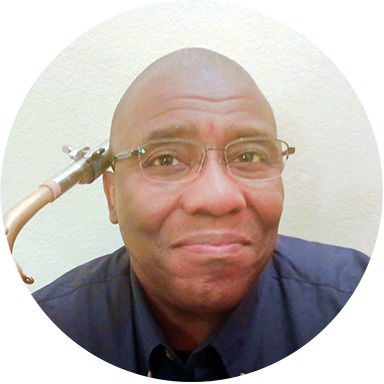
William Owens

William Owens has spent three decades in the Texas band room before stepping away from full-time teaching in 2014, giving him the classroom credibility that shapes every note he writes. A VanderCook College of Music graduate and active composer since 1993, he has built a catalog of over 300 works that appear on state music lists and in educational texts across North America, earning him recognition as a Distinguished Alumnus and recipient of the Texas Bandmasters Association's Meritorious Achievement Award.

Owens serves as a clinician and conductor throughout North America while maintaining professional memberships in ASCAP, TMEA, and Phi Beta Mu International. His compositions for young ensembles reflect a practical, clear-eyed approach to what works in the rehearsal room, a philosophy forged through decades of direct experience with student musicians.

Why we love this

Owens trusts his young musicians with genuine emotional content without condescending to them. The piece moves through real grief and real hope in the span of a few minutes, giving students permission to take this music seriously while remaining technically accessible at 2.5 grade level.

What to expect

The music sits in quiet vulnerability, then builds toward something transcendent without ever becoming bombastic. Moments of stillness give way to passages of genuine uplift, creating an arc that acknowledges sorrow while offering something like resolution.

Who it's for

Concert bands at the high school freshman level or competitive middle school programs looking for meaningful repertoire that respects their maturity. This work serves bands seeking to program a memorial concert, honor a community loss, or simply expand beyond entertainment into genuine artistic expression.

How to get the most out of it

  • Balance the lyrical passages by resisting the urge to push the volume. Sustained phrasing with space between phrases is more moving than relentless sound.
  • Let the uplifting sections breathe differently than the solemn moments. Slight tempo flexibility here mirrors how people actually experience emotional shifts.
  • Tune the sustained sections with particular care. Open voicing exposes pitch issues that blend covers up in faster pieces.
  • Work the low brass and woodwind balance early. They carry the harmonic weight in a piece this sparse.

How to use it

Position this as a centerpiece for a concert exploring life and memory, pairing it with contrasting works to frame the full emotional spectrum. It works equally well as a respectful closing to a spring concert or as a standalone tribute program with spoken word or visual elements.

Skills your students will build

  • Sustaining long tones with consistent pitch and tone quality
  • Shaping lyrical phrases without relying on dynamic contrasts
  • Balancing homophonic textures with limited instrumentation
  • Responding to emotional content in the score with mature interpretation
  • Reading and executing gradual tempo and dynamic changes with ensemble precision

You May Also Like