Heaven Is My Home Cover Image

Heaven Is My Home: SSATB, <I>a cappella</I> Choral Octavo

$2.25 USD
Sale price  $2.25 USD Regular price 
Skip to product information
Heaven Is My Home Cover Image

Heaven Is My Home: SSATB, a cappella Choral Octavo

Music by Sally K. Albrecht

Item: 00-19194

makemusic Cloud badge

Need it now?

Buy Digital Version
$2.25
Shipped

One moment…

Description
Sally Albrecht has created this swinging, original spiritual in editions for SATB and SSAB for mixed groups of all ages. The basses open with the rhythmic melody and the other voices join in turn. Includes a medium-range solo for one female and one male. Independent vocal writing makes it exciting for singers and audiences alike. It's sure to impress the judges at contests and adjudications. Consider it for festivals, too.

Don't just read it, hear it, play along with it, and watch your students grow with it. In MakeMusic Cloud, Heaven Is My Home: SSATB, a cappella Choral Octavo comes alive with professional accompaniment, adjustable tempo, and built-in practice tools that turn solo practice into real progress.

Sample Pages

Sample Audio
0:00
0:00
Sample Video
Additional Details
Series: Alfred Archive Edition: Alfred Choral Designs
Publisher: Alfred Music
Page Count: 12
UPC: 038081178394
SKU: 00-19194

More about this title

About the Composer: Sally K. Albrecht
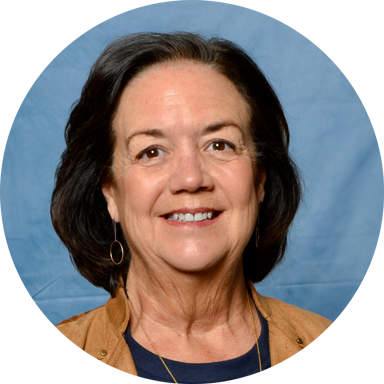
Sally K. Albrecht

Sally K. Albrecht has shaped American choral music for over forty years as a composer, conductor, and clinician with a signature focus on movement and accessibility. Her catalog includes more than 600 published works, along with 75 larger musicals and songbooks, earning her annual ASCAP Special Music Awards since 1987. She spent three decades leading choral and vocal publications for major educational publishers, including Alfred Music, and has conducted honor choirs at Lincoln Center, Carnegie Hall, and The Kennedy Center.

Albrecht holds degrees from Rollins College (B.A. in Music and Theater, 1976), the University of Miami (M.A. in Drama, 1977; M.M. in Accompanying, 1979), and has taught at Oakland University, Jersey City State College, and Meredith College. A Cleveland native, she served as Chair of the Board of Trustees for Omicron Delta Kappa and received their "Pillar of Leadership" award. In 2021, she was honored with the Distinguished Alumna Award from both the University of Miami Frost School of Music and Rollins College, where she serves on the board.

Why we love this

Albrecht's rhythmic gift and ear for spiritual idiom shine throughout this piece. The staggered entrance structure (basses leading, voices joining in turn) builds momentum while keeping the texture lean and clear, making it equally effective for youth choirs and adult ensembles. The independent vocal writing creates real musical conversation rather than block harmony, and the dual solo flexibility means you can cast from what you have.

What to expect

A contemporary spiritual with swing in its DNA, grounded in layered harmonies that feel both modern and rooted. The staggered vocal entries create forward motion and dialogue, while the rhythmic character keeps the piece buoyant rather than reverent, bringing warmth and movement to sacred text.

Who it's for

Mixed choirs of all ages and ability levels who want a sacred work with genuine rhythmic energy and contest-ready polish. Whether you're preparing for festival adjudication, a spring concert, or an All Saints Day service, this piece delivers strong writing and engaging material that holds singers' attention through rehearsal and rewards them in performance.

How to get the most out of it

  • Establish the bass line as the rhythmic heartbeat during the opening section. Basses should feel locked and confident before sopranos enter, setting the groove that other voices will layer onto.
  • Balance the soloists carefully in the medium-range passages. These moments deserve clarity, but they should feel like natural extensions of the ensemble conversation rather than spotlight moments.
  • Let the swing feel breathe without losing shape. The rhythmic independence across voices will sound scattered if tempos drift; use rehearsals to anchor the pulse across all four parts simultaneously.
  • Consider subtle movement or gestures that highlight the call-and-response nature between voice parts. Albrecht's writing invites physicality without requiring choreography.

How to use it

Program this as an anchor for a spirituals set or as a standalone concert moment that shifts energy with its swing feel. It pairs well with either traditional spirituals or other contemporary sacred works, and its accessibility makes it particularly effective on festival programs where judges value both musical substance and audience engagement.

Skills your students will build

  • Layering independent vocal lines and entering precisely on cue
  • Maintaining rhythmic independence while listening to surrounding parts
  • Singing with swing style and contemporary rhythmic vocabulary
  • Balancing ensemble blend when voice parts carry equal musical weight
  • Performing solo passages with confidence in a chamber context

You May Also Like
