


He Ain't Heavy, He's My Brother: Choral SoundPax
Arr. Jay Althouse
Item: 00-PK-0004485
$20.00
Pickup currently not available
Buy Extra Parts (Digital PDF Download)
Parts Added to Cart!
Related Items
He Ain't Heavy, He's My Brother: SATB Choral Octavo |
$2.25
|
View | |
He Ain't Heavy, He's My Brother: SAB Choral Octavo |
$2.25
|
View | |
He Ain't Heavy, He's My Brother: TBB Choral Octavo |
$2.25
|
View | |
He Ain't Heavy, He's My Brother: SATB Choral Octavo |
$2.25
|
View | |
He Ain't Heavy, He's My Brother: SAB Choral Octavo |
$2.25
|
View | |
He Ain't Heavy, He's My Brother: TBB Choral Octavo |
$2.25
|
View | |
He Ain't Heavy, He's My Brother: Choral Octavo SoundTrax CD |
$27.99
|
View |
Description
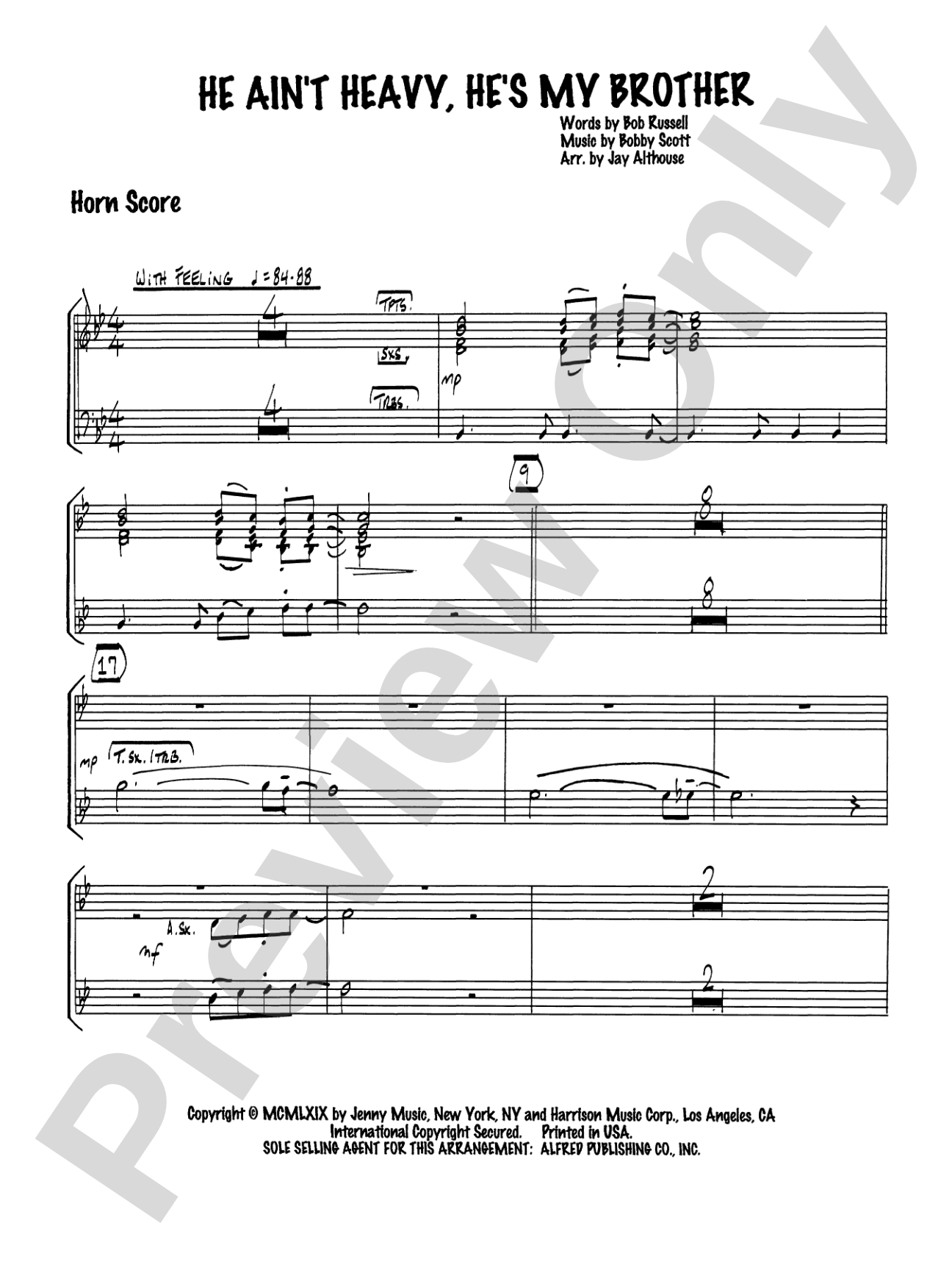
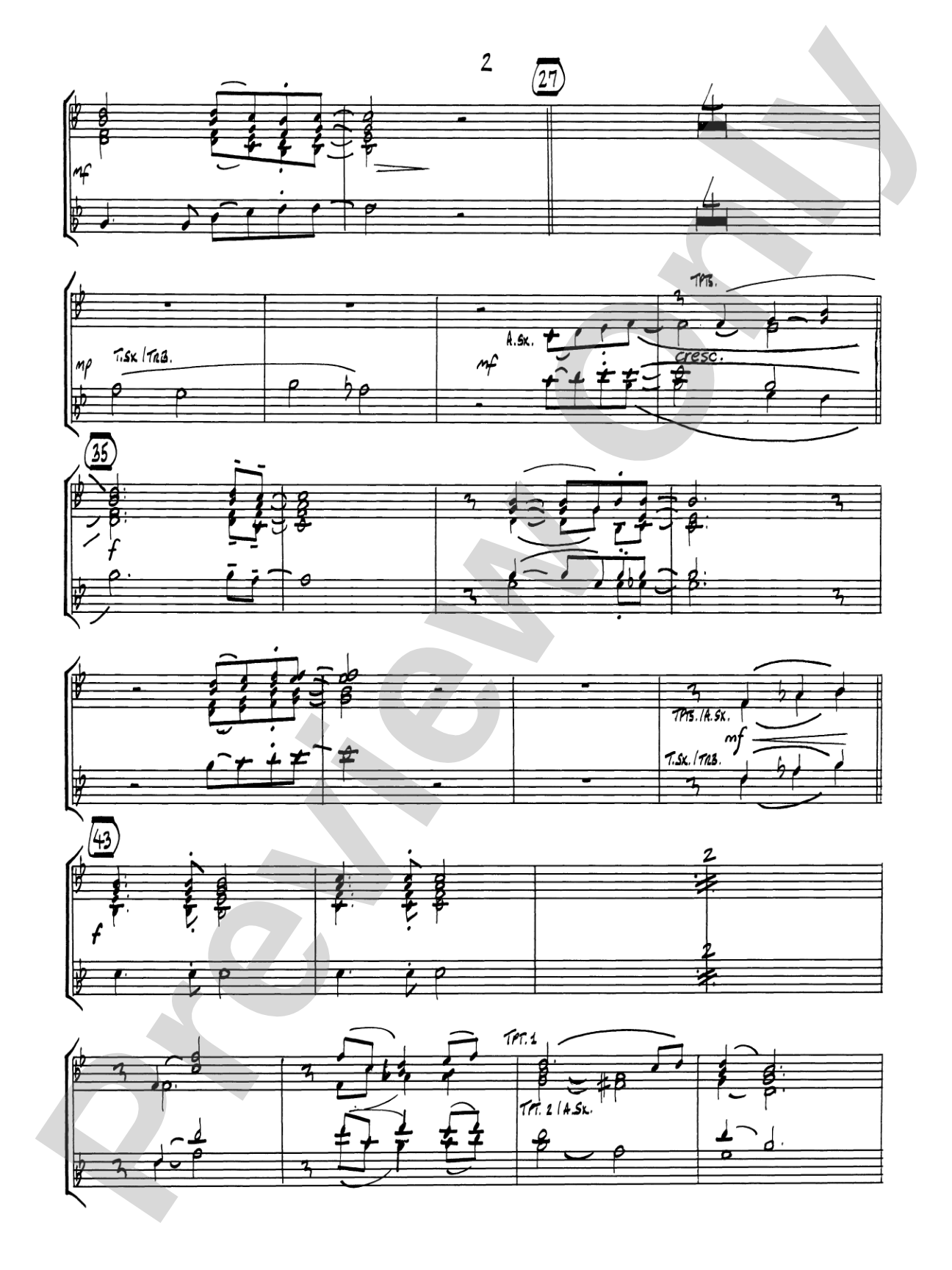
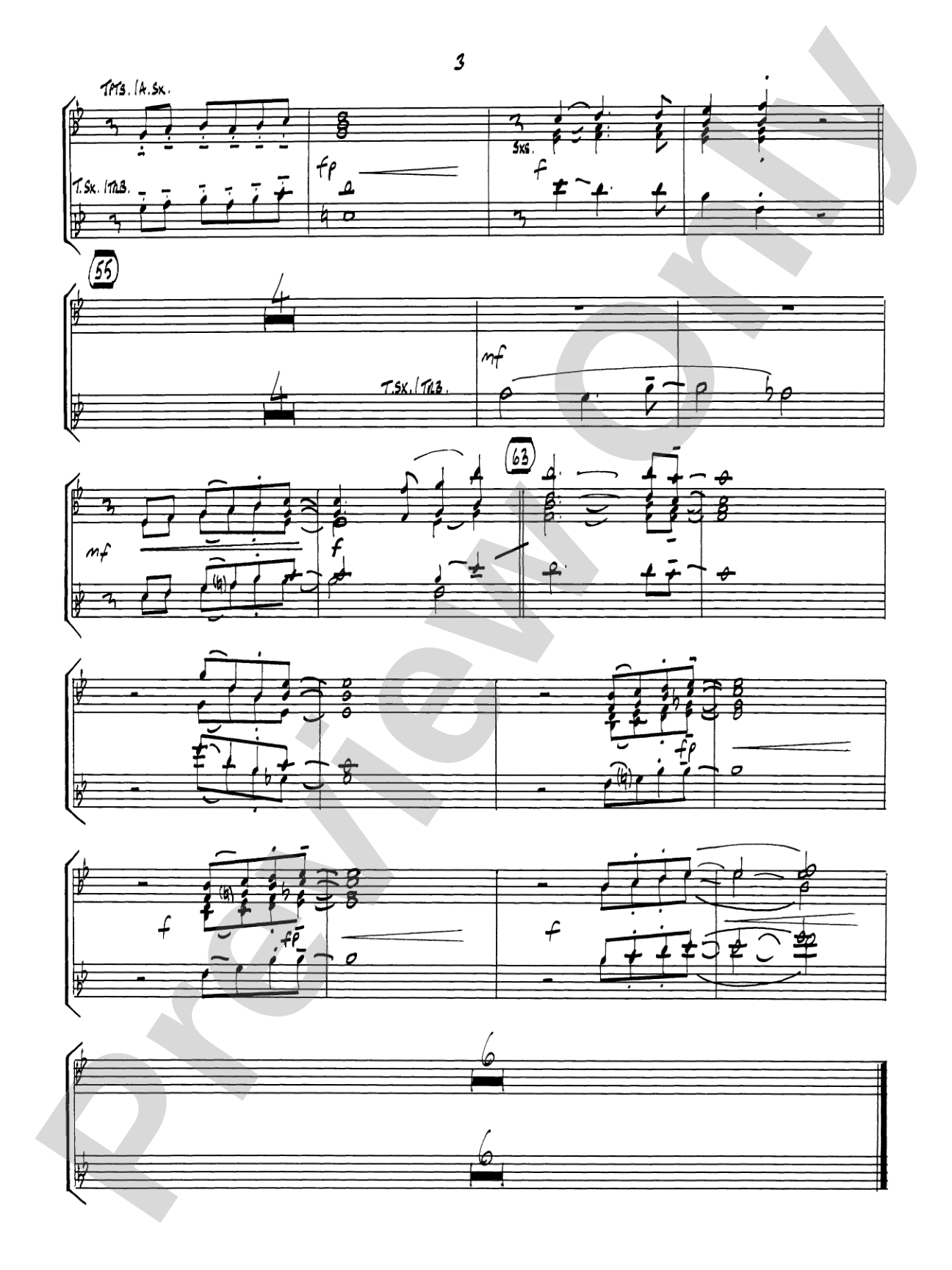
An exceptional song of brotherhood skillfully arranged by Jay Althouse. Opens with an optional alto solo and builds with strong choral writing, closing with a soft, final statement of the title. Use it as an inspirational piece the year 'round, including graduation. If you liked "Let There Be Peace On Earth," you'll love HE AIN'T HEAVY, HE IS MY BROTHER. InstruPax includes: director's score, 2 trumpets, trombone, alto sax, tenor sax, rhythm.


He Ain't Heavy, He's My Brother: Choral SoundPax isn't in MakeMusic Cloud just yet...but it could be. Let us know you'd like to see it, and you'll help shape what comes next. In the meantime, start a free trial and dive into thousands of interactive titles your students can play along with today.
Request This Title
Tell us you want it.
Start Your Free Trial
Explore everything that's ready to play right now.
Sample Audio
No sample audio found.
Sample Video
No sample videos found.
Additional Details
Series:
Alfred Choral Designs
Publisher:
Alfred Music
Page Count:
36
SKU:
00-PK-0004485
Instrumentation:
2 trumpets, trombone, alto sax, tenor sax, rhythm, score
More about this title
About the Arranger: Jay Althouse

Jay Althouse holds degrees in Music Education and Music from Indiana University of Pennsylvania, where he was later recognized with the Distinguished Alumni award. His background includes eight years working as a rights and licenses administrator for a major educational music publisher, where he also served on the Executive Board of the Music Publishers Association of America.
Althouse has composed over 800 choral works that are performed regularly across the English-speaking world. Beyond composing, he has compiled and arranged vocal solo collections, co-written children's musicals with his wife Sally K. Albrecht, and authored multiple educational resources including The Complete Choral Warm-up Book and Accent on Composers. He is a writer member of ASCAP and a consistent recipient of the ASCAP Special Award. His collaborative work "I Hear America Singing" was performed by the San Francisco Girls and Boys Choirs at President Barack Obama's inauguration in 2009.
Why we love this
Althouse's arrangement respects the song's emotional core while adding sophisticated choral texture and tasteful instrumental support. The optional alto solo opening and the gentle final statement give this piece memorable arch, making it sing rather than simply perform the familiar melody.
What to expect
The song unfolds with warmth and sincerity, opening in quiet intimacy before growing into a fuller, richer statement of its central message. The arrangement honors the tune's accessibility while adding harmonic depth and instrumental color that elevate it beyond simple melody.
Who it's for
This arrangement works for intermediate to advanced high school and adult choirs seeking a piece with emotional substance that connects to universal themes. It functions equally well as a concert selection or a meaningful closing number for graduation and ceremony contexts.
How to get the most out of it
- Balance the optional opening alto solo carefully against the accompaniment so the voice emerges clearly before the full choir enters.
- Shape the dynamic build from the opening through the middle section with clear intentions; avoid rushing the crescendo even though the momentum naturally pulls forward.
- Let the final statement breathe. The soft, closing phrase needs space and stillness to land with its intended impact.
- Coordinate the rhythm section and horns to sit together as a cohesive unit; their placement anchors the choral lines above.
How to use it
Program this as a concert closer or centerpiece when building a set around themes of connection and community. Its flexibility makes it suitable for spring concerts, graduation ceremonies, or any program celebrating human bonds and mutual support.
Skills your students will build
- Singing sustained phrases with consistent breath support across dynamic changes
- Blending with instrumental accompaniment, particularly brass and reeds
- Maintaining tuning in extended minor and modal harmonic contexts
- Responding to subtle dynamic shaping and rubato within an arranged pop idiom
- Building ensemble confidence with exposed open textures