
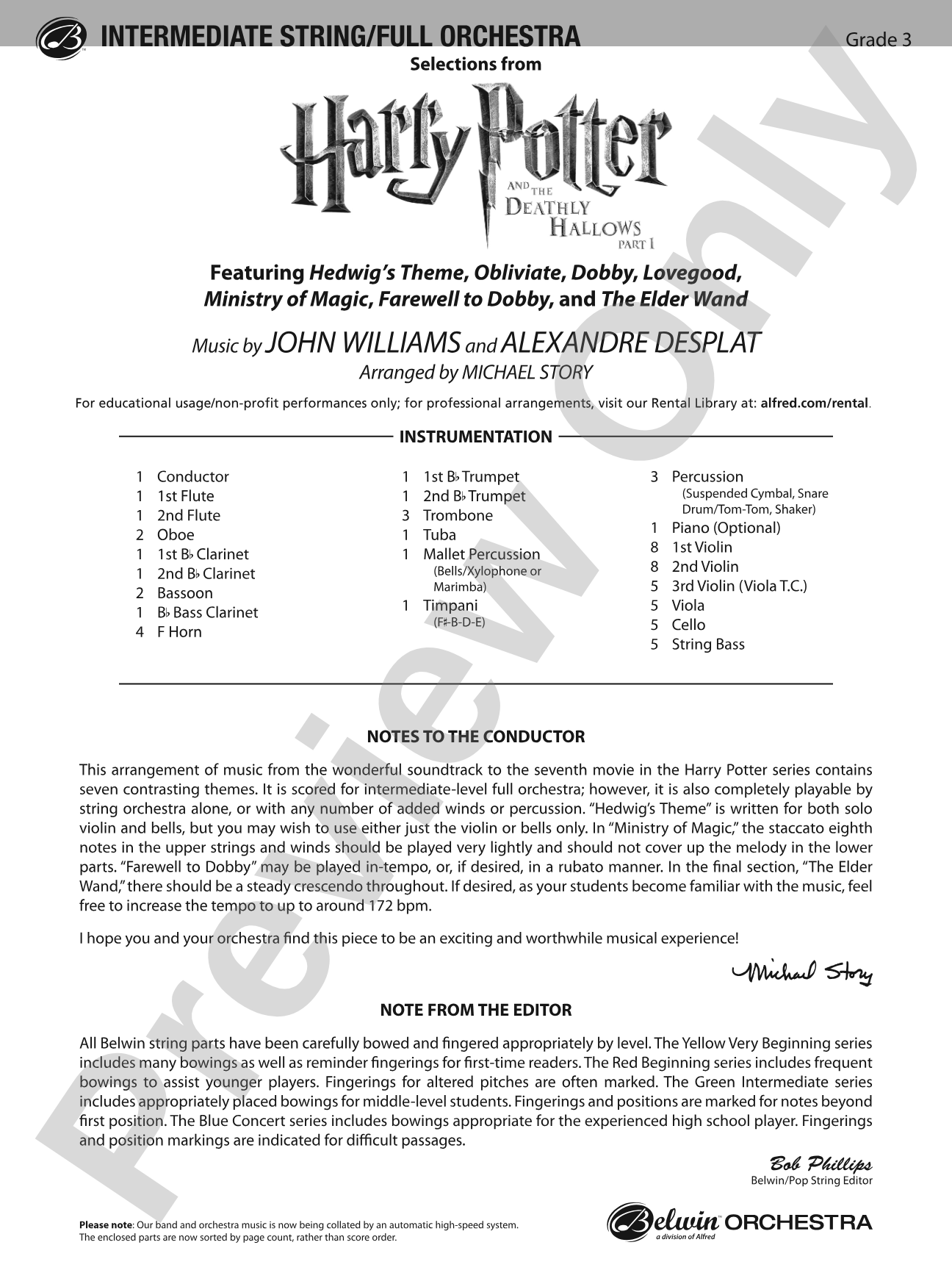
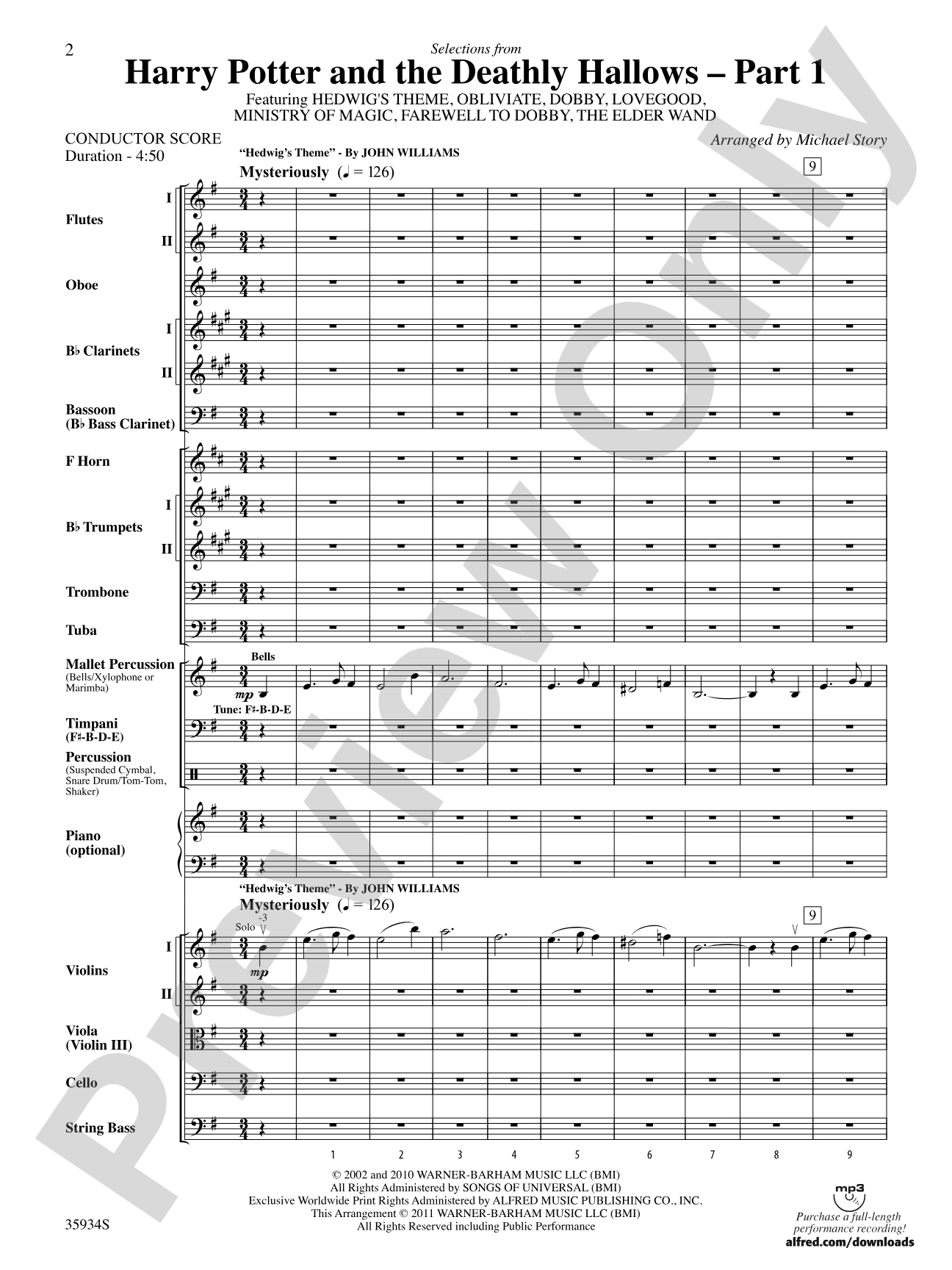
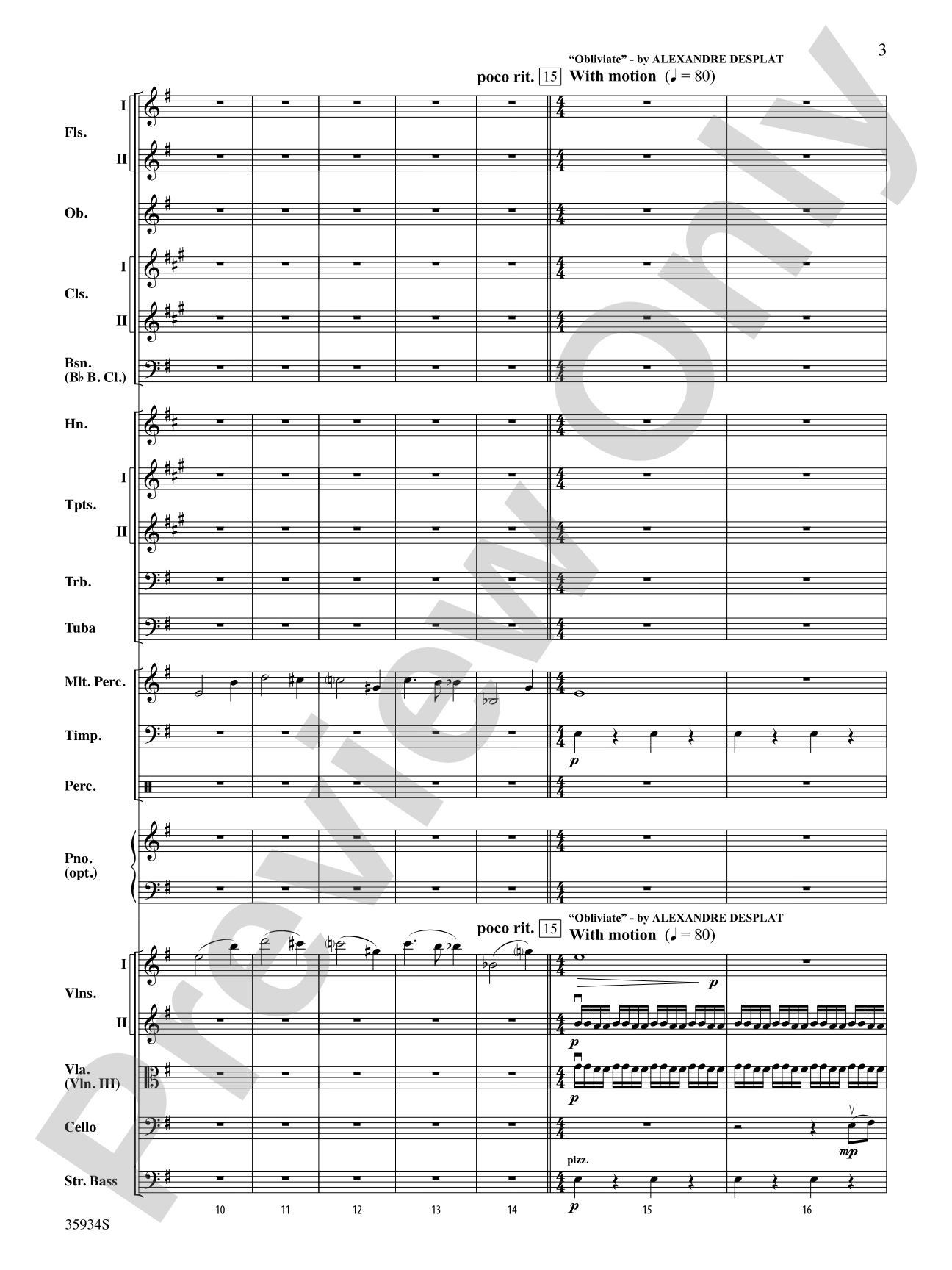
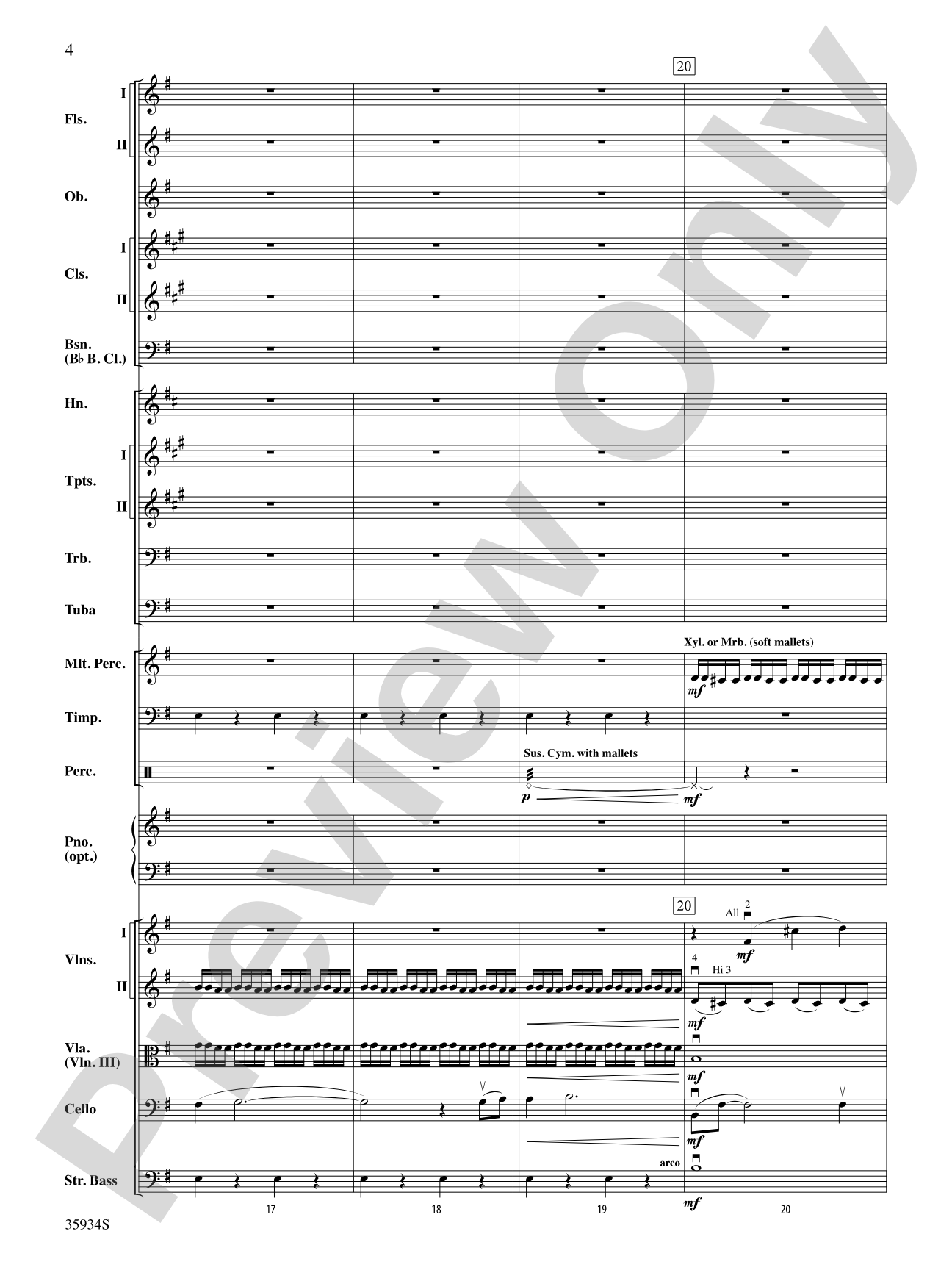
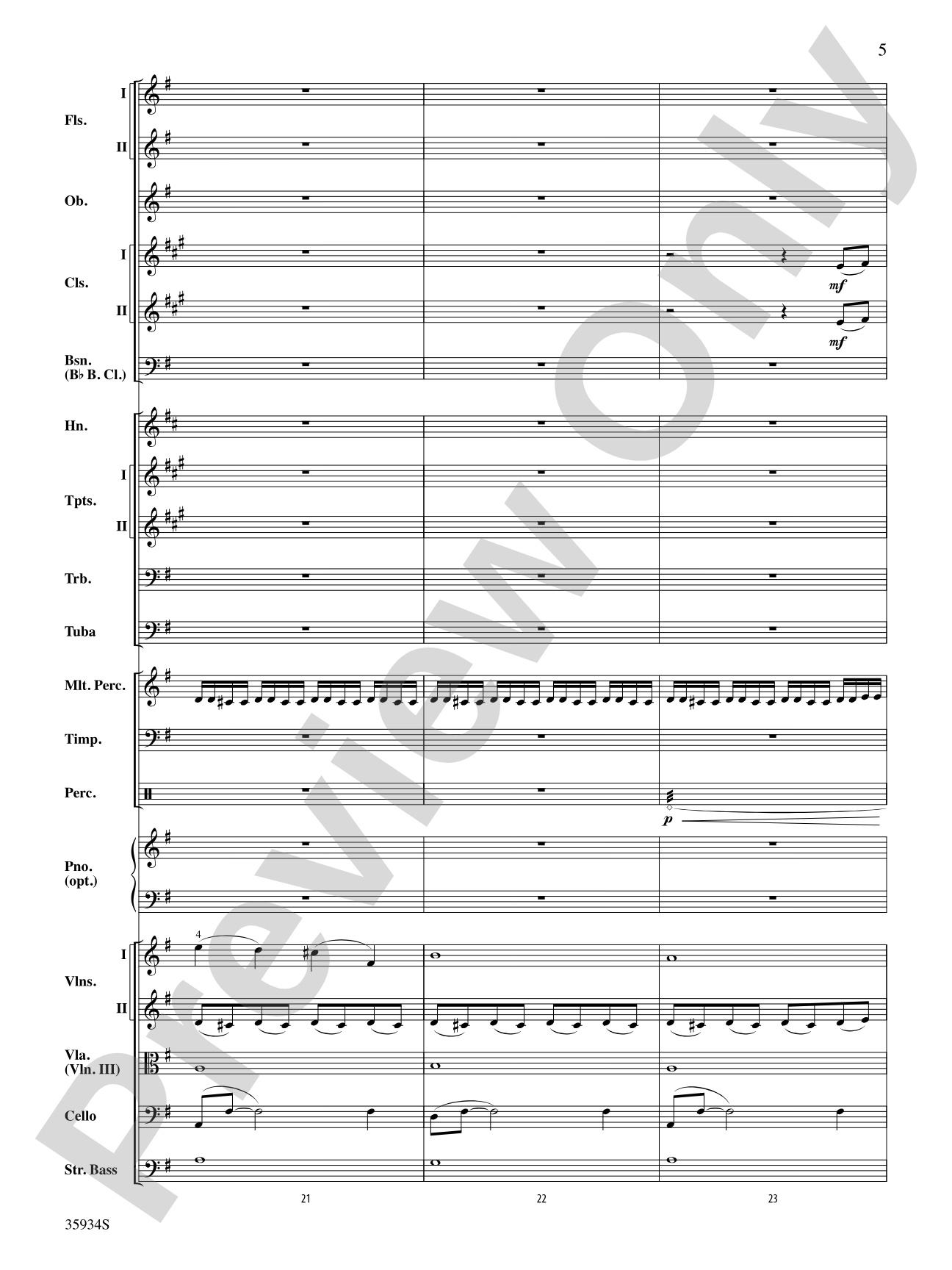
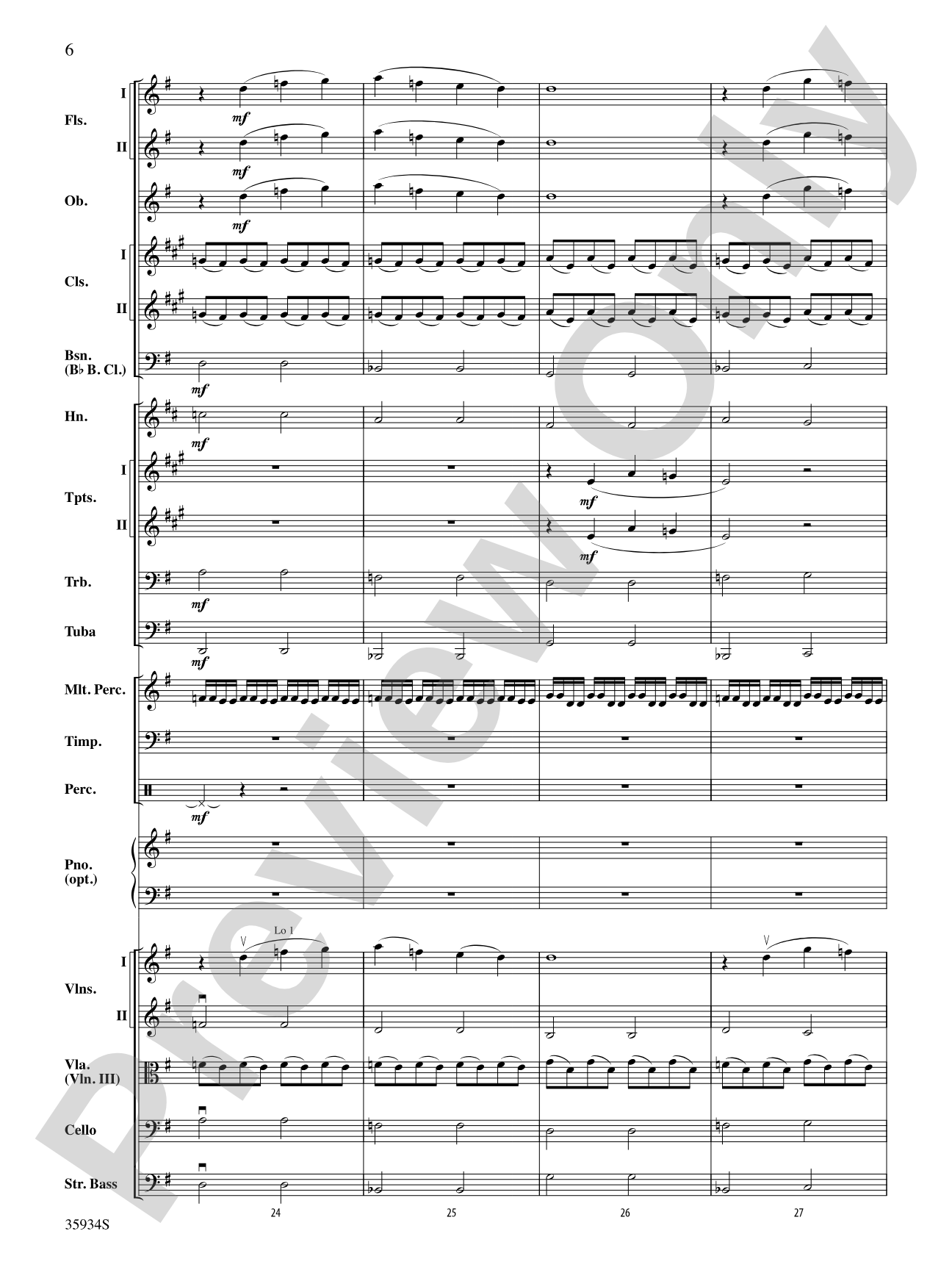
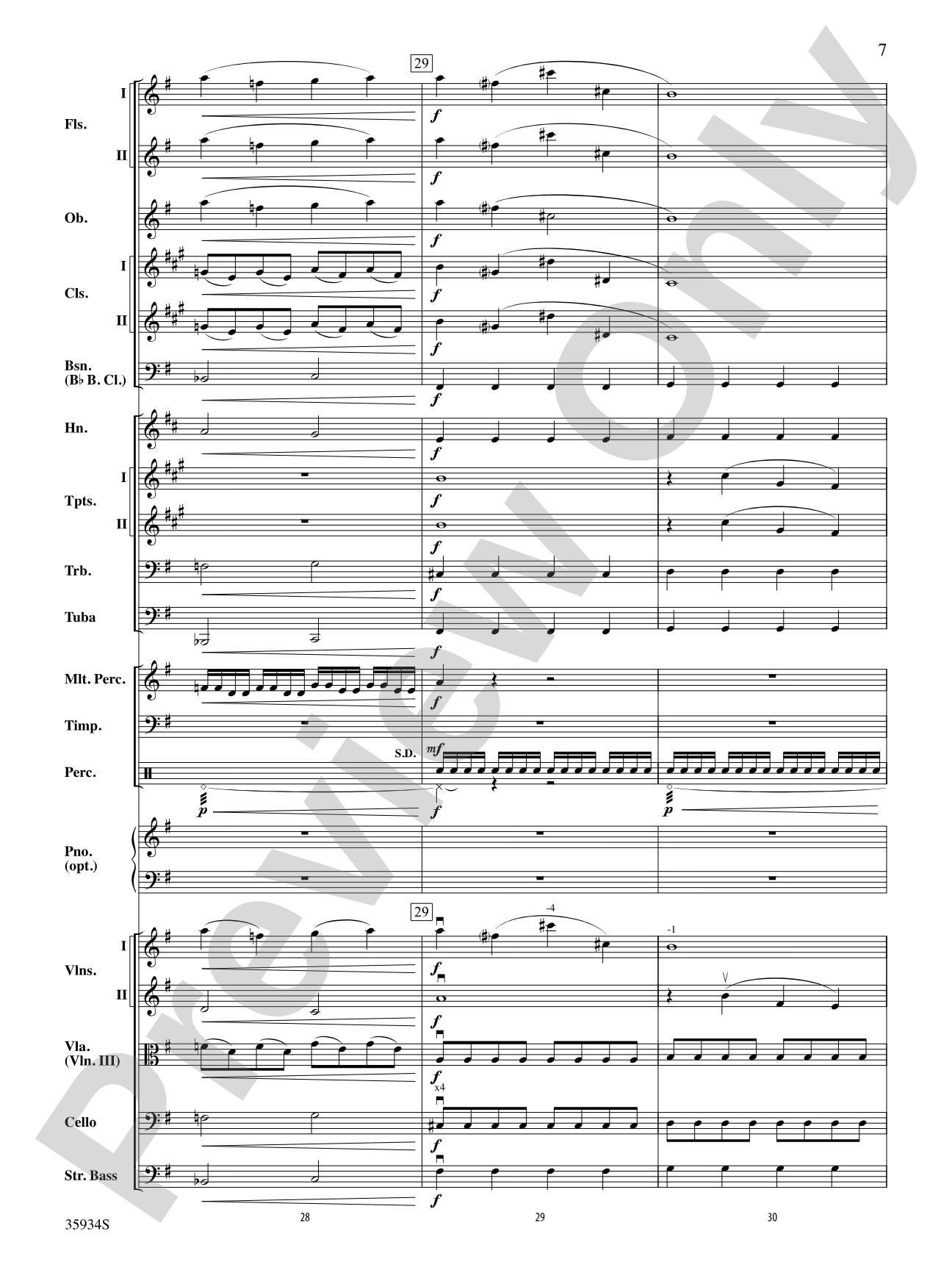
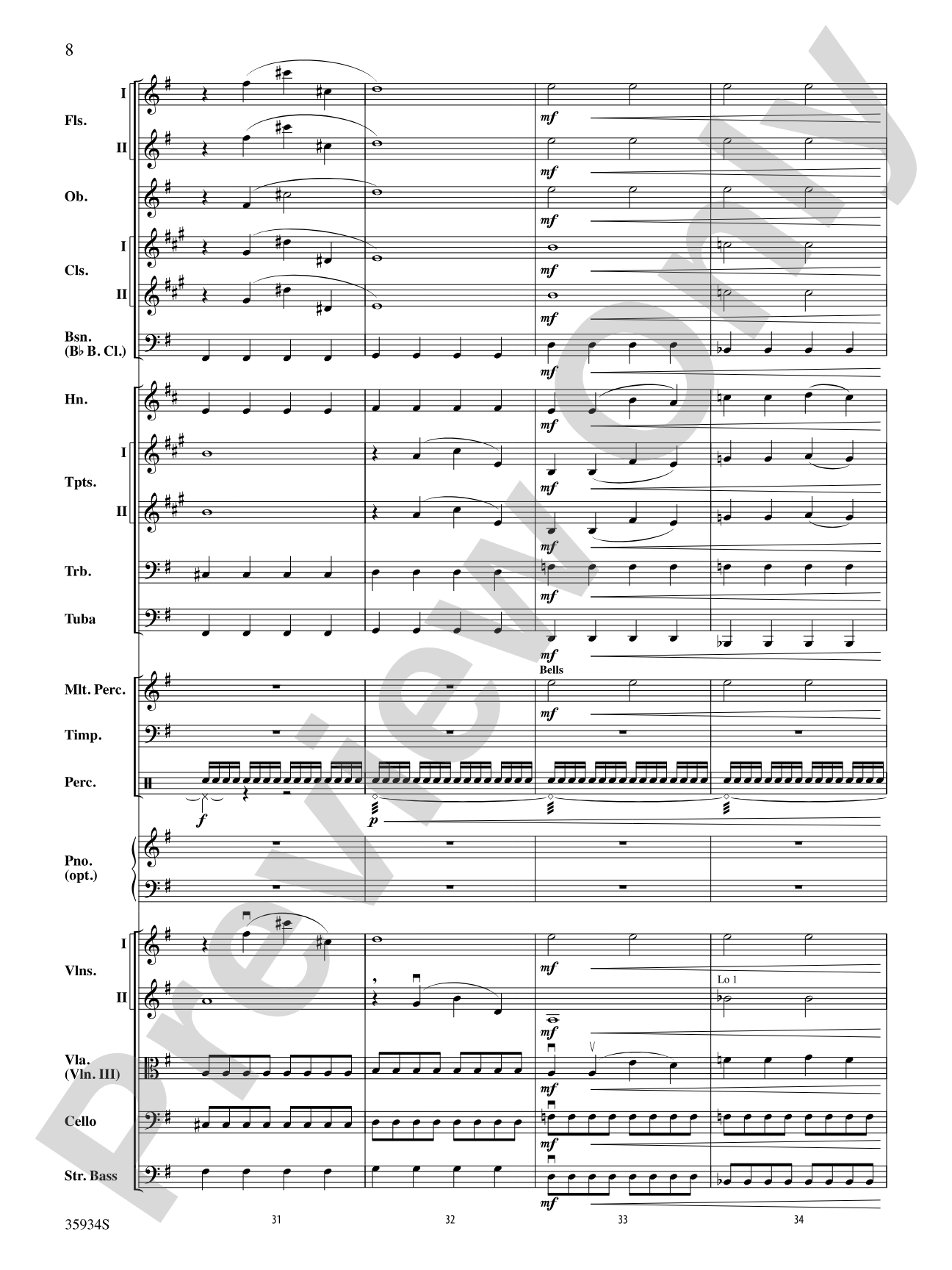
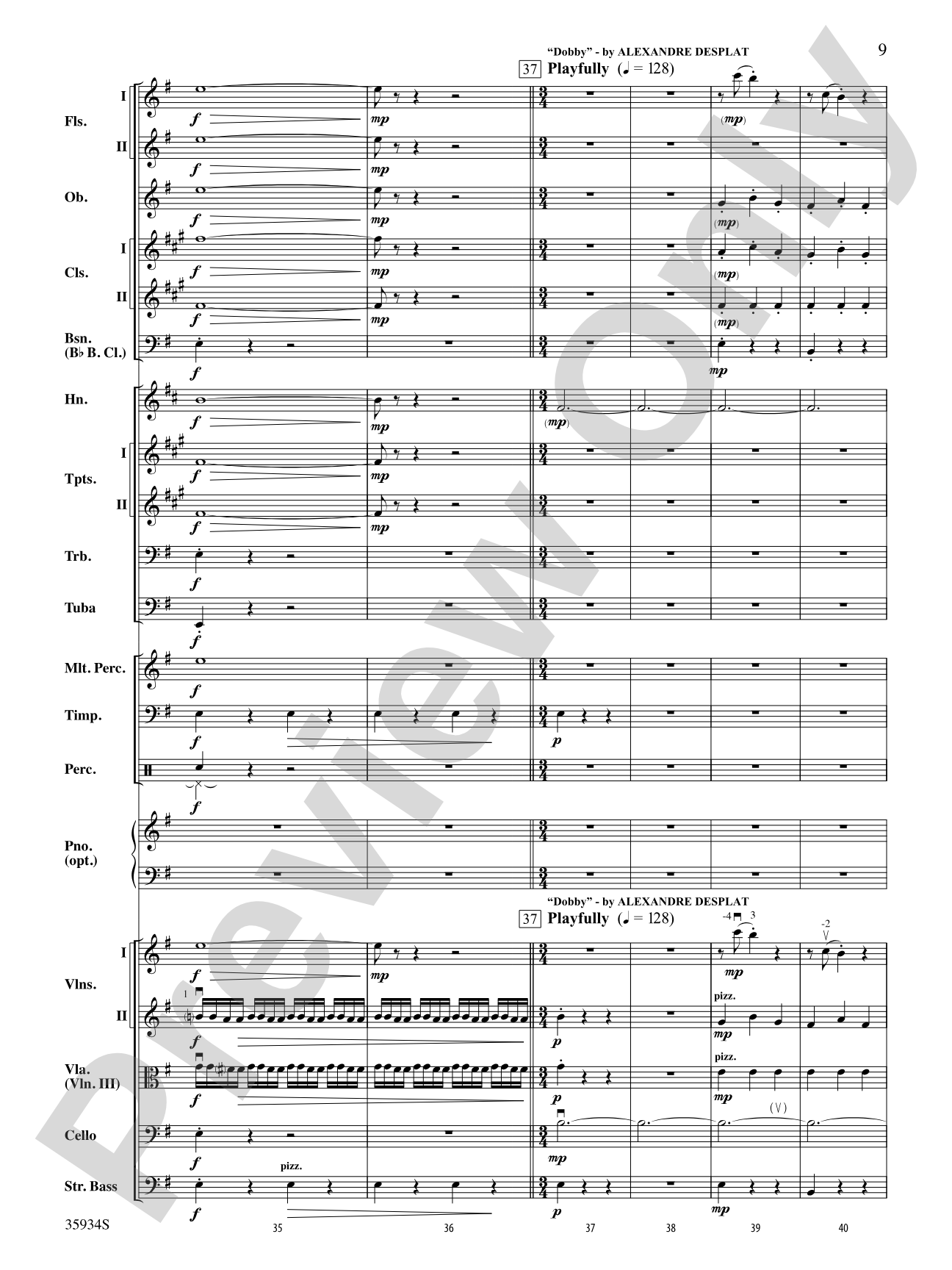
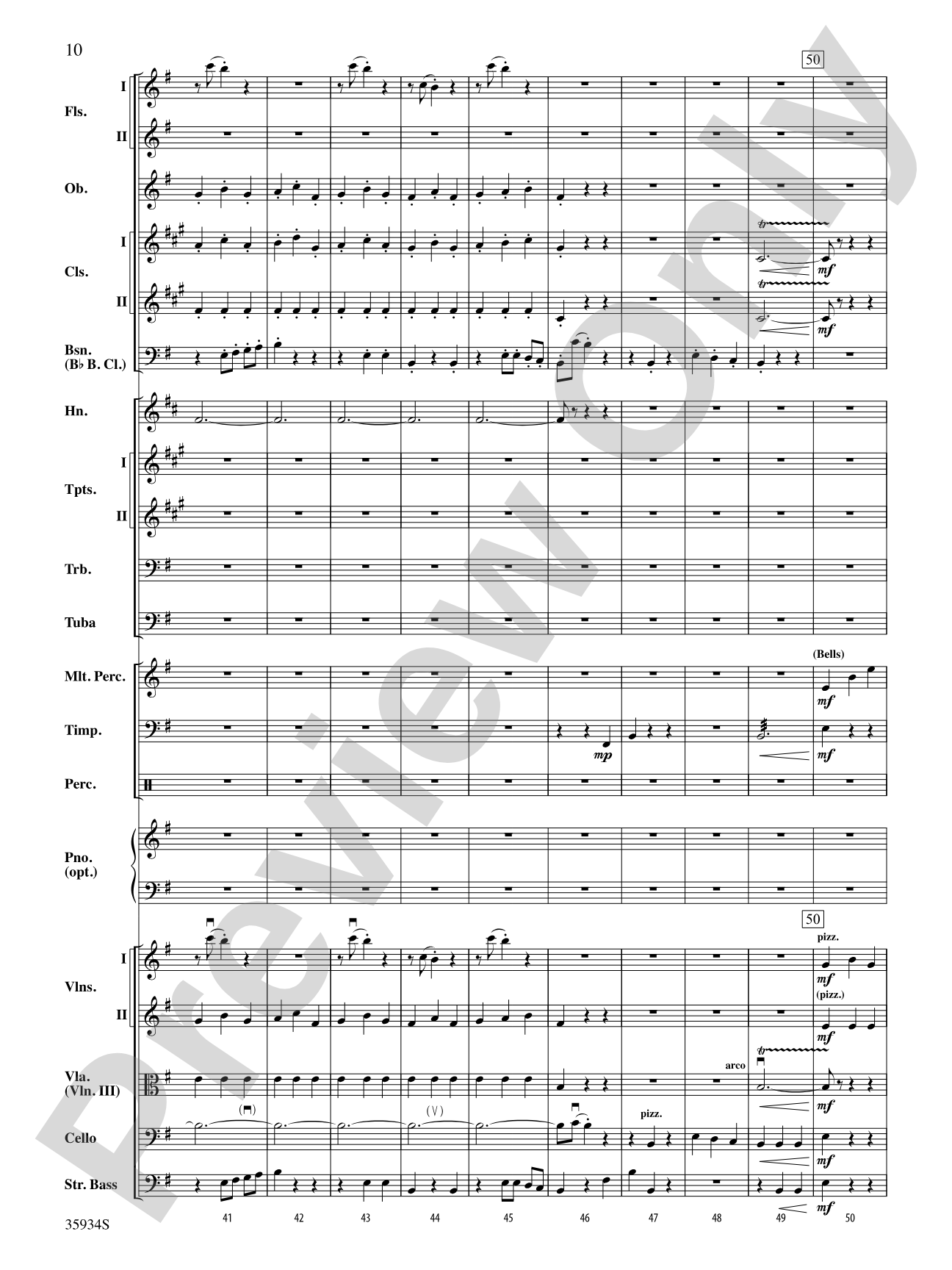
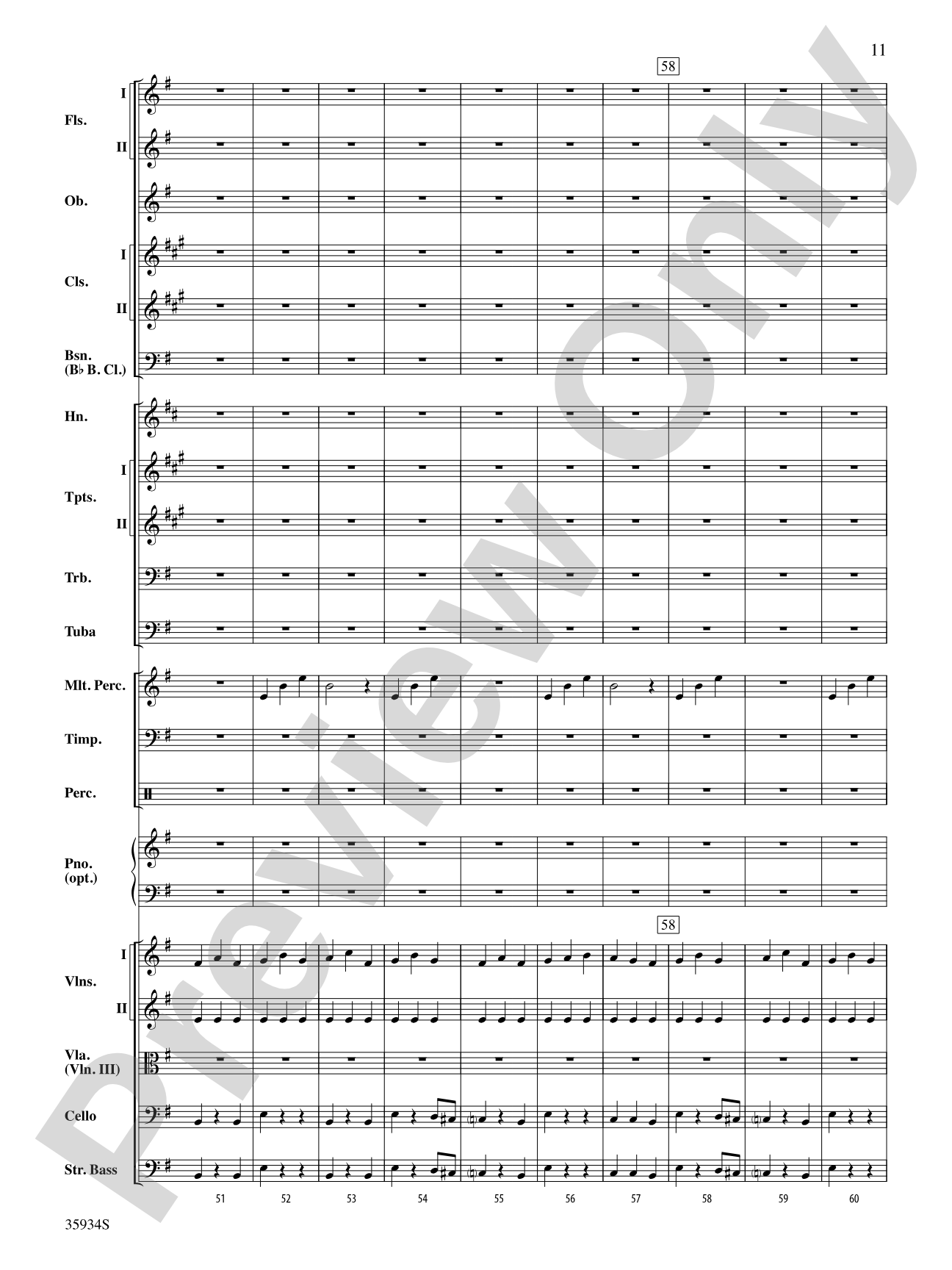
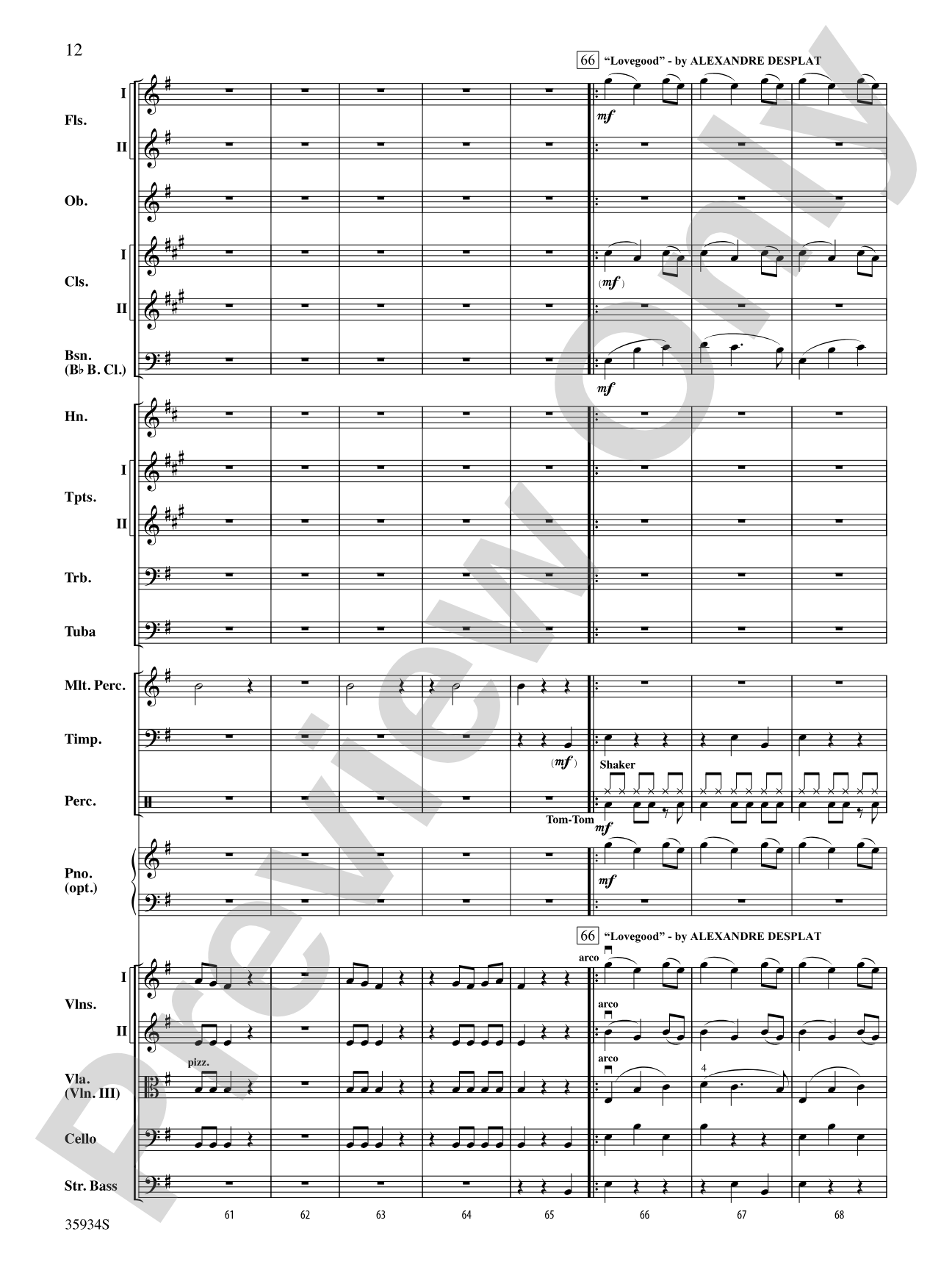
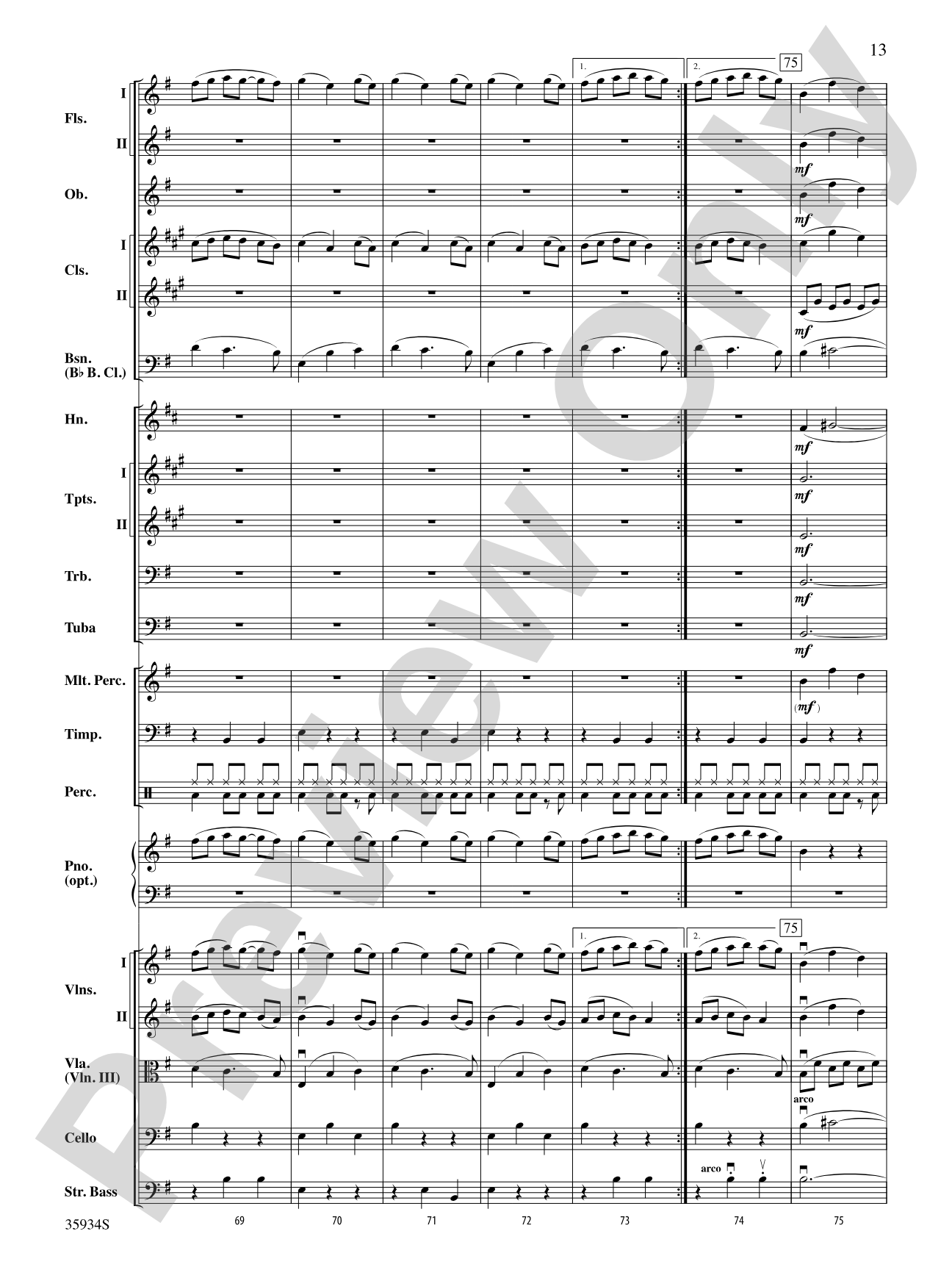
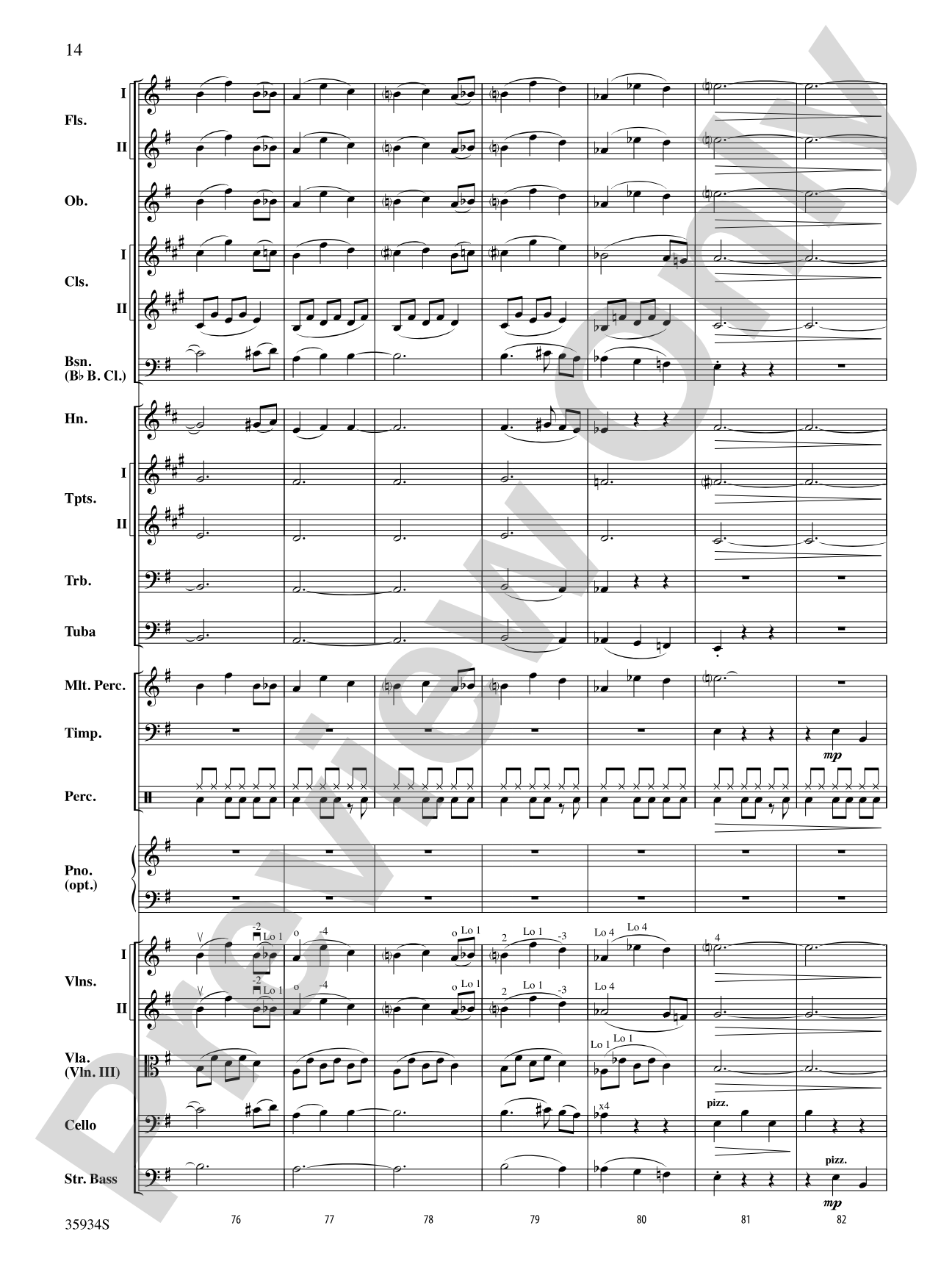
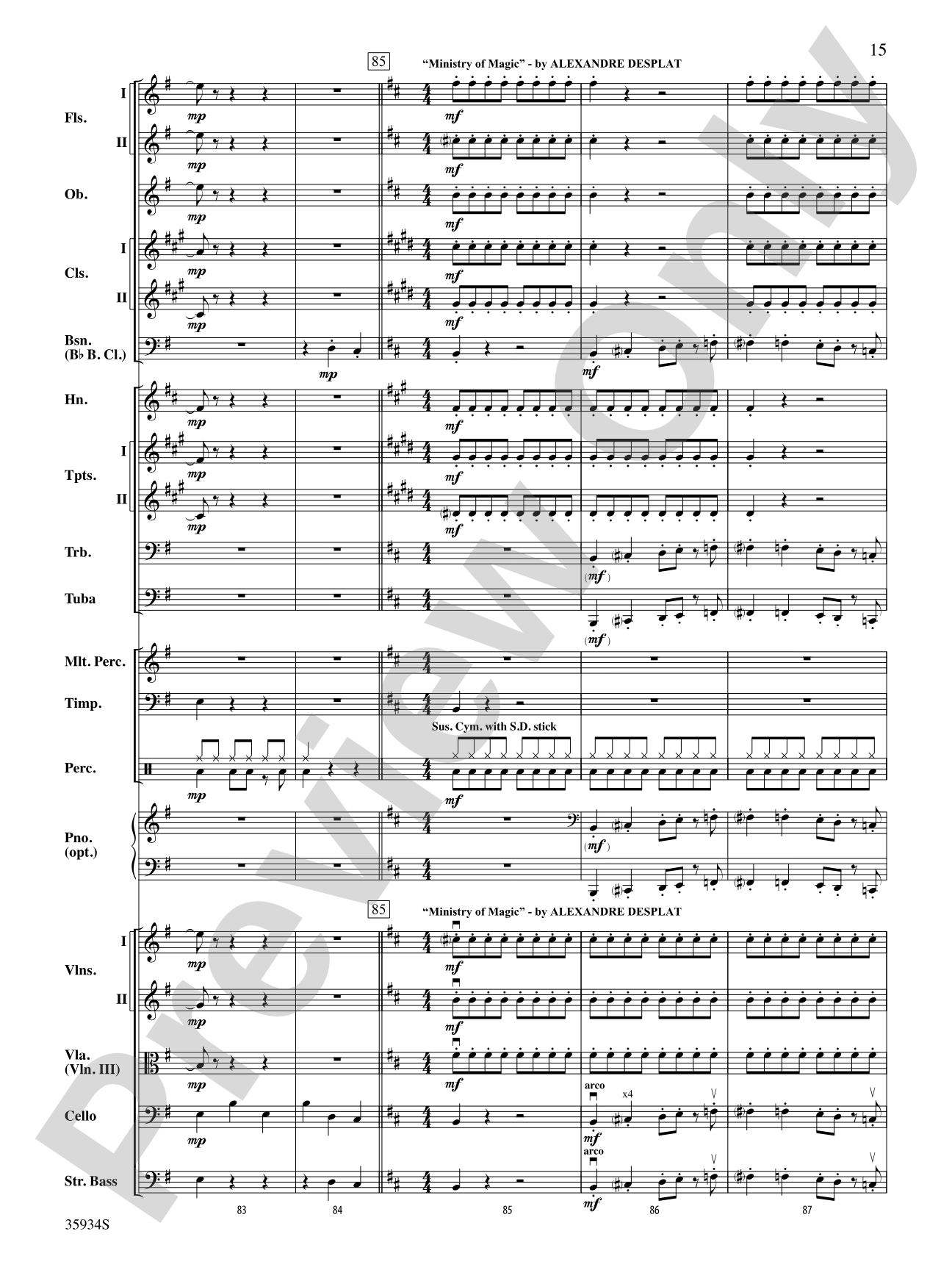
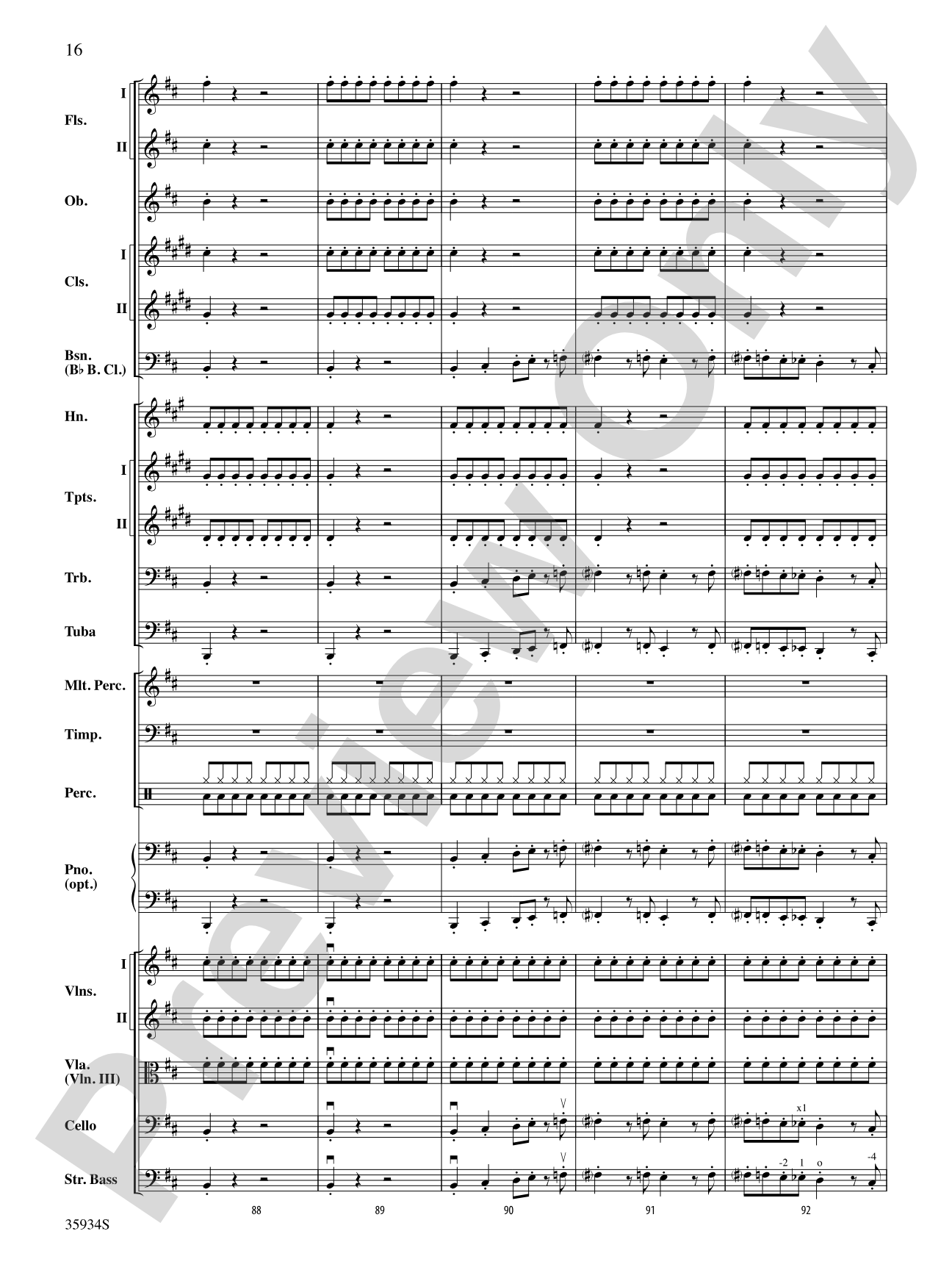
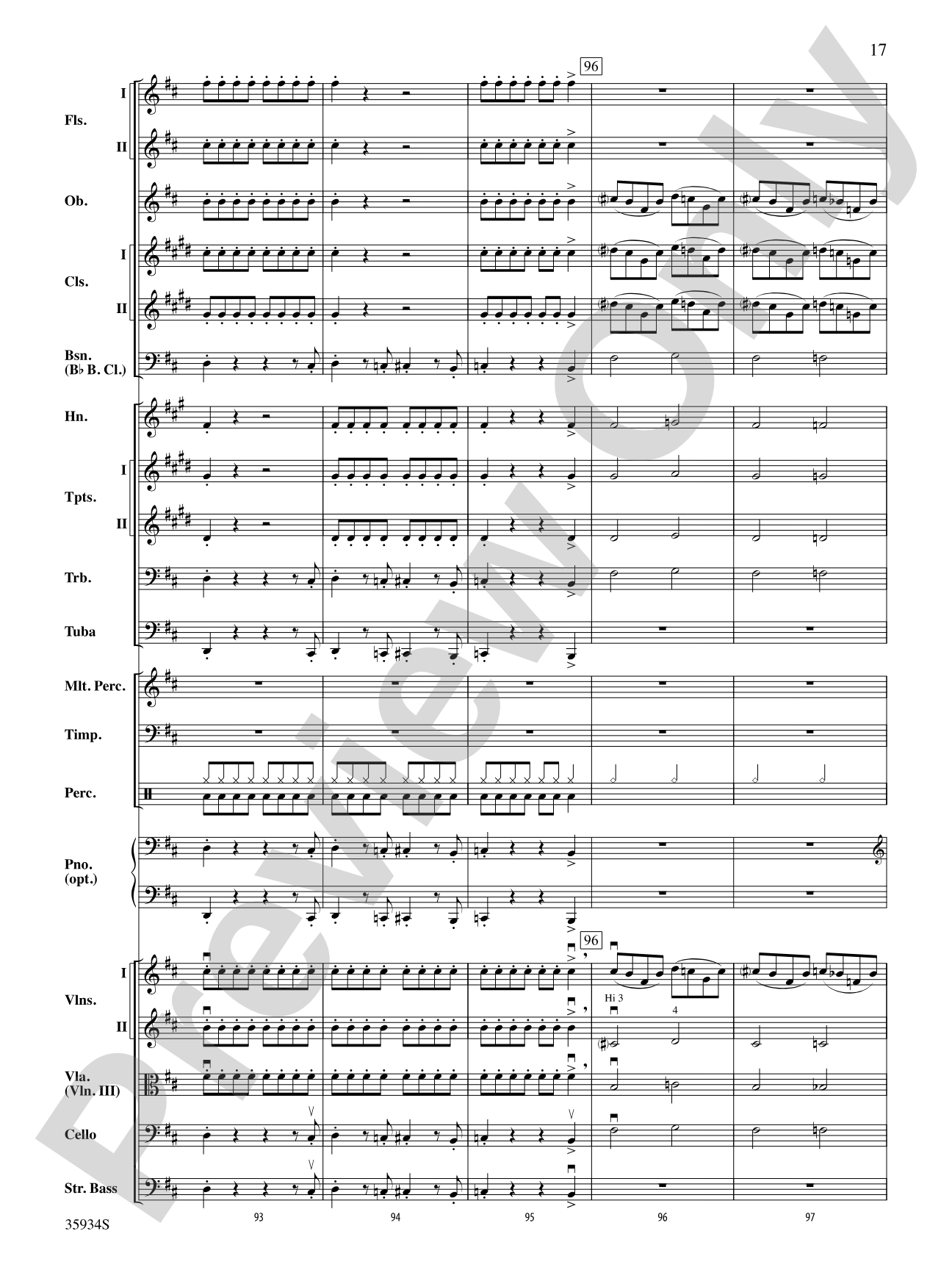
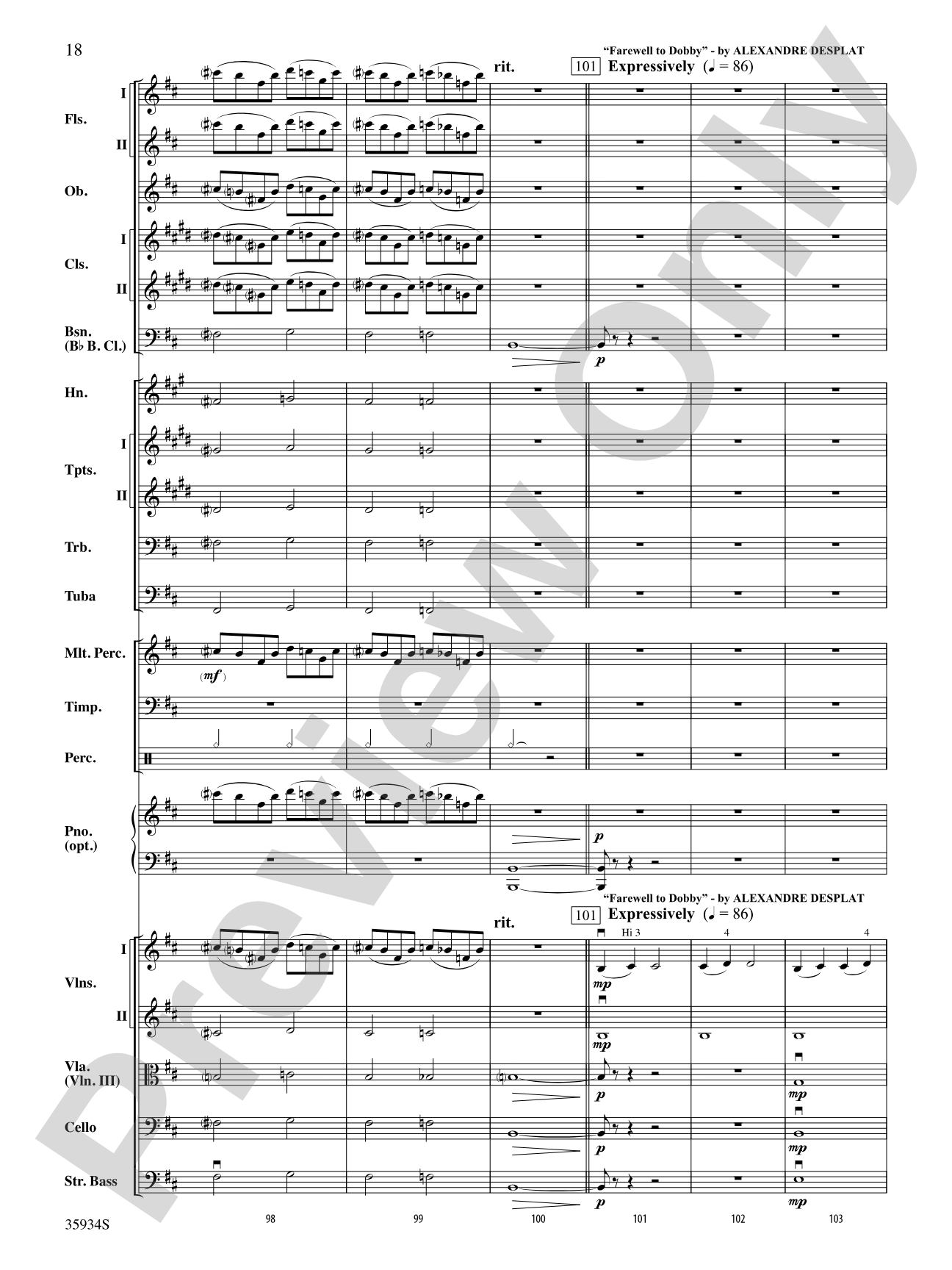
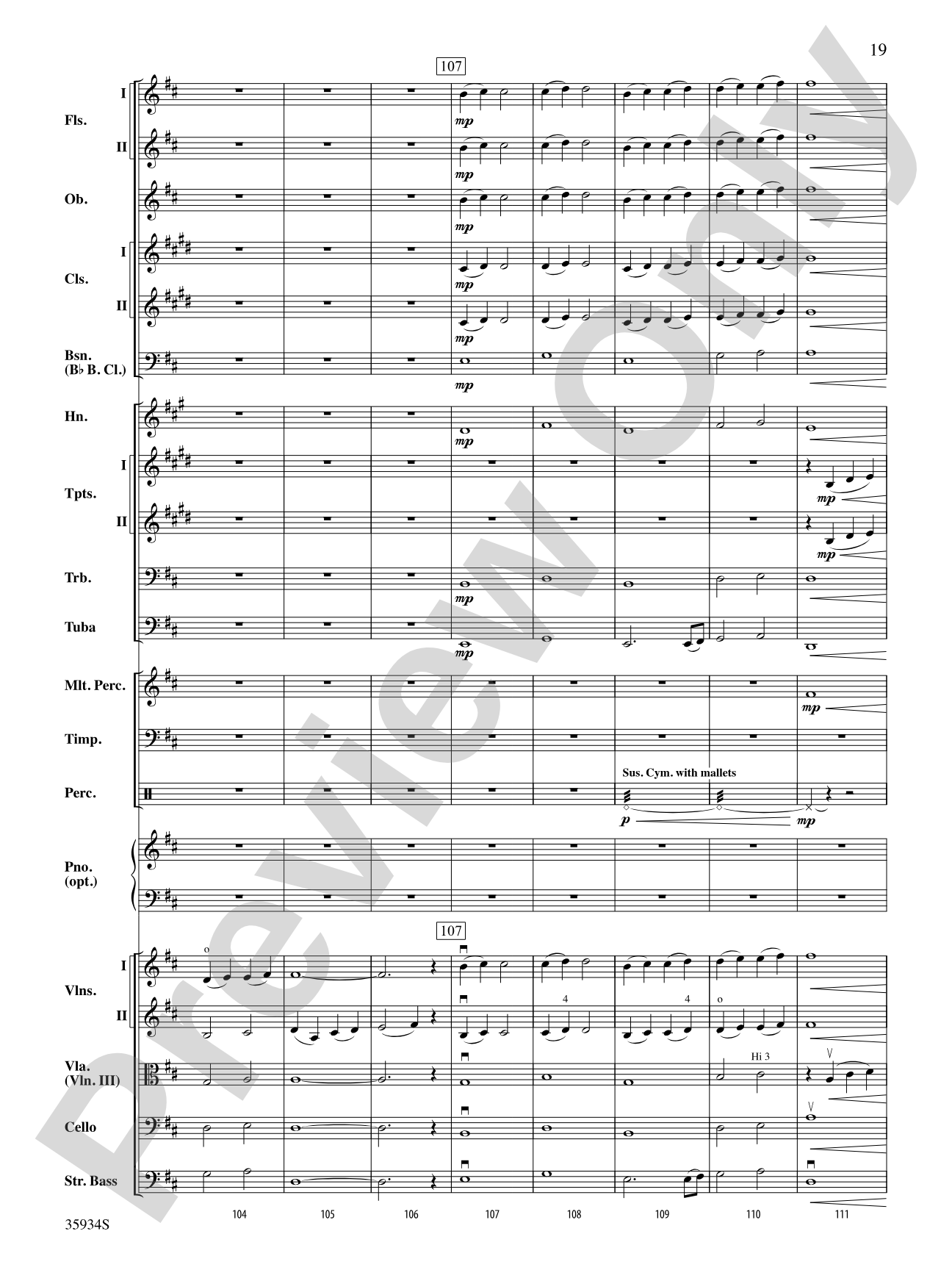
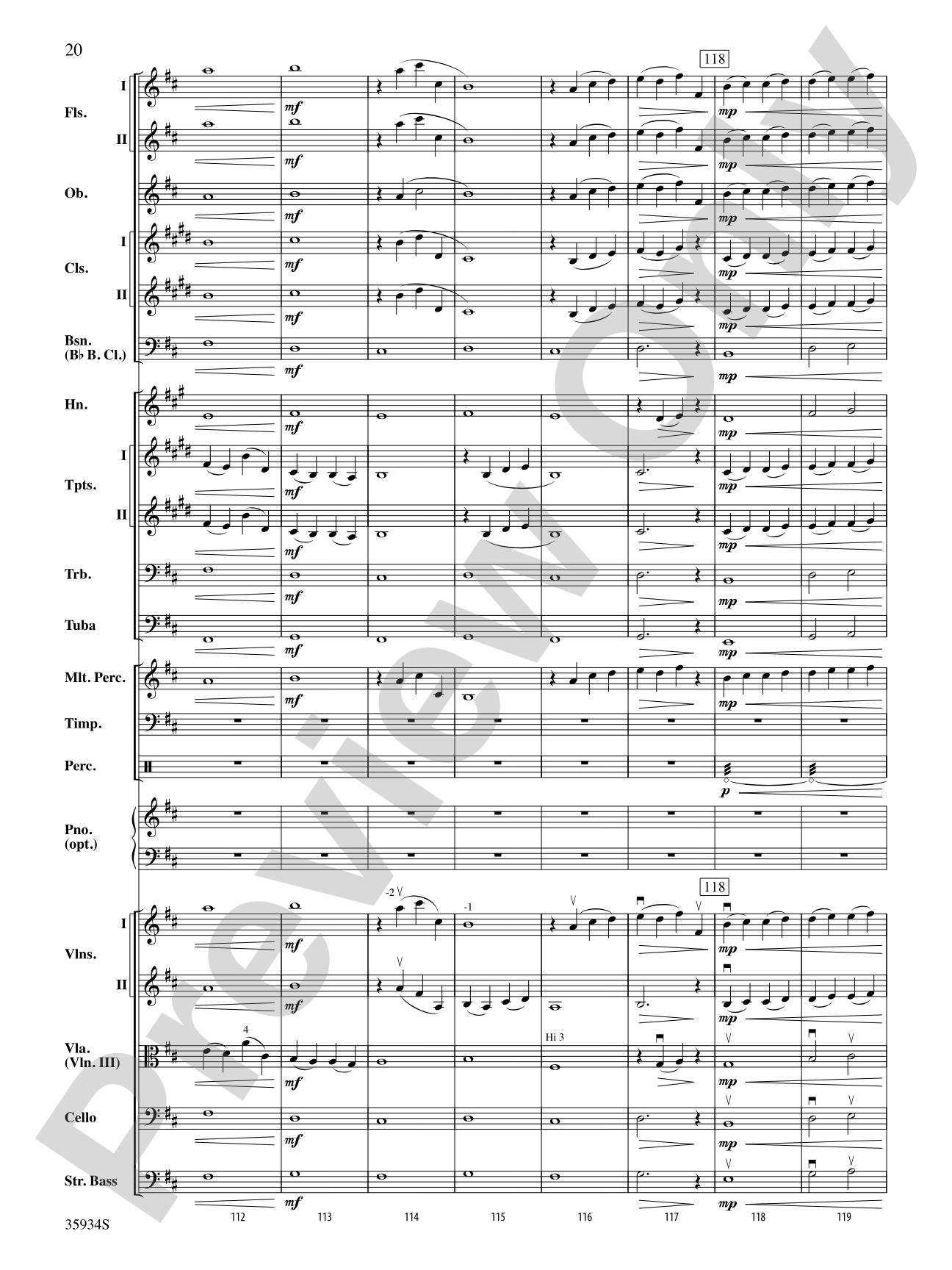
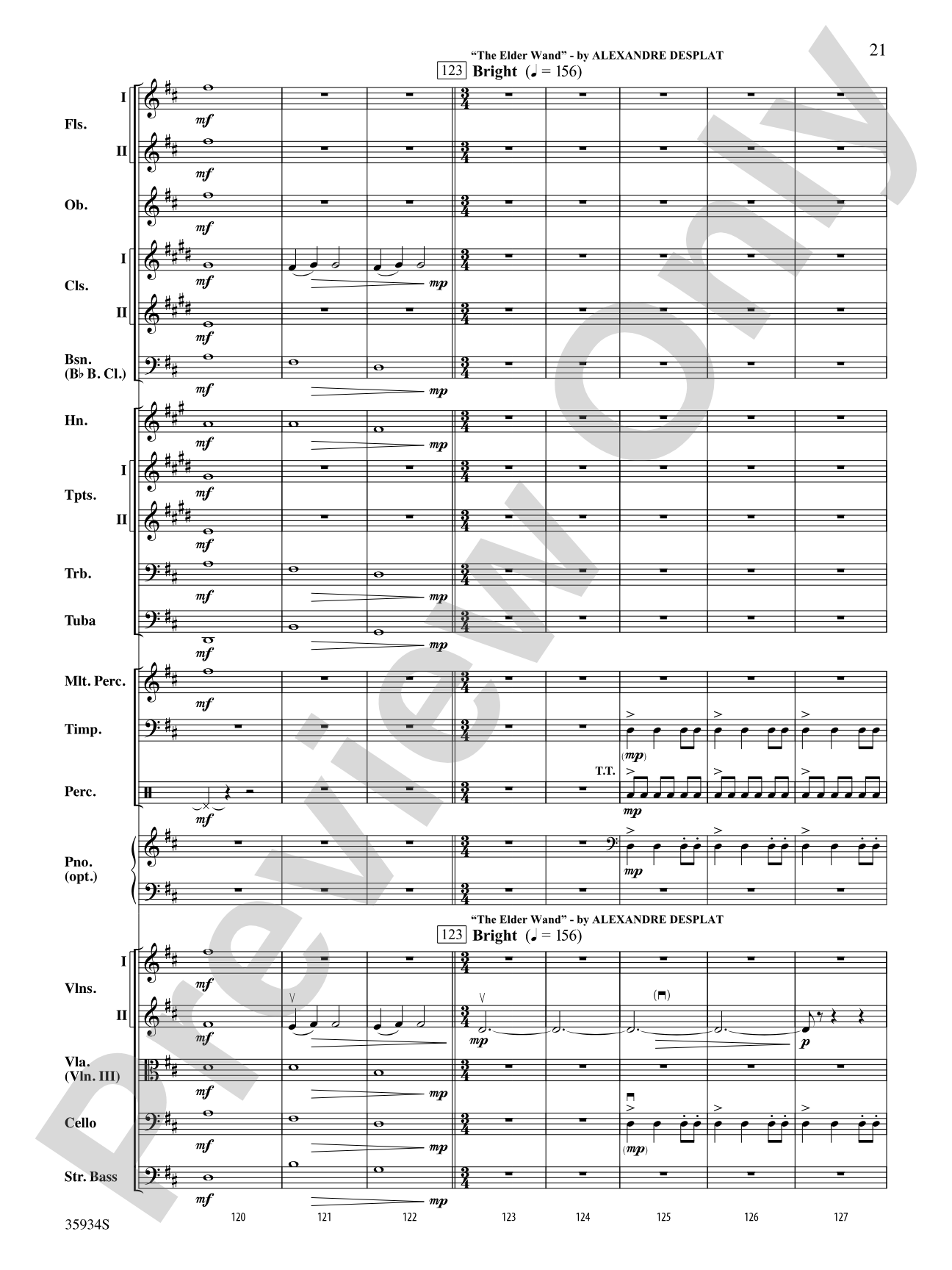
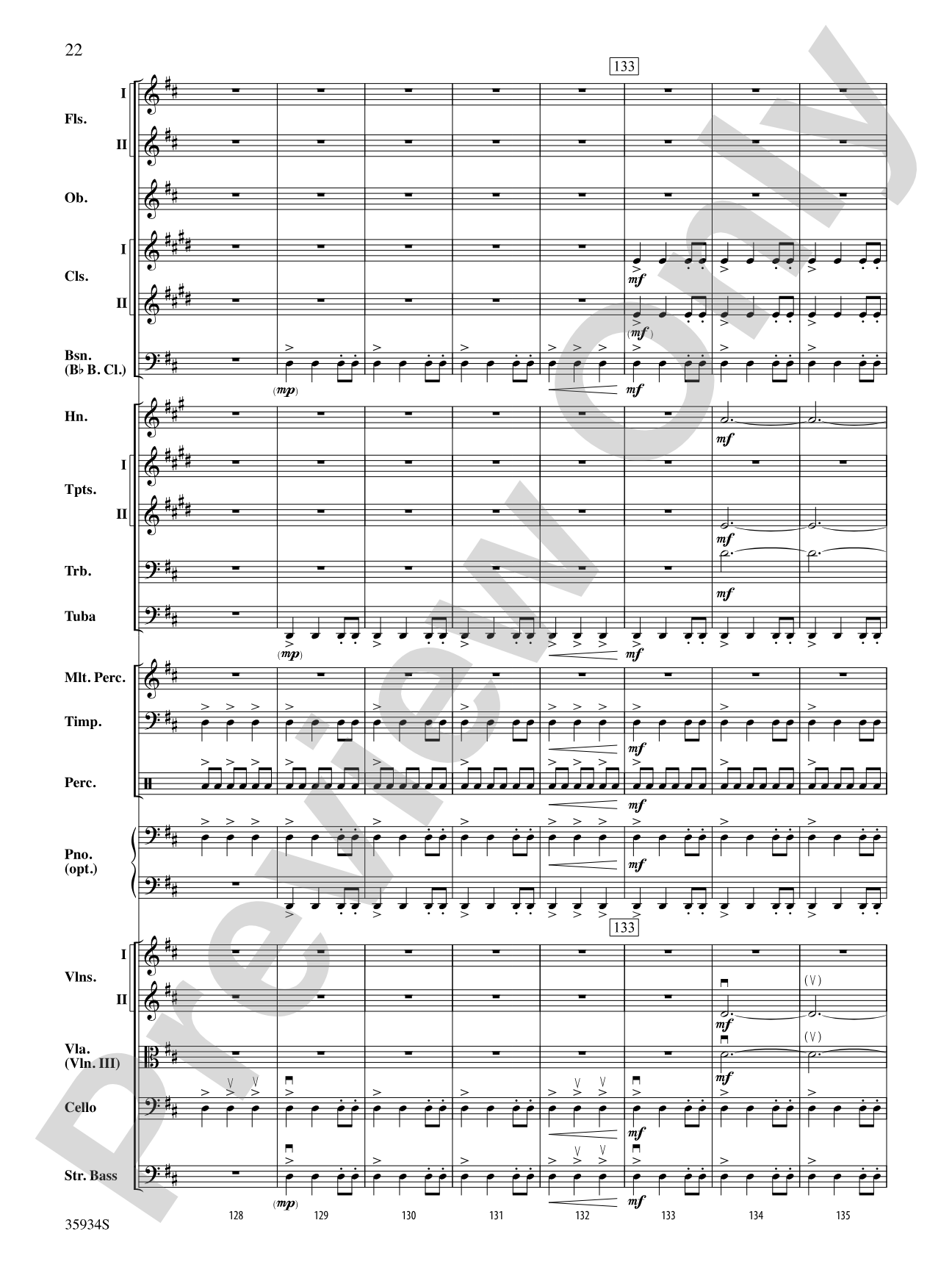
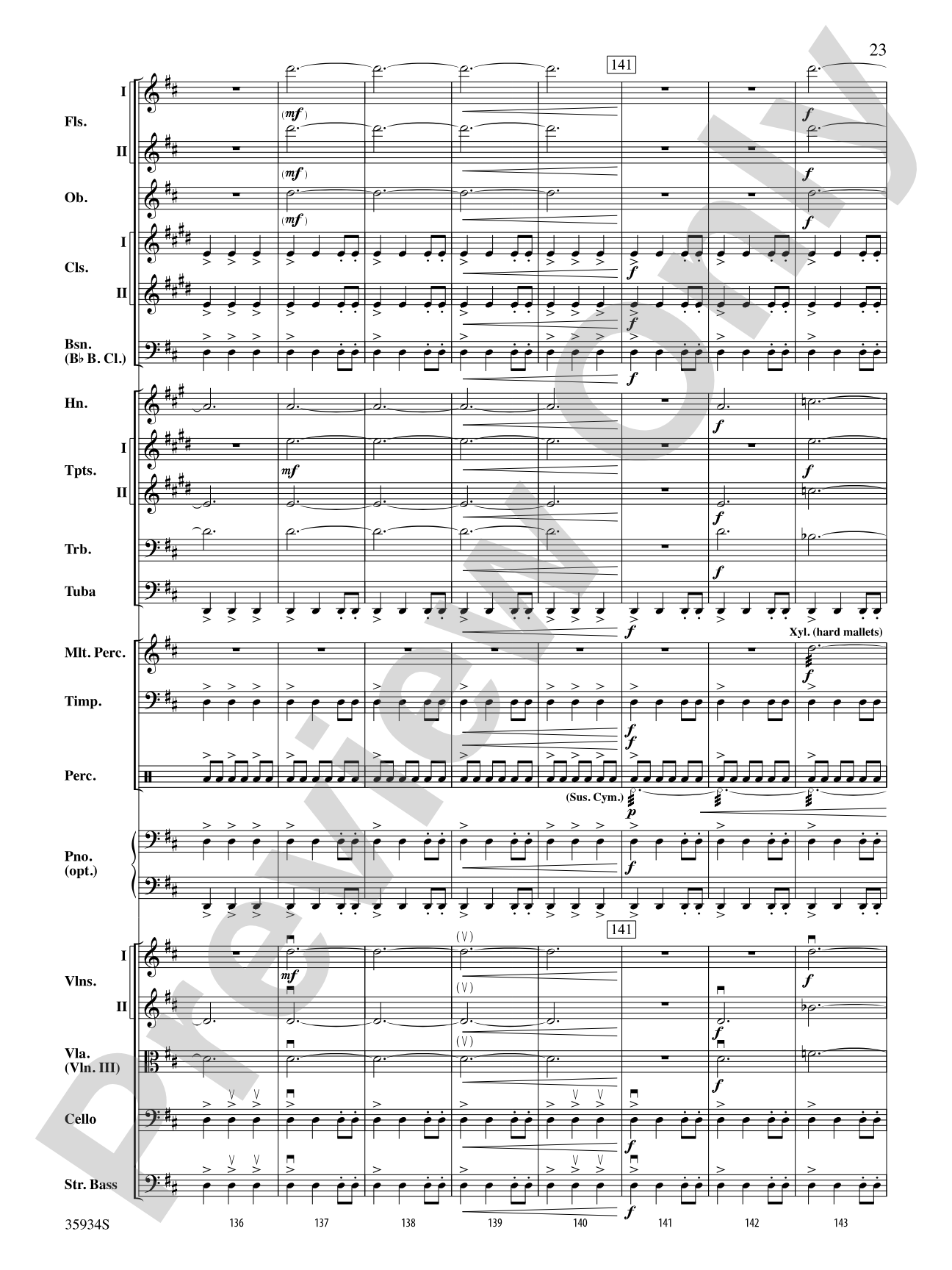
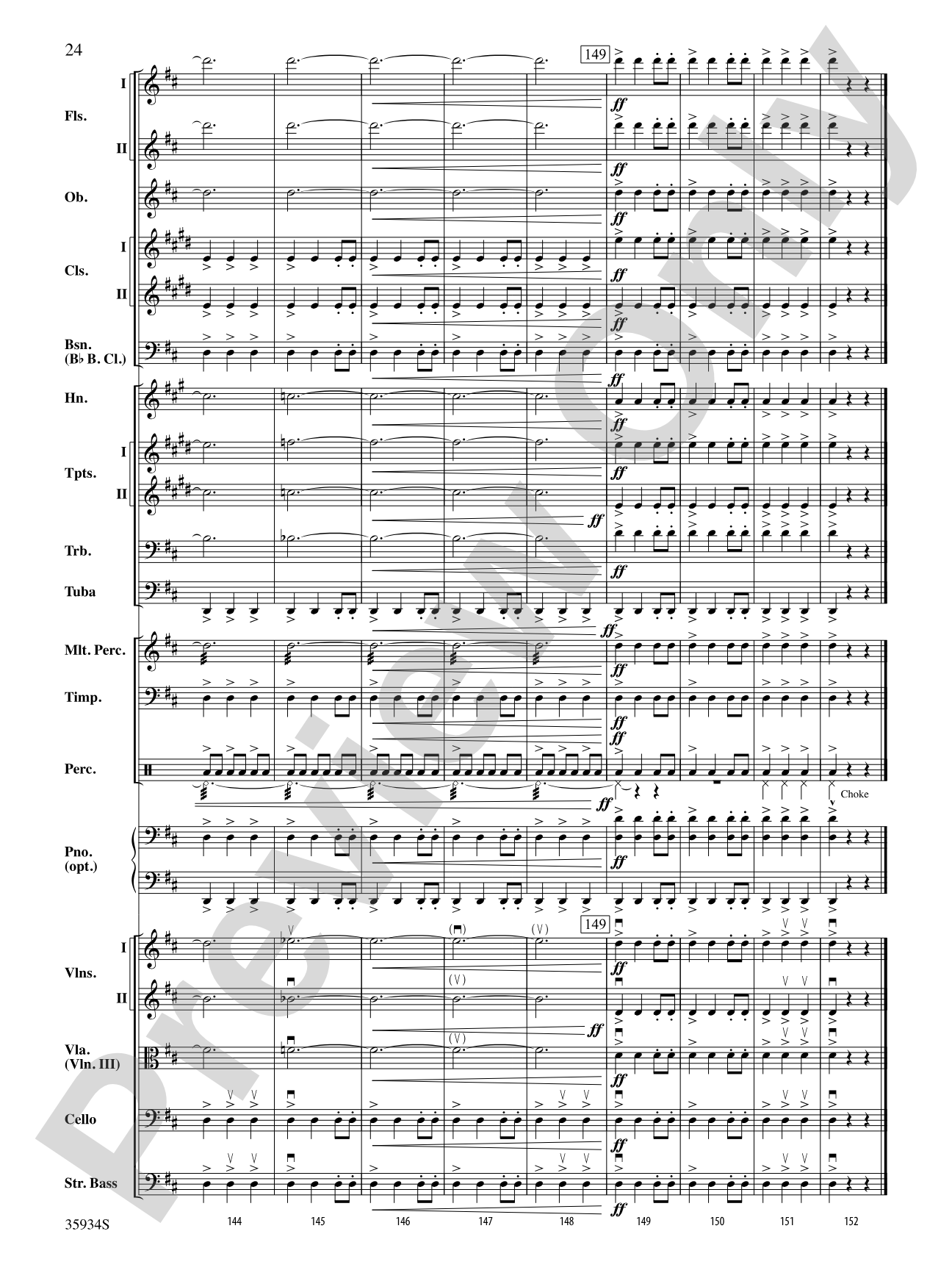

Harry Potter and the Deathly Hallows, Part 1, Selections from: Full Orchestra Conductor Score & Parts
Featuring: Hedwig's Theme / Obliviate / Dobby / Lovegood / Ministry of Magic / Farewell to Dobby / The Elder Wand
Arr. Michael Story
Grade: 3
Item: 00-PK-0004728

$65.00
Pickup currently not available
Buy Extra Parts (Digital PDF Download)
Parts Added to Cart!
Related Items
Harry Potter and the Deathly Hallows, Part 1, Selections from: Concert Band Conductor Score & Parts |
$75.00
|
View | |
Harry Potter and the Deathly Hallows, Part 1, Selections from: Concert Band Conductor Score & Parts |
$75.00
|
View | |
Harry Potter and the Deathly Hallows, Part 1, Selections from: Concert Band Conductor Score |
$10.00
|
View | |
Harry Potter and the Deathly Hallows, Part 1, Selections from: Full Orchestra Conductor Score & Parts |
$65.00
|
View | |
Harry Potter and the Deathly Hallows, Part 1, Selections from: Full Orchestra Conductor Score |
$9.00
|
View |
Description
Perfectly eerie! This arrangement of music from the wonderful soundtrack to the seventh movie in the Harry Potter series contains seven contrasting themes. It is scored for intermediate level full orchestra; however, it is also completely playable by string orchestra alone, or with any number of added winds or percussion.
For educational usage/non-profit performances only; for professional arrangements, visit our rental library at alfred.com/rental.


For educational usage/non-profit performances only; for professional arrangements, visit our rental library at alfred.com/rental.
Don't just read it, hear it, play along with it, and watch your students grow with it. In MakeMusic Cloud, Harry Potter and the Deathly Hallows, Part 1, Selections from: Full Orchestra Conductor Score & Parts comes alive with professional accompaniment, adjustable tempo, and built-in practice tools that turn solo practice into real progress.
Open in the Player
Jump straight in and assign it today.
Start Your Free Trial
Open this title and explore the full library in minutes.
Sample Audio
1
Audio File
--:--
0:00
0:00
Sample Video
No sample videos found.
Additional Details
Series:
Pop Intermediate String/Full Orchestra
Publisher:
Alfred Music
Page Count:
242
SKU:
00-PK-0004728
Instrumentation:
full (bells/xylophone or marimba, timp, suscym, snare, shaker, tom tom, pno opt, vln3)
More about this title
About the Arranger: Michael Story
Michael Story is an accomplished arranger and composer whose work appears regularly in school band and orchestra programs across North America. He has a gift for adapting popular film and musical theater scores into accessible, musically satisfying arrangements that respect both the original compositions and the capabilities of young musicians.
Why we love this
Story's orchestration captures the unsettling atmosphere of this film's score without requiring a full complement of advanced players. The flexibility to perform as string orchestra, as full orchestra, or with selective wind and percussion additions means you can tailor this to your exact instrumentation and rehearsal time, making it genuinely practical for programs of different sizes and resources.
What to expect
The arrangement channels the creeping tension and dark mystery of the film's soundtrack. Sinister harmonies layer over sustained strings and sparse percussion, building an emotional landscape that feels both cinematic and genuinely orchestral, never cheapened or oversimplified.
Who it's for
This score works for intermediate-level full orchestras in grades 6-12 that want concert repertoire with immediate appeal to students and audiences. String orchestras will find these selections equally rewarding and complete without any wind parts at all.
How to get the most out of it
- Balance the atmospheric passages by keeping dynamic contrasts subtle; these themes build power through layering rather than sudden volume shifts.
- Give your string section independent attention to the articulation and phrasing within their sustained textures, so the winds and percussion don't overshadow the harmonic foundation.
- Experiment with optional piano part in rehearsal to support ensemble cohesion during transitions between the seven contrasting themes, then determine whether you need it in performance.
- Shape the percussion colors carefully; timpani and suspended cymbal should enhance mood, not dominate the eerie character that defines these selections.
How to use it
Program this in an October concert alongside other film music or thematic works to create a cohesive set. Its intermediate difficulty and Halloween association make it ideal for fall performances, and the seven separate themes give you natural points for pacing and audience engagement throughout the piece.
Skills your students will build
- Balancing independent string parts within sustained textures
- Responding to conductor cues across thematic transitions
- Creating and sustaining atmosphere through dynamic control and articulation choices
- Coordinating multiple instrumental colors within a unified musical phrase
- Reading and executing optional instrumentation flexibly