

Harmony's Never Too Late: Choral SoundPax
Lyrics by Lynn Ahrens, music by Stephen Flaherty / arr. Mark Hayes
Item: 00-PK-0008619
$15.00
One moment…
Related Items
Harmony's Never Too Late: SATB Choral Octavo |
$2.25
|
View | |
Harmony's Never Too Late: SSAA Choral Octavo |
$2.25
|
View | |
Harmony's Never Too Late: TTBB Choral Octavo |
$2.25
|
View | |
Harmony's Never Too Late: SATB Choral Octavo |
$2.25
|
View | |
Harmony's Never Too Late: SSAA Choral Octavo |
$2.25
|
View | |
Harmony's Never Too Late: TTBB Choral Octavo |
$2.25
|
View | |
Harmony's Never Too Late: Choral Octavo SoundTrax CD |
$29.99
|
View | |
Harmony's Never Too Late: Choral SoundPax |
$15.00
|
View |
Description
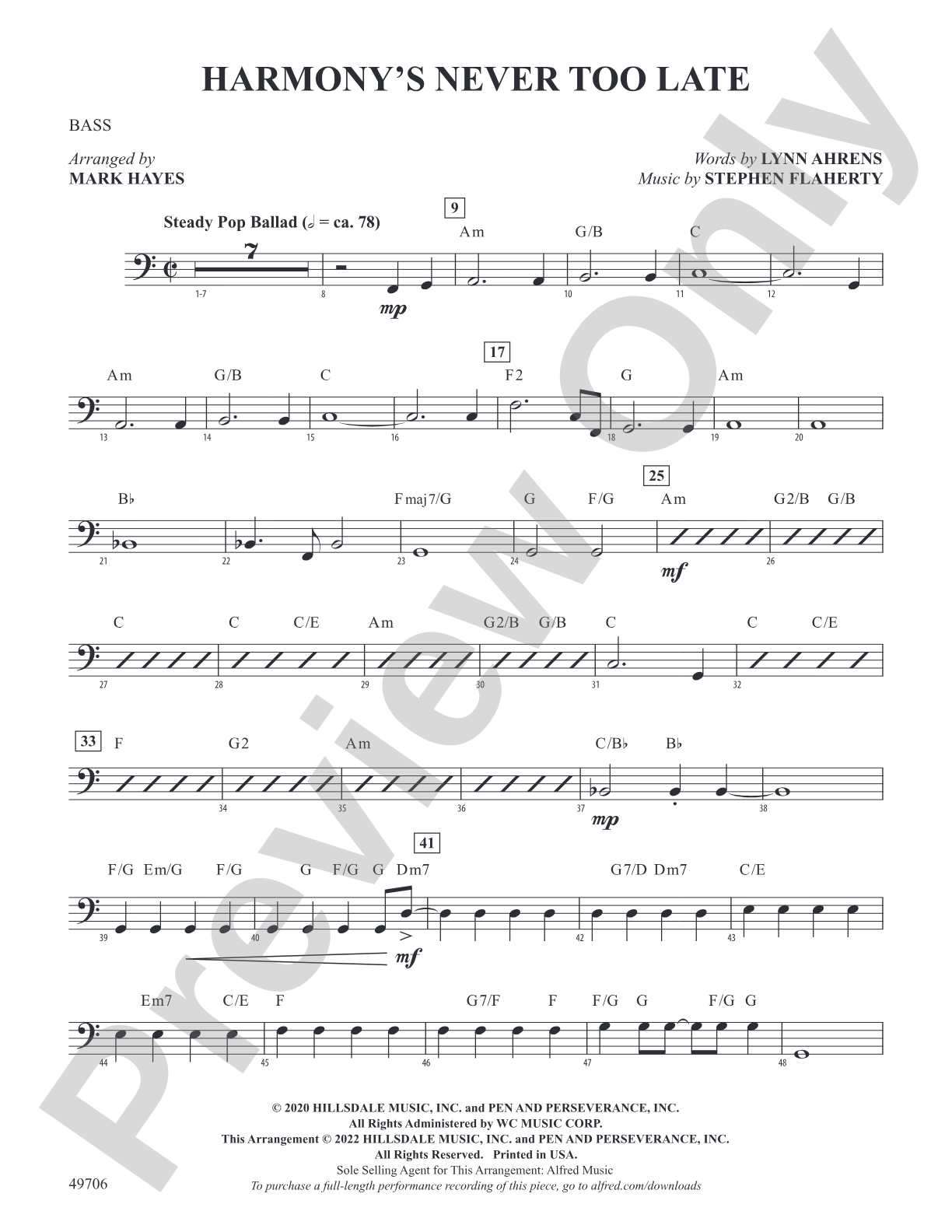
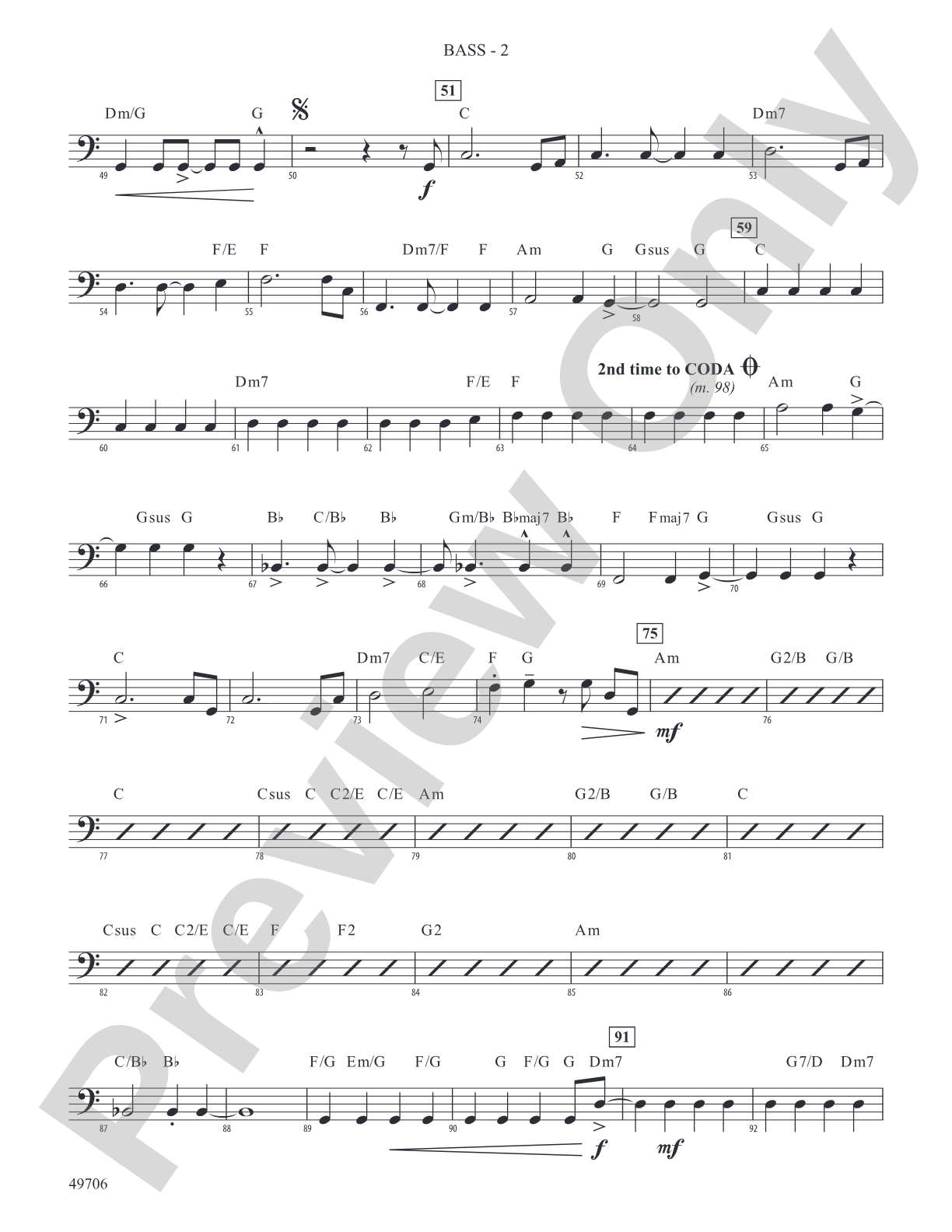
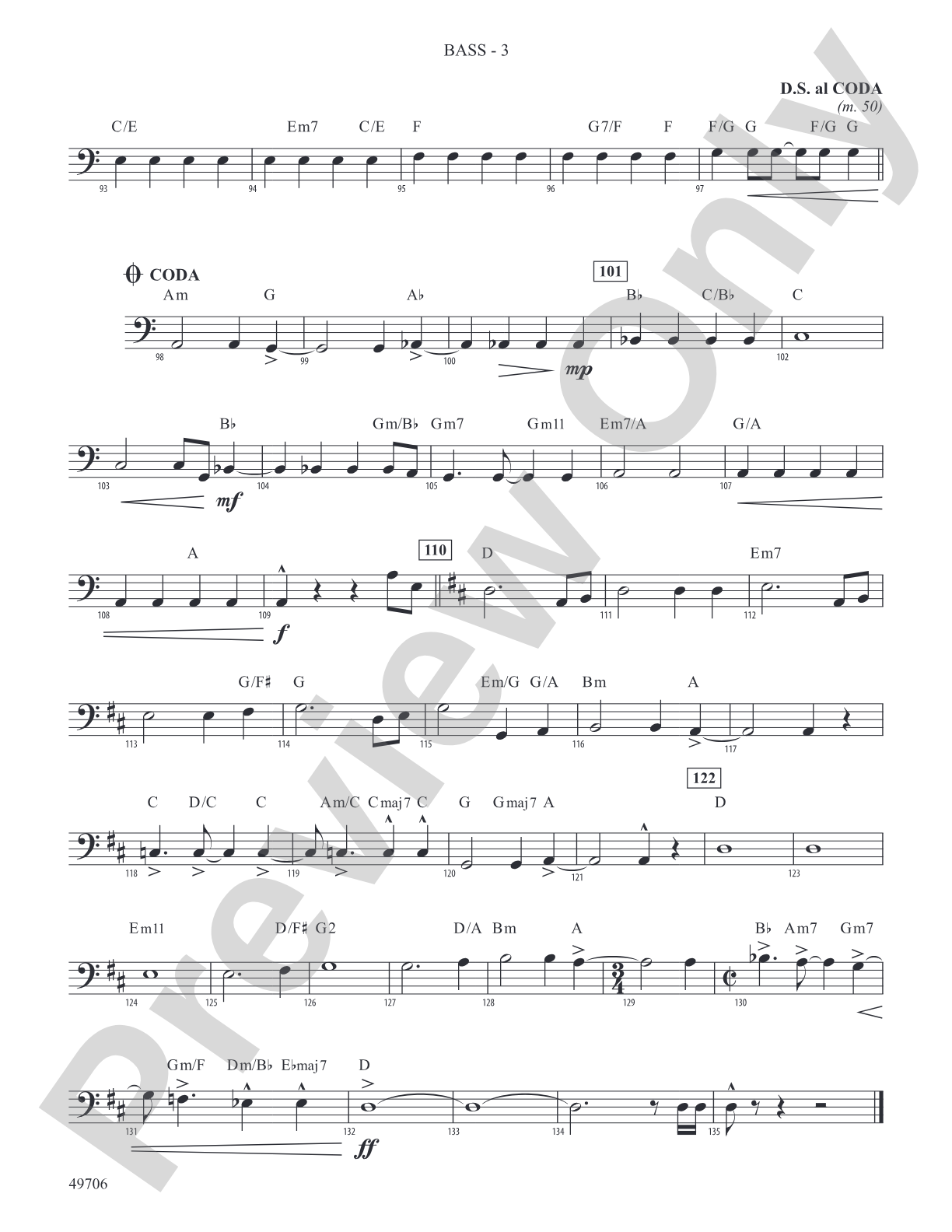
This powerful choral anthem was written by Broadway songwriters Lynn Ahrens and Stephen Flaherty in honor of the 40th anniversary of The Gay Men's Chorus of Washington, DC. Lynn's text uses harmony as a metaphor to represent acceptance, and Stephen's inspirational music is a canvas of hope and strength. Robust piano, bass, and drum parts provide a sturdy pop accompaniment for three full voicings designed to accommodate any four-part group.


Harmony's Never Too Late: Choral SoundPax isn't in MakeMusic Cloud just yet...but it could be. Let us know you'd like to see it, and you'll help shape what comes next. In the meantime, start a free trial and dive into thousands of interactive titles your students can play along with today.
Request This Title
Tell us you want it.
Start Your Free Trial
Explore everything that's ready to play right now.
Sample Audio
1
Audio File
--:--
0:00
0:00
Sample Video
No sample videos found.
Additional Details
Series:
Alfred Pop Choral Series
Publisher:
Alfred Music
SKU:
00-PK-0008619
More about this title
About the Composer: Stephen Flaherty
Stephen Flaherty is a Tony Award-winning composer whose work spans Broadway, film, and concert music. His collaborations with lyricist Lynn Ahrens have produced some of musical theater's most celebrated scores, including Ragtime, Anastasia, and Hadestown, each marked by melodic richness and emotional depth that translates powerfully to choral settings.
Flaherty's compositional voice balances accessibility with sophistication. Whether writing for the Broadway stage or the concert hall, he crafts music that engages performers and audiences alike, creating moments of genuine uplift without sacrificing musical substance.
Why we love this
Flaherty and arranger Mark Hayes have created something rare: a contemporary pop-styled anthem that feels both urgent and generous in its message. The three full voicings give you real flexibility in casting, while the rhythm section parts (piano, bass, drums) ground the piece in accessible pop idiom without requiring your choir to navigate overly complex arranging.
What to expect
The music radiates warmth and optimism without veering into saccharine territory. Hayes's pop-influenced orchestration (robust piano, bass, and drums) creates a contemporary soundscape that supports voices reaching toward moments of genuine emotional climax. The overall effect is uplifting and singable, inviting performers to inhabit the message of acceptance that runs through the piece.
Who it's for
This piece belongs in any four-part choir seeking contemporary material with real cultural resonance. It works equally well for high school choirs looking to expand beyond traditional pop arrangements and for community or adult ensembles drawn to music that celebrates inclusion and human connection.
How to get the most out of it
- Balance the vocal lines so the text remains clear even as the harmony thickens. Hayes's arrangement supports rather than obscures the lyrical content about acceptance and unity.
- Use the recorded accompaniment to establish the groove and energy, but encourage singers to connect with the emotional arc independently so they're not simply tracking the recording.
- Shape the dynamics across all three voicings as a unified choir, not as separate sections. This creates the sense of 'harmony' the text celebrates.
- Give the rhythm section (piano, bass, drums if using live players) rehearsal time with the choir so the pop accompaniment locks in with the vocal parts rather than sitting on top of them.
How to use it
Program this as a concert closer or centerpiece where you want to land on hope and human connection. Its contemporary idiom pairs well alongside other pop-choral selections while its thematic weight makes it substantial enough to stand as a programming statement on its own. The recorded accompaniment option makes it a practical choice for school concerts and community performances where full instrumental support isn't available.
Skills your students will build
- Singing in four-part harmony with clear voice leading across multiple voicings
- Interpreting contemporary pop-style rhythms and grooves in a choral context
- Connecting lyrical text to musical phrasing in a composition built on metaphor
- Balancing blend and individual voice clarity within a larger harmonic texture