Hangin' with My Peeps Cover Image

Hangin' with My Peeps: Jazz Ensemble Conductor Score

$9.00 USD
Sale price  $9.00 USD Regular price 
Skip to product information
Hangin' with My Peeps Cover Image

Hangin' with My Peeps: Jazz Ensemble Conductor Score

By Kris Berg

Grade: 3.5 (Medium)

Item: 00-40360S

$9.00
Shipped

One moment…

Description
This chart is officially funky. Mr. Berg brings back the chicken-themed groove at a tempo of 106 BPM. Includes a written or ad-lib tenor solo, an optional guitar solos and the lead trumpet range is to written B-flat. The chart also has optional parts to include vibraphone and flute. The band will dig the solid funky groove!

Hangin' with My Peeps: Jazz Ensemble Conductor Score isn't in MakeMusic Cloud just yet...but it could be. Let us know you'd like to see it, and you'll help shape what comes next. In the meantime, start a free trial and dive into thousands of interactive titles your students can play along with today.

Sample Pages

Sample Audio
No sample audio found.
Sample Video
Additional Details
Series: Jazz Band Series
Publisher: Alfred Music
Page Count: 16
UPC: 038081458182
SKU: 00-40360S

More about this title

About the Composer: Kris Berg
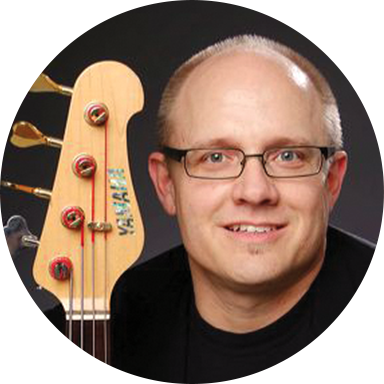
Kris Berg

Kris Berg directs the jazz program at Collin County Community College in Texas, where he earned both his bachelor's and master's degrees in jazz studies from the University of North Texas. His ensembles have received multiple invitations to perform at the Montreux Jazz Festival, and he founded both the Collin Jazz Fest and the Texas All-Star Jazz Camp.

Berg is a prolific arranger and composer whose charts circulate in jazz programs worldwide. He publishes with Belwin Jazz (Alfred Publishing) and has authored the widely-used method book Bass Lines in Minutes. As a clinician and artist for Yamaha Corporation, he has performed alongside world-class musicians including Kurt Elling, Randy Brecker, Peter Erskine, and Clark Terry, among many others.

Why we love this

Berg nails the balance between accessibility and authenticity that makes Grade 3.5 jazz so rewarding to teach. The funky groove is immediate and infectious, so your ensemble stays motivated while learning solid jazz fundamentals. The optional parts (vibraphone, flute, guitar) give you flexibility to showcase your full instrumentation or adapt to what you've got on any given day.

What to expect

Funky, playful, and grounded in real jazz vocabulary. The chicken-themed concept gives it personality and humor, but the groove is serious enough that your band will feel like they're playing actual jazz, not a novelty chart.

Who it's for

Jazz ensembles at the high school and college levels who want material that's musically solid without being overly demanding. Directors looking for a crowd-pleasing number that still teaches disciplined playing will find this especially useful.

How to get the most out of it

  • Lock the rhythm section (piano, bass, drums) into the 106 BPM groove before bringing in the horns. A tight foundation makes the melody sections pop.
  • The tenor solo section works equally well as a written statement or a student improvisation. If you're coaching an ad-lib, start with the written changes and gradually encourage interpretation once the student owns the harmonic structure.
  • Layer in the optional guitar, vibraphone, and flute strategically during rehearsals rather than all at once. Let the ensemble feel the core arrangement first, then color it in.
  • Bring out the lead trumpet's high register (to written B-flat) with warm tone and precision. It cuts through the funk without forcing.

How to use it

This works perfectly as a spring concert opener or a festival performance piece where you want immediate audience engagement. It pairs well alongside more structured bebop or modal charts in the same set, giving you contrasting energy and style.

Skills your students will build

  • Comping chord changes and time feel in a funk/groove context
  • Jazz phrasing and articulation at a medium tempo
  • Trading melody and solos with ensemble sections
  • Ad-lib improvisation over written chord progressions (tenor solo)
  • Dynamic control and sectional balance in a rhythm-driven arrangement

You May Also Like