
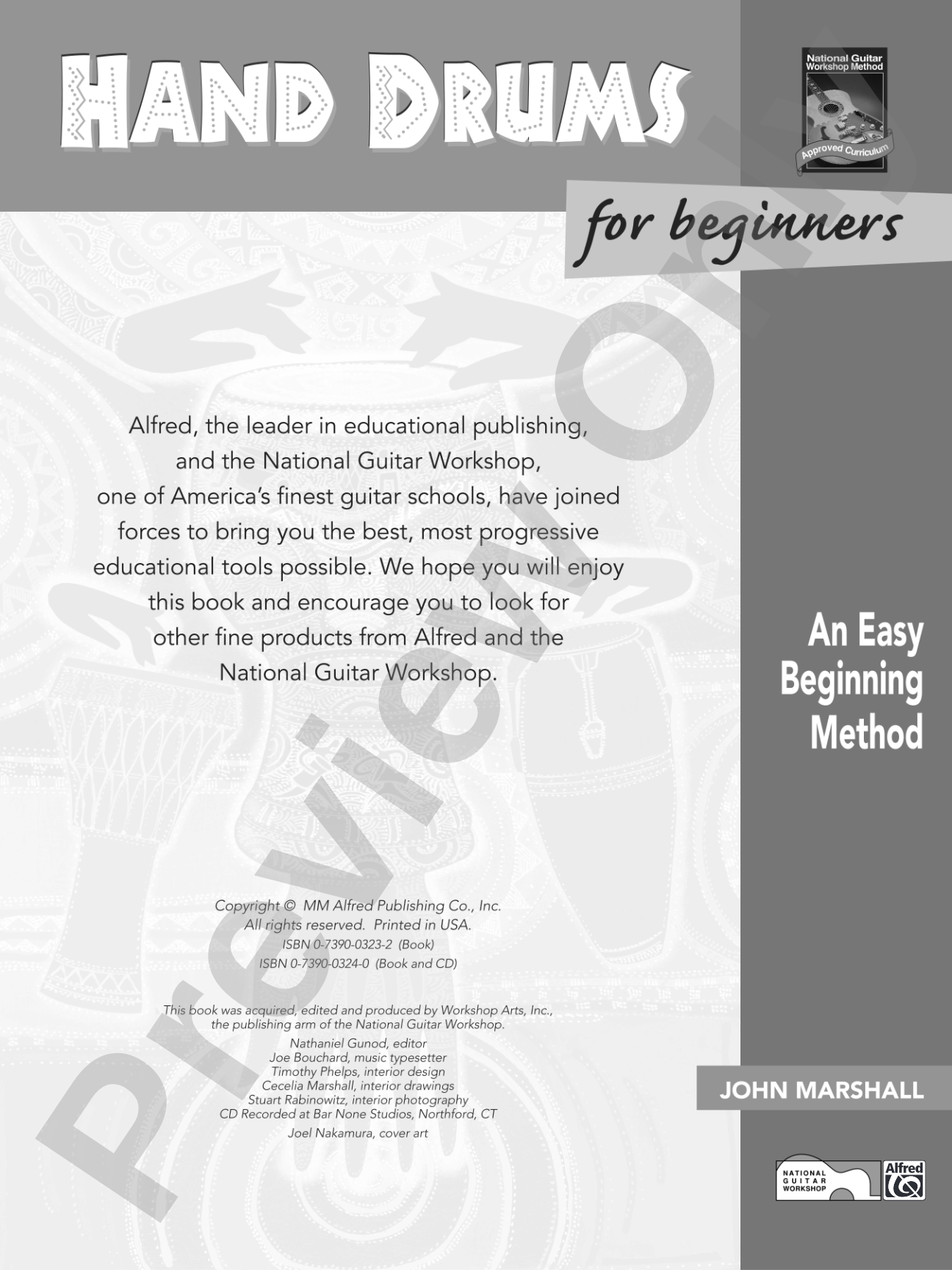

Hand Drums for Beginners: An Easy Beginning Method
An Easy Beginning Method
By John Marshall
Item: 00-PB-0002129
$8.50
Pickup currently not available
Description
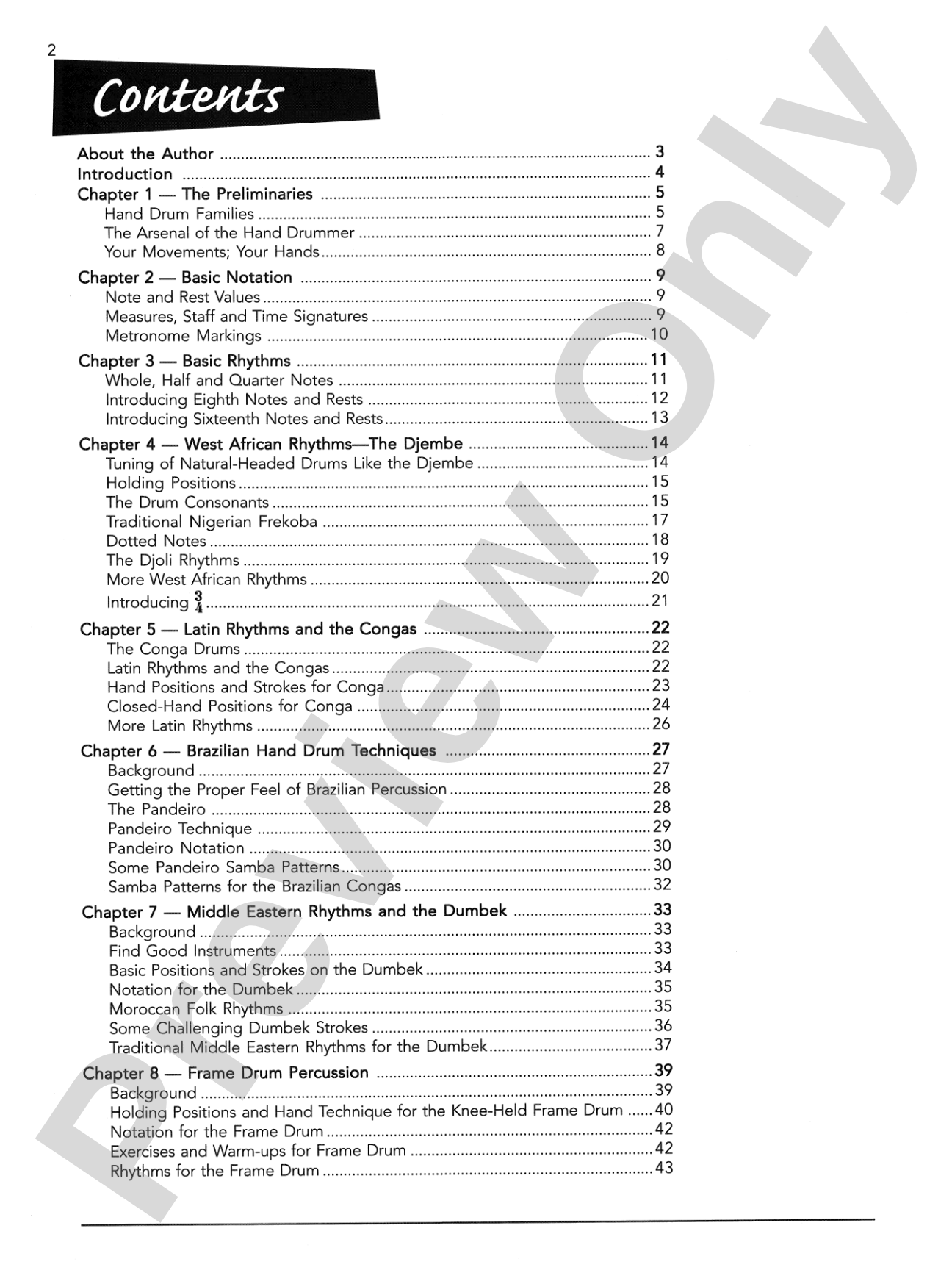
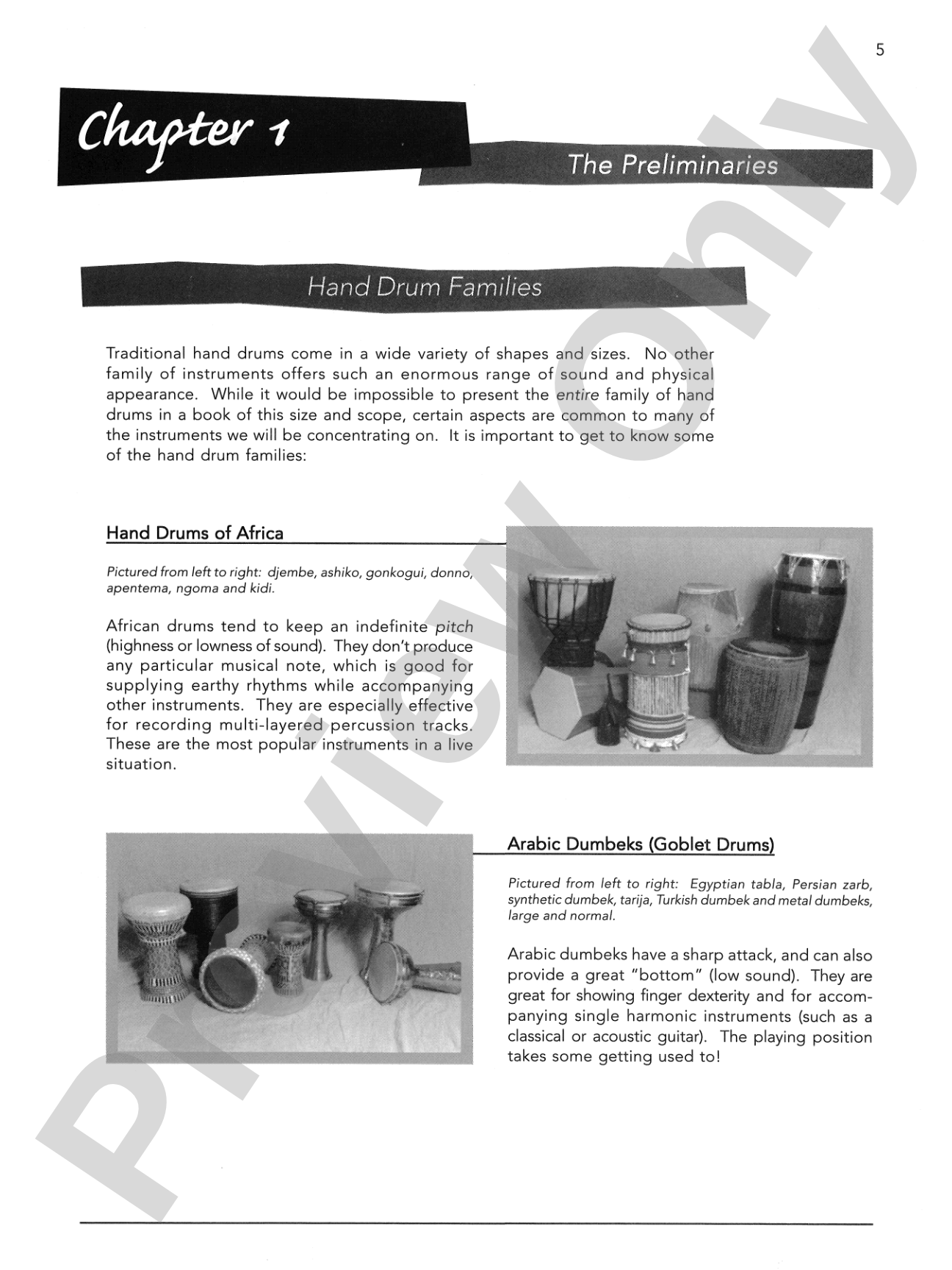
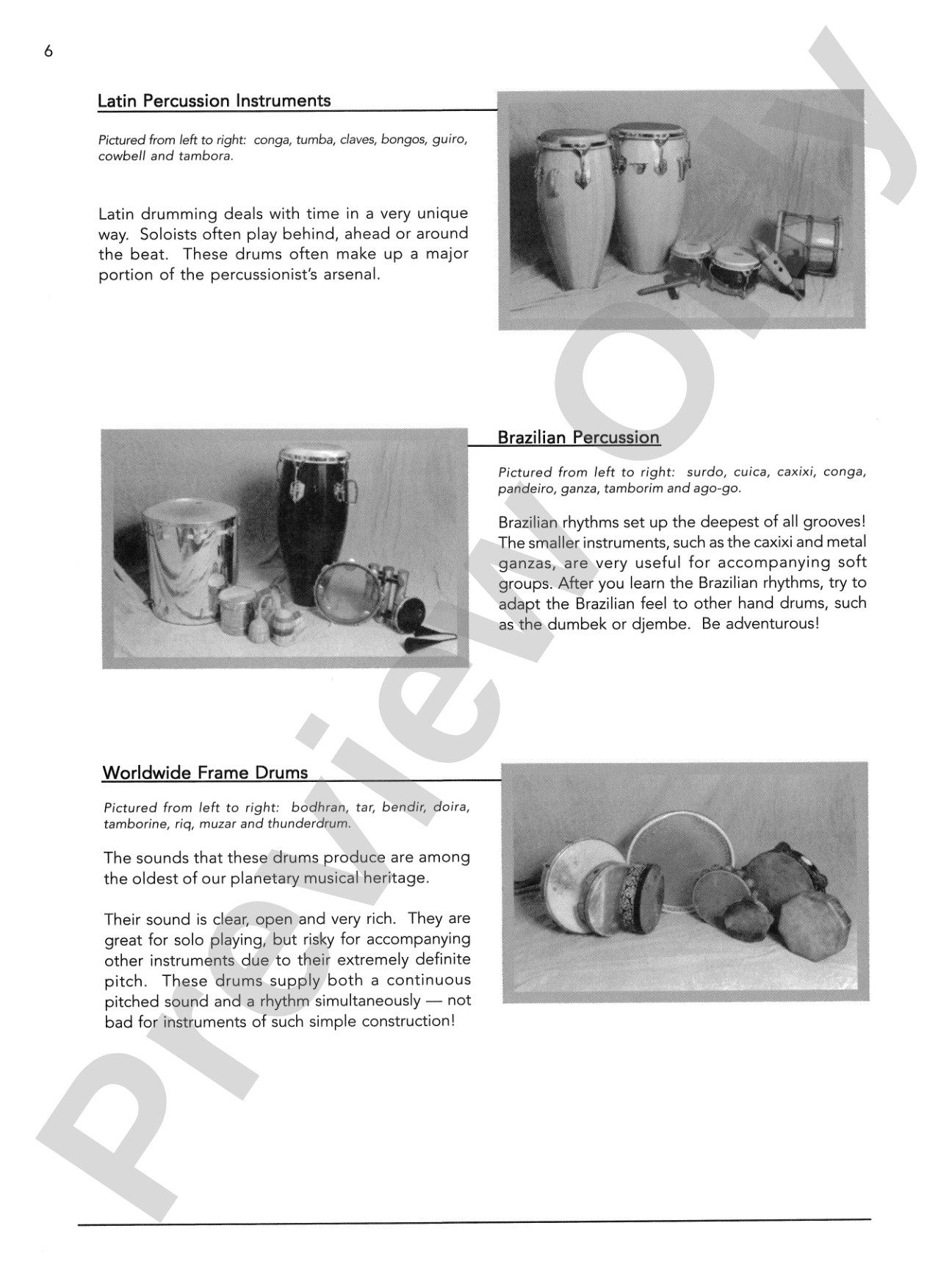
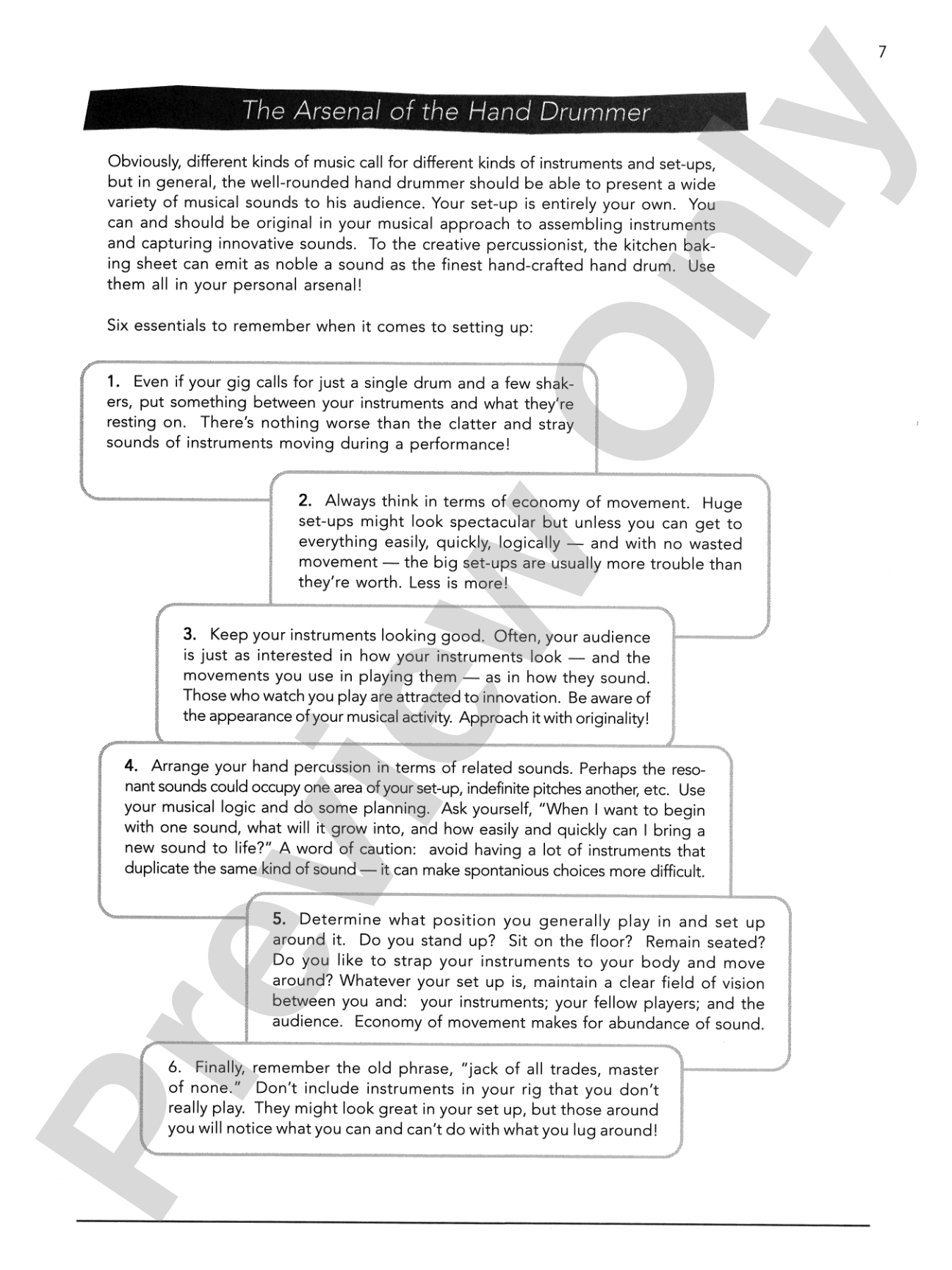
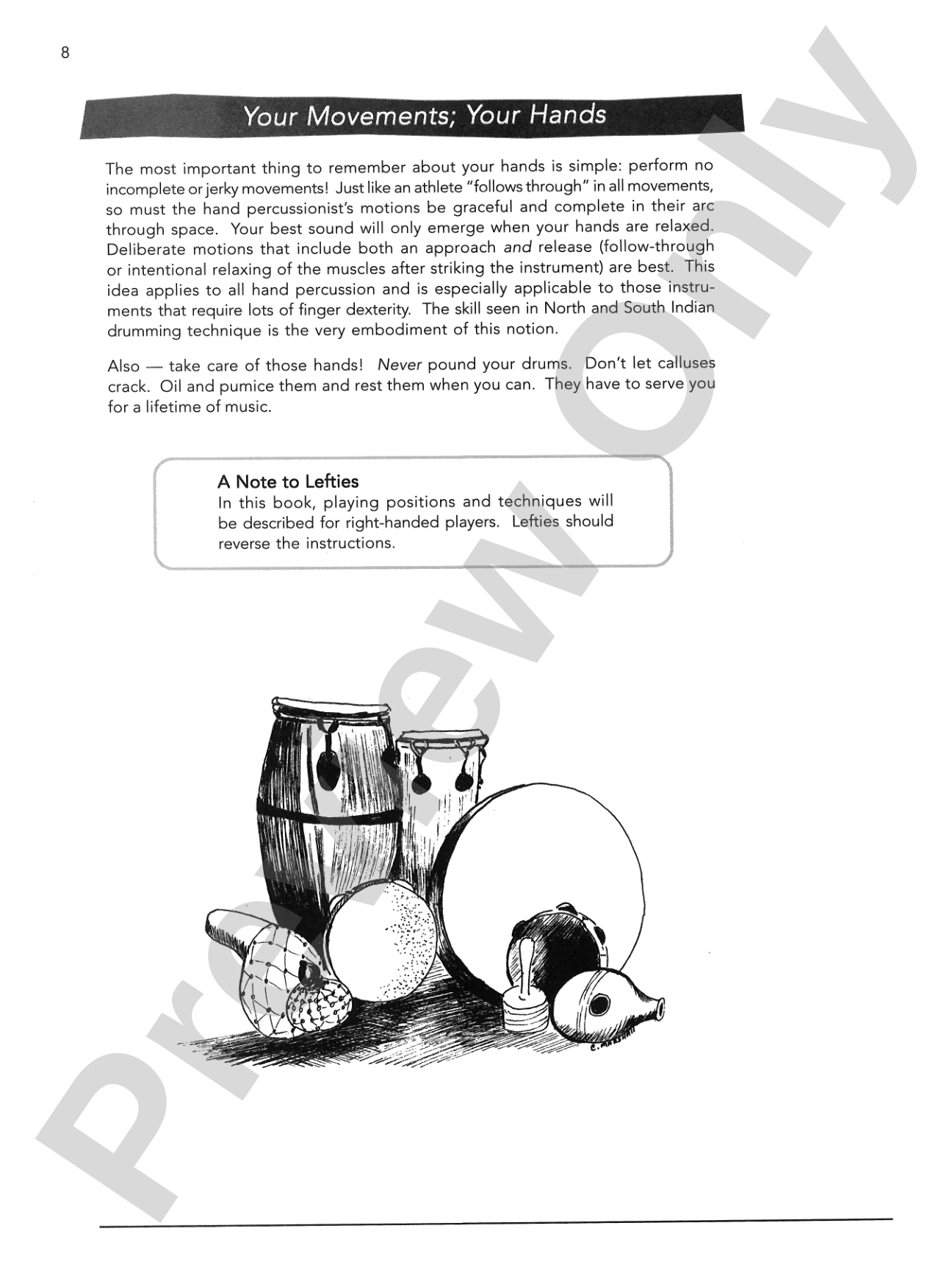
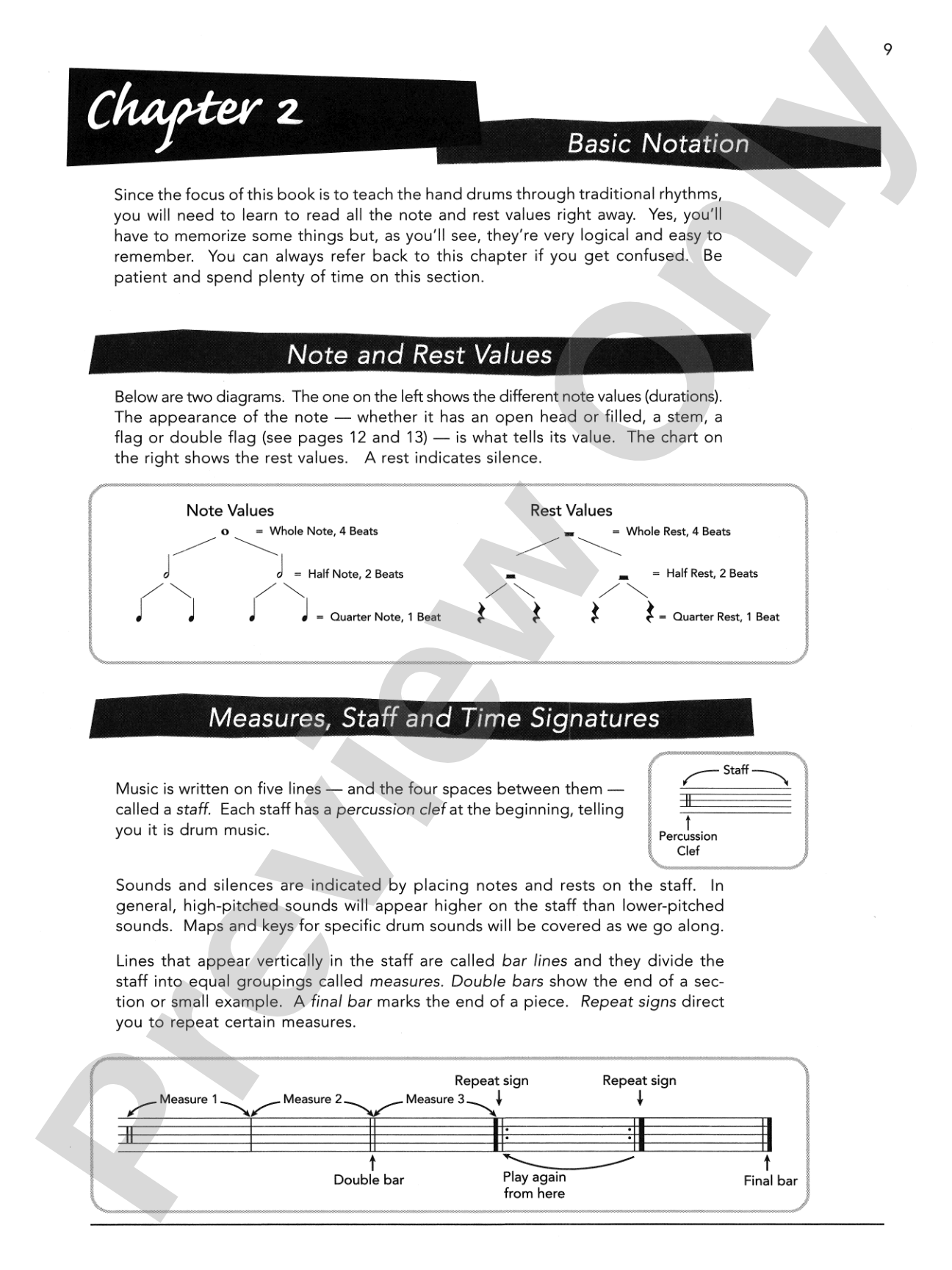
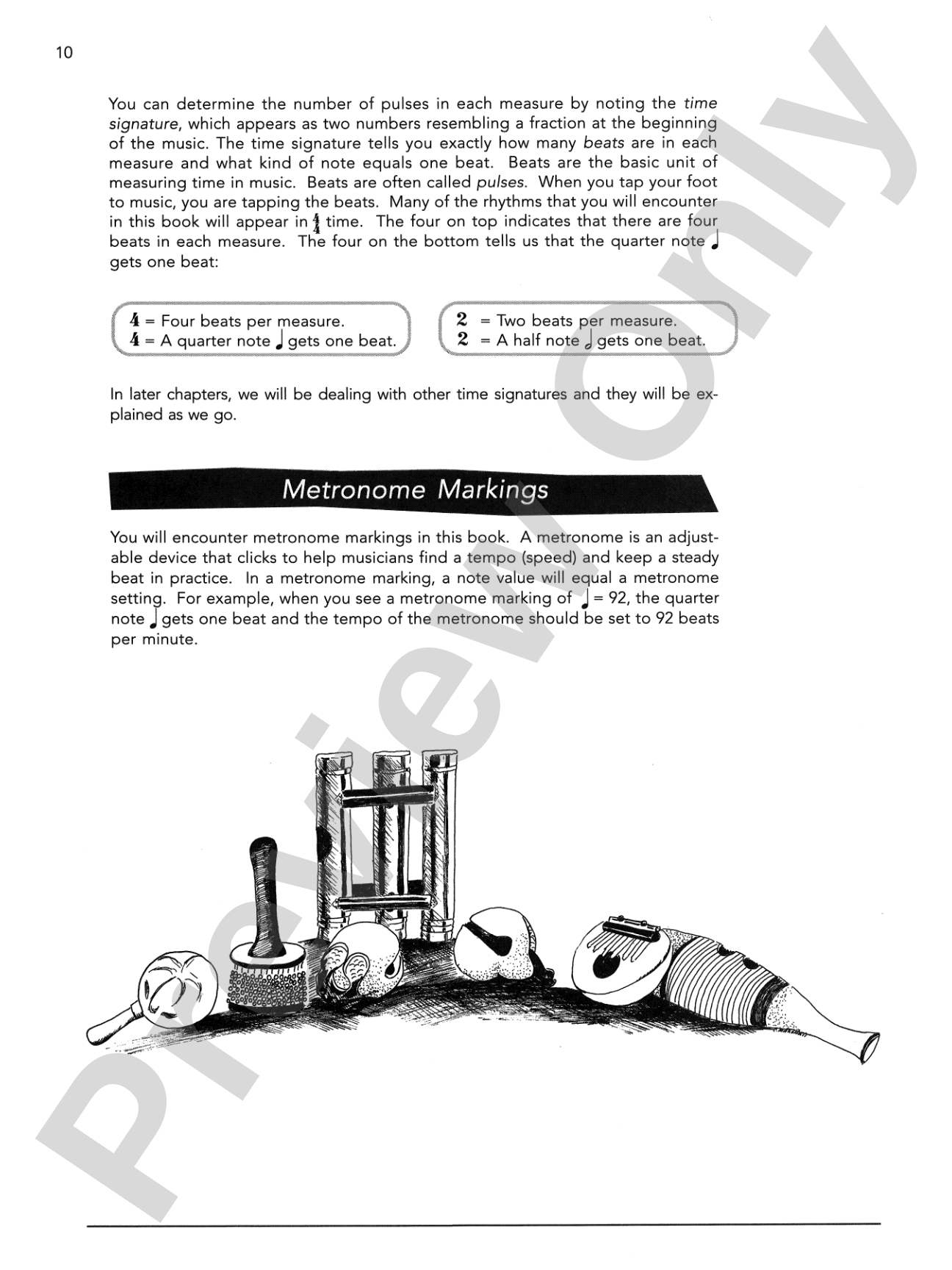
This book teaches everything you need to know to get started playing djembe, conga, pandeiro, dumbek, frame drum, and riq. Starting with an introduction to the various families of drums throughout the world and to basic drum notation, the author takes you from holding each instrument to playing appropriate world rhythms on each. You'll learn about Nigerian Frekoba; West African Djoli; the Latin clave and Samba; Moroccan folk rhythms; Arabic Dawr Hindy and much more! The easy, step-by-step approach will quickly have you playing rhythms from all over the world. A CD demonstrating all the examples and for playing along is available!


Hand Drums for Beginners: An Easy Beginning Method isn't in MakeMusic Cloud just yet...but it could be. Let us know you'd like to see it, and you'll help shape what comes next. In the meantime, start a free trial and dive into thousands of interactive titles your students can play along with today.
Request This Title
Tell us you want it.
Start Your Free Trial
Explore everything that's ready to play right now.
Sample Audio
No sample audio found.
Sample Video
No sample videos found.
Additional Details
Publisher:
Alfred Music
Page Count:
48
SKU:
00-PB-0002129
More about this title
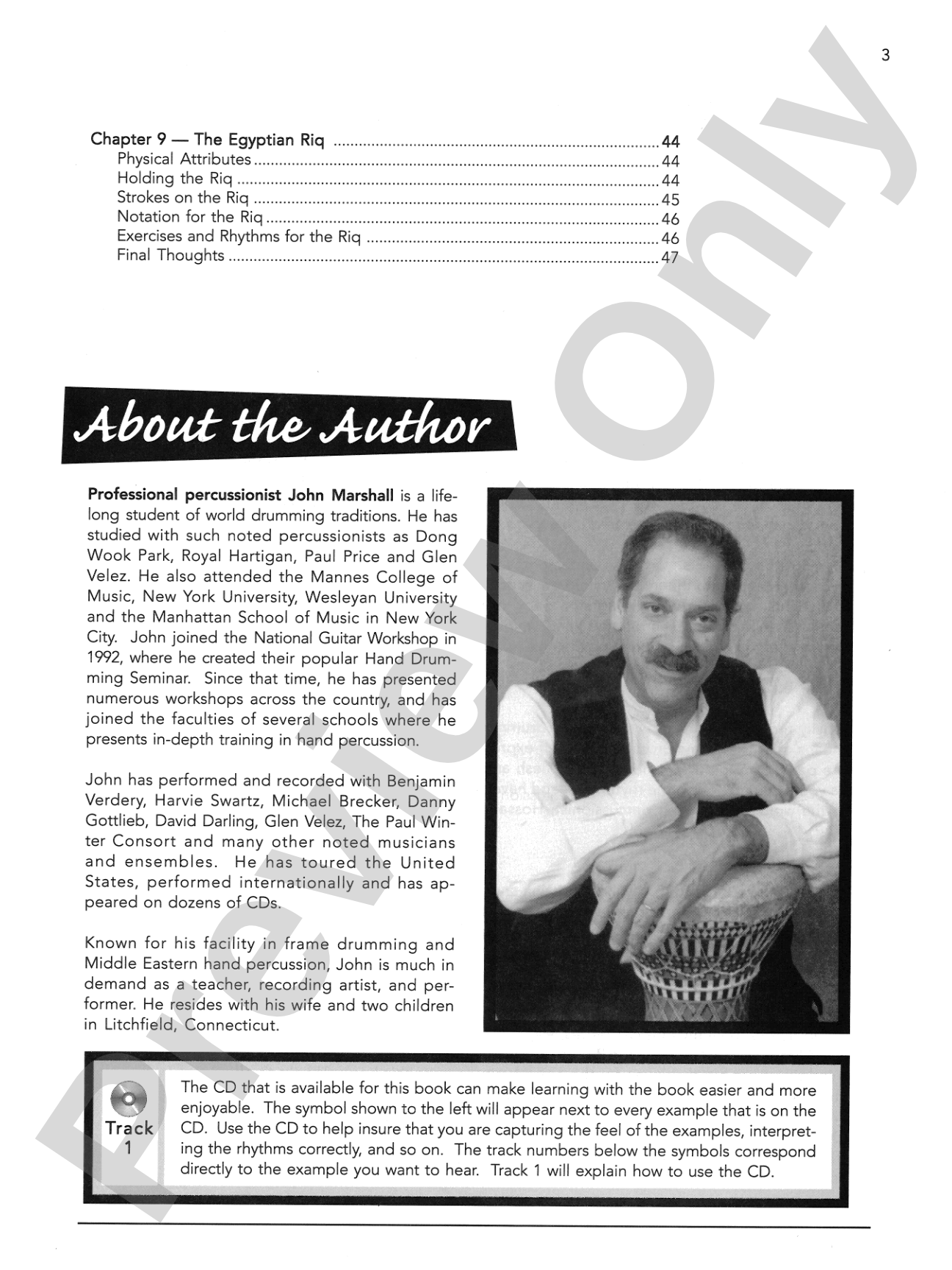
About the Composer: John Marshall
John Marshall has built a career making world percussion accessible to students and teachers who lack prior experience with these traditions. His pedagogical approach prioritizes authentic rhythmic foundations while removing barriers to entry, allowing learners to progress from basic technique to culturally rooted repertoire.
Why we love this
This method stands out because it treats hand drums not as exotic add-ons but as instruments with serious rhythmic vocabulary and cultural contexts. Marshall balances technique instruction with exposure to genuine traditions from Nigeria, West Africa, Latin America, Morocco, and the Arab world, so students aren't just hitting drums; they're learning real repertoire with historical meaning.
What to expect
Opening this book feels like being handed a passport to global rhythmic traditions. You move through West African djembe patterns, Latin clave and samba grooves, Moroccan folk idioms, and Arabic rhythms with equal care, discovering how different cultures have developed distinct approaches to hand percussion and syncopation.
Who it's for
Percussionists new to hand drumming who want a structured entry point into world music traditions. Band and orchestra programs looking to expand percussion offerings and expose students to non-Western rhythmic concepts. World music ensembles, multicultural performance groups, and music teachers who need a curriculum guide for teaching hand drums.
How to get the most out of it
- Reference the recorded accompaniment while you work through each rhythm family. Hearing the drum patterns in context clarifies how your part sits within the larger groove.
- Spend time with hand position and basic strokes before advancing to the world rhythms. The foundation matters more than moving quickly through the book.
- Practice the rhythms on a single drum first, then transfer them to the actual instrument called for in that section. This separates technique from instrument-specific mechanics.
- Use the cultural context provided for each rhythm to shape your phrasing. Understanding that a pattern comes from Nigerian music or Arab tradition informs how you approach tone and dynamics.
How to use it
Integrate this method into a world music or global percussion ensemble course, pairing it with live or recorded performances from the cultures represented. Use it as a summer or fall workshop to build percussion literacy before the main concert season. Assign sections to individuals in your percussion section who want to expand their technical range beyond mallet and timpani work.
Skills your students will build
- Hand position and striking techniques on djembe, conga, pandeiro, dumbek, frame drum, and riq
- Reading world percussion notation and rhythmic symbols
- Playing West African, Latin, Moroccan, and Arabic rhythmic patterns
- Understanding cultural context and authentic phrasing for world music traditions
- Coordinating hands and listening to accompaniment while maintaining groove