
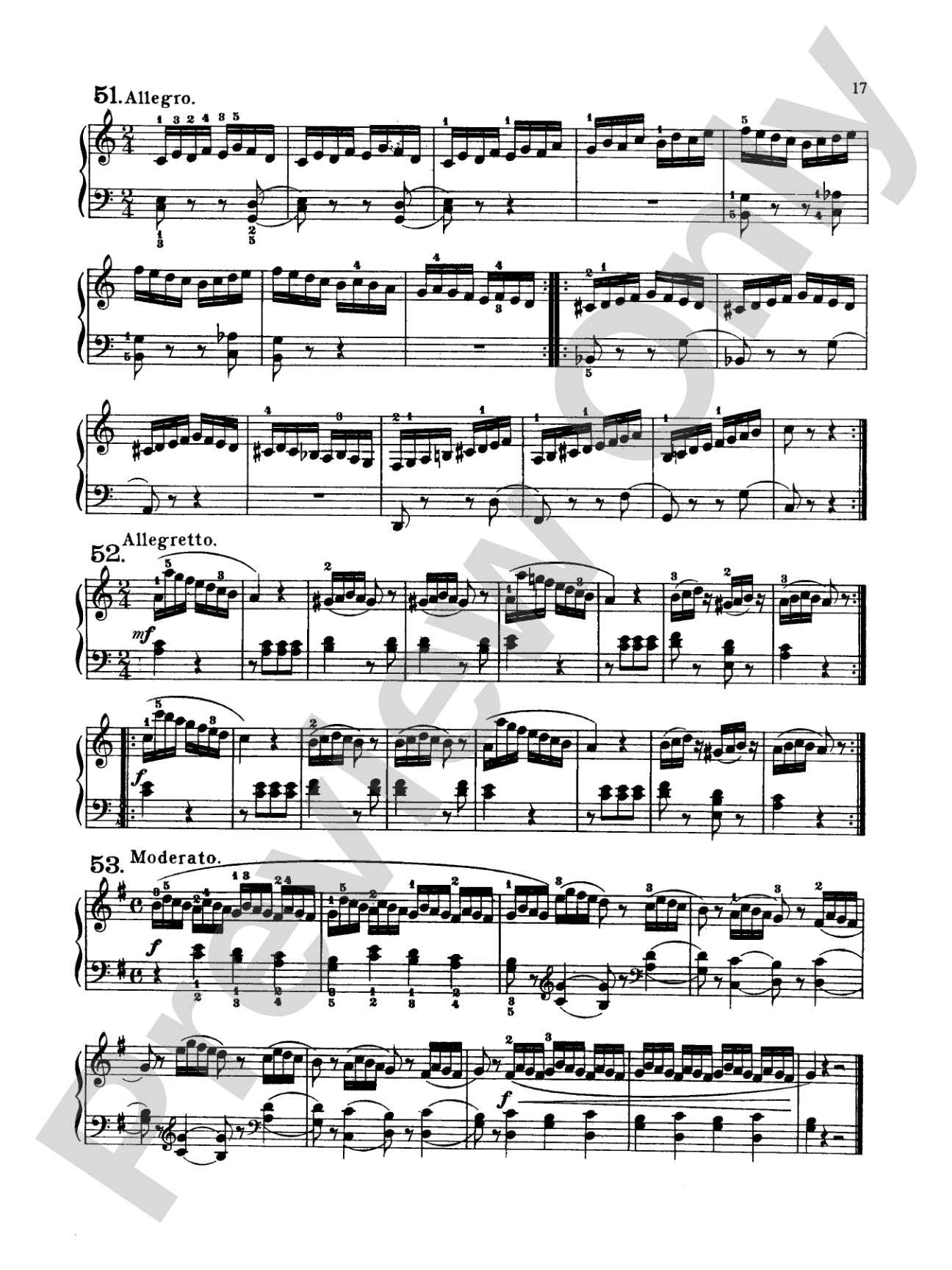
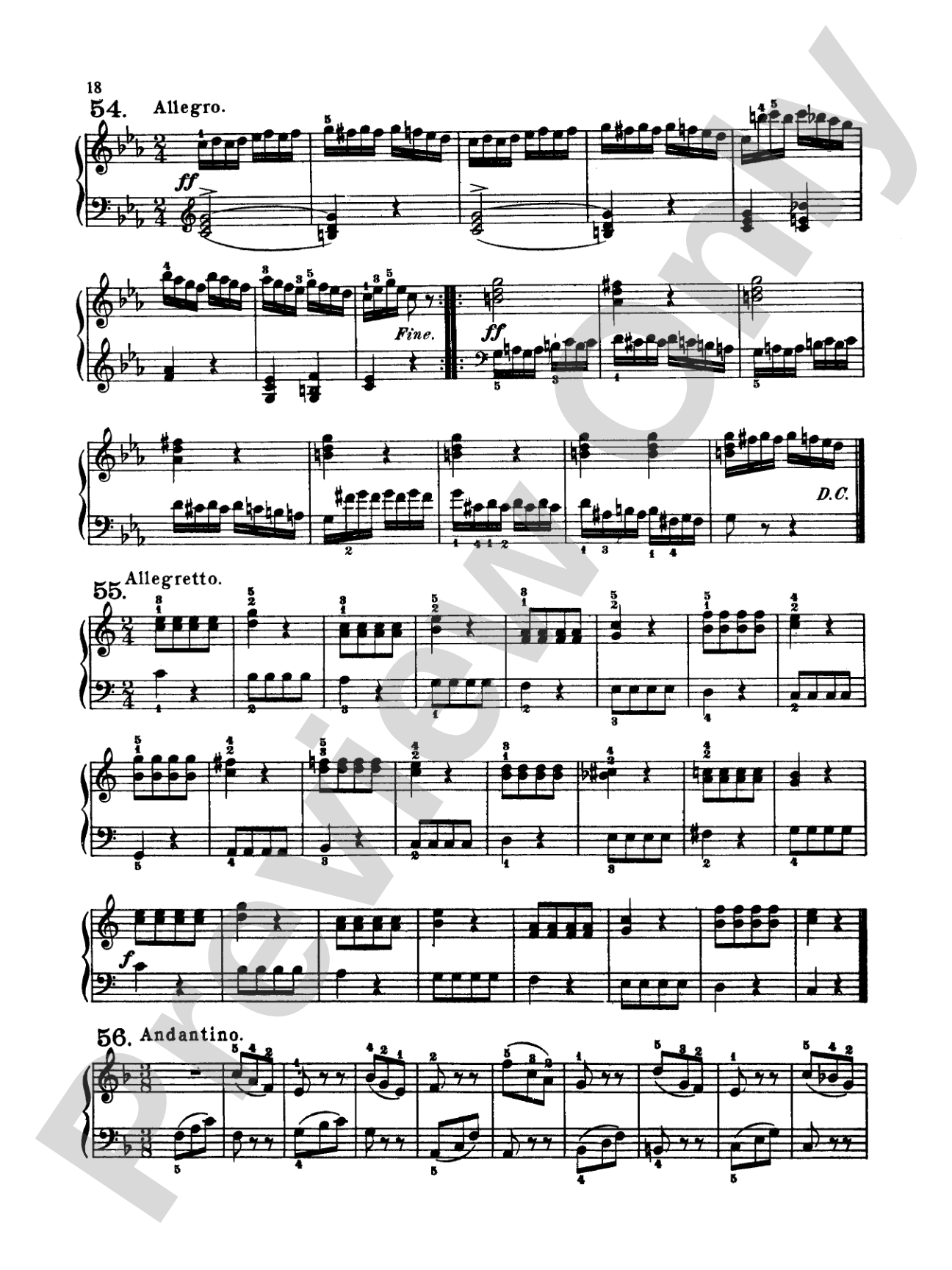
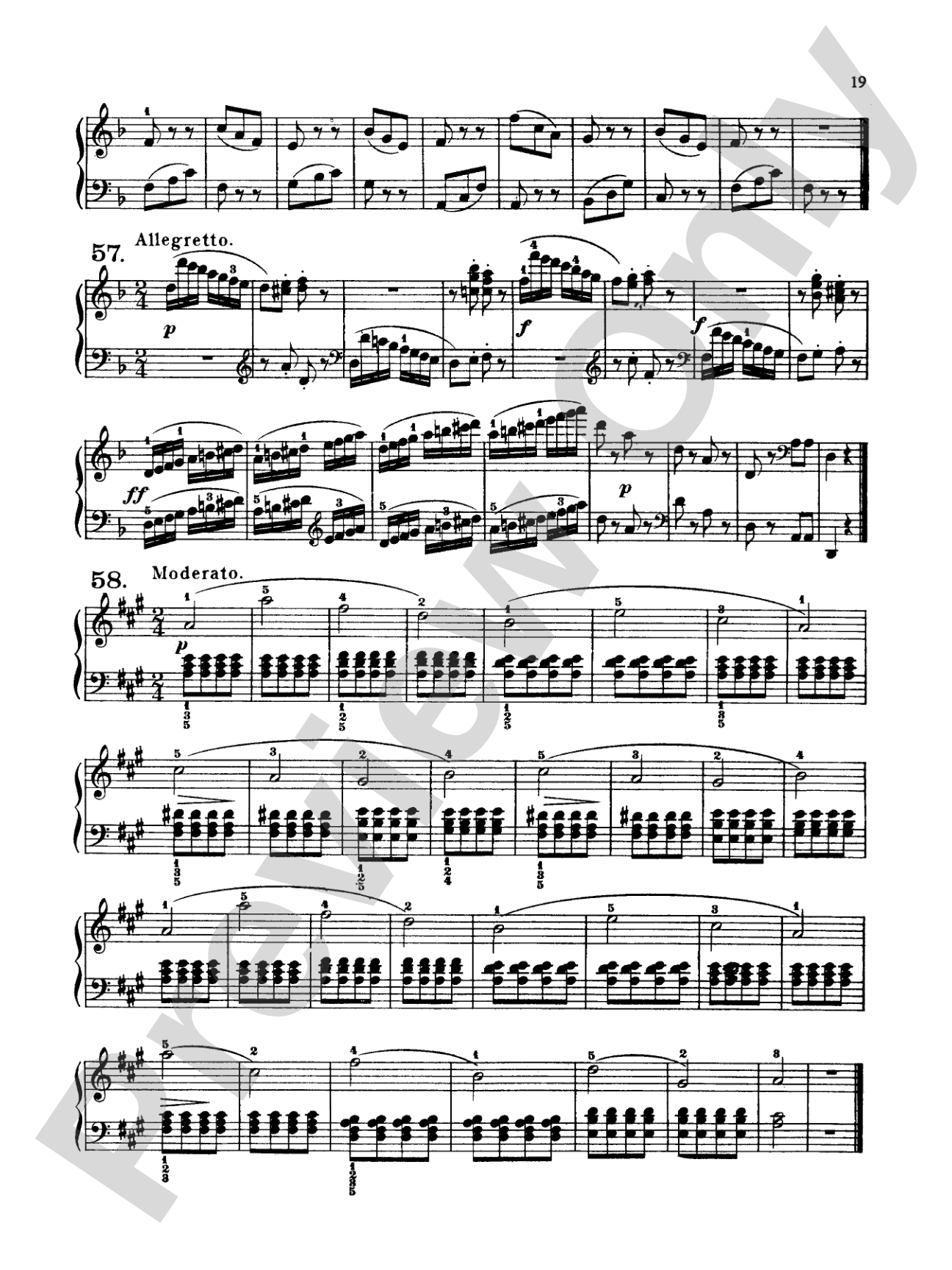
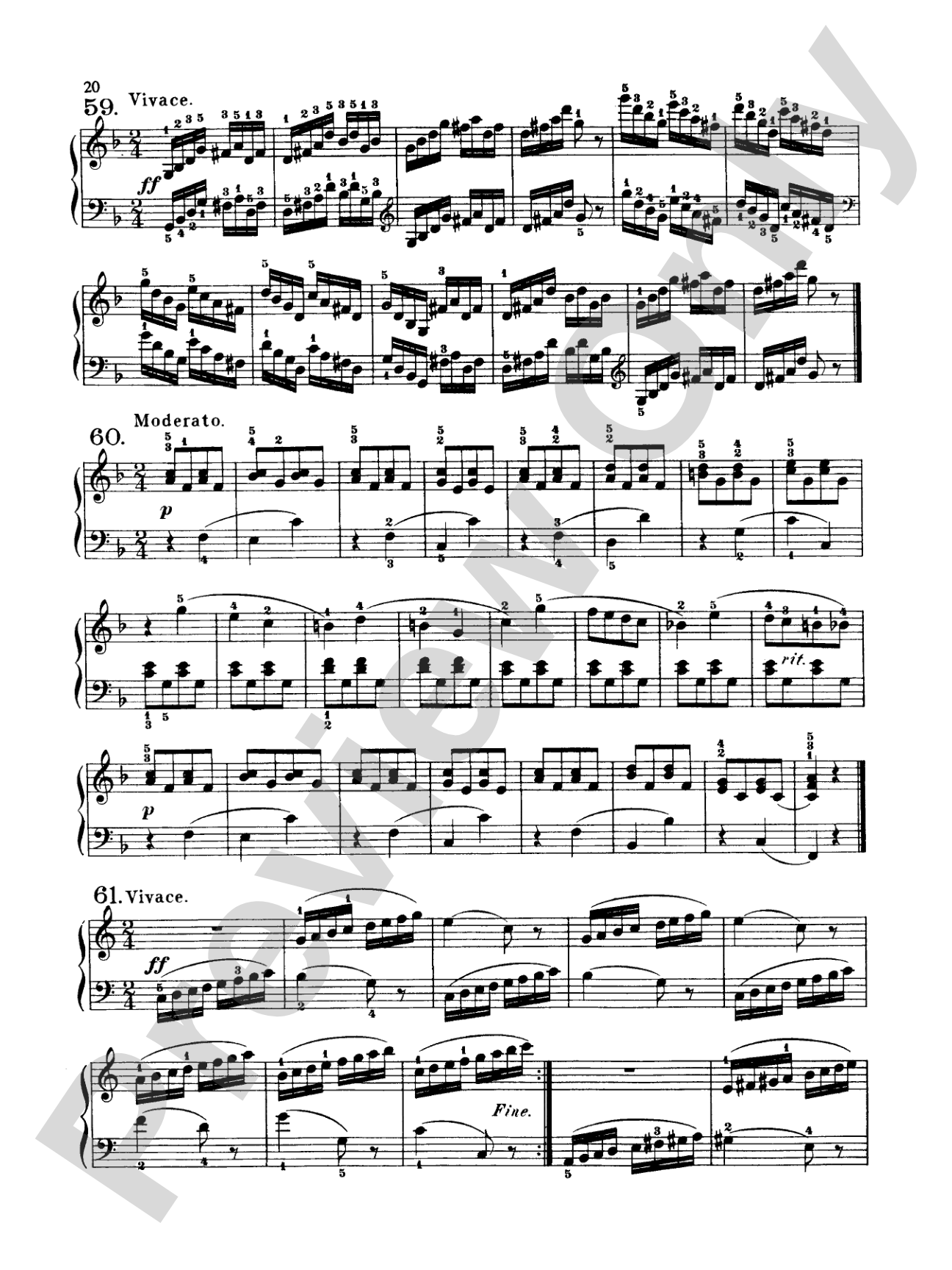
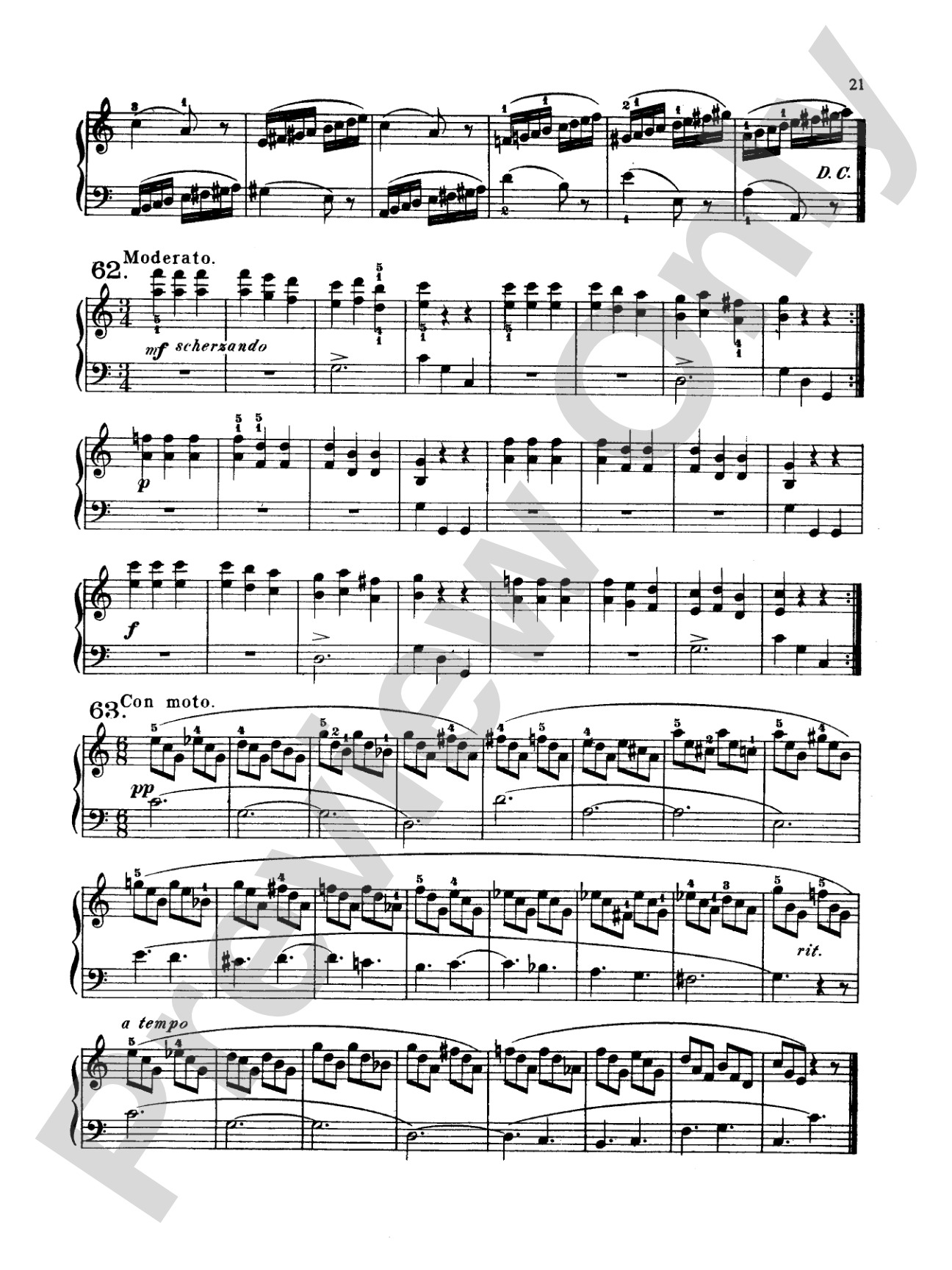
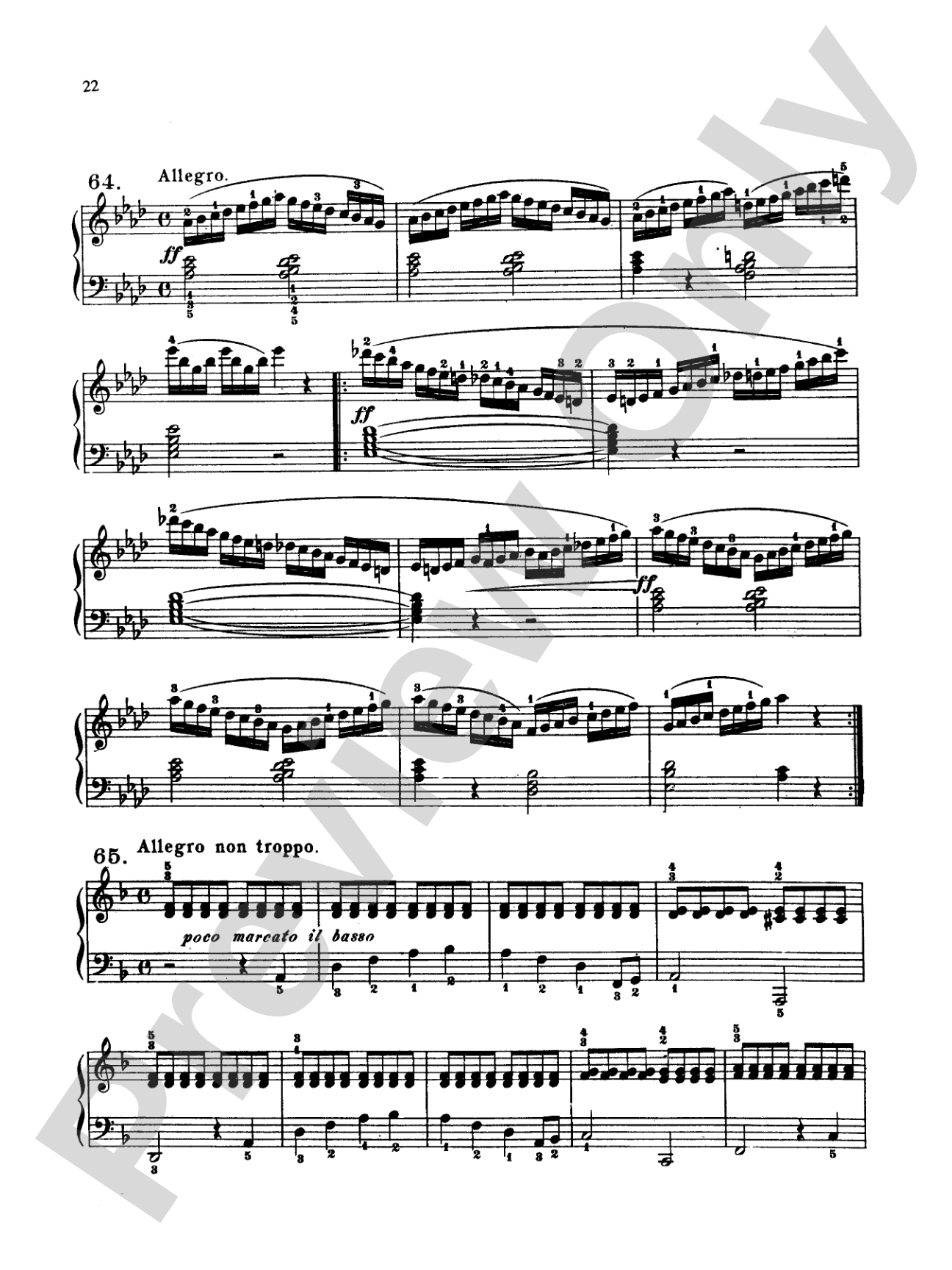
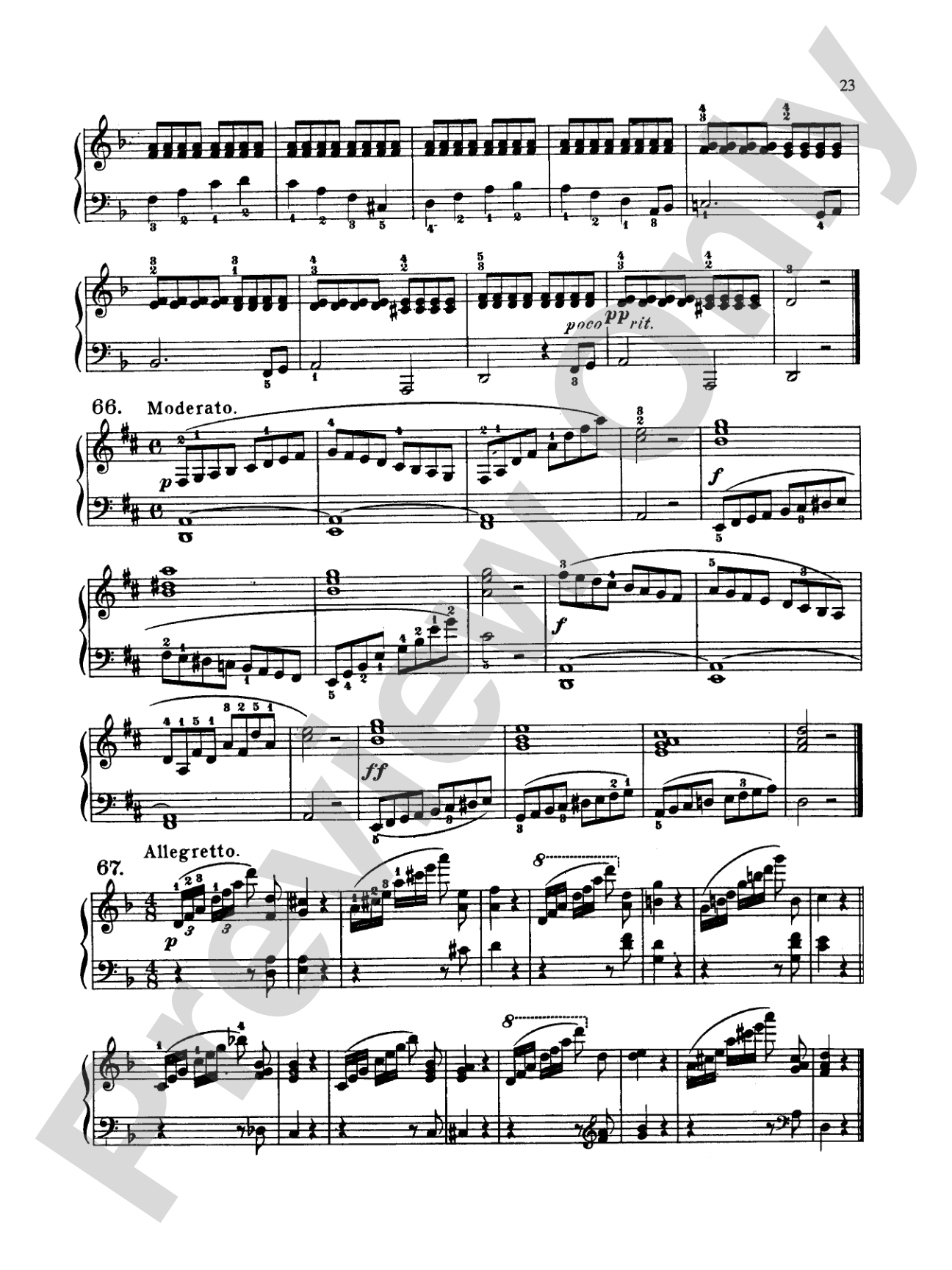
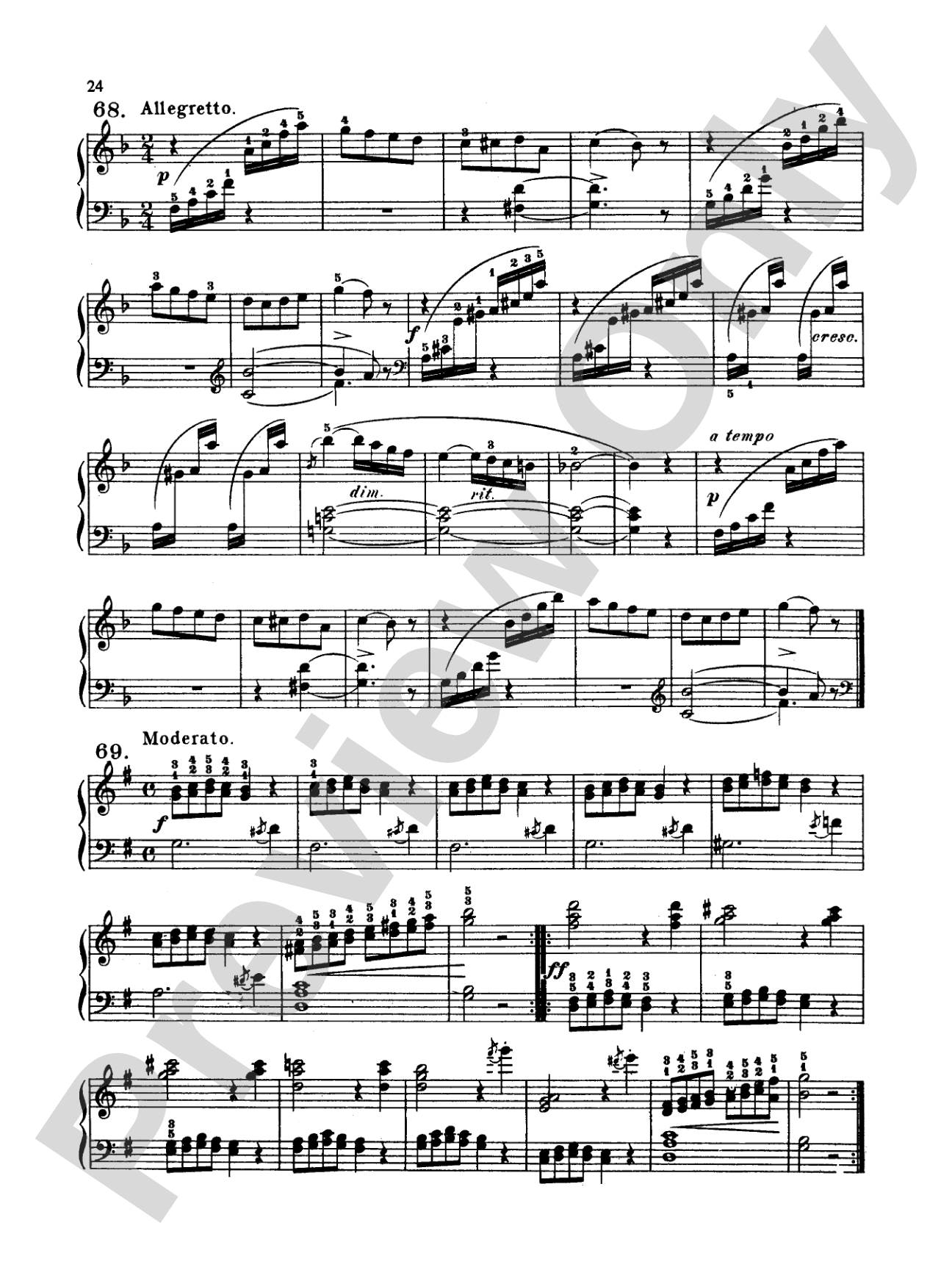
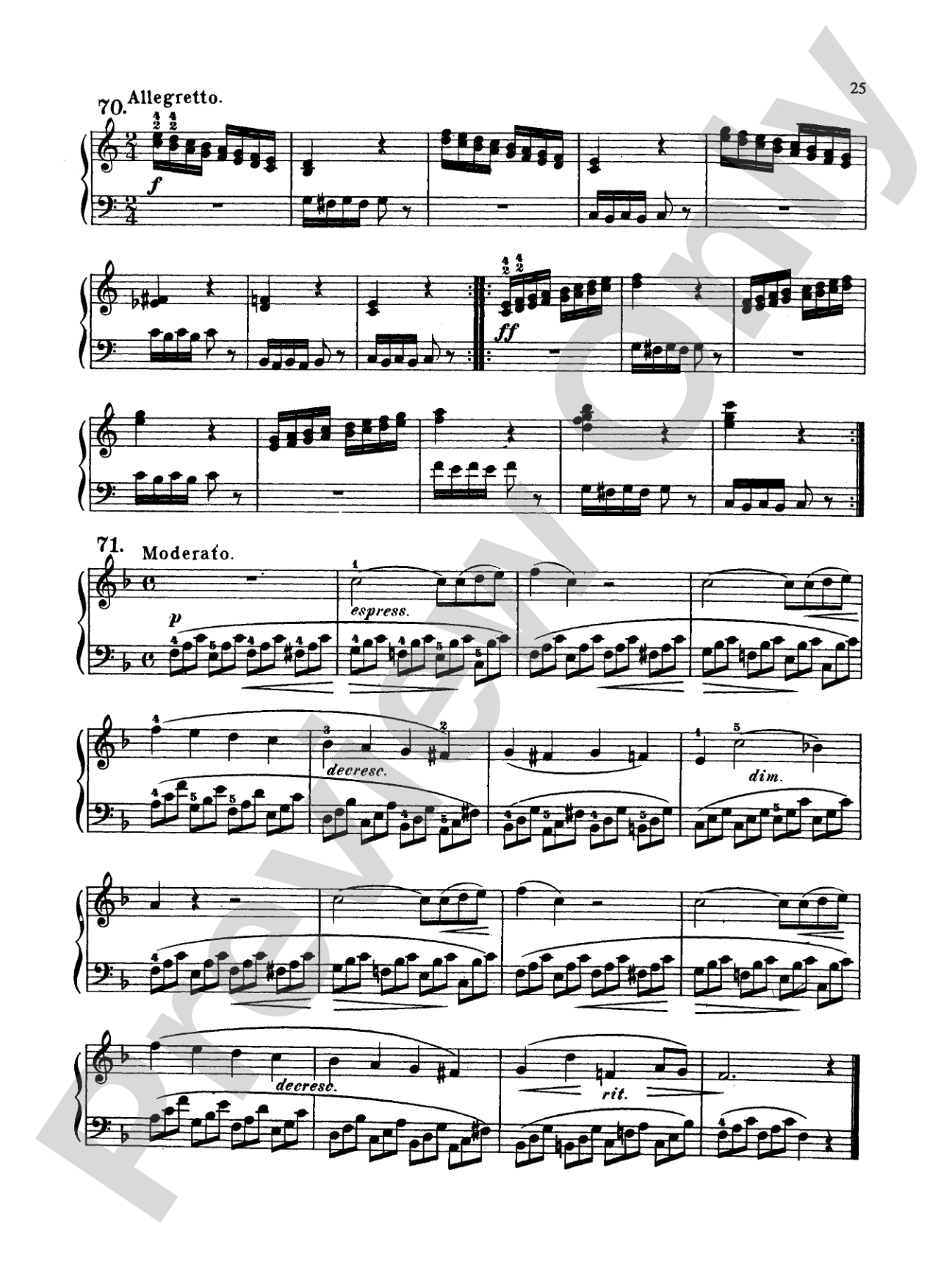
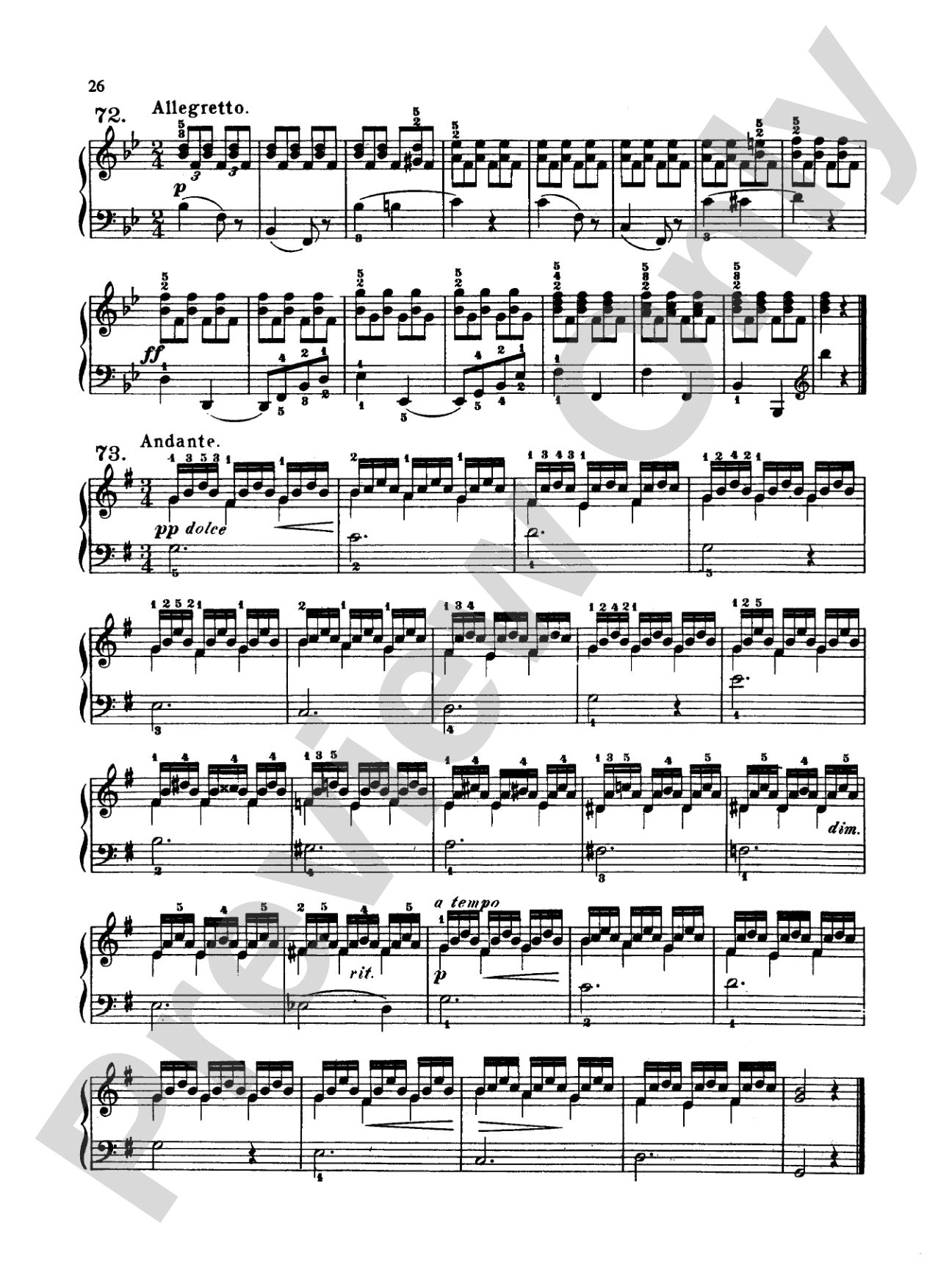
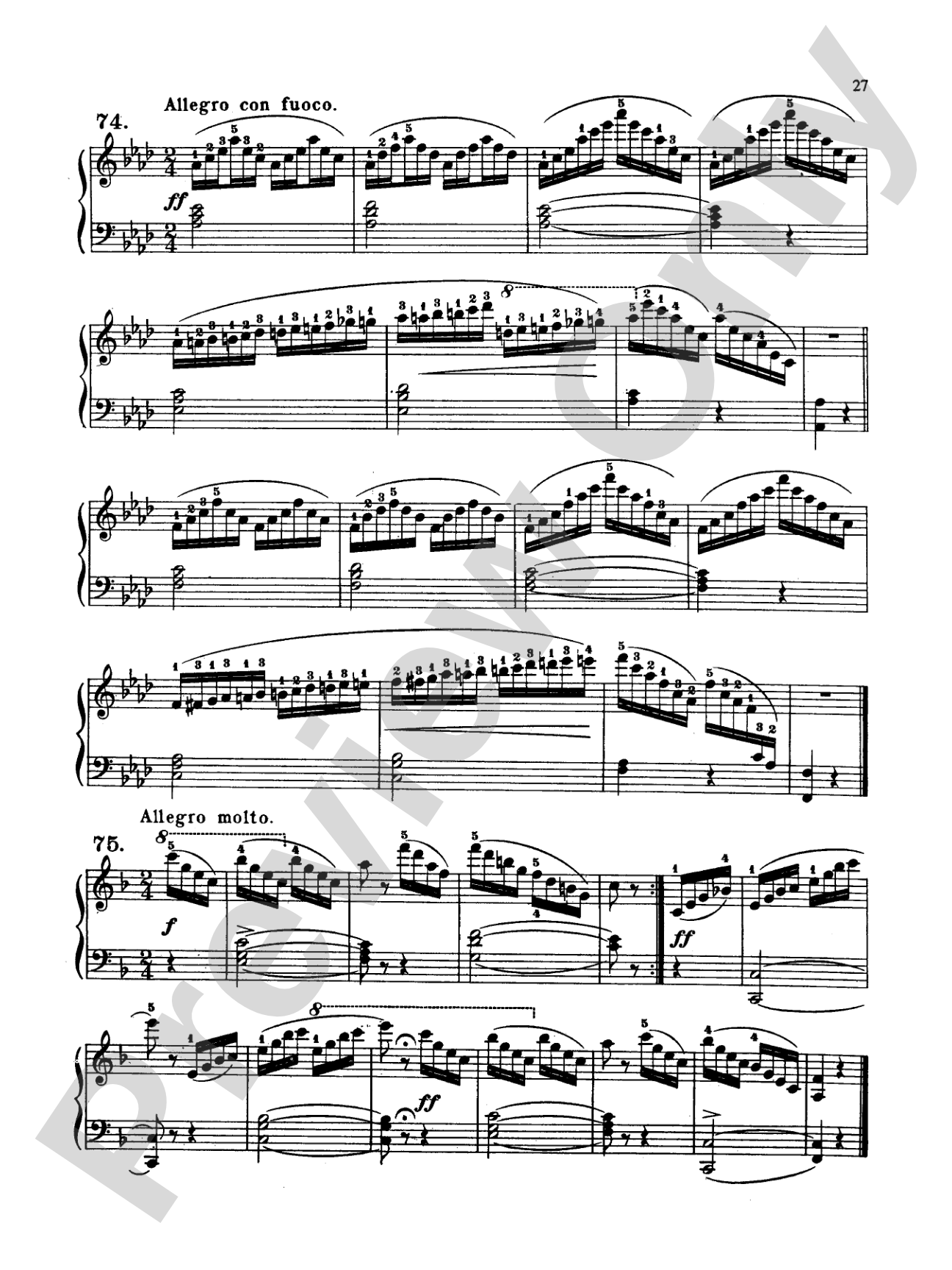
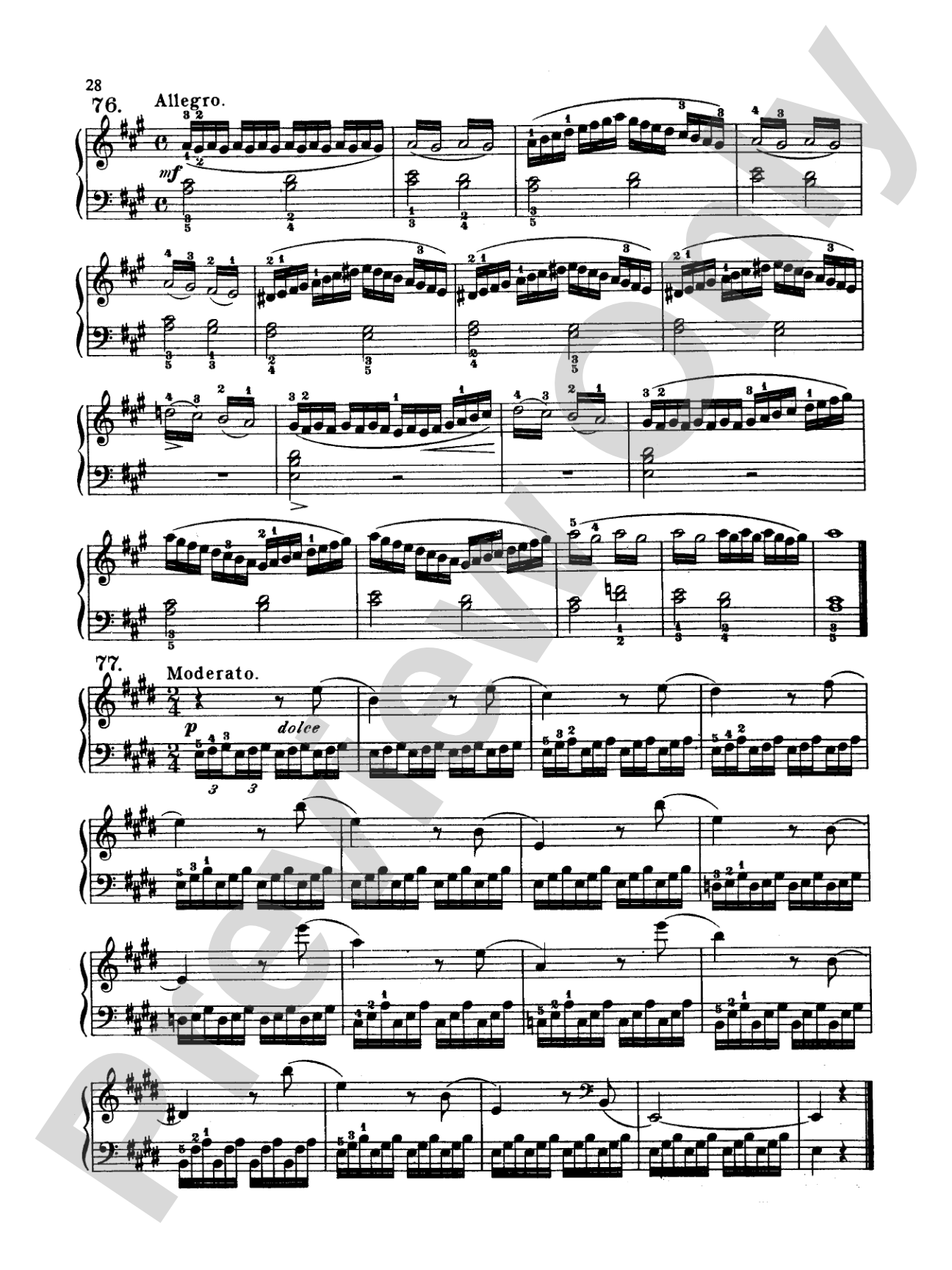
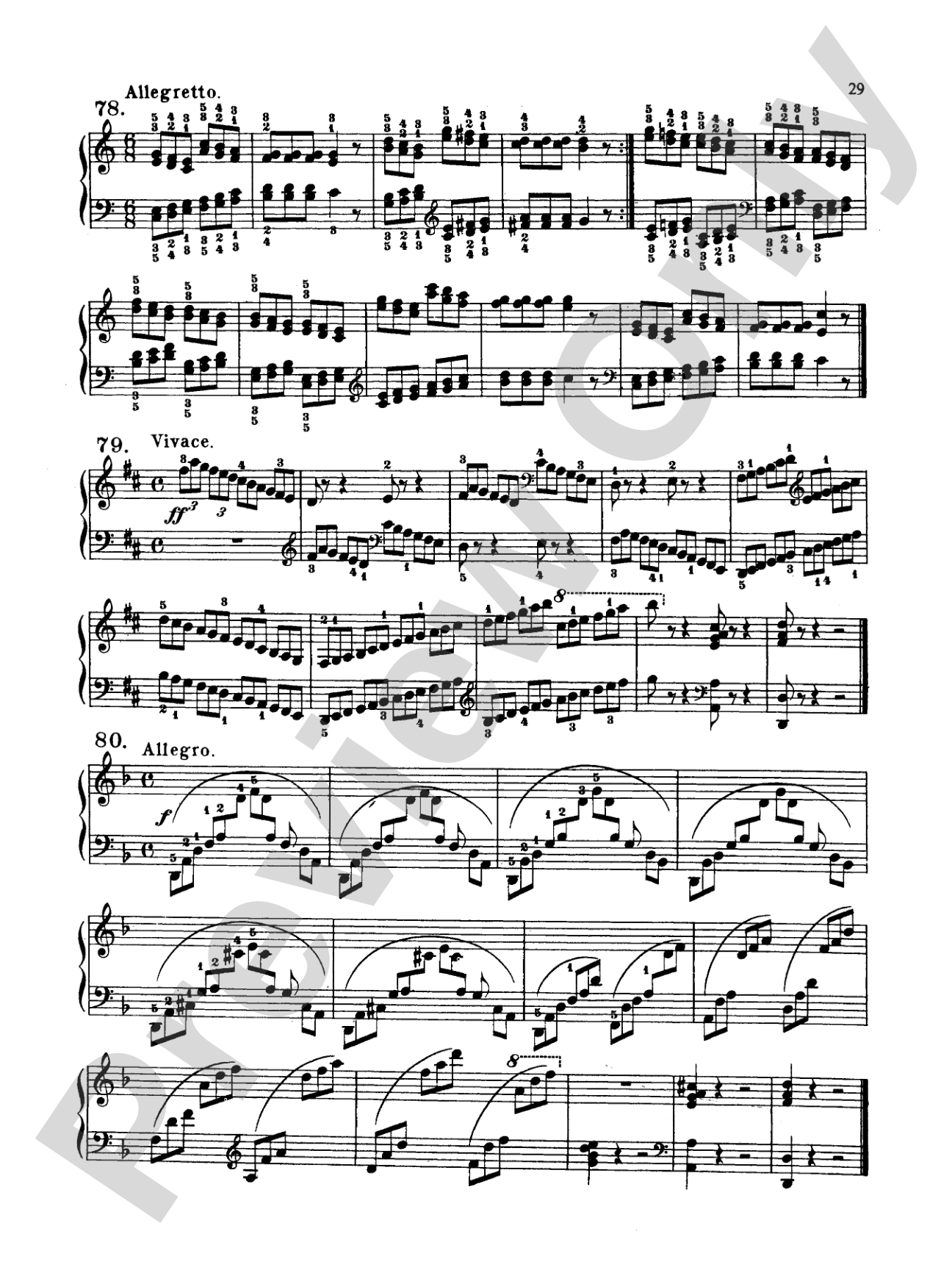
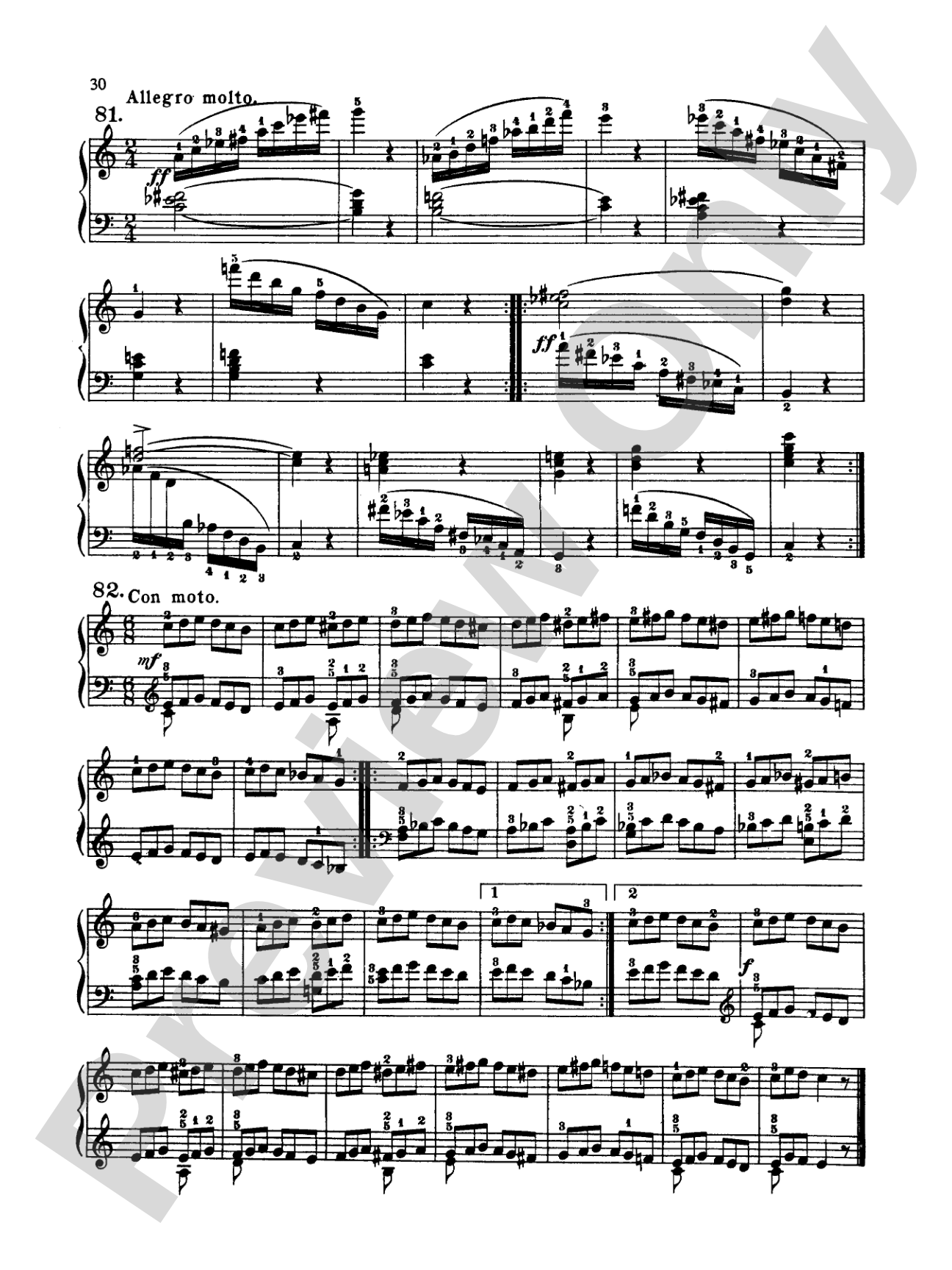
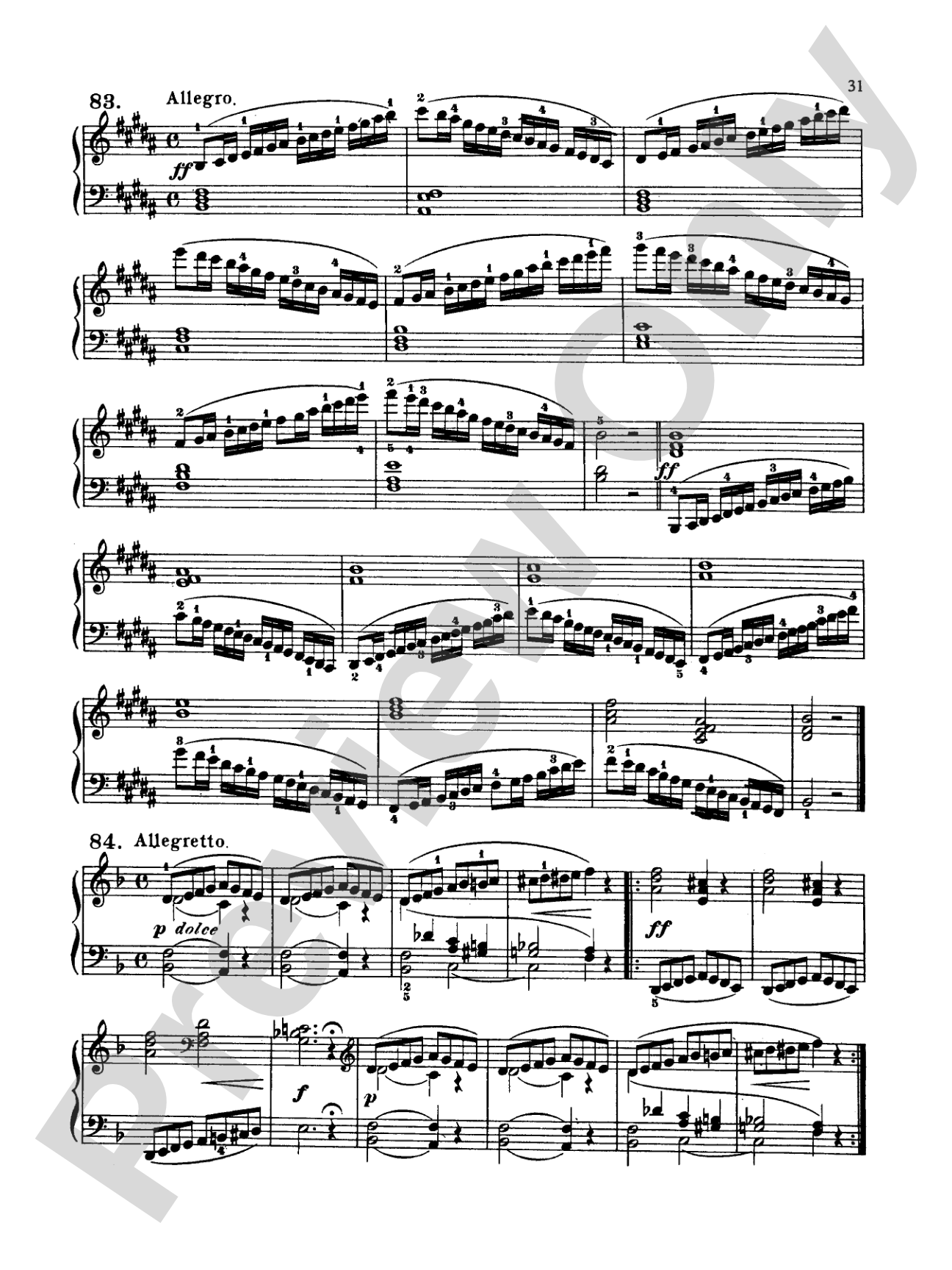
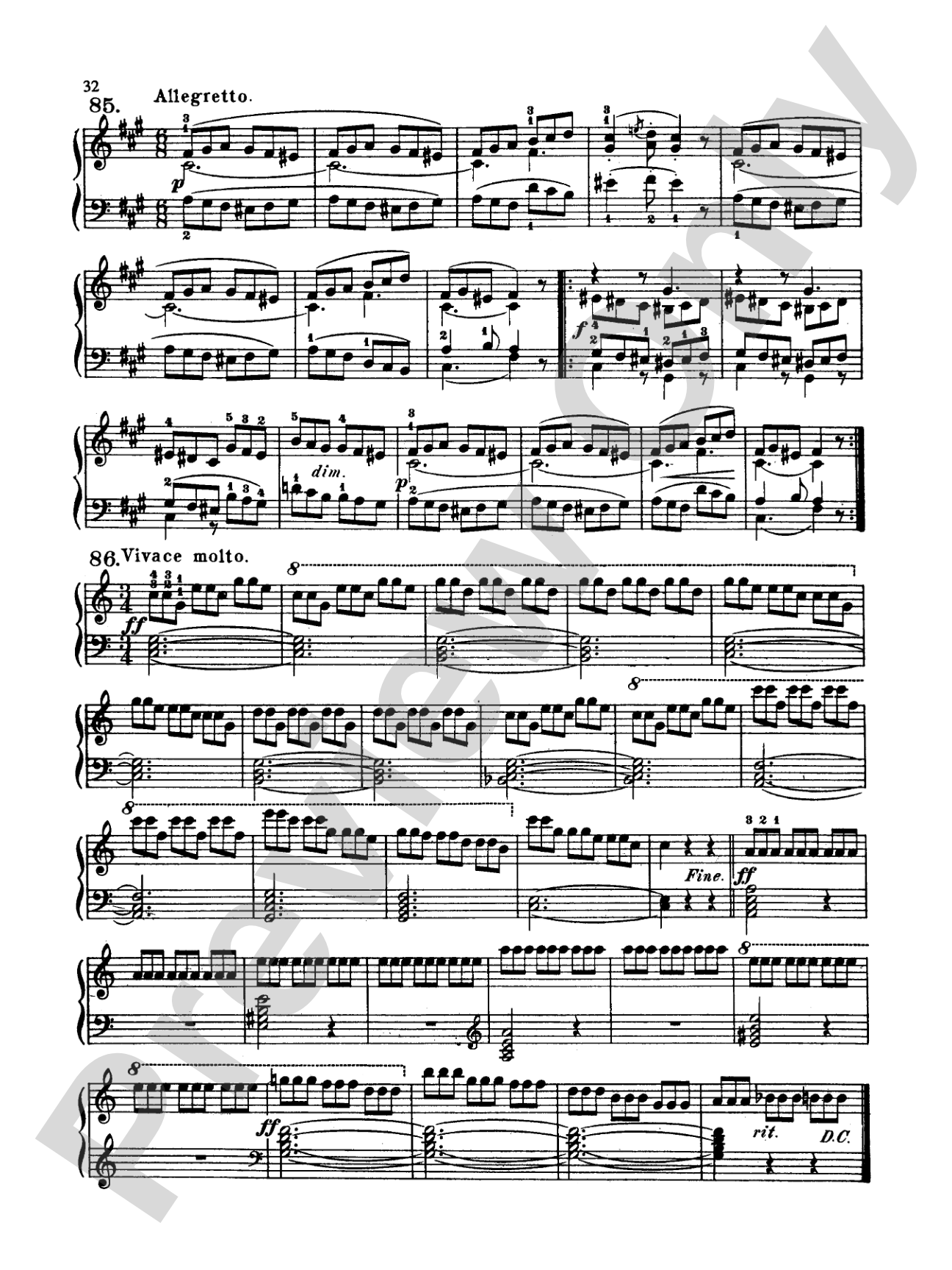
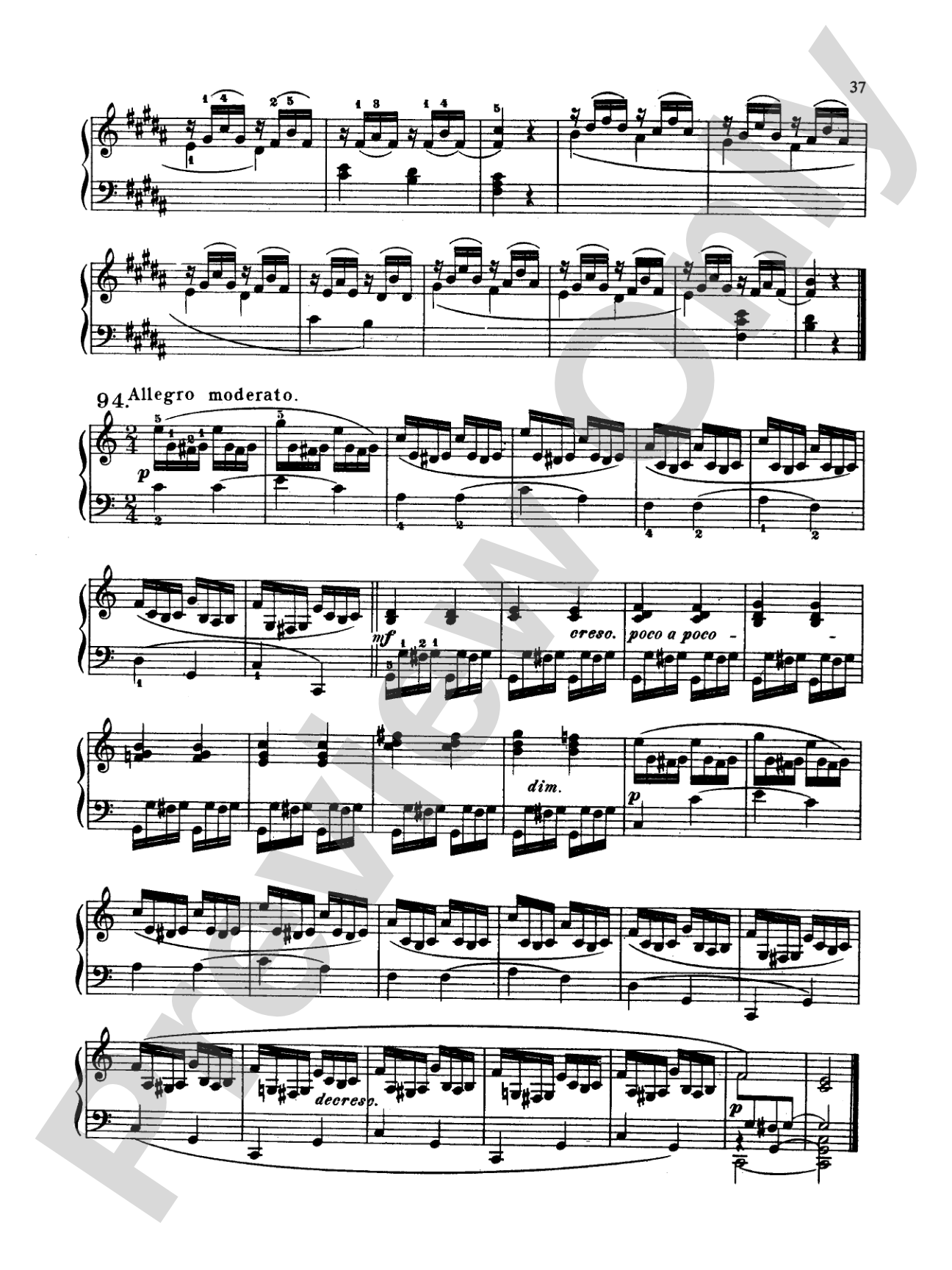
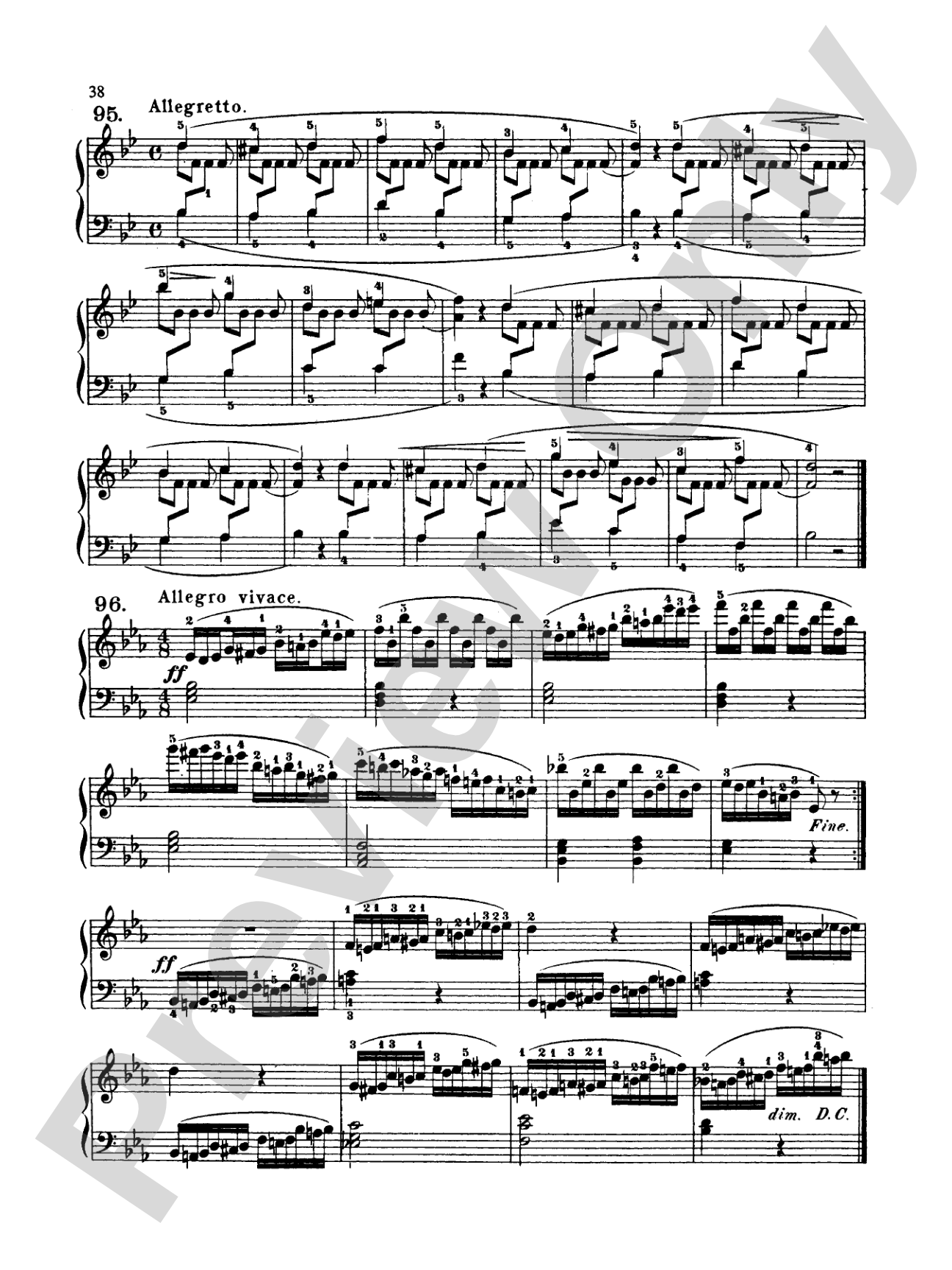
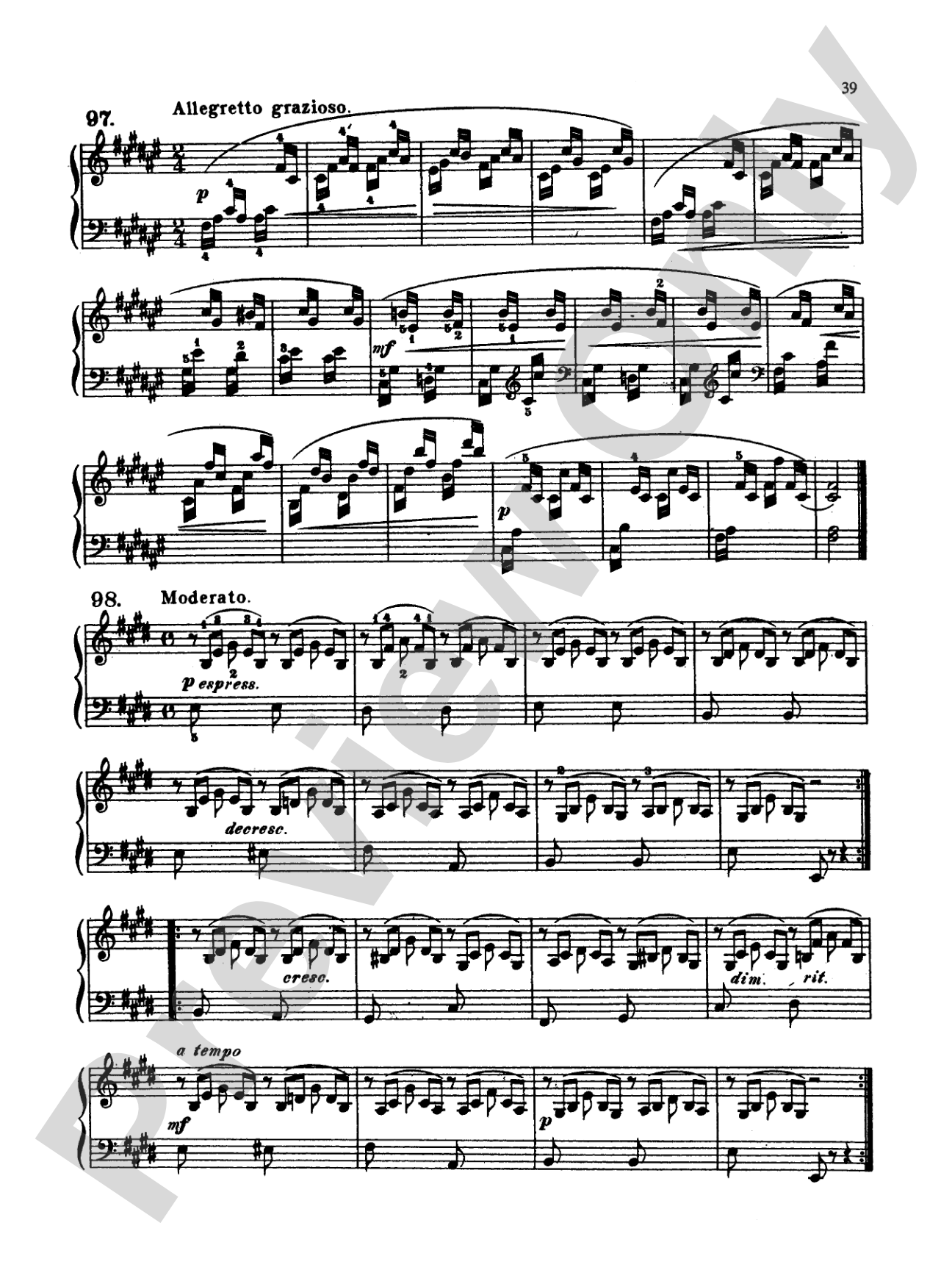
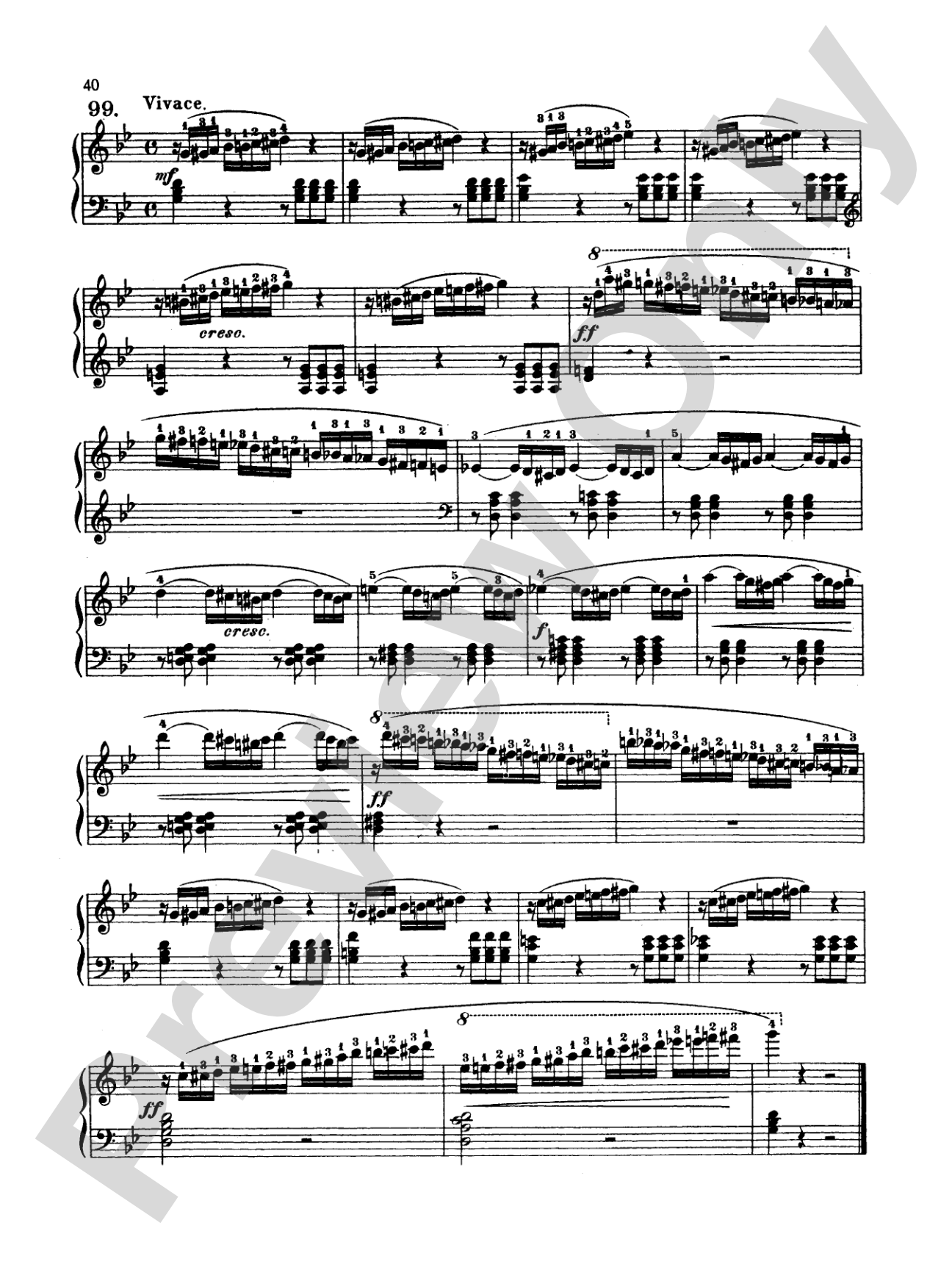




Gurlitt: The First Steps of the Young Pianist, Op. 82: Piano Book
By Cornelius Gurlitt
Item: 00-PK-0002748

$9.95
Pickup currently not available
Buy Extra Parts (Digital PDF Download)
| Product | Price | Quantity |
|---|---|---|
| Gurlitt: The First Steps of the Young Pianist, Op. 82 | $8.95 |
Parts Added to Cart!
Related Items
The First Steps of the Young Pianist, Opus 82 (Complete): Piano Book |
$9.95
|
View |
Description
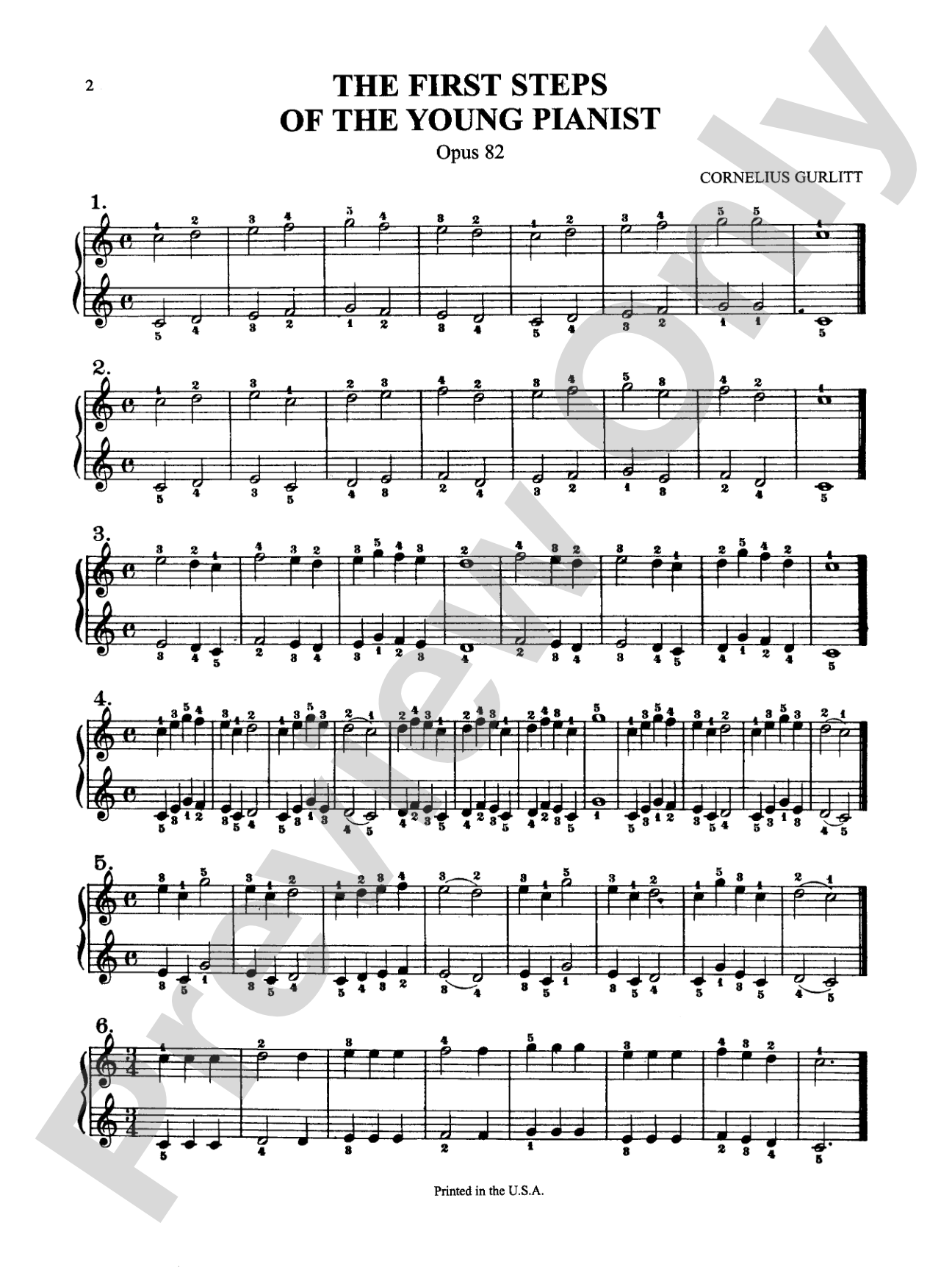
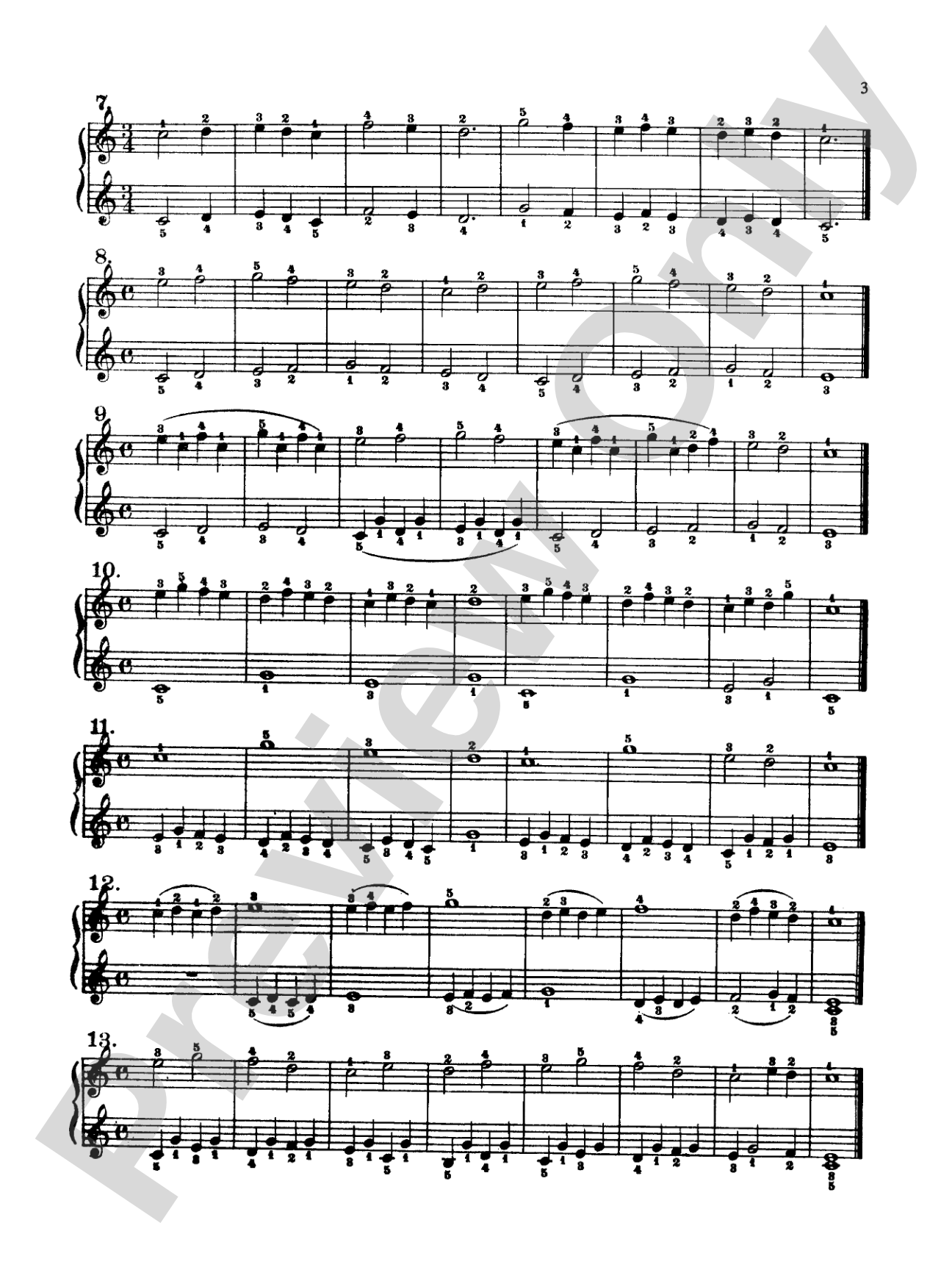
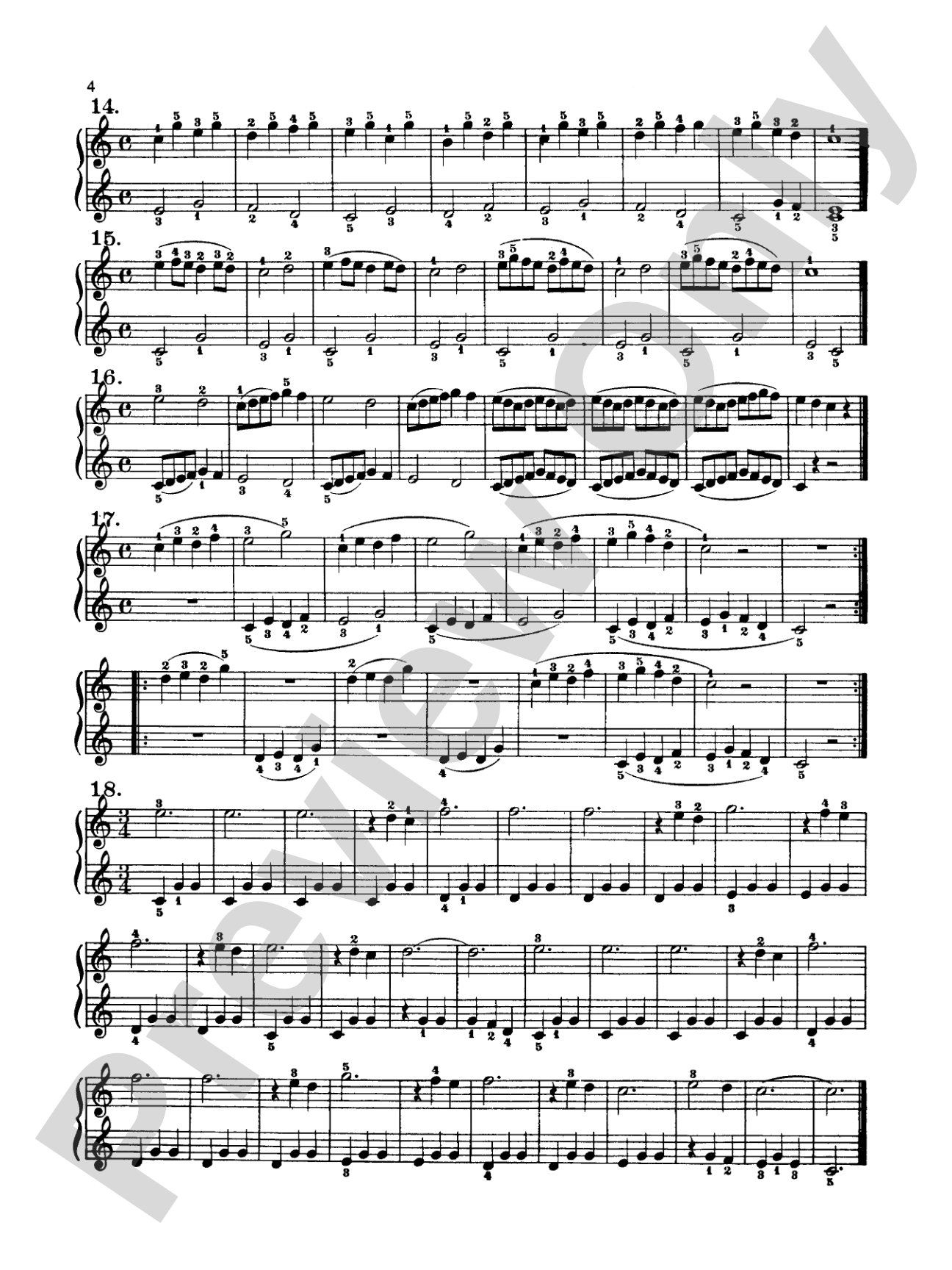
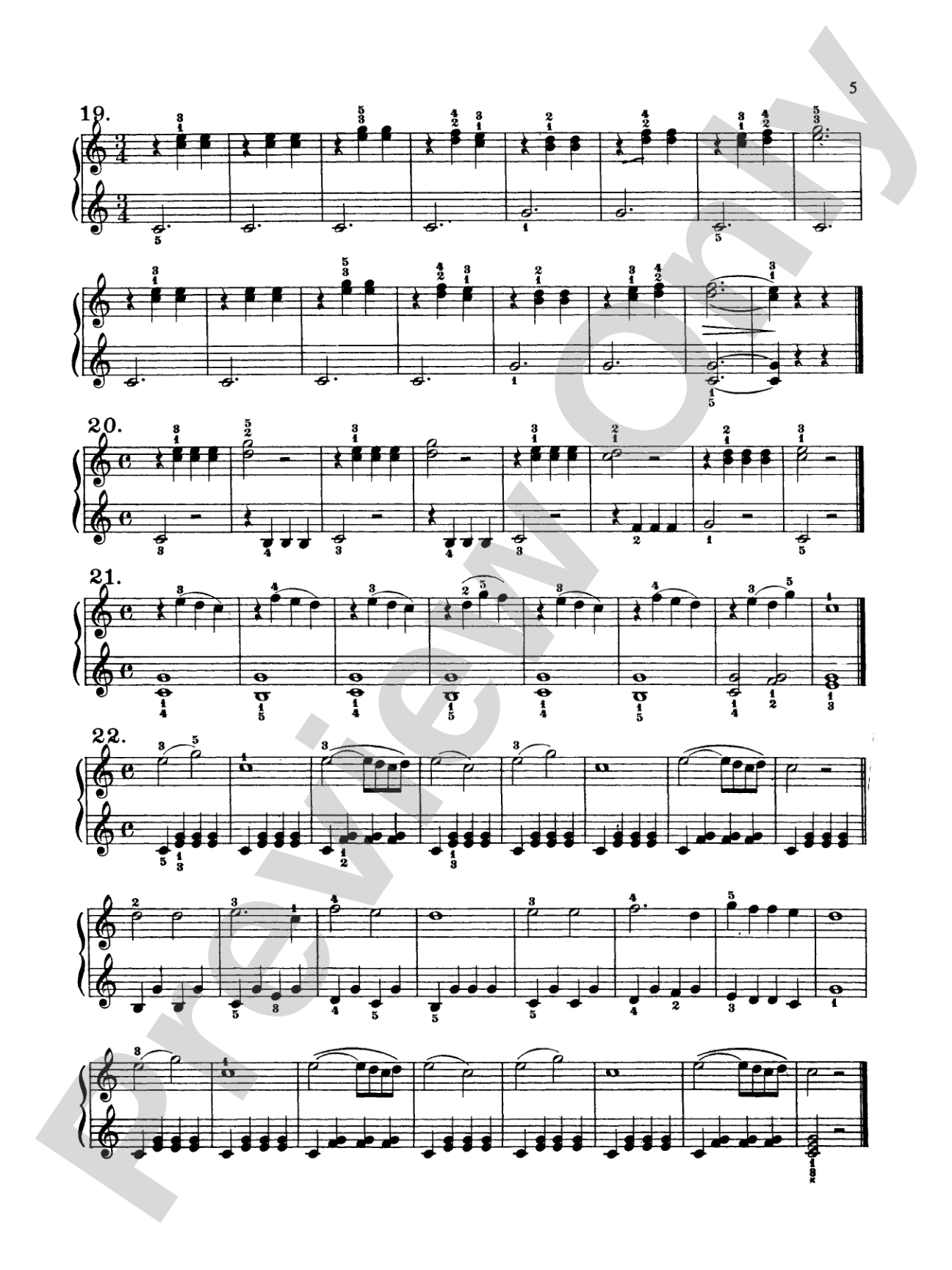
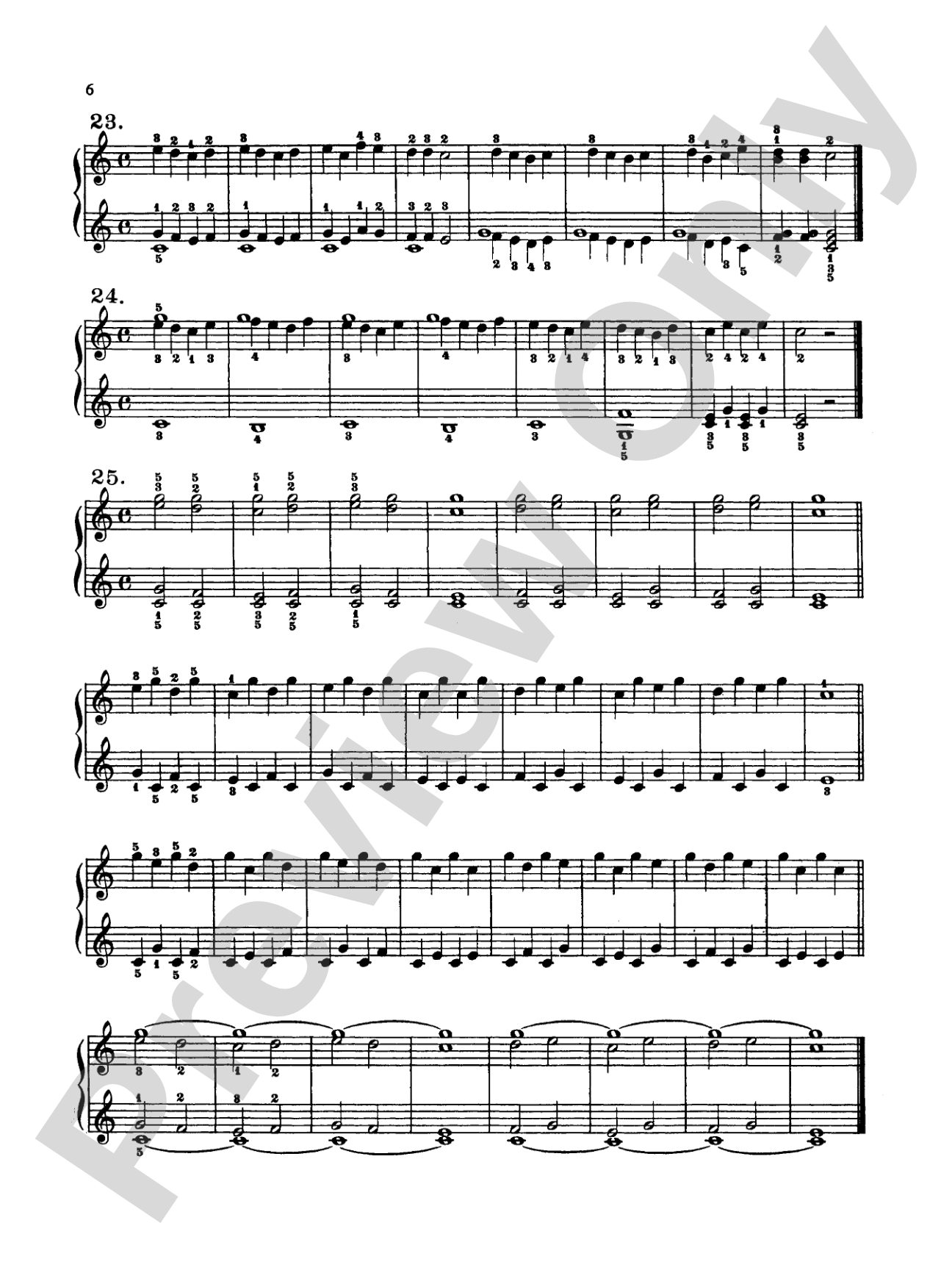
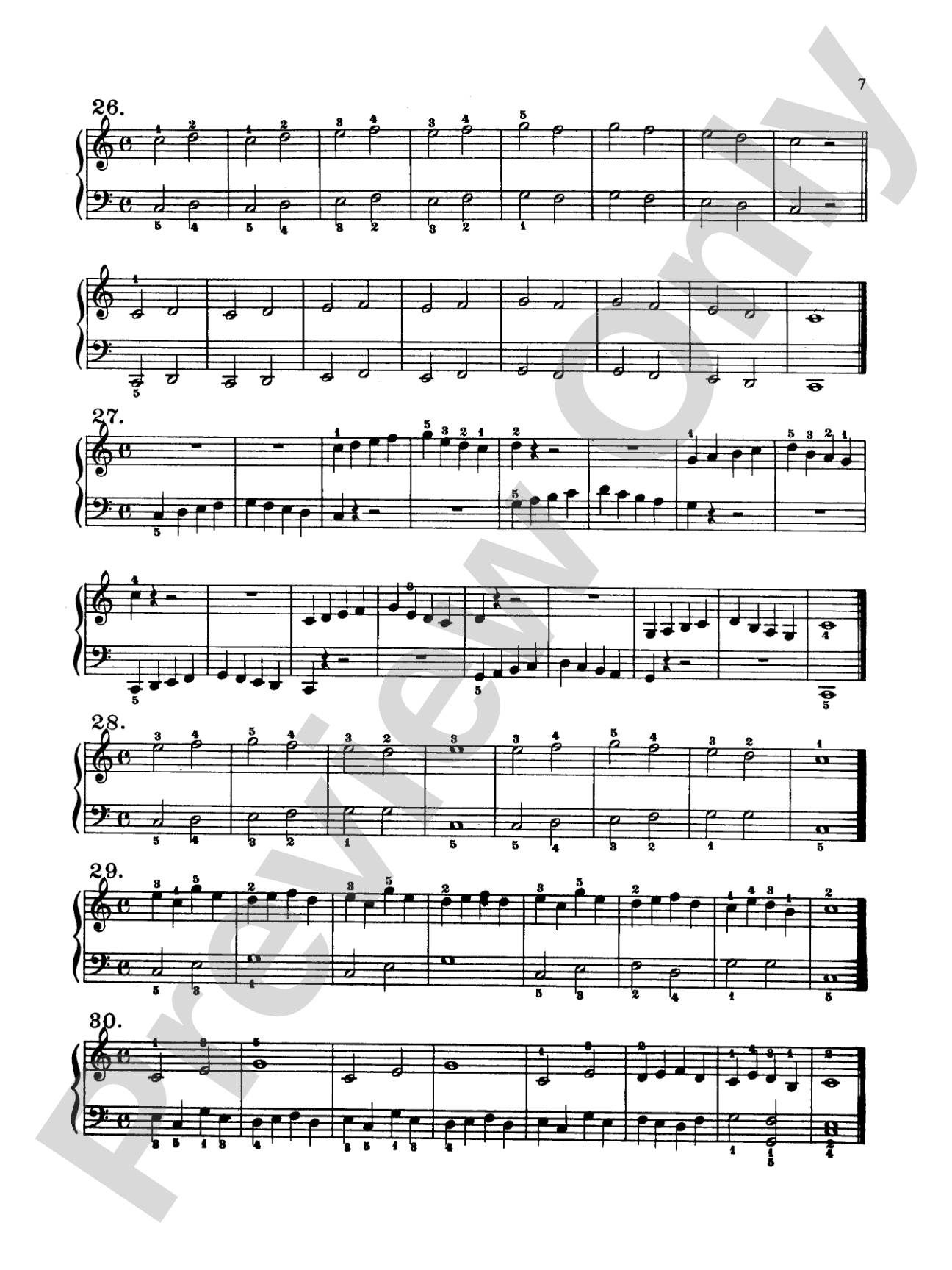
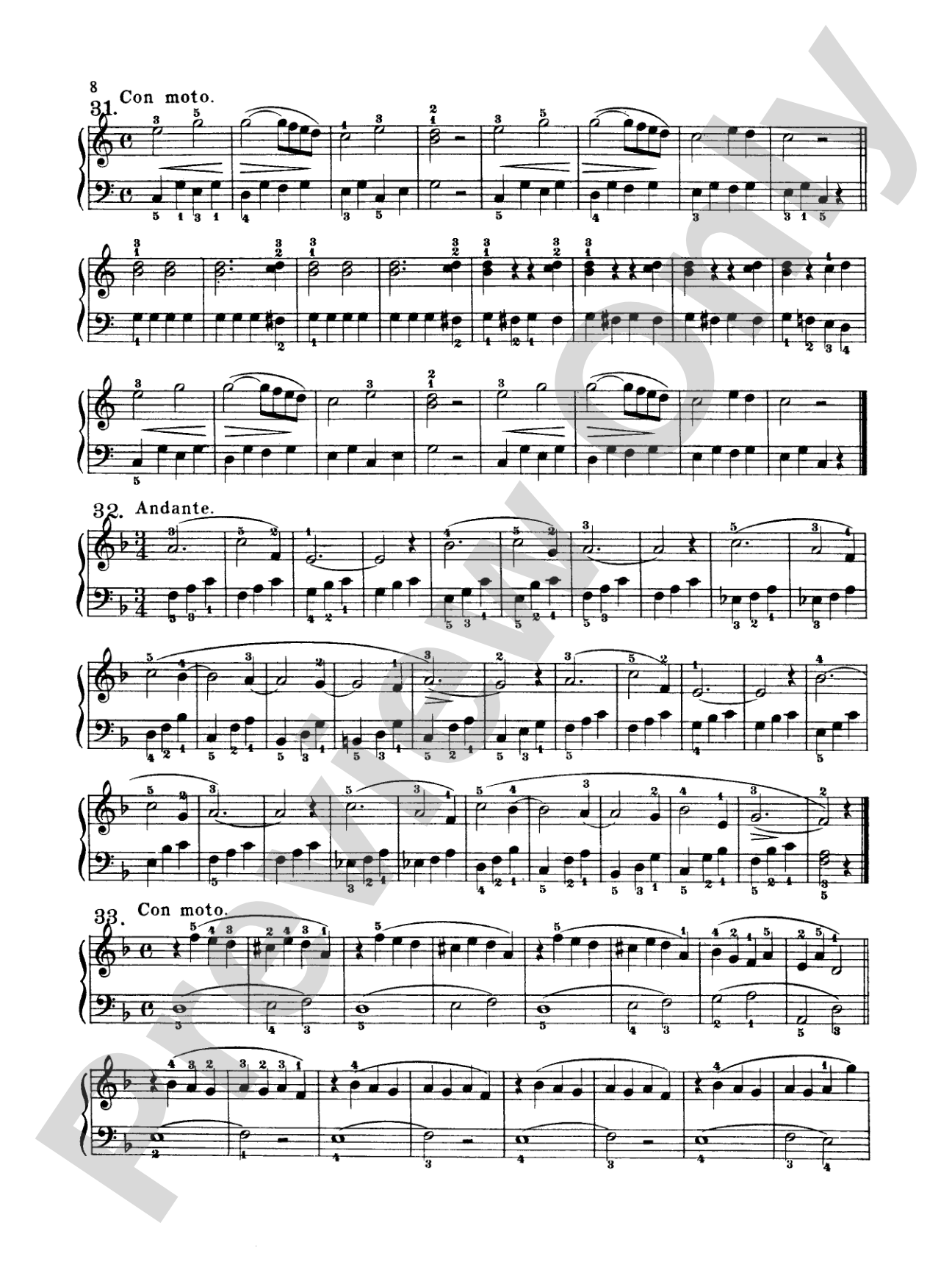
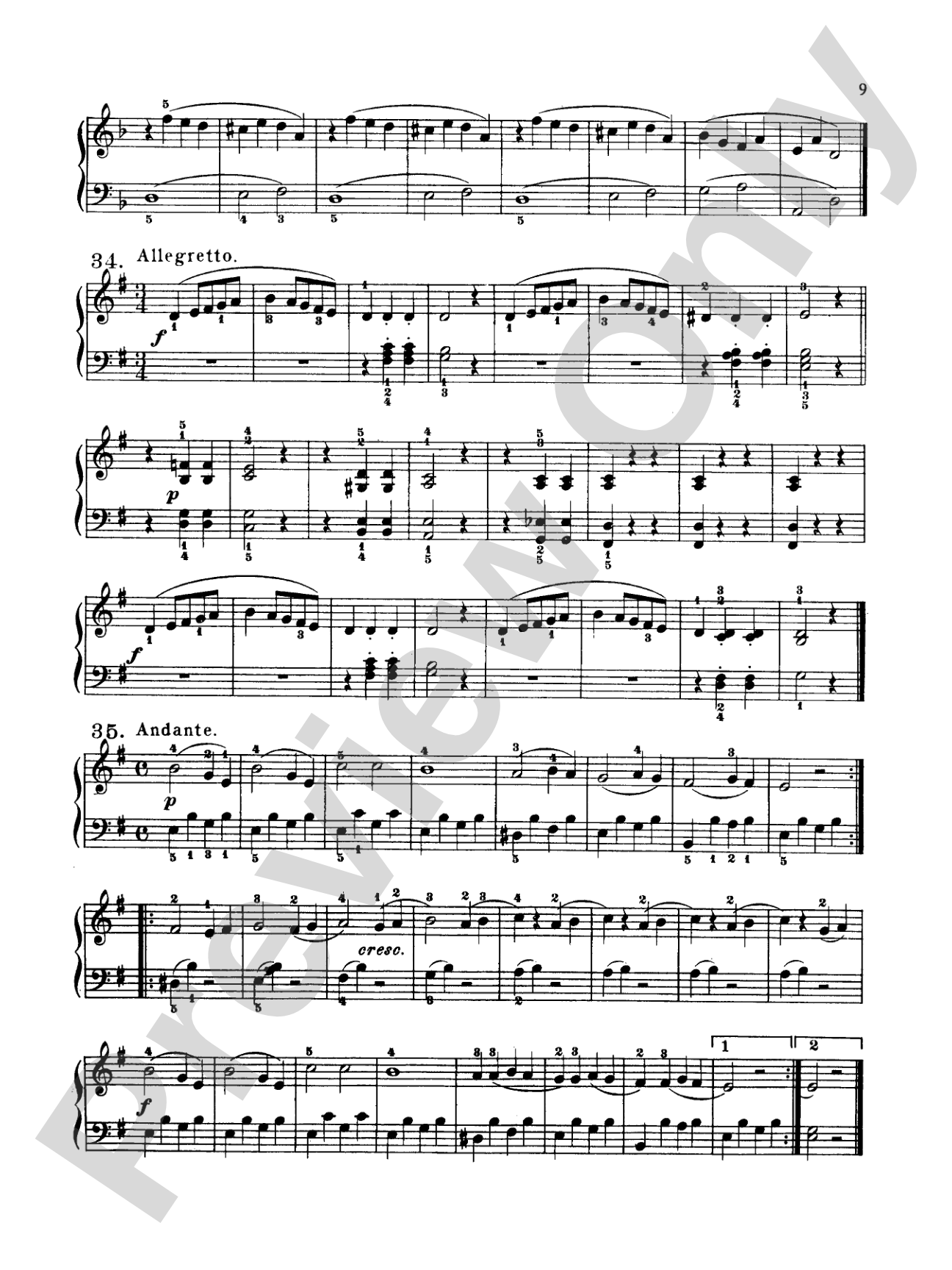
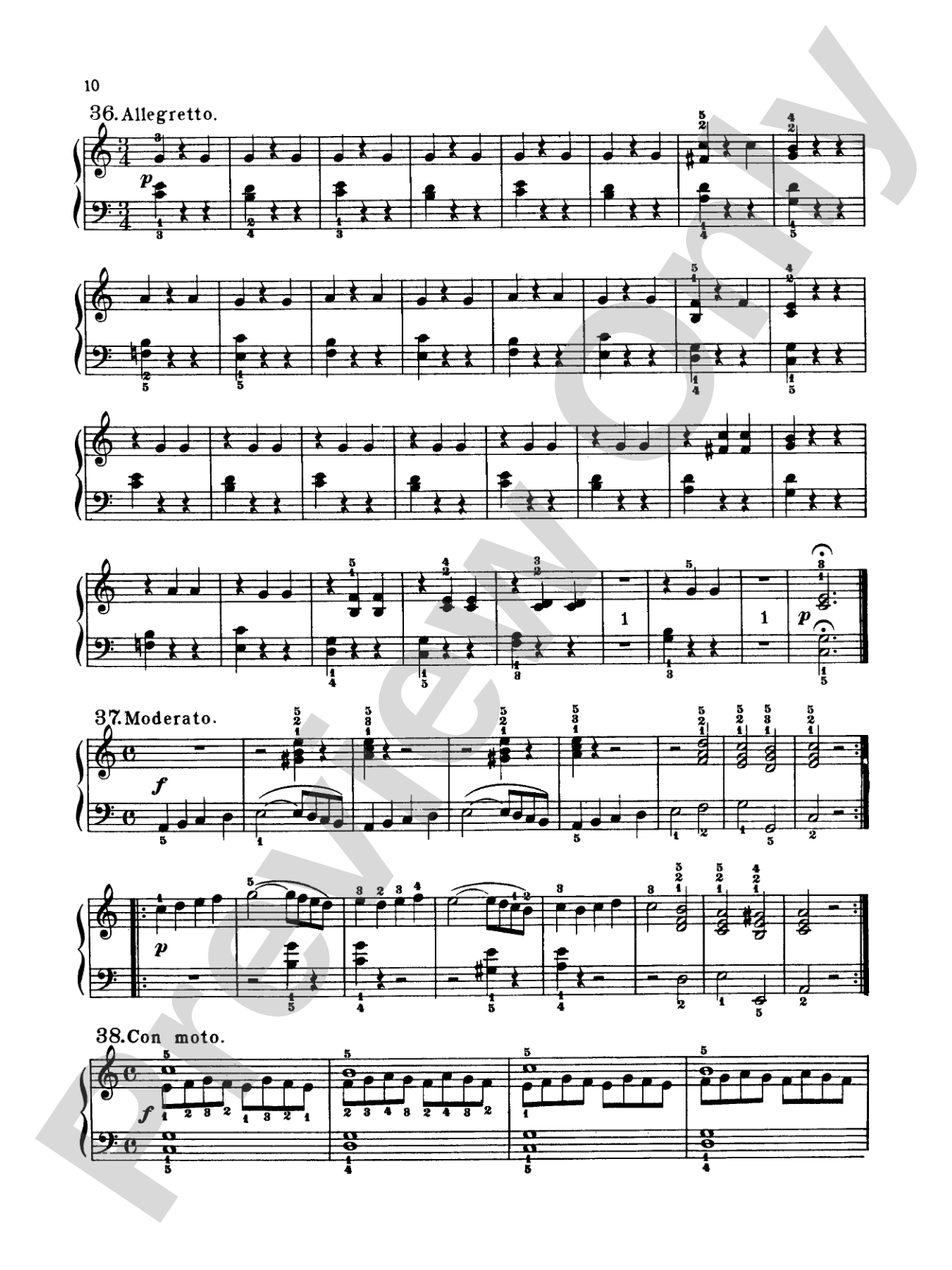
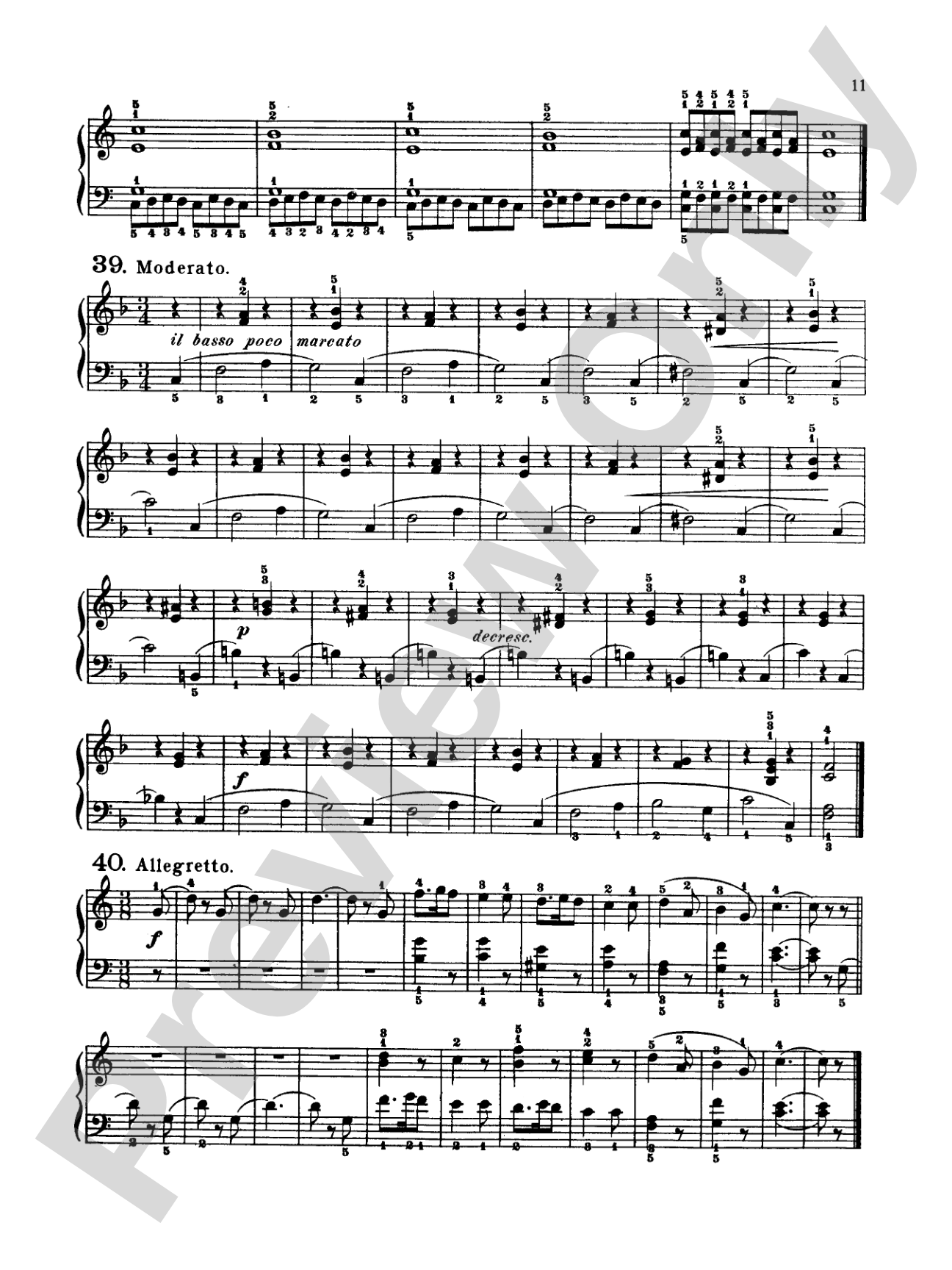
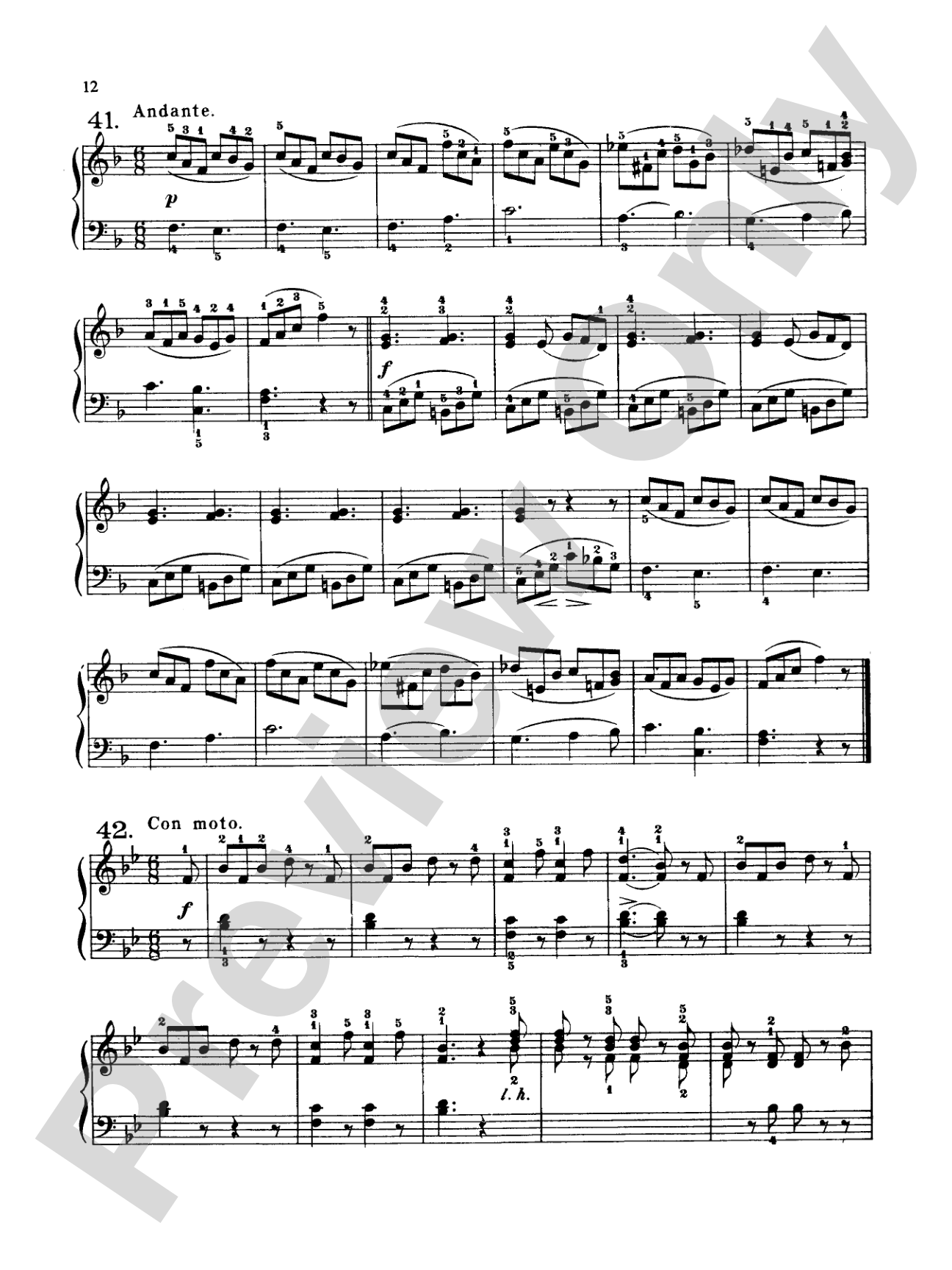
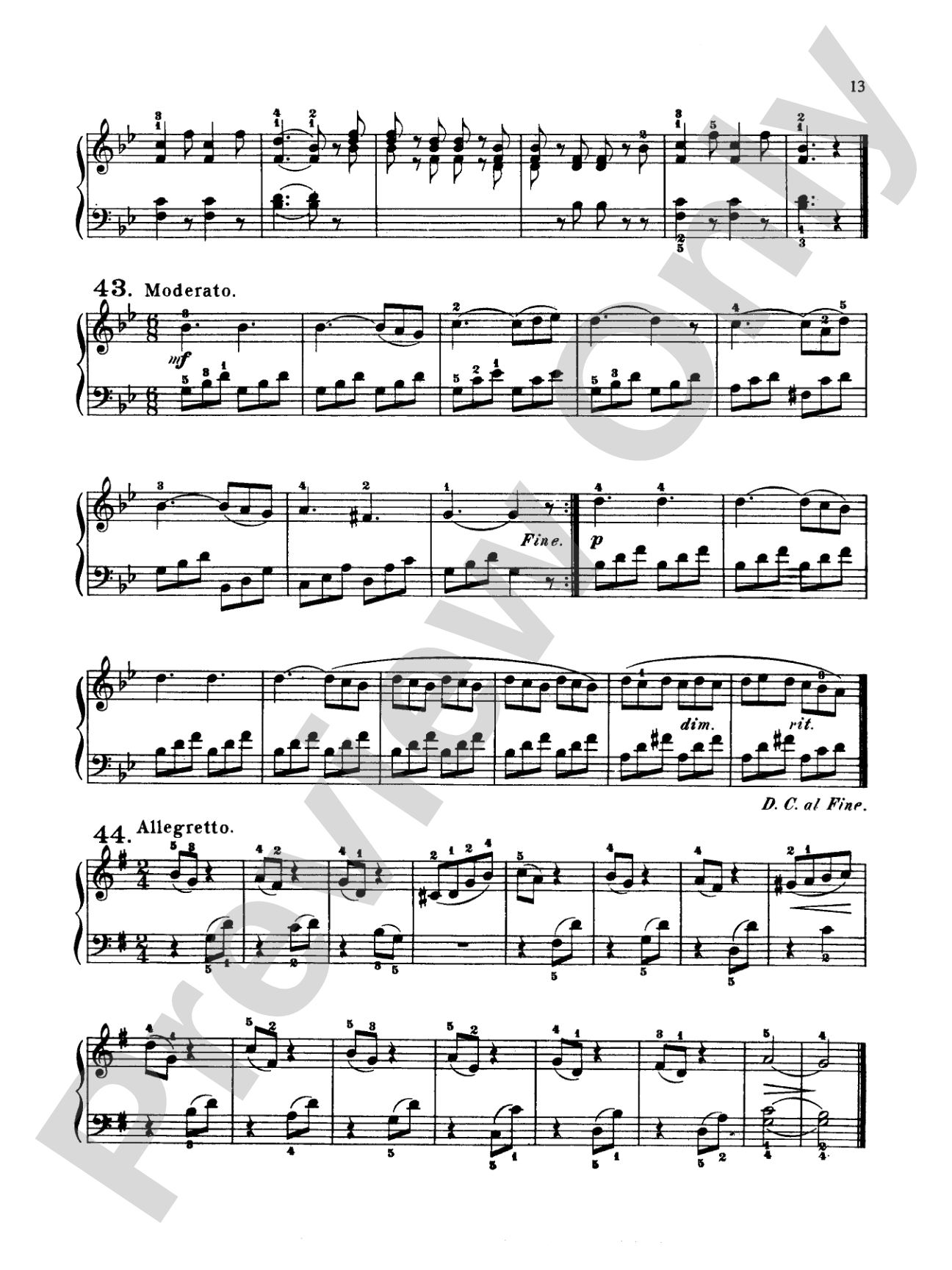
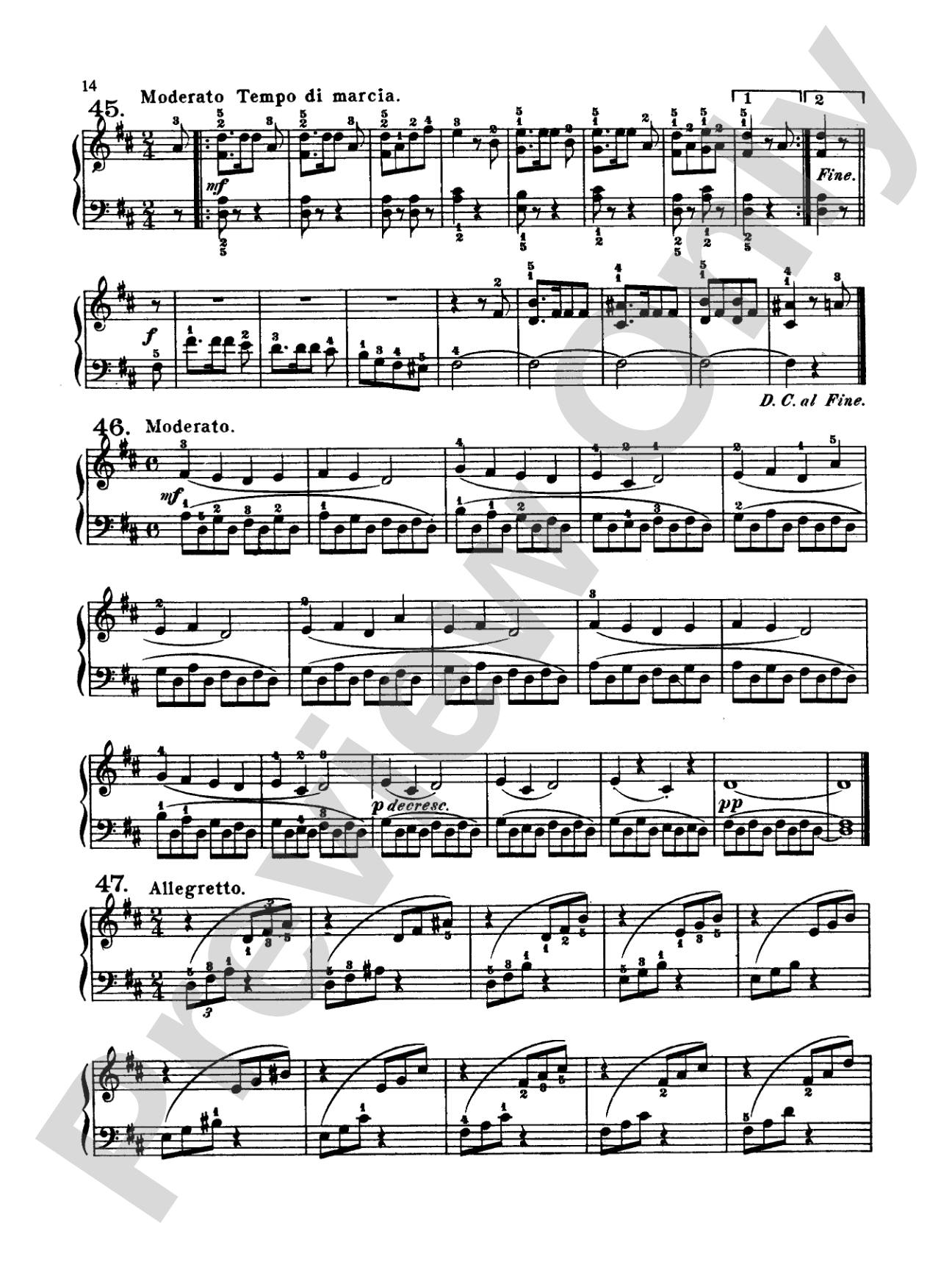
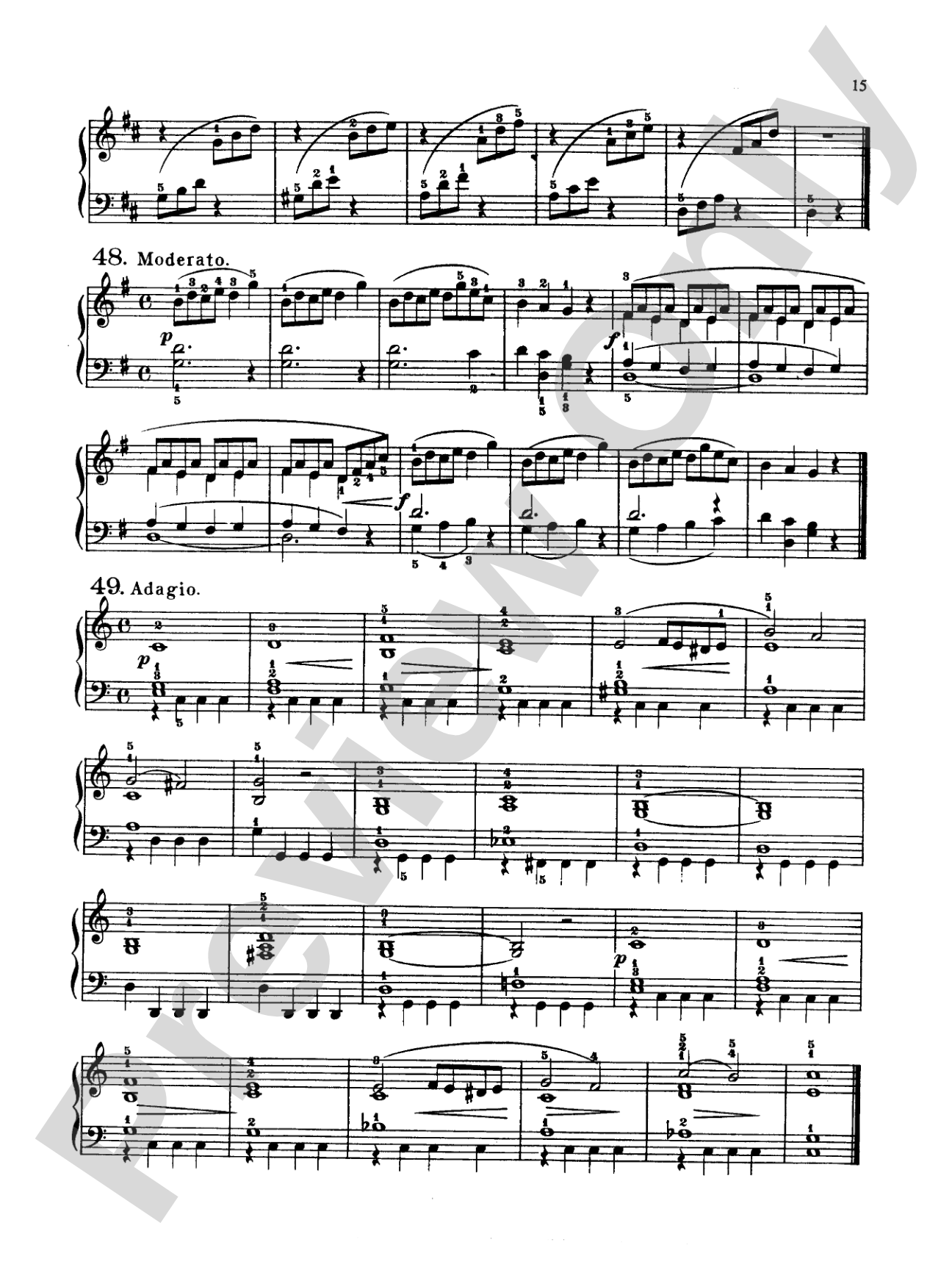
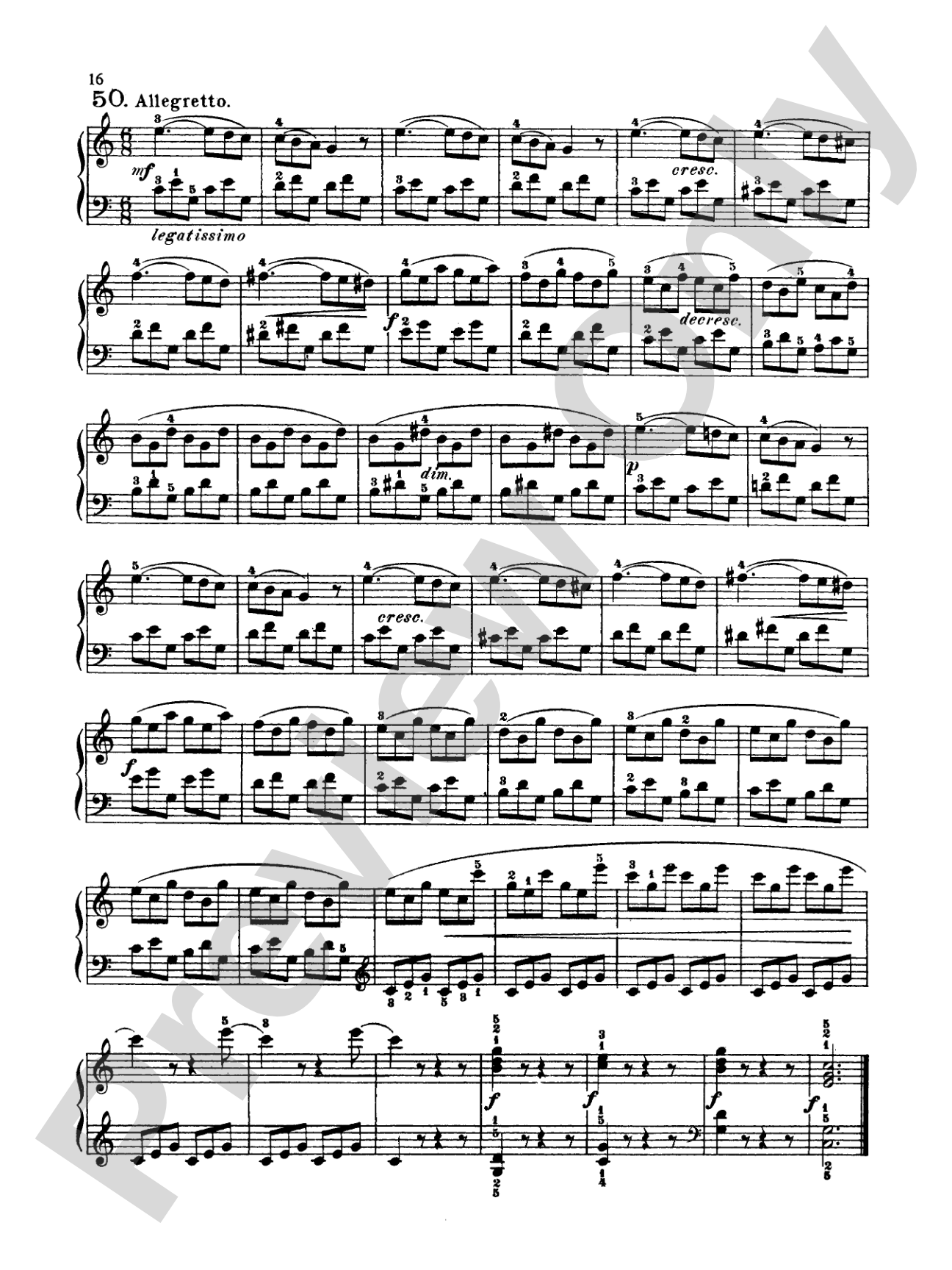
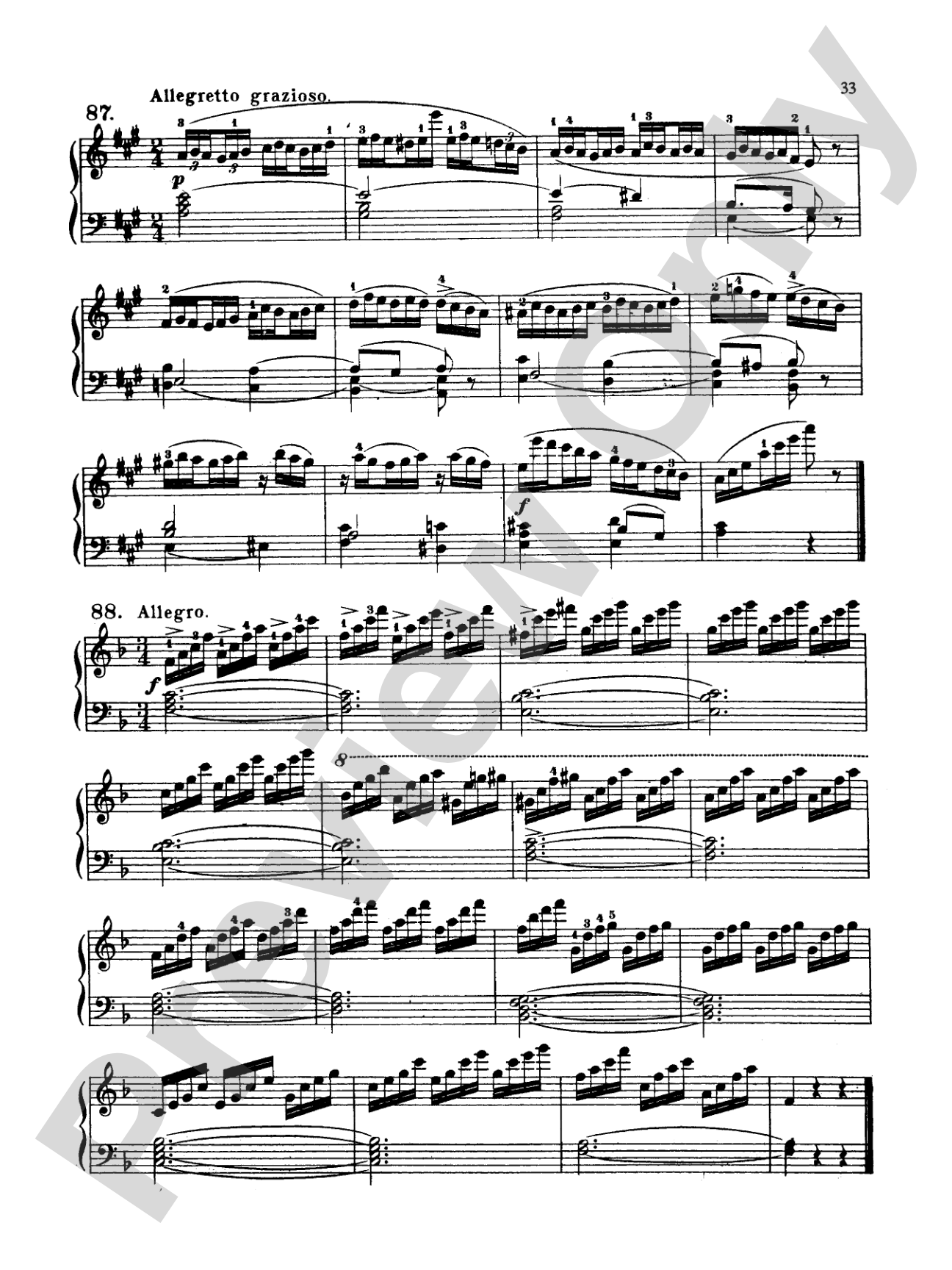
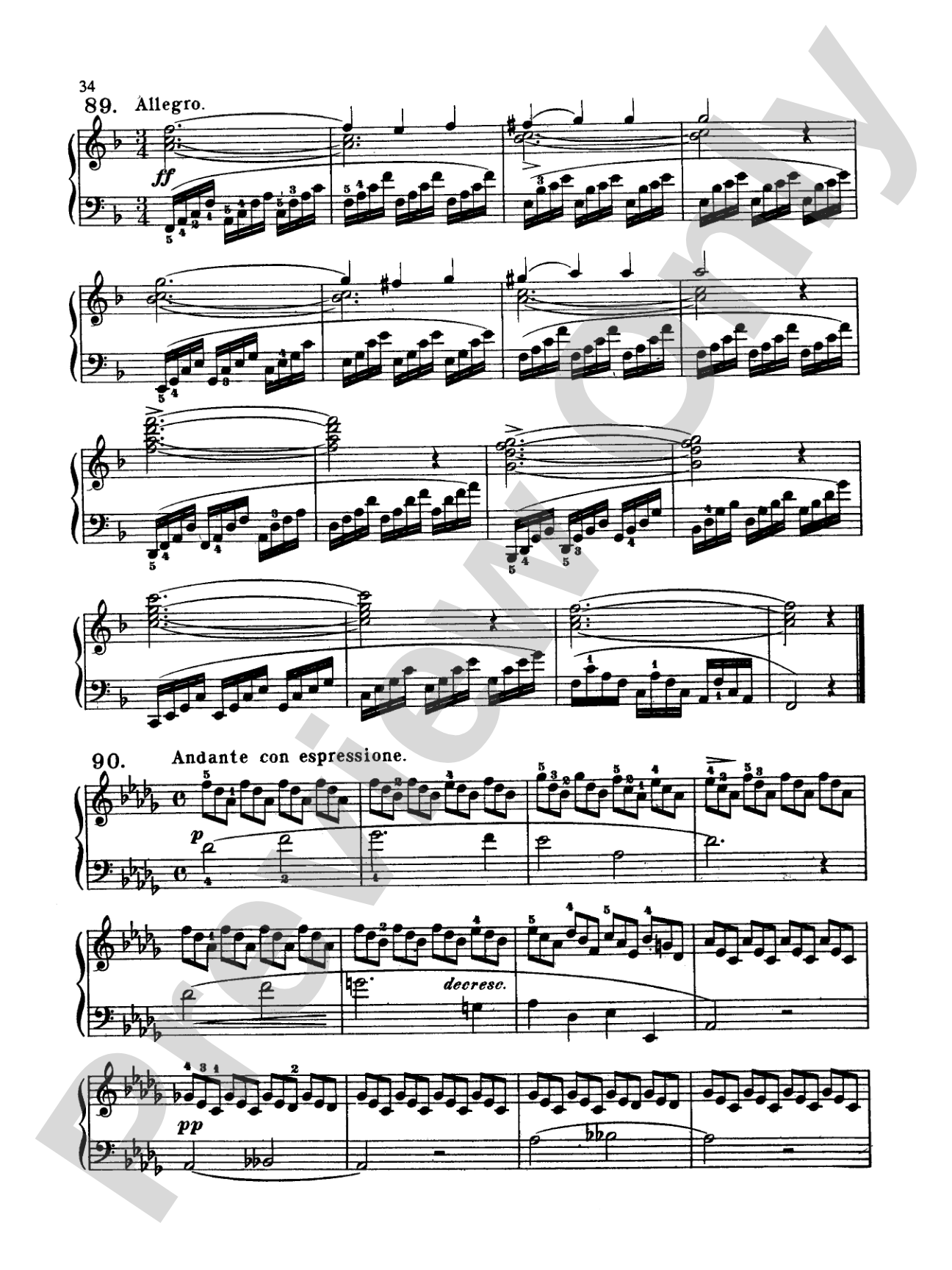
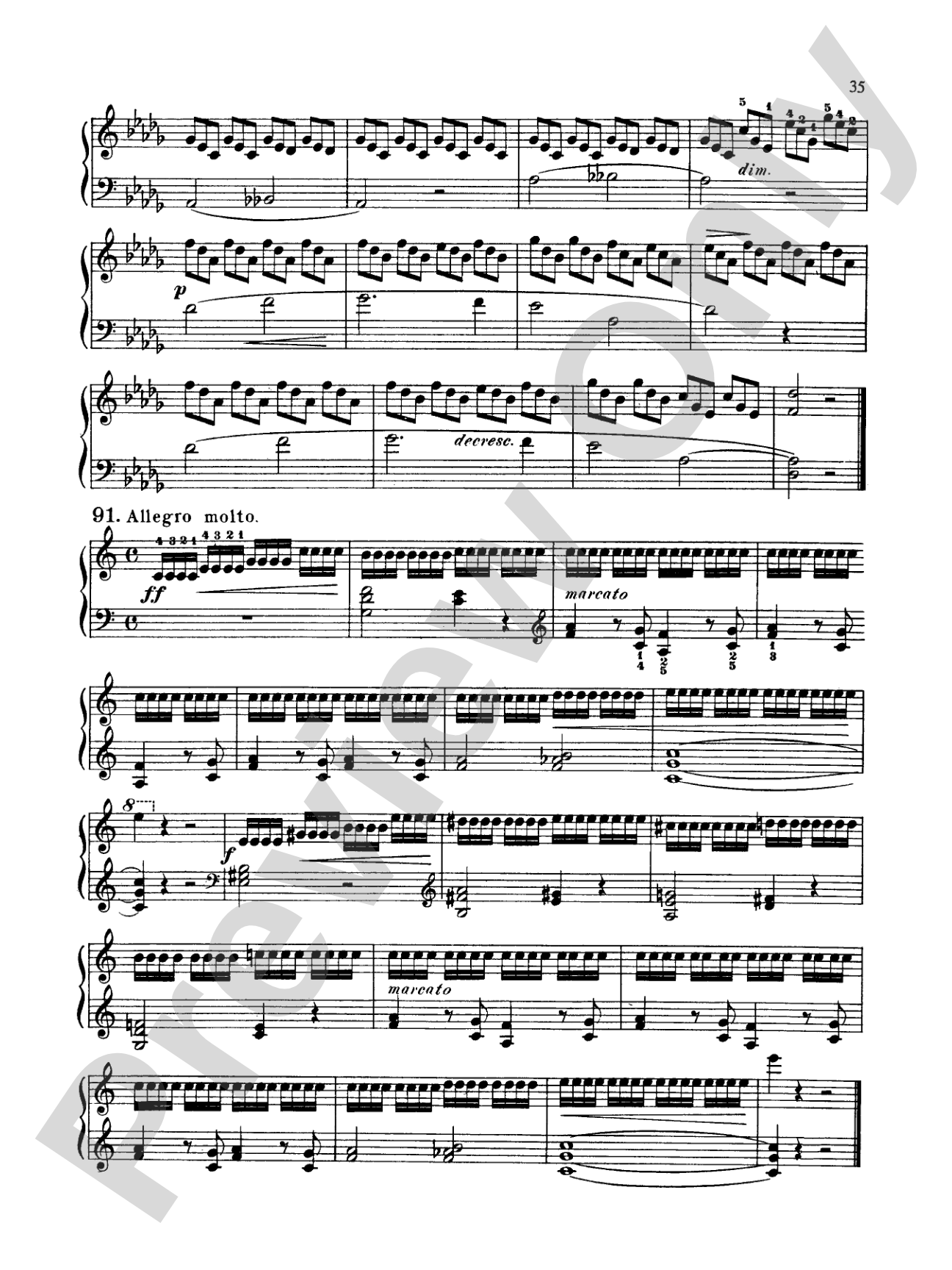
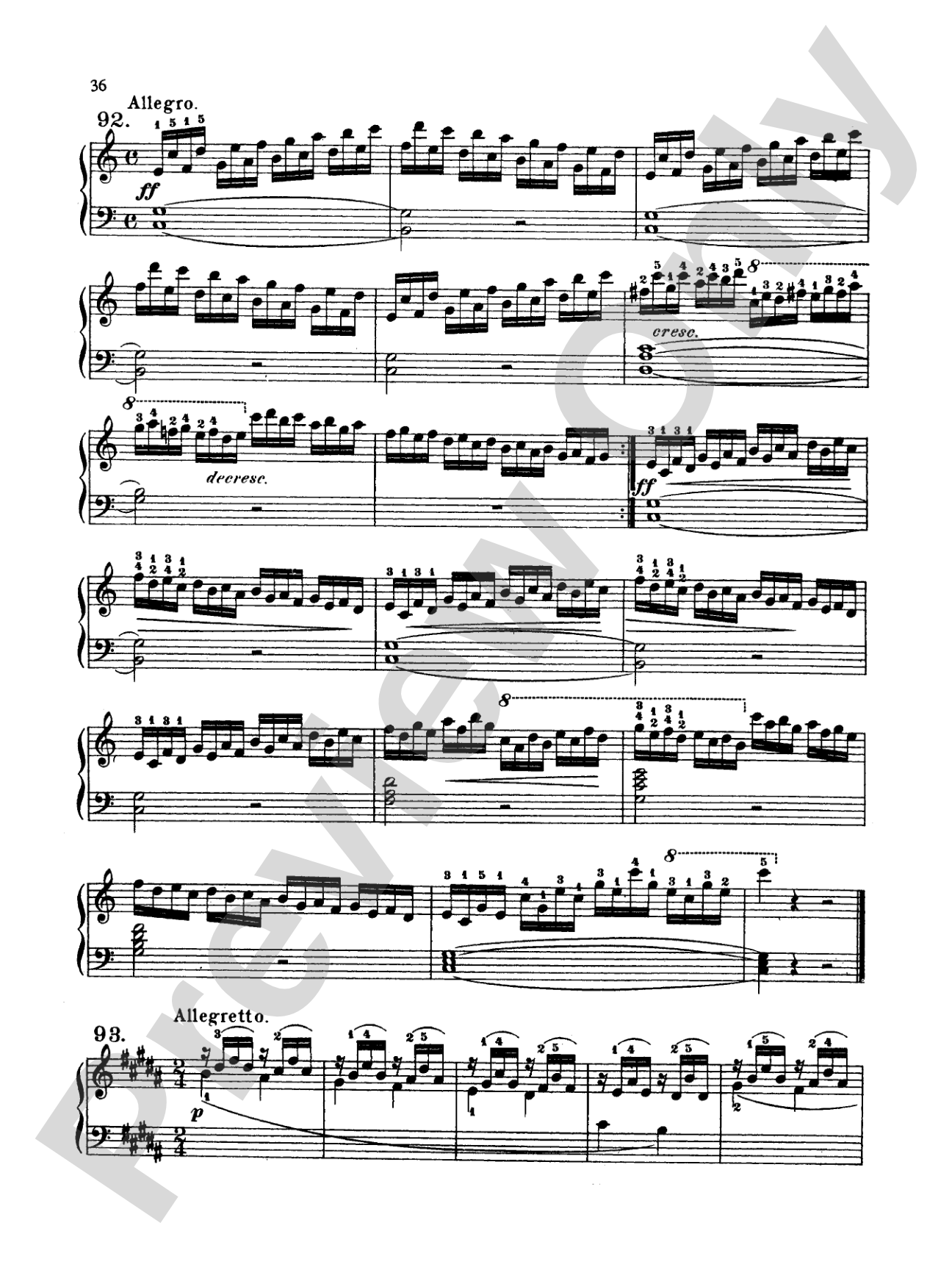
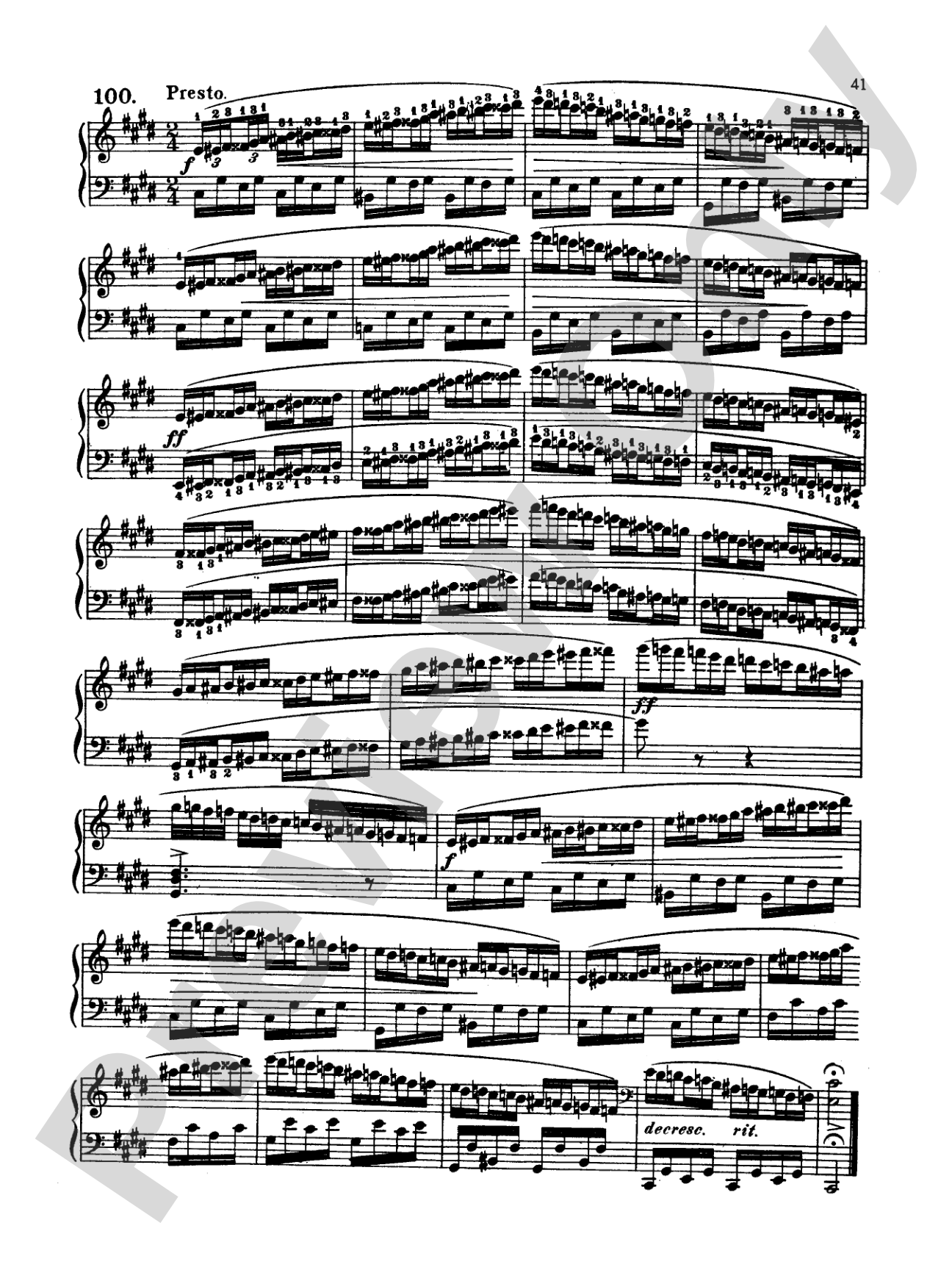
Kalmus presents the complete Opus 82, all 100 elementary exercises for the young pianist, by Gurlitt. These are fun and build technique at the same time. KALMUS EDITIONS are primarily reprints of Urtext Editions, reasonably priced and readily available. They are a "must" for students, teachers, and performers.


Don't just read it, hear it, play along with it, and watch your students grow with it. In MakeMusic Cloud, Gurlitt: The First Steps of the Young Pianist, Op. 82: Piano Book comes alive with professional accompaniment, adjustable tempo, and built-in practice tools that turn solo practice into real progress.
Open in the Player
Jump straight in and assign it today.
Start Your Free Trial
Open this title and explore the full library in minutes.
Sample Audio
No sample audio found.
Sample Video
No sample videos found.
Additional Details
Series:
Kalmus Edition
Publisher:
Alfred Music
Page Count:
44
SKU:
00-PK-0002748
More about this title
About the Composer: Cornelius Gurlitt
Cornelius Gurlitt (1820, 1901) was a German composer and pedagogue who understood what beginning pianists actually need. Rather than writing dry technical studies, he crafted exercises that sound like real music, giving young players something worth practicing. His works for children remain standard because they balance playability with genuine musicianship.
Gurlitt's legacy rests largely on his pedagogical output. Teachers have trusted his method books and exercise collections for nearly two centuries because they develop technique without sacrificing joy. Op. 82 represents the culmination of his thinking about how elementary students learn.
Why we love this
Opus 82 stands apart because it succeeds at the hardest job in piano pedagogy: building real technique through pieces that feel like actual music, not drills. Each of the 100 exercises introduces a specific challenge without sacrificing musicality, making progress feel tangible and rewarding for students and satisfying to teach.
What to expect
Gurlitt's writing offers clarity and lightness. The melodies are straightforward and singable, the harmonies transparent, and the pace thoughtful. Students experience the satisfaction of making coherent, tuneful music while their hands gradually master new technical territory.
Who it's for
This collection belongs in the hands of early-intermediate piano students (typically Grades 1-3) who benefit from graded, technique-focused exercises that maintain melodic interest. Teachers working with private students or classroom piano courses will find these 100 pieces a reliable backbone for building systematic technical growth.
How to get the most out of it
- Move through the collection sequentially so that each new exercise builds on previously established foundations; skip ahead only when a particular piece addresses a technical gap you've identified.
- Assign pieces from Op. 82 as supplementary work alongside method books and repertoire rather than as the sole curriculum, letting them deepen specific skills your student needs.
- Use the consistent Romantic-era style and moderate length to encourage sight-reading fluency; these pieces reward multiple run-throughs without becoming tedious.
- Pay attention to the character and tempo markings in each piece; treating them as complete musical statements rather than exercises elevates the student's engagement and interpretation skills.
How to use it
Assign Op. 82 pieces as preparatory material for early Romantic-era repertoire or classical sonatas; the style and technical demands align naturally. Students who move through this collection systematically will enter intermediate repertoire with secure fundamentals and a confident relationship with Romantic idiom.
Skills your students will build
- Five-finger positions and hand coordination across octaves
- Legato and staccato articulation with clarity
- Rhythmic precision in simple and compound meters
- Reading accidentals and key signatures in major and minor
- Basic ornamentation (grace notes, trills) in stylistically appropriate contexts
- Melodic shaping and phrasing within short forms
- Pedal independence and timing in selected pieces