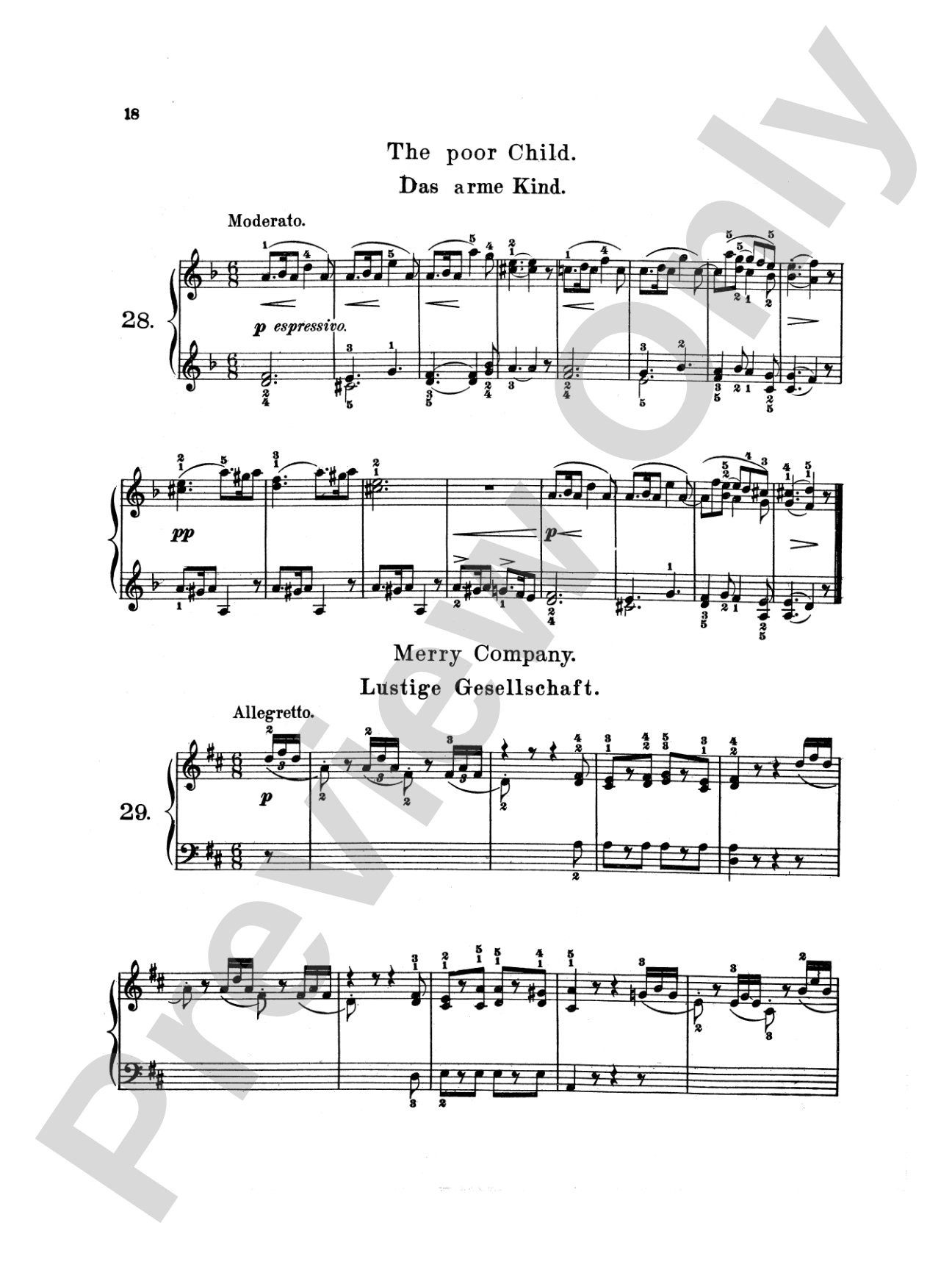
Gurlitt: First Lessons, Op. 117 Sheet Music Preview

Gurlitt: First Lessons, Op. 117

By Cornelius Gurlitt

Item: 00-PC-0007450

Digital Download
$0.99
Description
Expertly arranged Piano Lessons by Cornelius Gurlitt from the Kalmus Edition series. This is from the Romantic era.

Don't just read it, hear it, play along with it, and watch your students grow with it. In MakeMusic Cloud, Gurlitt: First Lessons, Op. 117 comes alive with professional accompaniment, adjustable tempo, and built-in practice tools that turn solo practice into real progress.

Sample Audio
No sample audio found.
Sample Video
Additional Details
Series: Kalmus Edition
Publisher: Alfred Music
Page Count: 28
SKU: 00-PC-0007450

More about this title

About the Composer: Cornelius Gurlitt

Cornelius Gurlitt (1820-1901) was a German composer and pedagogue whose output shaped piano instruction for generations. His gift lay in writing pieces that sound refined and musical while remaining technically accessible to young players, making him a cornerstone of 19th-century piano pedagogy.

Gurlitt's collections, including the Op. 117 series, prioritize melodic clarity and manageable hand positions over showy virtuosity. Teachers valued his work because it taught genuine musicianship without overwhelming students, and that balance continues to make his pieces relevant in studios and classrooms today.

Why we love this

These pieces strike an uncommon balance: they sound like real music, not exercises, yet stay within reach of early elementary students. Gurlitt writes with period sensitivity and harmonic interest that keeps both player and listener engaged, making these lessons feel like repertoire rather than steps toward it.

What to expect

These pieces have a gentle, cultivated character rooted in the Romantic salon tradition. Melodies unfold with quiet grace while simple accompaniments create a sense of stability and home, inviting players to discover that music-making can be both straightforward and deeply satisfying.

Who it's for

Young pianists working through early elementary repertoire who are ready for pieces with genuine musical substance. Teachers seeking literature that builds independence, phrasing awareness, and harmonic understanding without demanding advanced technique.

How to get the most out of it

  • Pay attention to Gurlitt's phrase markings and articulation. These pieces teach musical phrasing as much as technique, so honor the slurs and staccatos even in simple passages.
  • Approach the melodic lines with vocal quality. Gurlitt often gives the melody to one hand while the other provides gentle accompaniment; imagine singing the top voice and supporting it thoughtfully.
  • Maintain a steady tempo without rushing through easier sections. The rhythmic clarity in these lessons teaches pulse awareness that becomes foundational for more complex repertoire later.
  • Let the harmonic changes breathe. Gurlitt's chord progressions are deliberate and often introduce new harmonic colors; give students time to hear and absorb them.

How to use it

Pair these works with other early Romantic piano literature in a student recital to show the range of accessible, musical writing from that era. They also work beautifully in mixed-age studio performances, where early elementary students can demonstrate genuine artistry alongside more advanced peers.

Skills your students will build

  • Legit phrasing with attention to slur and articulation markings
  • Two-hand independence with melody in one hand and accompaniment in the other
  • Basic harmonic recognition and voice leading
  • Pedal awareness and use (where indicated)
  • Sustaining musical line across simple structural forms

You May Also Like