

Guitar Works of Agustín Barrios Mangoré, Vol. I: Solo Guitar
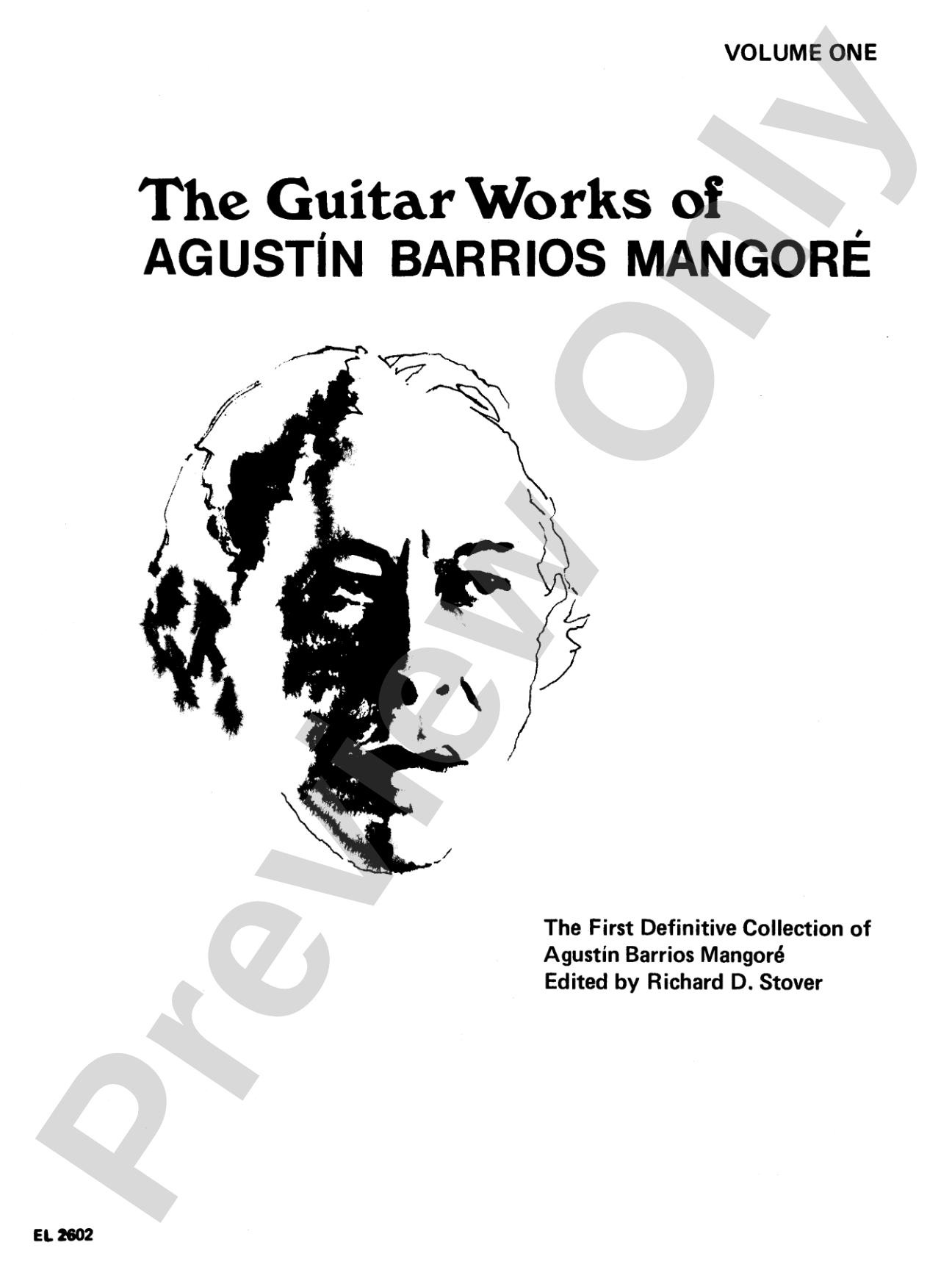
Agustín Barrios Mangoré / ed. Richard Stover
Item: 00-PB-0002017
$13.99
Pickup currently not available
Related Items
Guitar Works of Agustín Barrios Mangoré, Vol. I: Guitar Book |
$13.99
|
View |
Description
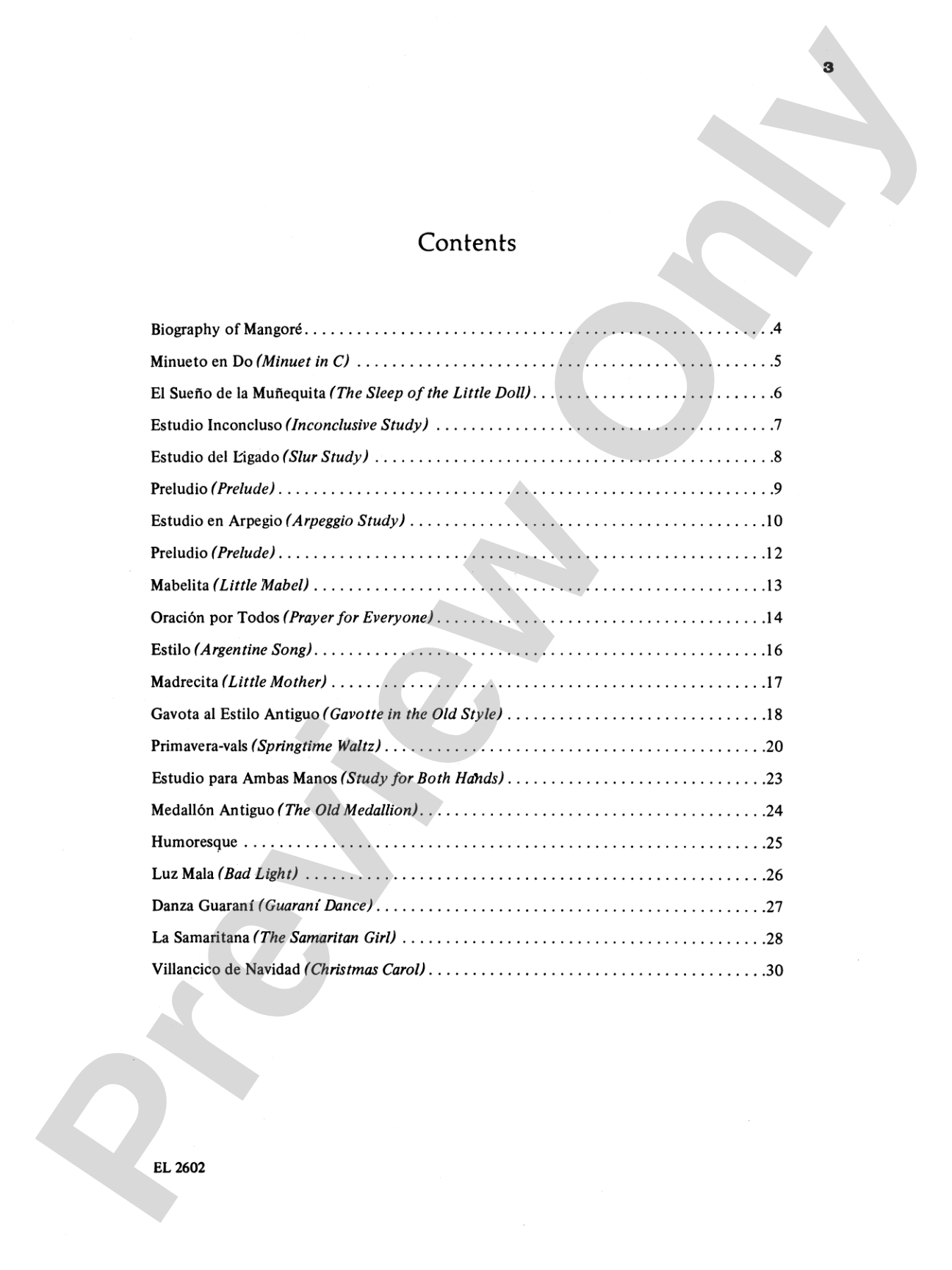
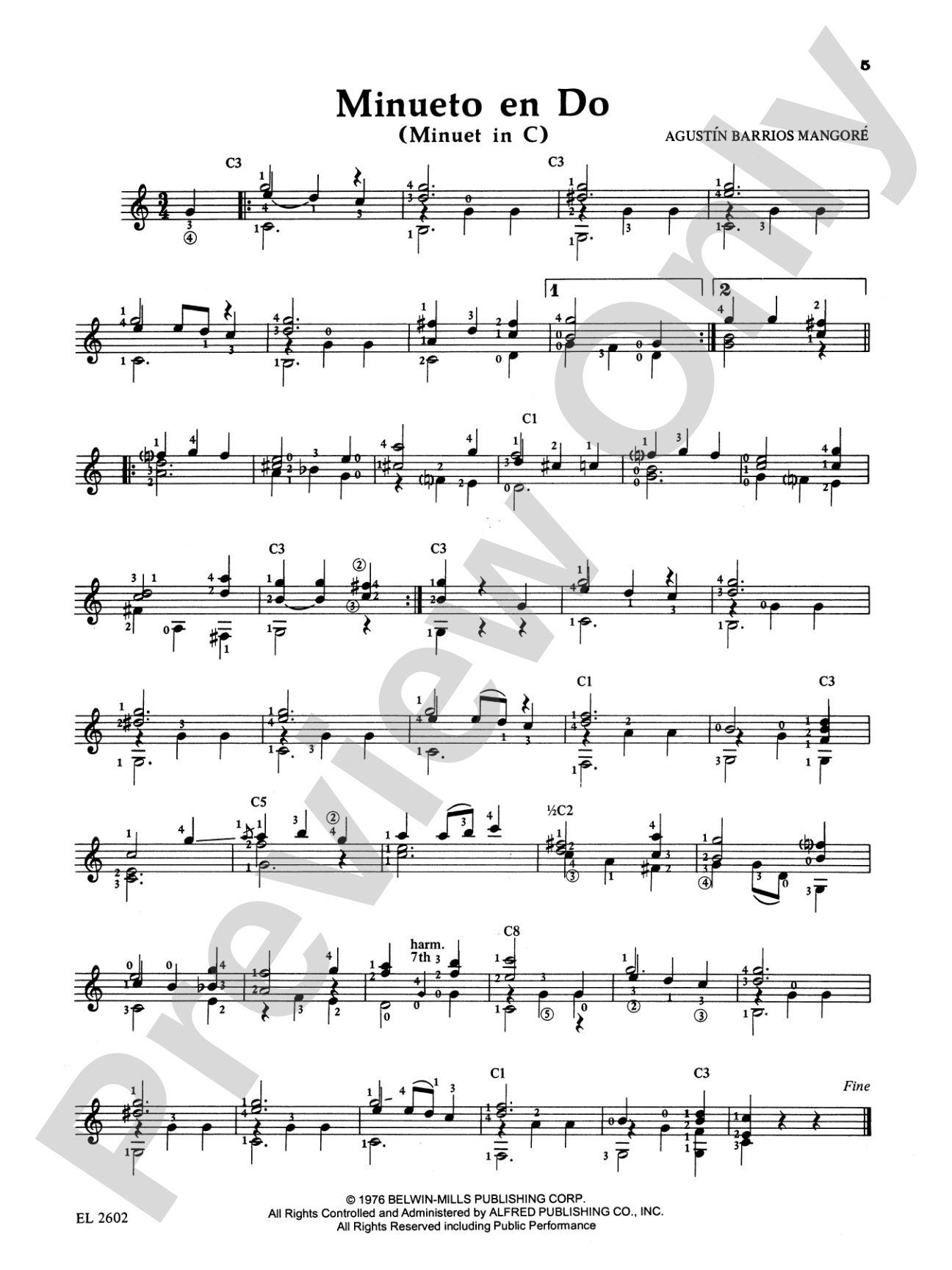
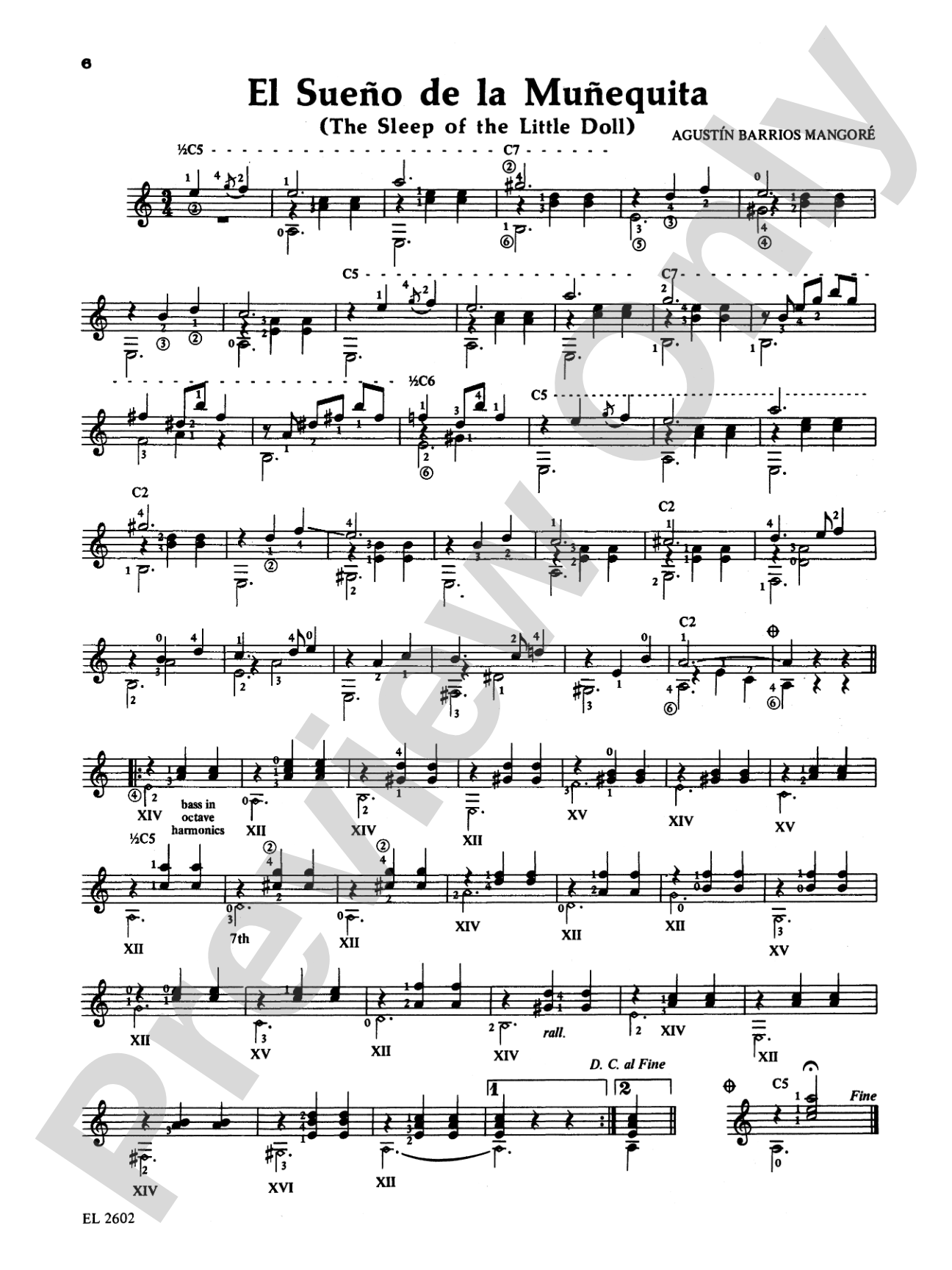
A comprehensive publication of the works of Agustín Barrios Mangoré, the first guitarist/composer from the New World of truly universal importance. These volumes are designed for the performer, student and teacher. Volume I has 21 pieces, including: El Sueño de la Munequita * Oracion por Todos * Danza Guarani.


Guitar Works of Agustín Barrios Mangoré, Vol. I: Solo Guitar isn't in MakeMusic Cloud just yet...but it could be. Let us know you'd like to see it, and you'll help shape what comes next. In the meantime, start a free trial and dive into thousands of interactive titles your students can play along with today.
Request This Title
Tell us you want it.
Start Your Free Trial
Explore everything that's ready to play right now.
Sample Audio
No sample audio found.
Sample Video
No sample videos found.
Additional Details
Publisher:
Alfred Music
Page Count:
32
SKU:
00-PB-0002017
More about this title
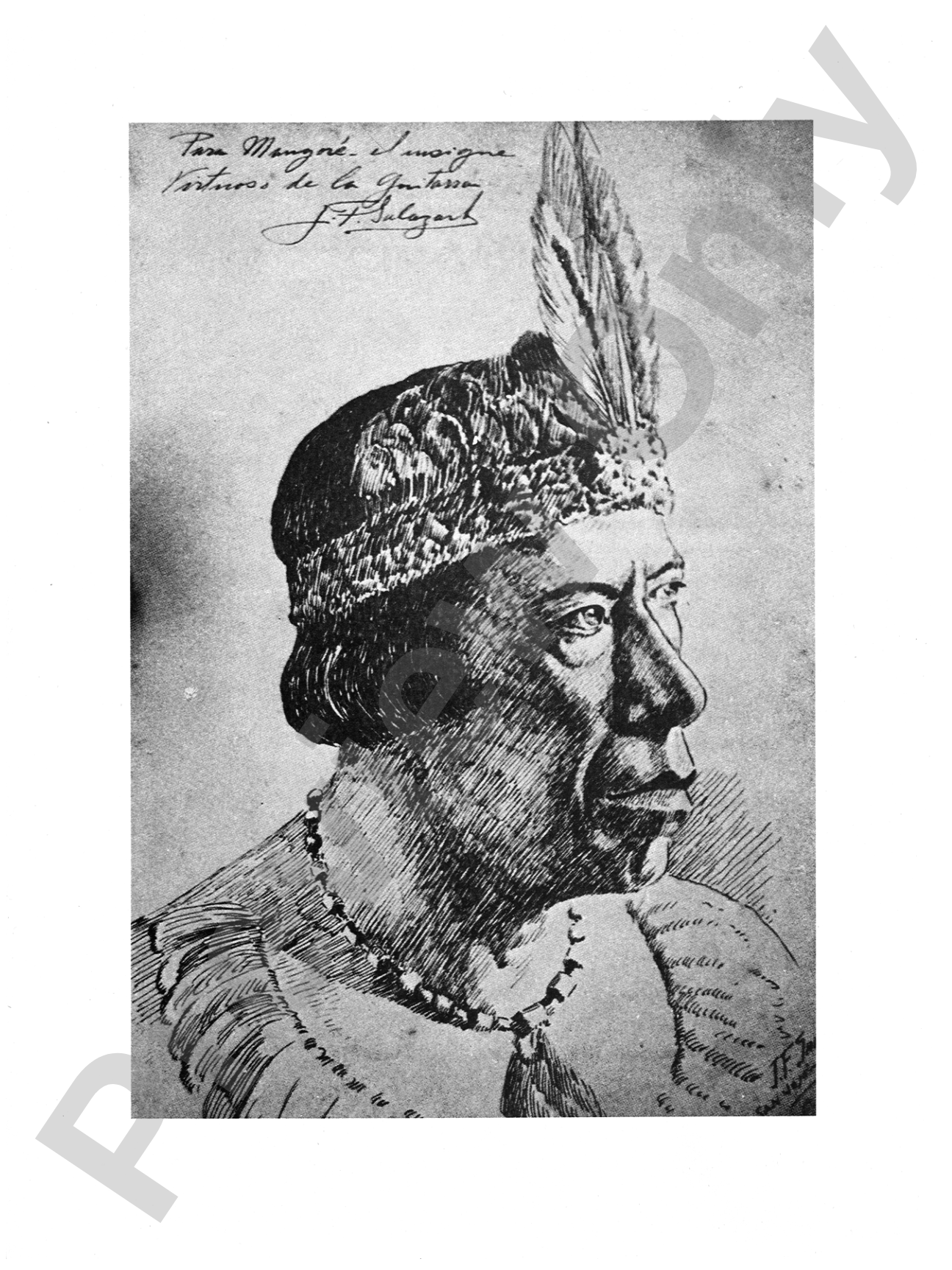
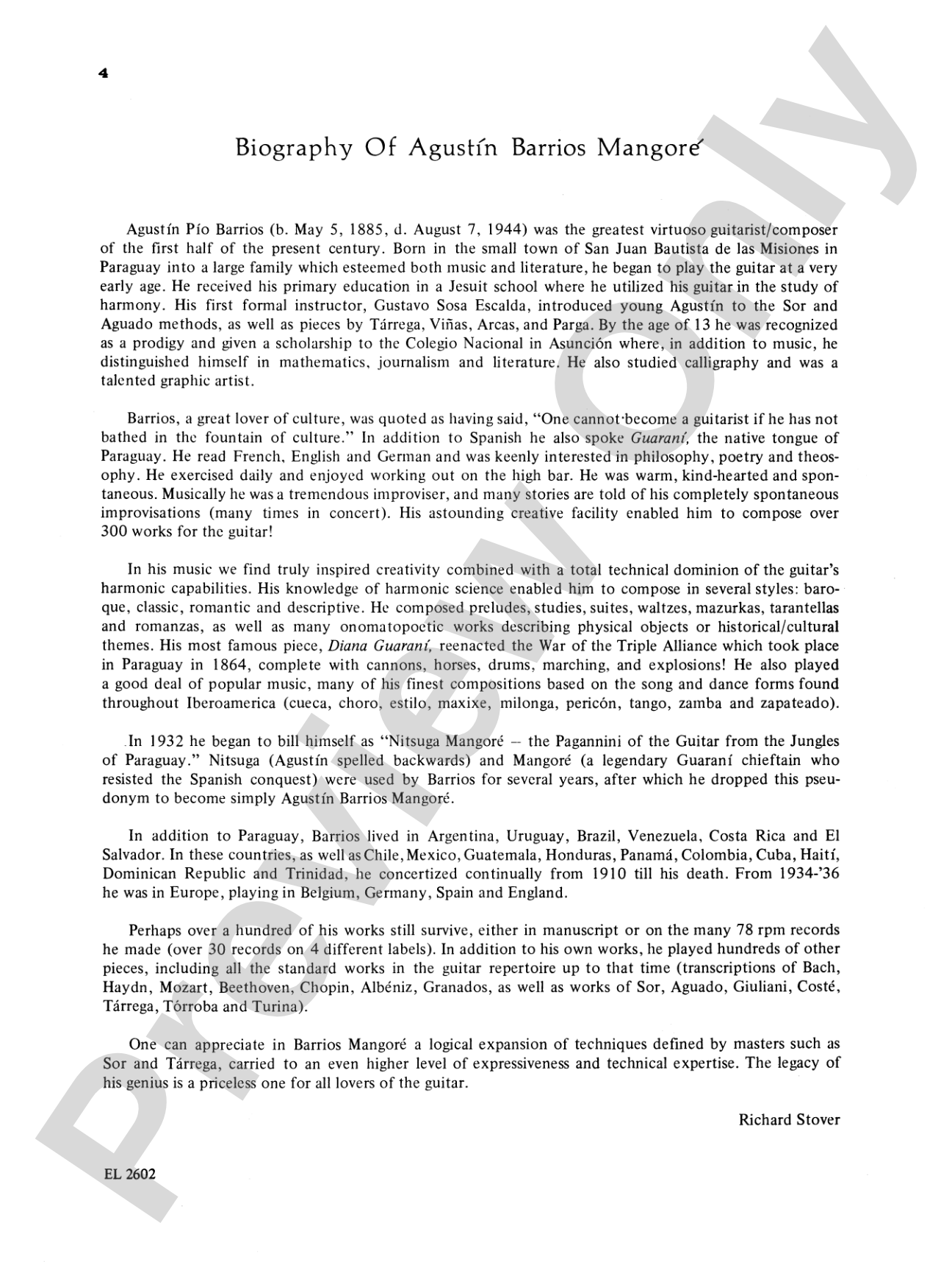
About the Composer: Agustín Barrios Mangoré
Agustín Barrios Mangoré (1885–1944) was a Paraguayan guitarist and composer who fundamentally changed how the world understood the classical guitar. Working in the late 19th and early 20th centuries, he proved that the guitar was capable of the same musical depth and sophistication as any concert instrument, writing chamber works, concertos, and intimate solo pieces that demanded serious technical and interpretive skill from performers.
Barrios traveled throughout South America and Europe, performing extensively and building a reputation as both a virtuoso and a serious musical voice. His compositions drew from Paraguayan folklore and the broader musical traditions of the Americas while engaging with European classical forms. This fusion made his work distinctive: pieces that feel both deeply rooted in place and universally expressive. For guitar teachers and students, Barrios remains essential repertoire, representing a bridge between folk tradition and concert music that few composers have managed so convincingly.
Why we love this
Barrios wrote for the guitar as a composer first and guitarist second, which means his pieces have genuine musical substance beneath the technical demands. The 21 works in this volume span from intimate character pieces to substantial forms, giving you flexibility in building a balanced recital or selecting individual works for students at different levels.
What to expect
These pieces inhabit a world where folk melody meets formal structure, where intimate emotion coexists with structural clarity. There is rarely excess in Barrios's writing. Instead, you encounter economy of material serving emotional directness, whether in dances that capture rhythmic vitality or prayer pieces that unfold with meditative stillness.
Who it's for
Classical guitar performers seeking substantial solo repertoire and teachers building curricula that include 20th century concert music for guitar. Advanced students can handle the technical and interpretive demands, while the variety of styles and forms offers something for intermediate players working on specific skills.
How to get the most out of it
- Study the piece away from the guitar first. Read through the score to understand the harmonic progression and voice leading, especially in works like Oracion por Todos where the emotional weight lives in the architecture rather than surface virtuosity.
- Pay attention to Barrios's tempo and character indications. These are not merely suggestions but essential guides to interpretation. El Sueño de la Munequita, for instance, requires a specific delicacy that shapes every technical decision.
- Balance rhythmic clarity with legato phrasing. Barrios often layers simple melodic ideas over active accompaniment patterns. Let the accompaniment breathe while the melody sings through.
- Use the key relationships within the volume to understand harmonic language. Studying several pieces in sequence helps you internalize Barrios's use of color and modulation.
How to use it
Use individual pieces from this volume as concert openers or closers where their character and scale allow them to anchor a program. Danza Guarani works particularly well alongside other Latin American or nationalistic works, while the more introspective pieces serve as effective programming choices between larger ensemble or chamber works.
Skills your students will build
- Managing tempo variation and rubato within structured forms
- Executing clean voice leading across multiple registers simultaneously
- Reading and interpreting non-standard harmonic progressions (modal and chromatic elements)
- Building rhythmic independence between melody and accompaniment
- Understanding how folk idioms function within classical structures