Gretchaninoff: Grandfather's Book, Op. 119 Sheet Music Preview

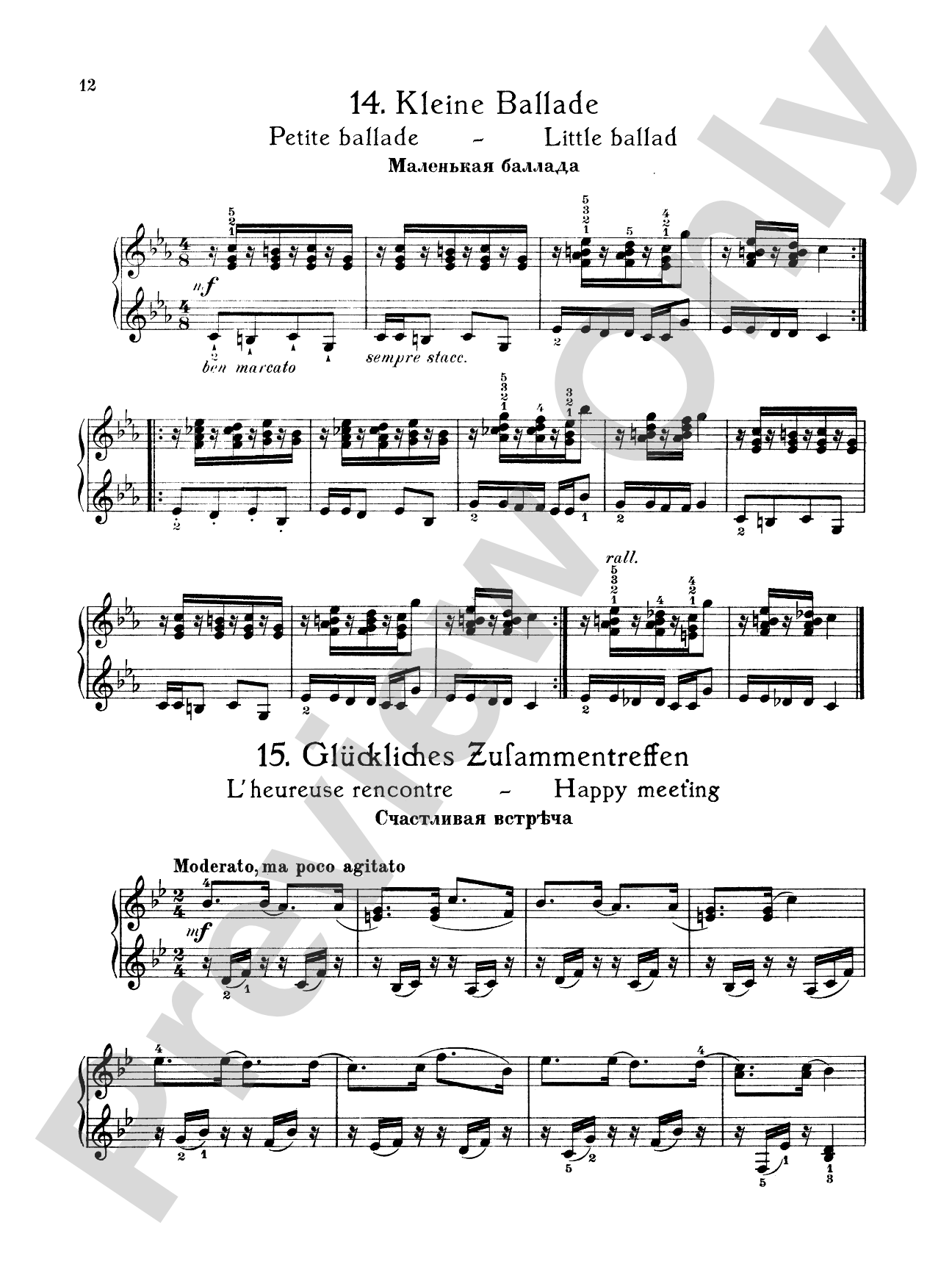
Gretchaninoff: Grandfather's Book, Op. 119

By Alexander Gretchaninoff

Item: 00-PC-0007482

Digital Download
$0.99
Description
A collection of piano solos composed by Alexander Gretchaninoff.

Don't just read it, hear it, play along with it, and watch your students grow with it. In MakeMusic Cloud, Gretchaninoff: Grandfather's Book, Op. 119 comes alive with professional accompaniment, adjustable tempo, and built-in practice tools that turn solo practice into real progress.

Sample Audio
No sample audio found.
Sample Video
Additional Details
Series: Kalmus Edition
Publisher: Alfred Music
Page Count: 16
SKU: 00-PC-0007482

More about this title

About the Composer: Alexander Gretchaninoff

Alexander Gretchaninoff (1864-1956) was a prolific Russian composer whose output spanned orchestral works, chamber music, choral compositions, and an extensive catalog of piano music. Though overshadowed by his more famous contemporaries, Gretchaninoff remained deeply committed to accessible music for students and young musicians, believing that teaching compositions should never compromise artistic integrity.

His piano works occupy a unique position in the teaching repertoire. Unlike purely pedagogical pieces, they read as genuine musical statements—intimate, often nostalgic, and crafted with the understanding that students deserve material of genuine artistic merit. Grandfather's Book reflects this philosophy: a collection designed for young pianists yet infused with the harmonic sophistication and lyrical depth that defined his mature style.

Why we love this

This collection captures Gretchaninoff's gift for writing music that feels substantial without demanding virtuosic fireworks. The pieces balance accessibility with genuine artistic content, making them ideal for students ready to move beyond simplified arrangements into real compositional voices. Each piece unfolds like a small narrative, rewarding careful listening and thoughtful interpretation.

What to expect

Warm, introspective, and touched by memory. The collection inhabits a gentle 20th-century lyricism reminiscent of Kabalevsky and early Prokofiev, yet distinctly Russian in its harmonic language. Each piece unfolds with the unhurried quality of reflection, offering moments of quiet beauty alongside passages of genuine emotional depth.

Who it's for

Intermediate to early advanced pianists seeking substantial material beyond method book progressions. Teachers looking for pieces that develop musicianship and interpretive independence while remaining within reach of dedicated young students.

How to get the most out of it

  • Attend to the harmonic coloring beneath the melodic line. Gretchaninoff's accompaniment patterns often contain surprising chromatic shifts and voice-leading details that deepen the musical effect when brought out.
  • Treat tempo as a conversation between phrases rather than a metronomic constant. These miniatures benefit from subtle rubato that follows the natural breathing of the melody.
  • Balance the relationship between hands carefully. The melody may sit in the treble, but supporting voices in the middle register often carry harmonic weight that sustains the overall texture.
  • Listen through repeated practice sessions for what each piece is trying to communicate emotionally. Gretchaninoff's titles and character markings point toward specific moods; let those guide your phrasing and dynamic choices.

How to use it

Program these pieces in solo recitals to provide variety and substance without requiring showpiece technical display. They work particularly well in student composer showcases or mixed programs that pair 20th-century teaching literature with Romantic-era favorites. Consider featuring several pieces from this collection in a single recital to showcase how Gretchaninoff's voice evolved across different character studies.

Skills your students will build

  • Harmonic analysis and awareness of voice-leading in chromatic passages
  • Rubato and agogic phrasing at intermediate levels
  • Pedal technique for sustaining and blending colors
  • Interpretive independence and reading subtle performance markings in Russian musical tradition
  • Musical storytelling and character development within miniature forms

You May Also Like