Gretchaninoff: Five Little Pieces, Op. 3 Sheet Music Preview

Gretchaninoff: Five Little Pieces, Op. 3

By Alexander Gretchaninoff

Item: 00-PC-0003845

Digital Download
$0.99
Description
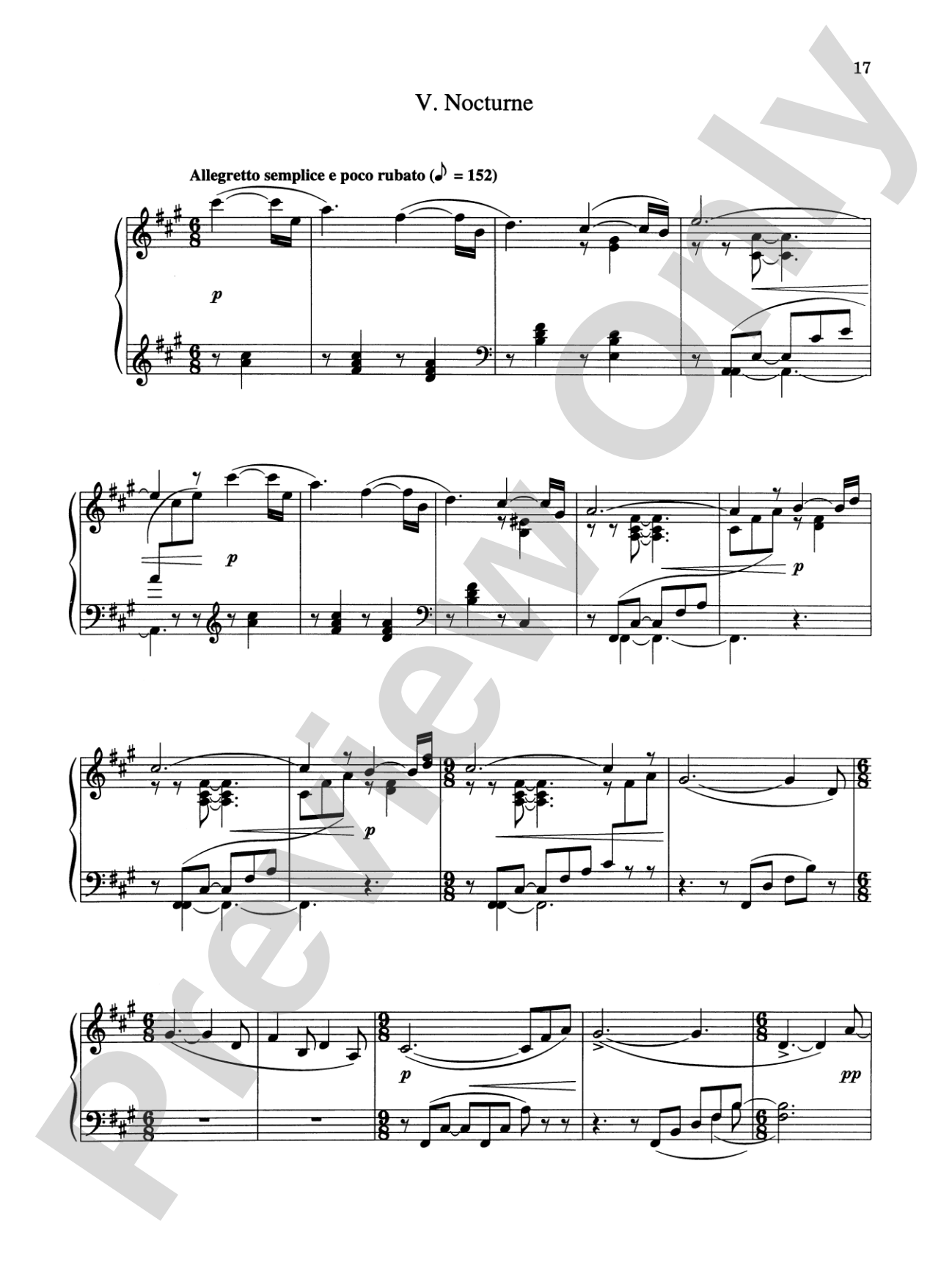
A newly-engraved edition of the familiar Gretchaninoff Five Little Pieces for piano solo. The intermediate level pieces are often and currently found on numerous performance lists from various piano organizations. This collection includes a short biography of the composer. Titles: Plaint * Meditiation * Chant D'Automne * Orage * Nocturne.

Don't just read it, hear it, play along with it, and watch your students grow with it. In MakeMusic Cloud, Gretchaninoff: Five Little Pieces, Op. 3 comes alive with professional accompaniment, adjustable tempo, and built-in practice tools that turn solo practice into real progress.

Sample Audio
No sample audio found.
Sample Video
Additional Details
Series: Kalmus Edition
Publisher: Alfred Music
Page Count: 20
SKU: 00-PC-0003845

More about this title

About the Composer: Alexander Gretchaninoff

Alexander Gretchaninoff (1864-1956) was a Russian composer who bridged the 19th and 20th centuries, synthesizing Romantic lyricism with modernist sensibilities. Though overshadowed by his more famous contemporaries, Gretchaninoff composed prolifically across all genres and left behind a substantial body of pedagogical and concert works that remain staples in music education.

His gift for crafting accessible yet musically substantial pieces made him particularly valued as a writer for young pianists. Many of his compositions appear on festival performance lists and conservatory curricula because they balance technical achievability with genuine artistic substance, offering students meaningful music to learn from rather than mere finger exercises.

Why we love this

These five pieces earn their place on performance lists year after year because they hit the intermediate sweet spot perfectly: each one teaches something real about tone, phrasing, and harmonic color without demanding virtuosity. Gretchaninoff writes musically from the first measure, so students are never bored, and the variety across the collection gives you genuine programming flexibility for recitals or competitions.

What to expect

The five pieces move through contrasting emotional landscapes: introspective and plaintive moods alternate with autumn imagery, stormy drama, and nighttime reflection. Gretchaninoff's writing consistently favors lyrical melody and warm harmonic color, creating an overall sense of Romantic nostalgia that feels both intimate and substantial.

Who it's for

Intermediate pianists preparing repertoire for recitals, competitions, or festival performances will find these pieces immediately rewarding to learn and perform. Teachers seeking concert-quality material that bridges Romantic sensibility with early 20th-century language without excessive technical demands will return to this collection repeatedly.

How to get the most out of it

  • Shape each phrase as a complete musical thought rather than a collection of notes, paying particular attention to how Gretchaninoff leads into and away from cadential moments.
  • Use the sustain pedal deliberately to color harmonic changes and create atmosphere, but change it cleanly to avoid muddiness in the faster or more rhythmically active sections.
  • Approach the Romantic harmonies with sensitivity to voice leading; many of the most beautiful moments come from how the inner voices move, not just the melody.

How to use it

Program one or two pieces individually on student recitals, or use the entire collection as a thematic unit exploring mood and character variation. The diversity of the five pieces makes them excellent for student competitions where you need to demonstrate range and musicianship without requiring a full concerto or sonata.

Skills your students will build

  • Sustain pedal control and harmonic color awareness
  • Phrasing and shaping across complete musical sentences
  • Voice leading and inner-part awareness in Romantic harmonic progressions
  • Interpretive choices in tempo rubato and expressive timing
  • Concert-level tone production and legato technique

You May Also Like