Greensleeves Theme Cover Image

Greensleeves Theme: String Orchestra Conductor Score

$7.00 USD
Sale price  $7.00 USD Regular price 
Skip to product information
Greensleeves Theme Cover Image

Greensleeves Theme: String Orchestra Conductor Score

Arr. Loreta Fin

Grade: 1-1.5

Item: 76-30147S

$7.00
Shipped

One moment…

Description
Well written for all parts. Sensitive arrangement that will challenge the group. All ages (Elementary School/ High School) will find it attractive and appealing. Very playable!

Greensleeves Theme: String Orchestra Conductor Score isn't in MakeMusic Cloud just yet...but it could be. Let us know you'd like to see it, and you'll help shape what comes next. In the meantime, start a free trial and dive into thousands of interactive titles your students can play along with today.

Sample Pages

Sample Audio
No sample audio found.
Sample Video
Additional Details
Series: Wilfin String Orchestra: Young String Ensemble Series
Publisher: Wilfin Music
Page Count: 8
UPC: 038081326726
SKU: 76-30147S

More about this title

About the Arranger: Loreta Fin
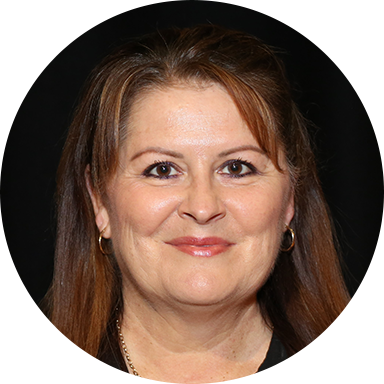
Loreta Fin

Loreta Fin AM began her musical training at the Sydney Conservatorium of Music and served as first violinist with the Sydney Youth Orchestra. Over more than 25 years as Principal Viola player with the Queensland Pops Orchestra, she has performed alongside world-class artists and entertainers across chamber and orchestral settings.

Fin established herself as a respected music educator and administrator, directing strings at Somerville House School in Brisbane since 1993. Her contributions to string music education span conference presentations at national conferences in Australia and America, adjudication work across major competitions, composition of over 100 published string orchestra works, and leadership roles in the Australian Strings Association. She has received numerous honors including the Queensland State Award for services to AUSTA, recognition as State Advisor for Strings, and the National Award for Services to Music and String Teaching in Australia.

Why we love this

Fin brings her decades of experience conducting and teaching young string players directly into this arrangement. The writing respects developing musicians while refusing to oversimplify the melody; the result sits in that sweet spot where students feel challenged but not defeated, and conductors can actually shape something musically satisfying from Grade 1 players.

What to expect

The familiar melody carries the warmth and wistfulness of the original folk tune, while Fin's arrangement lets younger players feel how string textures can deepen emotional expression. Viola and cello parts add real harmonic interest, transforming what could be a thin arrangement into something with genuine warmth.

Who it's for

String orchestras at the elementary through high school level will find this arrangement immediately accessible without condescension. Conductors building younger ensembles need exactly this kind of repertoire: musically substantive pieces that respect both the students and the material.

How to get the most out of it

  • Balance the melody across first and second violins by checking that both parts can be heard equally; the arrangement distributes the tune intentionally, so sectional work on blend pays dividends.
  • Shape the phrase ends with slight ritardando and dynamic softening to honor the folk song's lyrical character rather than driving straight through.
  • Give cellos and basses independent rehearsal time on their supporting lines so they anchor the harmony without overwhelming the upper voices.

How to use it

This fits naturally into concerts celebrating folk traditions or string literature, and its modest technical demands make it ideal for opening a program where you want to establish polish and ensemble confidence early. Consider pairing it with a contrasting contemporary piece to show the breadth of your young orchestra's abilities.

Skills your students will build

  • Sustaining long melodic lines across phrase boundaries
  • Reading divided viola and cello parts that provide harmonic support rather than melody
  • Balancing parts when the melody is shared across multiple instruments
  • Responding to subtle dynamic shaping to serve phrasing
  • Listening for intonation within sustained chords

You May Also Like