
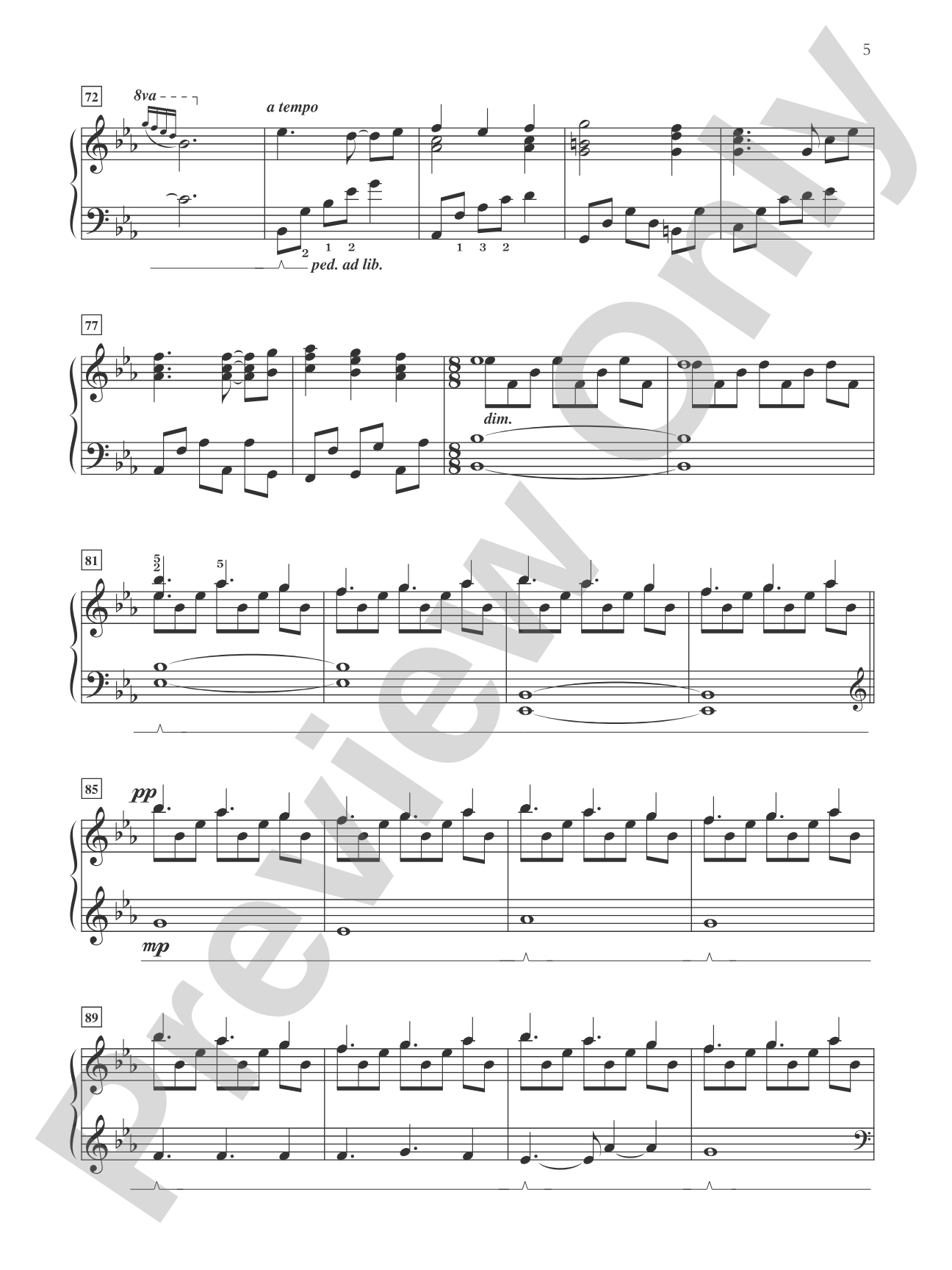
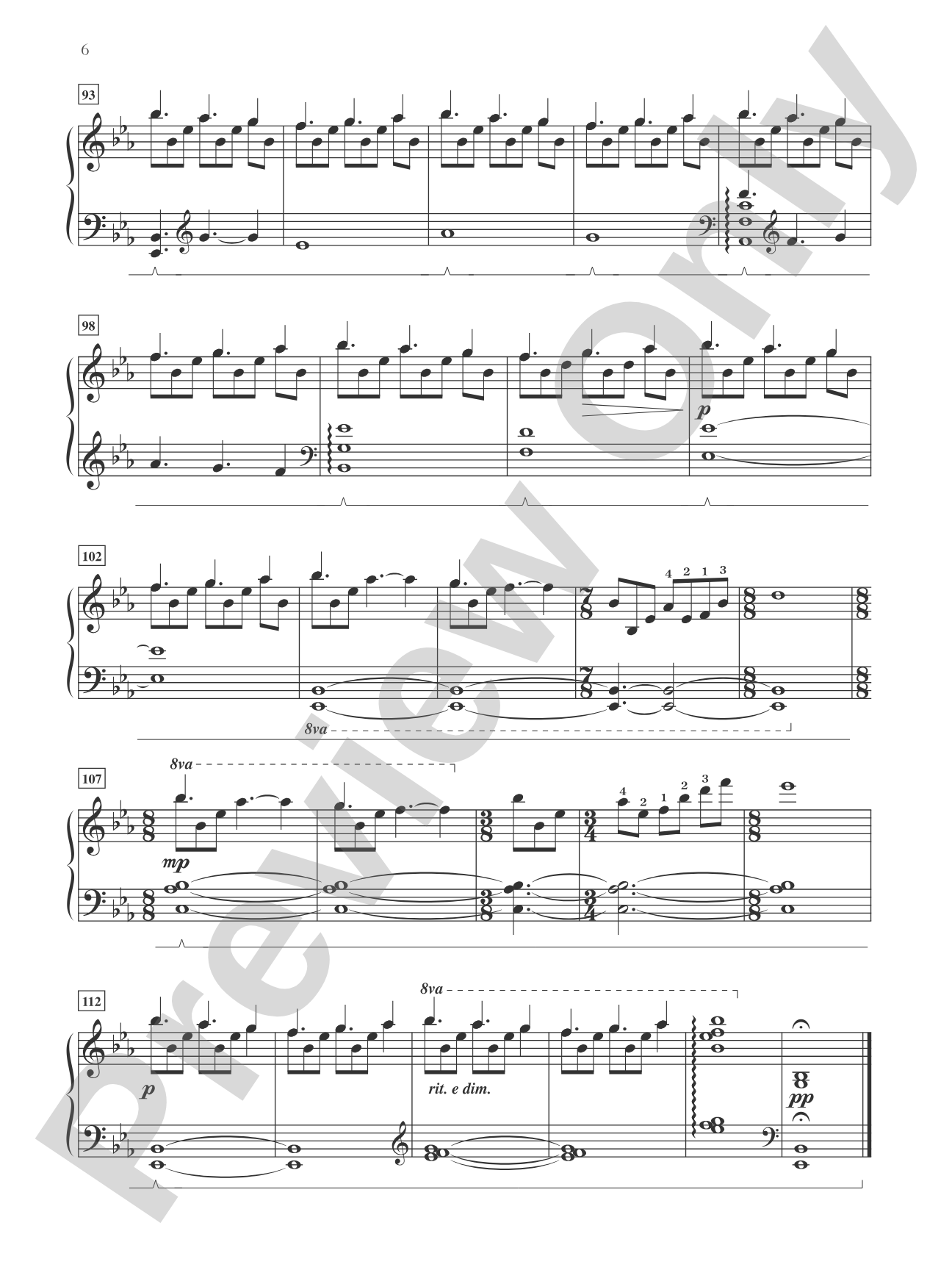
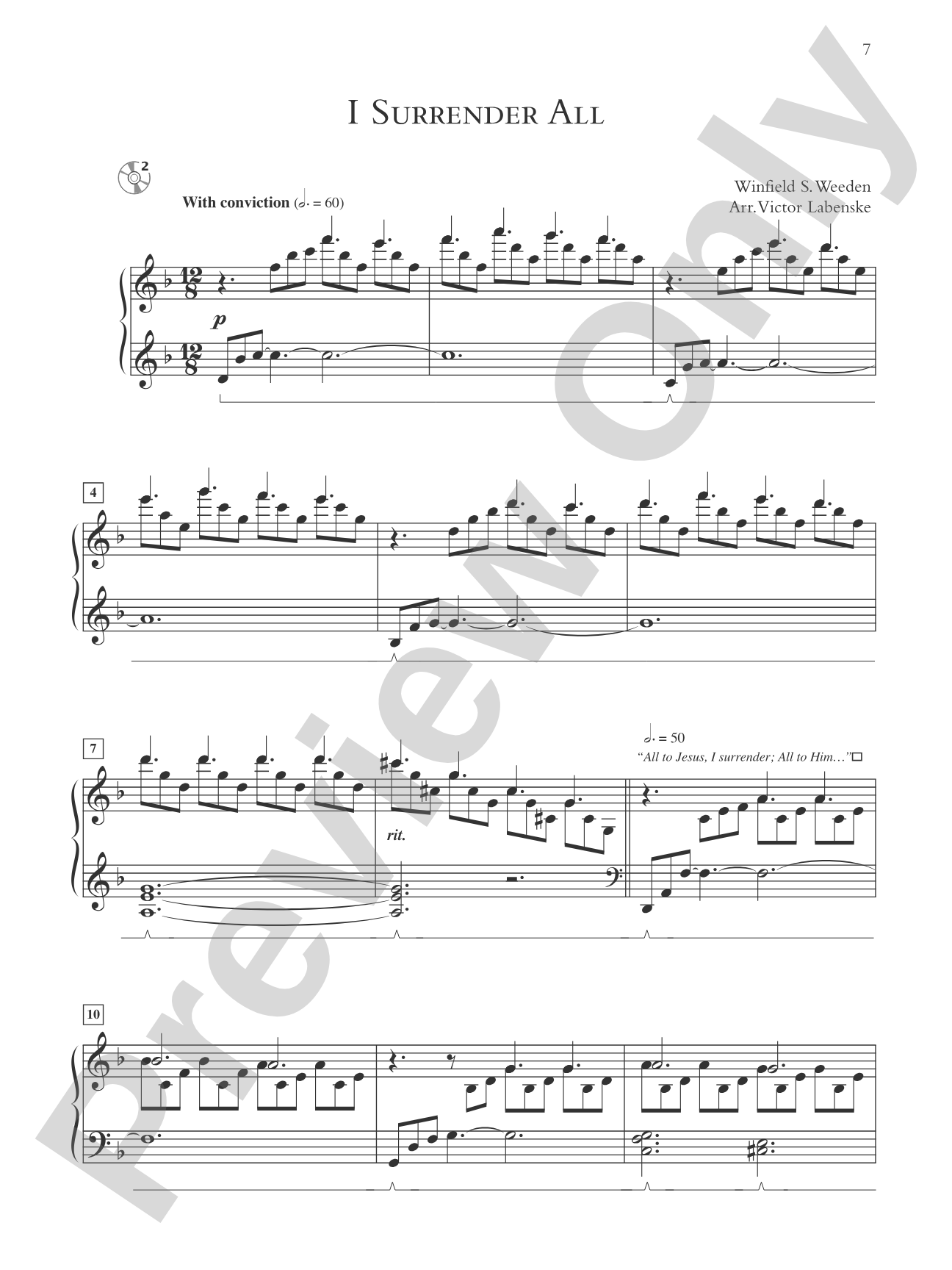
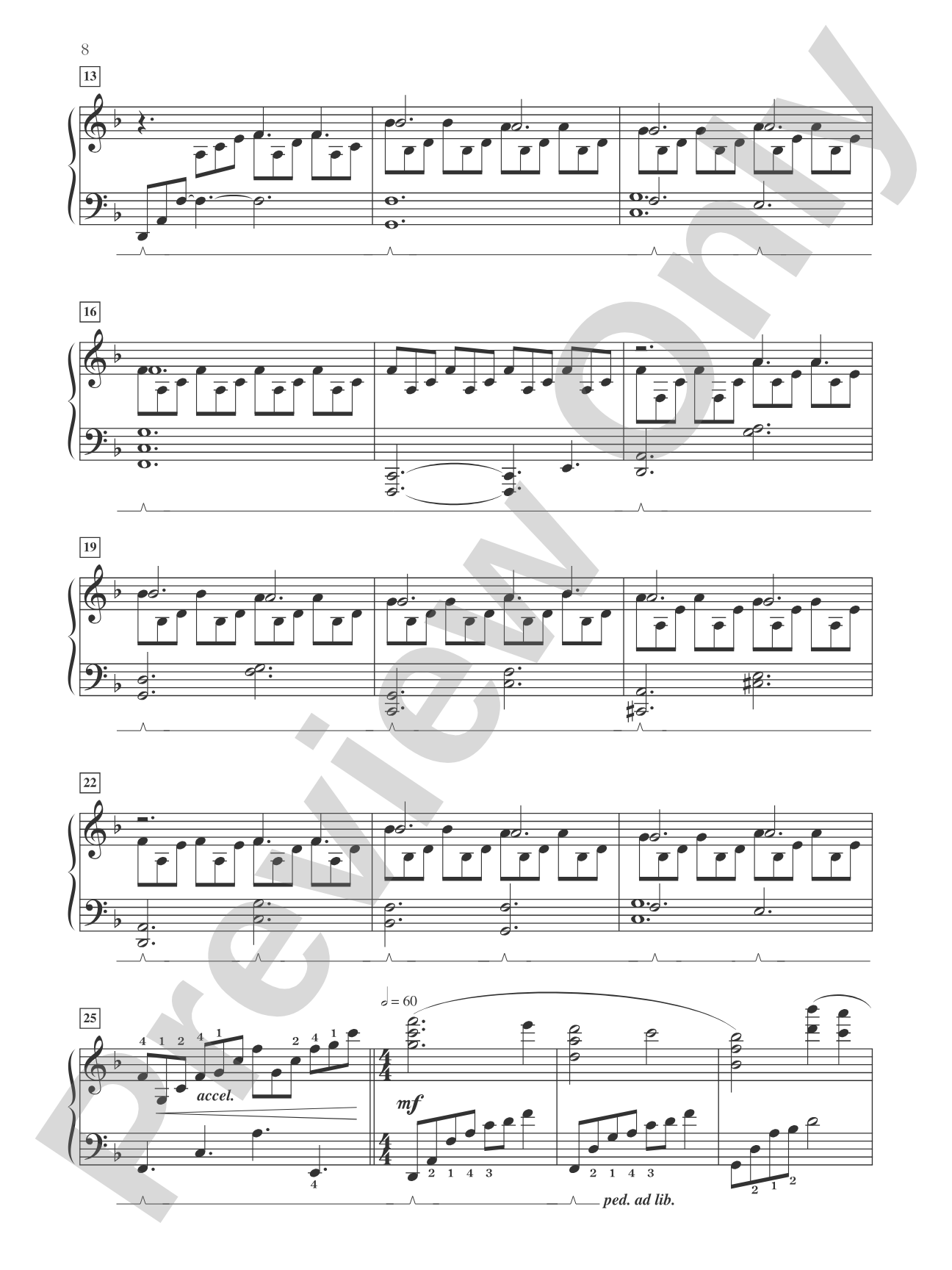
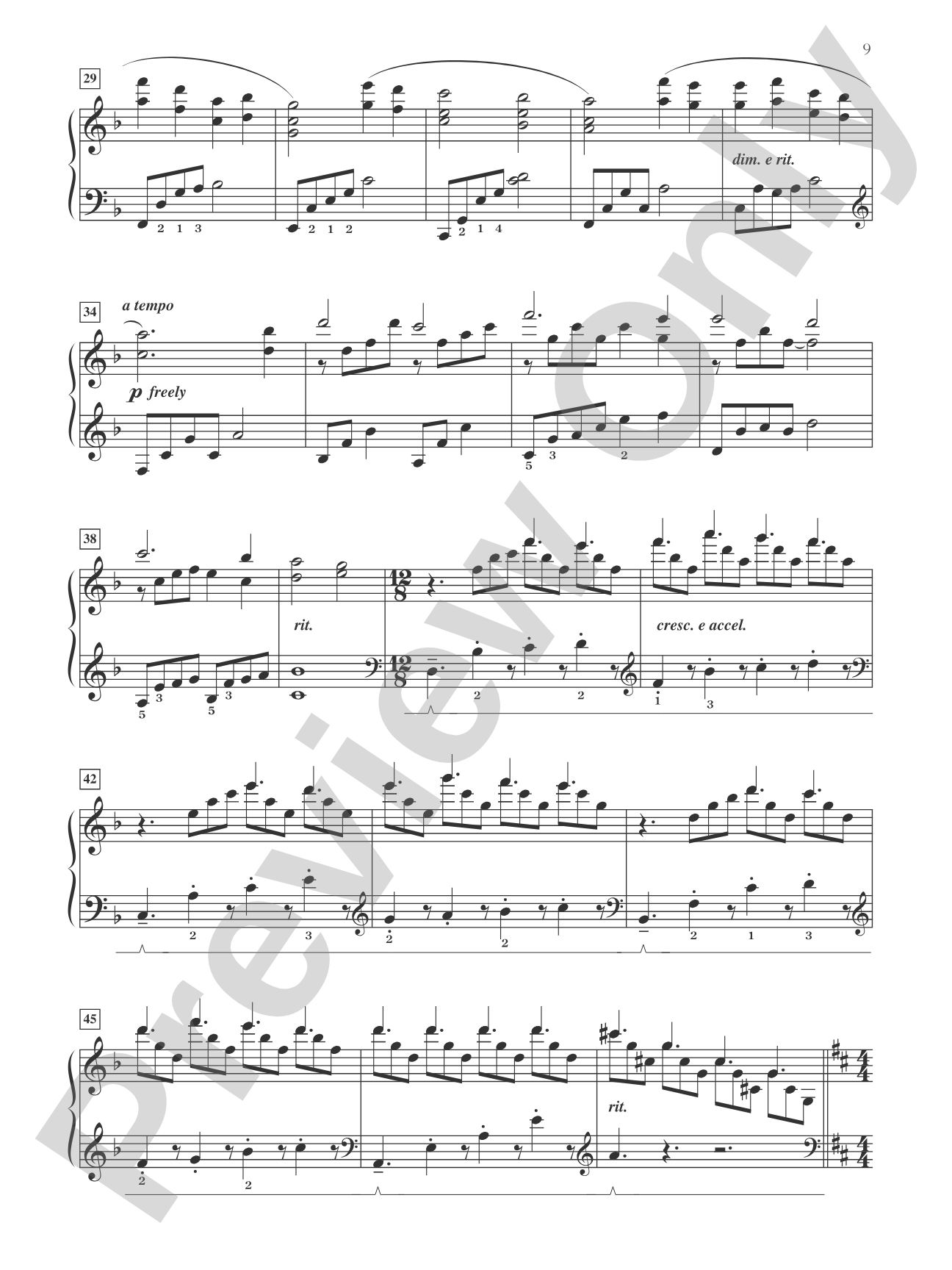
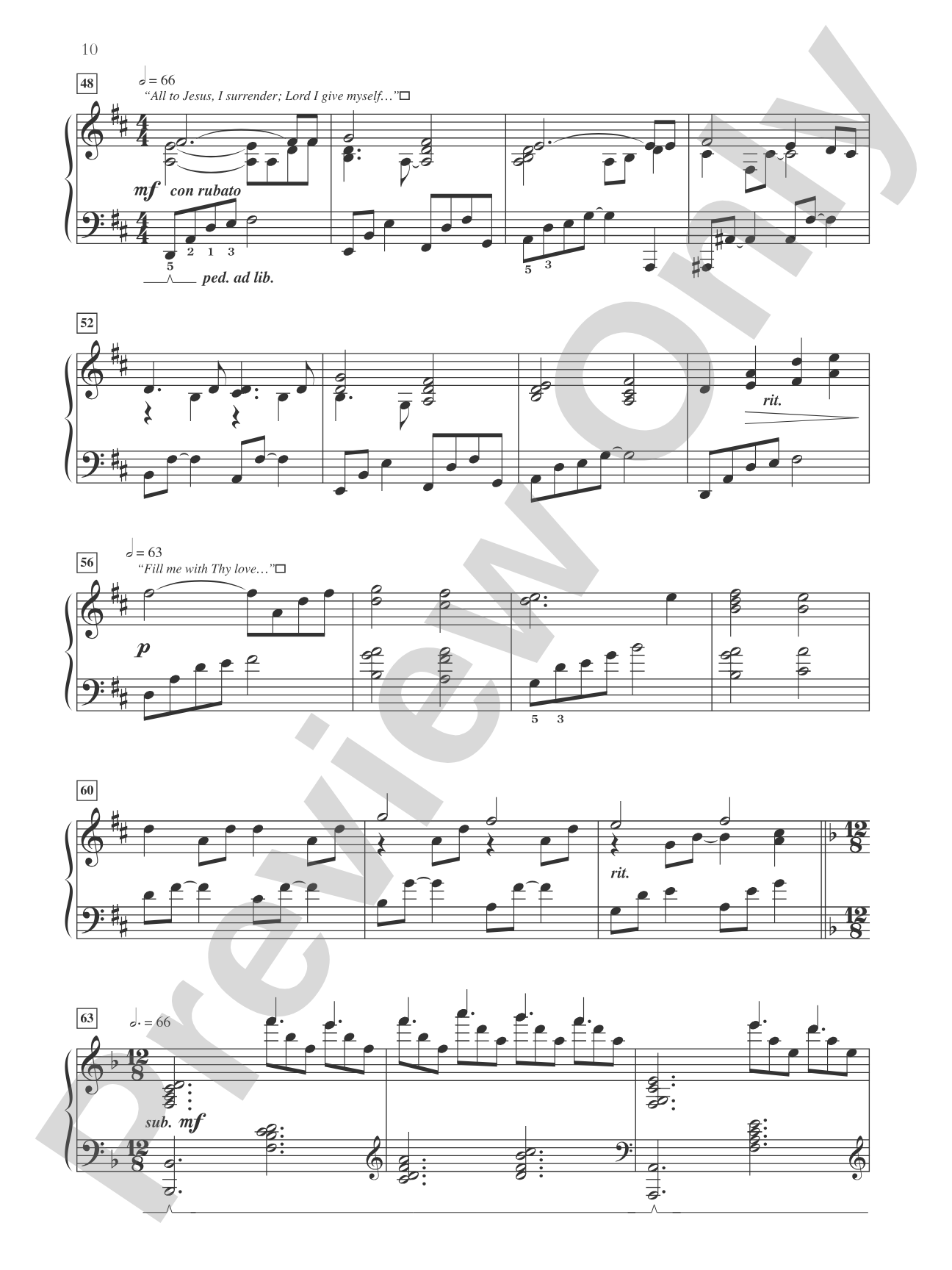
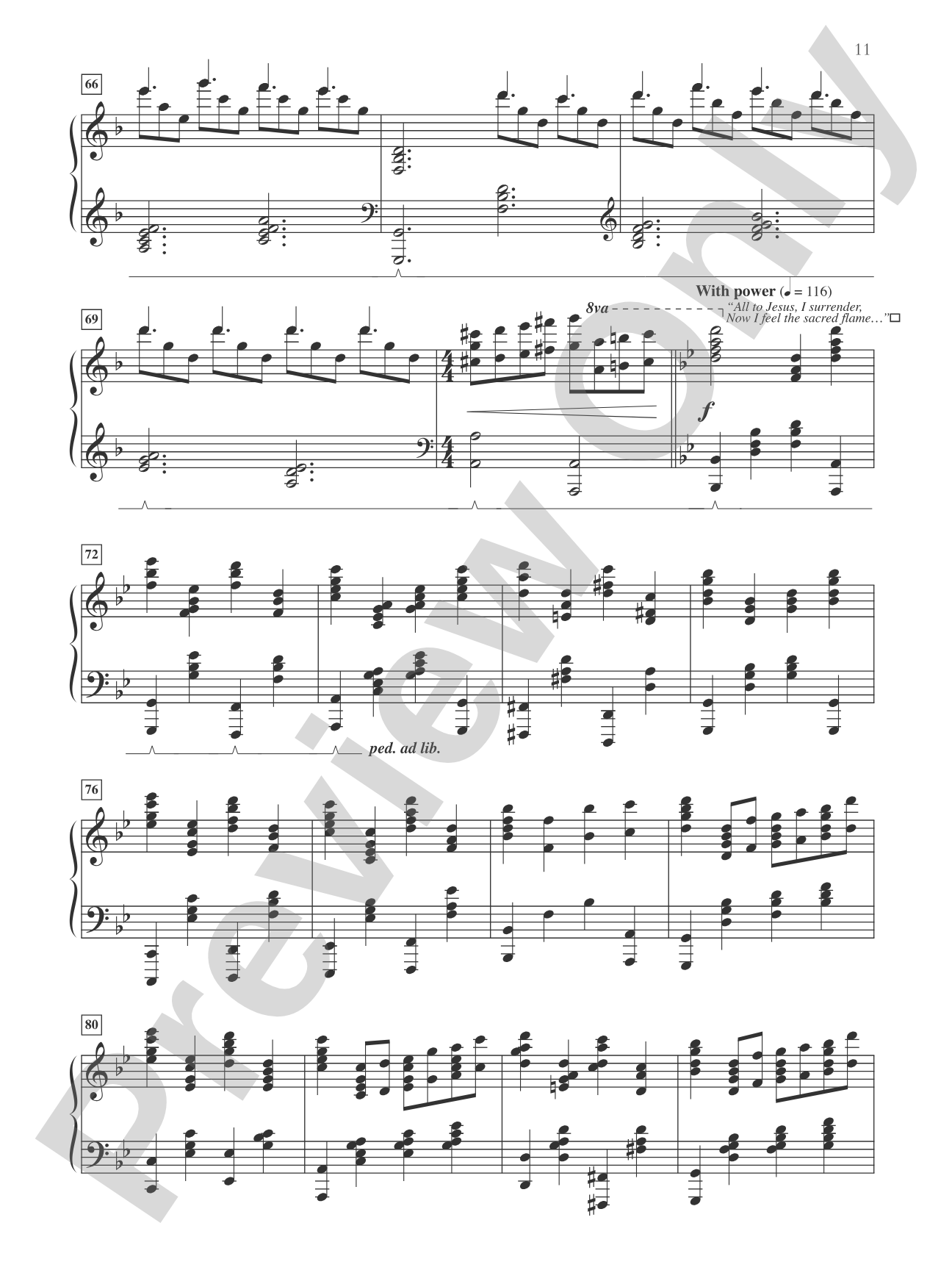

Great Things He Has Done: 10 Sacred Arrangements in a Variety of Styles: Piano
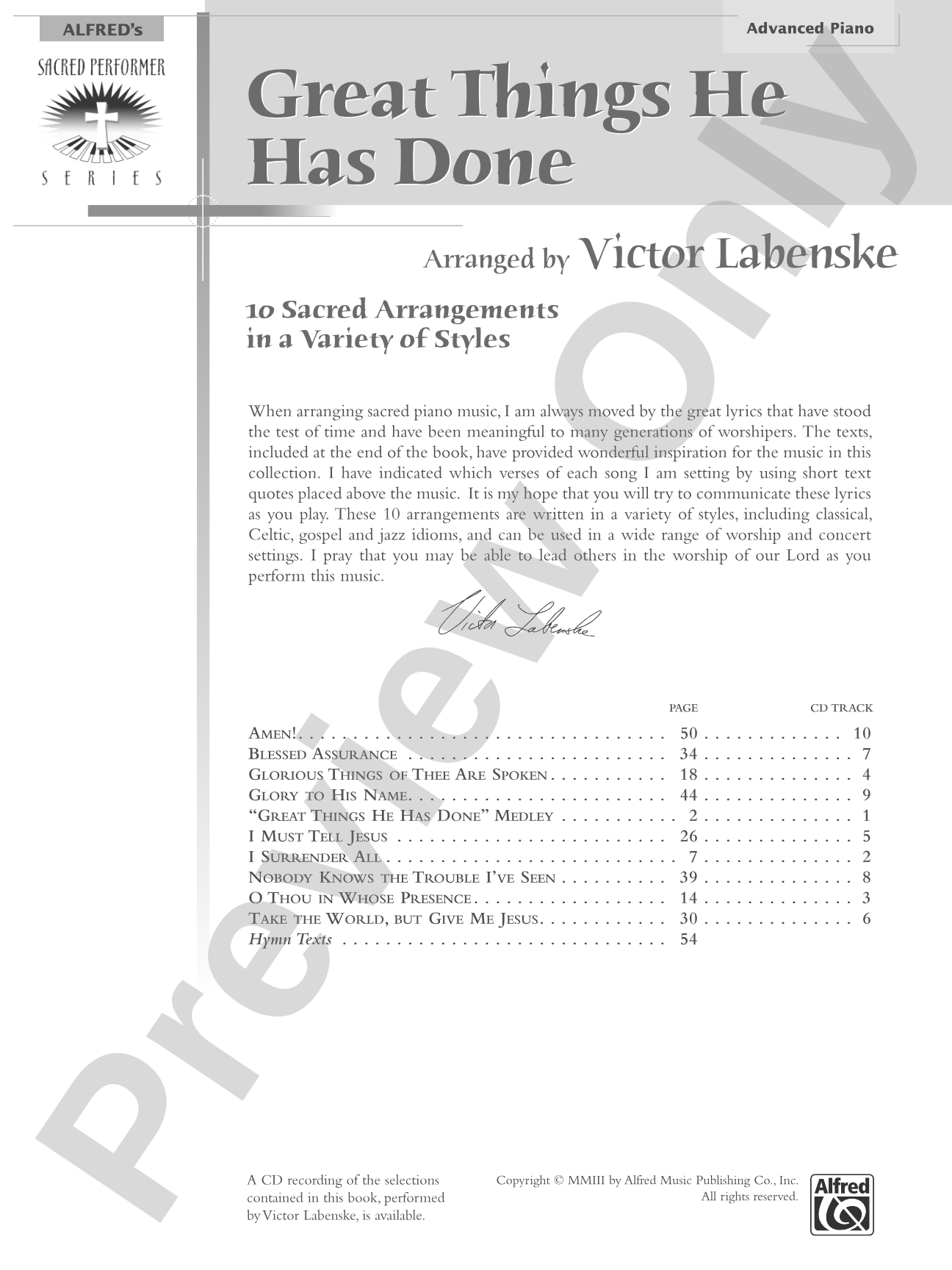
10 Sacred Arrangements in a Variety of Styles
Arranged by Victor Labenske
Level: Advanced
Item: 00-PB-0000857
$12.99
Pickup currently not available
Description
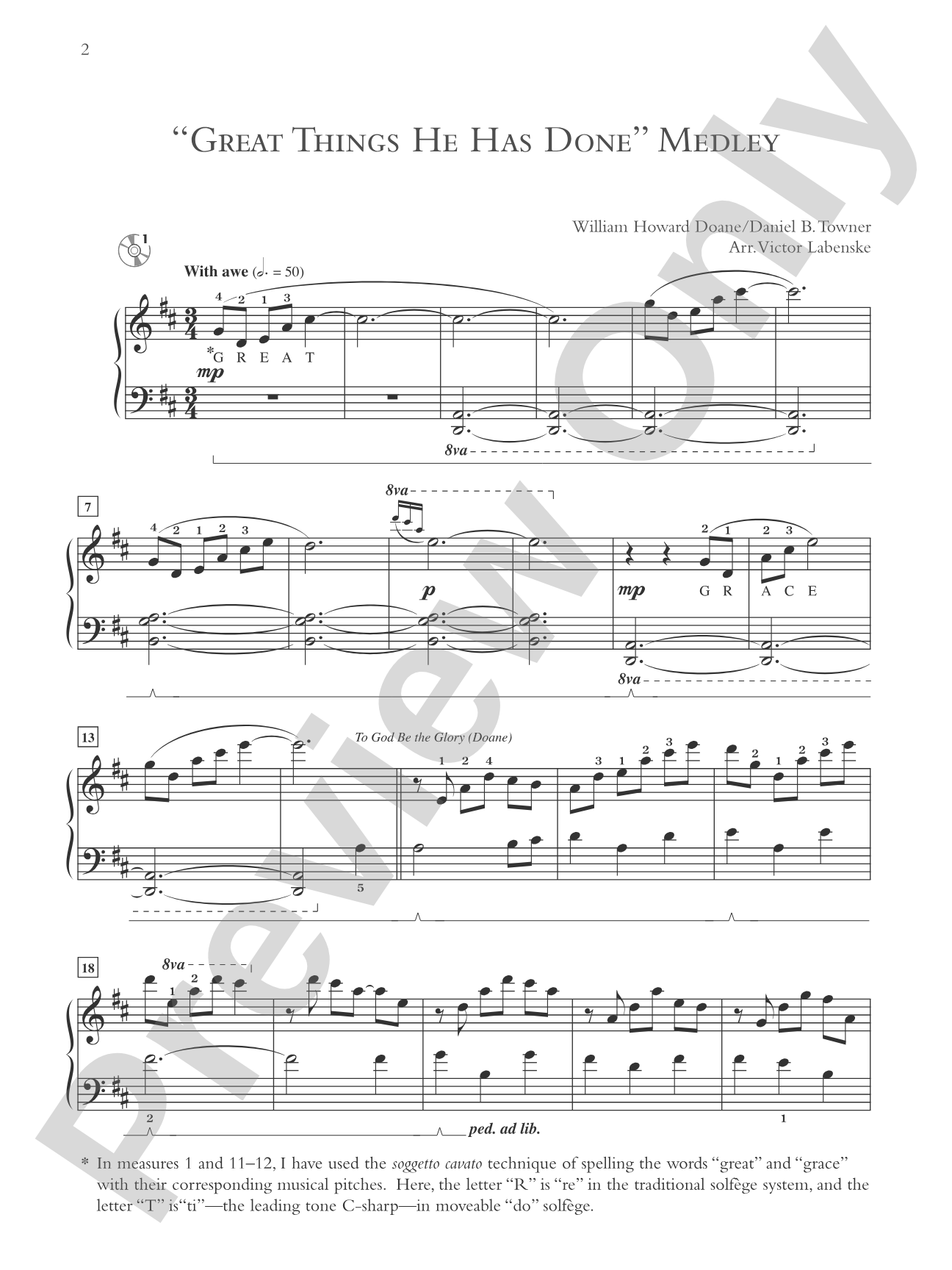
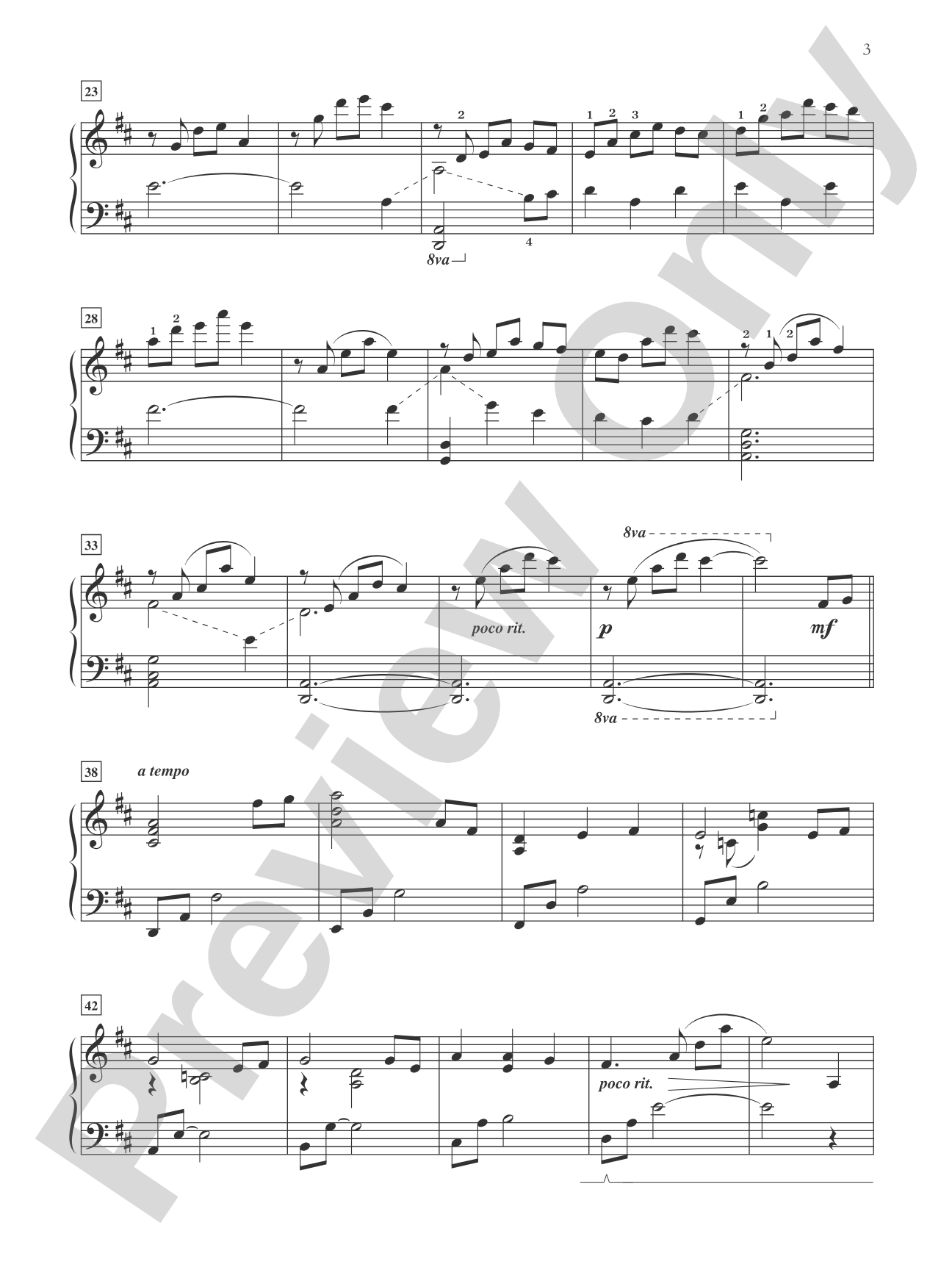
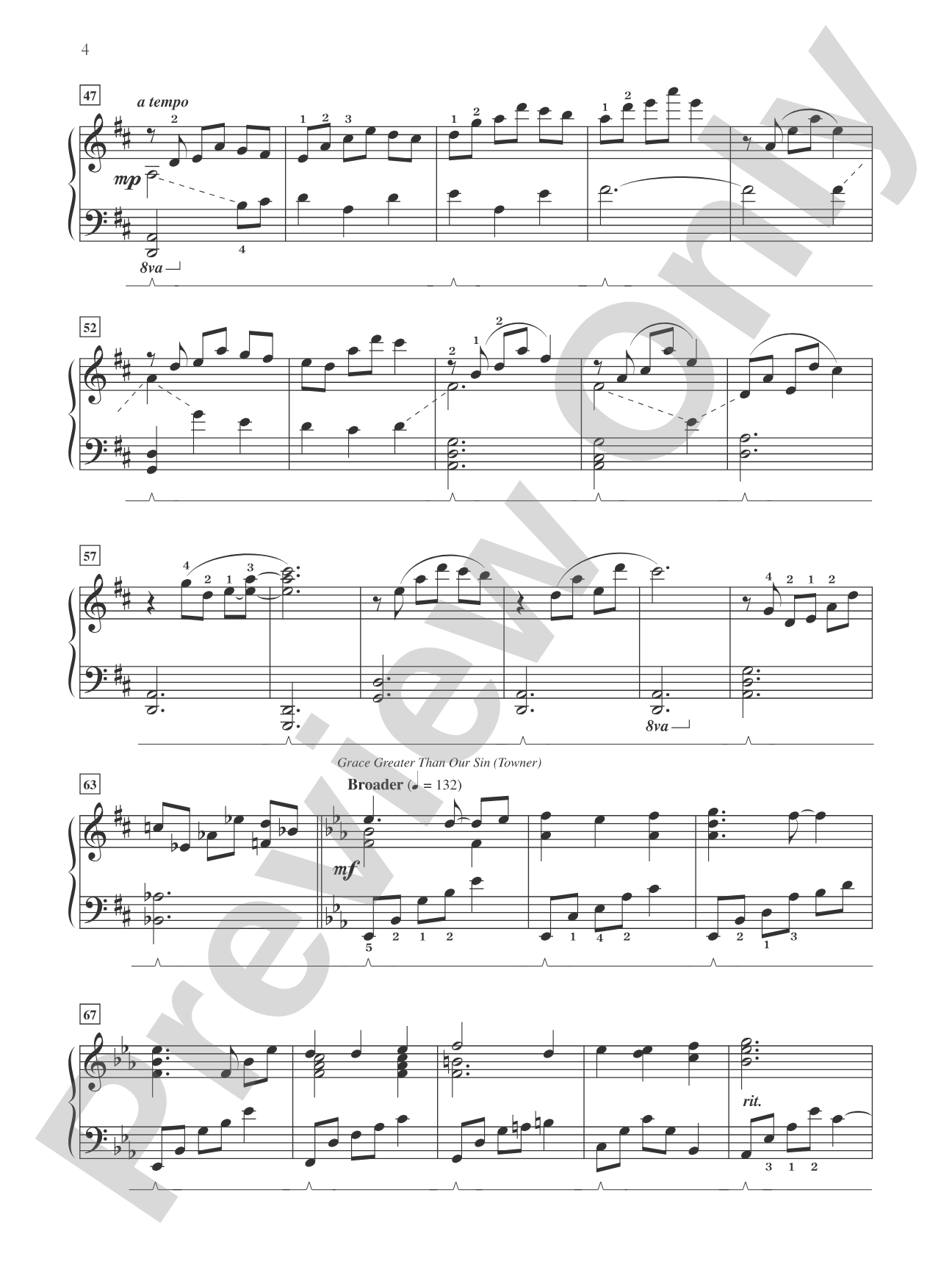
Great Things He Has Done contains arrangements in contrasting styles that can be used in a wide range of settings, including worship services and recital performances. Victor Labenske creatively exploits harmonic, melodic and rhythmic devices while sensitively communicating the hymn texts of each piece. Advanced. A Federation Festivals 2024-2028 selection.


Great Things He Has Done: 10 Sacred Arrangements in a Variety of Styles: Piano isn't in MakeMusic Cloud just yet...but it could be. Let us know you'd like to see it, and you'll help shape what comes next. In the meantime, start a free trial and dive into thousands of interactive titles your students can play along with today.
Request This Title
Tell us you want it.
Start Your Free Trial
Explore everything that's ready to play right now.
Sample Audio
No sample audio found.
Sample Video
No sample videos found.
Additional Details
Series:
Sacred Performer Collections
Publisher:
Alfred Music
Page Count:
56
SKU:
00-PB-0000857
More about this title
About the Arranger: Victor Labenske

Victor Labenske holds the rank of professor of music at Point Loma Nazarene University in San Diego, where he teaches piano and composition. A summa cum laude graduate of PLNU, he completed his master's degree in piano performance at the University of Missouri-Kansas City Conservatory of Music under the tutelage of Joanne Baker, and earned his Doctor of Musical Arts in piano performance from the University of Southern California, where he studied with Stewart Gordon. His career includes performances at the 1984 Olympic Games opening ceremonies and recognition as an Academic All-American Scholar.
Labenske maintains an active concert schedule as both soloist and collaborative musician, and co-presents sacred keyboard concerts with his wife, Judith Spaite Labenske. His compositional catalogue exceeds 700 published works across all difficulty levels, including the Sunday Morning Companion library and Play Praise, a graded contemporary worship series. His chamber work A Walk Through the Valley was commissioned by the Music Teachers National Association for their 2019 National Conference.
Why we love this
These arrangements strike a rare balance between musical substance and accessibility. Labenske writes with sophisticated harmonic language that never overshadows the spiritual core of each hymn, and the variety of styles across the collection means you can program individual selections into diverse concert contexts without any sense of stylistic repetition.
What to expect
These arrangements inhabit the space where reverence meets creative reimagining. Each piece unfolds with emotional directness, allowing the familiar hymn melodies to resonate while Labenske's sophisticated accompaniment patterns and harmonic explorations add depth without distraction.
Who it's for
Advanced pianists preparing for recitals, church musicians seeking repertoire that speaks to sacred traditions while embracing contemporary harmonic sensibilities, and festival performers looking for substantial yet spiritually grounded material.
How to get the most out of it
- Study the harmonic language in isolation before incorporating the melodic ornamentation; understanding Labenske's chord progressions will inform your voicing choices and help you voice-lead through unexpected harmonic turns.
- Use the hymn text as an interpretive guide for phrasing and dynamics, even though you're playing piano; the emotional arc of the words should shape your musical decisions at every level.
- Attend to the specific rhythmic devices Labenske employs in each piece; some arrangements feature syncopation or cross-rhythms that require careful practice to feel natural rather than academic.
How to use it
Open a sacred music recital with one of the more straightforward arrangements to establish context, then progress toward the more harmonically adventurous selections to showcase the collection's range. Individual pieces work equally well in worship settings, where their stylistic variety accommodates different liturgical moments throughout the service.
Skills your students will build
- Interpreting complex harmonic progressions and voice-leading patterns
- Balancing ornamentation with textual clarity
- Executing rhythmic devices including syncopation and cross-rhythms
- Connecting musical expression to textual and spiritual content
- Managing contrasting stylistic approaches across a single collection