Grand Ball Waltz Cover Image

Grand Ball Waltz: String Orchestra Conductor Score

$9.00 USD
Sale price  $9.00 USD Regular price 
Skip to product information
Grand Ball Waltz Cover Image

Grand Ball Waltz: String Orchestra Conductor Score

By James O. Lockett

Grade: 3.5

Item: 00-48095S

$9.00
Shipped

One moment…

Description
A lyrical piece in a Viennese waltz style with a lovely, rising main melody, perfect for advanced string orchestras with harp/piano (optional). Grand Ball Waltz by James O. Lockett gives all the instruments moments to shine. Featuring a variety of bowing styles, dynamics, modulations, and coloristic changes, this beautiful waltz will make your students sound like professionals. (3:15) This title available in MakeMusic Cloud.

Grand Ball Waltz: String Orchestra Conductor Score isn't in MakeMusic Cloud just yet...but it could be. Let us know you'd like to see it, and you'll help shape what comes next. In the meantime, start a free trial and dive into thousands of interactive titles your students can play along with today.

Sample Pages

Sample Audio
0:00
0:00
Sample Video
Additional Details
Series: Highland/Etling String Orchestra
Publisher: Alfred Music
Page Count: 12
UPC: 038081557137
SKU: 00-48095S

More about this title

About the Composer: James O. Lockett
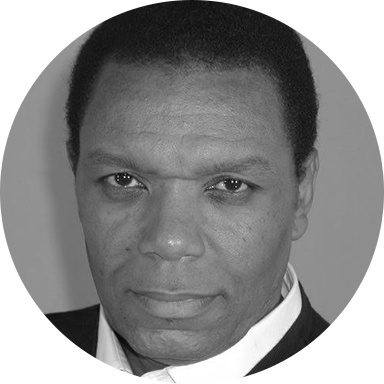
James O. Lockett

James O. Lockett's compositional voice emerged from rigorous training at Juilliard and Mannes, where he studied composition and orchestration alongside work in arranging and music theory. His work spans Broadway performance (including a three-year run as Old Deuteronomy in CATS), Las Vegas production design and arrangement, and concert composition. He has collaborated with the Las Vegas Philharmonic, created orchestrations for major touring productions, and founded J.O.L. Productions to develop original music for stage and screen.

Lockett's background as both performer and orchestrator shapes his compositional approach. He understands what singers and instrumentalists need from a score and writes with practical knowledge of how arrangements succeed in live performance. His concert works, including the world-premiered Fantasia for Cello and Piano, demonstrate his gift for lyrical writing and textural sophistication.

Why we love this

Grand Ball Waltz delivers the professional sheen your ensemble needs without sacrificing musicianship. Lockett's theatrical background shows in the carefully balanced orchestration; every section gets a moment that feels important, yet the overall texture never becomes muddy. The varied bowing techniques and dynamic shifts teach students to think beyond the notes and into the character of each phrase.

What to expect

Grand Ball Waltz evokes the elegance of a grand ballroom, all sweeping melodies and graceful turns. The Viennese waltz style carries inherent warmth, but Lockett's orchestration adds sophistication through shifting instrumental colors and harmonic richness that keeps the piece from feeling predictable or light-weight.

Who it's for

String orchestras at the late intermediate to early advanced level will find this work accessible yet rewarding. It suits ensembles ready to tackle nuanced dynamics, varied bowing, and coordinated color changes while staying within a familiar waltz idiom.

How to get the most out of it

  • Balance the harp or piano texture so it supports rather than overwhelms the string melody. The accompaniment should shimmer beneath the main line, not compete with it.
  • Shape the rising main melody with gradual dynamic growth. Resist the urge to jump to the peak; let the contour build naturally over the phrase.
  • Highlight the modulations by adjusting the brightness of the ensemble's tone. A subtle shift in vibrato and bow pressure can signal the harmonic movement without explicit tempo change.
  • Mark your bowing patterns clearly before rehearsal. With multiple styles in play, consistency among same-part players will define the piece's character.

How to use it

This work sits naturally in a pops or family concert context, offering a familiar genre that audiences enjoy without sacrificing musical substance. It also works well as the centerpiece of a concert exploring different dance forms or as a bridge piece between a classical section and more contemporary repertoire.

Skills your students will build

  • Differentiated bowing techniques (sustained, detaché, marcato) within a single piece
  • Dynamic shaping of lyrical, arching melodies
  • Hearing and executing harmonic modulations through tonal adjustment
  • Balancing independent section roles in ensemble texture
  • Coordinating musicality across the full orchestra for stylistic coherence

You May Also Like