Grand Ball Waltz Cover Image

Grand Ball Waltz: String Orchestra Conductor Score & Parts

$50.00 USD
Sale price  $50.00 USD Regular price 
Skip to product information
Grand Ball Waltz Cover Image

Grand Ball Waltz: String Orchestra Conductor Score & Parts

By James O. Lockett

Grade: 3.5

Item: 00-48095

makemusic Cloud badge

Need it now?

Buy Digital Version
$50.00
Shipped

One moment…

Description
A lyrical piece in a Viennese waltz style with a lovely, rising main melody, perfect for advanced string orchestras with harp/piano (optional). Grand Ball Waltz by James O. Lockett gives all the instruments moments to shine. Featuring a variety of bowing styles, dynamics, modulations, and coloristic changes, this beautiful waltz will make your students sound like professionals. (3:15) This title is available in MakeMusic Cloud.

Don't just read it, hear it, play along with it, and watch your students grow with it. In MakeMusic Cloud, Grand Ball Waltz: String Orchestra Conductor Score & Parts comes alive with professional accompaniment, adjustable tempo, and built-in practice tools that turn solo practice into real progress.

Sample Pages

Sample Audio
0:00
0:00
Sample Video
Additional Details
Series: Highland/Etling String Orchestra
Publisher: Alfred Music
Page Count: 128
UPC: 038081557120
SKU: 00-48095

More about this title

About the Composer: James O. Lockett
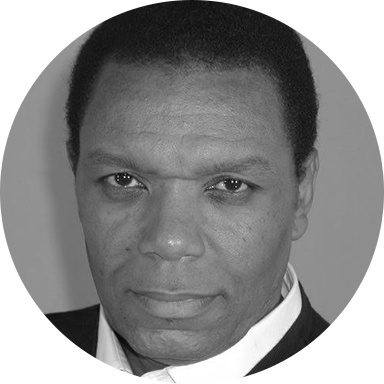
James O. Lockett

James O. Lockett brings a rare blend of Broadway performance experience and formal conservatory training to his compositional work. His studies at Juilliard and Mannes, combined with training in arranging and orchestration across multiple institutions, shaped a musician equally comfortable in concert halls and theatrical productions. He performed as Old Deuteronomy in the final Broadway cast of CATS and appeared in productions ranging from Big River to The Music of Andrew Lloyd Webber, building an intuitive understanding of how music serves performers and audiences alike.

Beyond the stage, Lockett has worked as composer and arranger for numerous Las Vegas productions and concert ensembles, including commissions performed by the Las Vegas Philharmonic. His portfolio spans from concert pieces like Fantasia for Cello and Piano to full orchestrations for theatrical and multimedia projects. Through J.O.L. Productions, his own music production company, he continues to create and arrange work for professional ensembles and recording artists.

Why we love this

This waltz demonstrates sophisticated orchestration craft without demanding virtuosity; every string section gets genuine musical responsibility, and the optional harp or piano adds shimmer without becoming essential. The variety of bowing styles, dynamic shape, and coloristic modulations keeps students engaged across all three-plus minutes, and your ensemble will sound polished and professional because the writing itself is refined.

What to expect

Elegant and luminous, like watching candlelight catch facets of crystal across a ballroom. The Viennese waltz framework feels familiar, but Lockett's orchestration choices and harmonic movement keep it fresh and contemporary, never precious or nostalgic.

Who it's for

Advanced string orchestras ready to move beyond single-melody arrangements into pieces with genuine orchestral color and balance. Directors seeking concert repertoire that sounds sophisticated without requiring a professional-level ensemble.

How to get the most out of it

  • Shape the rising main melody as a single arc across the first section rather than treating phrase breaks as rhythmic pauses. Let it breathe, but keep the line moving.
  • Balance the optional harp or piano carefully in rehearsal; if using either, treat it as a textural enhancement that never covers the string writing underneath.
  • Address the variety of bowing styles as a section early in preparation. Mark up parts clearly so players understand when to shift between styles and can execute transitions cleanly.
  • Lean into the dynamic modulations for color. These aren't aggressive shifts; they're gentle reorchestrations that show students how composers build texture without relying on tempo or style changes alone.

How to use it

Program this alongside lighter Baroque or early Classical works for a concert that showcases your string section's versatility in both period style and contemporary concert music. It's ideally suited as a second-half opener when audiences are most receptive to lyrical, elegant material, or as the emotional anchor before a more energetic closing piece.

Skills your students will build

  • Maintaining consistent vibrato while executing varied bowing styles
  • Balancing part independence within a unified section sound
  • Following harmonic motion through chromatic and modulated passages
  • Responding to dynamic and coloristic contrast as expressive tools
  • Reading and executing articulation and style markings with precision

You May Also Like
