
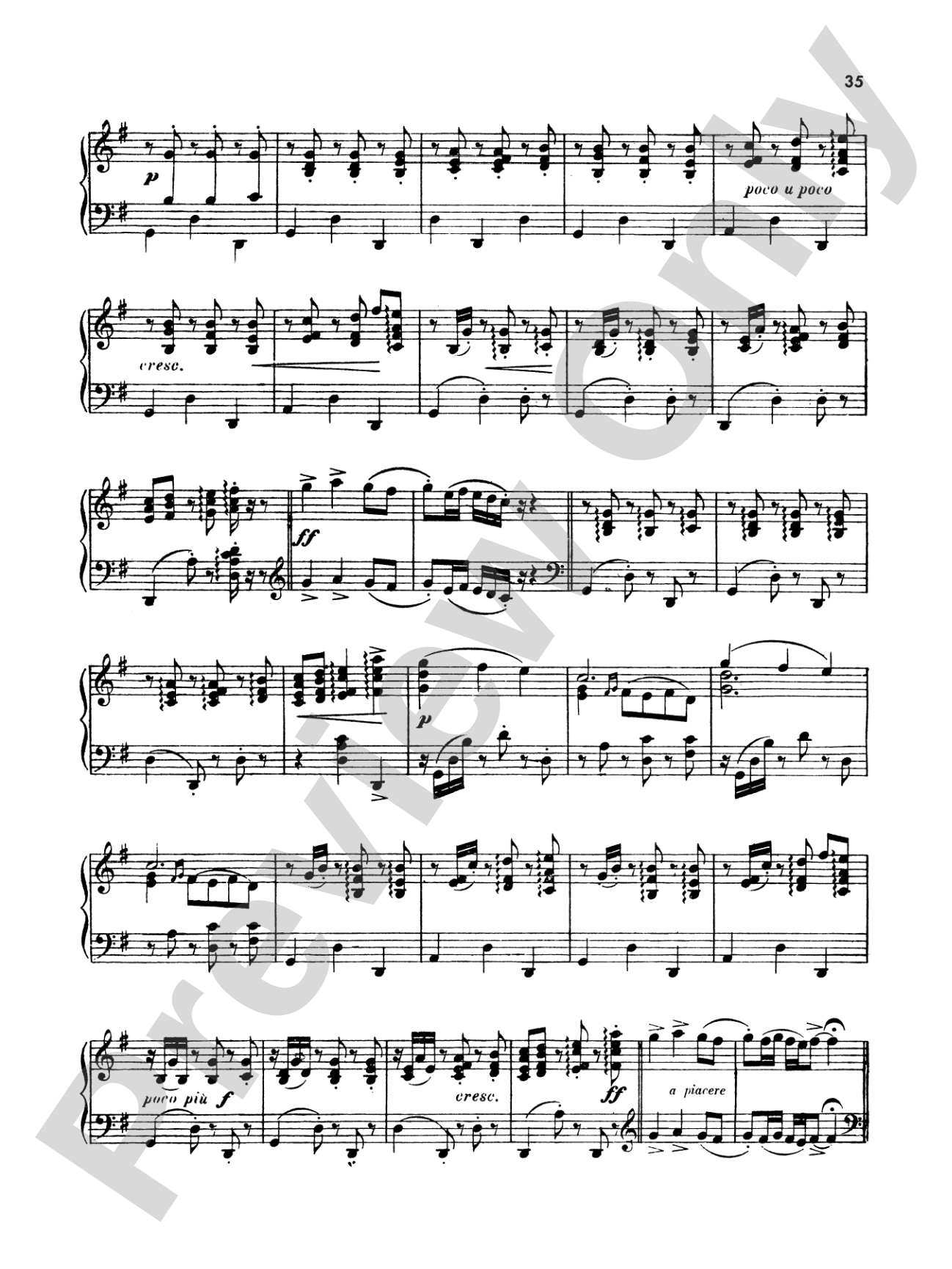
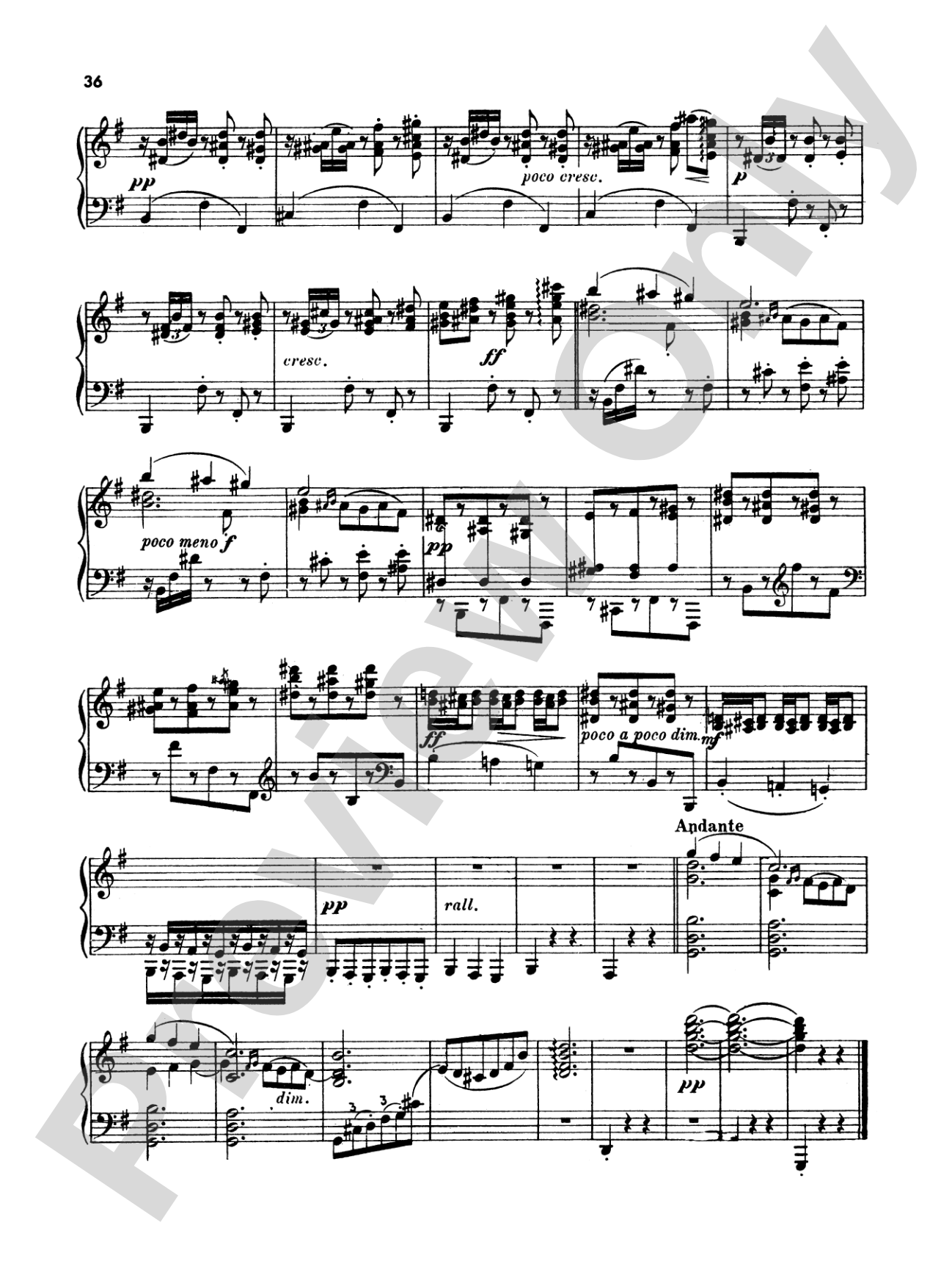

Granados: Twelve Spanish Dances (Volume II): Piano Book
Nos. 7-12
By Enrique Granados
Item: 00-PK-0003113

$9.99
Pickup currently not available
Buy Extra Parts (Digital PDF Download)
Parts Added to Cart!
Related Items
Twelve Spanish Dances, Volume II: Piano Book |
$9.99
|
View |
Description
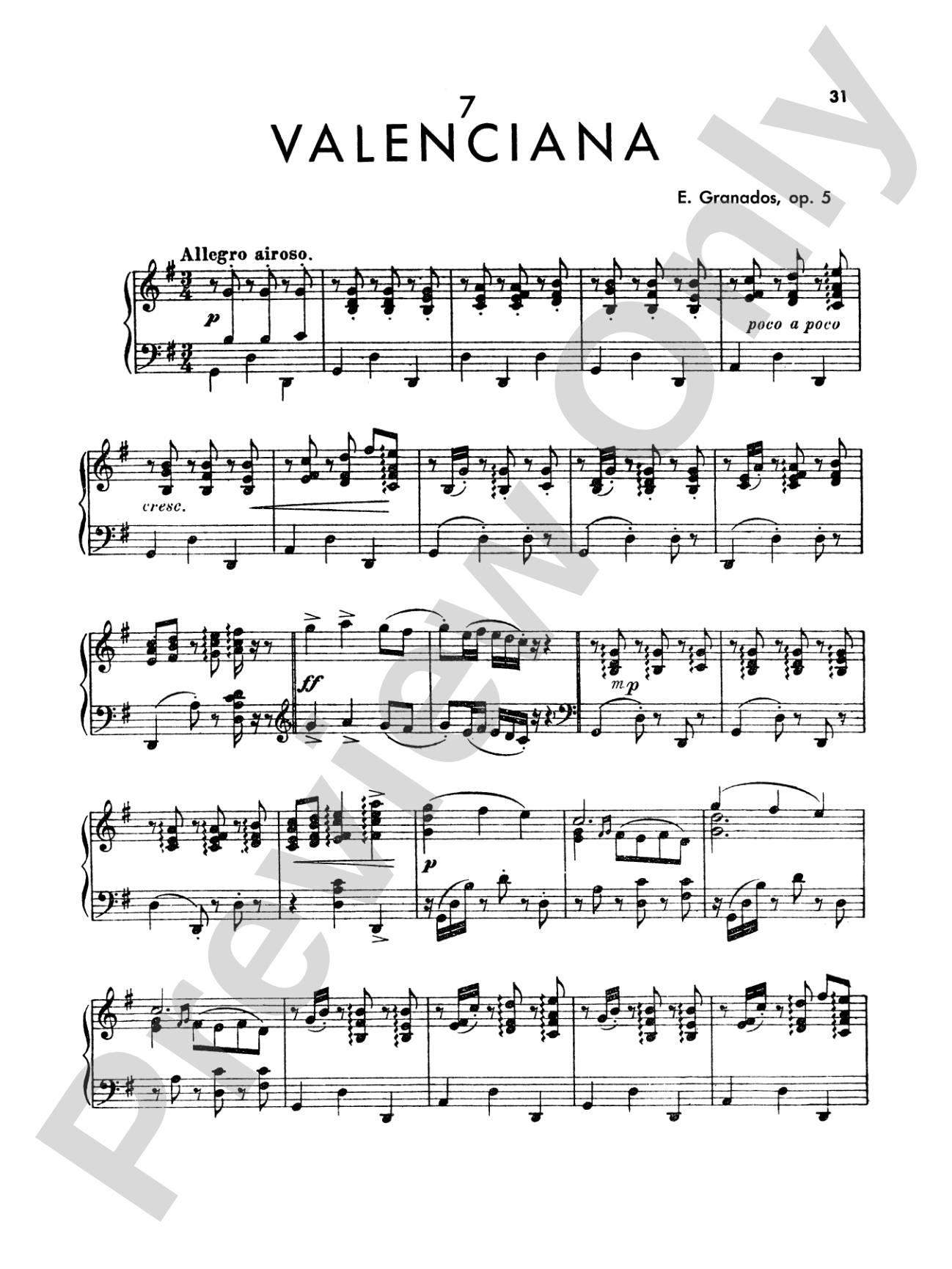
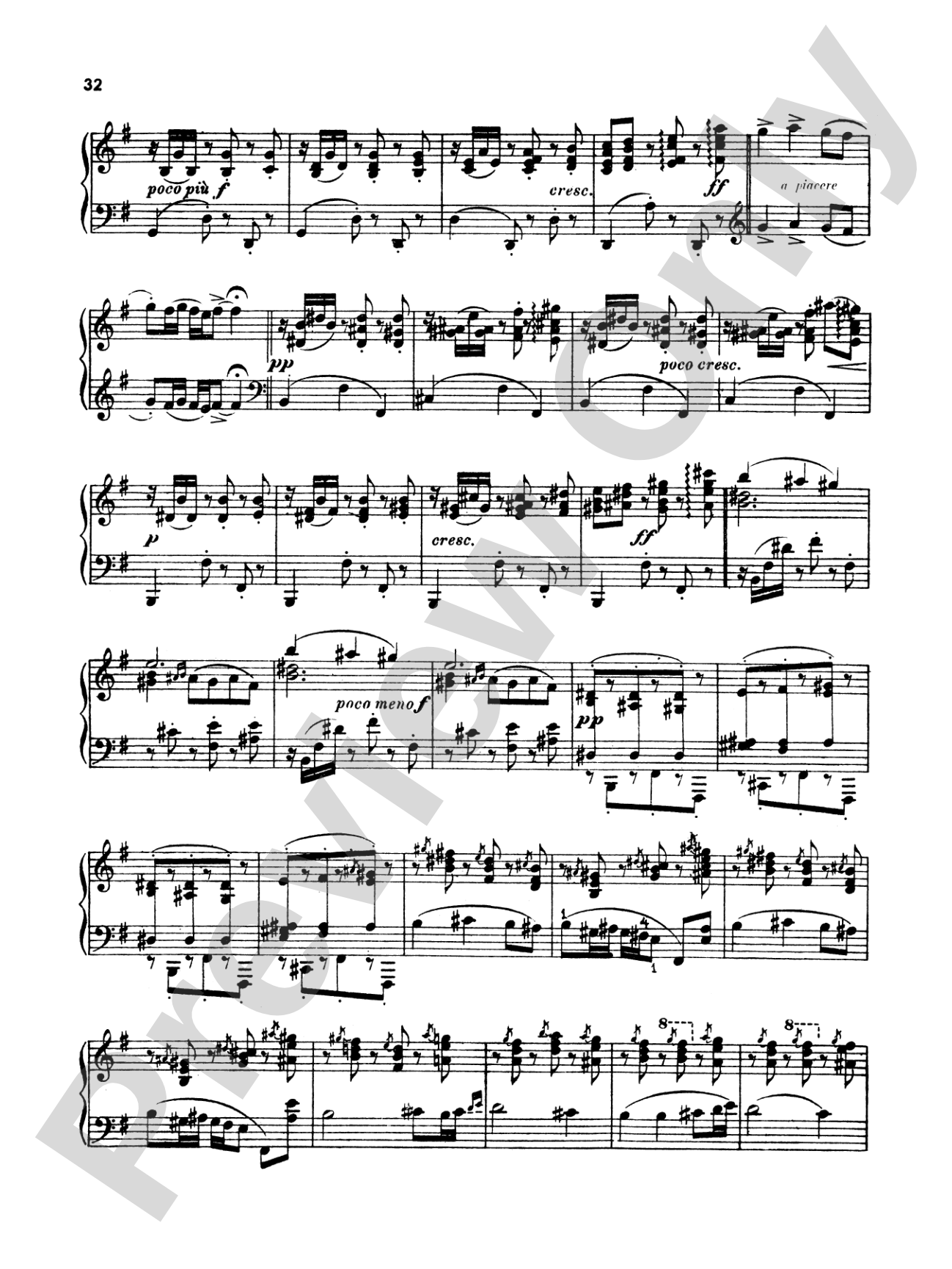
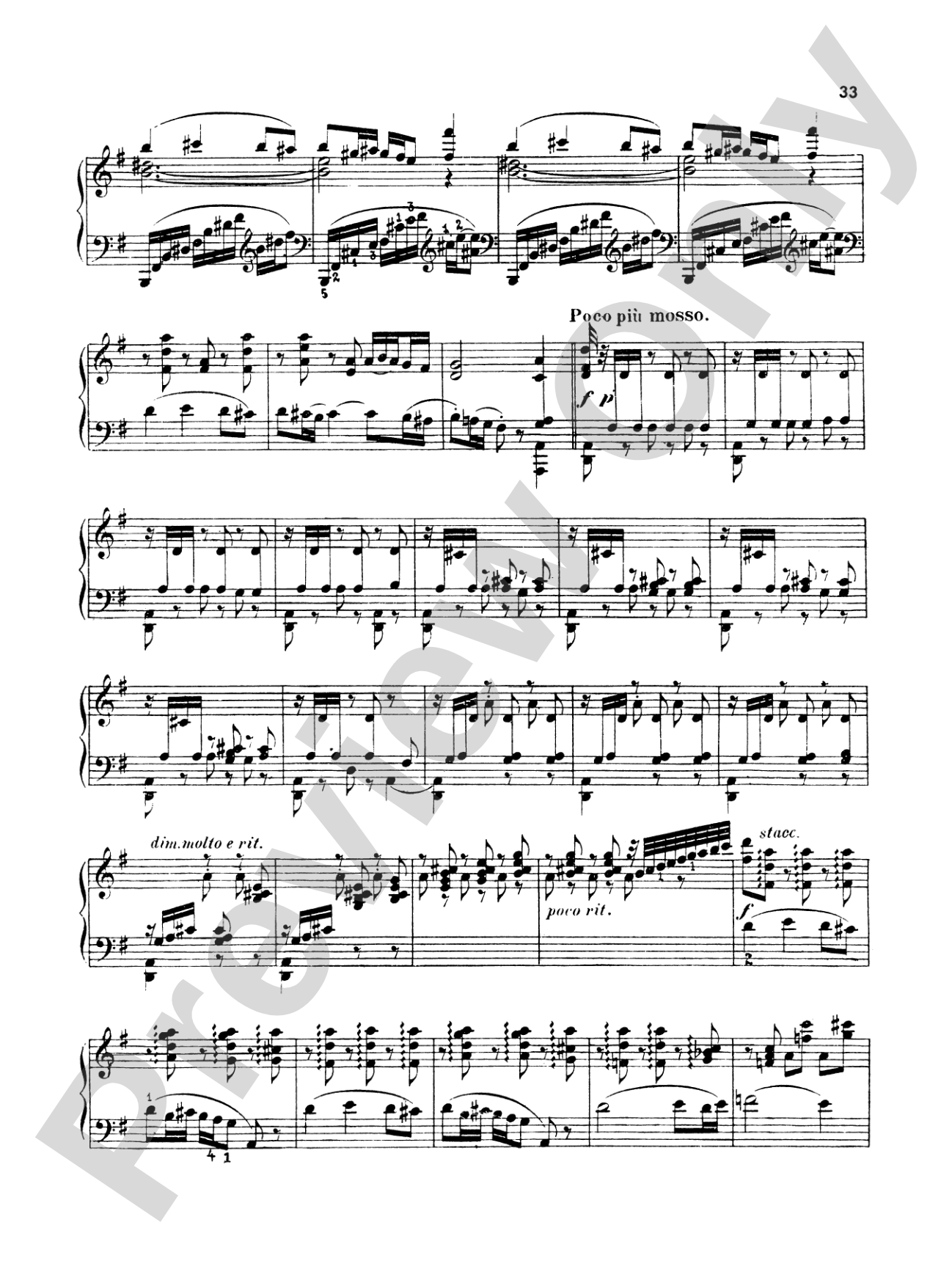
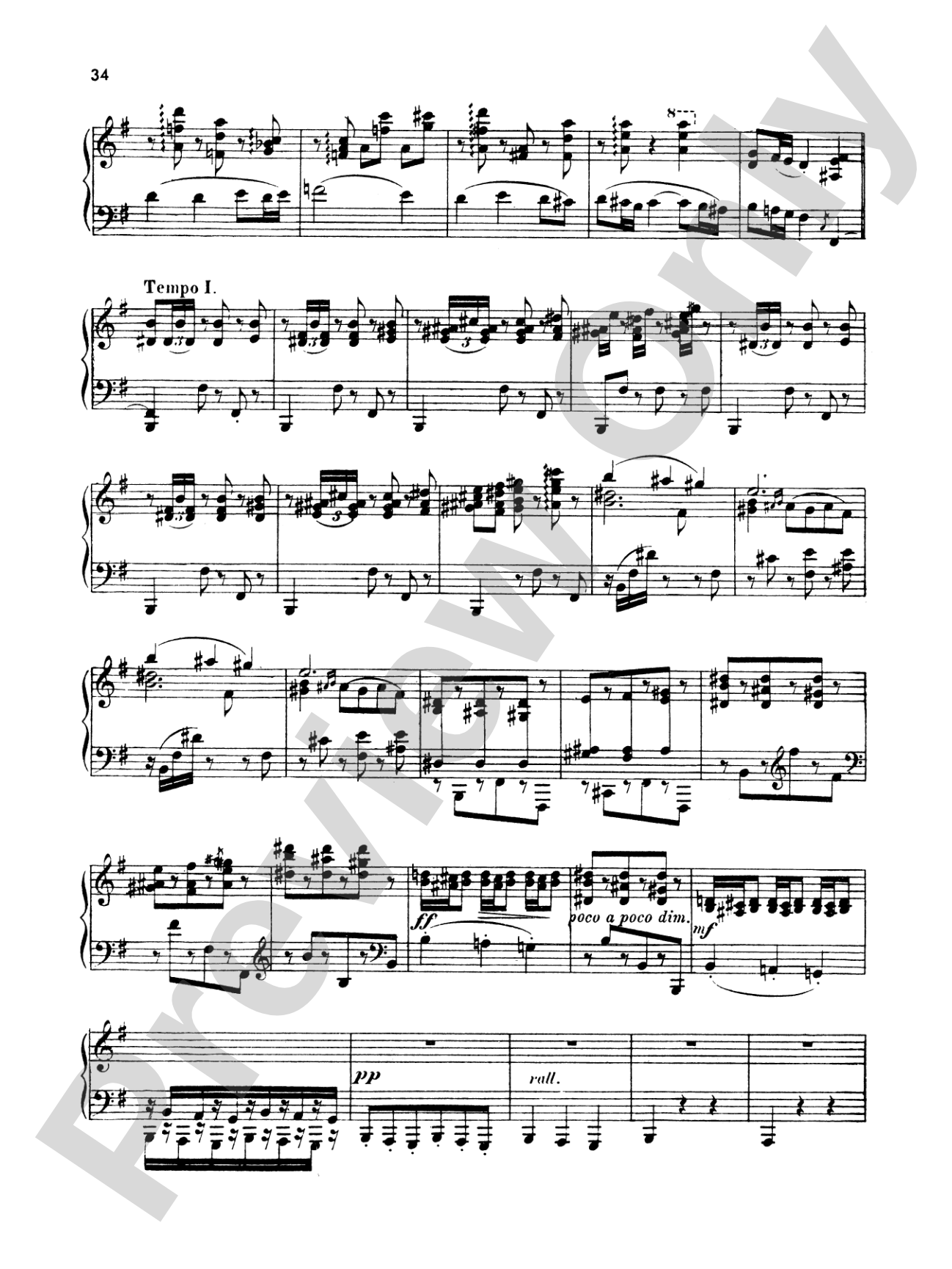
Titles: No. 7, Valenciana * No. 8, Asturiana * No. 9, Mazurca * No. 10, Danza Triste * No. 11, Zambra * No. 12, Arabesca.


Don't just read it, hear it, play along with it, and watch your students grow with it. In MakeMusic Cloud, Granados: Twelve Spanish Dances (Volume II): Piano Book comes alive with professional accompaniment, adjustable tempo, and built-in practice tools that turn solo practice into real progress.
Open in the Player
Jump straight in and assign it today.
Start Your Free Trial
Open this title and explore the full library in minutes.
Sample Audio
No sample audio found.
Sample Video
No sample videos found.
Additional Details
Series:
Kalmus Edition
Publisher:
Alfred Music
Page Count:
40
SKU:
00-PK-0003113
More about this title
About the Composer: Enrique Granados
Enrique Granados (1867, 1916) was a Spanish pianist and composer who became one of the defining voices of Spanish nationalism in music. His keyboard writing was deeply influenced by the guitar traditions and folk idioms of Spain, which he transcribed into pianistic language with remarkable sophistication. Granados maintained an active concert career while composing prolifically, and his Twelve Spanish Dances remain central to the Romantic piano repertoire, celebrated for their combination of virtuosic demands and authentic cultural character.
Why we love this
These six pieces reward serious pianists with genuine compositional substance that never sacrifices character for technical display. Each dance carries its own regional identity and emotional arc, making them natural vehicles for exploring interpretive choice and musical storytelling at an intermediate-advanced level.
What to expect
These dances pulse with the warmth and energy of Spanish regional culture, moving from the sun-drenched elegance of Valenciana to the melancholic intensity of Danza Triste. You'll find moments of sensual lyricism alongside driving rhythmic vitality, with harmonies that shimmer and shift in ways that feel both deeply personal and genuinely theatrical.
Who it's for
This collection suits advanced intermediate to advanced pianists who have developed secure technique and are ready to engage with substantial Romantic repertoire. Teachers looking for substantial yet approachable Romantic material that bridges toward professional-level interpretive work will find these dances valuable for students preparing for conservatory study or serious recital work.
How to get the most out of it
- Shape each dance as a self-contained narrative rather than a collection of technical passages. Pay close attention to the dynamic contours and harmonic shifts that signal structural turning points.
- Approach the rubato as an essential expressive tool, not an occasional ornament. Spanish dance idioms often depend on slight timing flexibility within the beat to capture the character of folk music.
- Balance the often-rich left-hand textures without allowing them to overwhelm the melodic line. The accompaniment patterns frequently contain important harmonic color that should register but never dominate.
- Listen carefully to how sustain and pedal choices affect the harmonic wash. Granados's sonorities often build through overlapping harmonic layers that require thoughtful pedal control to remain transparent.
How to use it
Program this volume as a standalone suite when you want to showcase a student's Romantic repertoire depth and cultural sophistication. These pieces work equally well scattered throughout a recital to provide stylistic contrast, or paired with other Spanish-influenced works to create a thematic program exploring nationalism in late Romantic music.
Skills your students will build
- Shaping long lyrical phrases with flexibility and control
- Managing complex left-hand accompaniment patterns while maintaining melodic clarity
- Interpreting rubato and rhythmic freedom within structured harmonic progressions
- Sustaining Romantic-era sonority through intelligent pedal use
- Recognizing and executing regional Spanish stylistic markers (jota rhythms, flamenco figurations, folk melodic contours)
- Balancing technical demands with interpretive and coloristic objectives