Go Tell It on the Mountain Cover Image

Go Tell It on the Mountain: 2-Part Choral Octavo

$2.25 USD
Sale price  $2.25 USD Regular price 
Skip to product information
Go Tell It on the Mountain Cover Image

Go Tell It on the Mountain: 2-Part Choral Octavo

Arr. Patsy Ford Simms

Item: 00-7750

makemusic Cloud badge

Need it now?

Buy Digital Version
$2.25
Shipped

One moment…

Description
This excellent teaching piece features strong, independent counter lines and limited vocal ranges. Excellent for beginning choirs. Add a few special voices on the final descant to turn this 2-part piece into three parts.

Don't just read it, hear it, play along with it, and watch your students grow with it. In MakeMusic Cloud, Go Tell It on the Mountain: 2-Part Choral Octavo comes alive with professional accompaniment, adjustable tempo, and built-in practice tools that turn solo practice into real progress.

Sample Pages

Sample Audio
No sample audio found.
Sample Video
Additional Details
Series: Alfred Archive Edition: Alfred Choral Designs
Publisher: Alfred Music
Page Count: 8
UPC: 038081005195
SKU: 00-7750

More about this title

About the Arranger: Patsy Ford Simms
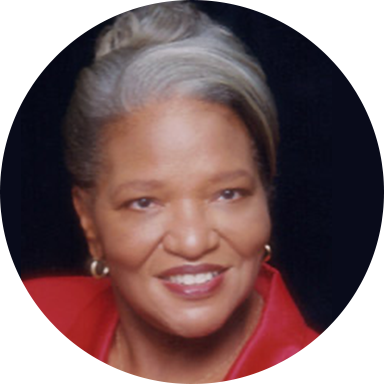
Patsy Ford Simms

Patsy Ford Simms began her publishing career in 1981 and has since created more than 300 songs for educational and church settings across multiple major publishers, including Shawnee Press. Her work in choral arranging grew directly from her classroom experience: during her early years teaching, she found a critical shortage of accessible octavos written for junior high and middle school voices, so she started writing them herself.

Simms holds a Bachelor of Science in Music Education from Knoxville College, a Master of Education from the University of Louisville, and a doctorate in Music Education from Columbia Pacific University. Her 30-year teaching career spanned elementary through high school, including work at the Youth Performing Arts School. Beyond the classroom, she has established herself as an internationally active clinician and presenter, with engagements in Italy and Africa. Her commissioned compositions include works selected for two MENC World's Largest Concerts, and she has received numerous ASCAP Special Music Awards. Several of her pieces explore African American history through short musicals.

Why we love this

Simms designs this arrangement with genuine understanding of what beginning choirs need: melodic lines that sing independently without requiring perfect blend or advanced ensemble skills, and ranges that sit comfortably for developing voices. The optional third part (added descant) gives you a built-in way to differentiate and grow with your ensemble, turning a solid two-part setting into something with more texture without requiring an entirely new score.

What to expect

Warm and triumphant, this spiritual arrangement carries the joy of its text with straightforward harmonic language and memorable melodic shapes. The independent counter lines create rhythmic energy and dialogue rather than static harmony, drawing singers into active musicianship from the opening phrase.

Who it's for

Beginning and developing choirs working with singers in middle school through early high school, particularly ensembles with limited rehearsal time or mixed vocal maturity. Directors seeking repertoire that builds two-part literacy without overwhelming students also find this arrangement ideal for teaching independent part-singing.

How to get the most out of it

  • Isolate each part separately during early rehearsals so singers hear their line clearly and understand how it relates to the whole before combining them.
  • Emphasize the counter lines as melodic statements, not accompaniment; this teaches singers to listen horizontally and support musical phrases rather than simply filling harmony.
  • If adding the descant, introduce it only after the two-part version is secure; place your strongest singers on that part so it reads clearly above the ensemble without muddying the texture.

How to use it

This works beautifully in a December concert as part of a larger seasonal or sacred music program, particularly when paired with other spirituals or hymn arrangements that showcase your developing ensemble. Its modest page count and clear structure make it suitable for early season building blocks, establishing fundamental ensemble skills before tackling more complex literature.

Skills your students will build

  • Reading and sustaining independent melodic lines in a two-part texture
  • Balancing two equal voices so neither dominates the ensemble sound
  • Understanding counter melody as a musical device rather than harmonic filler
  • Singing spirituals with appropriate phrasing and text expression
  • Layering parts (adding the optional descant) to create richer harmonic texture

You May Also Like
