Gloria In Excelsis Deo Cover Image

Gloria In Excelsis Deo: 3-Part (Opt. SATB) Choral Octavo

$2.25 USD
Sale price  $2.25 USD Regular price 
Skip to product information
Gloria In Excelsis Deo Cover Image

Gloria In Excelsis Deo: 3-Part (Opt. SATB) Choral Octavo

Words and music by Mary Donnelly and George L. O. Strid

Level: Moderate

Item: 00-SVM01086

makemusic Cloud badge

Need it now?

Buy Digital Version
$2.25
Shipped

One moment…

Description
This very strong concert/festival work comes from the writing team that has brought us successful choral works for over a decade. It's easy to sing yet substantial enough that any choir would love to perform.

Don't just read it, hear it, play along with it, and watch your students grow with it. In MakeMusic Cloud, Gloria In Excelsis Deo: 3-Part (Opt. SATB) Choral Octavo comes alive with professional accompaniment, adjustable tempo, and built-in practice tools that turn solo practice into real progress.

Sample Pages

Sample Audio
No sample audio found.
Sample Video
Additional Details
Series: Alfred Archive Edition: Studio PR Catalog
Publisher: Alfred Music
Page Count: 12
UPC: 654979017820
SKU: 00-SVM01086

More about this title

About the Composer: Mary Donnelly
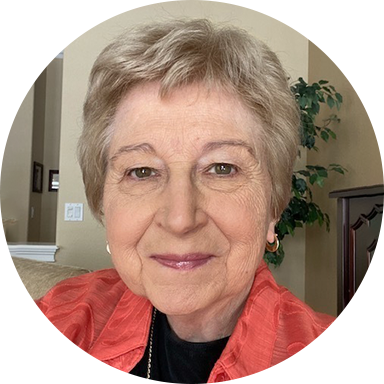
Mary Donnelly

Mary Donnelly grew up in Reno, Nevada, and studied English and French at the University of Nevada before discovering her passion for music education. She returned to school to earn her teaching certification, then completed a Master's Degree in Education at Lesley College with a focus on integrating arts across the curriculum. Over thirty years teaching general music and choir in the Washoe County School District, she became deeply invested in creating music that students could connect with and perform with genuine enthusiasm.

In 1985, Donnelly began collaborating with George L. O. Strid when they co-taught a sixth-grade music class. Their partnership started with a musical for a school reading week and evolved into a prolific writing team that has created over two hundred songs and twenty-five musicals. Both are active members of ACDA, and Donnelly maintains membership in NEA and ASCAP. She continues to live in Reno with her husband, Rich.

Why we love this

Donnelly and Strid understand what makes a piece singable without sacrificing depth, and this work proves it. The text lands naturally on the voice, the harmonies support rather than strain, and the emotional content feels genuine rather than oversold. A choir performs this because they want to, not because they have to.

What to expect

Gloria In Excelsis Deo radiates clarity and warmth. The writing feels spacious enough to breathe yet cohesive, with harmonic language that sounds both contemporary and timeless. Singers find the material immediately accessible, yet the piece carries enough substance to feel earned and meaningful in performance.

Who it's for

This piece suits intermediate choirs at the middle school, high school, or community level that want a strong concert work without needing large vocal resources. The flexible voicing (3-part with optional SATB expansion) works for ensembles of varying sizes and experience levels.

How to get the most out of it

  • Balance the three-part texture by thinking of the middle part as a harmonic anchor. Even with optional SATB doubling, avoid letting alto or tenor overpower the outer voices.
  • Since this setting works equally well in either configuration, rehearse the three-part version first to lock in the core melody and harmony, then layer any SATB additions as reinforcement rather than change.
  • Shape the sacred text with warmth rather than formality. This is music meant to be sung with genuine connection, not performed as a liturgical requirement.

How to use it

Program this at a holiday concert, sacred music festival, or spring choral concert where you want an opening or closing piece with both confidence and reverence. Its moderate length and moderate difficulty make it ideal for filling a substantial slot without overshadowing neighboring works.

Skills your students will build

  • Singing in three-part mixed voicing with secure inner harmonies
  • Transitioning between three-part and optional SATB voicing
  • Sustaining tone quality on longer phrases within a sacred text
  • Balancing blend and clarity across different choir sections

You May Also Like
