Geometric Dances Cover Image

Geometric Dances: String Orchestra Conductor Score & Parts

$56.00 USD
Sale price  $56.00 USD Regular price 
Skip to product information
Geometric Dances Cover Image

Geometric Dances: String Orchestra Conductor Score & Parts

1. Square-Dance, 2. Round-Dance, 3. Triangle Dance

By Richard Meyer

Grade: 3

Item: 00-16824

makemusic Cloud badge

Need it now?

Buy Digital Version
$56.00
Shipped

One moment…

Description
Winner of the Texas Orchestra Directors Composition Contest, this superb three-movement work is an excellent showcase for your orchestra. Titled "Square-Dance," "Round-Dance" and "Triangle Dance," the variety of styles and playing techniques will leave your students incredibly enriched. (Grade 3) This title is available in MakeMusic Cloud.

Don't just read it, hear it, play along with it, and watch your students grow with it. In MakeMusic Cloud, Geometric Dances: String Orchestra Conductor Score & Parts comes alive with professional accompaniment, adjustable tempo, and built-in practice tools that turn solo practice into real progress.

Sample Pages

Sample Audio
0:00
0:00
Sample Video
Additional Details
Series: Highland/Etling String Orchestra
Publisher: Alfred Music
Page Count: 128
UPC: 038081141527
SKU: 00-16824

More about this title

About the Composer: Richard Meyer
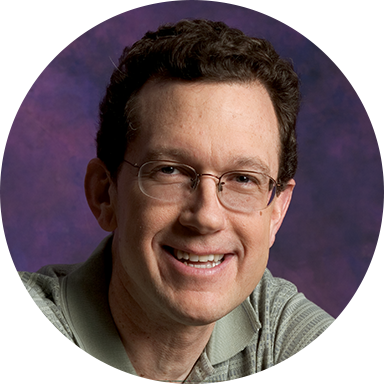
Richard Meyer

Richard Meyer spent 35 years teaching string students across elementary, middle, and high school levels in California public schools. He directed orchestras at Oak Avenue Intermediate School in Temple City for 22 years, expanding the program from 29 to 200 students while simultaneously overseeing the city's elementary string curriculum. His "Giving Bach" initiative, launched in 2009, brought interactive concerts to special needs and underserved students throughout Southern California and earned national recognition for its innovative approach.

Meyer served as music director of the Pasadena Youth Symphony Orchestra for 16 years and has guest-conducted All-State and Honor Orchestras across multiple states. He is a prolific composer with over 190 published compositions and arrangements, and spent 16 years as string editor for Alfred Publishing Company. He has also co-authored several string method books, including the String Explorer Series and Sight-read It for Strings, and served as a featured clinician at the A.S.T.A. National Conference, Texas Orchestra Directors' Association Conference, and string workshops at major universities.

Why we love this

Meyer understands exactly what Grade 3 orchestras can accomplish because he built a 200-student program from the ground up. Each movement uses distinct playing techniques and musical styles that keep students engaged while building genuine orchestral skill, and the contest-winning quality means your ensemble will sound polished without requiring advanced technical demands.

What to expect

Three distinct musical journeys that feel like folk traditions transformed into modern orchestral language. The contrasting characters of square, round, and triangular motion create a satisfying arc from grounded and rhythmic to flowing to angular and energetic, giving students a complete emotional and technical experience in a single work.

Who it's for

Grade 3 string orchestras ready to perform a substantive work with real musical substance. This score rewards ensembles that have moved beyond basic rhythm and intonation work and want to showcase technical growth and interpretive maturity.

How to get the most out of it

  • Balance the geometric themes across sections. Meyer's titles signal clear compositional architecture; use rehearsal letters to isolate each movement's structural turning points and ensure all sections maintain equal prominence in the ensemble texture.
  • Characterize each dance distinctly. Square-Dance, Round-Dance, and Triangle-Dance each demand different rhythmic and textural approaches; vary your conducting gesture and tempo stability to help students internalize how form shapes musical identity.
  • Drill the style transitions between movements. Shifting from one dance character to another requires precise ensemble focus; mark clear stopping points in rehearsal and use those moments to reset posture, bow position, and listening.
  • Attend to part independence in the Round-Dance movement. With multiple playing techniques at work, ensure each section hears both its own role and how it interlocks with neighbors; use sectional rehearsals to clarify textural relationships before full orchestra run-throughs.

How to use it

Program this as a festival or contest centerpiece where you want the ensemble to demonstrate both technical control and musical artistry. It also works exceptionally well as a substantial mid-year concert offering that bridges early repertoire and the more ambitious works your orchestra tackles in spring.

Skills your students will build

  • Executing varied articulation styles across three distinct musical characters
  • Balancing independent voice lines while maintaining ensemble unity
  • Responding to geometric and structural concepts as conducting cues for ensemble alignment
  • Sustaining focus and intonation through rapid style and texture changes
  • Building confidence with contest-level repertoire at an accessible grade level

You May Also Like
