
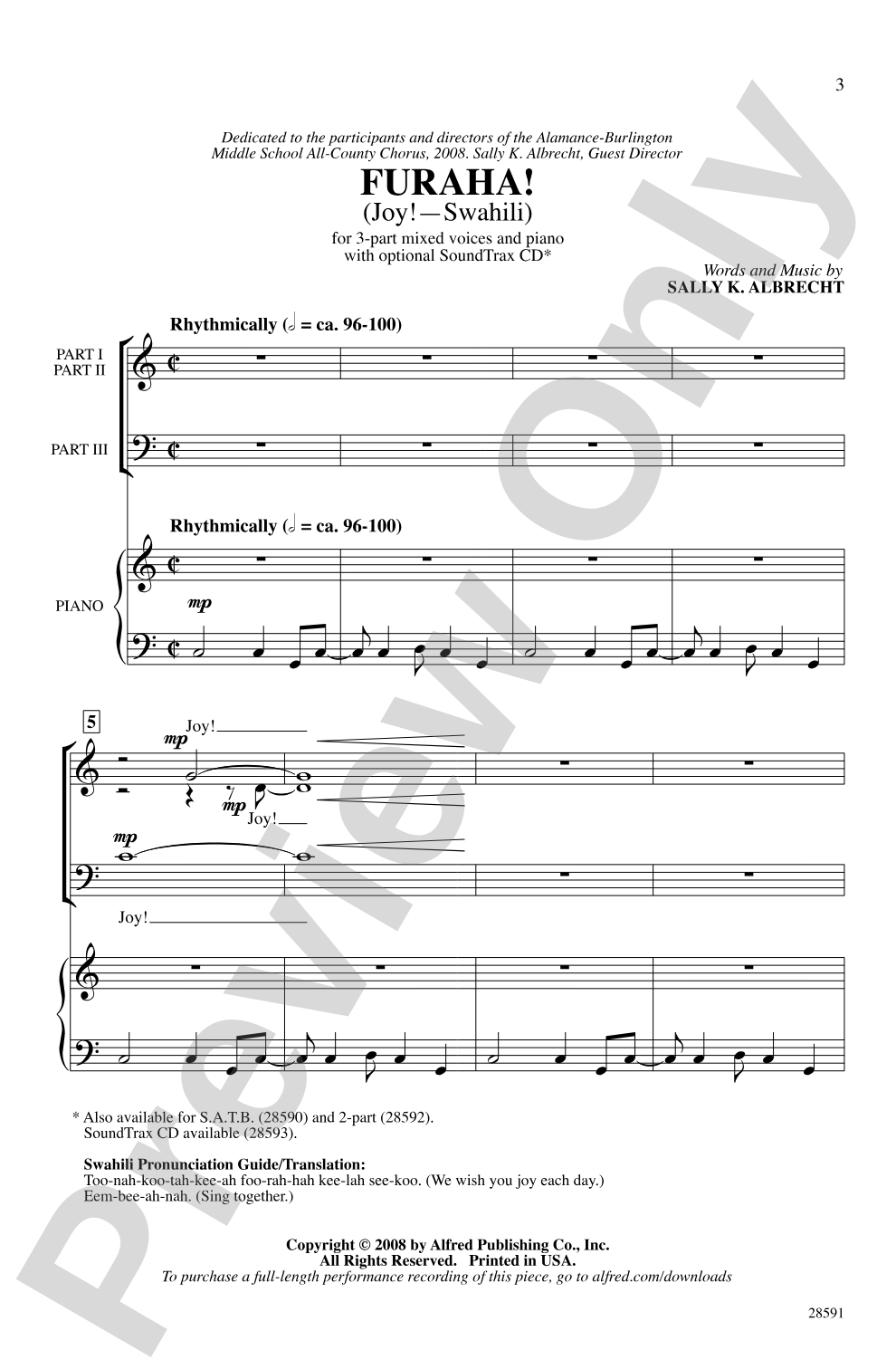
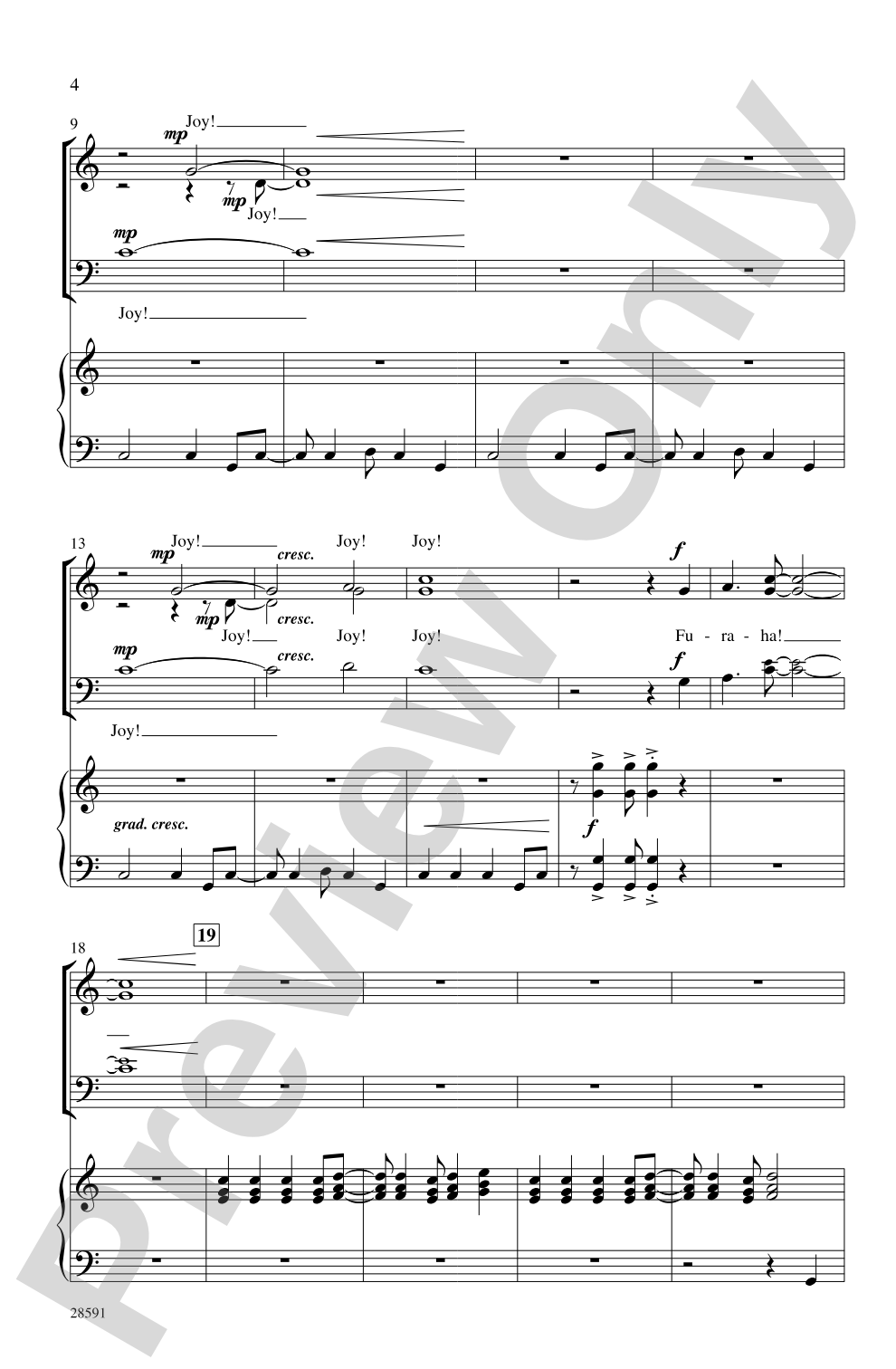

Furaha! (Joy! - Swahili): 3-Part Mixed Choral Octavo
(Joy! -- Swahili)
Words and music by Sally K. Albrecht
Item: 00-PO-0000500
$2.05
Minimum order quantity: 20 copies
Pickup currently not available
Related Items
Furaha!: SoundTrax Digital Audio Download |
$27.99
|
View | |
Furaha! (Joy! - Swahili): SATB Choral Octavo |
$1.75
|
View | |
Furaha! (Joy! - Swahili): 2-Part Choral Octavo |
$2.05
|
View | |
Furaha!: SATB Choral Octavo |
$1.75
|
View | |
Furaha!: 3-Part Mixed Choral Octavo |
$2.50
|
View | |
Furaha!: 2-Part Choral Octavo |
$2.05
|
View | |
Furaha!: Choral Octavo SoundTrax CD |
$27.99
|
View |
Description
This rhythmic African-style number is joyous from beginning to end! Use it for general concerts, or consider it for Christmas/Kwanzaa celebrations. The text alternates between English and Swahili. "We wish you joy each and every day." Featured on the "Hooray for Hollywood!" movement DVD #28868.


Furaha! (Joy! - Swahili): 3-Part Mixed Choral Octavo isn't in MakeMusic Cloud just yet...but it could be. Let us know you'd like to see it, and you'll help shape what comes next. In the meantime, start a free trial and dive into thousands of interactive titles your students can play along with today.
Request This Title
Tell us you want it.
Start Your Free Trial
Explore everything that's ready to play right now.
Sample Audio
1
Audio File
--:--
0:00
0:00
Sample Video
No sample videos found.
Additional Details
Series:
Alfred Choral Designs
Publisher:
Alfred Music
Page Count:
12
SKU:
00-PO-0000500
More about this title
About the Composer: Sally K. Albrecht
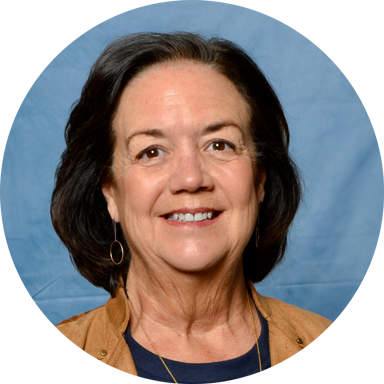
Sally K. Albrecht has shaped American choral music for over three decades as a composer, conductor, and clinician with a distinctive focus on integrating movement into choral performance. Her catalog of more than 600 published choral works and 75 larger musicals and songbooks reflects a deep commitment to making choral music accessible and engaging across grade levels. She has conducted honor choirs at major venues including Lincoln Center, Carnegie Hall, and The Kennedy Center, and has received the ASCAP Special Music Award annually since 1987.
Albrecht's career spans leadership roles at major educational music publishers, university teaching positions at Oakland University, Jersey City State College, and Meredith College, and significant service to the music education community through board leadership and mentorship. A graduate of Rollins College with degrees in Music and Theater, she earned both an M.A. in Drama and an M.M. in Accompanying from the University of Miami. In 2021, she received the Distinguished Alumna Award from both institutions. She lives in North Carolina with her husband, composer and arranger Jay Althouse.
Why we love this
Albrecht brings her signature movement sensibility to this piece, creating music that practically choreographs itself on the risers. The alternating English and Swahili text adds cultural dimension without requiring specialized diction coaching, and the rhythmic groove keeps singers engaged and energized from start to finish.
What to expect
Furaha radiates celebration from the opening measure. The rhythmic vitality and Swahili text create a sense of genuine cultural connection rather than appropriation, while the straightforward harmony and memorable melody invite immediate participation from singers of all experience levels.
Who it's for
Choirs working with mixed SAB voicing in middle school, high school, community, and adult settings will find this piece accessible and rewarding. Directors seeking repertoire that balances cultural awareness with pure fun and singability will return to this title repeatedly.
How to get the most out of it
- Keep the energy forward and rhythmically tight; this piece thrives on ensemble precision and a shared sense of swing rather than formal precision.
- Lean into the call-and-response sections to build call-and-answer dialogue between voice parts.
- The recorded accompaniment locks the rhythm and energy; rehearse with it early to establish the intended groove and tempo.
- Plan your staging from the beginning of rehearsals since movement is integral to the piece's joy and impact.
How to use it
Pair this with your winter concert as a joyful opener or closer that energizes audiences immediately. It works equally well in a Kwanzaa or multicultural celebration context, and the programming DVD reference suggests effective staging options that can turn a simple octavo into a complete production number.
Skills your students will build
- Rhythmic precision in grooved, dance-influenced material
- Diction and pronunciation in Swahili text
- Ensemble blend in alternating call-and-response passages
- Integration of movement with singing
- Sustaining energy and articulation across a full piece