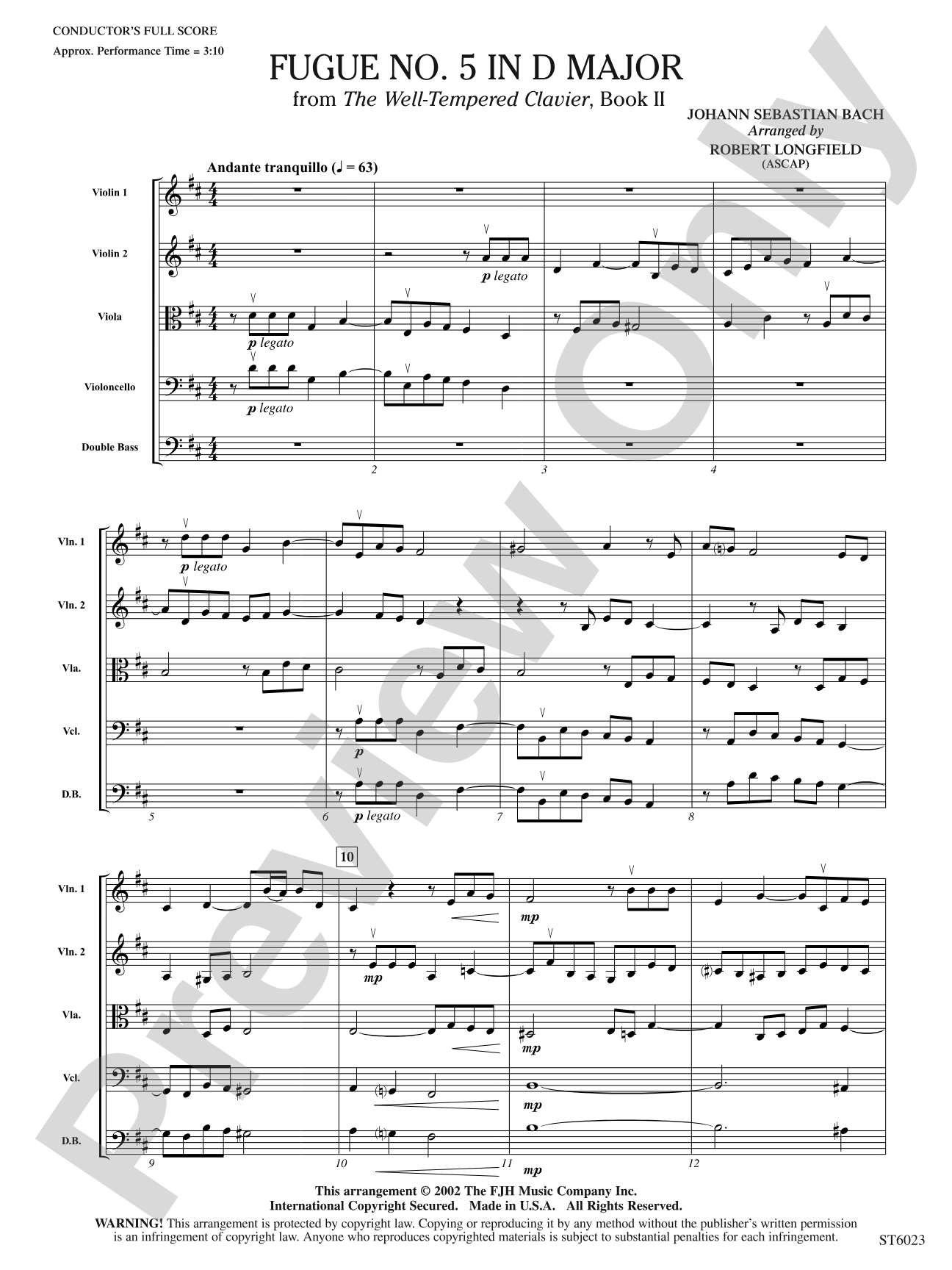
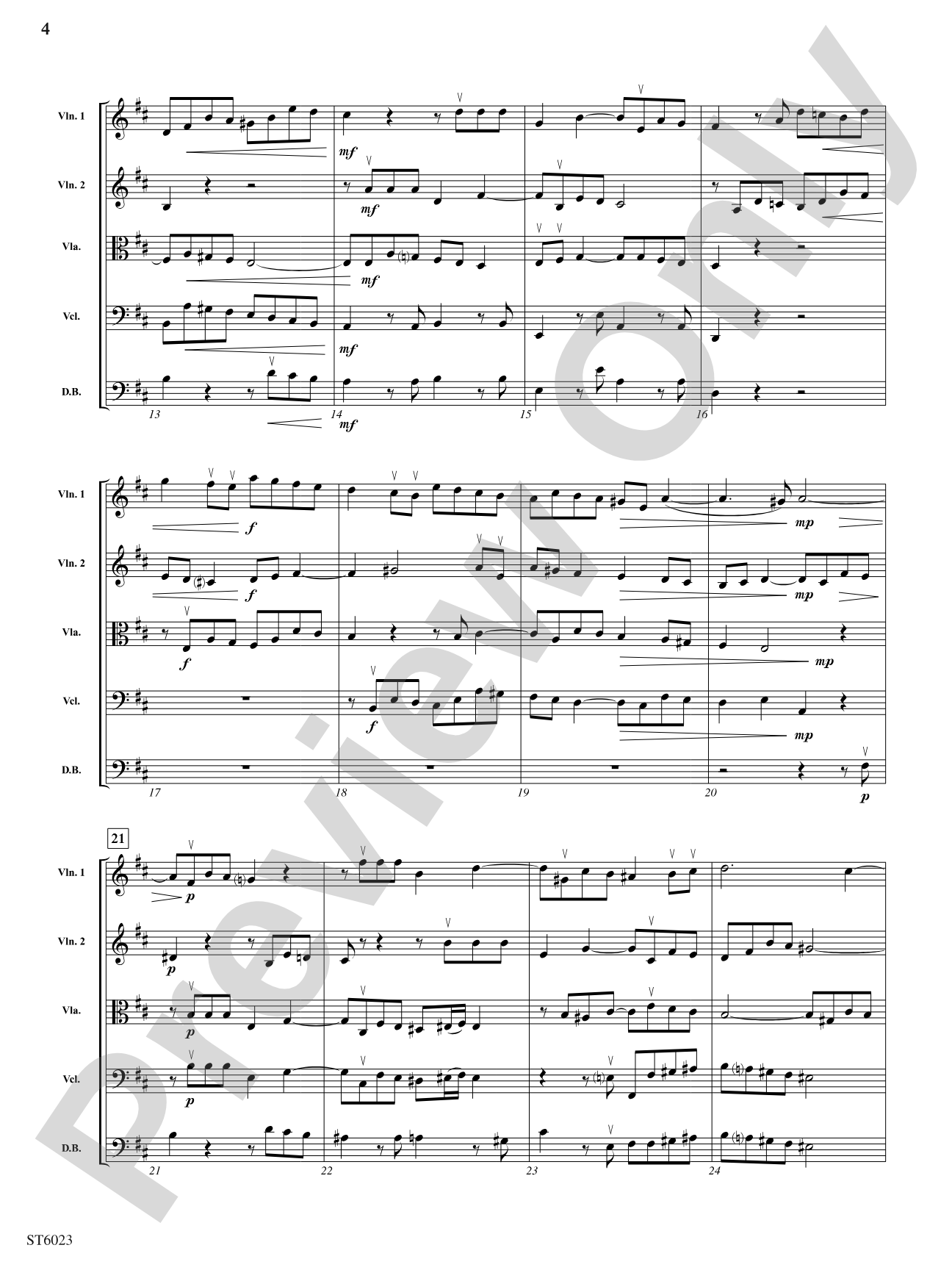
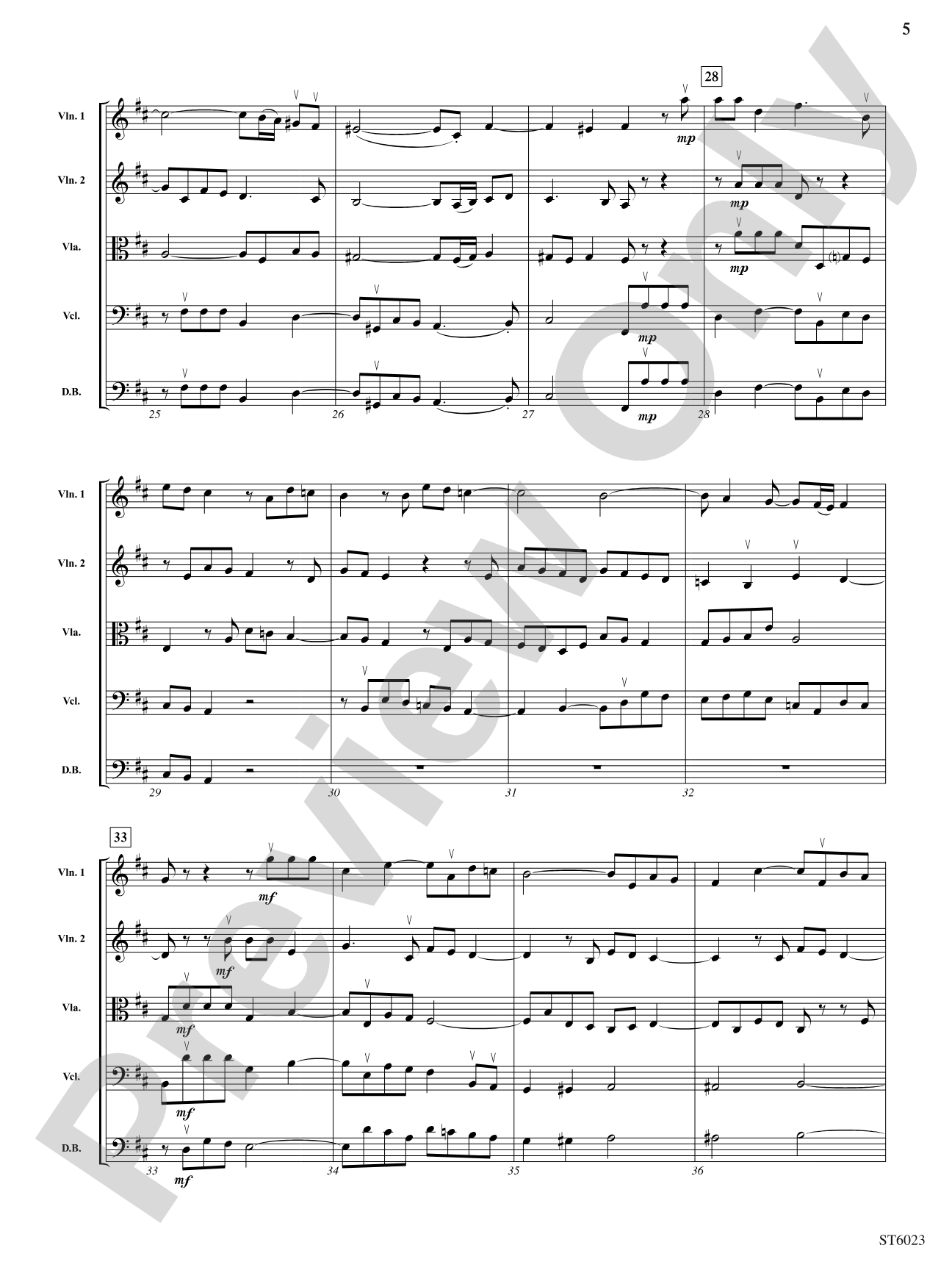
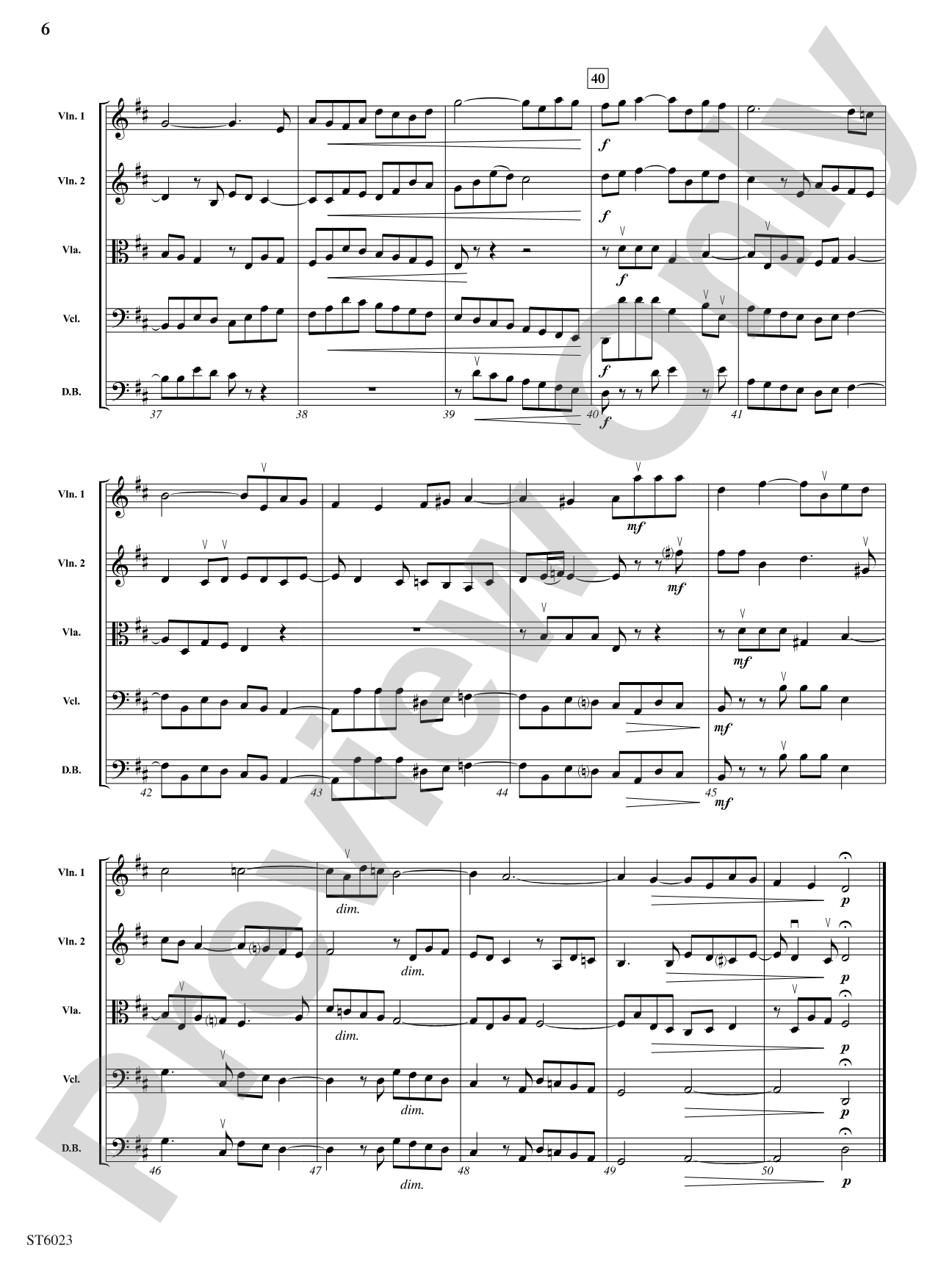
Johann Sebastian Bach (1685, 1750) shaped Western music theory and practice so fundamentally that centuries of composers still study his methods. His mastery of counterpoint, harmonic logic, and structural architecture defined what it means to write with mathematical precision and emotional depth simultaneously. In education, Bach's works serve as the gateway to understanding how voices interact, how a single musical idea can generate an entire piece, and how constraint breeds creativity rather than limiting it.