
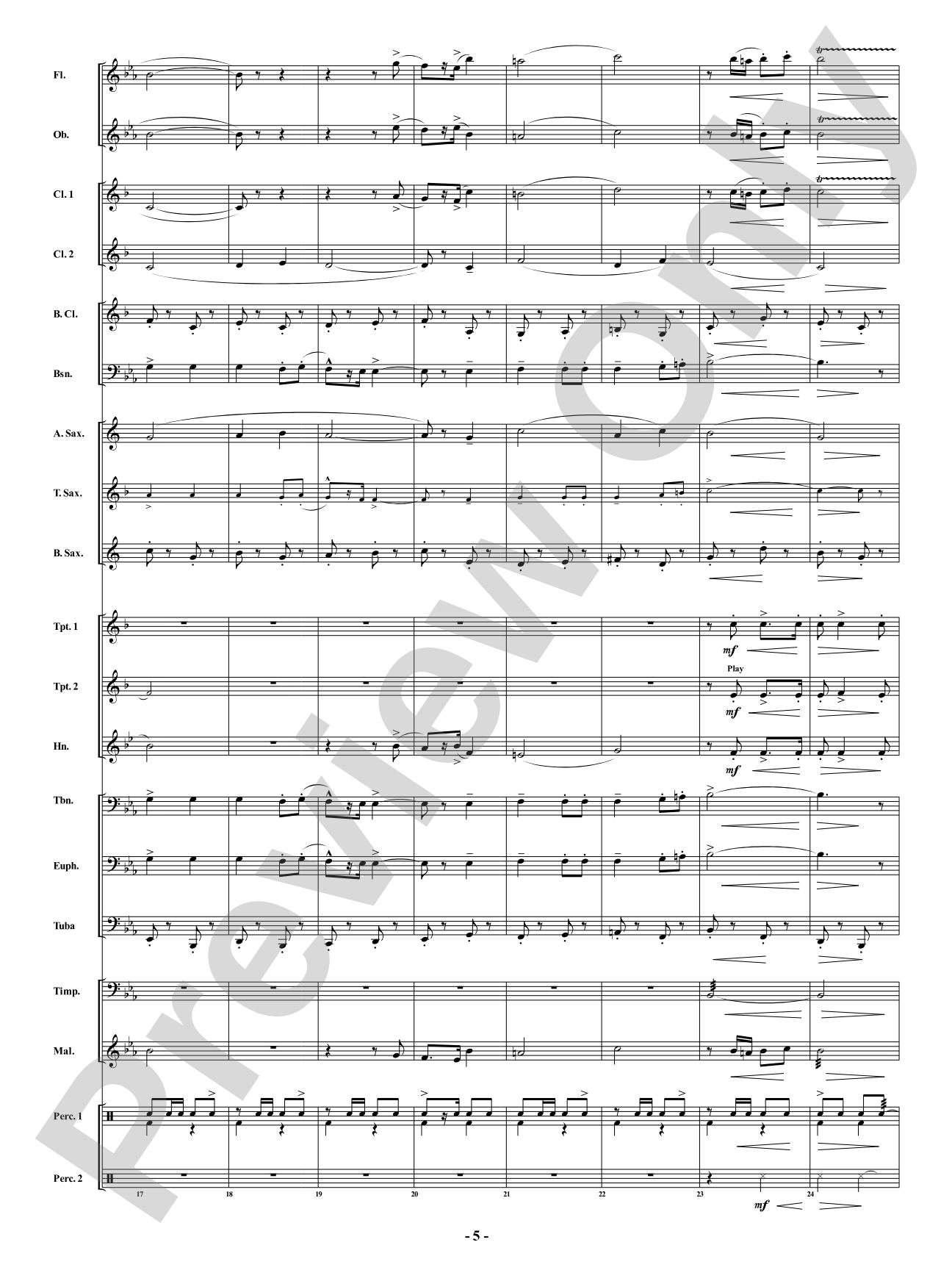
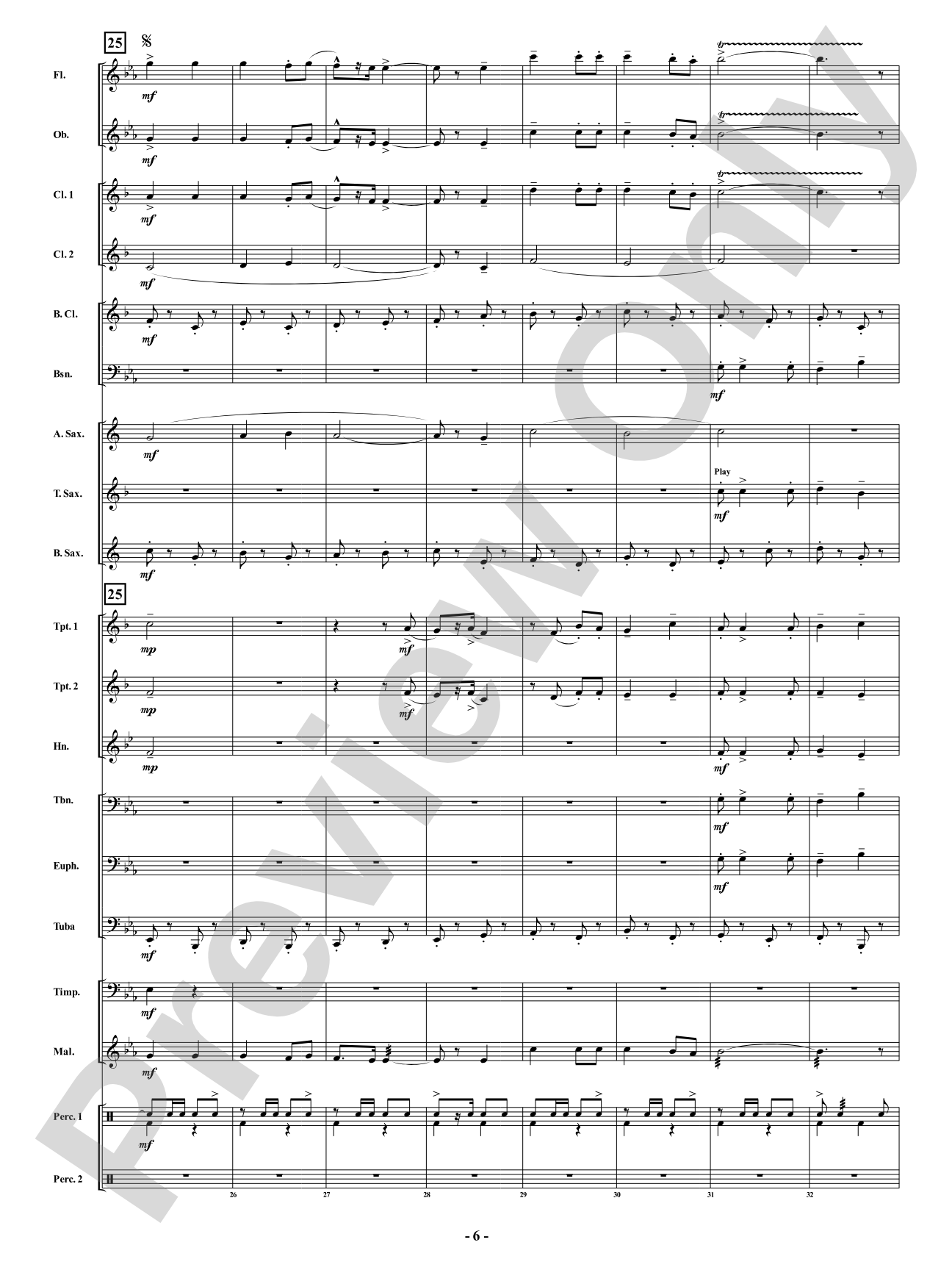
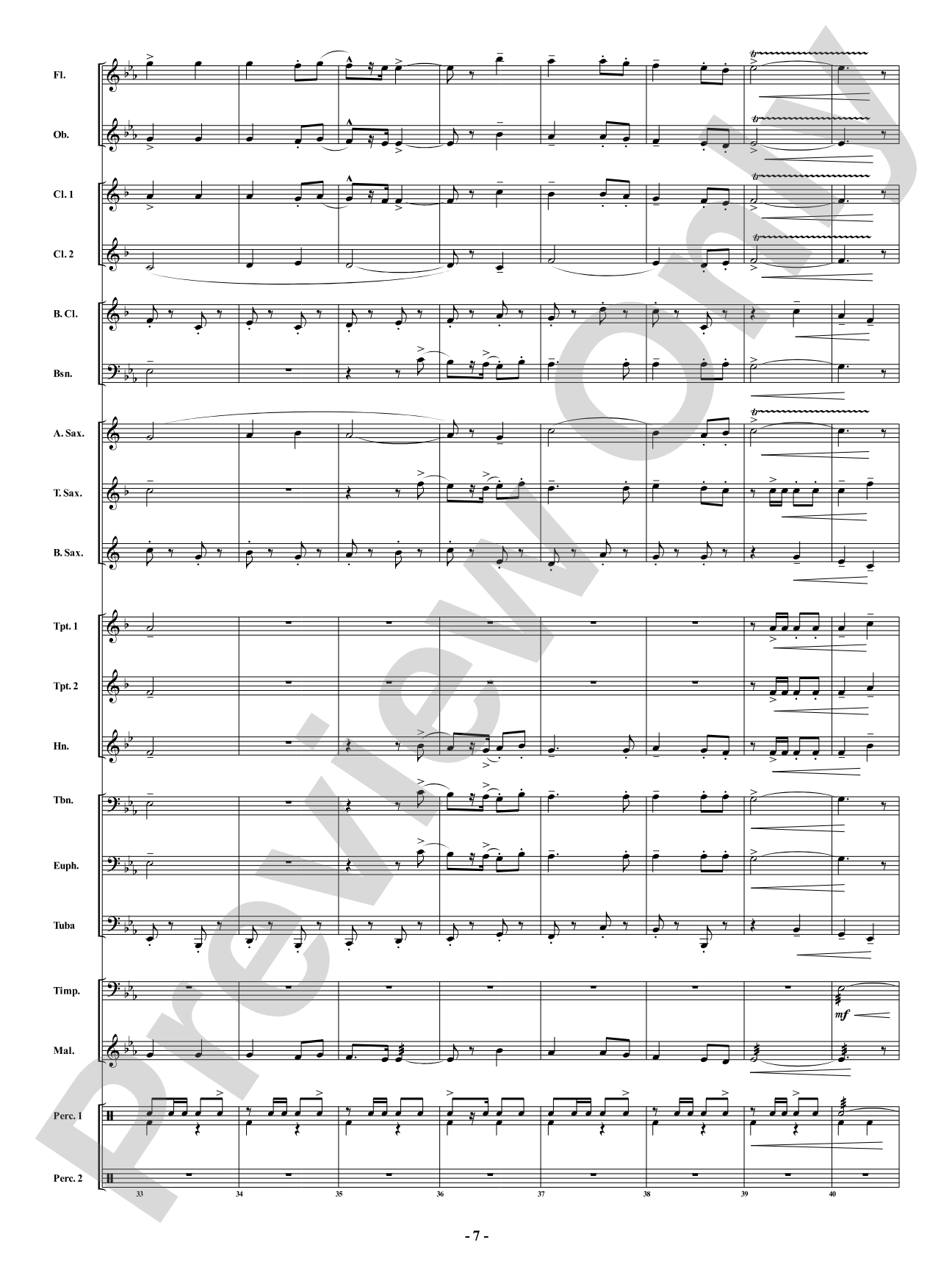
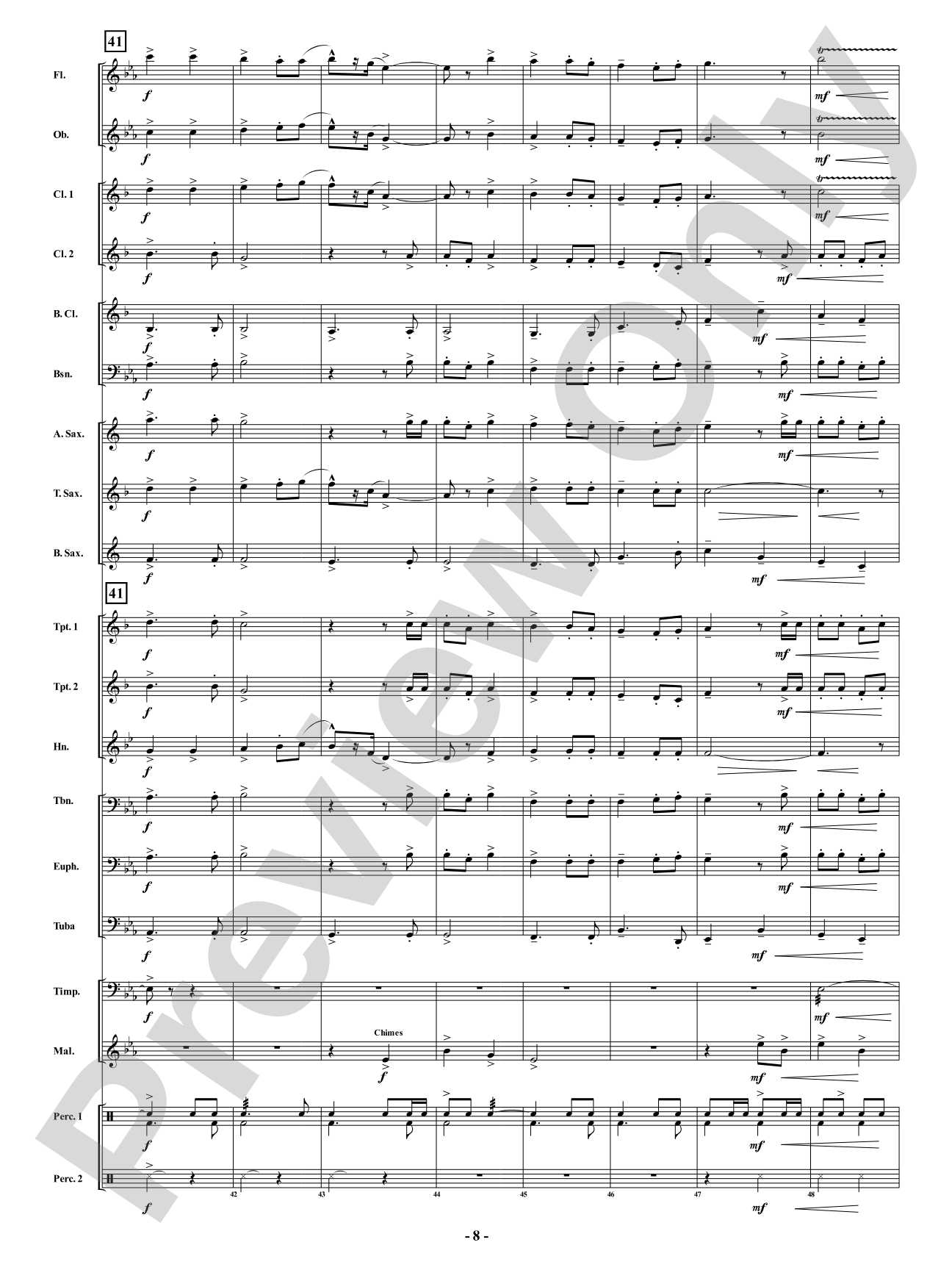
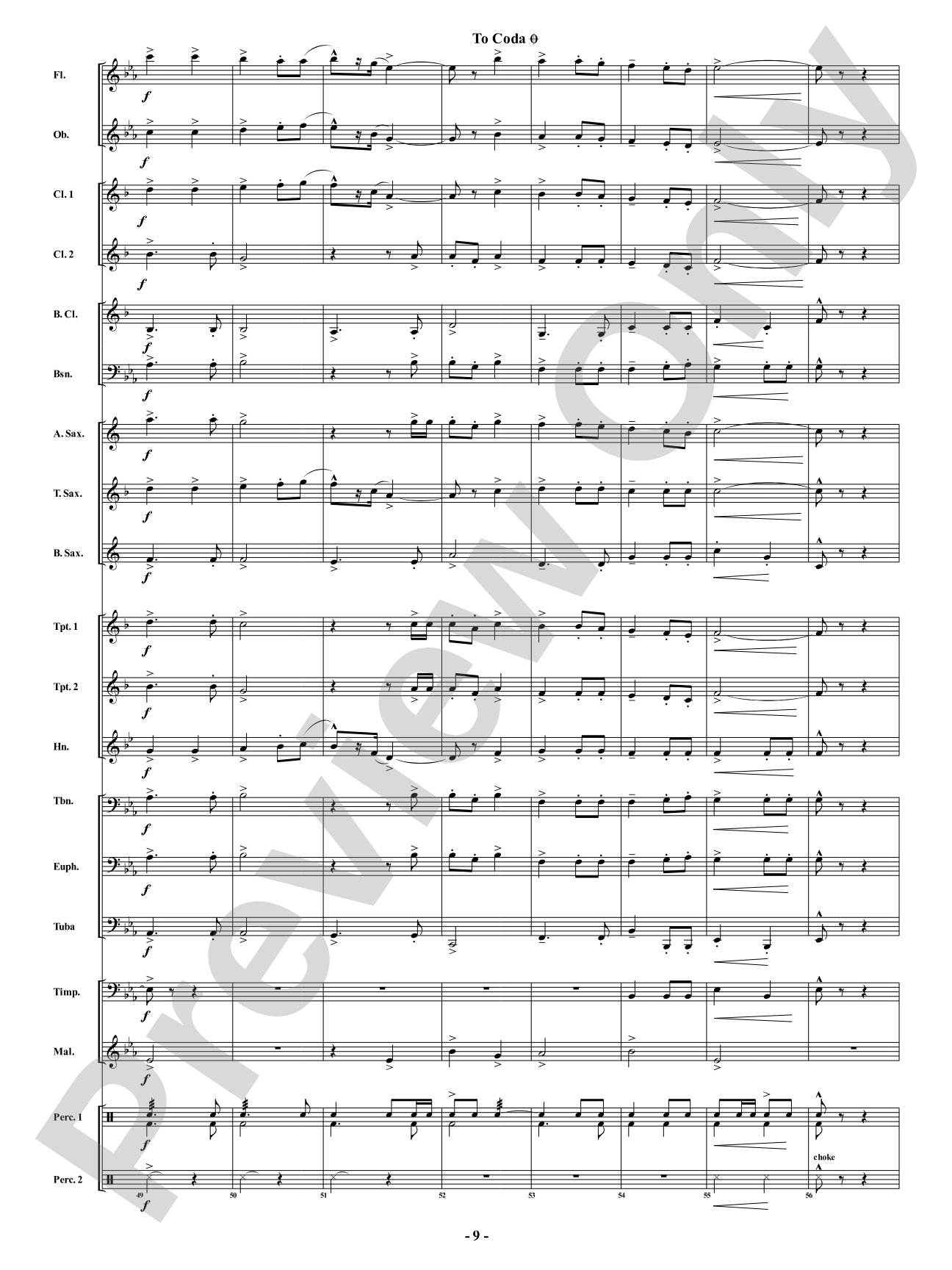
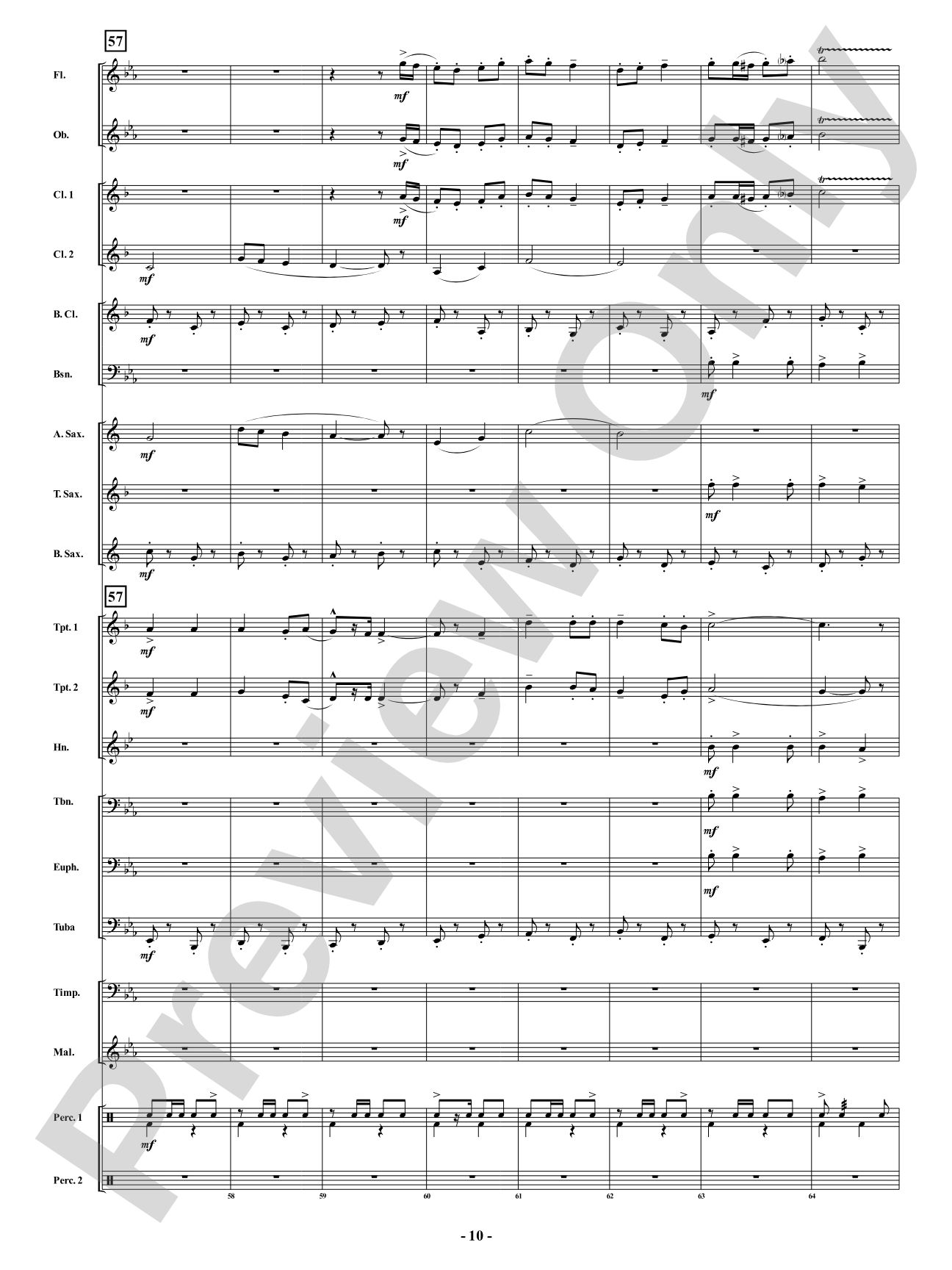
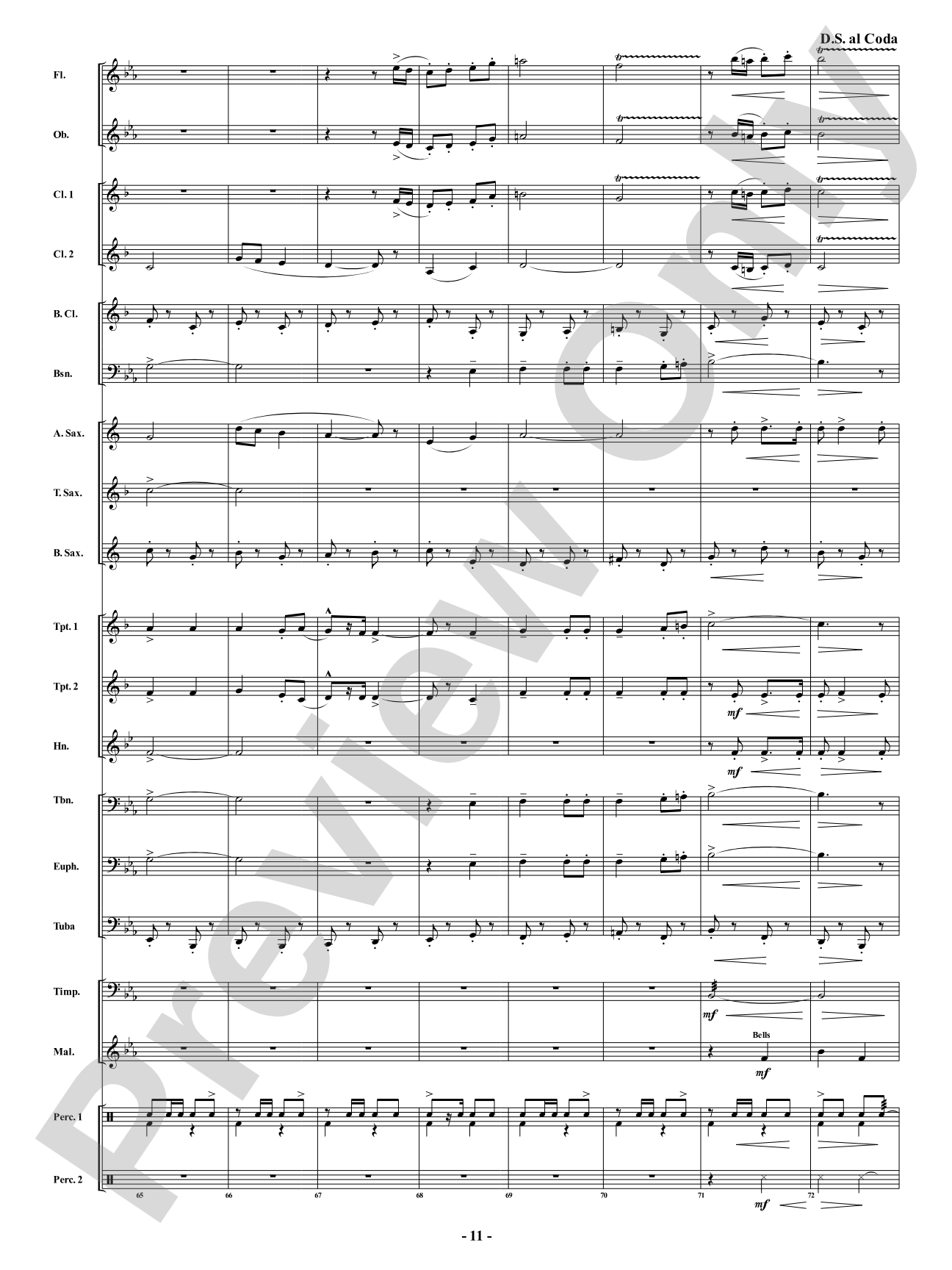
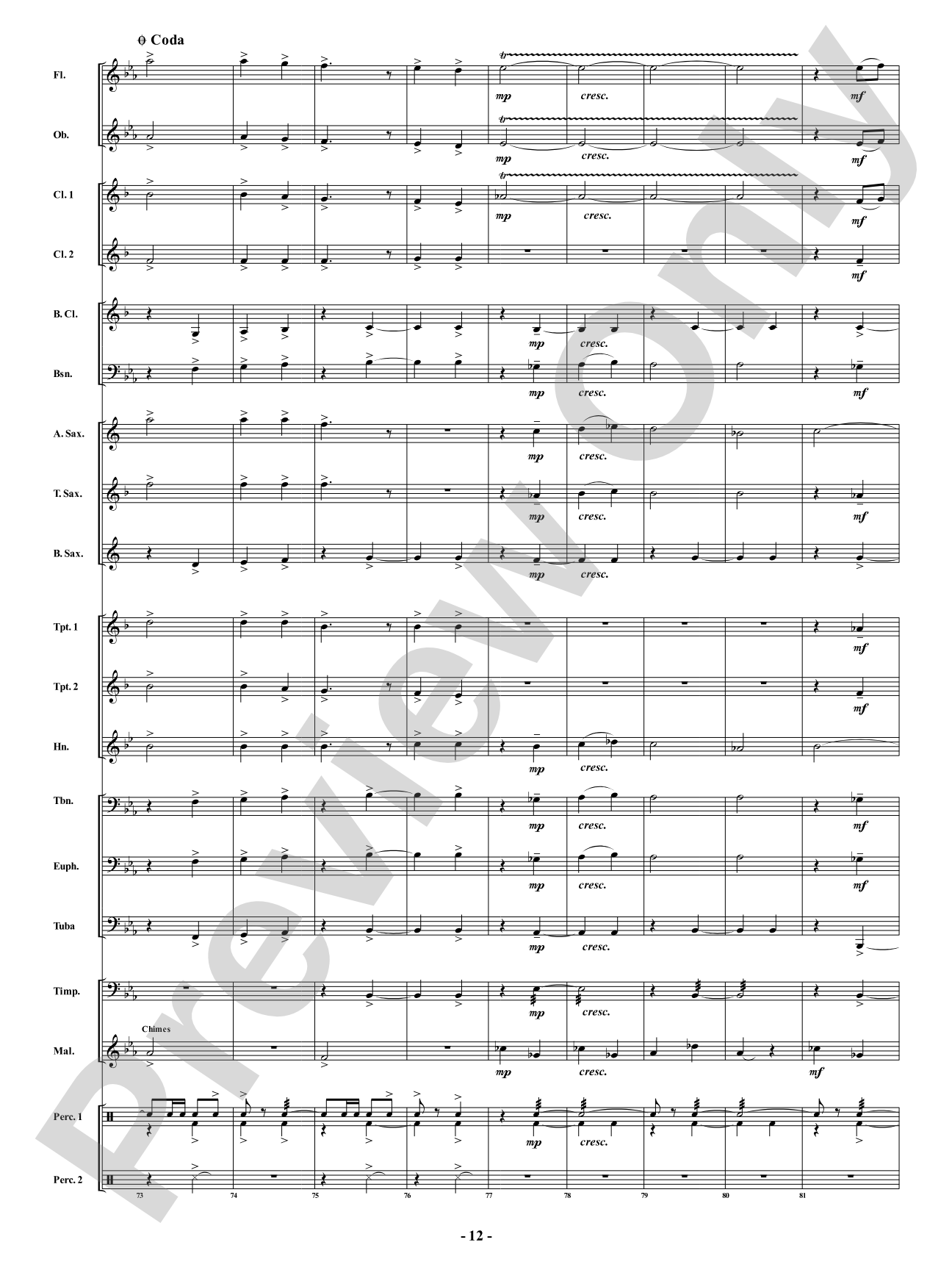
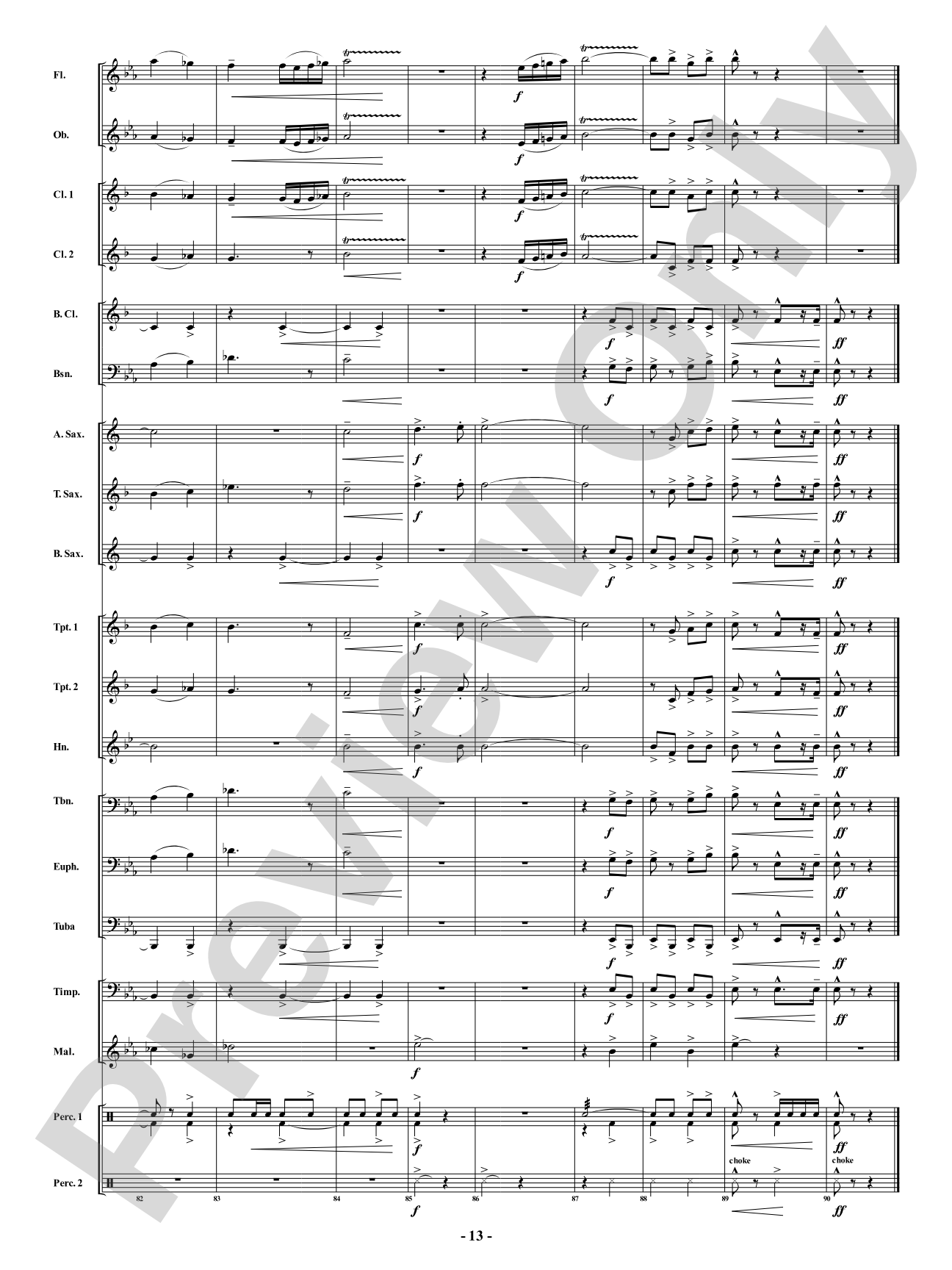




Freedom's Banner - March: Concert Band Conductor Score & Parts
March
By Linda Anne Parsons / arr. Steve Parsons
Grade: 2.5
Item: 98-PK-RWS2246
$65.00
Pickup currently not available
Buy Extra Parts (Digital PDF Download)
Parts Added to Cart!
Description
"Freedom's Banner" is a delightful patriotic march for young band, with infectious melodic lines and plenty of rhythmic interest. Originally written by Linda Parsons as a celebration of America, Steve Parsons has arranged it with careful attention to the scoring needs of younger musicians. Perfect as a flag-waver for any concert!
Original Item#: RWS-2246-00


Original Item#: RWS-2246-00
Freedom's Banner - March: Concert Band Conductor Score & Parts isn't in MakeMusic Cloud just yet...but it could be. Let us know you'd like to see it, and you'll help shape what comes next. In the meantime, start a free trial and dive into thousands of interactive titles your students can play along with today.
Request This Title
Tell us you want it.
Start Your Free Trial
Explore everything that's ready to play right now.
Sample Audio
1
Audio File
--:--
0:00
0:00
Sample Video
No sample videos found.
Additional Details
Series:
RWS - Developing Band
Publisher:
RWS Music Company
SKU:
98-PK-RWS2246
More about this title
Why we love this
Steve Parsons' arrangement captures the energy of a traditional march while respecting the technical reality of a Grade 2.5 ensemble. The melodic lines are memorable enough to hold an audience's attention, and the scoring distributes the musical weight so no section feels isolated or overwhelmed. This is a march that actually sounds like a march, not a simplified approximation of one.
What to expect
Bright, purposeful, and celebratory without overshooting into bombast. The march bounces along with natural momentum, driven by infectious melodic hooks and rhythmic vitality that feels earned rather than forced. Students will leave the stage knowing they performed something substantial.
Who it's for
Directors of Grade 2.5 concert bands who need reliable, musically satisfying patriotic repertoire that doesn't require advanced technical skills. Programmers looking for a standalone opener or closer that engages audiences and builds student confidence in executing a complete musical form.
How to get the most out of it
- Keep the tempo steady and energetic without rushing; younger ensembles often accelerate unconsciously in march time, so a conductor click or metronome in rehearsal builds confidence.
- Balance the melody across your available instrumentation rather than doubling it heavily in the clarinet section; this weight distribution is intentional in the arrangement and lets the full band shine.
- Shape the phrasing even within straightforward rhythmic sections; think of each musical phrase as having a gentle arc rather than playing at one dynamic level throughout.
- Secure the rhythmic figures in the lower voices early in rehearsal; marches depend on a rock-solid foundation from bass and harmony parts.
How to use it
Program this as an opener on a patriotic-themed concert or as an accessible march that bridges between educational and performance repertoire. Its straightforward structure and appealing character also make it suitable for school assemblies, pep rallies, or graduation ceremonies where you want solid musicianship without excessive demands on rehearsal time.
Skills your students will build
- Reading and executing standard march rhythms (straight quarter-note patterns, syncopation within 2/4 time)
- Balancing dynamic levels across different instrumental families
- Maintaining steady tempo and ensemble precision in a metric-driven form
- Understanding phrase structure and musical phrasing within march genre conventions
- Executing basic articulation changes and stylistic clarity appropriate to concert band literature