
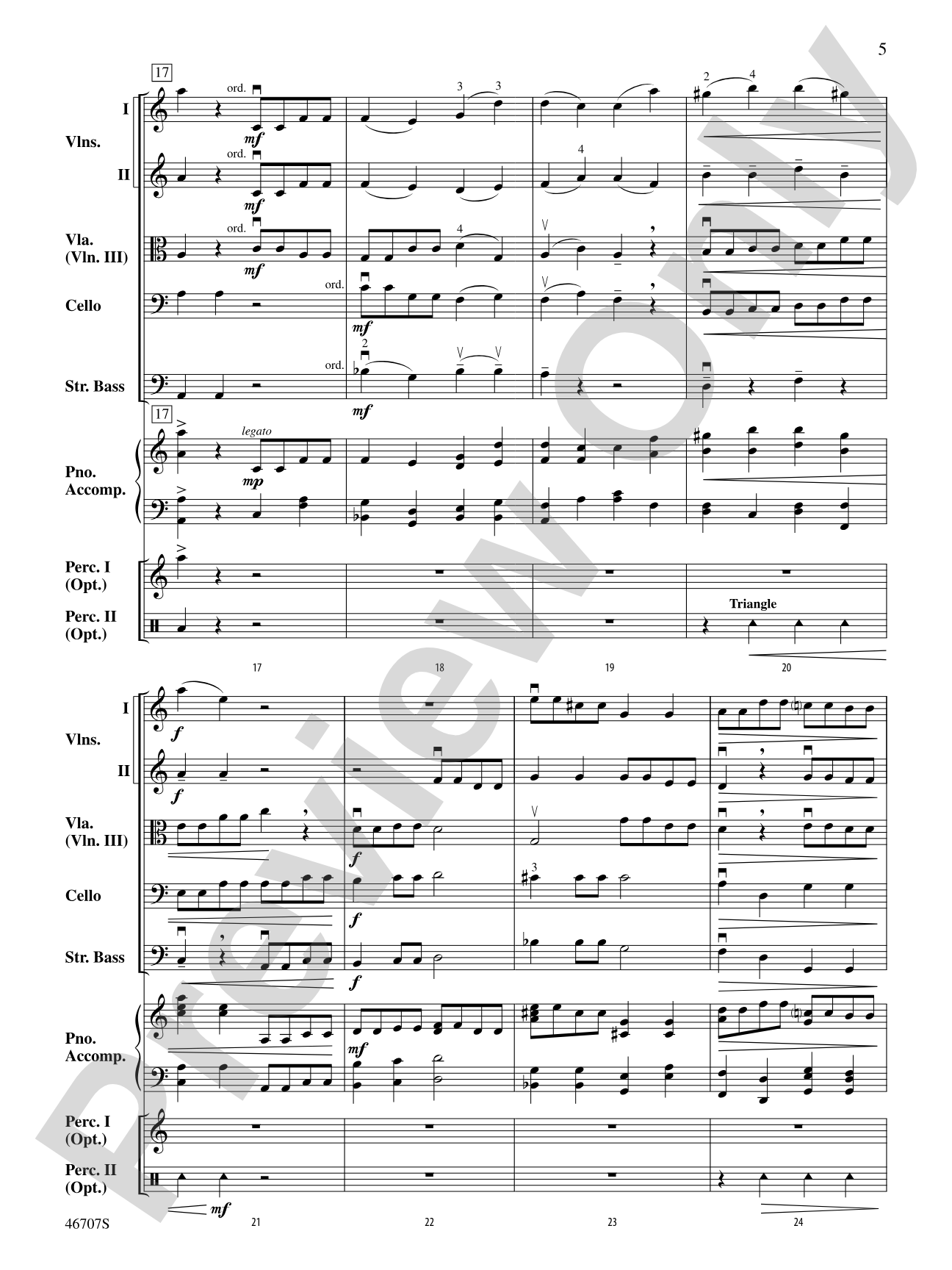
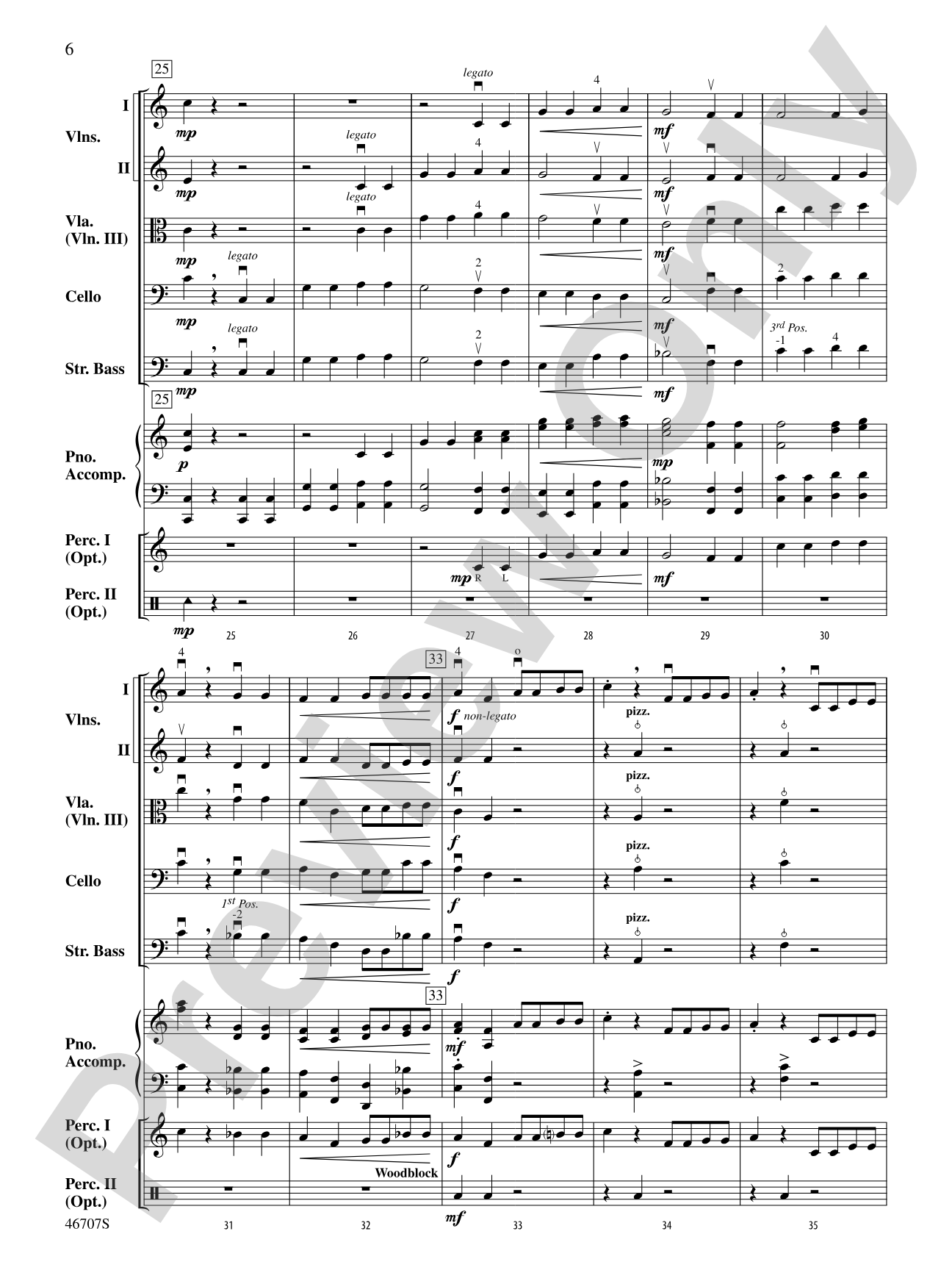
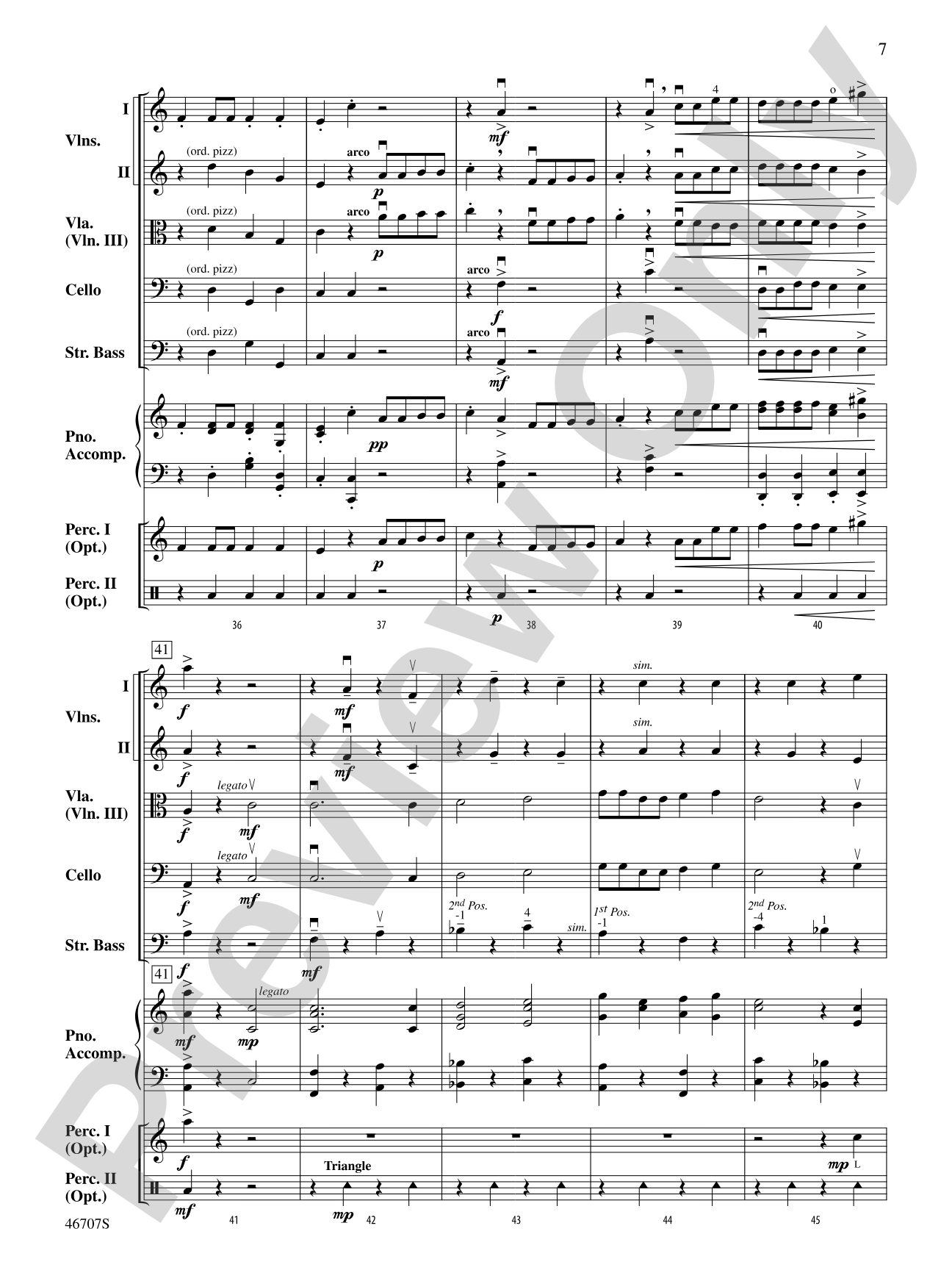
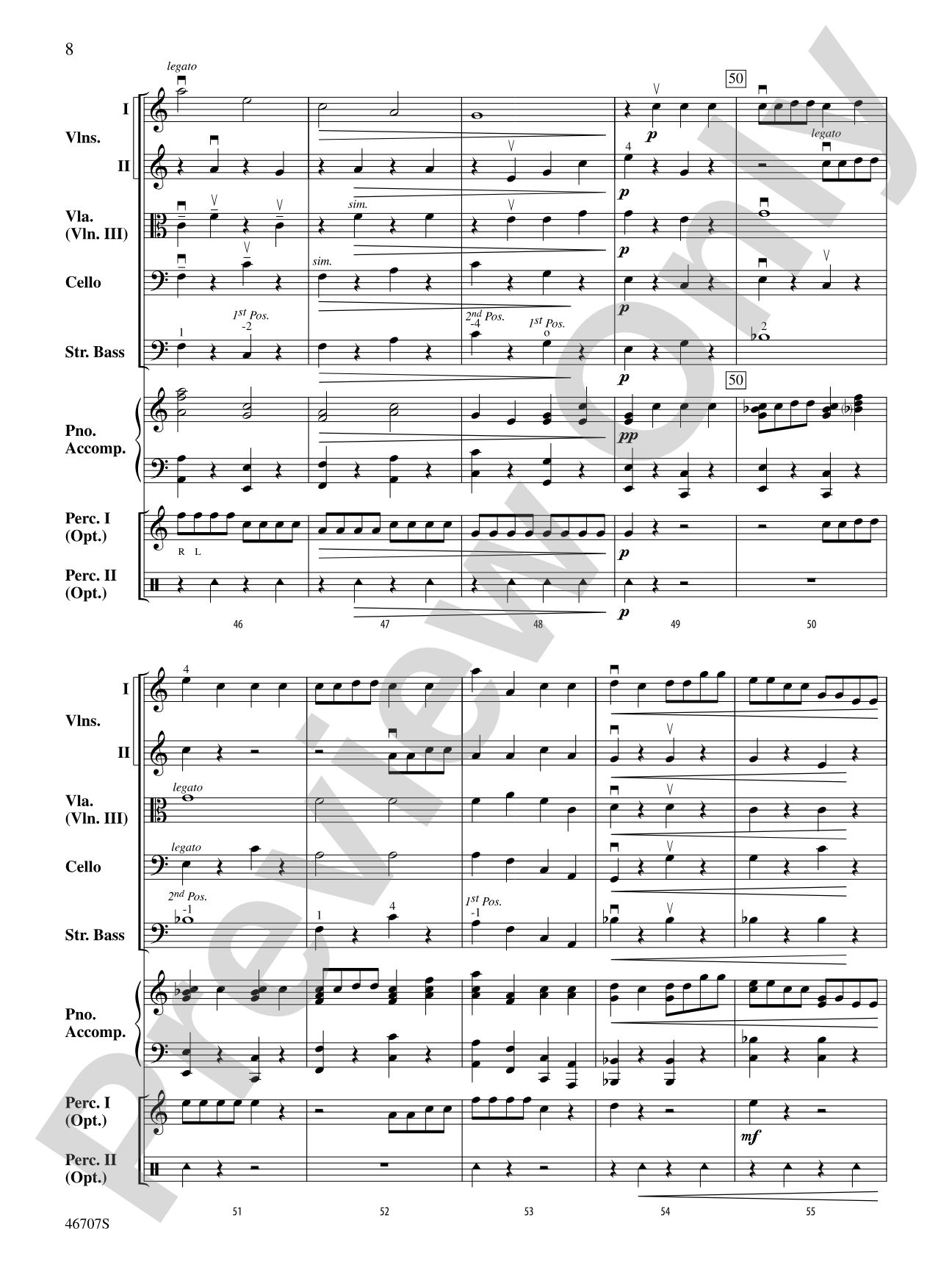
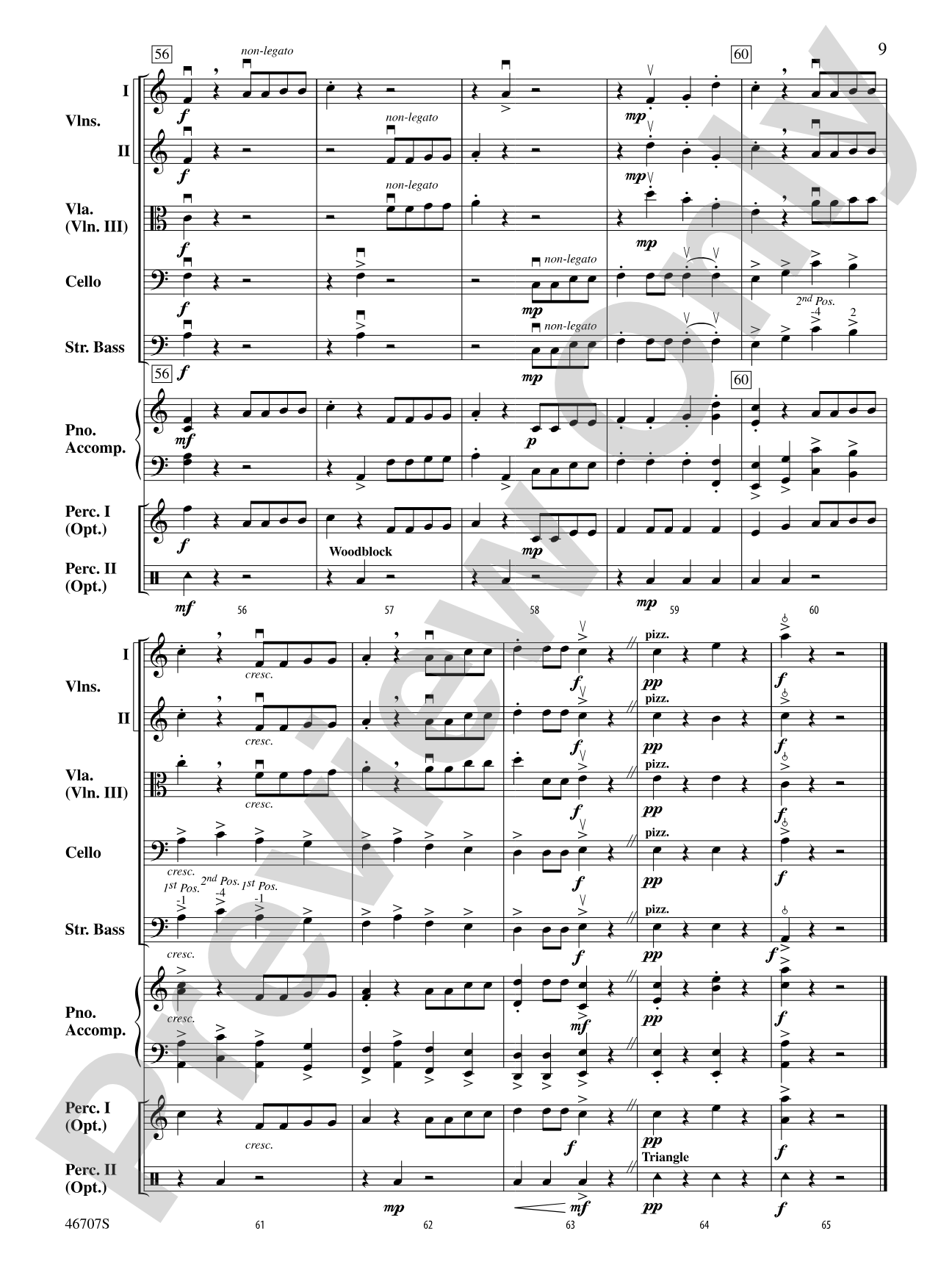

Fossils: String Orchestra Conductor Score & Parts
From Carnival of the Animals
By Camille Saint-Saëns / arr. Andrew H. Dabczynski
Grade: 2
Item: 00-PK-0007549

$46.00
Pickup currently not available
Buy Extra Parts (Digital PDF Download)
| Product | Price | Quantity |
|---|---|---|
| Fossils: Score | $8.00 | |
| Fossils: 1st Violin | $5.99 | |
| Fossils: 2nd Violin | $5.99 | |
| Fossils: 3rd Violin (Viola [TC]) | $5.99 | |
| Fossils: Viola | $5.99 | |
| Fossils: Cello | $5.99 | |
| Fossils: String Bass | $5.99 | |
| Fossils: Piano Accompaniment | $5.99 | |
| Fossils: Mallets | $5.99 | |
| Fossils: 1st Percussion | $5.99 |
Parts Added to Cart!
Description
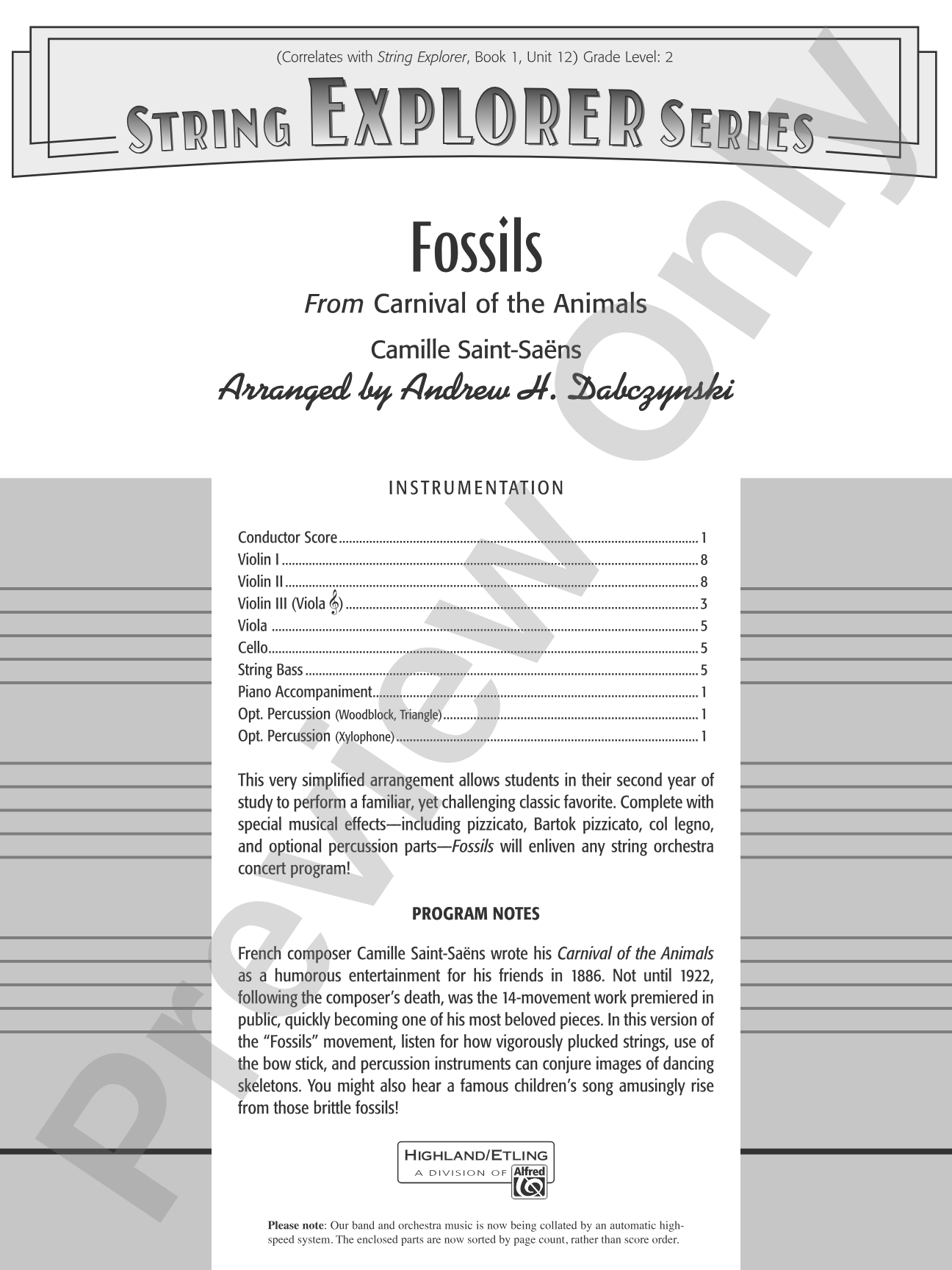
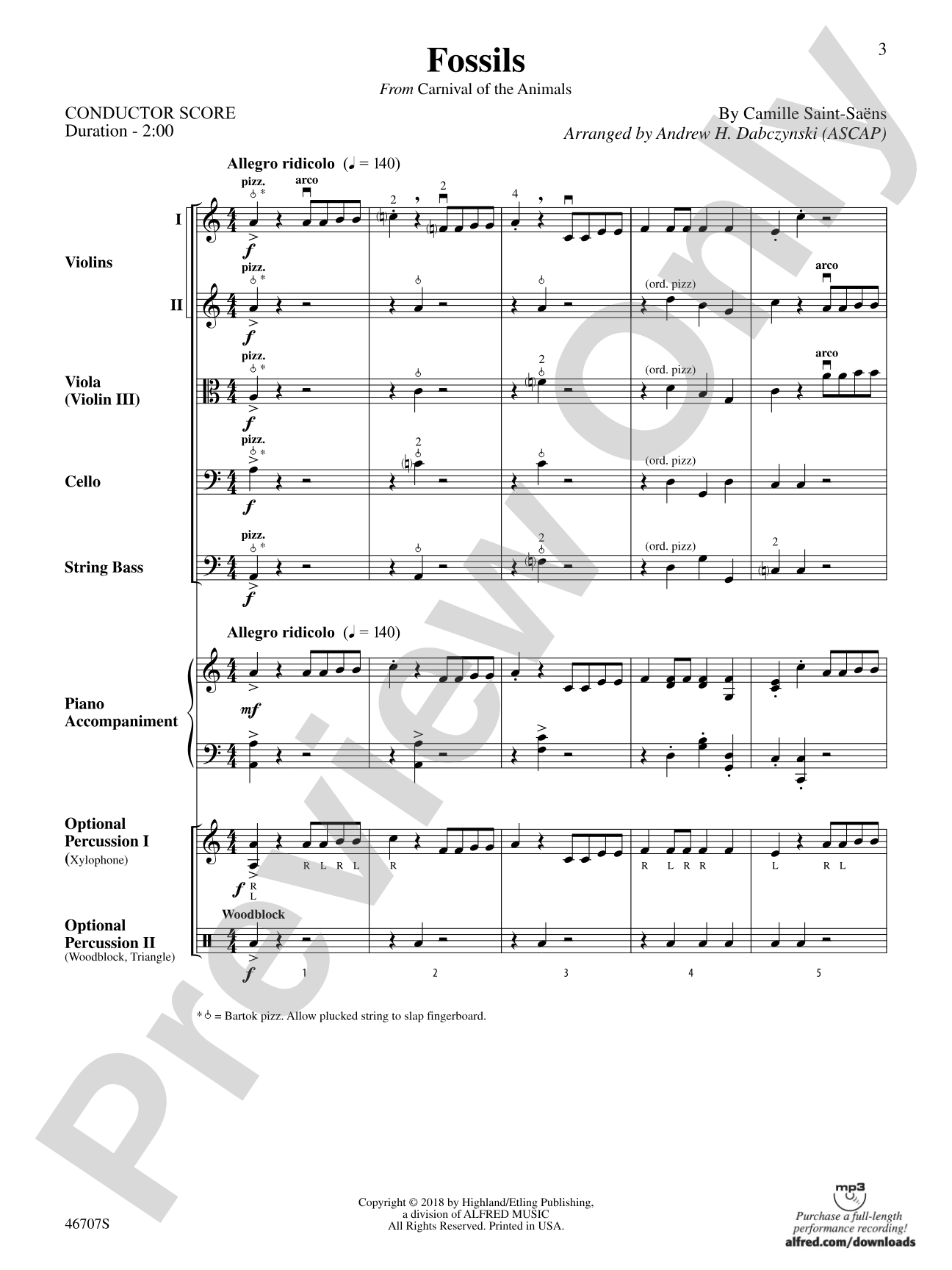
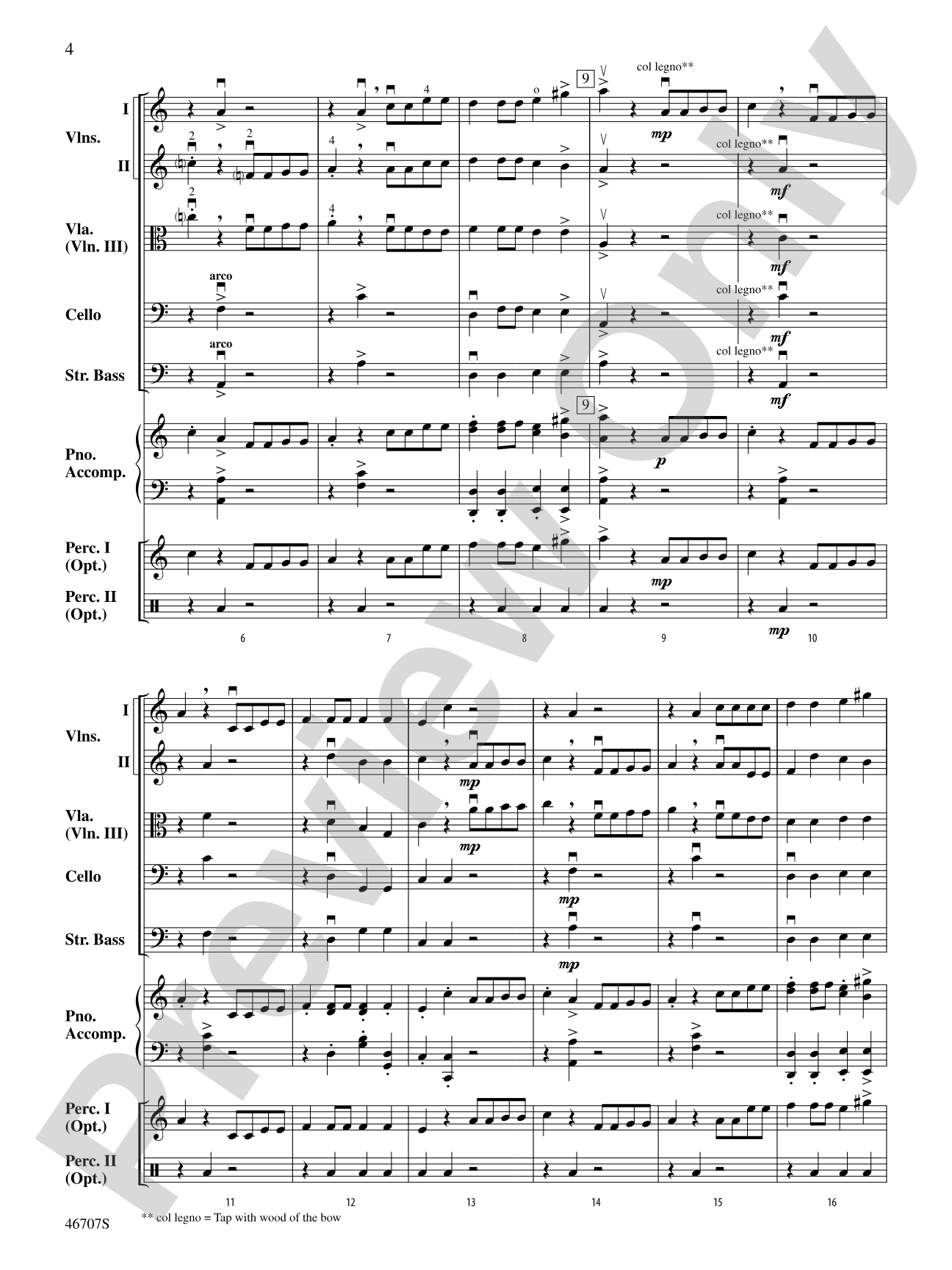
From the famous Carnival of the Animals, this very simplified version of "Fossils," arranged by Andrew H. Dabczynski, allows students in their second year of study to perform a familiar, yet challenging, classic favorite. Complete with special musical effects---including pizzicato, Bartók pizzicato, col legno, and optional percussion parts---"Fossils" will enliven any string orchestra concert program!


Don't just read it, hear it, play along with it, and watch your students grow with it. In MakeMusic Cloud, Fossils: String Orchestra Conductor Score & Parts comes alive with professional accompaniment, adjustable tempo, and built-in practice tools that turn solo practice into real progress.
Open in the Player
Jump straight in and assign it today.
Start Your Free Trial
Open this title and explore the full library in minutes.
Sample Audio
1
Audio File
--:--
0:00
0:00
Sample Video
Additional Details
Series:
Highland/Etling String Explorer
Publisher:
Alfred Music
Page Count:
76
SKU:
00-PK-0007549
More about this title
About the Composer: Camille Saint-Saëns
Camille Saint-Saëns (1835-1921) was a French composer, organist, and pianist whose technical mastery and prolific output shaped Romantic-era concert music. He wrote across every major genre—operas, symphonies, concertos, chamber works—with an ear for orchestral color and memorable melody that made his music accessible without sacrificing sophistication. His willingness to write for young performers and amateur ensembles, alongside his major concert works, reflects a composer who understood the full spectrum of musical life.
Why we love this
Dabczynski's arrangement captures the humor and theatrical flair of the original while keeping the technical demands realistic for second-year players. The special effects (pizzicato, Bartók pizzicato, col legno, and optional percussion) give students genuine orchestral color and character work without overwhelming them, making this a score that sounds polished and alive in performance.
What to expect
Playful and slightly macabre, like a musical fossil emerging from the earth with rattling bones and dry humor. The arrangement preserves the original's wit and character while inviting young orchestras to discover how much personality and sophistication lives in a piece written for concert fun rather than technical display.
Who it's for
String orchestra directors working with second-year ensembles who want to program a recognizable masterwork without stepping outside their students' technical range. Players benefit from the chance to tackle a famous piece while building articulation and special-effects skills in a context where the music itself carries meaning.
How to get the most out of it
- Balance the pizzicato and col legno passages so they create clear textural contrast; these effects drive the piece's comedic timing, so precision matters more than power.
- Use the optional percussion parts strategically: they add color and help younger players feel the shape of longer phrases, but don't let them overshadow the string melody.
- Establish a confident tempo early and hold it steady; the humor of 'Fossils' relies on rhythmic clarity and the audience hearing familiar material in a new light.
- Rehearse the Bartók pizzicato sections in isolation if players are unfamiliar with the technique; a few bars of focused work prevents tension and builds confidence.
How to use it
Program this as a standalone concert feature or as the centerpiece of a Carnival of the Animals mini-suite if you have multiple arrangements from the series at hand. It pairs well with lighter works and gives audiences a familiar anchor point while showcasing what your developing ensemble can accomplish.
Skills your students will build
- Pizzicato and Bartók pizzicato articulation
- Col legno technique and tone control
- Reading and executing special effects notation
- Balancing textural layers in a programmatic context
- Sustaining rhythmic precision across extended sections
- Ensemble blend in Grade 2 repertoire with character demands