



Folk Song and Shanty: String Orchestra Conductor Score & Parts
By Richard Meyer
Grade: 3
Item: 00-PK-0000163

$55.00
Pickup currently not available
Buy Extra Parts (Digital PDF Download)
| Product | Price | Quantity |
|---|---|---|
| Folk Song and Shanty: Score | $10.00 | |
| Folk Song and Shanty: 1st Violin | $5.99 | |
| Folk Song and Shanty: 2nd Violin | $5.99 | |
| Folk Song and Shanty: Viola | $5.99 | |
| Folk Song and Shanty: Cello | $5.99 | |
| Folk Song and Shanty: String Bass | $5.99 |
Parts Added to Cart!
Description
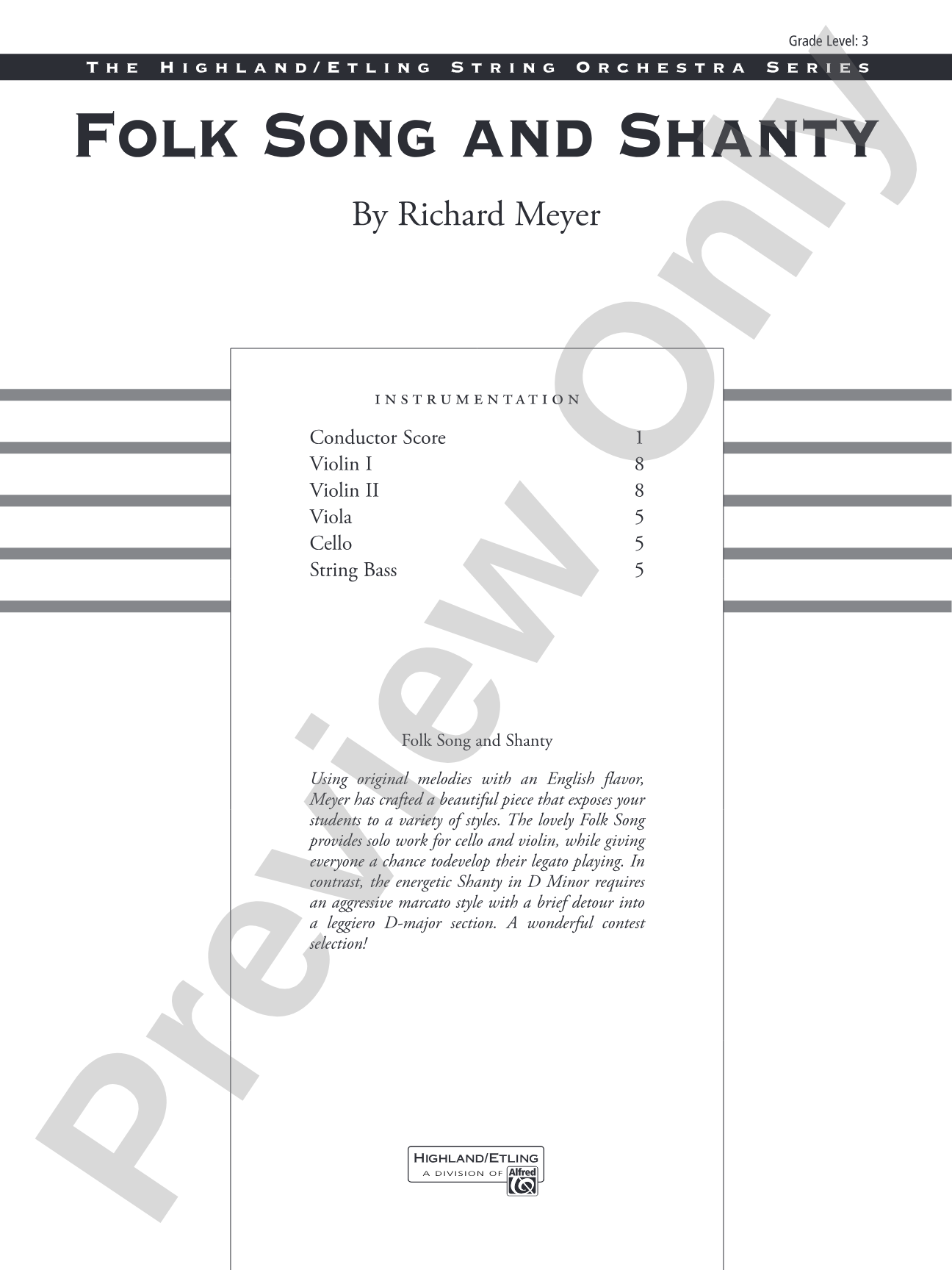
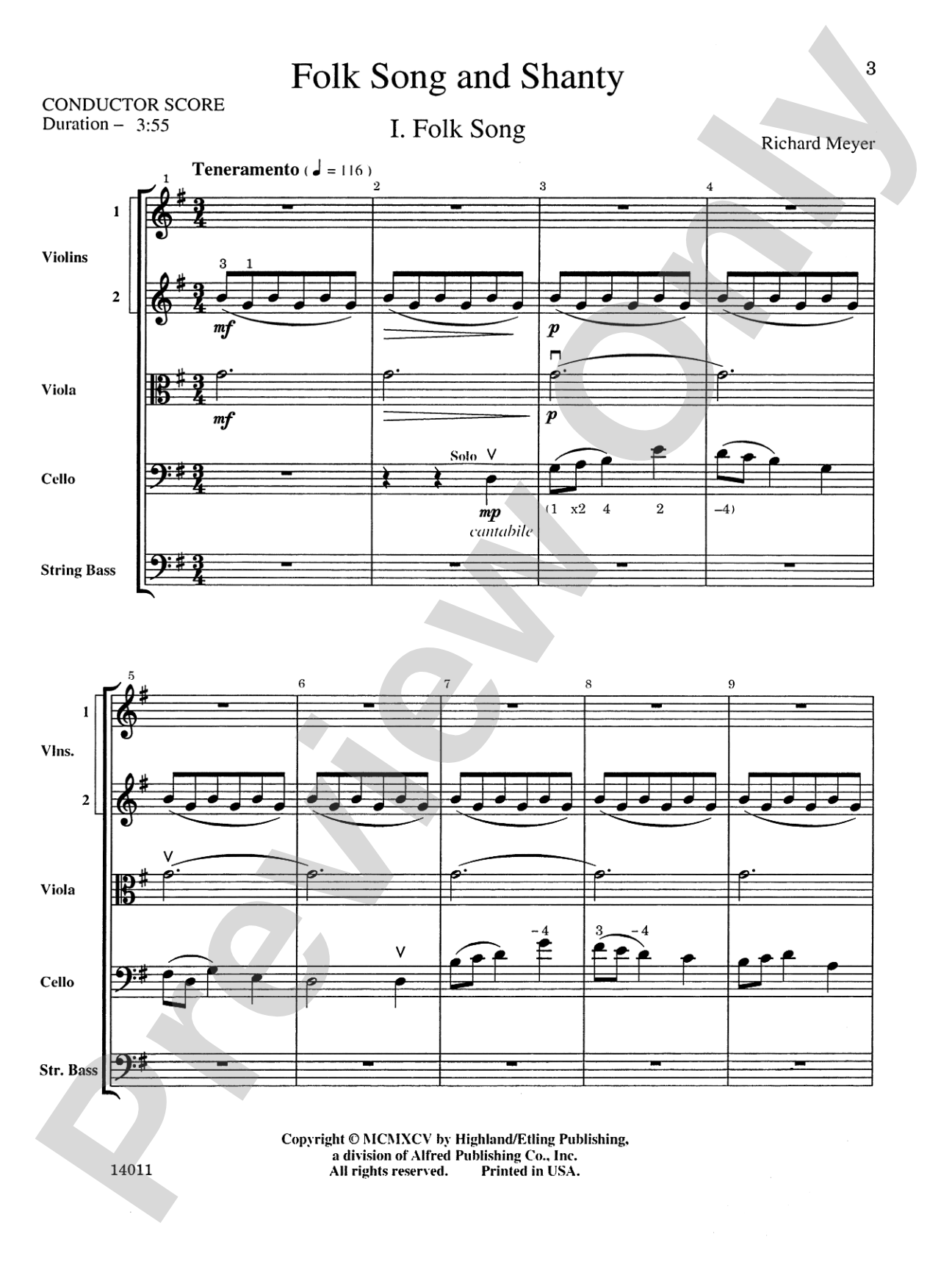
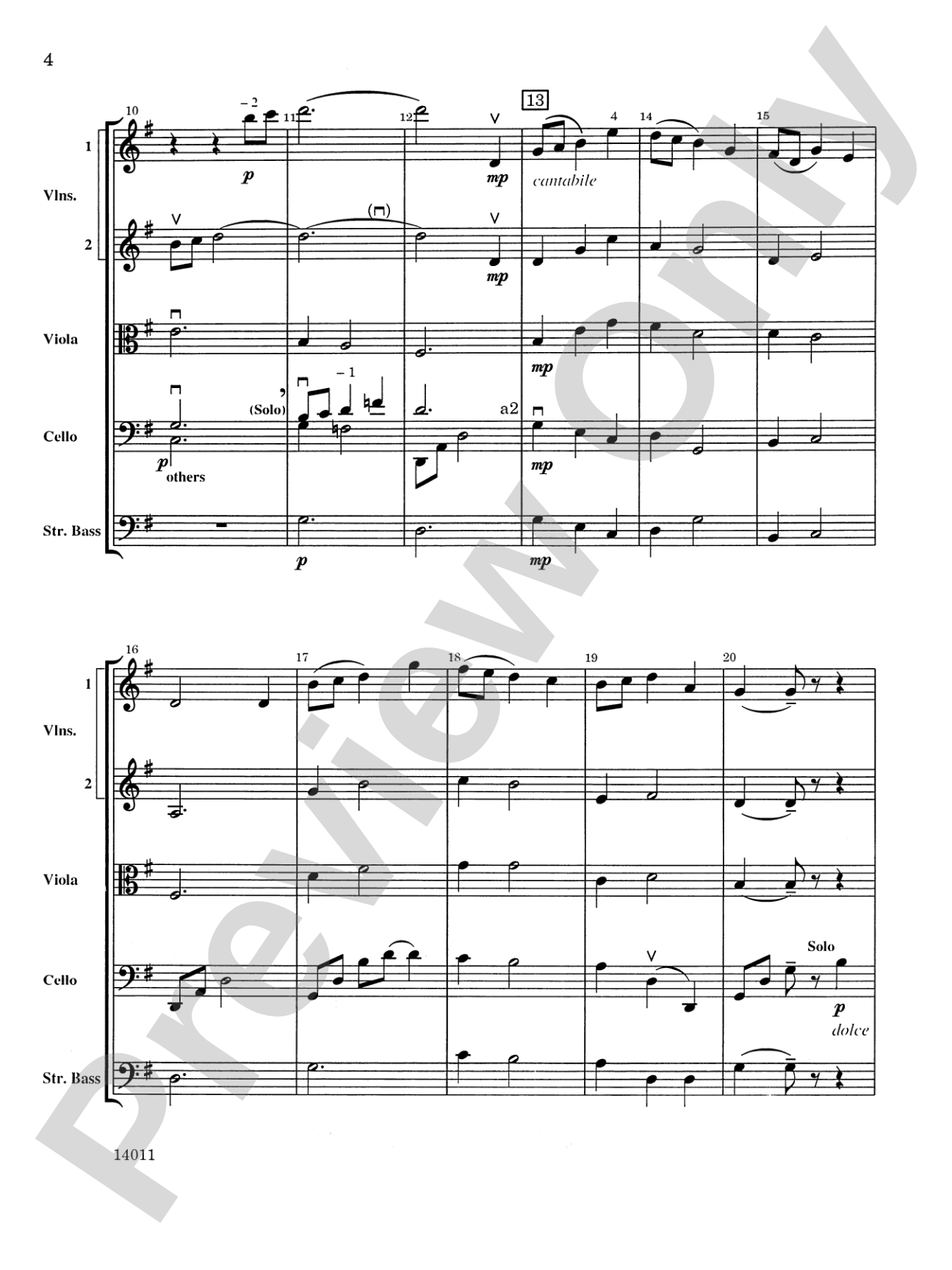
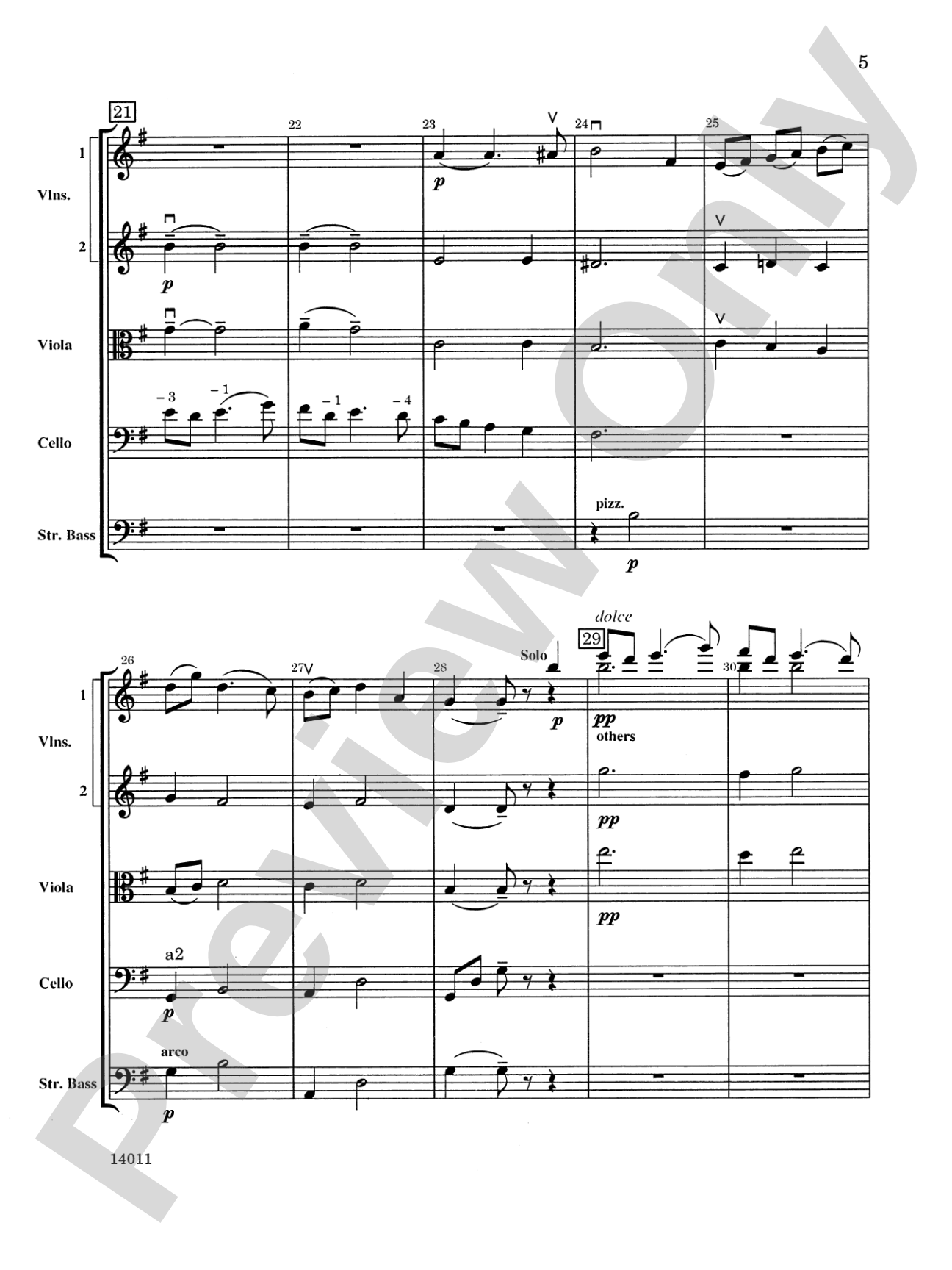
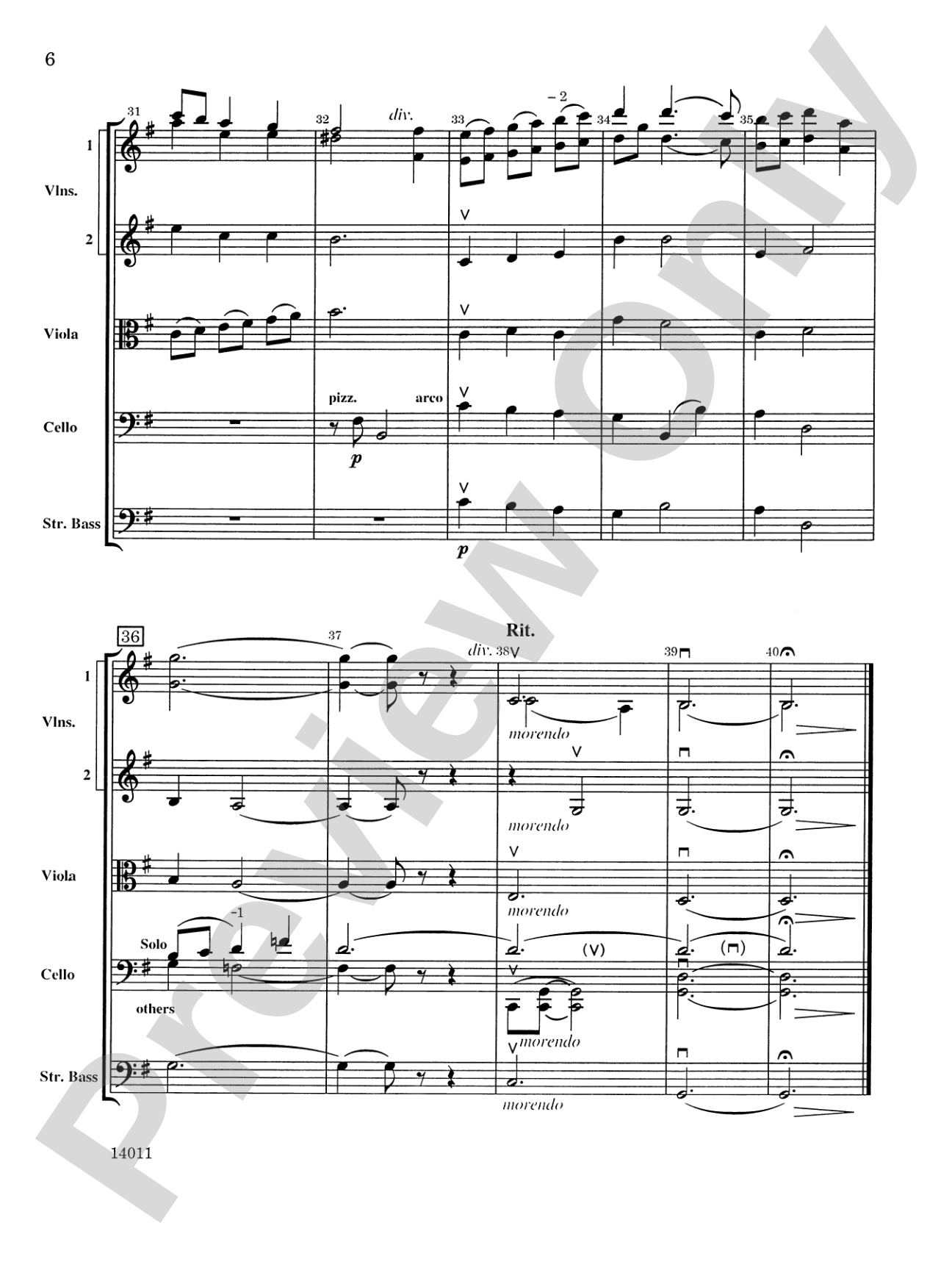
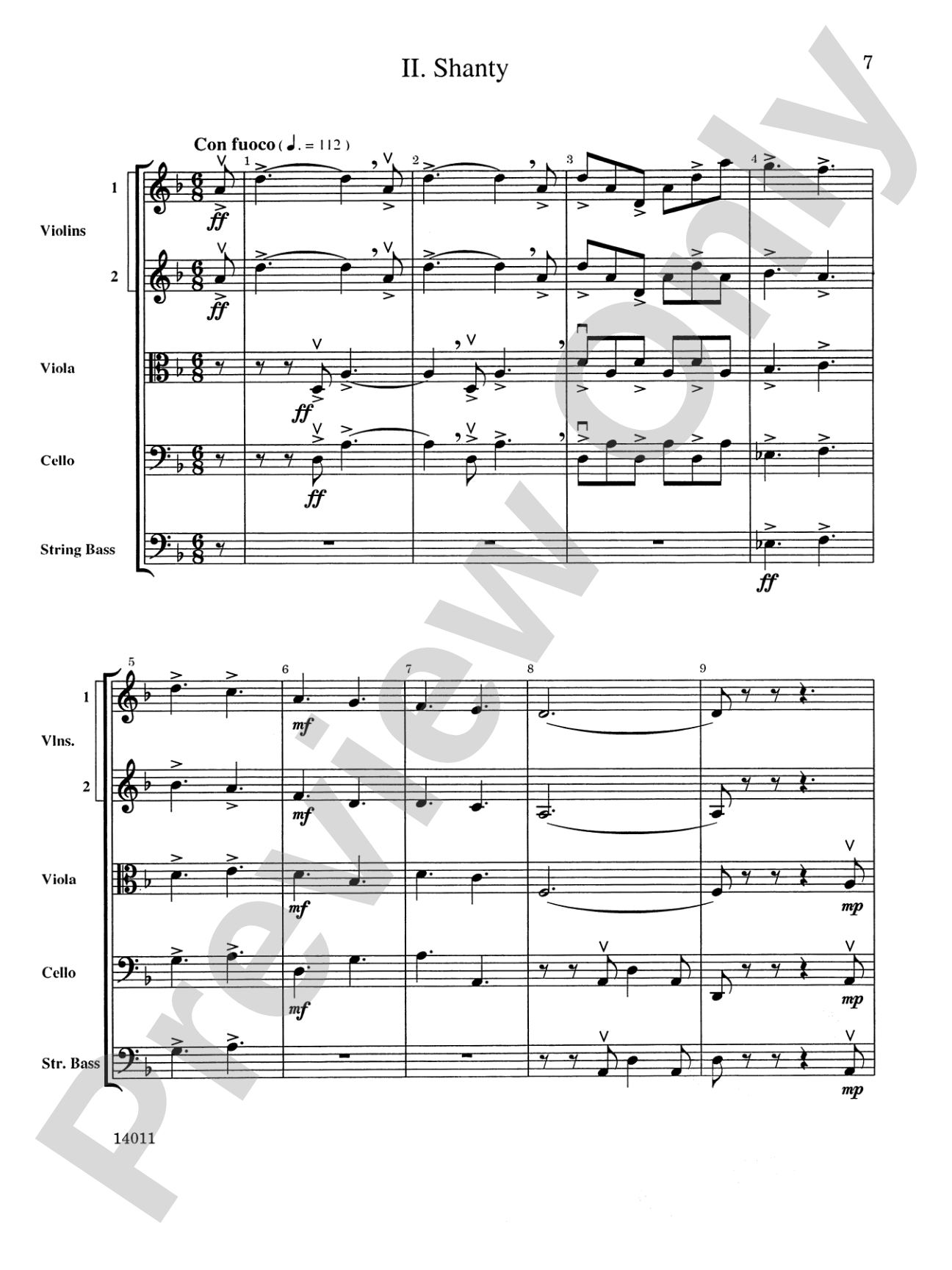
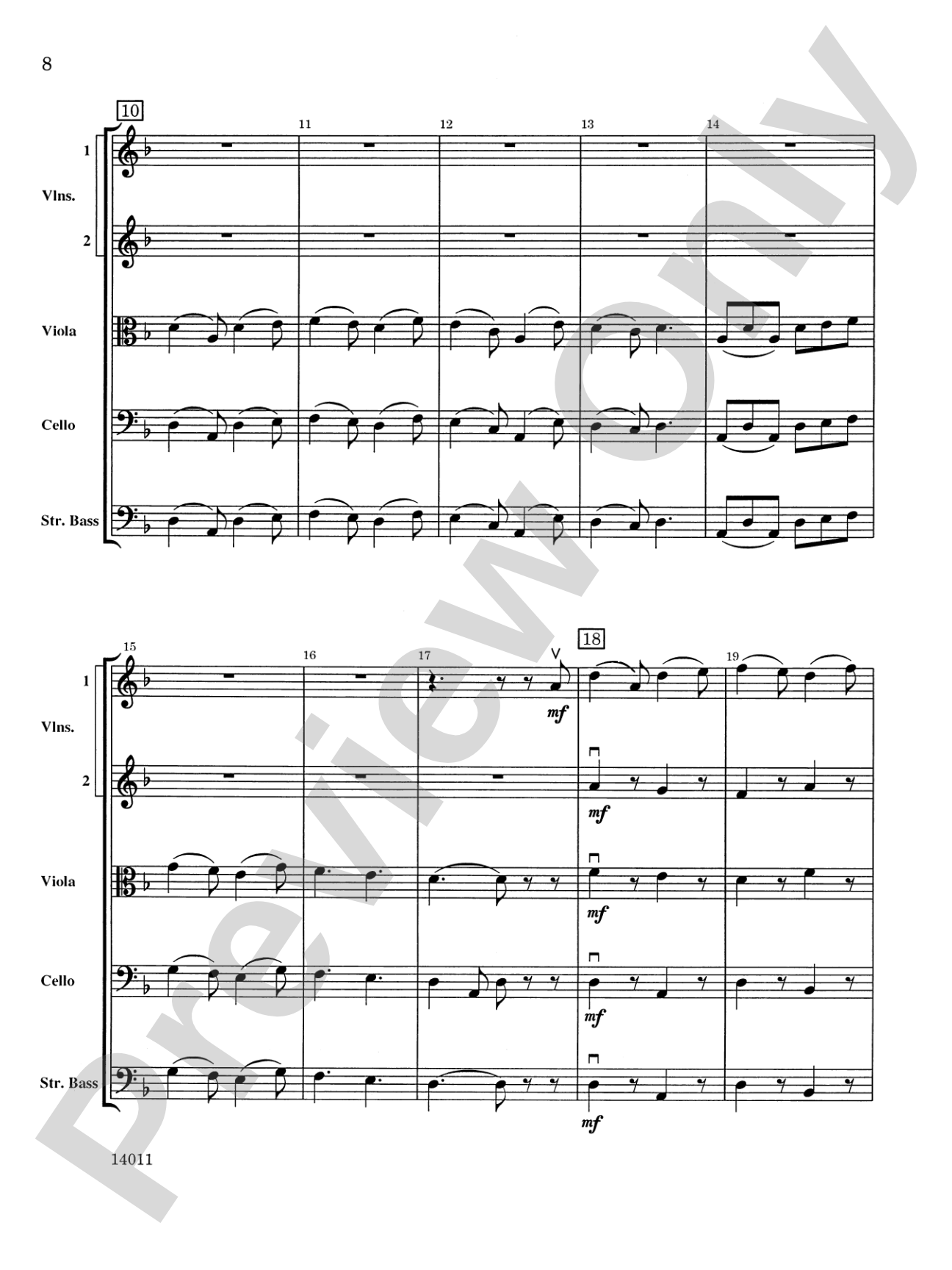
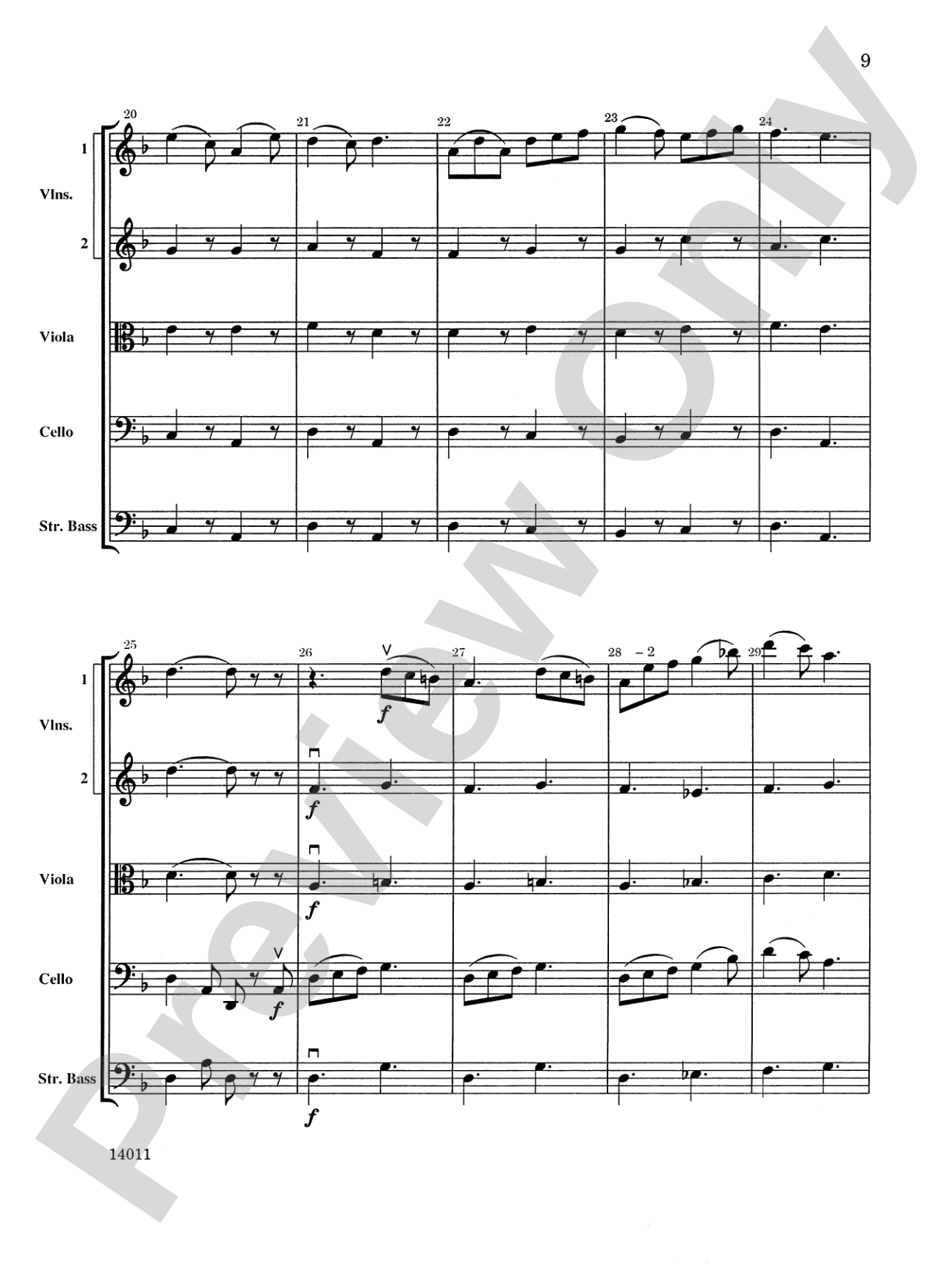
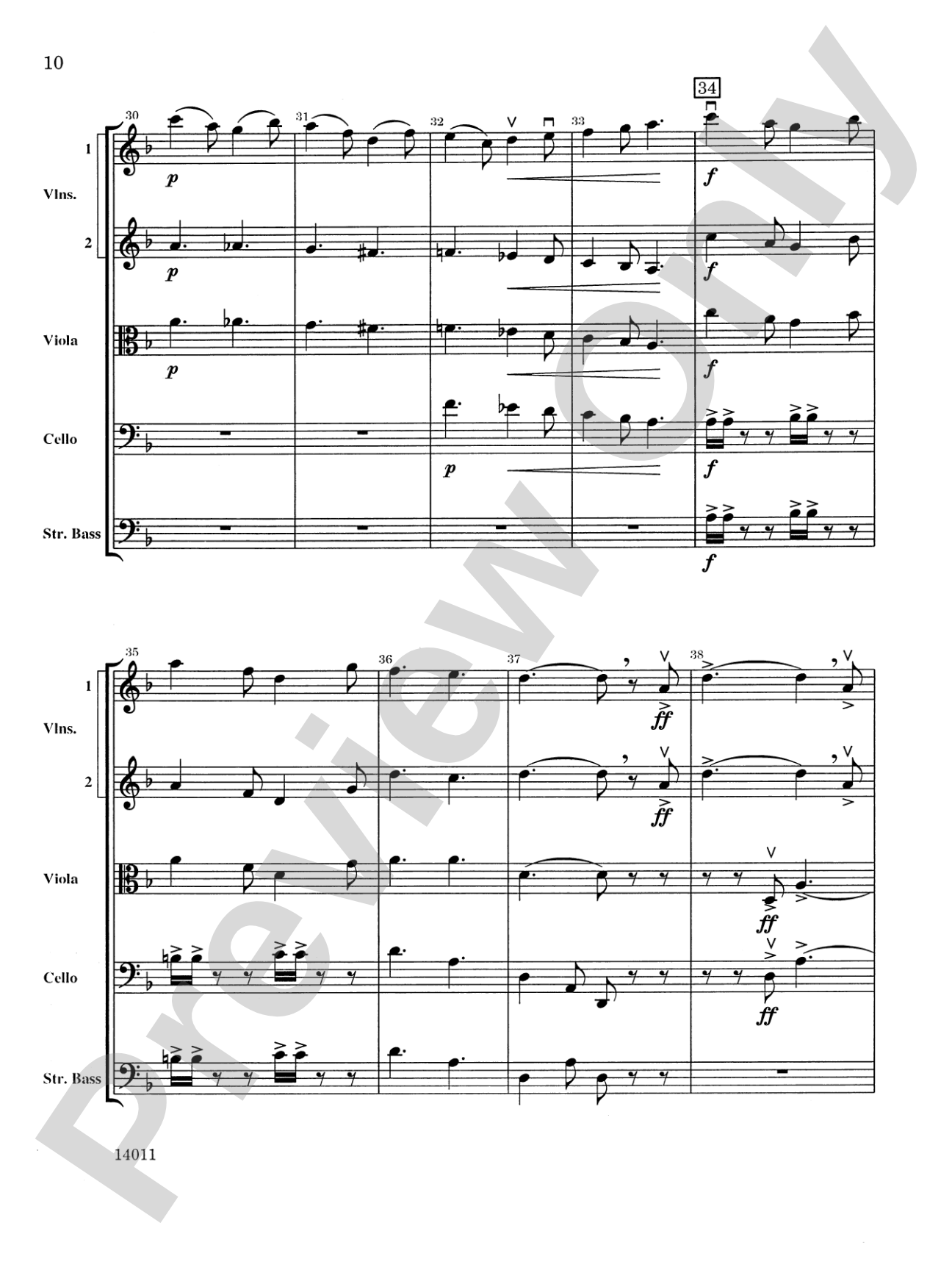
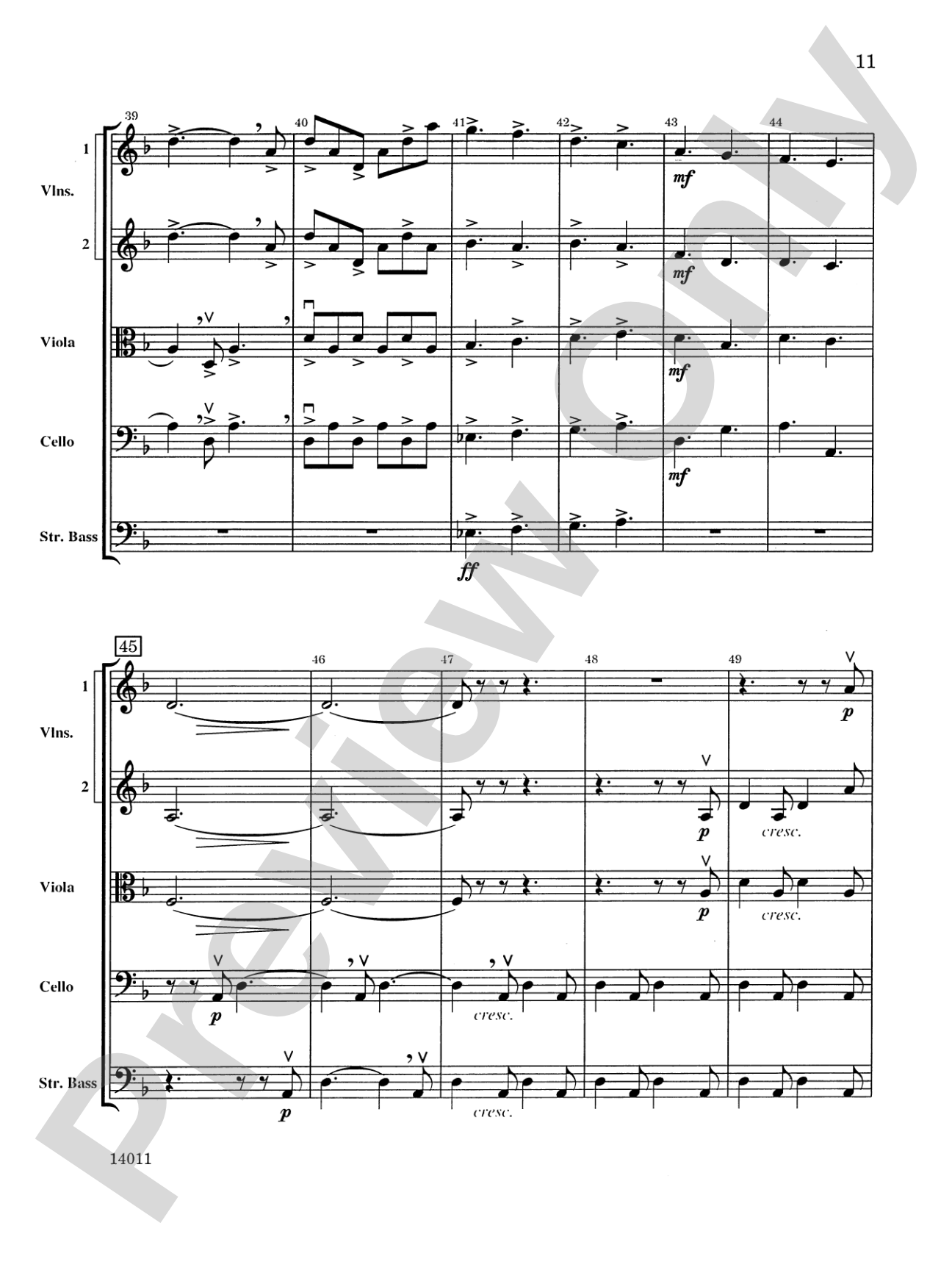
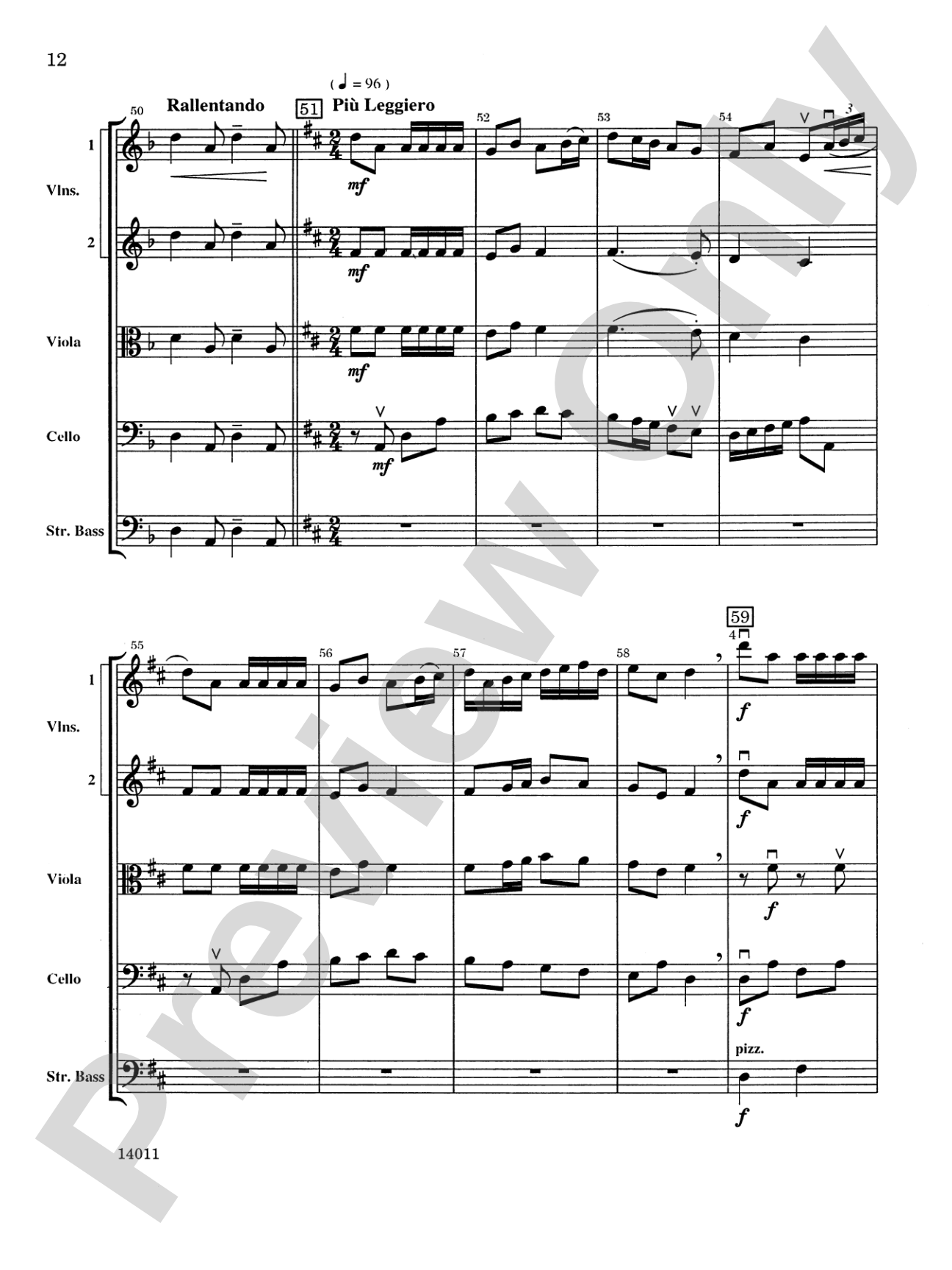
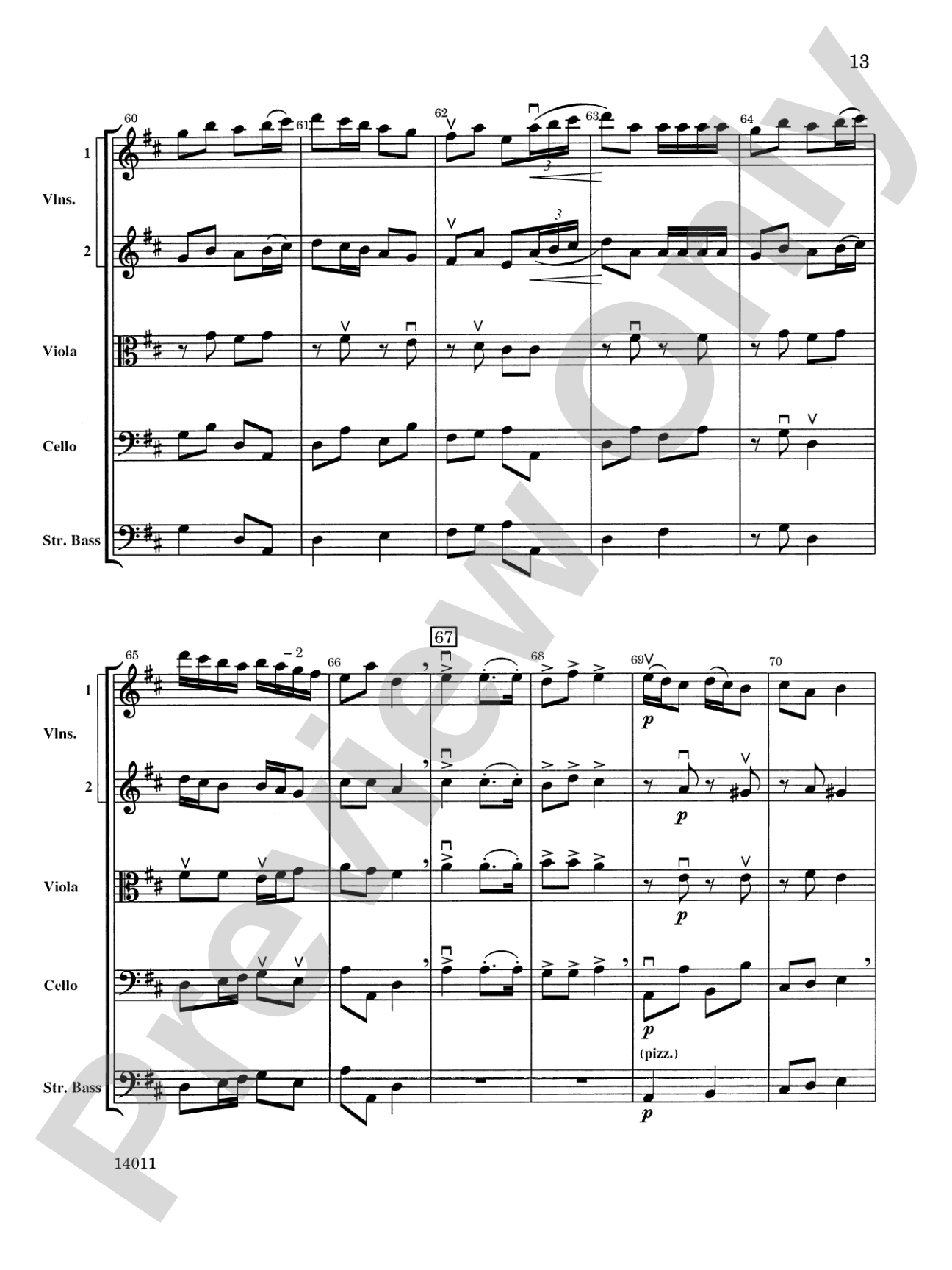
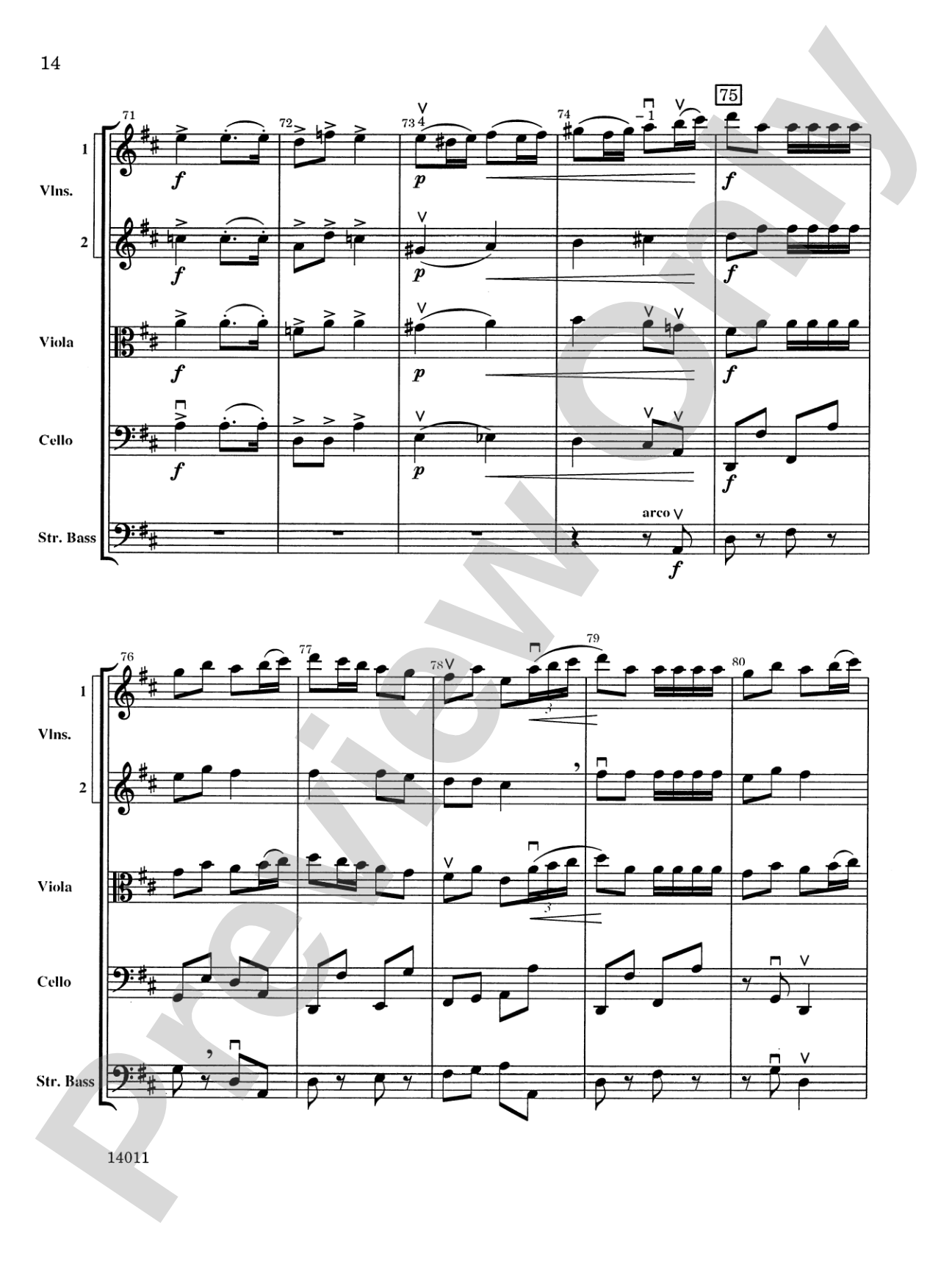
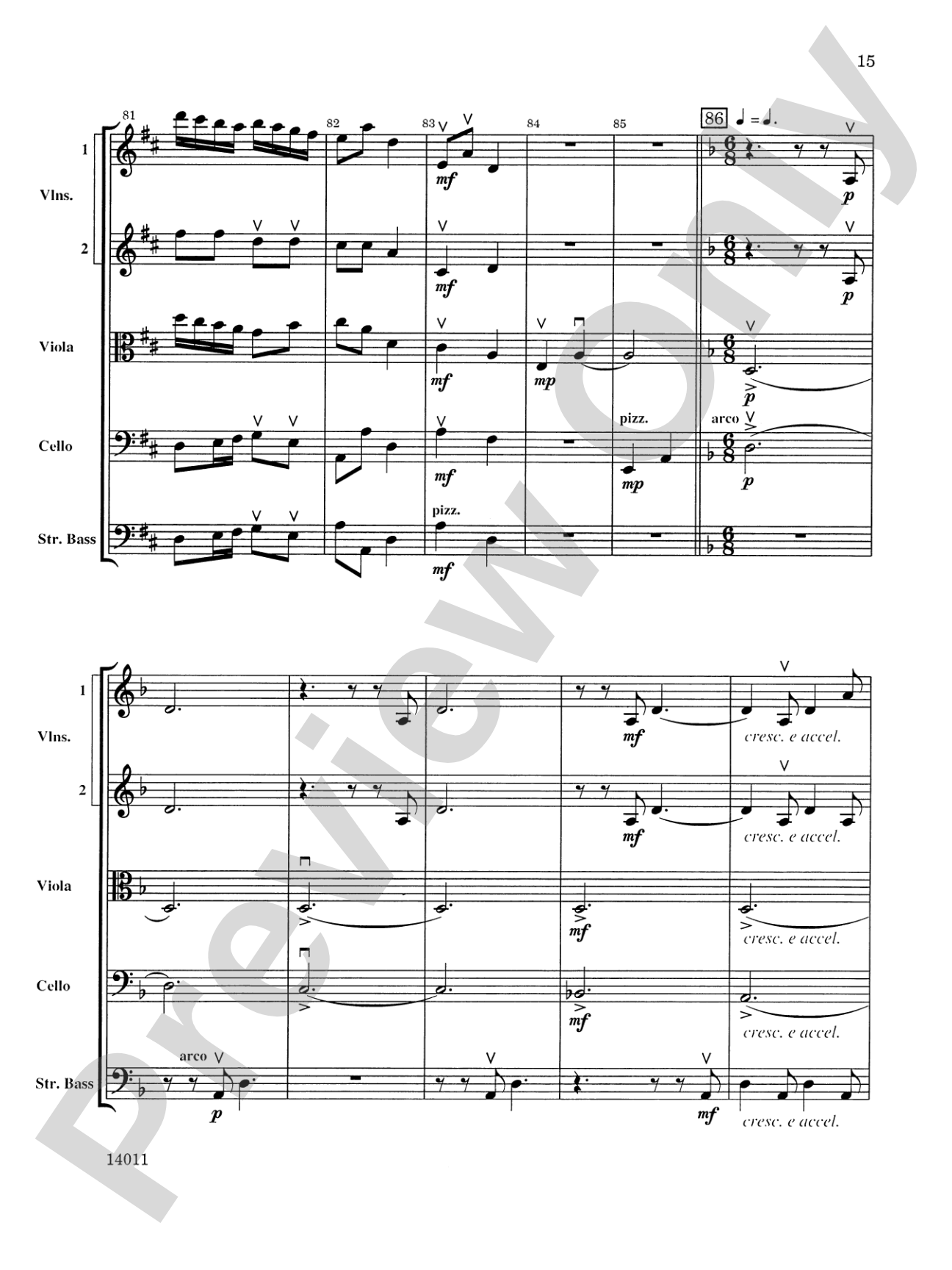
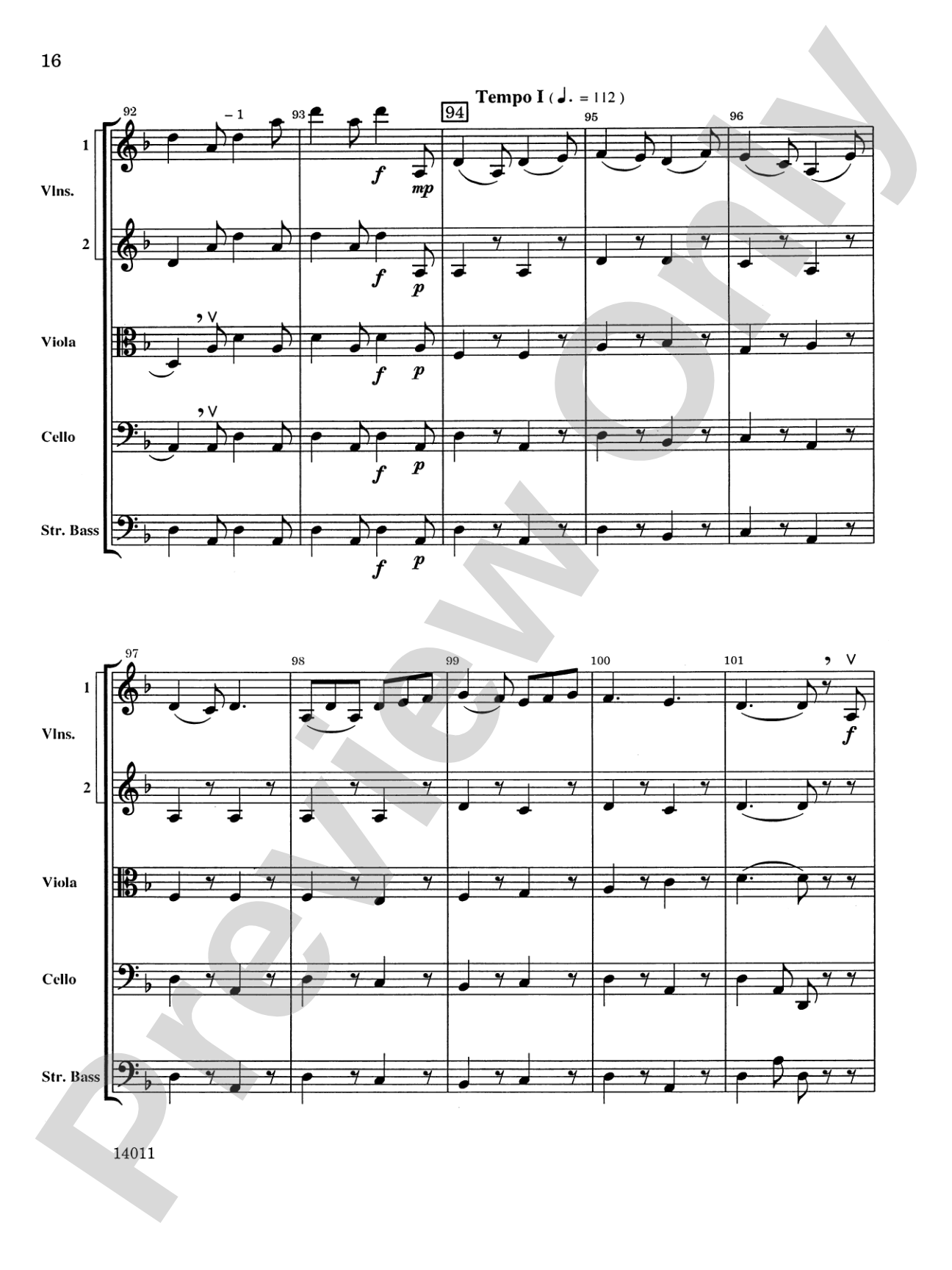
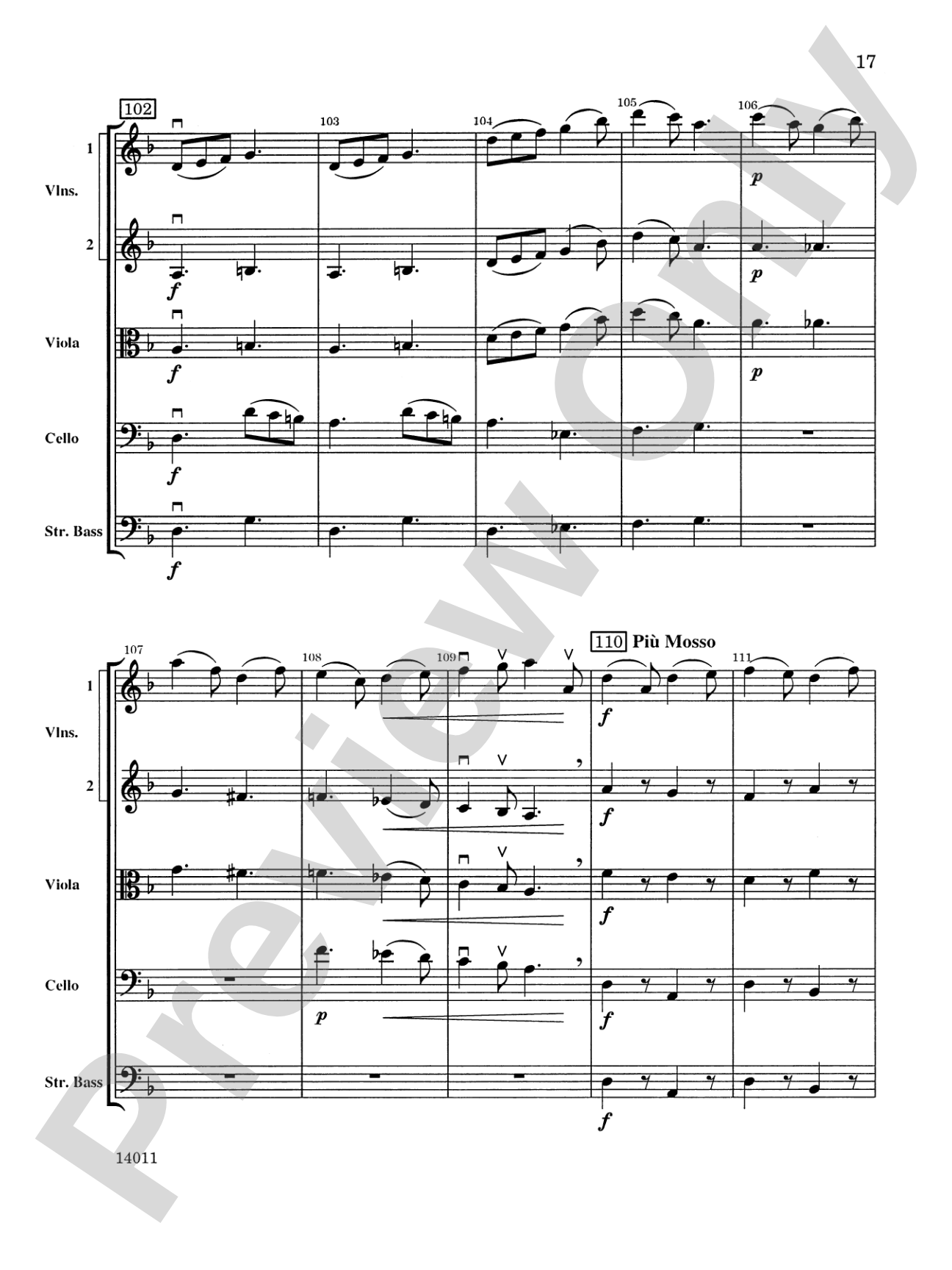
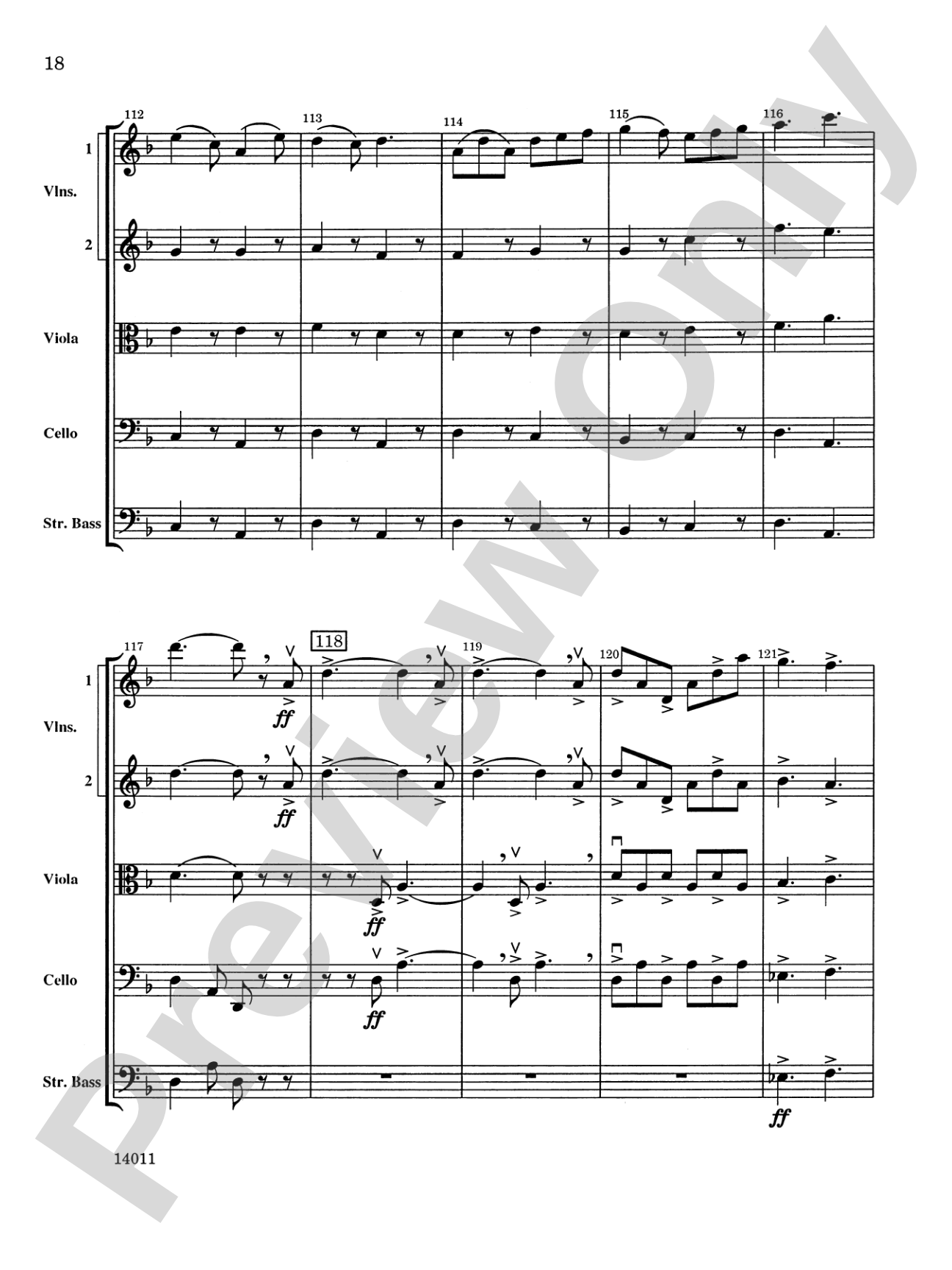
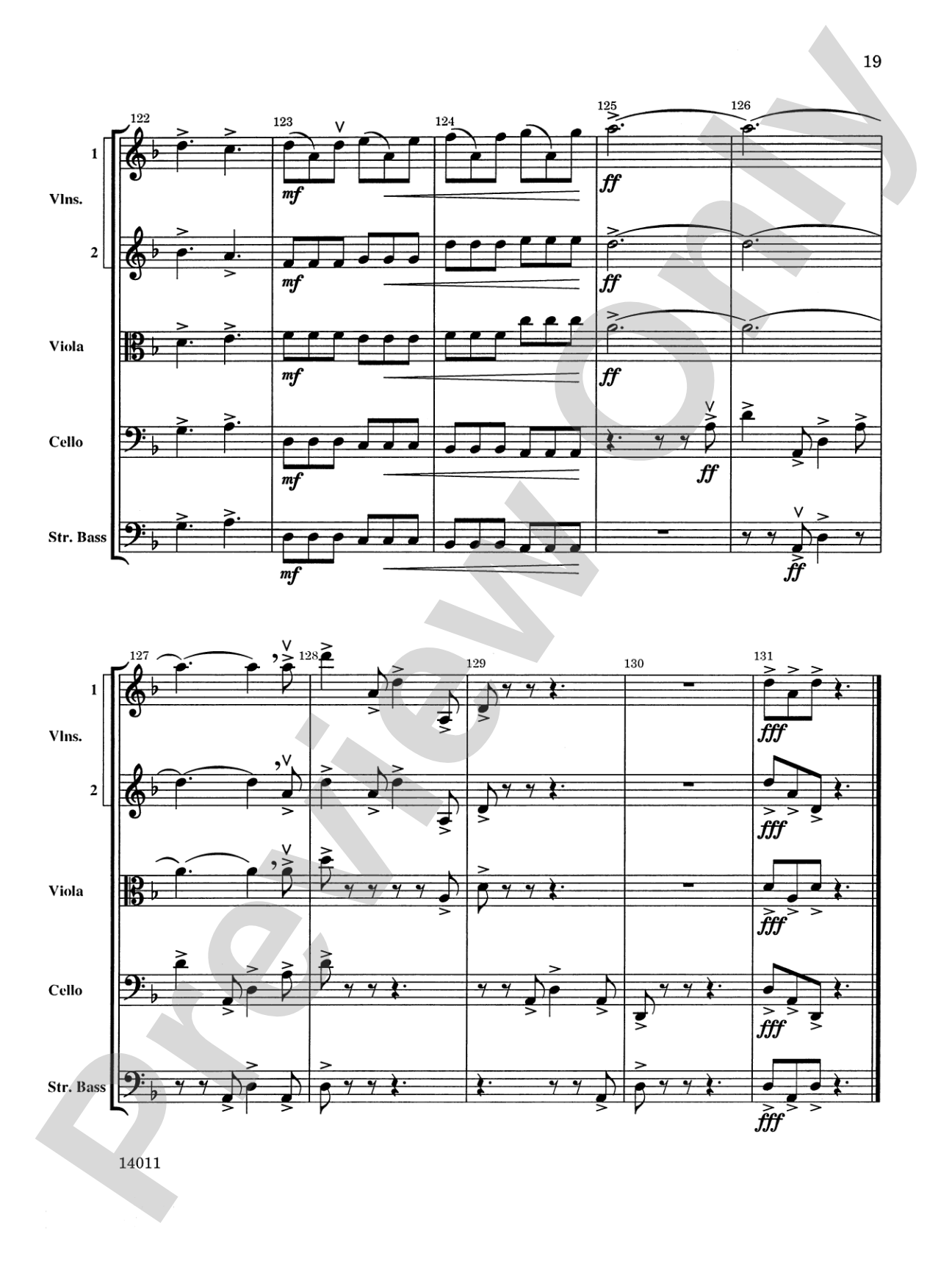
An original work written in the British folk-song style by Richard Meyer, the two contrasting movements provide a variety of enriching musical experiences. The first movement features cantabile solos for cello and violin, while the exciting second movement utilizes a jig and a fiddle tune along with some nice contemporary harmonies to create a powerful concert selection. (Grade 3) This title is available in MakeMusic Cloud.


Don't just read it, hear it, play along with it, and watch your students grow with it. In MakeMusic Cloud, Folk Song and Shanty: String Orchestra Conductor Score & Parts comes alive with professional accompaniment, adjustable tempo, and built-in practice tools that turn solo practice into real progress.
Open in the Player
Jump straight in and assign it today.
Start Your Free Trial
Open this title and explore the full library in minutes.
Sample Audio
1
Audio File
--:--
0:00
0:00
Sample Video
No sample videos found.
Additional Details
Series:
Highland/Etling String Orchestra
Publisher:
Alfred Music
Page Count:
114
SKU:
00-PK-0000163
More about this title
About the Composer: Richard Meyer
Richard Meyer built his reputation over 35 years as a string educator in California public schools, most notably directing orchestras at Oak Avenue Intermediate School in Temple City, where he expanded the program from 29 students to 200. Beyond the classroom, he served as music director of the Pasadena Youth Symphony Orchestra for 16 years, leading ensembles on international tours to Vienna, Australia, and Canada, while also establishing the nationally recognized "Giving Bach" program that brings interactive concerts to underserved communities throughout Southern California.
As a composer, Meyer has earned national recognition with over 190 published works and arrangements. He spent 16 years as string editor for Alfred Publishing Company and co-authored multiple string method books, including the widely adopted String Explorer Series and Sight-read It for Strings. He has been featured at the A.S.T.A. National Conference, the Texas Orchestra Directors' Association Conference, and guest-conducted All-State and Honor Orchestras across several states.
Why we love this
Meyer understands exactly what Grade 3 orchestras need: substantial musical content without technical overload. The two-movement design gives you real structural variety in a single piece, and the folk-song foundation makes it accessible to students while the contemporary harmonies in the second movement prevent it from feeling simplistic.
What to expect
The first movement settles into the warm, lyrical quality of traditional British folk song, with soloists carrying gentle melodies while the ensemble provides supportive texture. The second movement shifts entirely, catching fire with the rhythmic swagger of a jig and the ornery humor of a fiddle tune, all dressed in harmonies that feel contemporary without losing the folk character.
Who it's for
String orchestras at the intermediate and early high school level looking for authentic folk-influenced material with real pedagogical depth. Directors who want a festival piece that challenges students musically without demanding advanced technique.
How to get the most out of it
- Let the first movement breathe. The cello and violin solos require genuine cantabile tone from your players, so rehearse these parts separately and insist on warm, sustained vibrato during full-ensemble run-throughs.
- Lock in the rhythmic energy of the jig and fiddle tune in the second movement early; these folk patterns are deceptive in their simplicity and benefit from conductor precision on the downbeat.
- Balance the contemporary harmonies carefully in movement two. They'll feel unfamiliar to some students, so mark chord changes in parts and drill vertical alignment in sectional rehearsals.
How to use it
Pair this as a centerpiece for a concert celebrating folk traditions and contemporary arrangement; its two-movement structure makes it substantial enough to anchor a program without requiring extended performance time. It also works well in a festival or competition setting where Grade 3 orchestras need repertoire that shows musicality, ensemble control, and cultural awareness.
Skills your students will build
- Cantabile playing with sustained vibrato in solos and ensemble
- Rhythmic precision in folk-dance meters (jig and fiddle-tune patterns)
- Ensemble balance and voice-leading in contemporary harmonies
- Sectional independence while maintaining orchestral cohesion
- Musical phrasing and storytelling in contrasting movement structures