
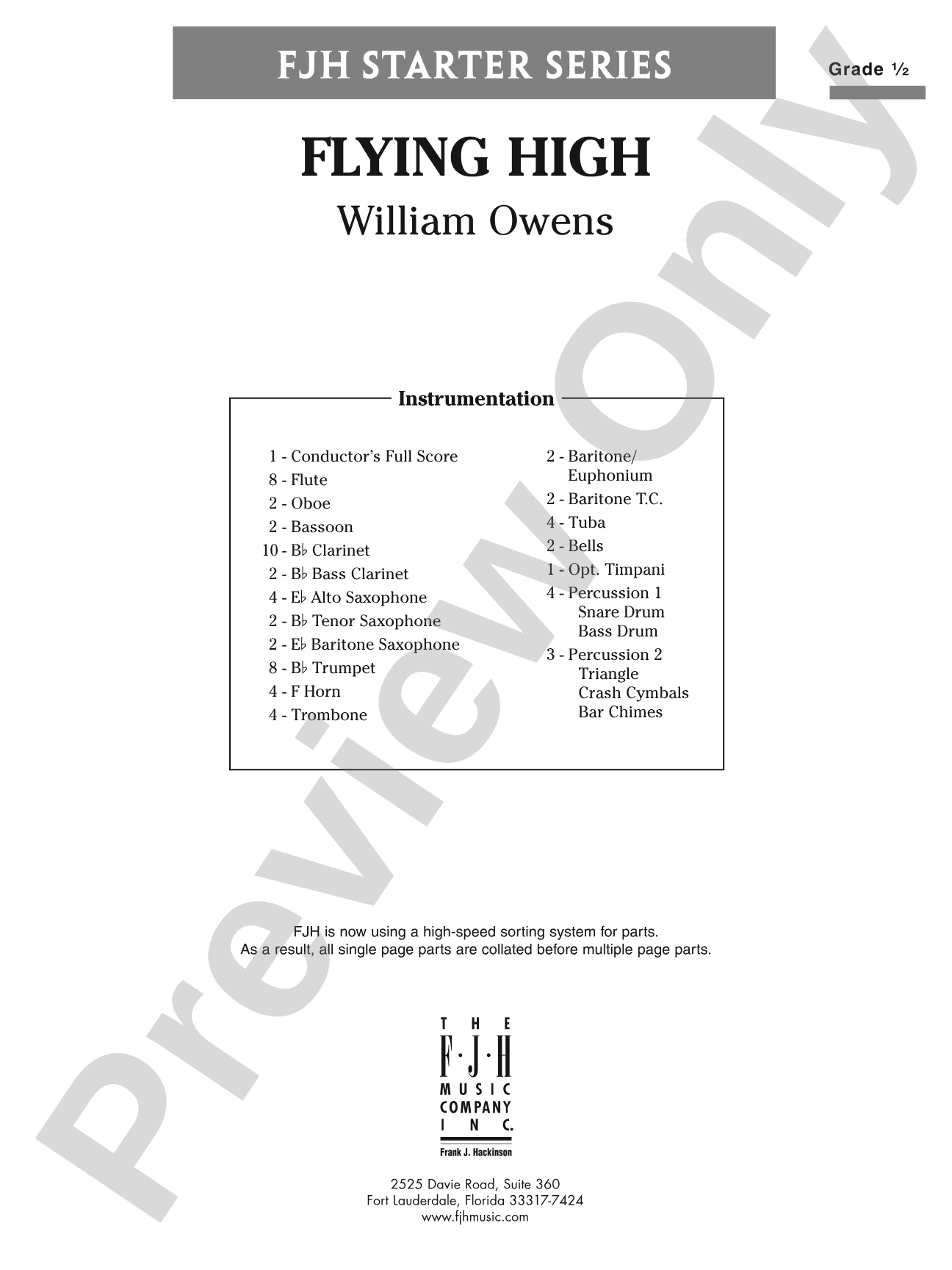

Flying High: Concert Band Conductor Score & Parts
By William Owens
Level:.5
Item: 98-DB1506
$45.00
Pickup currently not available
Buy Extra Parts (Digital PDF Download)
| Product | Price | Quantity |
|---|---|---|
| Flying High: Score | $5.00 | |
| Flying High: Flute | $7.00 | |
| Flying High: Oboe | $7.00 | |
| Flying High: Bassoon | $7.00 | |
| Flying High: B-flat Clarinet | $7.00 | |
| Flying High: B-flat Bass Clarinet | $7.00 | |
| Flying High: E-flat Alto Saxophone | $7.00 | |
| Flying High: B-flat Tenor Saxophone | $7.00 | |
| Flying High: E-flat Baritone Saxophone | $7.00 | |
| Flying High: B-flat Trumpet | $7.00 | |
| Flying High: F Horn | $7.00 | |
| Flying High: Trombone | $7.00 | |
| Flying High: Baritone/Euphonium | $7.00 | |
| Flying High: Baritone T.C. | $7.00 | |
| Flying High: Tuba | $7.00 | |
| Flying High: Bells | $7.00 | |
| Flying High: Opt. Timpani | $7.00 | |
| Flying High: Percussion 1 | $7.00 | |
| Flying High: Percussion 2 | $7.00 |
Parts Added to Cart!
Description
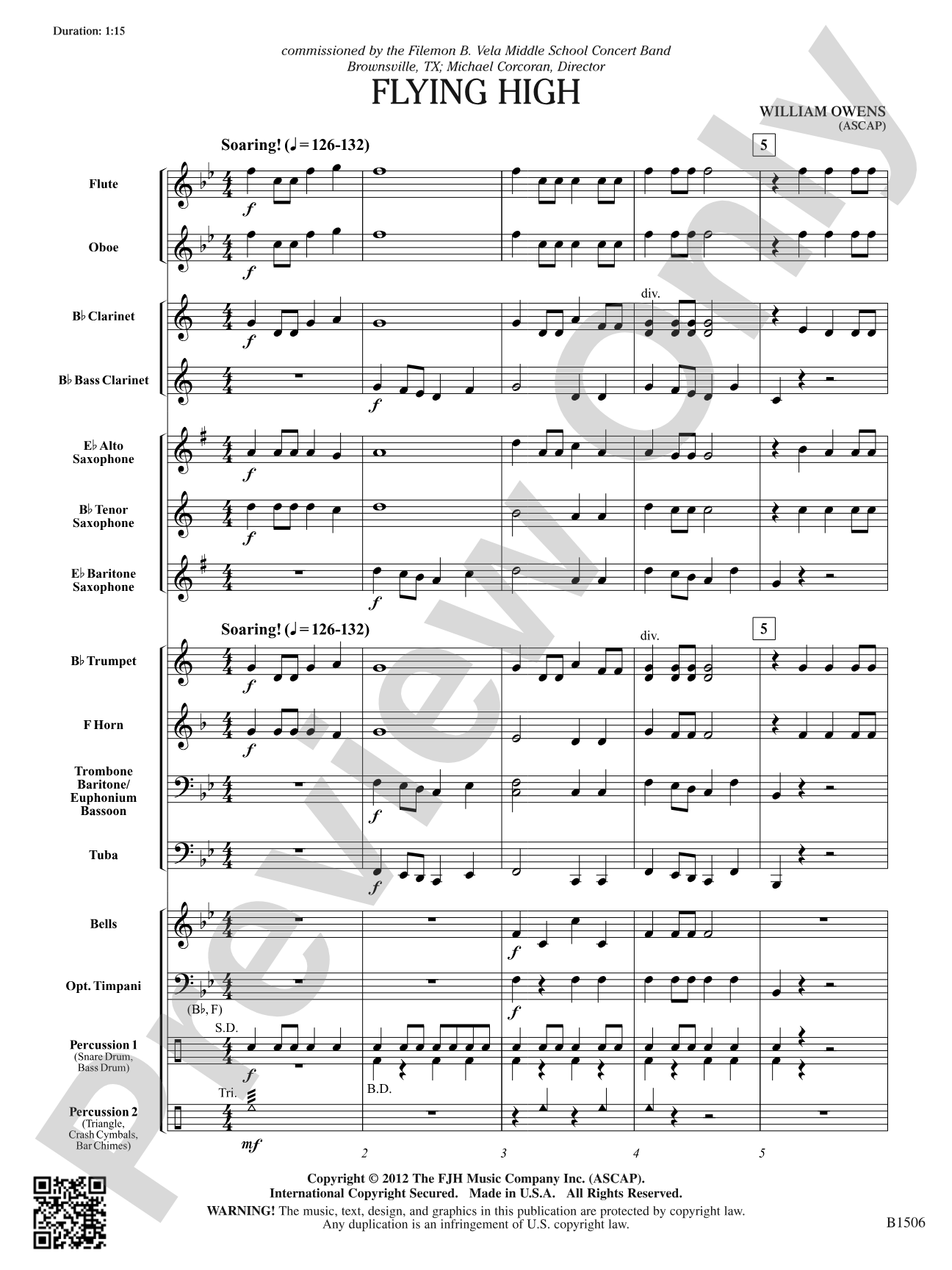
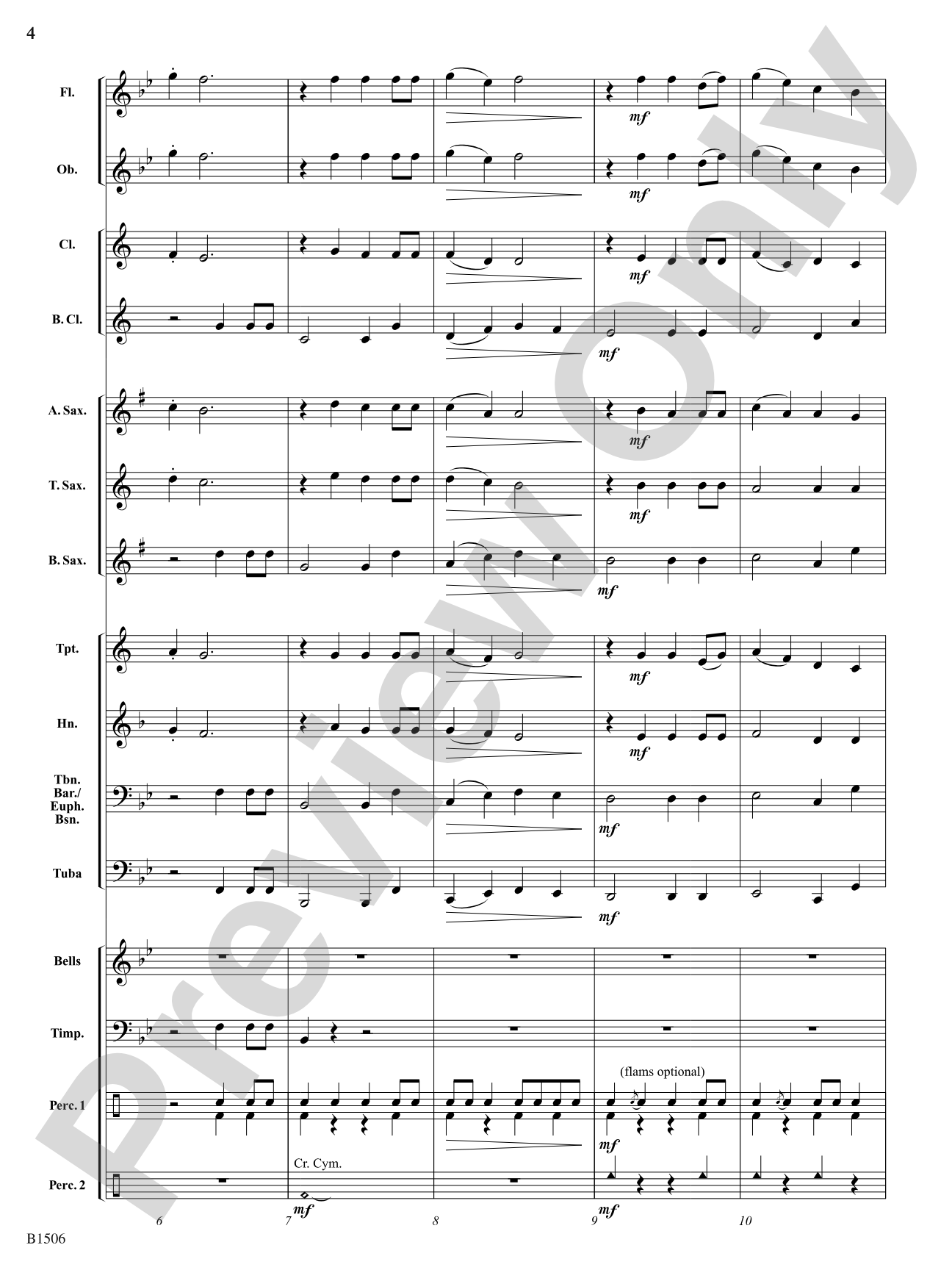
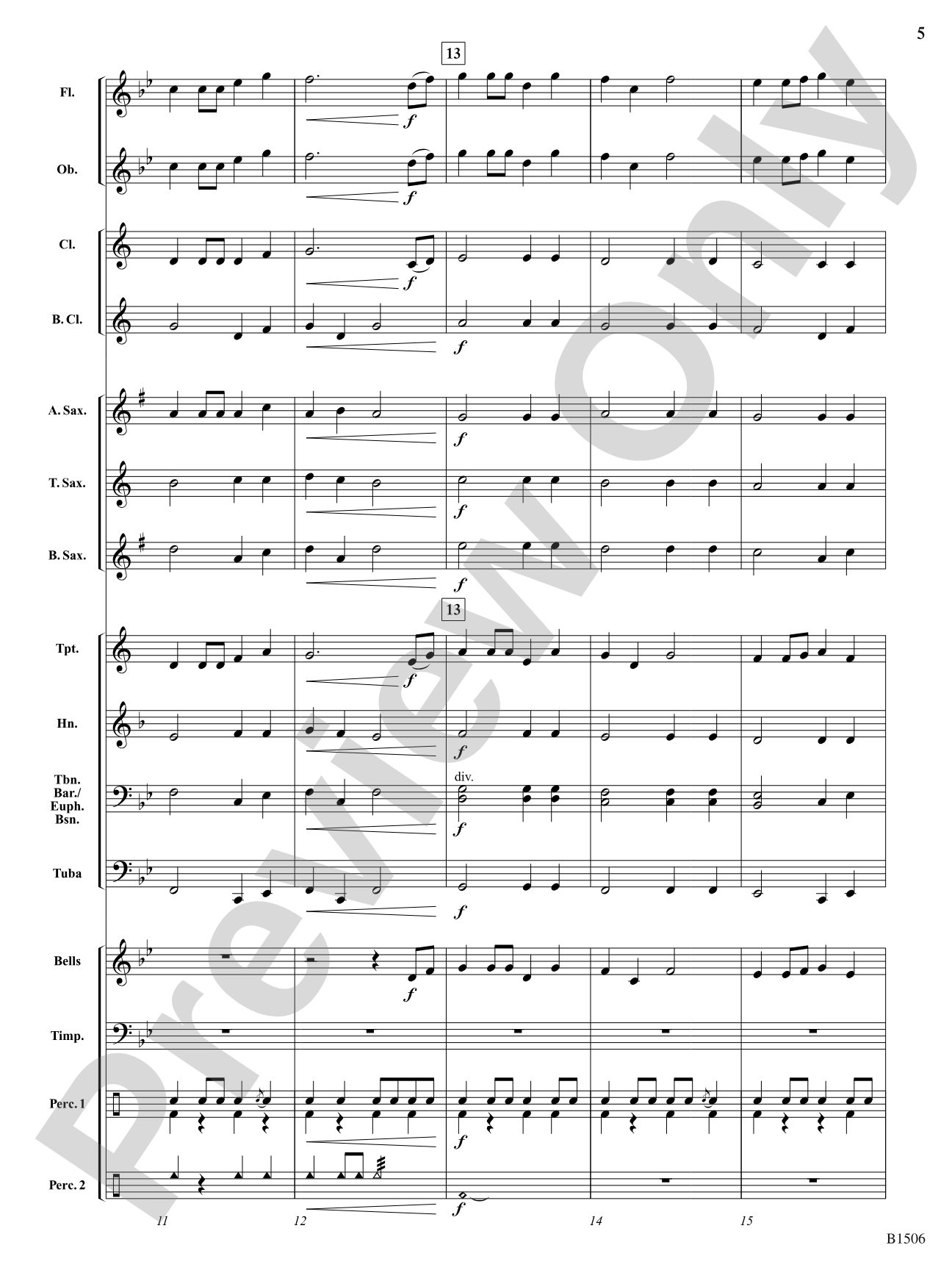
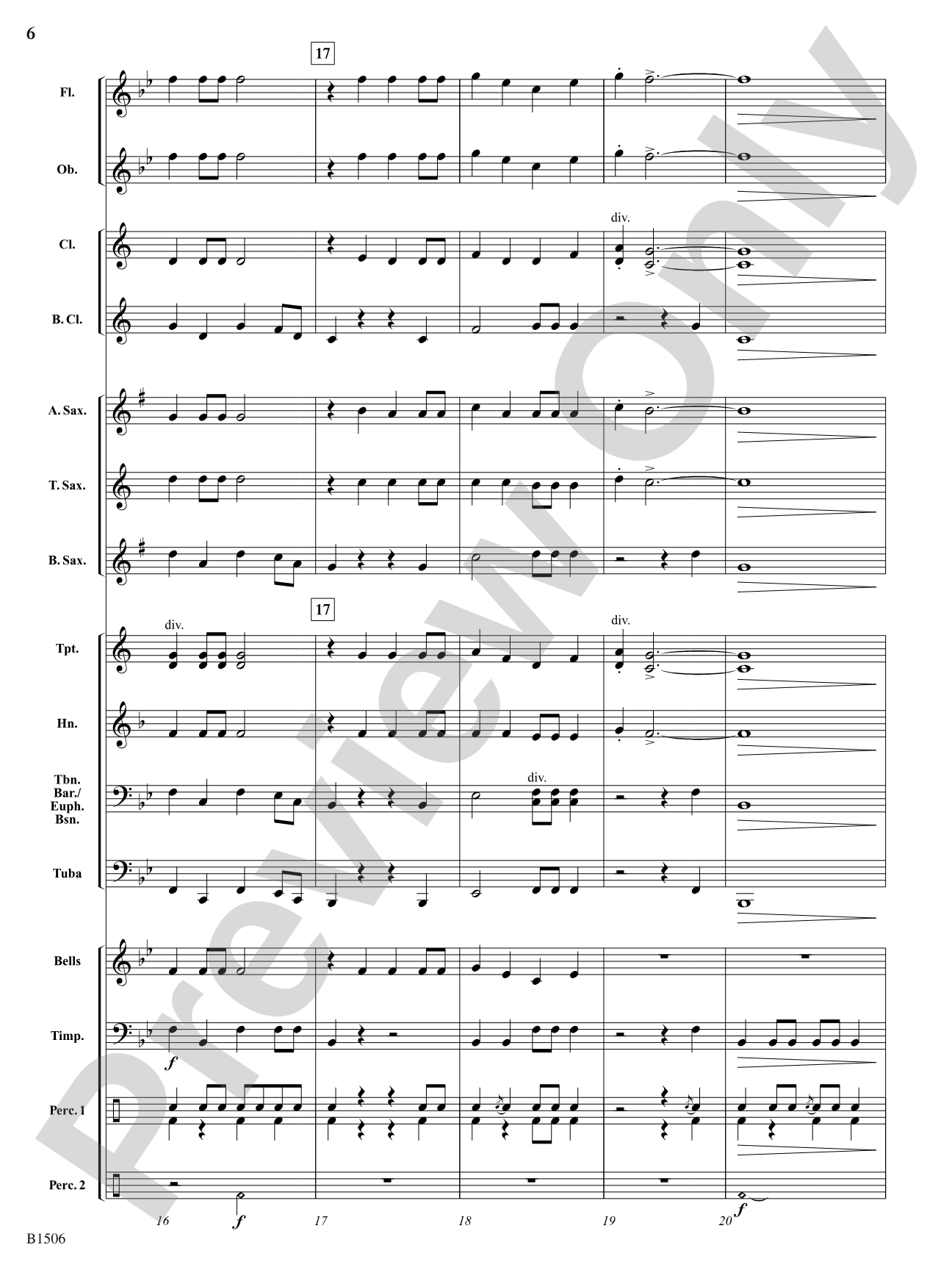
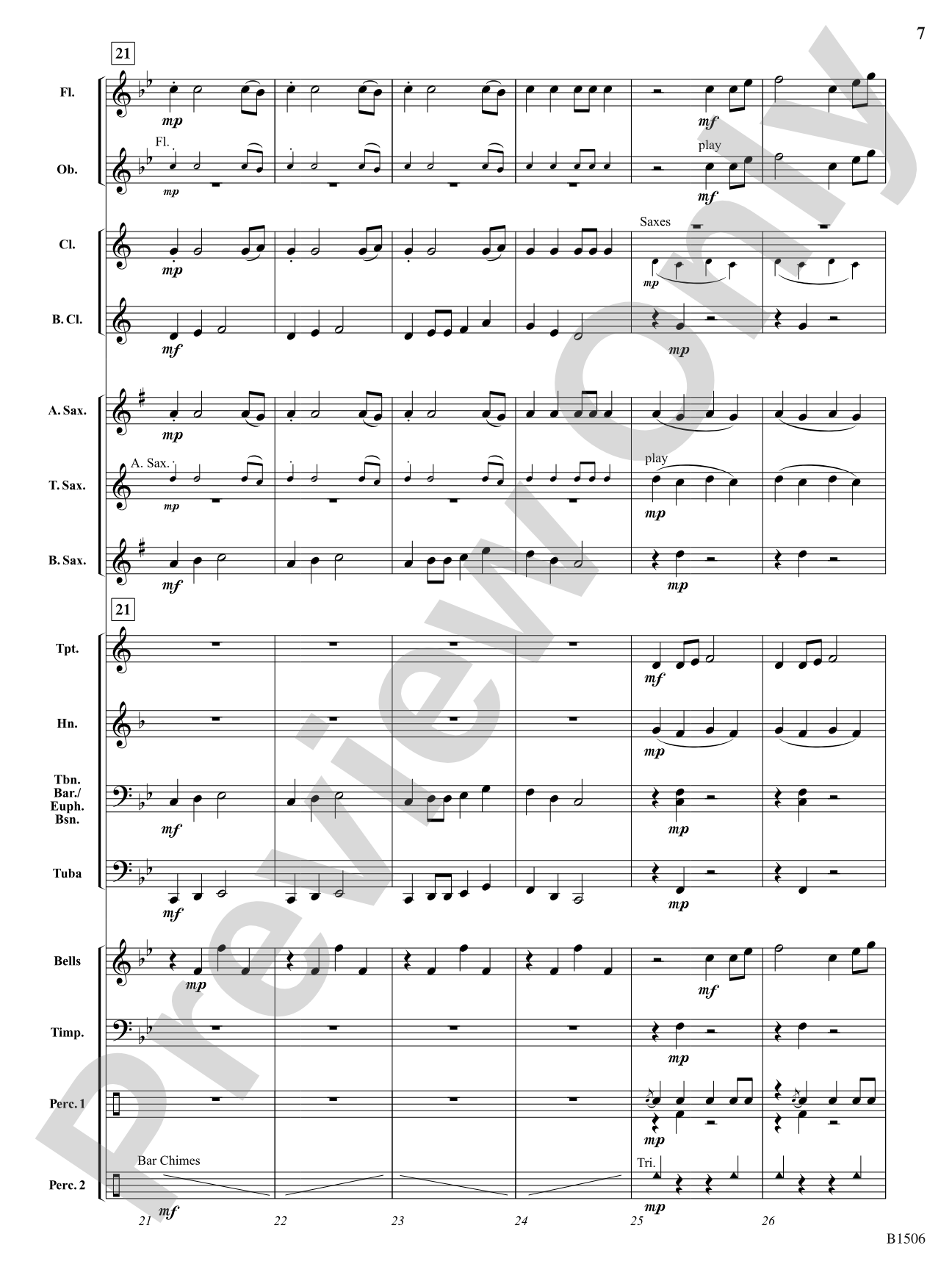
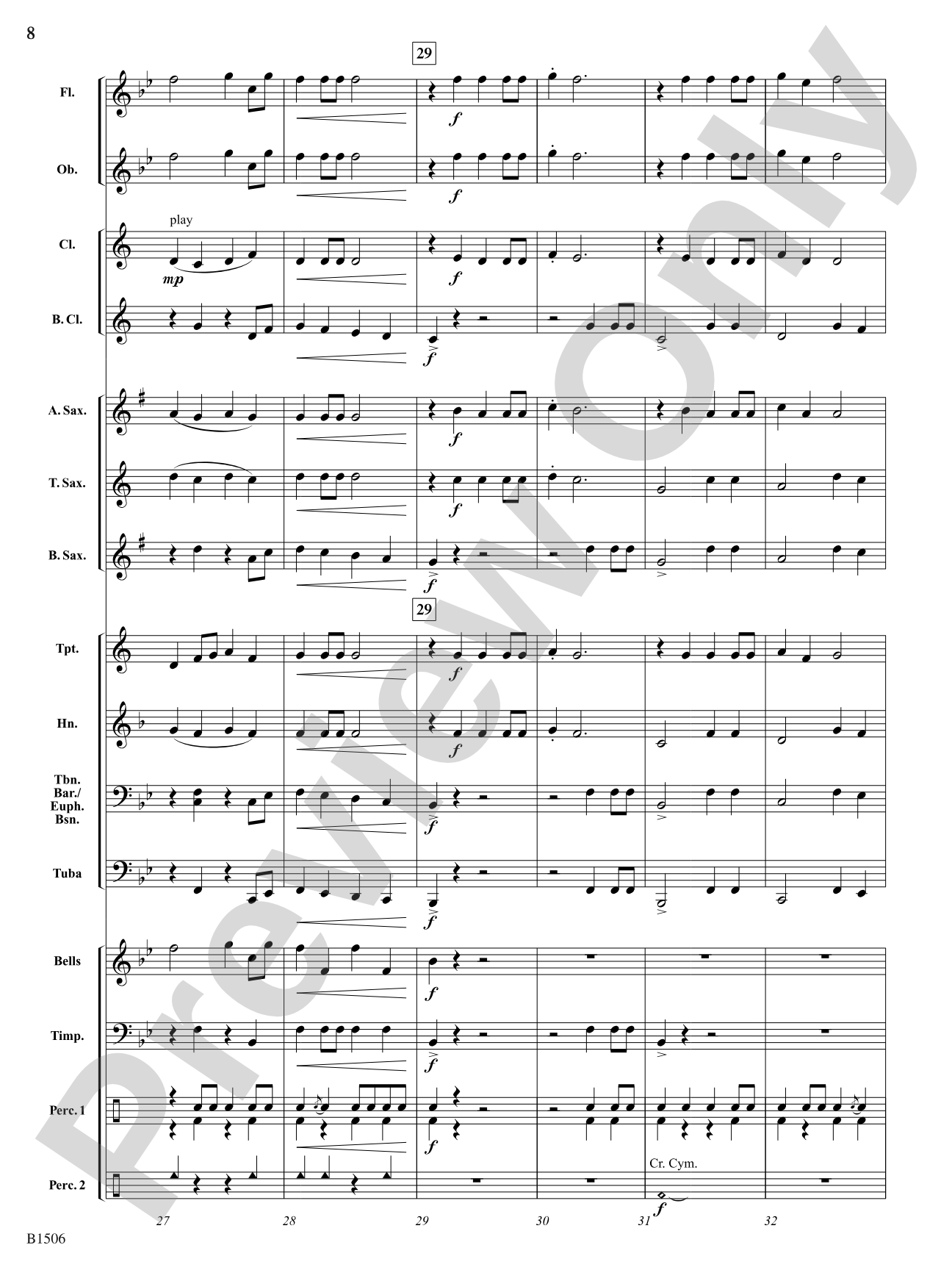
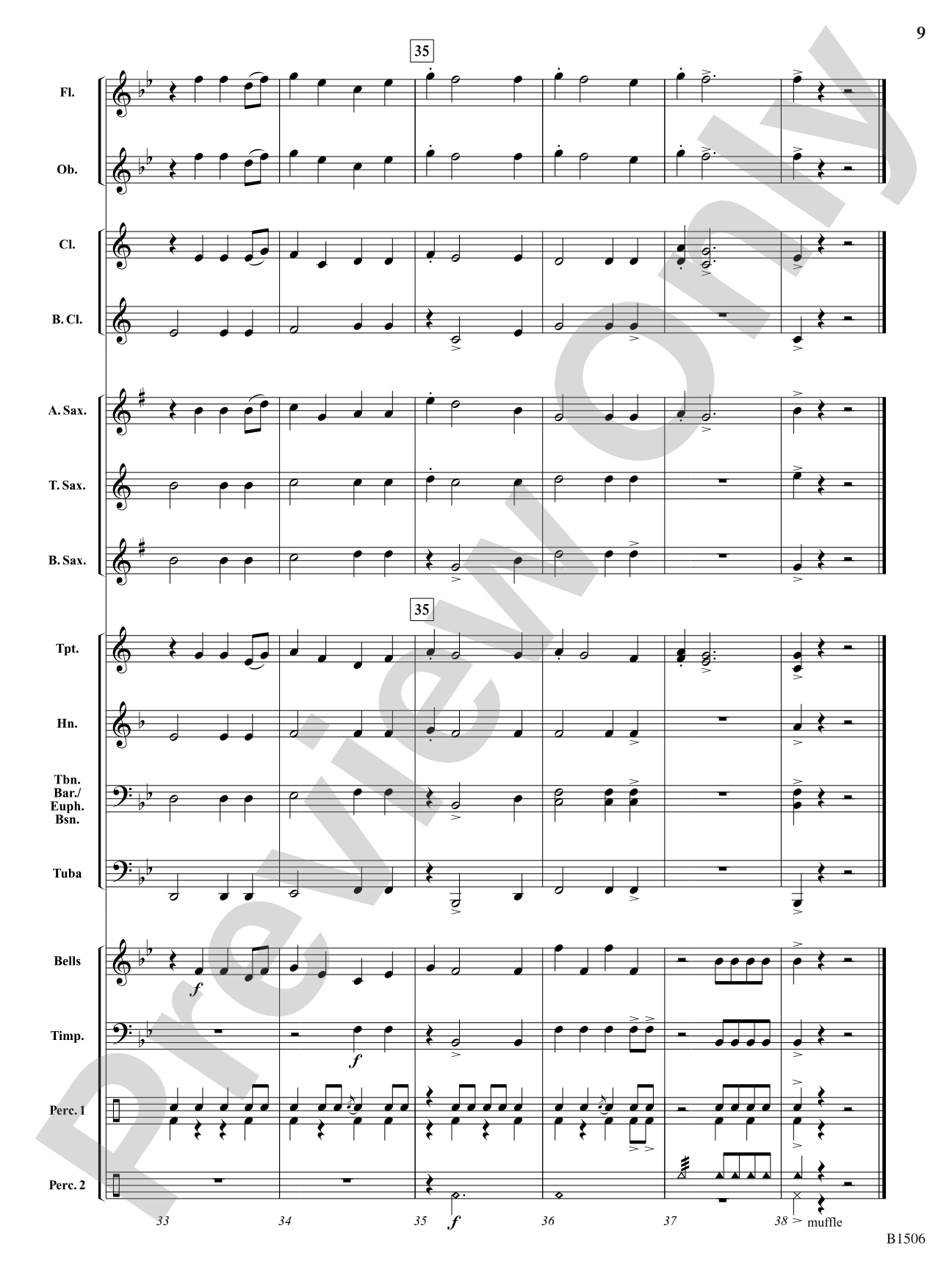
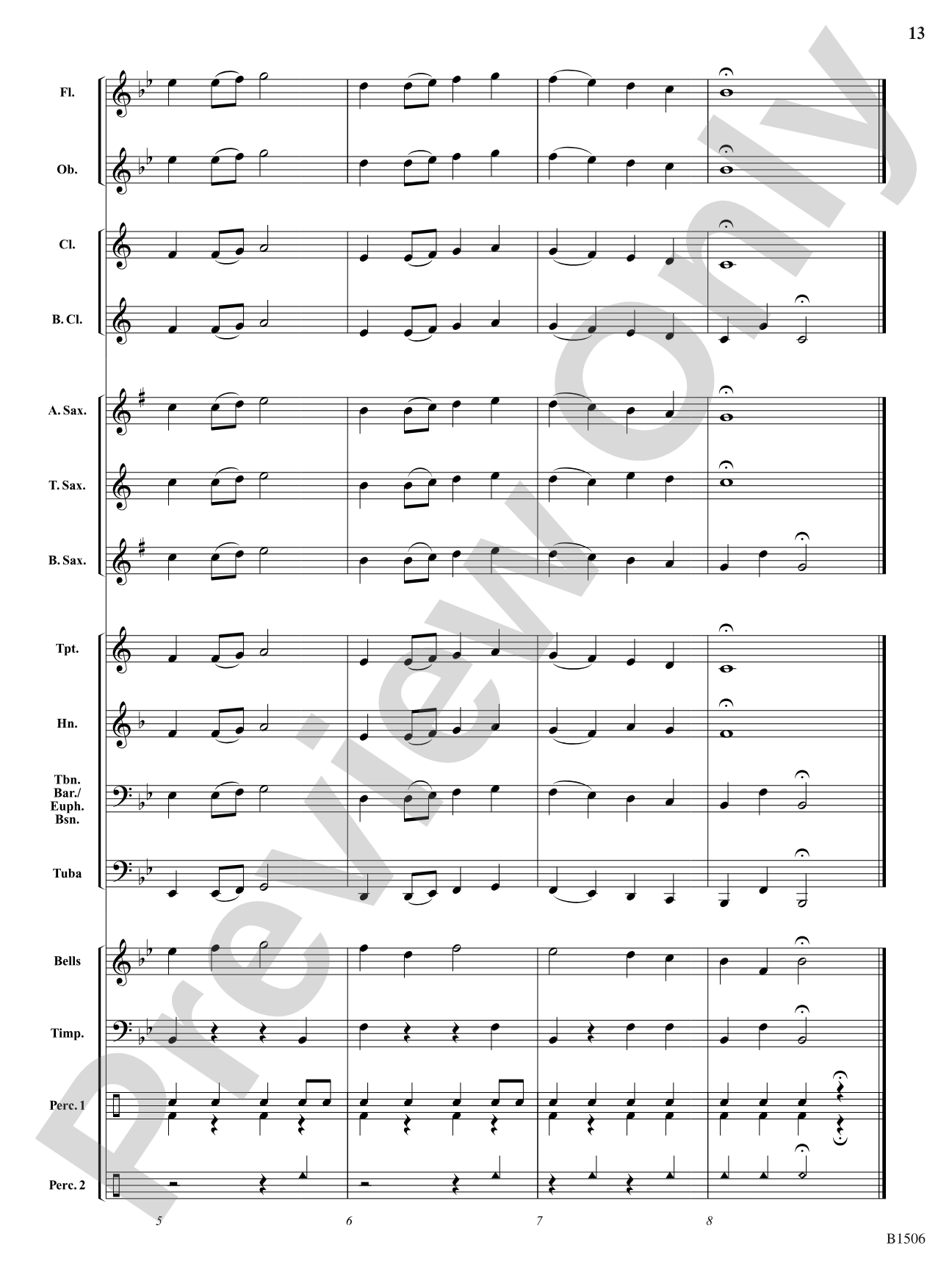
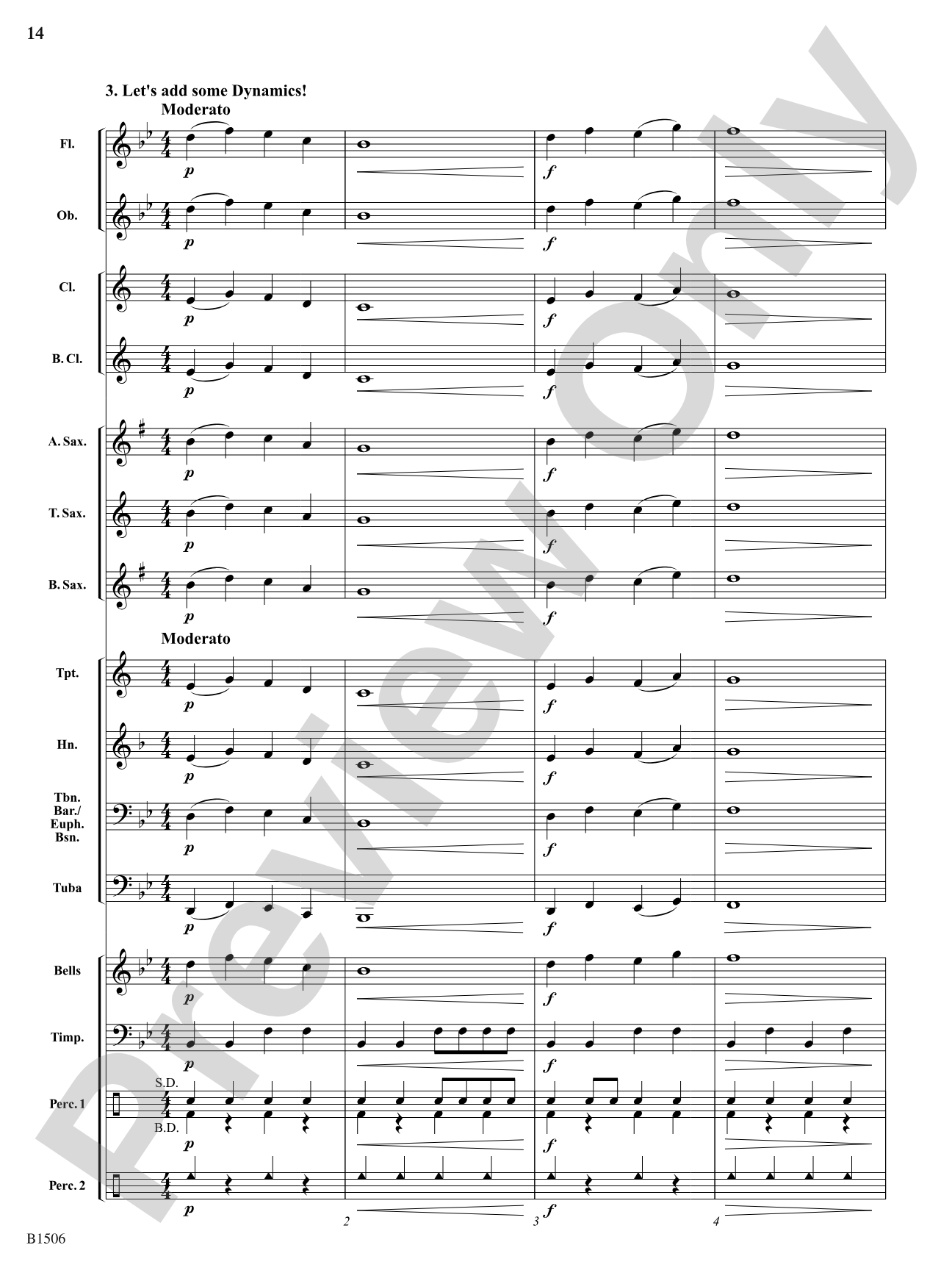
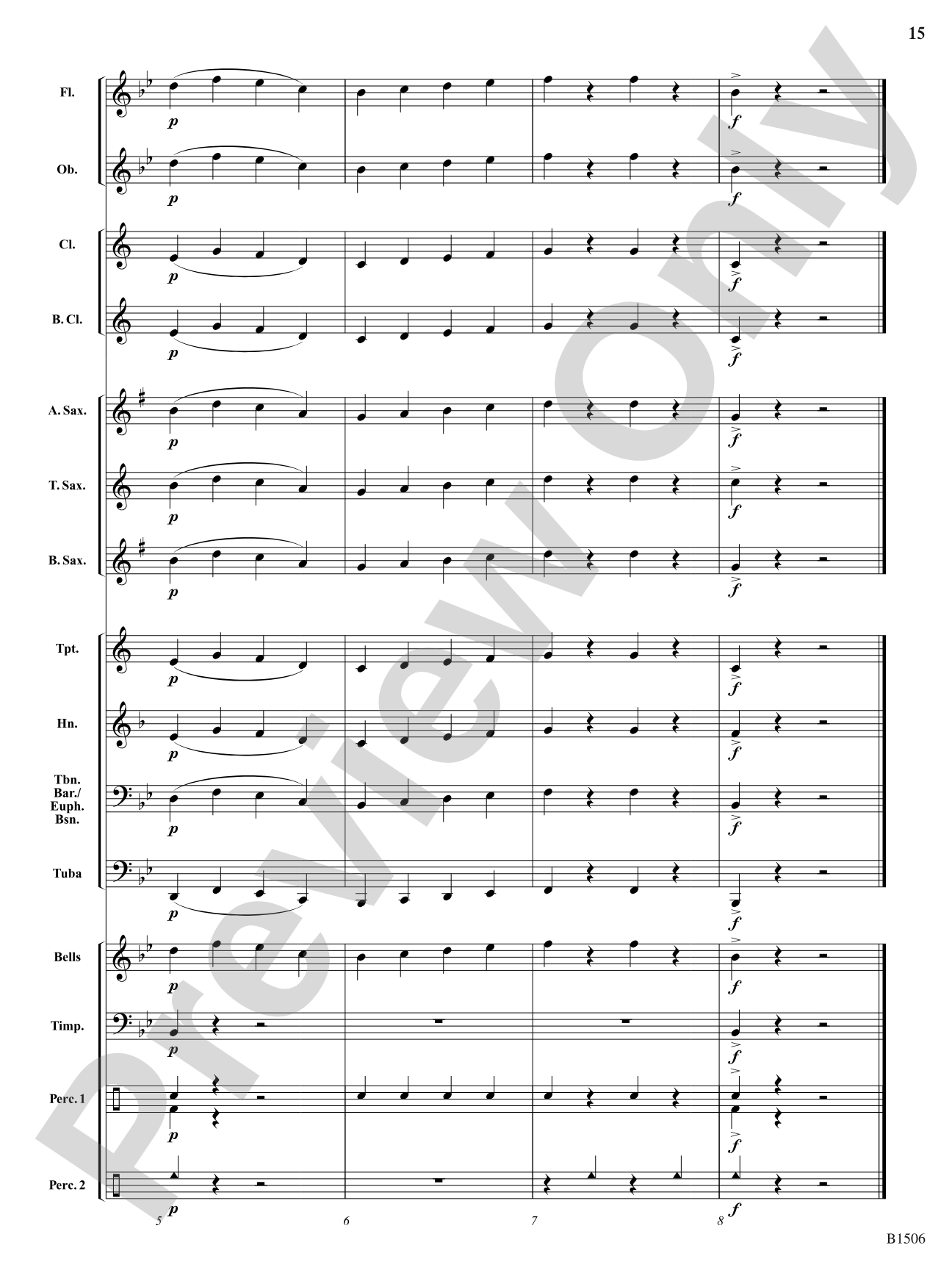
Sweeping melodic lines, crisp rhythms and robust harmonies are at the center of this highly energetic contemporary piece. A brief lyrical section features low brass and reed instruments before the opening melodies return, driving the piece to a rousing finish. Exciting music using only six notes!


Flying High: Concert Band Conductor Score & Parts isn't in MakeMusic Cloud just yet...but it could be. Let us know you'd like to see it, and you'll help shape what comes next. In the meantime, start a free trial and dive into thousands of interactive titles your students can play along with today.
Request This Title
Tell us you want it.
Start Your Free Trial
Explore everything that's ready to play right now.
Sample Audio
1
Audio File
--:--
0:00
0:00
Sample Video
No sample videos found.
Additional Details
Series:
FJH Starter Series
Publisher:
The FJH Music Company, Inc.
SKU:
98-DB1506
More about this title
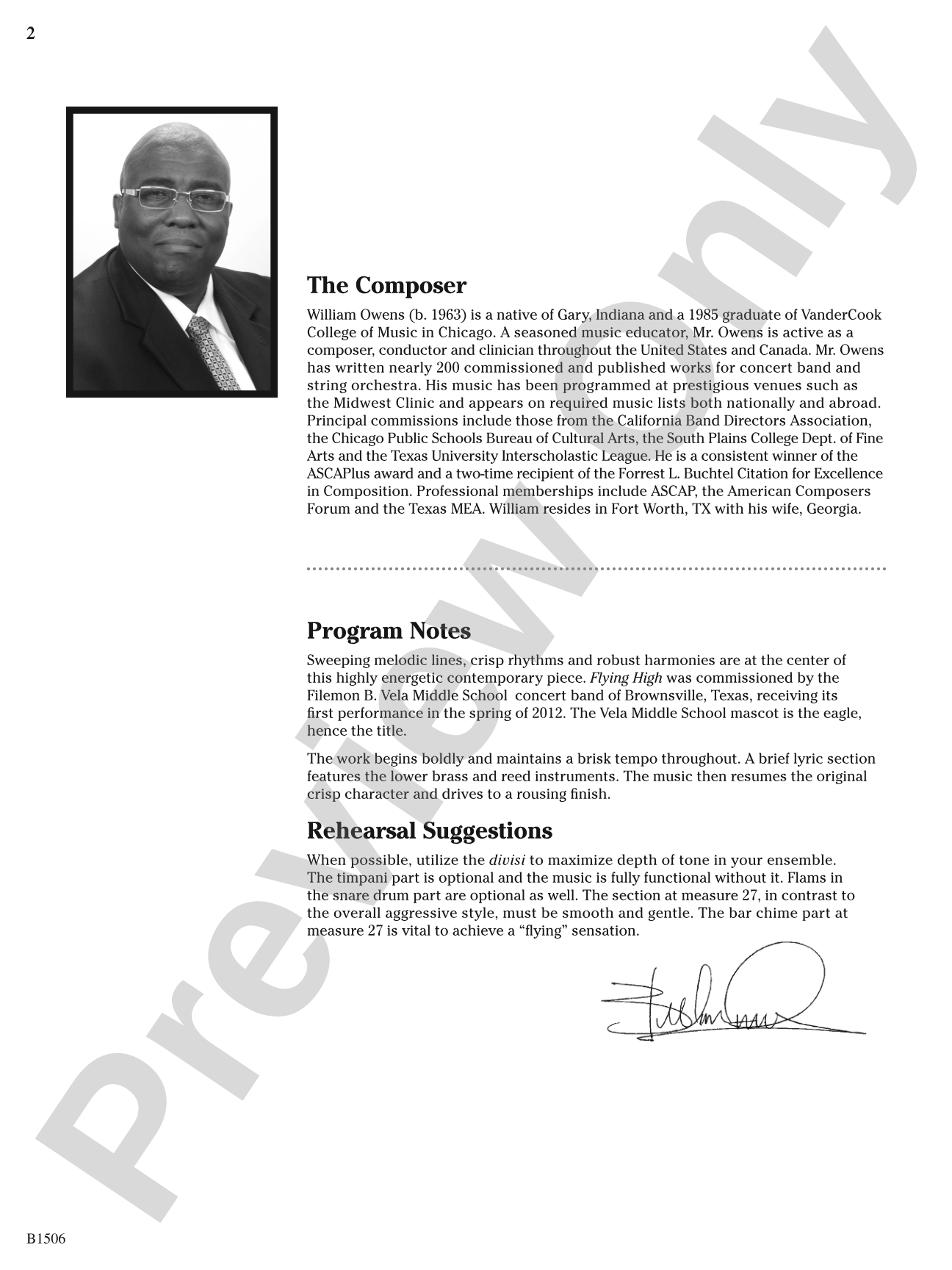
About the Composer: William Owens
William Owens (b. 1963) grew up in Gary, Indiana, and studied composition at Chicago's VanderCook College of Music, graduating in 1985. For three decades he directed high school bands in Texas while simultaneously building one of the most prolific catalogs in young band literature, with over 300 published works for concert band, string orchestra, and small ensembles since 1993.
Owens has earned recognition as a clinician and conductor throughout North America, and his compositions appear on contest and festival lists nationwide. His work has been honored with commissions from the South Plains College Department of Fine Arts, Phi Beta Mu International, and the American Bandmasters Association, along with numerous awards for composition. He maintains active membership in ASCAP, the Texas Music Educators Association, and Phi Beta Mu International Bandmasters Fraternity. Owens retired from full-time teaching in 2014 and now resides in Fort Worth, Texas.
Why we love this
Owens has mastered the art of writing immediately gratifying music for young ensembles without sacrificing musicality or sophistication. This piece proves his point beautifully: the constraint of six notes becomes an asset rather than a limitation, forcing elegant orchestration and rhythmic clarity that make every section shine. Directors will find this works brilliantly as an opener or closer, and students get to play something genuinely contemporary that sounds polished and energetic on day one.
What to expect
Buoyant and confident. The piece soars with sweeping melodic gestures supported by crisp rhythmic pulses and warm harmonic underpinning, creating an immediate sense of forward motion. The brief lyrical section offers a moment of introspection before launching into the triumphant finish, leaving both performers and audience energized.
Who it's for
Beginning and early intermediate concert bands looking for a high-impact opening piece that showcases ensemble sound without overwhelming younger players. The six-note limitation makes this ideal for groups establishing fundamentals of tone, balance, and articulation while still programming genuinely contemporary music.
How to get the most out of it
- Balance the melodic material between upper voices and the crisp rhythmic foundation in the lower instruments; the sweeping lines need space to breathe without losing the piece's forward momentum.
- Shape the lyrical section by allowing the low brass and reeds their moment of contrast; this brief respite from the opening energy actually heightens the impact when the main theme returns.
- Emphasize precision in the rhythmic figures throughout. With limited pitch material, rhythm and articulation become your primary colors; tight ensemble work in these passages will make the piece sound far more mature.
- Drive toward the rousing finale without rushing. Let the accumulation of energy in the closing section build naturally through careful dynamic control and ensemble clarity.
How to use it
Open a concert with this to set an uplifting tone and demonstrate your ensemble's musicality to an audience. Its brevity and contemporary idiom also make it perfect as a counterpoint to standard repertoire on a program mixing classic and modern works, or feature it in a festival contest setting where judges appreciate writing that honors young players' abilities.
Skills your students will build
- Balanced orchestration across limited pitch material
- Articulation clarity and rhythmic precision
- Dynamic shaping and phrasing in sweeping melodic lines
- Ensemble balance between melodic and harmonic voices
- Stylistic contrast between energetic and lyrical sections