
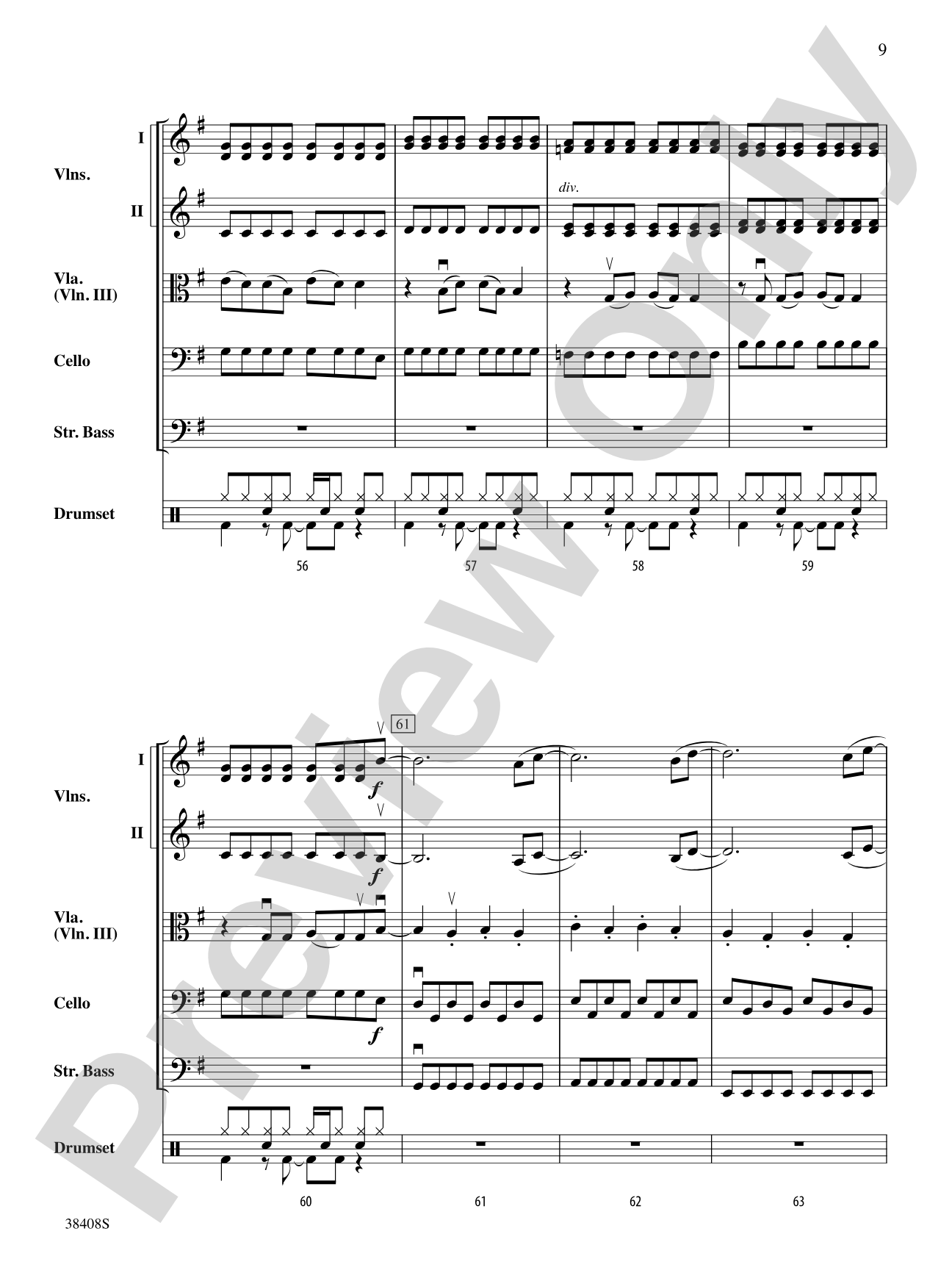
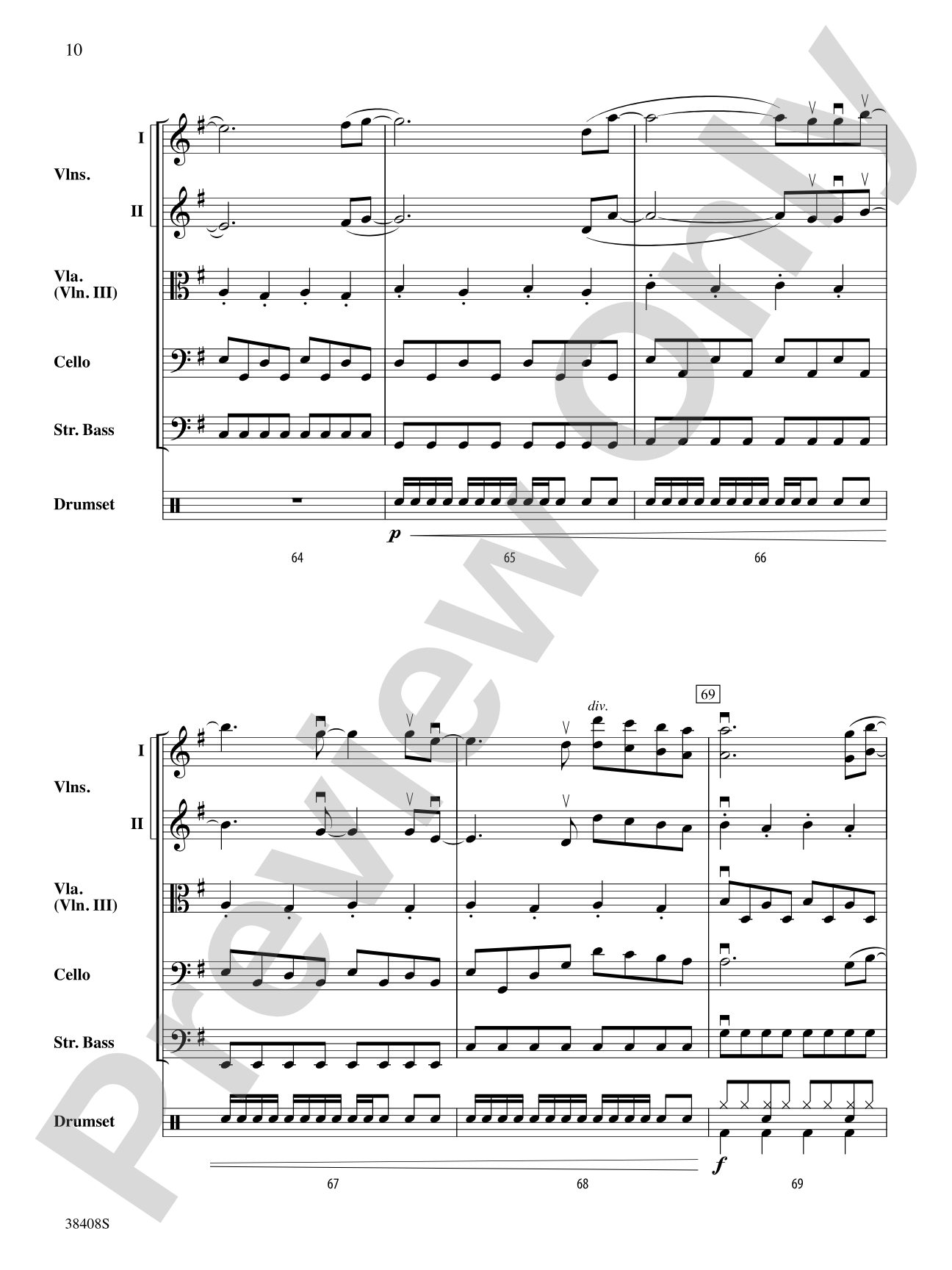
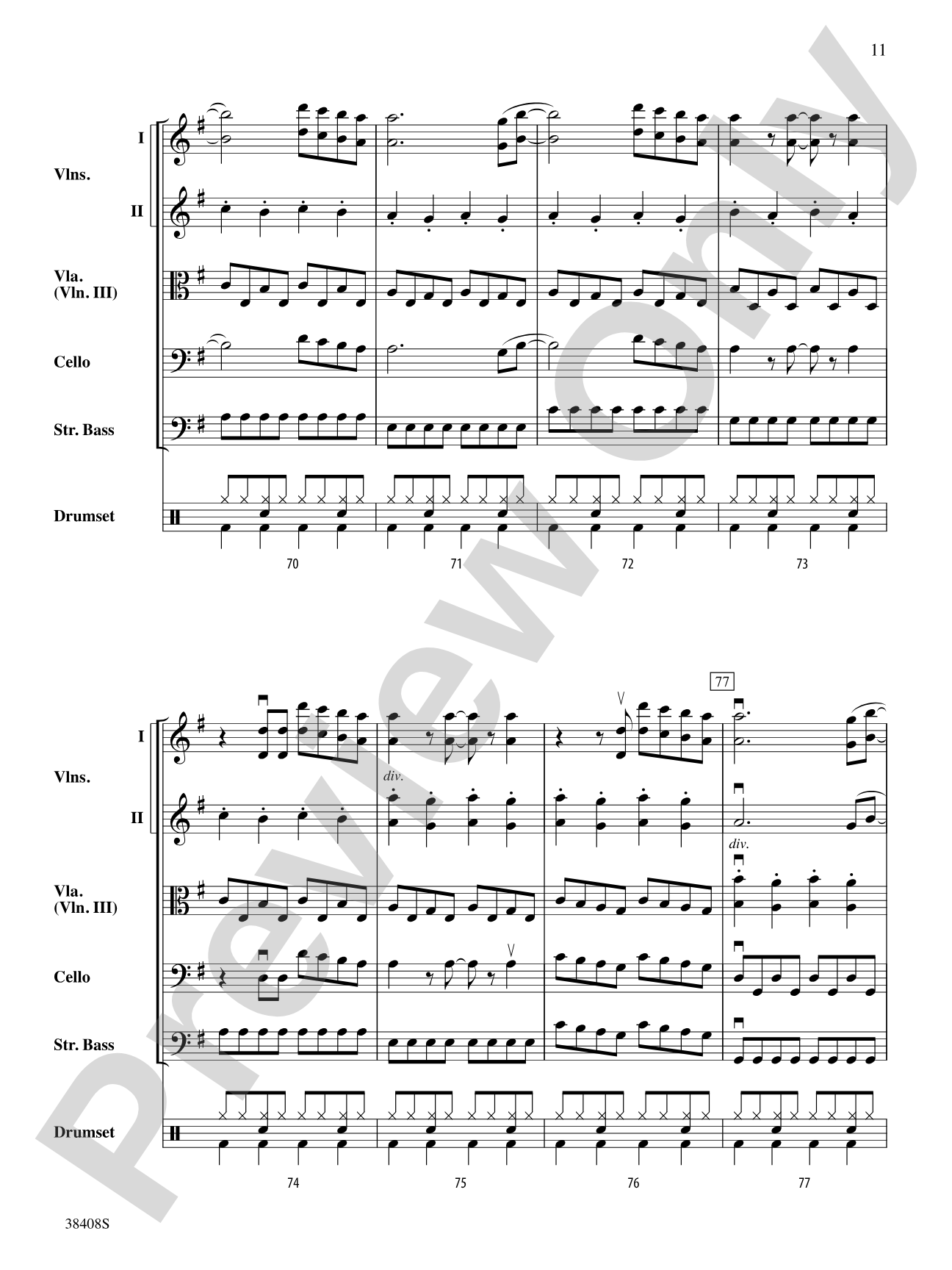
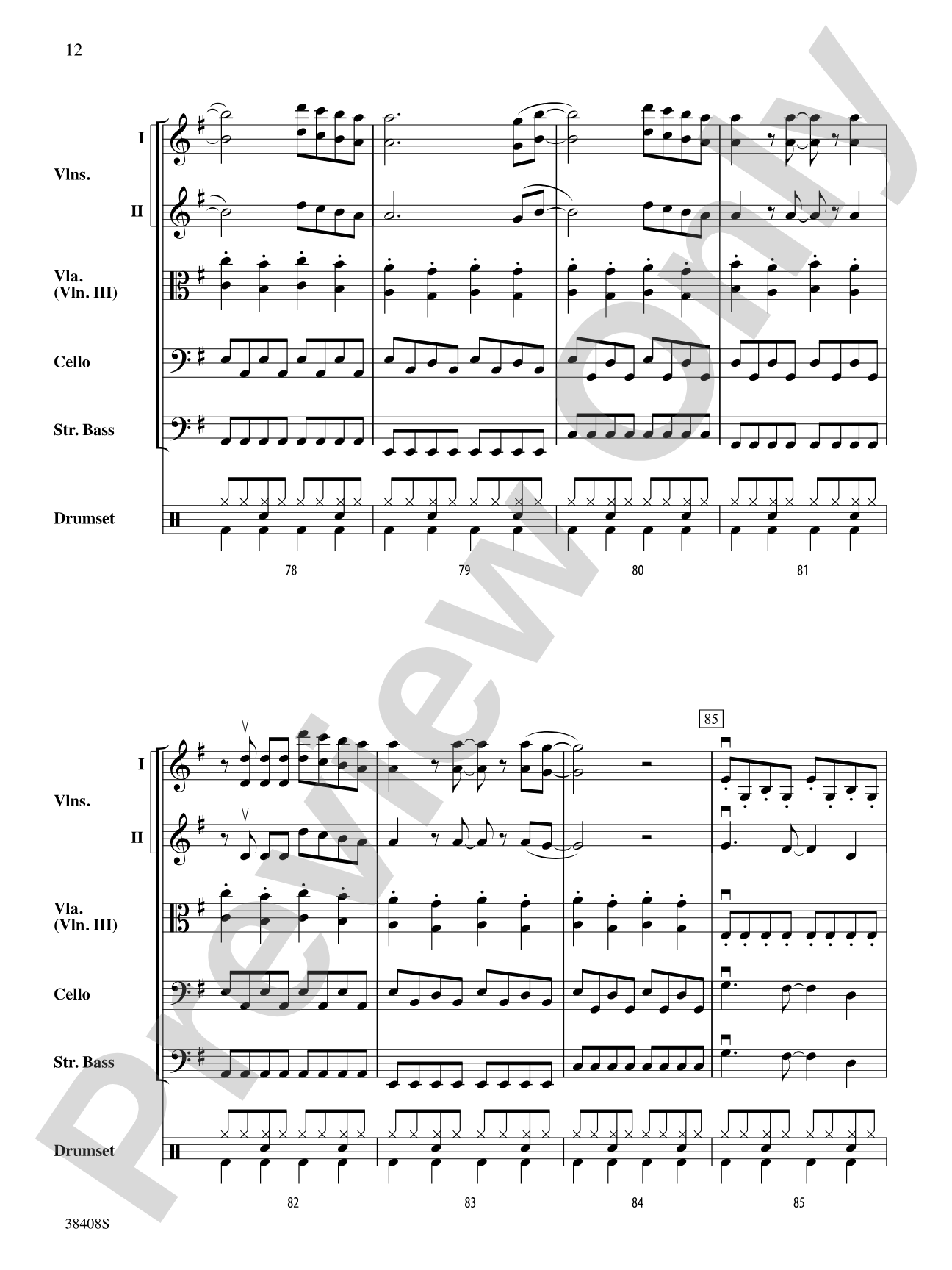
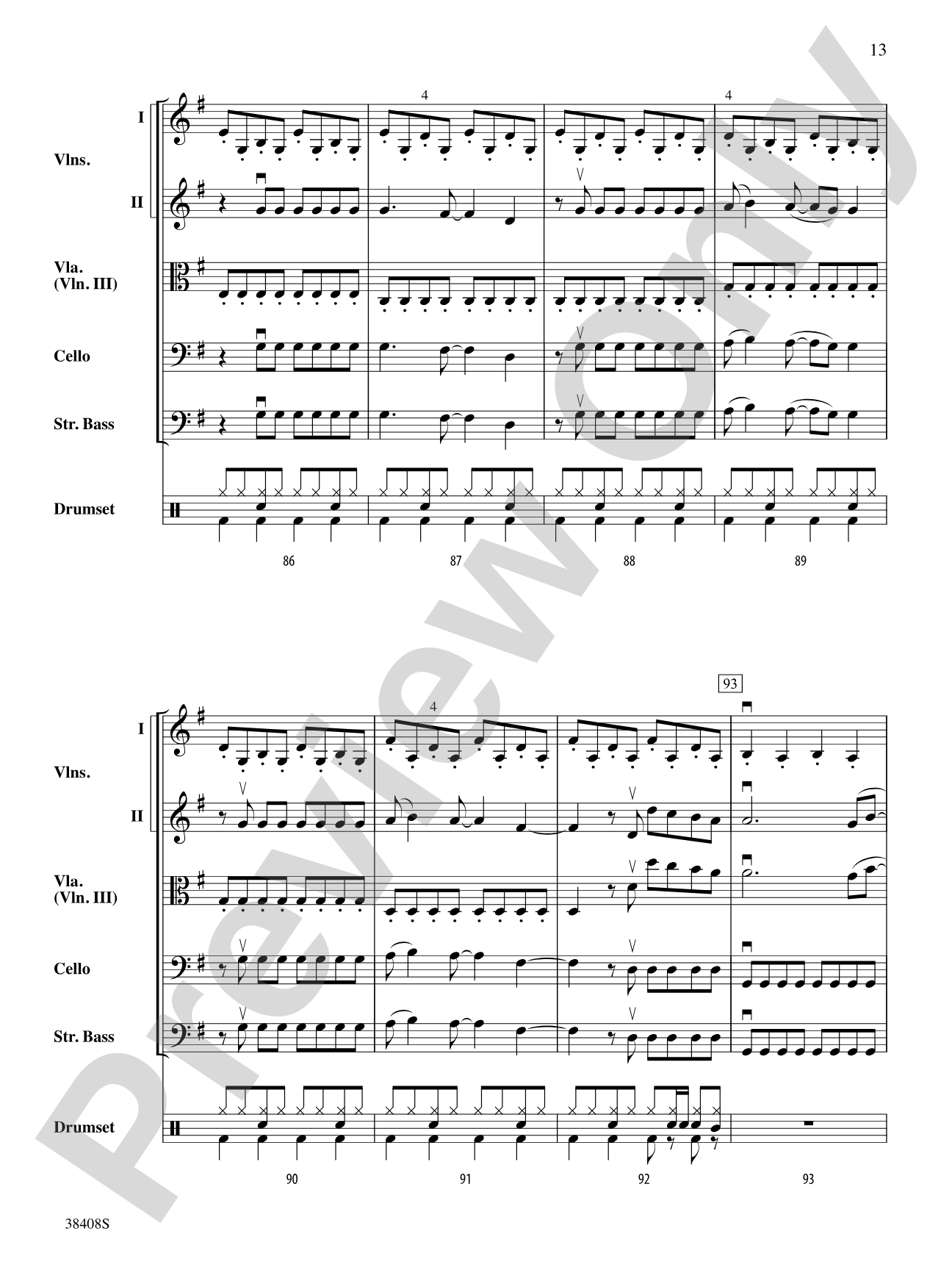
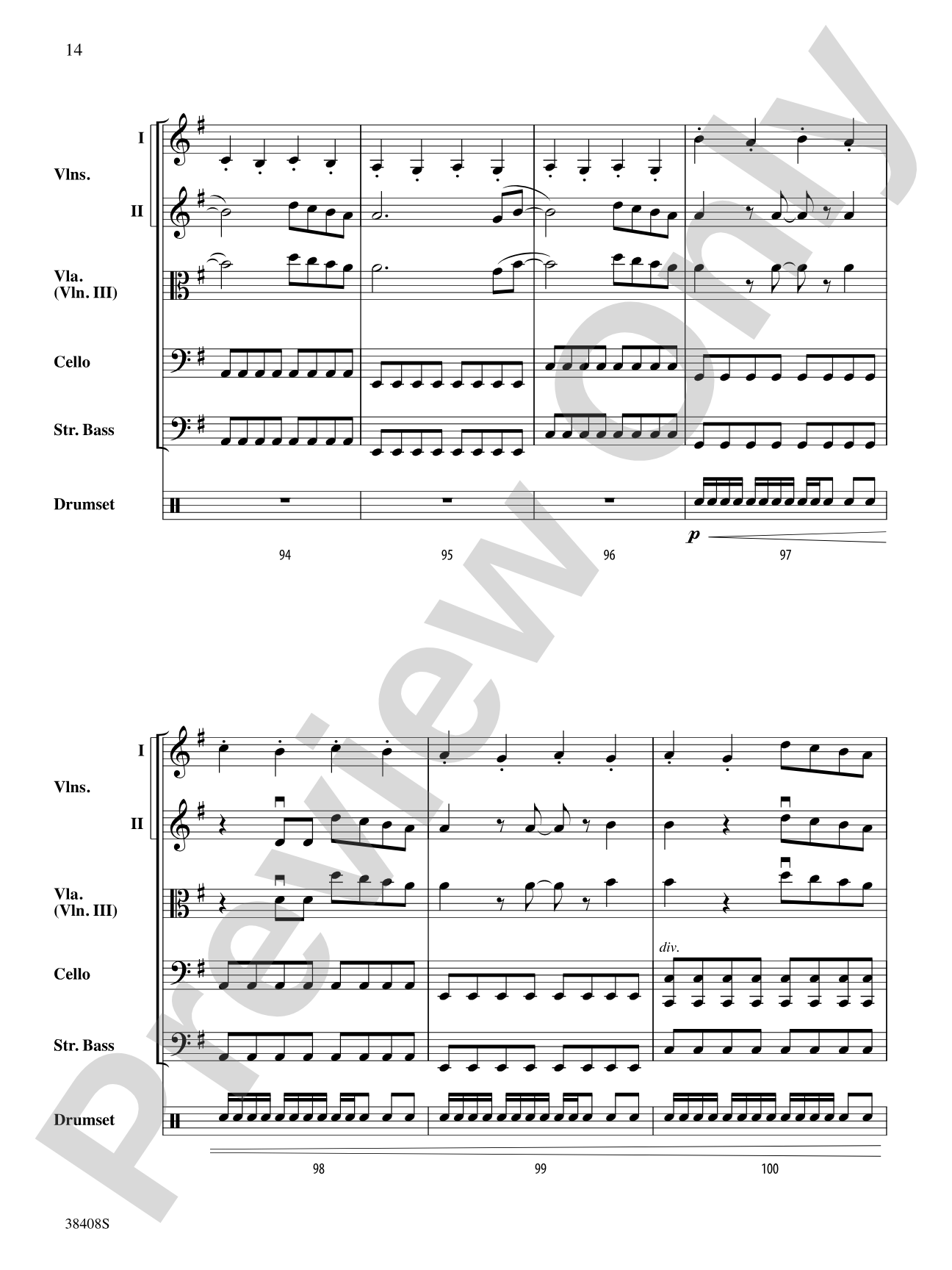
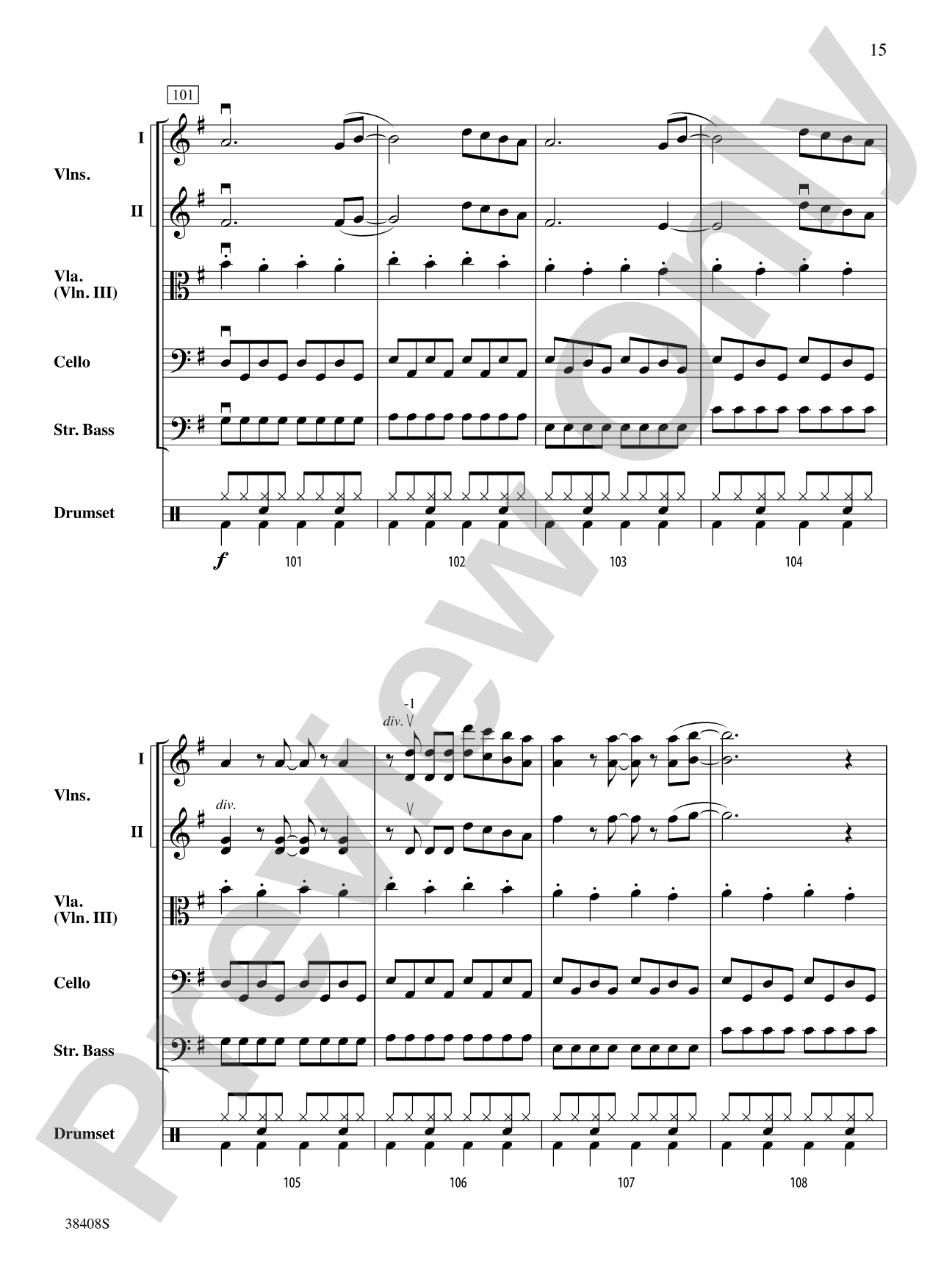
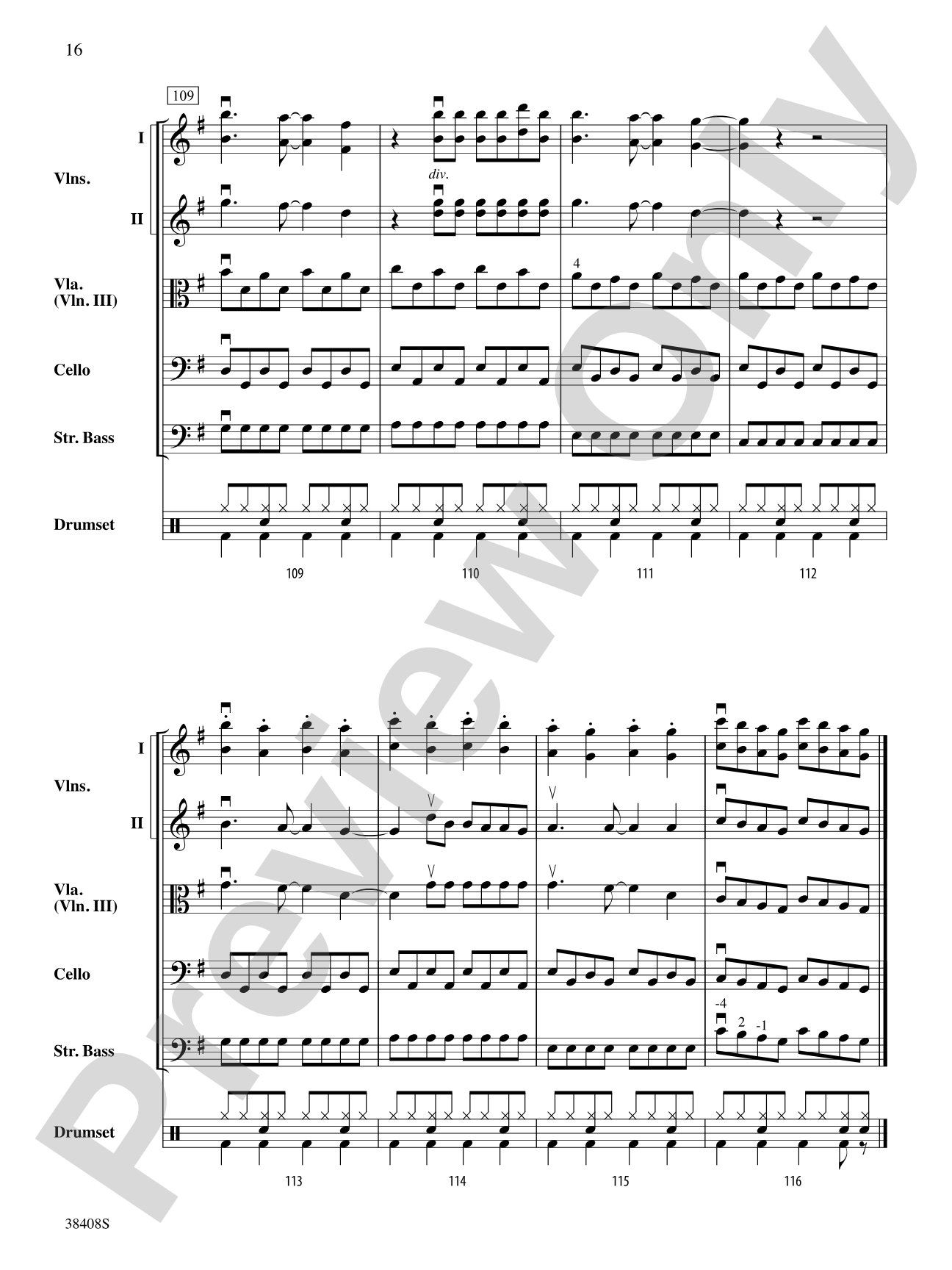

Firework: String Orchestra Conductor Score & Parts
Words and music by Katy Perry, Mikkel Eriksen, Tor Erik Hermansen, Sandy Wilhelm, and Ester Dean / arr. Todd Parrish
Grade: 2.5
Item: 00-PK-0005220

$54.00
One moment…
Description
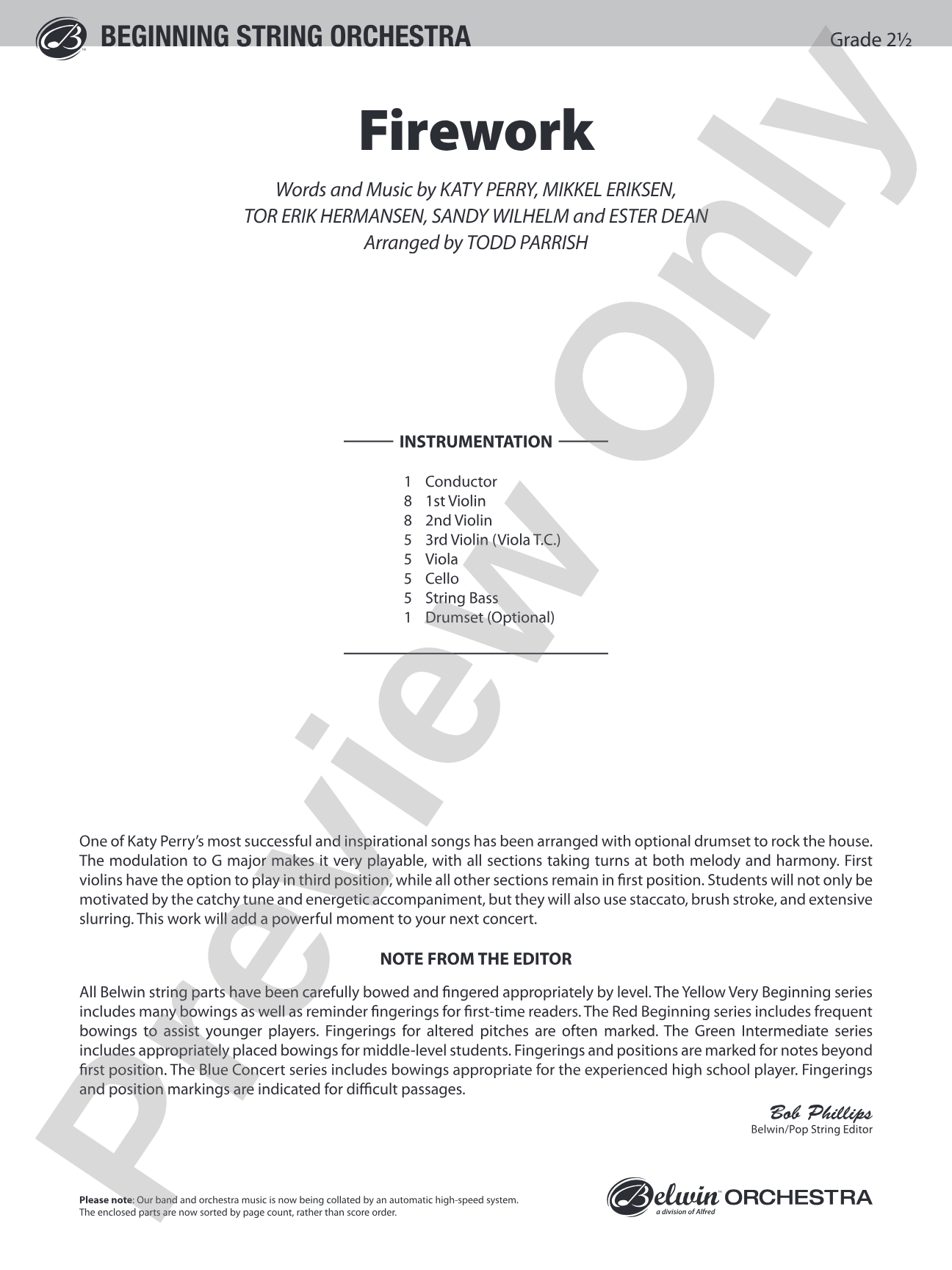
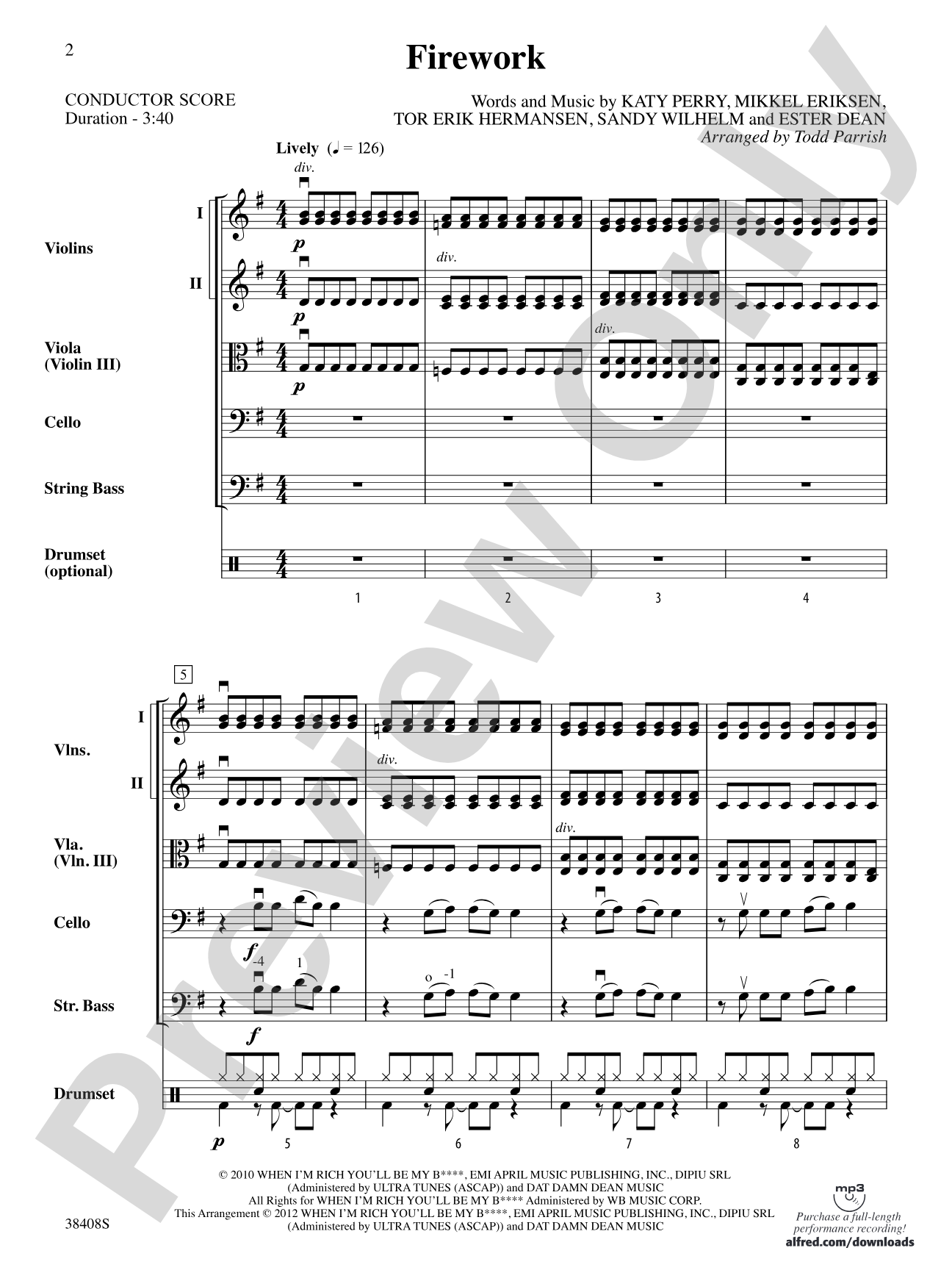
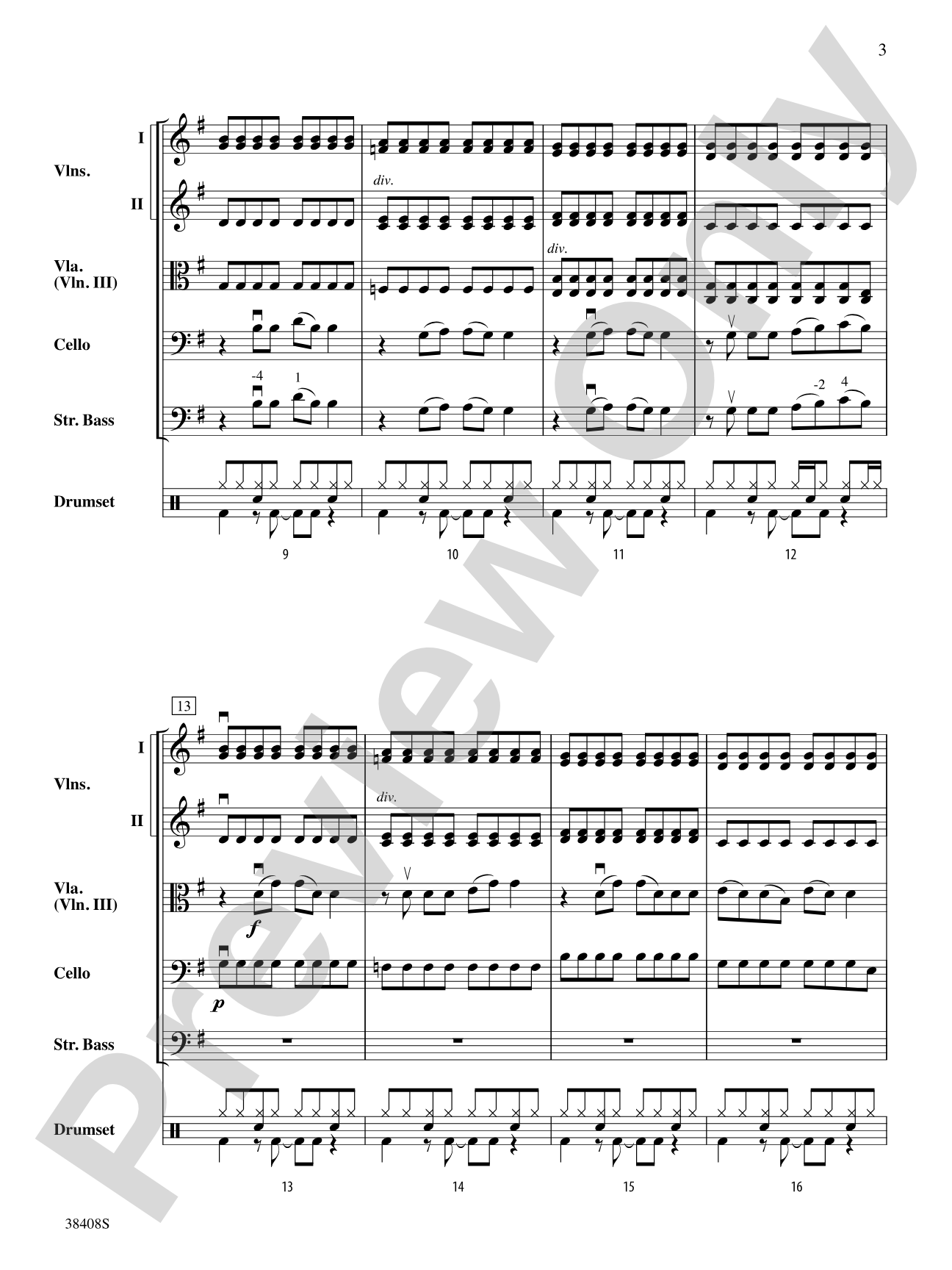
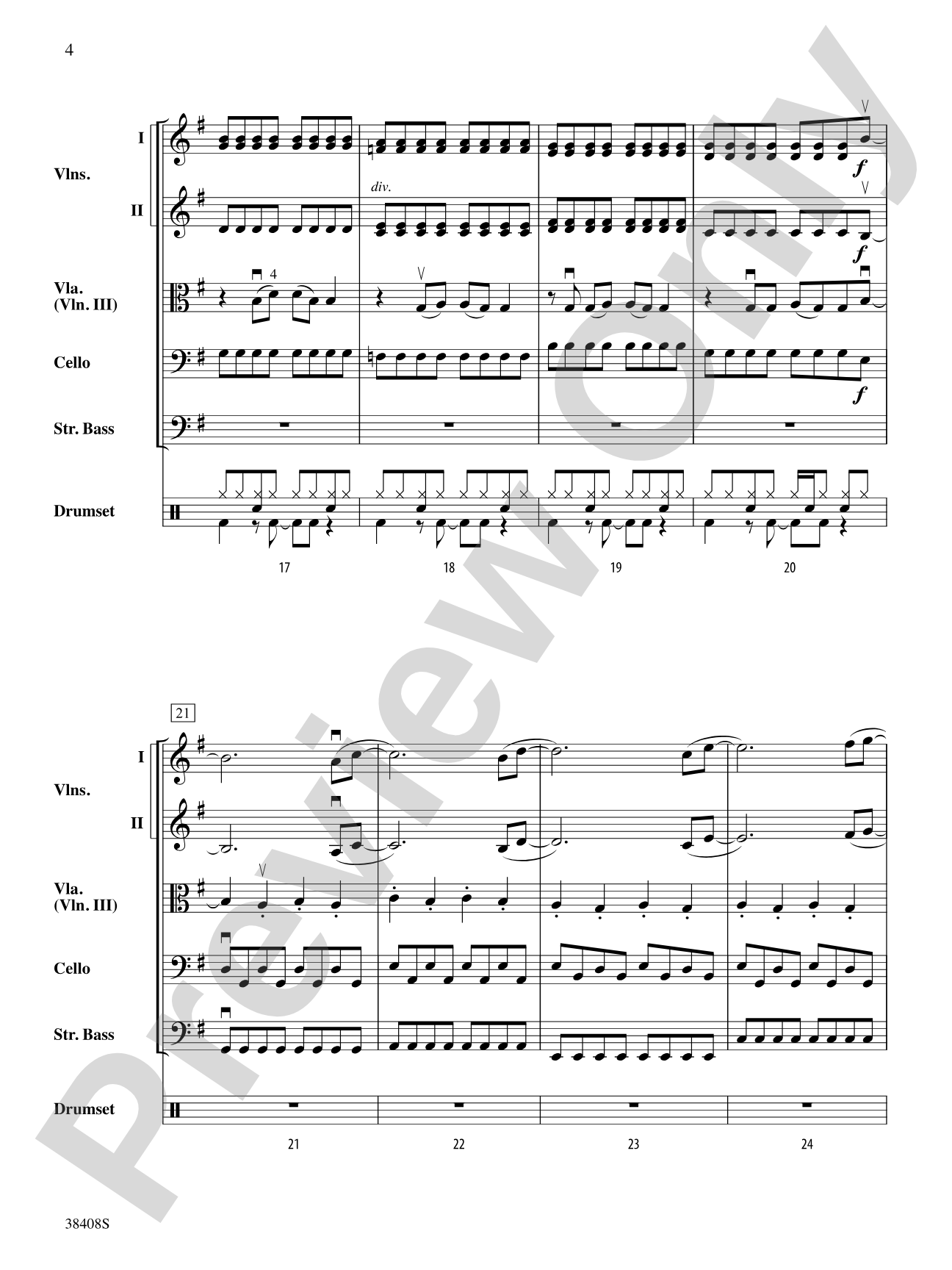
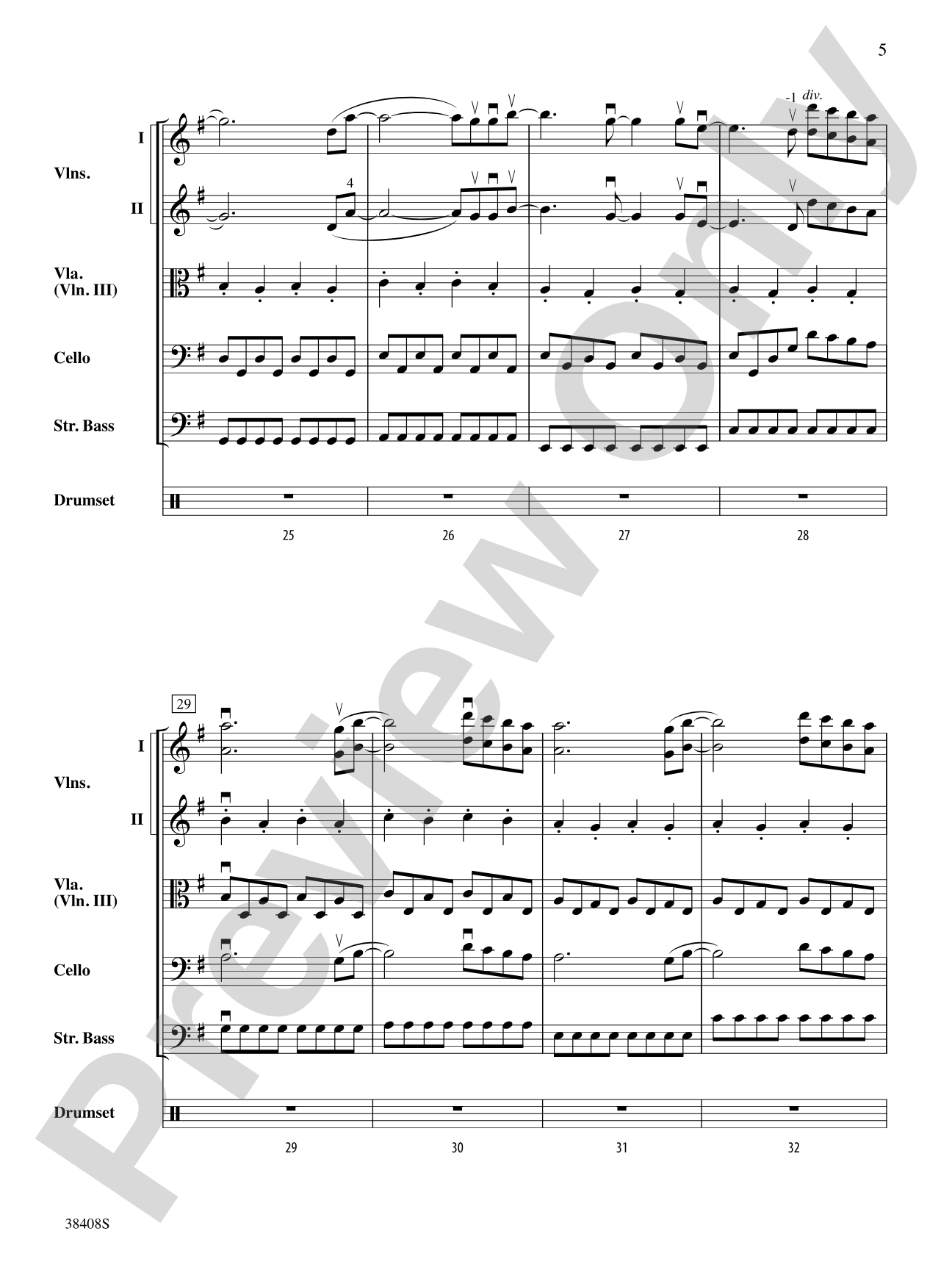
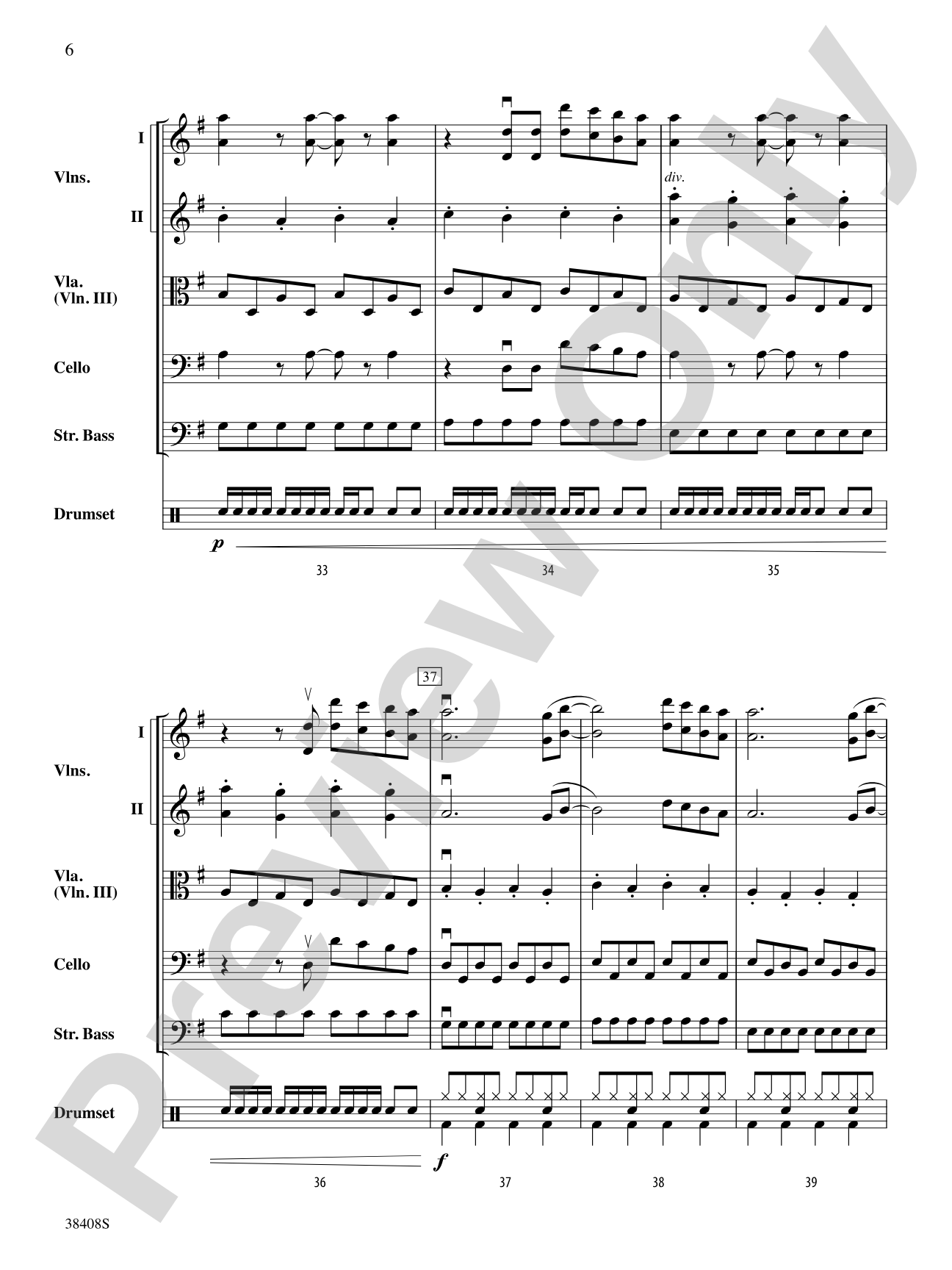
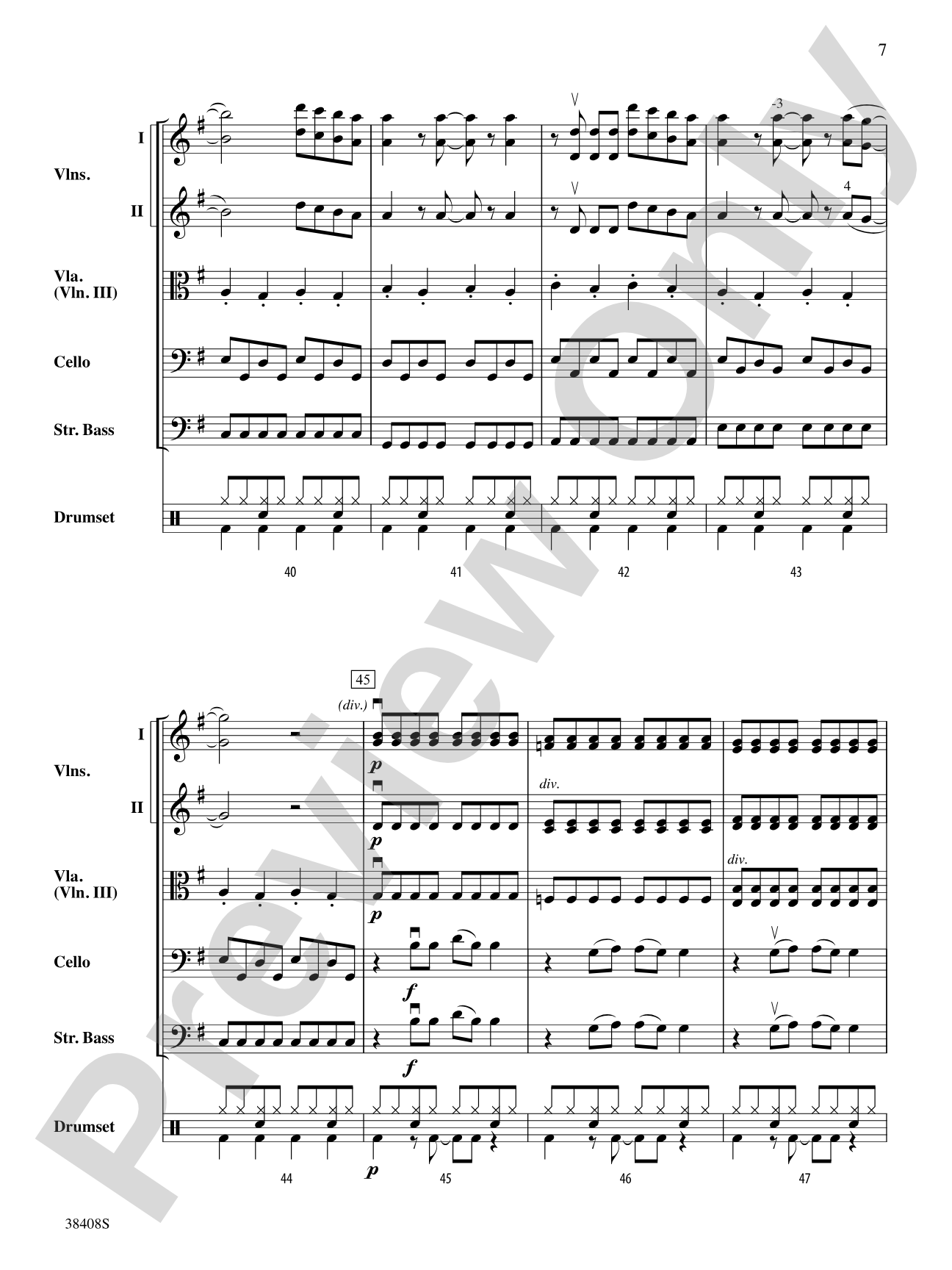
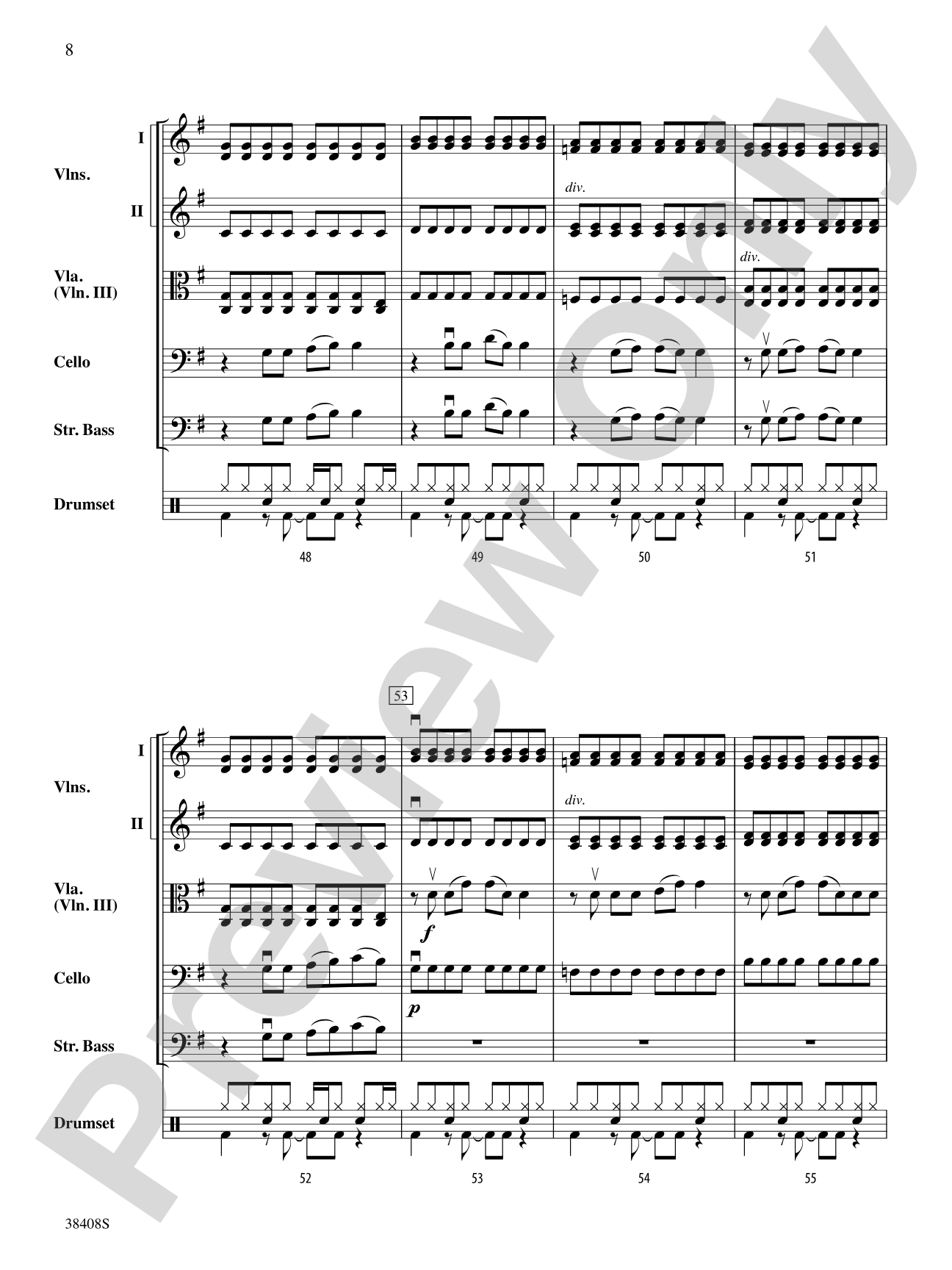
"Firework," one of Katy Perry's most successful and inspirational songs has been arranged with optional drumset to rock the house. The modulation to G major makes it very playable, with all sections taking turns at both melody and harmony. First violins have the option to play in third position, while all other sections remain in first position. Students will not only be motivated by the catchy tune and energetic accompaniment, but they will also use staccato, brush stroke, and extensive slurring. This work will add a powerful moment to your next concert. (3:44)


Don't just read it, hear it, play along with it, and watch your students grow with it. In MakeMusic Cloud, Firework: String Orchestra Conductor Score & Parts comes alive with professional accompaniment, adjustable tempo, and built-in practice tools that turn solo practice into real progress.
Open in the Player
Jump straight in and assign it today.
Start Your Free Trial
Open this title and explore the full library in minutes.
Sample Audio
1
Audio File
--:--
0:00
0:00
Sample Video
Additional Details
Series:
Pop Beginning String Orchestra
Publisher:
Alfred Music
Page Count:
148
SKU:
00-PK-0005220
More about this title
About the Composer: Katy Perry
Katy Perry is a songwriter and performer who has shaped contemporary pop music since the late 2000s. Her work spans genre boundaries and often carries messages of empowerment and resilience, qualities that have made her catalog appealing for educational arrangements.
Why we love this
This arrangement captures the infectious energy of the original while keeping the technical demands accessible for Grade 2.5 players. The modulation to G major and the shared melodic responsibilities across all sections create a collaborative feel that keeps every musician engaged, not just the first violins. The optional drumset and variety of articulation techniques give your ensemble a chance to sound polished and contemporary without overreaching their abilities.
What to expect
Bright, propulsive, and celebratory. The tune sticks in your head immediately, and the energetic accompaniment keeps the momentum driving forward. Moments of contrast emerge through the interplay of melody and harmony across sections, creating a sense of conversation and shared ownership of the music.
Who it's for
String orchestras at the 2.5 grade level who want to program something contemporary and motivating without sacrificing musical substance. This arrangement suits ensembles looking to build energy and audience engagement while developing fundamental skills around articulation and ensemble texture.
How to get the most out of it
- Balance the staccato sections carefully so the articulation sparkles without becoming thin. Have students practice the distinction between crisp, short strokes and the longer slurred phrases that follow.
- Use the optional drumset to anchor the rhythmic energy, but ensure it remains supportive rather than overpowering the string lines. Let the drum part lock into the ensemble's tempo first.
- Work through the modulation to G major in isolated sections before running the full piece. Mark the key change clearly in all parts so students recognize the lift in color and character.
- Encourage first violins to explore third position where it's offered, but allow them to stay in first position if they're not ready. The piece works beautifully either way and confidence matters more than position technique.
How to use it
Place this near the middle of a concert to shift the energy and elevate audience engagement without breaking the formal arc. It pairs well alongside other accessible pops and light concert pieces, and the 3:44 runtime makes it a strong closer if you want to send students off stage on a high note.
Skills your students will build
- Staccato and brush stroke articulation
- Extended slurring across longer phrases
- Playing melody and harmony roles within the same ensemble
- Reading and executing a key modulation (F major to G major)
- Coordinate with optional rhythm section (drumset) for ensemble cohesion
- Third position reading for first violins (optional)