Fiddlin' with the Classics Cover Image

Fiddlin' with the Classics: String Orchestra Conductor Score & Parts

$45.00 USD
Sale price  $45.00 USD Regular price 
Skip to product information
Fiddlin' with the Classics Cover Image

Fiddlin' with the Classics: String Orchestra Conductor Score & Parts

Arranged by Deborah Baker Monday

Grade: 1

Item: 98-ST6298

Need it now?

Buy Digital Version
$45.00
Shipped

One moment…

Description
Combining famous classical melodies with popular American folk songs, this clever work ties everything together in a fun, fiddlin' atmosphere! Works by Beethoven, Handel and Mozart are woven into folk tunes like Boil Them Cabbage, Li'l Liza Jane, and hints of Dixie. A fun piece that "fiddles" with tunes in the classic fiddle tradition!

Fiddlin' with the Classics: String Orchestra Conductor Score & Parts isn't in MakeMusic Cloud just yet...but it could be. Let us know you'd like to see it, and you'll help shape what comes next. In the meantime, start a free trial and dive into thousands of interactive titles your students can play along with today.

Sample Pages

Sample Audio
0:00
0:00
Sample Video
Additional Details
Series: FJH Beginning Strings
Publisher: The FJH Music Company, Inc.
UPC: 674398230389
SKU: 98-ST6298

More about this title

About the Arranger: Deborah Baker Monday
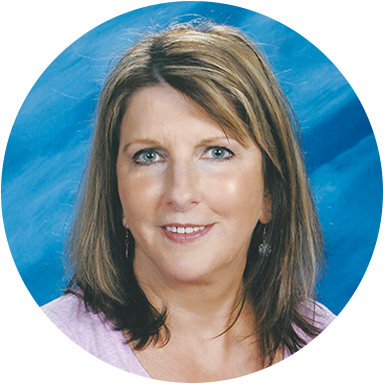
Deborah Baker Monday

Deborah Baker Monday spent 25 years leading the Logan City orchestra program, an award-winning ensemble where she shaped generations of young string players. She holds a B.M.E. from Florida State University in string education and an M.M. in composition from the University of Alabama, where she also performed as principal bassist with regional orchestras. Her doctoral studies at Louisiana State University deepened her work in theory and composition under recognized masters including Harold Schiffman and Dinos Constantinides.

Since moving to Utah, Monday has become prolific in educational string writing, publishing over 130 works across seven major publishers while teaching as a low string specialist in the Logan City School District. She has won the UtahASTA Composition Competition twice, earned Outstanding Elementary Educator recognition, and presented her work at state conferences, national ASTA conventions, and prestigious venues like The Midwest Clinic and the Ohio State String Teachers Workshop. Her compositions balance pedagogical clarity with genuine musical interest, reflecting decades of direct classroom experience.

Why we love this

Monday's wit shines through here. Rather than a straight medley, she creates actual musical conversations between classical giants and American fiddle tradition, making both traditions feel equally valid and equally fun. Your students will recognize Beethoven and Mozart while discovering that Li'l Liza Jane and Boil Them Cabbage have just as much musical backbone, which shifts how young players think about what 'real' music can be.

What to expect

Playful and unpretentious. The piece bounces between moments of familiar classical elegance and the honest scrappiness of American fiddling, never taking itself too seriously but never winking at the audience either. It's the musical equivalent of sitting on a porch hearing stories from different eras collide and somehow make sense together.

Who it's for

Beginning string orchestras ready to step beyond traditional Grade 1 fare without jumping in difficulty. Any ensemble that can play clean unison lines and basic two-part writing will thrive here, especially those serving communities where folk tradition runs deep.

How to get the most out of it

  • Emphasize the rhythmic swagger that ties the folk melodies together. This isn't classical restraint; let your sections dig into the fiddle groove, especially in the rhythm section.
  • Use the score to identify where classical and folk material overlap or comment on each other. These moments are the real payoff, and students will engage more deeply when they hear the compositional cleverness.
  • Balance transparency with energy. Grade 1 writing means the parts are straightforward, but that doesn't mean lifeless. Encourage vibrato and shape in the sustained lines.

How to use it

Perfect for a spring concert that celebrates where classical music and American culture intersect. Program it between a straight classical selection and a contemporary piece to show students that boundaries between genres are often more porous than we think. It also works beautifully as a finale when you want the audience smiling and the orchestra energized but not drained.

Skills your students will build

  • Reading across multiple articulation styles (legato classical phrasing and detached fiddle bowing)
  • Maintaining steady pulse while navigating style shifts and tempo relationships
  • Identifying thematic material and understanding how composers recontextualize existing melodies
  • Ensemble balance in parts where folk melody sits against classical accompaniment figures

You May Also Like