

Festival Sanctus: SSATB, a cappella Choral Octavo
Music by Sally K. Albrecht
Item: 00-PO-0007964
$1.65
Minimum order quantity: 20 copies
Pickup currently not available
Description
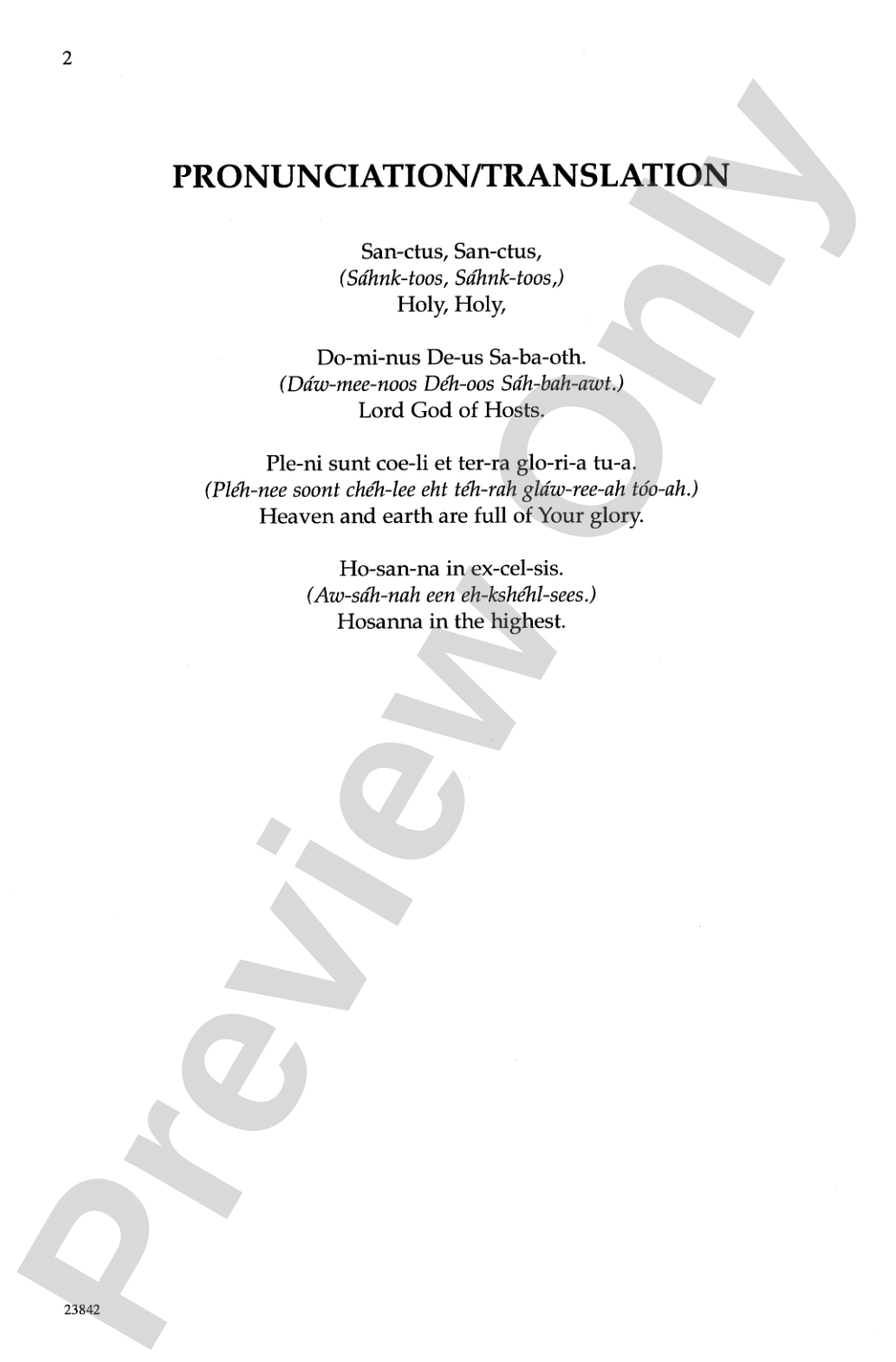
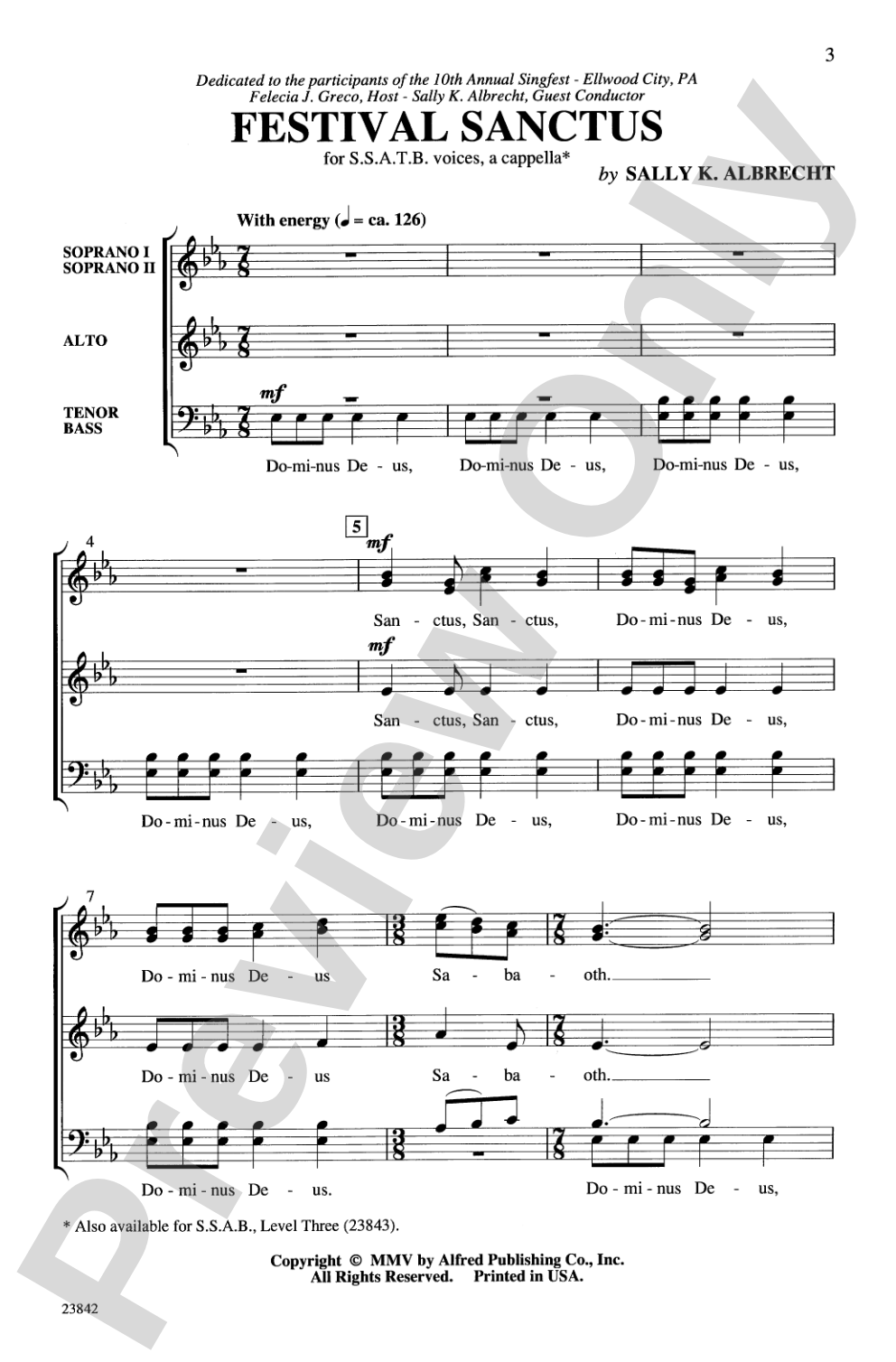
Show off the a cappella achievements of your advanced choir with this stunning tour-de-force by one of Alfred's best, Sally K. Albrecht. Half of the group chants a rhythmic ostinato accompanying the invigorating mixed meter "Sanctus" theme which bookends the piece. In the middle, expressive "Pleni sunt coelis" and majestic "Hosannas" create vast musical contrasts and highlight the flexibility of your choir. A festival favorite for sure!


Festival Sanctus: SSATB, a cappella Choral Octavo isn't in MakeMusic Cloud just yet...but it could be. Let us know you'd like to see it, and you'll help shape what comes next. In the meantime, start a free trial and dive into thousands of interactive titles your students can play along with today.
Request This Title
Tell us you want it.
Start Your Free Trial
Explore everything that's ready to play right now.
Sample Audio
1
Audio File
--:--
0:00
0:00
Sample Video
No sample videos found.
Additional Details
Series:
Alfred Choral Designs
Publisher:
Alfred Music
Page Count:
12
SKU:
00-PO-0007964
More about this title
About the Composer: Sally K. Albrecht
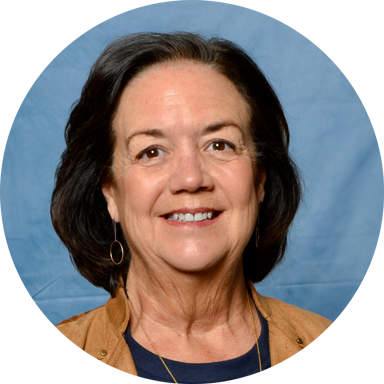
Sally K. Albrecht has shaped American choral music for over four decades as a composer, conductor, and educator. Since 1987, she has received annual ASCAP Special Music Awards and maintains over 600 published choral works in print, alongside 75 larger works for stage and concert. Her conducting has led honor choirs at Lincoln Center, Carnegie Hall, and the Kennedy Center, and she spent more than thirty years directing choral and vocal publications for major educational publishers, including her tenure at Alfred Music.
Albrecht's academic background spans music and the dramatic arts. She earned degrees from Rollins College (B.A. in Music and Theater, 1976) and the University of Miami (M.A. in Drama, 1977; M.M. in Accompanying, 1979), the latter of which honored her as a Distinguished Alumna in 2021. Her collaboration with composer and arranger Jay Althouse, her husband, has produced numerous works for educational and professional choirs. Recognized for her leadership in education and the arts, Albrecht served as Chair of the Board of Trustees for Omicron Delta Kappa National Leadership Honor Society and received their "Pillar of Leadership" award.
Why we love this
Albrecht orchestrates genuine drama here without requiring soloists or instrumental support. The rhythmic ostinato anchors the piece while the other voices carve out moments of real textural clarity, and the shift into "Pleni sunt coelis" gives your singers something genuinely beautiful to sink their teeth into before the piece builds toward those majestic "Hosannas." It's the kind of eight-minute investment that leaves audiences remembering what a disciplined, confident choir can achieve.
What to expect
The opening creates immediate energy through interlocking rhythm and voice, almost hypnotic in its repetition. Then the music opens into moments of genuine serenity and space before expanding into a triumphant, resonant celebration. It's liturgical music that feels alive and modern, not antiquated.
Who it's for
Advanced choirs that have conquered basic four-part writing and are ready to handle rhythmic independence and mixed meter within an a cappella setting. This octavo works best with singers who can sustain focus through longer phrases and respond to textural cues without instrumental guidance.
How to get the most out of it
- Lock the rhythmic ostinato in half the ensemble before adding the main melodic line. Once that foundation is solid, the mixed meter in the "Sanctus" theme becomes easier for the other voices to navigate.
- Shape the "Pleni sunt coelis" section with dynamic restraint; the contrast will feel more striking if you don't over-sing the opening material first.
- Record a sectional of just the ostinato pattern and have singers listen during their own warm-ups on rehearsal days between full run-throughs. Muscle memory matters here.
- Balance the "Hosannas" carefully so the majesty doesn't collapse into fatigue. These final statements should sound fresh and powerful, not exhausted.
How to use it
This lands perfectly on a spring or early summer festival concert, especially if you're programming around a sacred or classical theme. Pair it with works that either mirror its harmonic language or deliberately contrast with it; the octet's self-contained sound means it won't blend into surrounding repertoire if you don't want it to.
Skills your students will build
- Reading and executing rhythmic ostinati while other voices carry independent lines
- Mixed meter navigation (specifically within the "Sanctus" theme sections)
- A cappella intonation and blend across sustained passages
- Textural awareness and dynamic shaping in Latin sacred writing
- Pitch independence from non-chord tones and passing figures