

Festival Sanctus: SSAB, a cappella Choral Octavo
Music by Sally K. Albrecht
Item: 00-PO-0004350
$2.25
Minimum order quantity: 20 copies
Pickup currently not available
Description
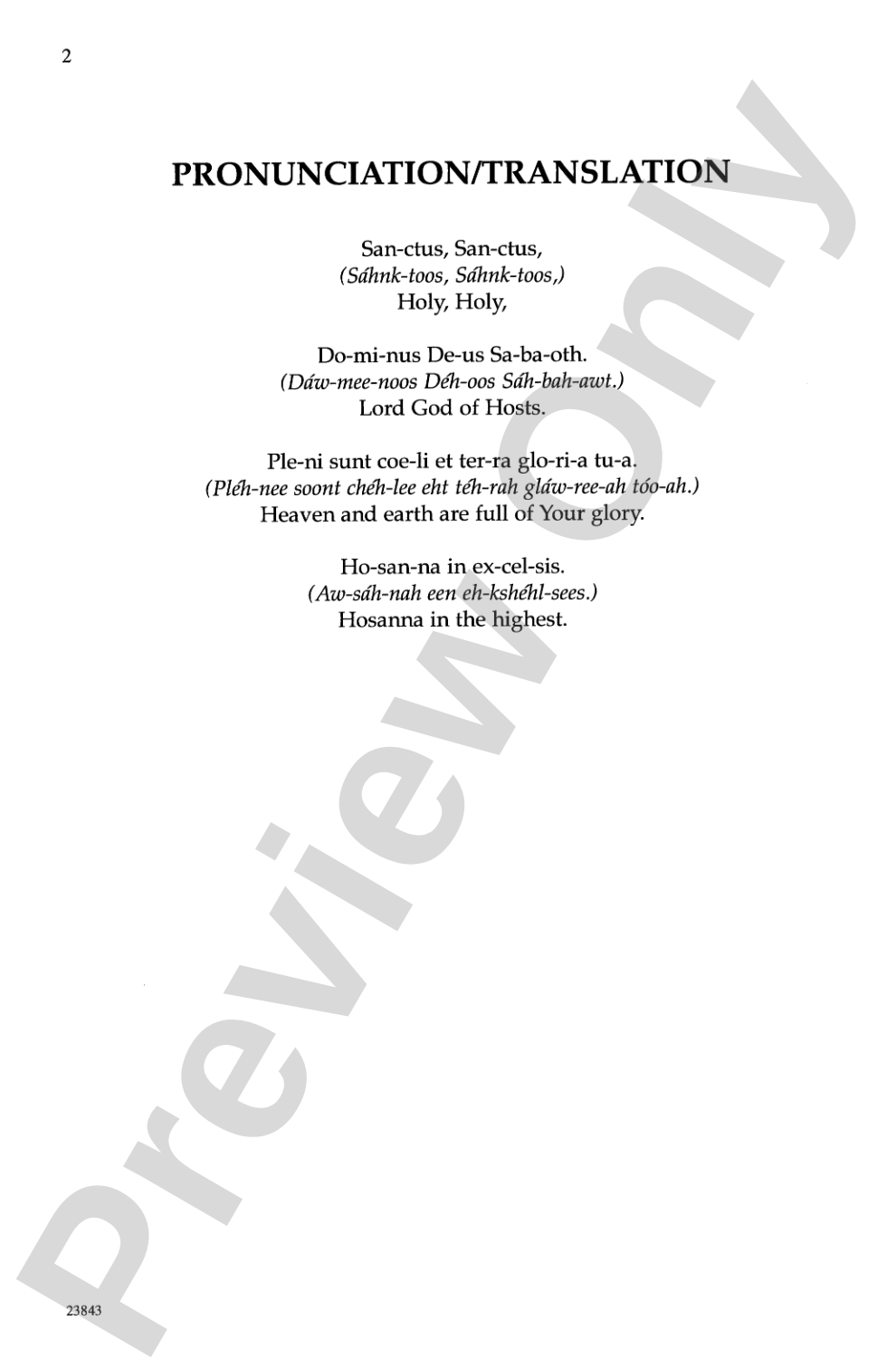
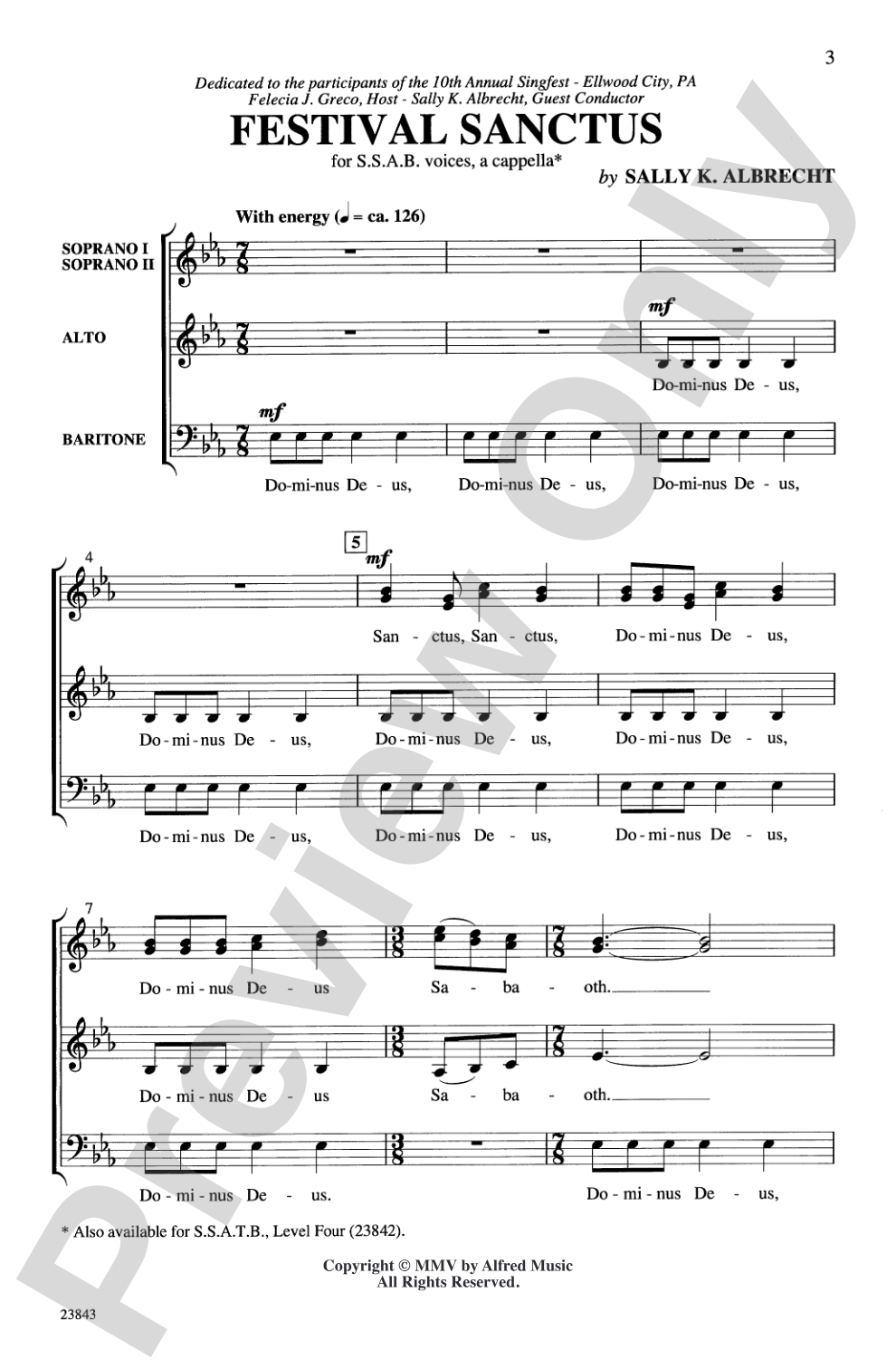
Show off the a cappella achievements of your advanced choir with this stunning tour-de-force by one of Alfred's best, Sally K. Albrecht. Half of the group chants a rhythmic ostinato accompanying the invigorating mixed meter "Sanctus" theme which bookends the piece. In the middle, expressive "Pleni sunt coelis" and majestic "Hosannas" create vast musical contrasts and highlight the flexibility of your choir. A festival favorite for sure!


Festival Sanctus: SSAB, a cappella Choral Octavo isn't in MakeMusic Cloud just yet...but it could be. Let us know you'd like to see it, and you'll help shape what comes next. In the meantime, start a free trial and dive into thousands of interactive titles your students can play along with today.
Request This Title
Tell us you want it.
Start Your Free Trial
Explore everything that's ready to play right now.
Sample Audio
1
Audio File
--:--
0:00
0:00
Sample Video
No sample videos found.
Additional Details
Series:
Alfred Archive Edition: Alfred Choral Designs
Publisher:
Alfred Music
Page Count:
12
SKU:
00-PO-0004350
More about this title
About the Composer: Sally K. Albrecht
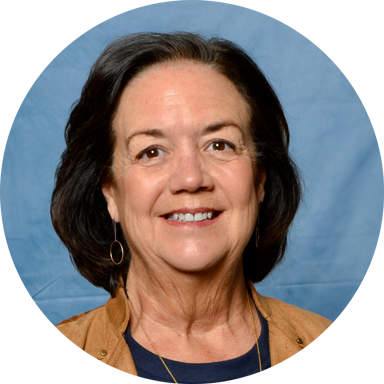
Sally K. Albrecht has shaped American choral music for more than thirty years as a composer, conductor, and publisher. Since 1987, she has earned the ASCAP Special Music Award annually and published over 600 choral works alongside 75 larger musicals and songbooks. She served as Director of School Choral, Vocal, and Elementary Publications at Alfred Music and has conducted honor choirs at Lincoln Center, Carnegie Hall, and The Kennedy Center.
Albrecht holds degrees from Rollins College (B.A. in Music and Theater, 1976), the University of Miami (M.A. in Drama, 1977; M.M. in Accompanying, 1979), and has taught at Oakland University, Jersey City State College, and Meredith College. A Cleveland native, she has served as Chair of the Board of Trustees for Omicron Delta Kappa National Leadership Honor Society and received the Distinguished Alumna Award from both the University of Miami Frost School of Music and Rollins College in 2021.
Why we love this
Albrecht writes a cappella music that trusts advanced choirs to handle genuine complexity without sacrificing musical payoff. The rhythmic ostinato device lets singers experience ensemble interlock at a new level, while the dramatic shift into "Pleni sunt coelis" and the majestic "Hosannas" gives you real contrasts to shape and perform. This is exactly the kind of tour-de-force repertoire that wins festival adjudicators and builds choir pride.
What to expect
Festival Sanctus alternates between propulsive rhythmic energy and hushed, expansive lyricism. The opening pulses with momentum as voices weave around each other, then suddenly opens into intimate reverence before building to a triumphant, full-voiced declaration. It's the kind of piece that leaves both singers and listeners energized.
Who it's for
Advanced mixed choirs (treble and lower voices) ready to tackle mixed meter, complex rhythmic independence, and dramatic dynamic range. This octavo rewards choirs that have developed solid blend, intonation control, and the stamina to sustain a cappella singing through multiple textural shifts.
How to get the most out of it
- Lock the rhythmic ostinato group into a precise, undeviating pulse early in rehearsals; their steady foundation makes the mixed meter "Sanctus" theme breathable for the other voices.
- Shape the "Pleni sunt coelis" section with attention to dynamic transparency; this passage should feel introspective and light after the rhythmic drive of the opening.
- Balance the "Hosannas" majestic quality by ensuring lower voices anchor the harmonic foundation while treble voices soar without straining.
- Emphasize the textural contrast between the opening section and the middle by adjusting vowel resonance and spatial awareness; this helps audiences hear the structural shifts.
How to use it
Reserve this for a festival or concert finale where your choir can command full attention; the dramatic contrasts and technical demands work best as a showcase moment rather than an opening piece. Pair it with lighter sacred settings or secular repertoire to highlight just how much Range Festival Sanctus displays.
Skills your students will build
- Reading and executing mixed meters (with rhythmic precision and flexibility)
- Maintaining rhythmic ostinato independently while other voices carry melody
- Balancing treble and lower voices in four-part a cappella texture
- Shaping dramatic dynamic and textural contrasts across formal sections
- Sustaining intonation through extended a cappella passages without accompaniment