
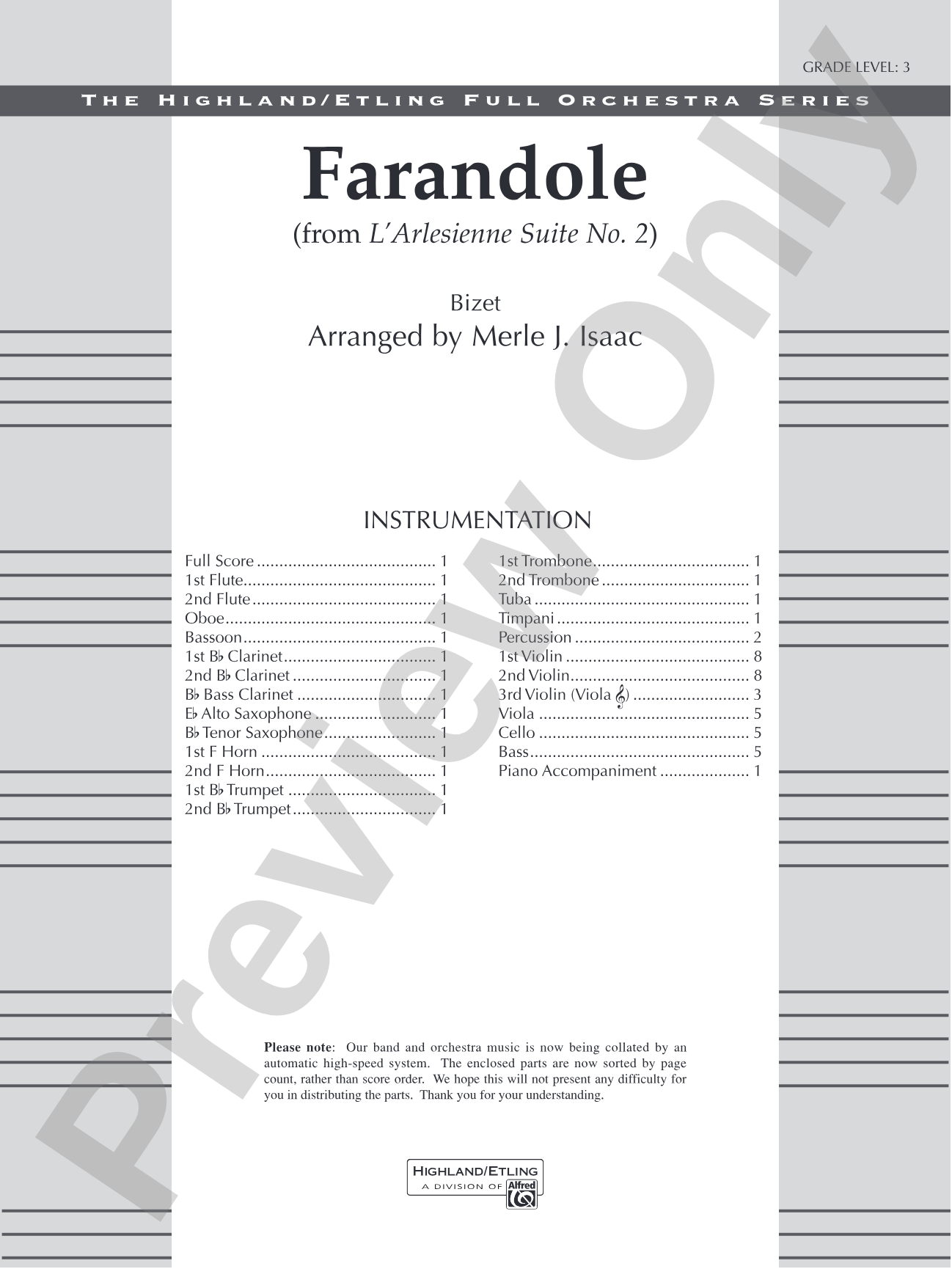
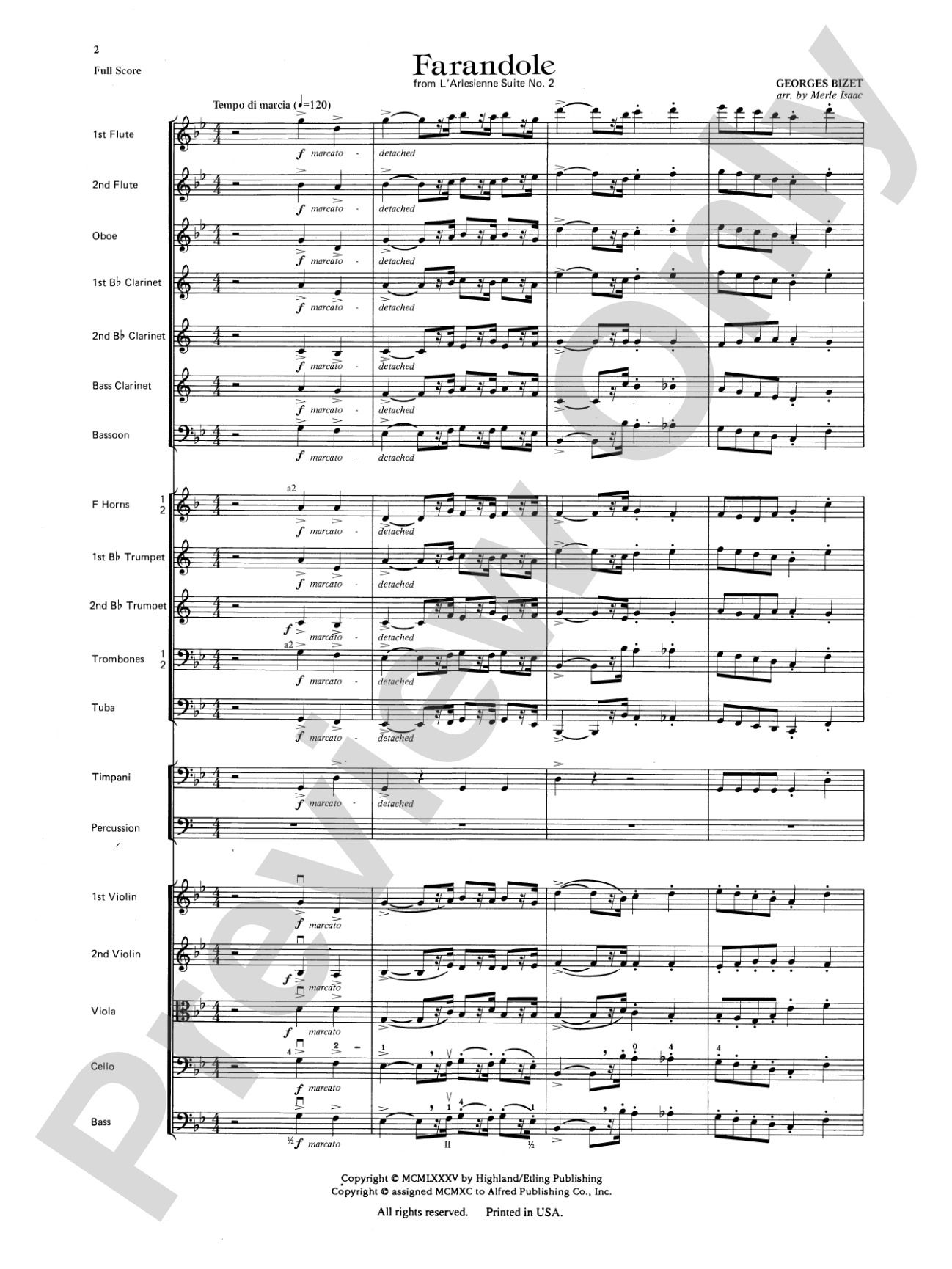
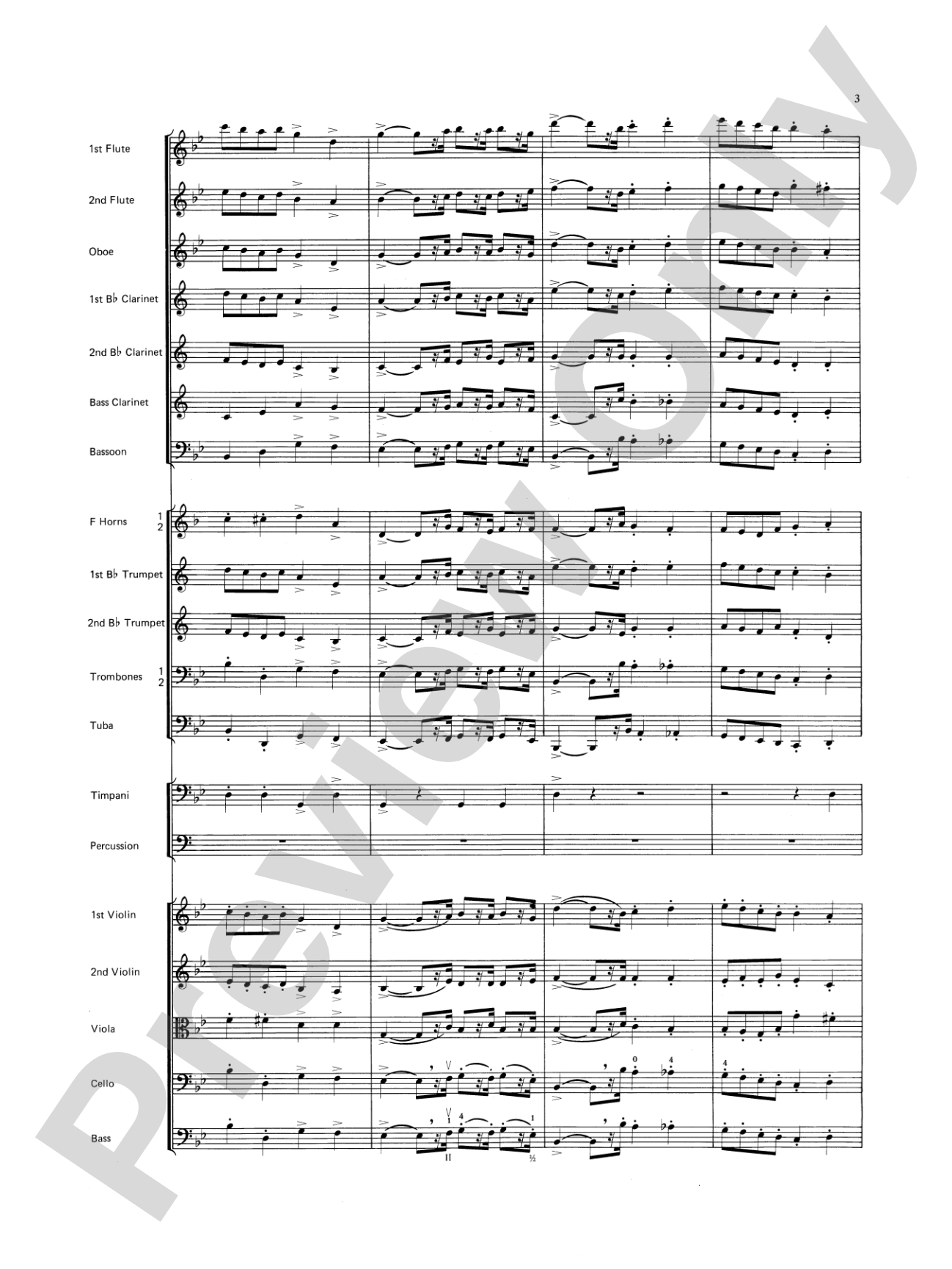
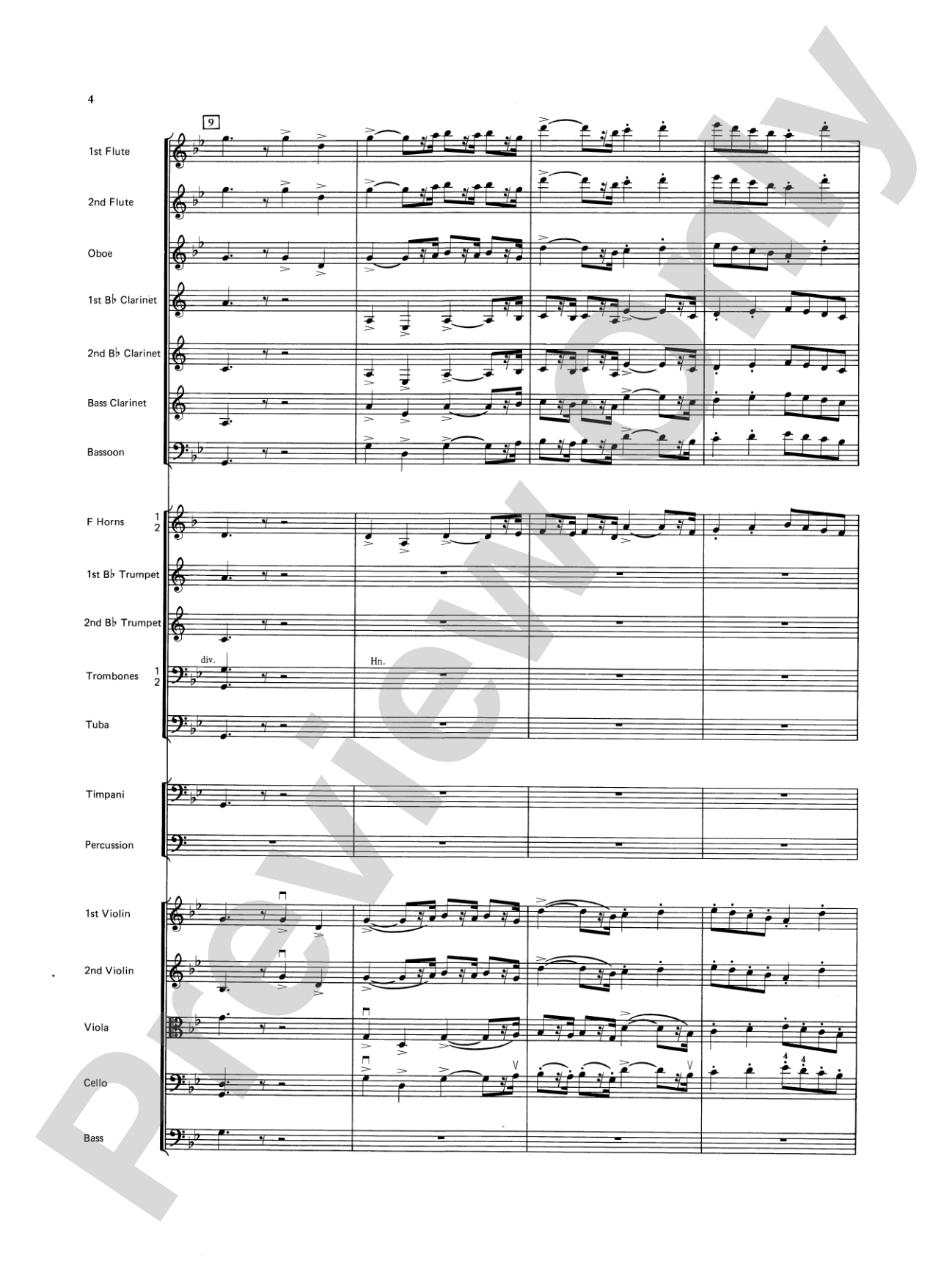
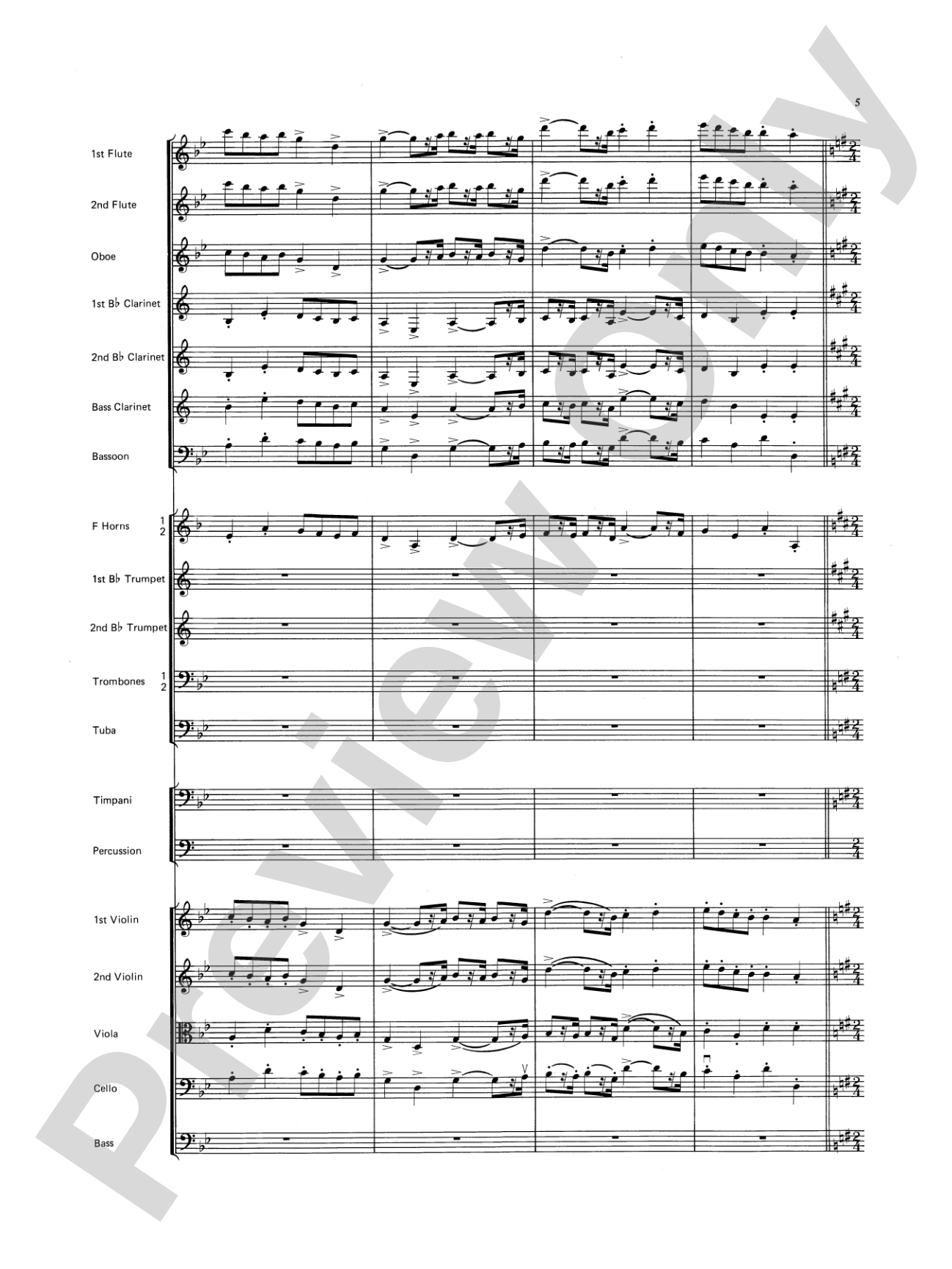
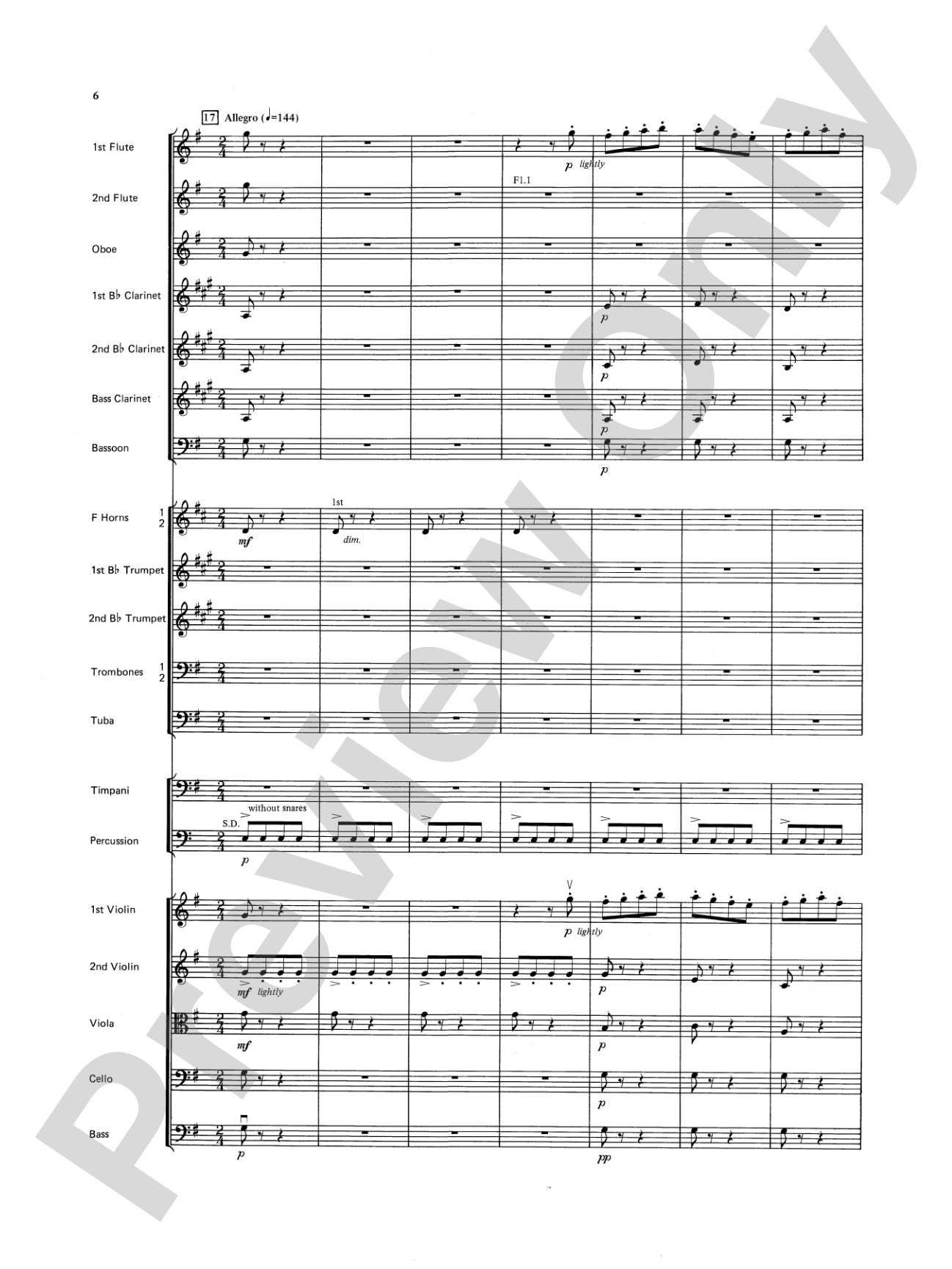
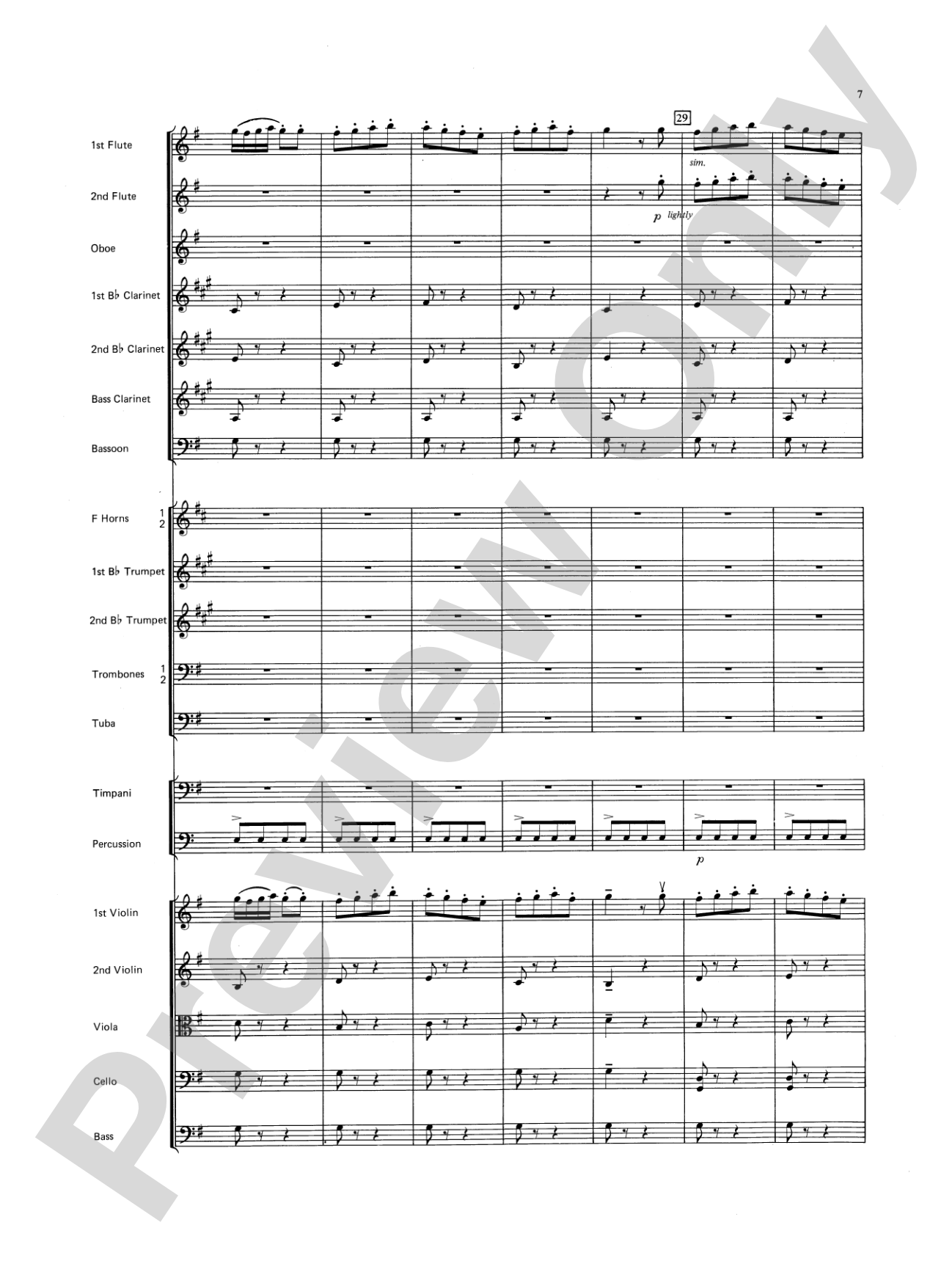
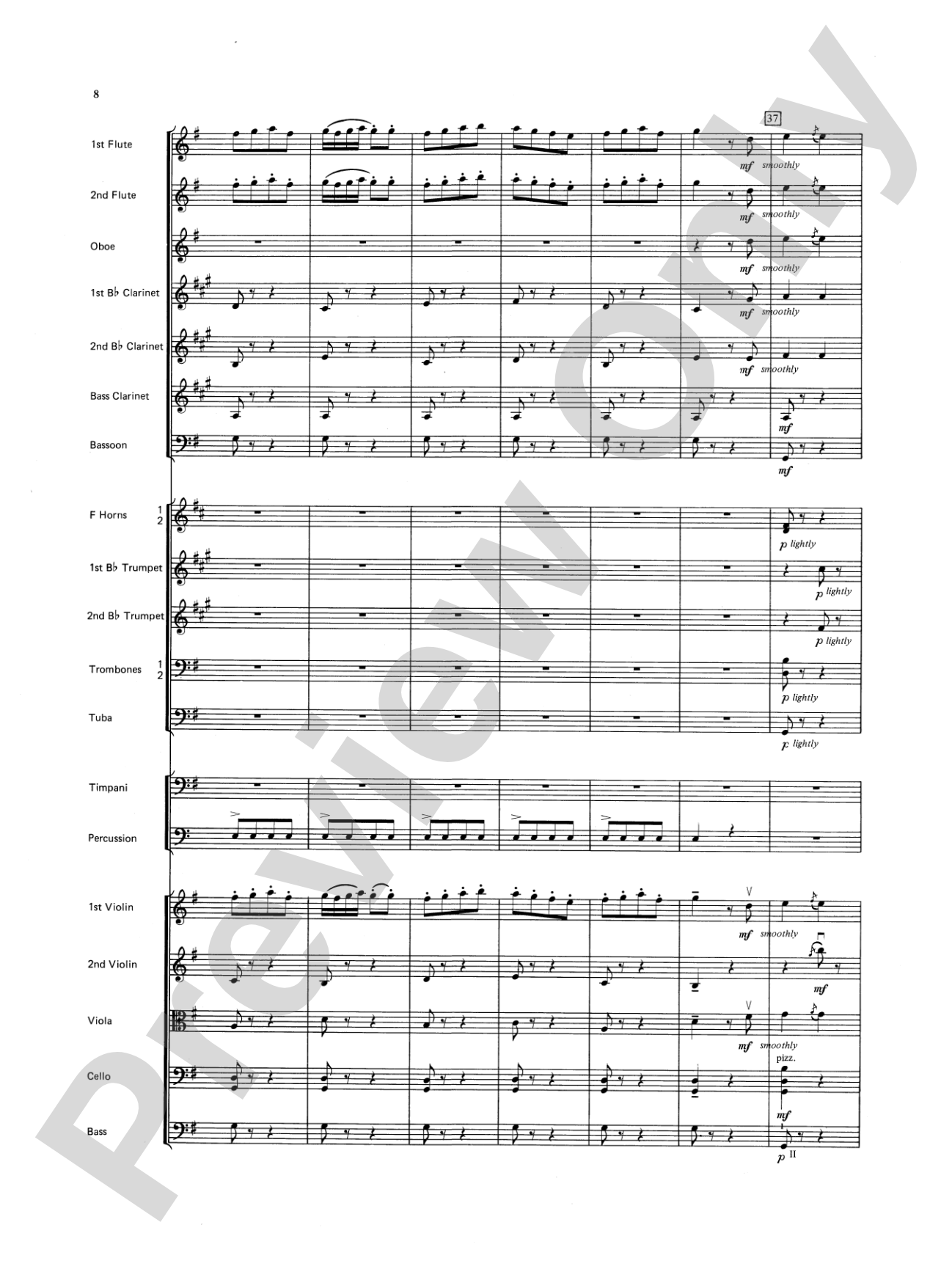
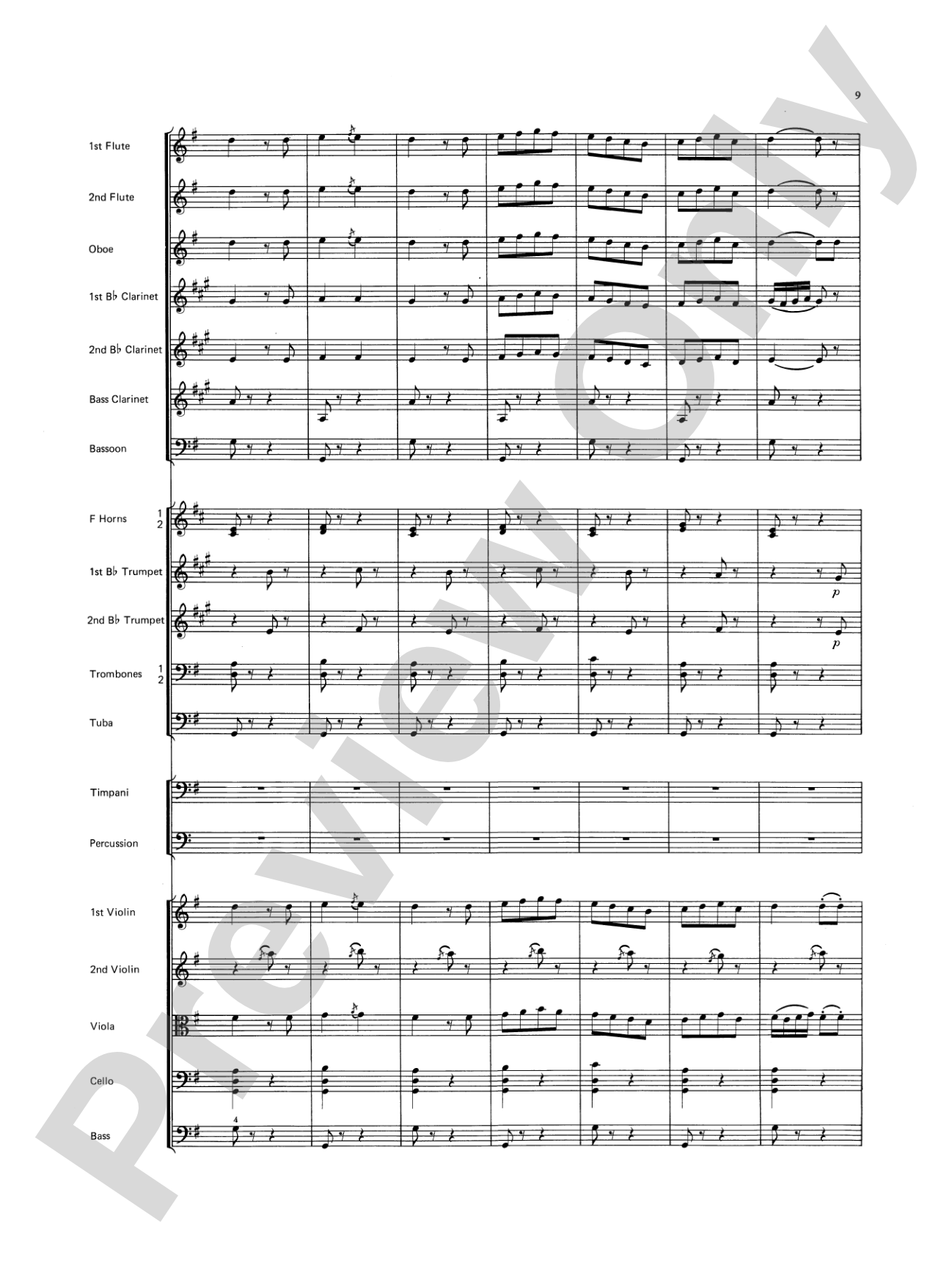
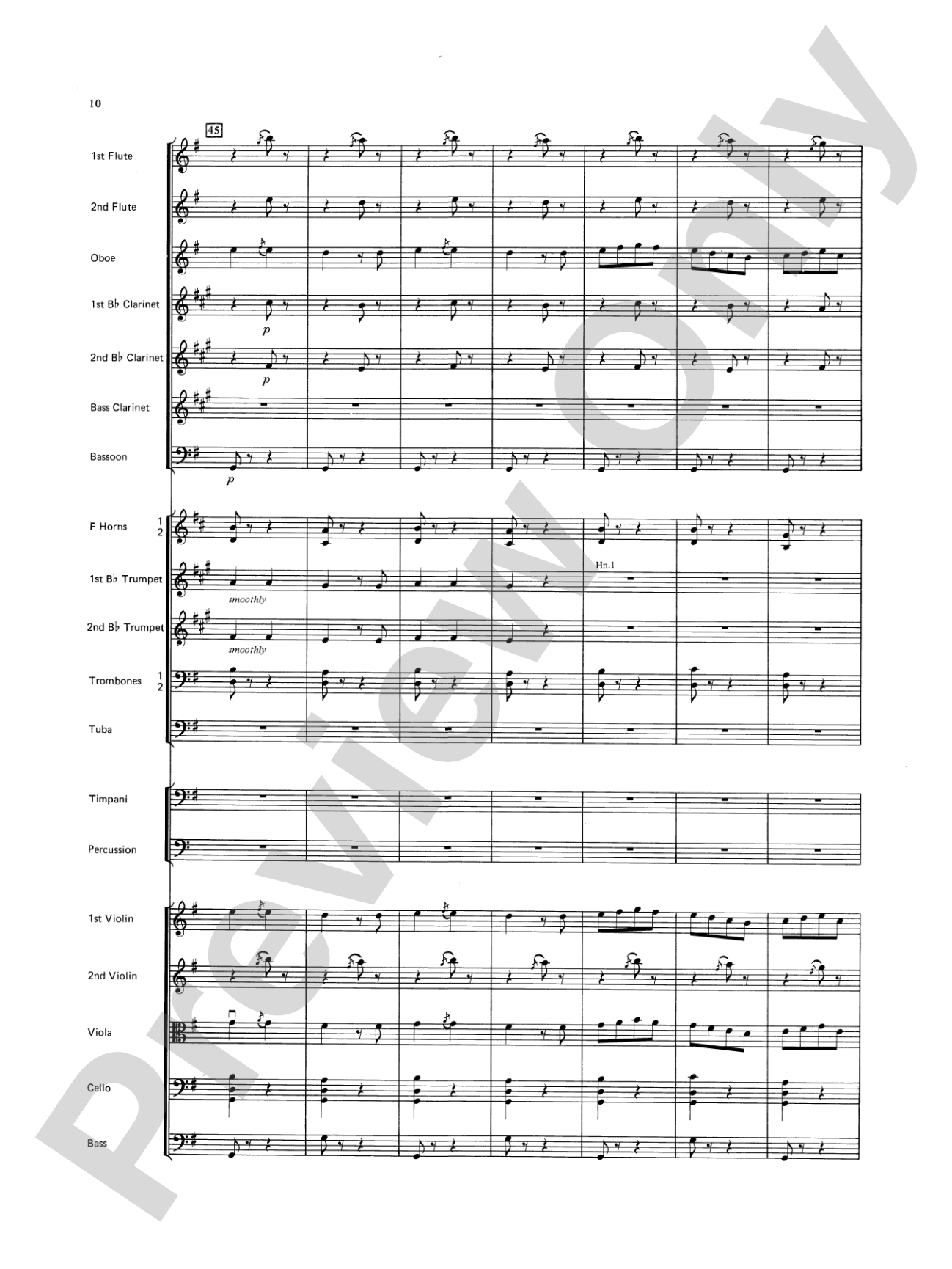
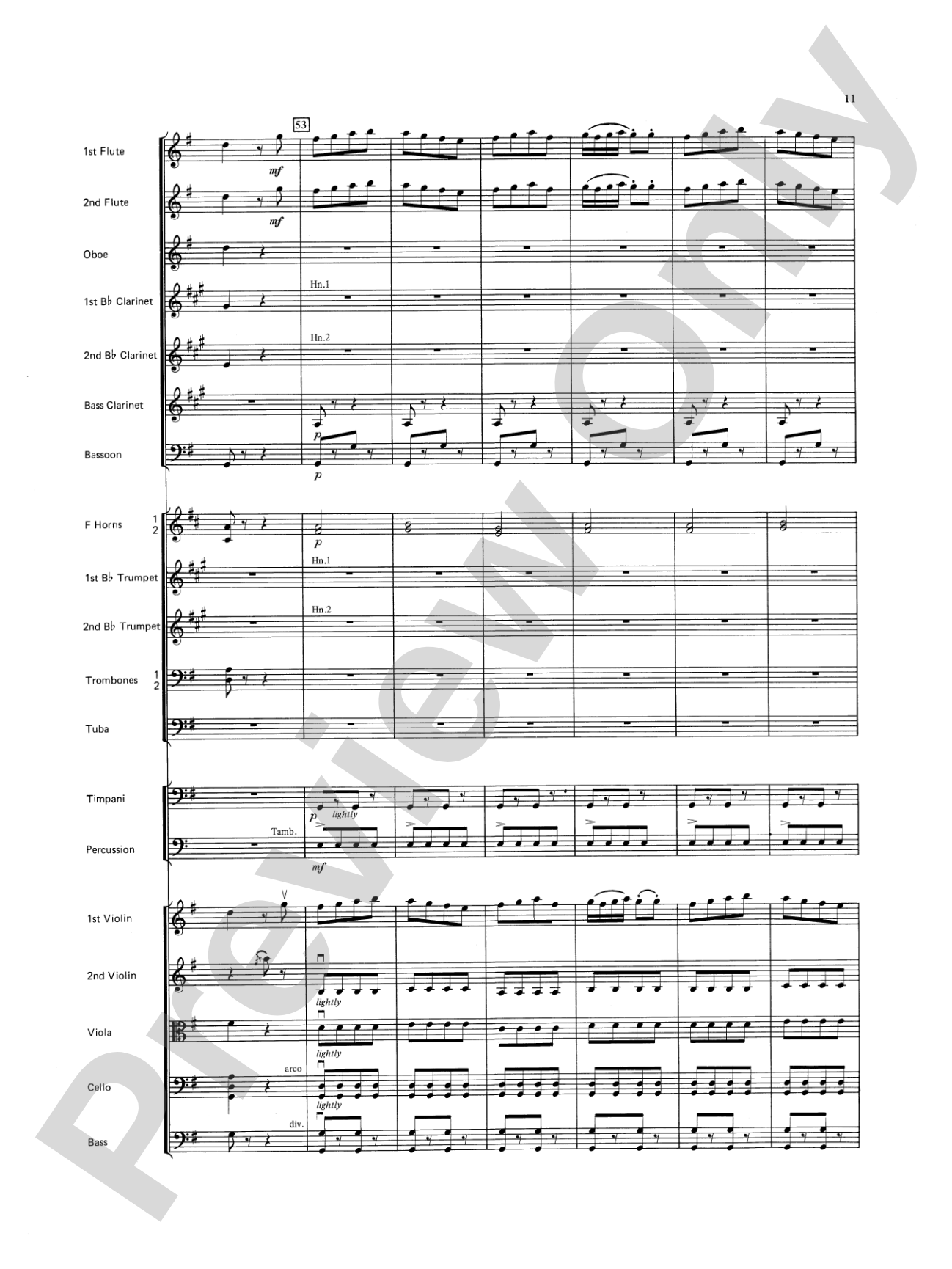
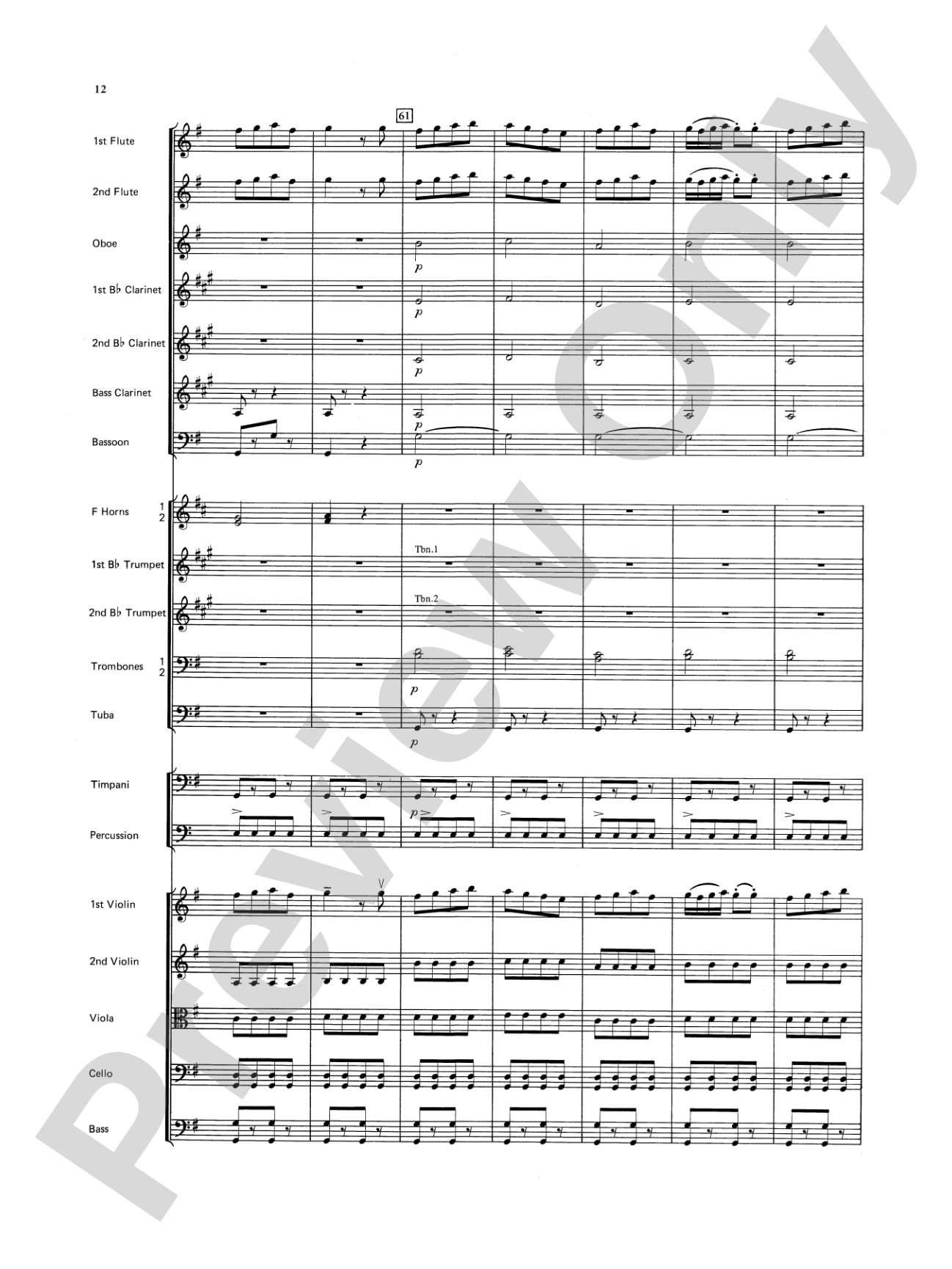
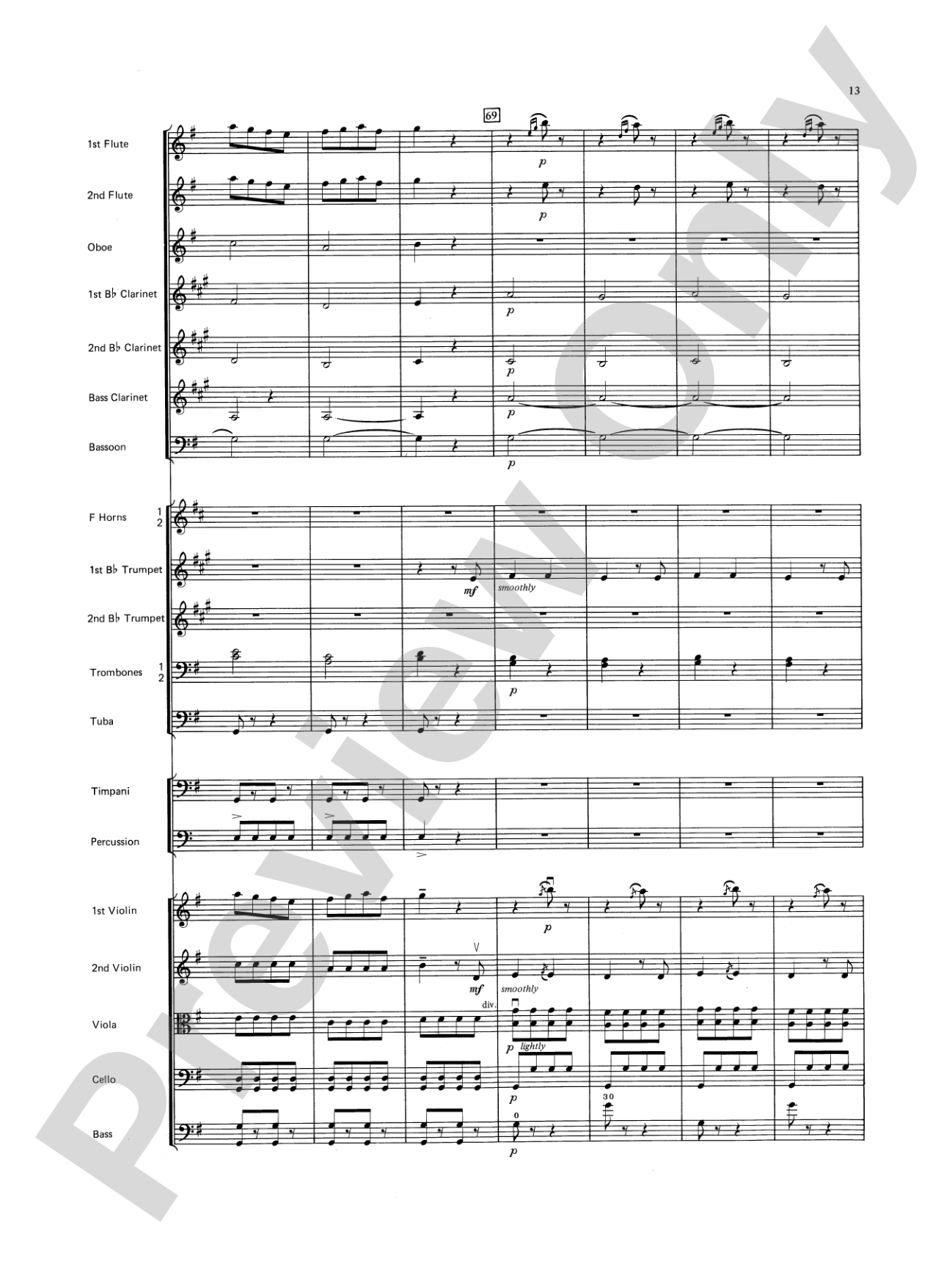
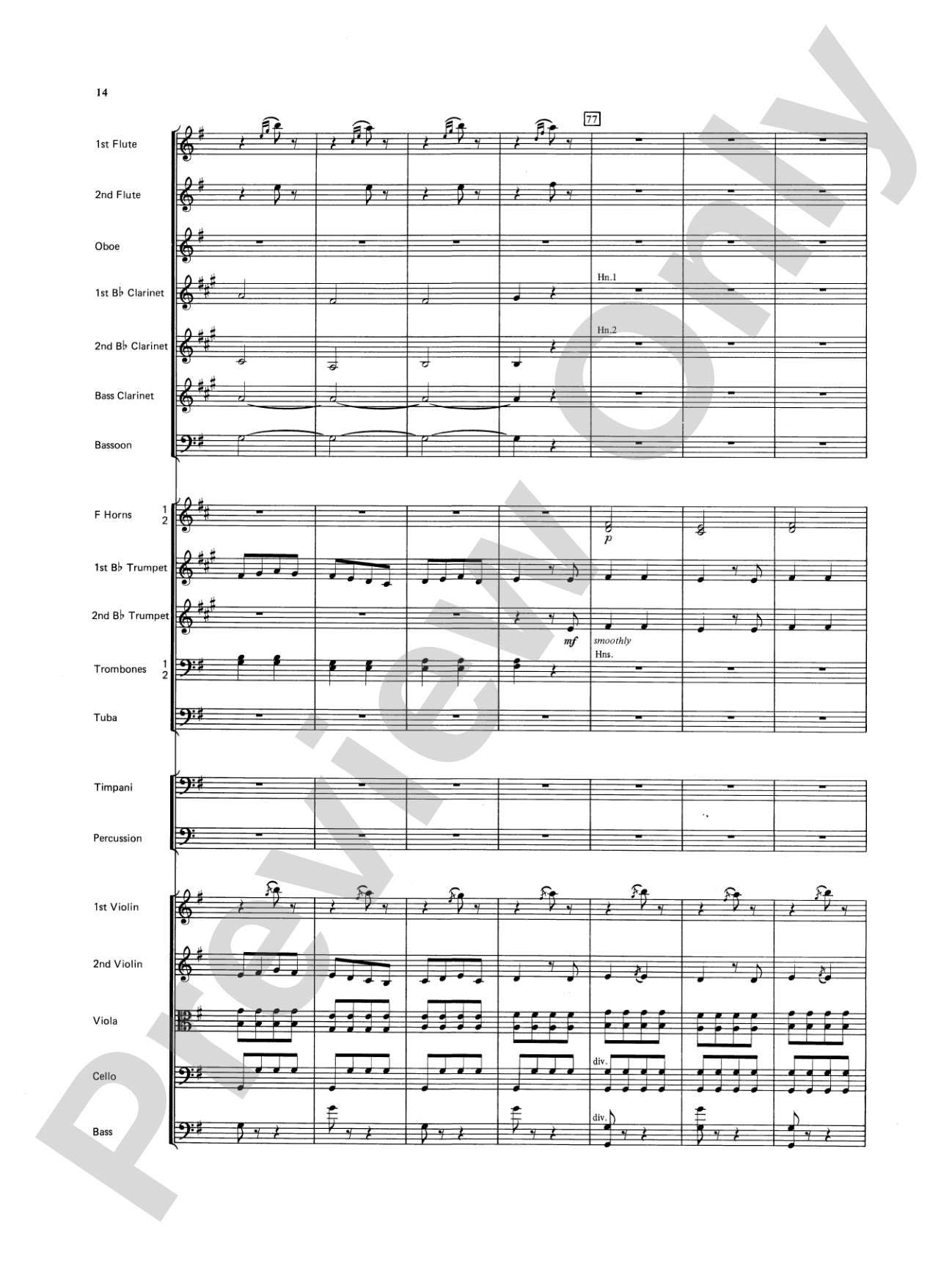
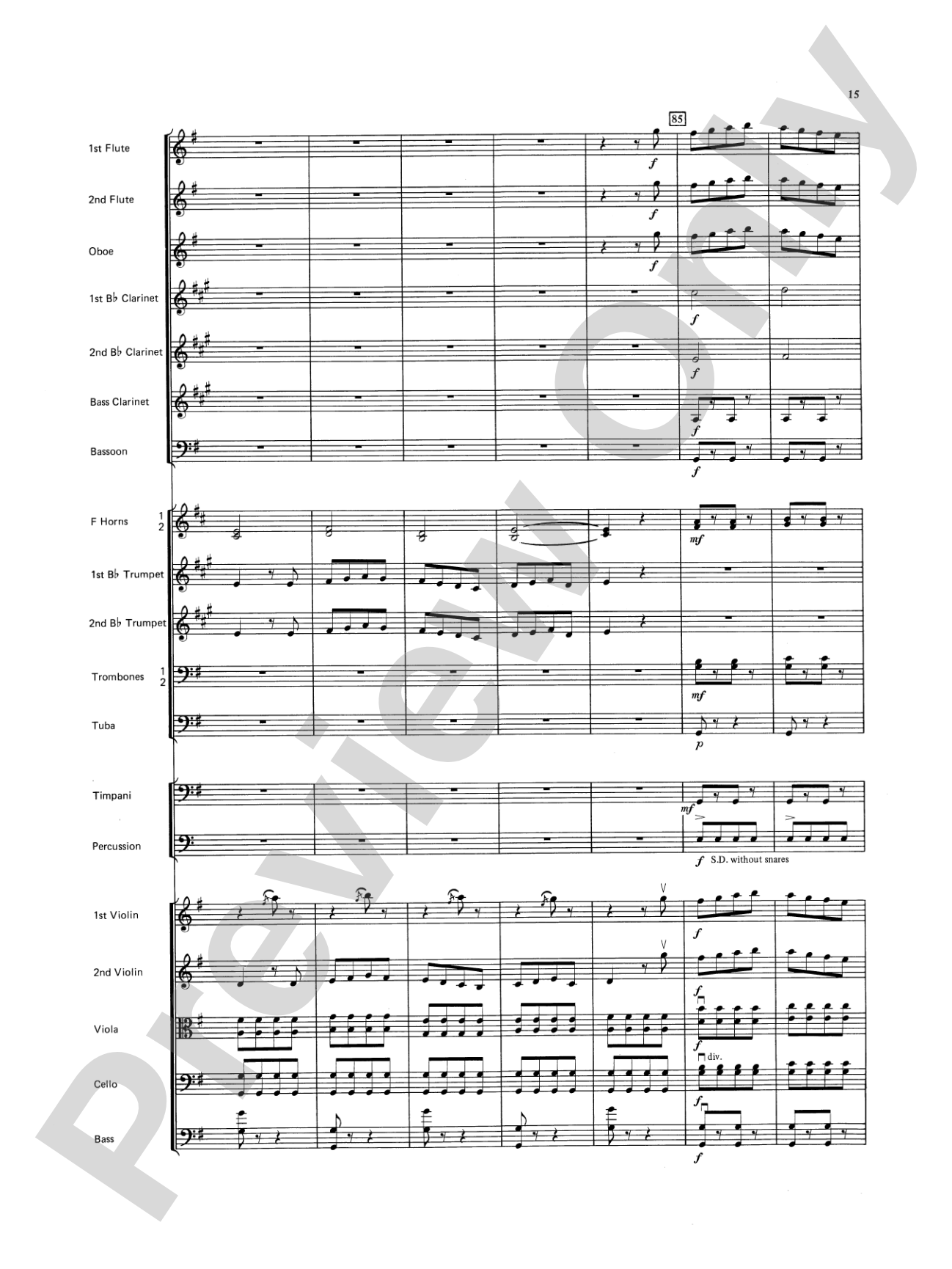
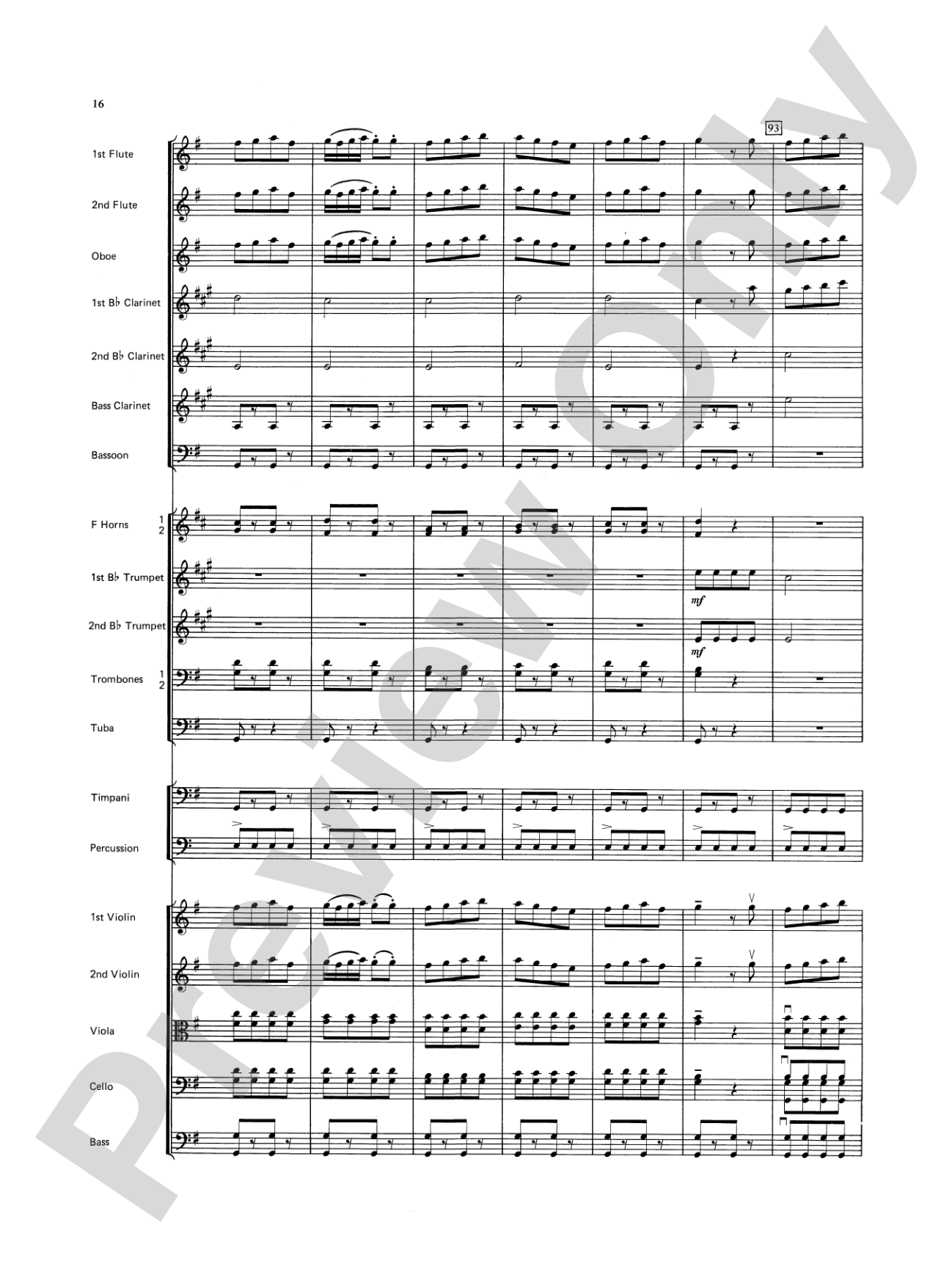
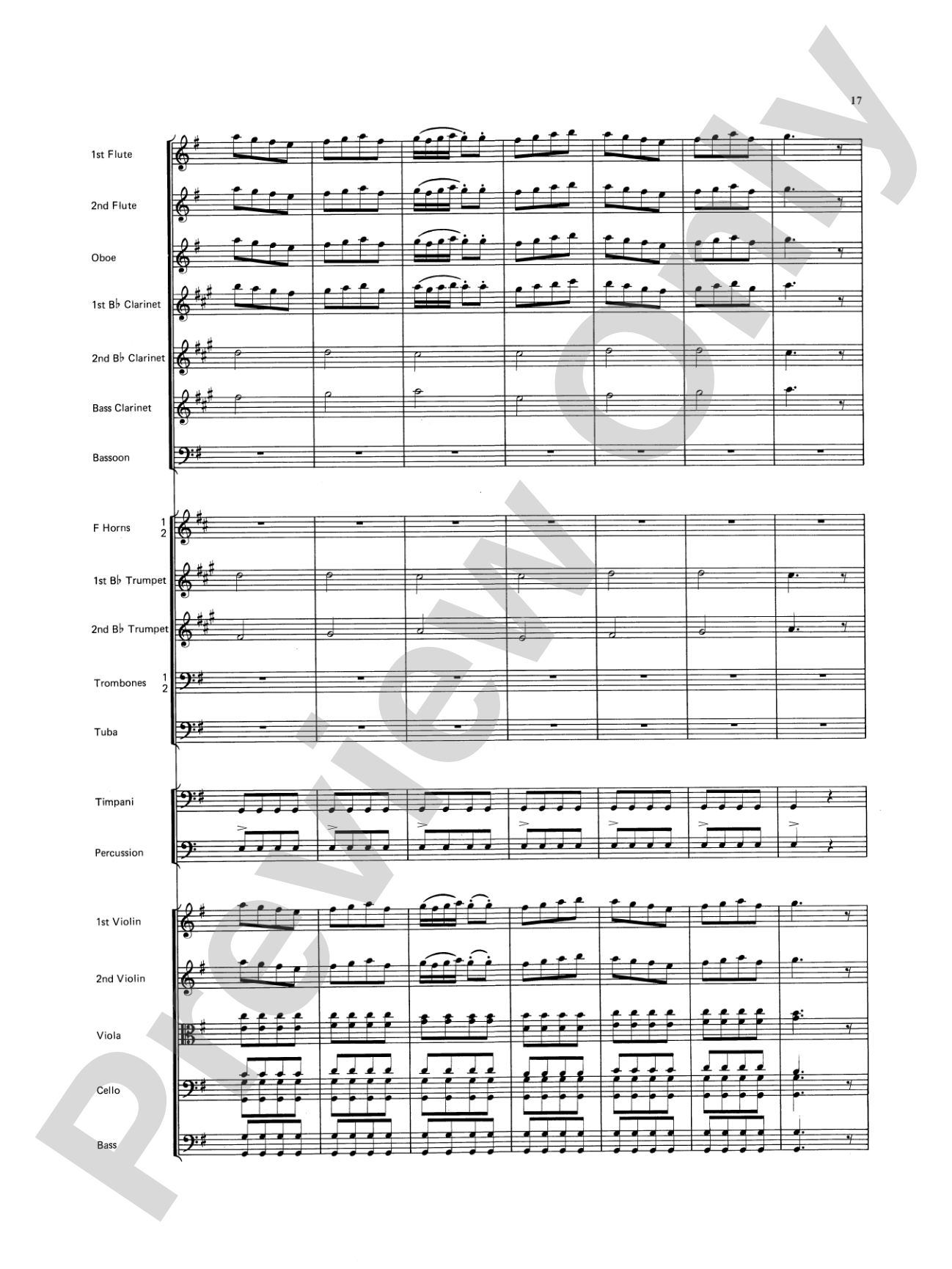
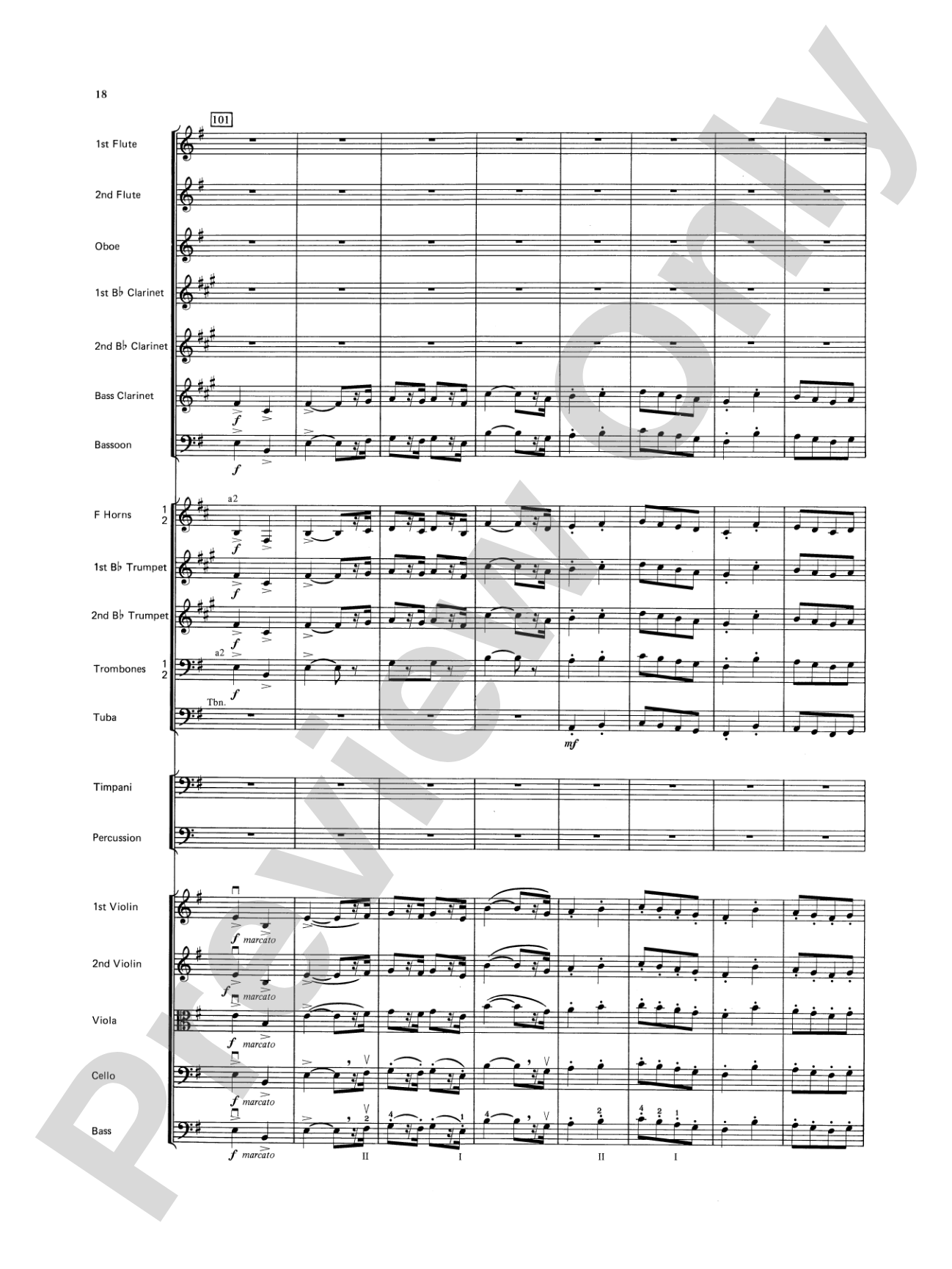
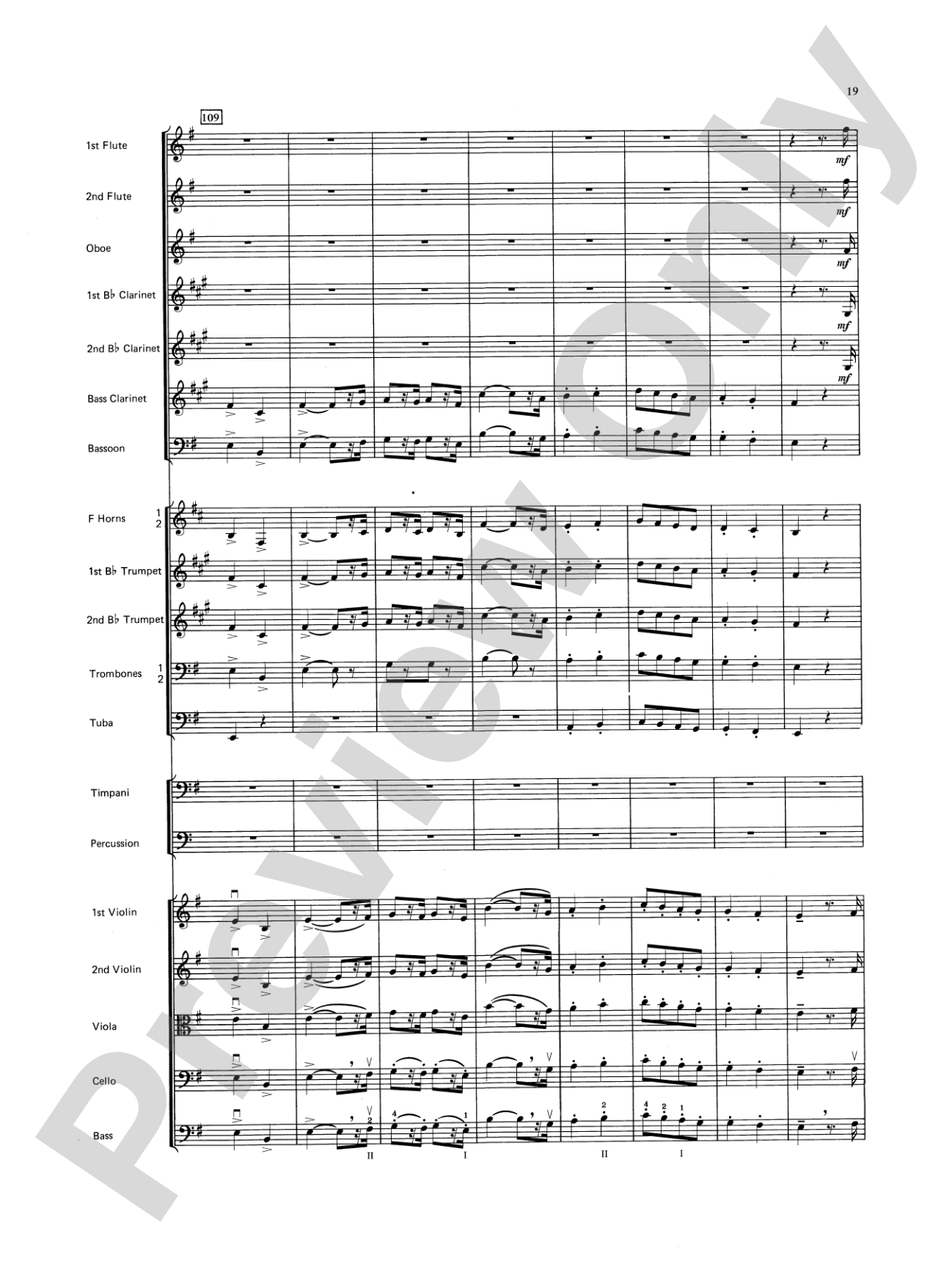
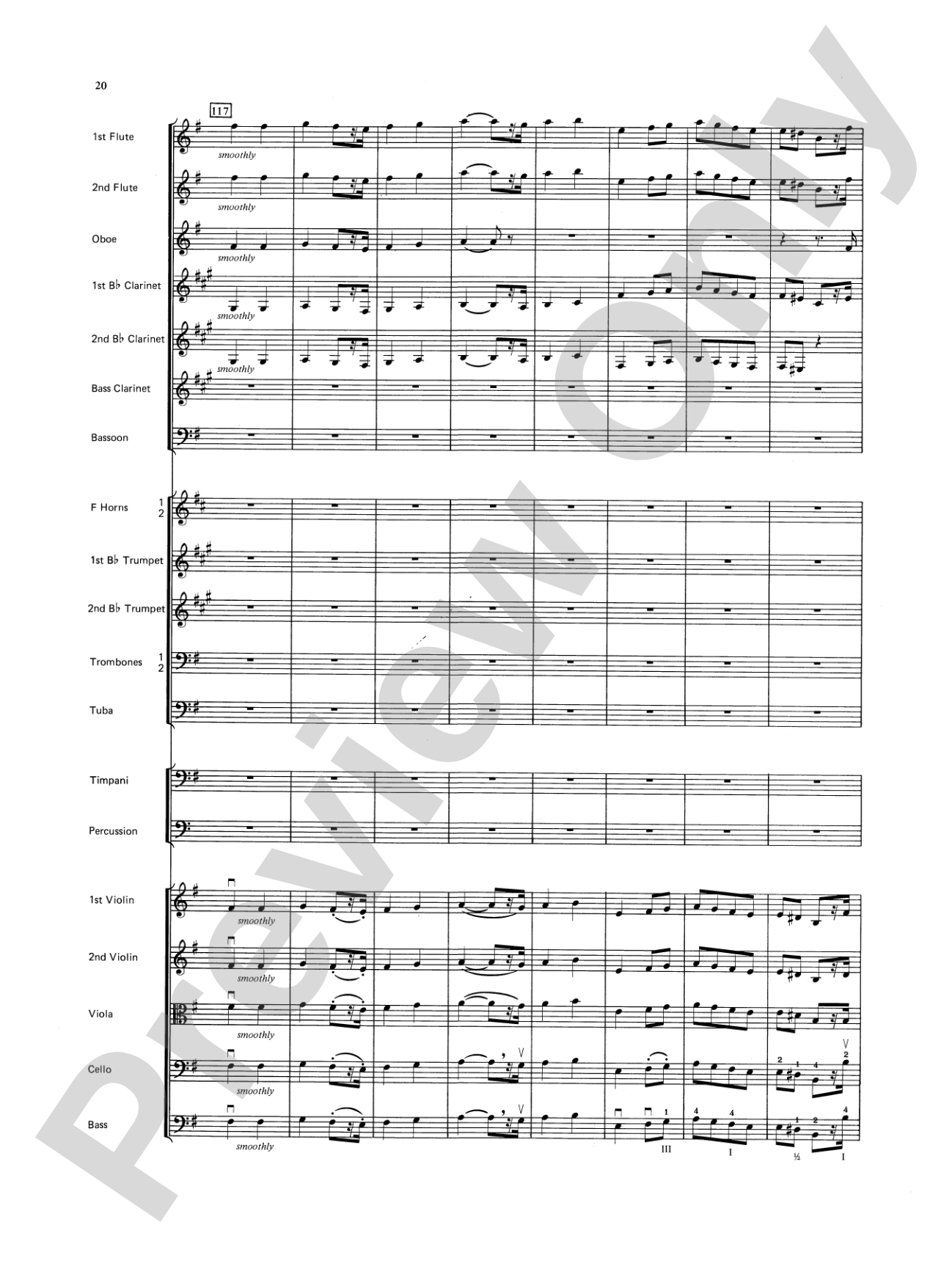
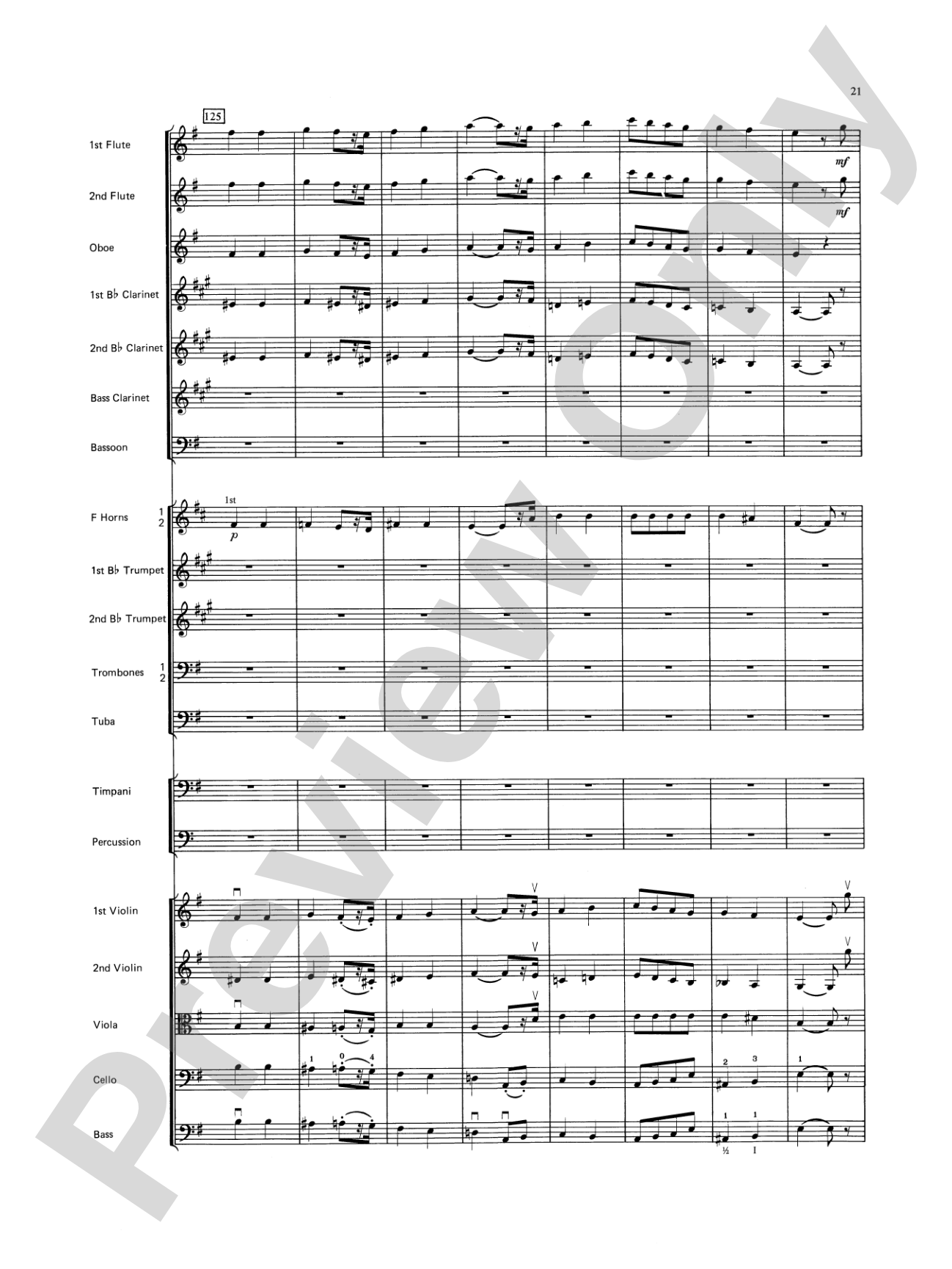
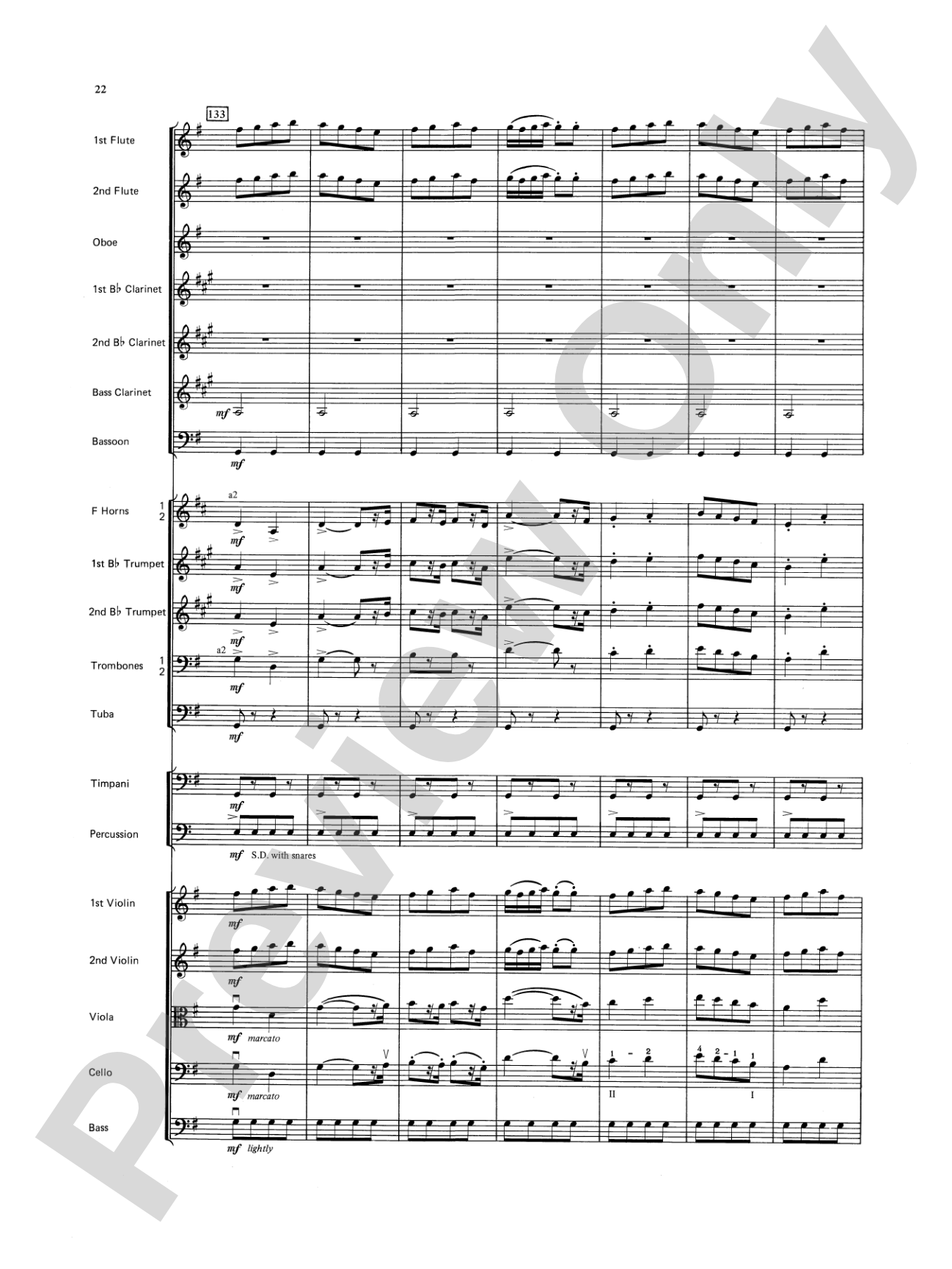
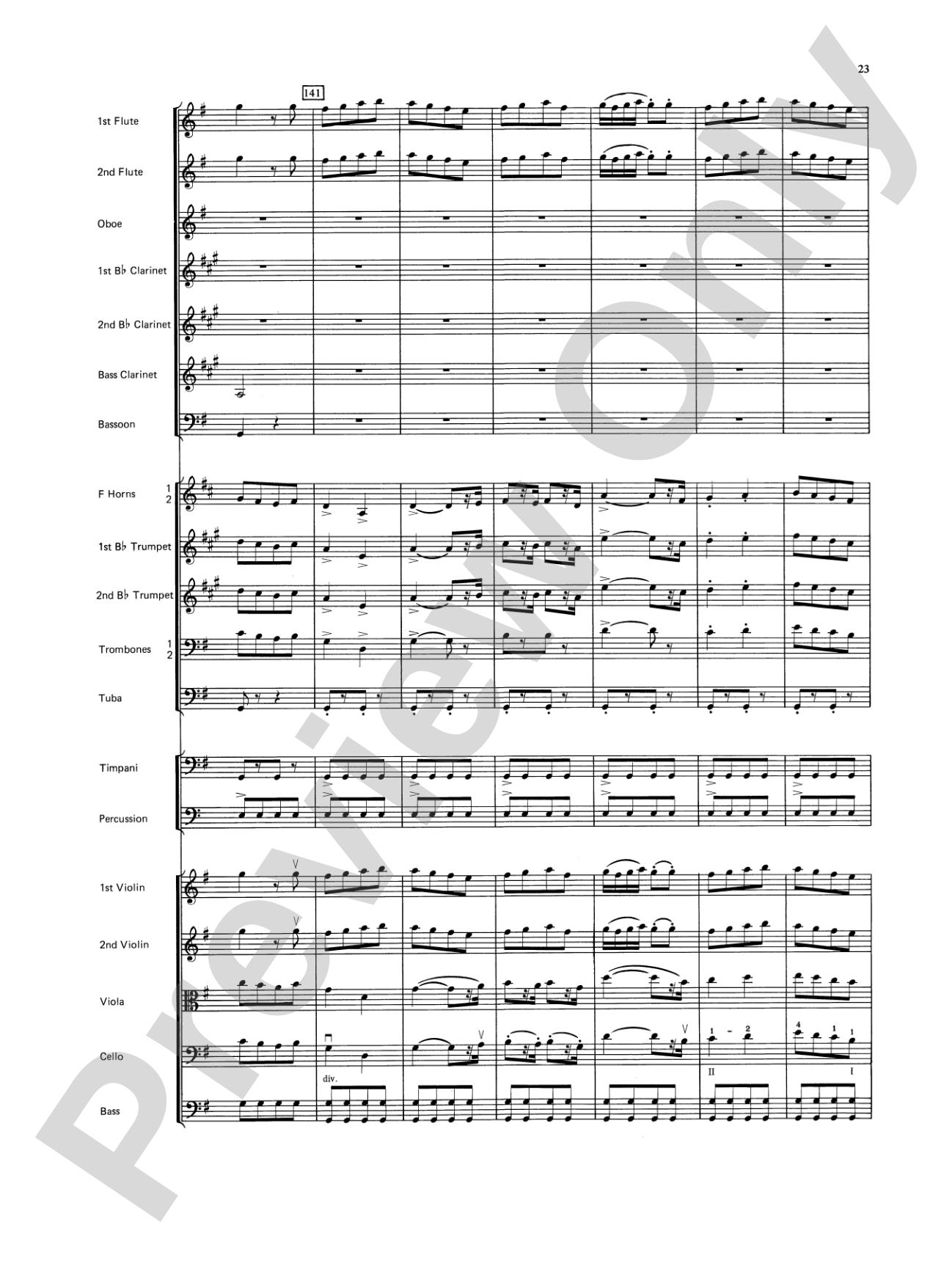
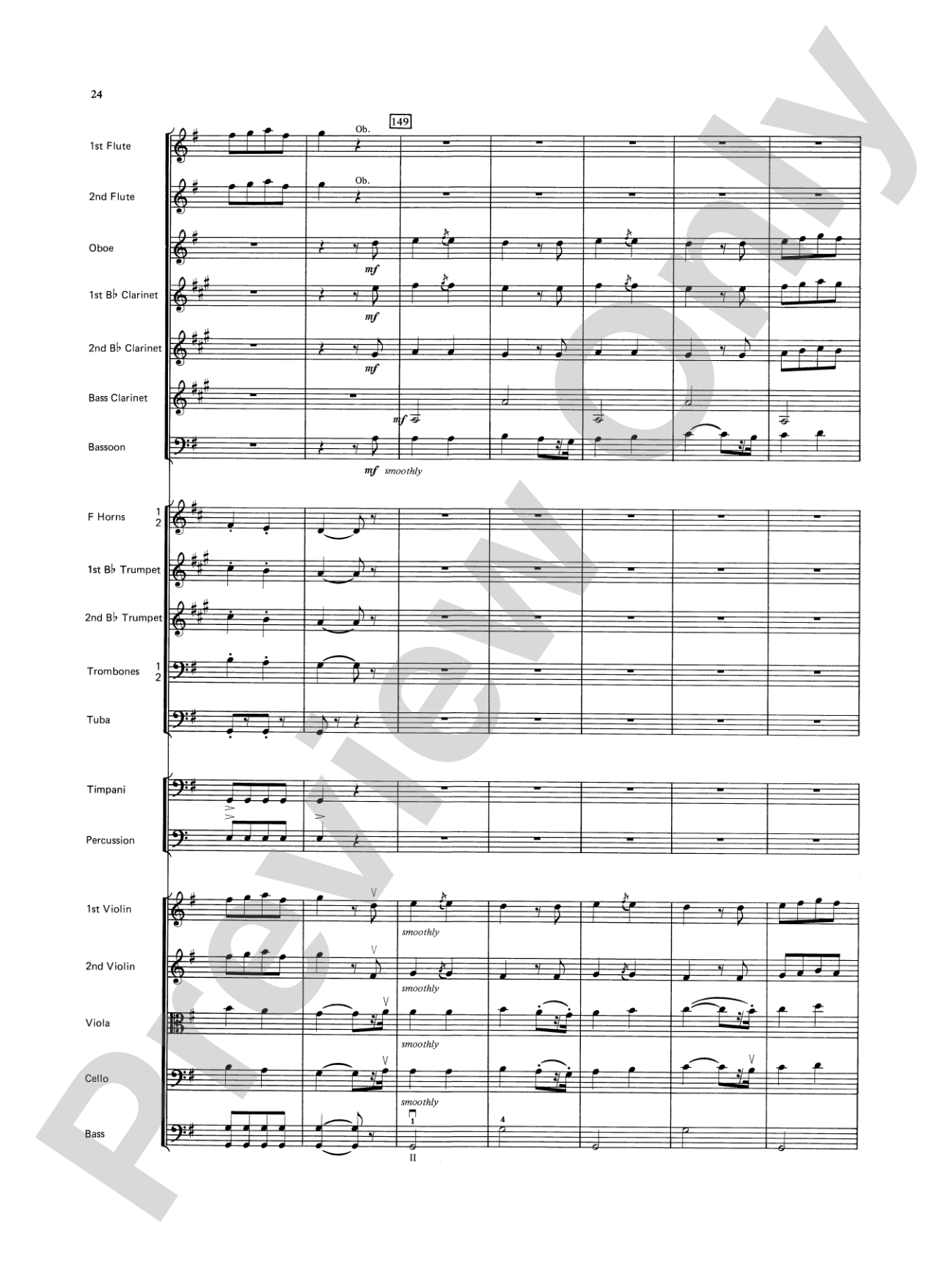
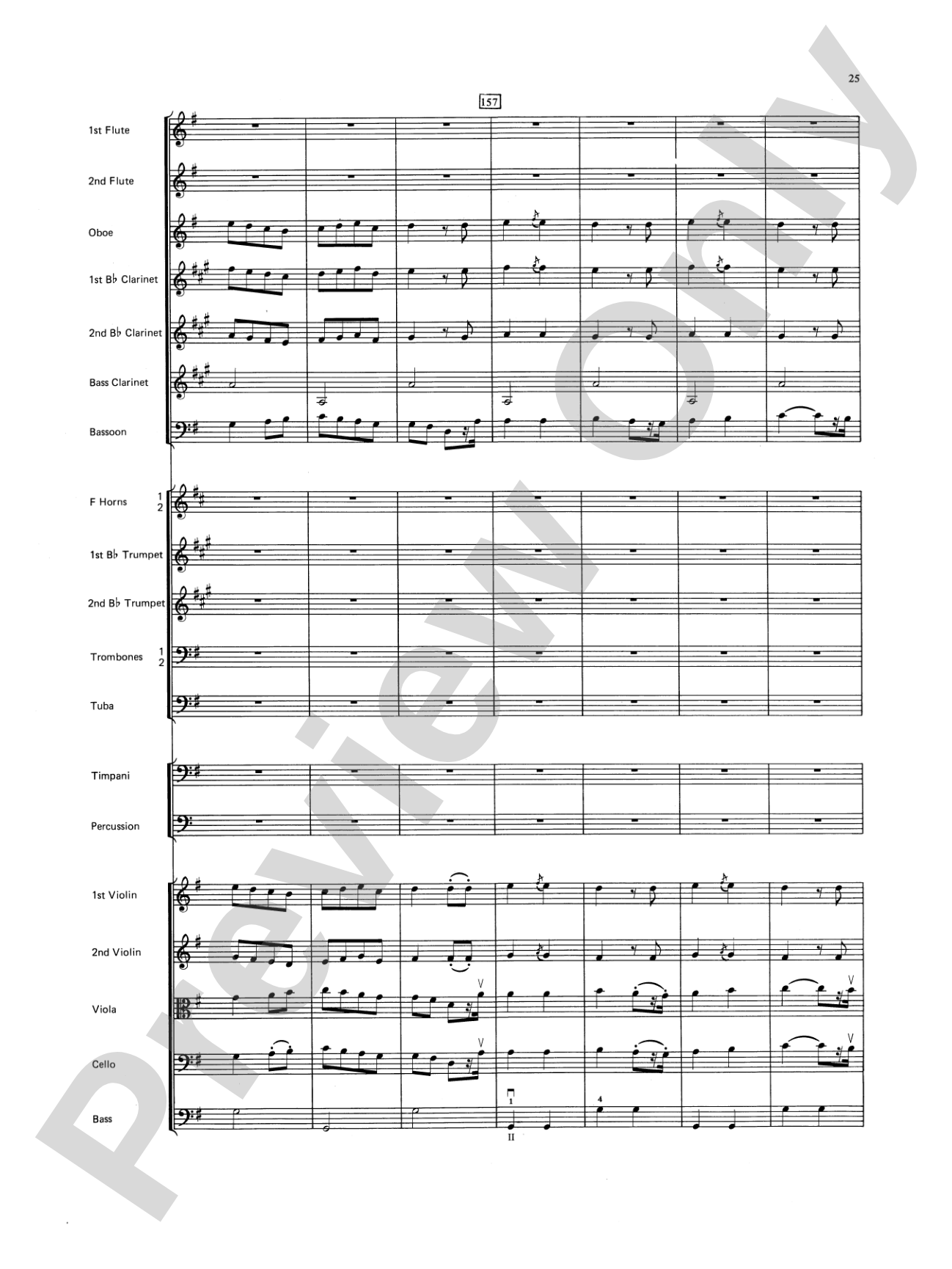
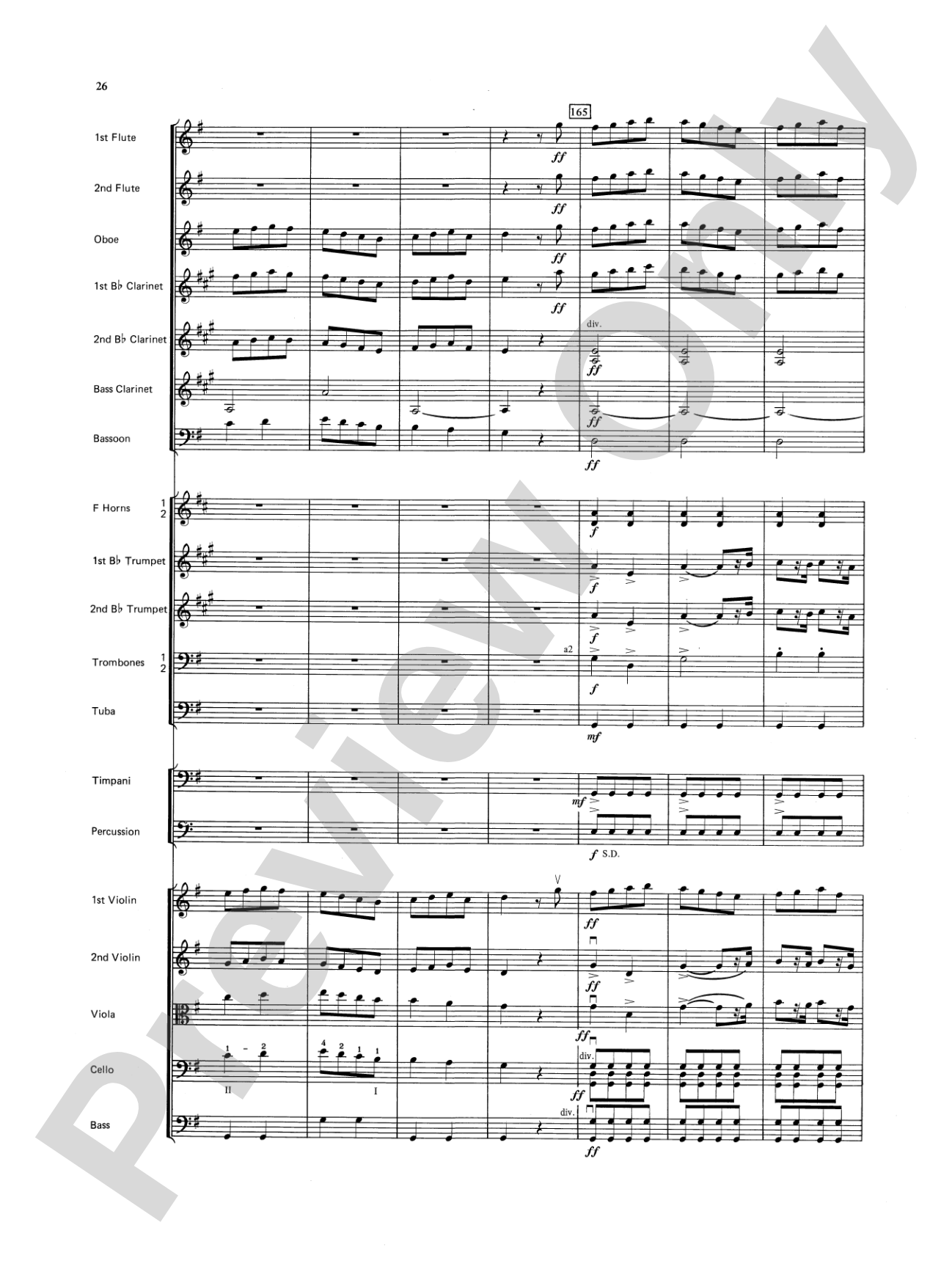
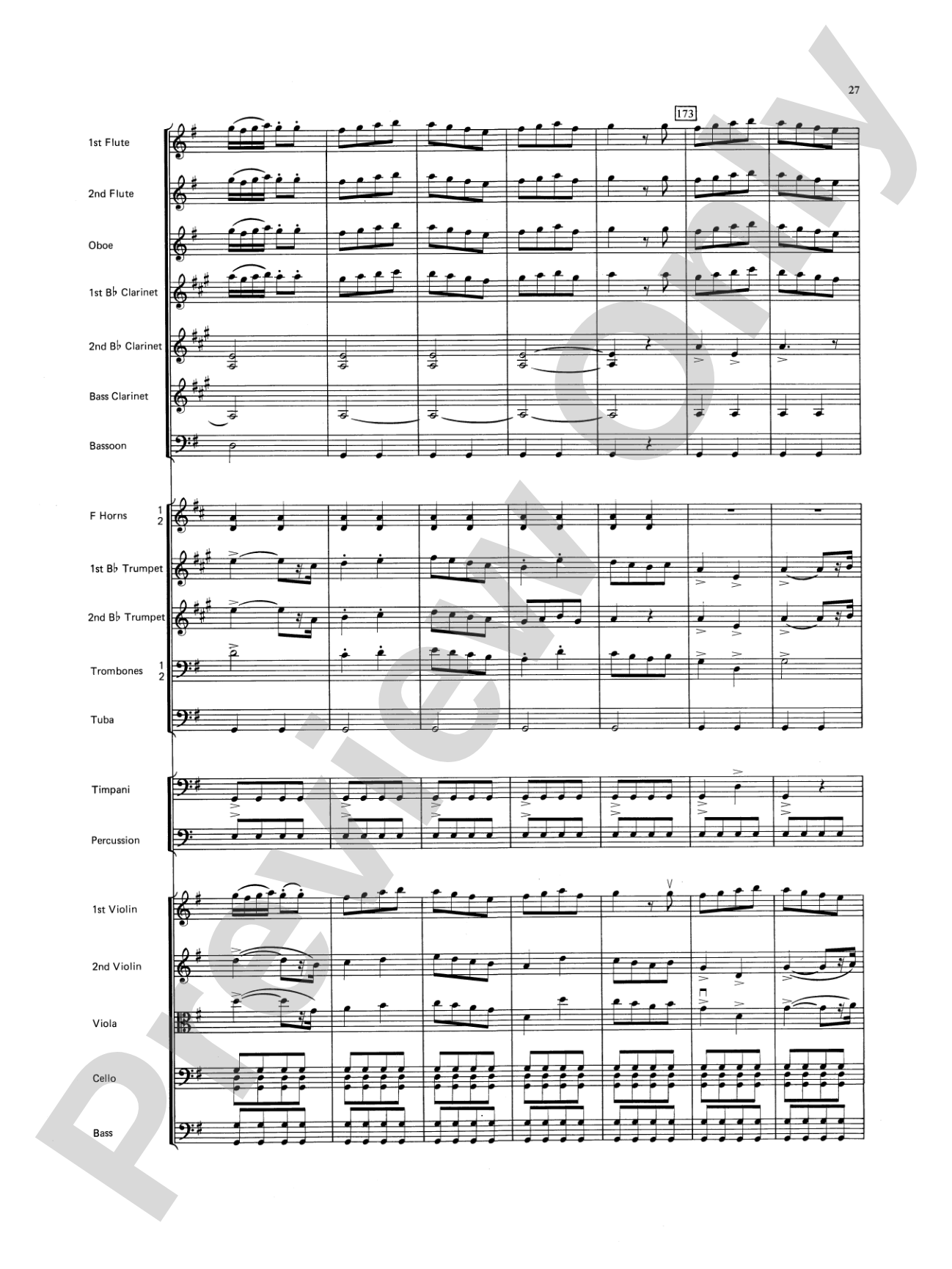
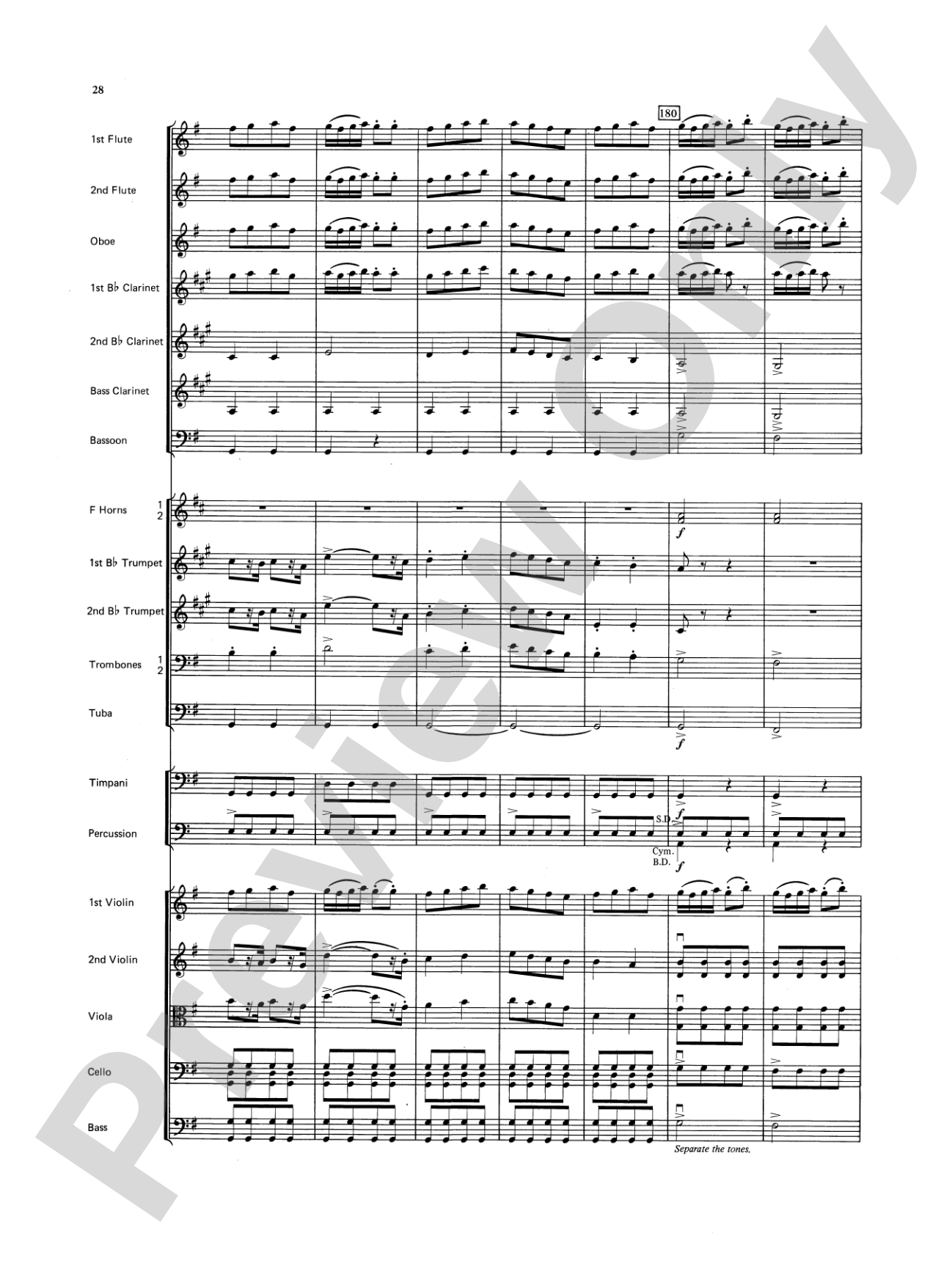
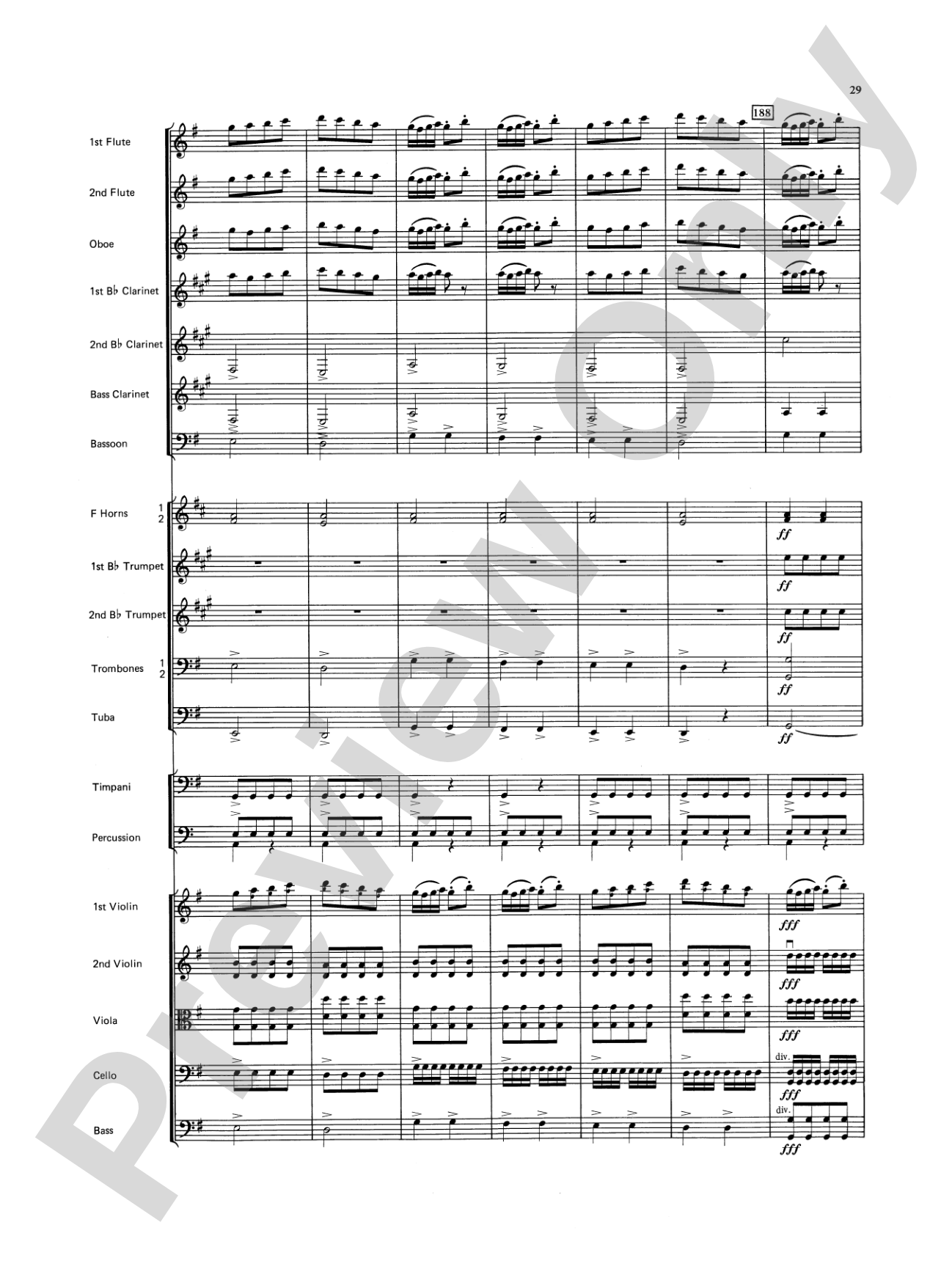
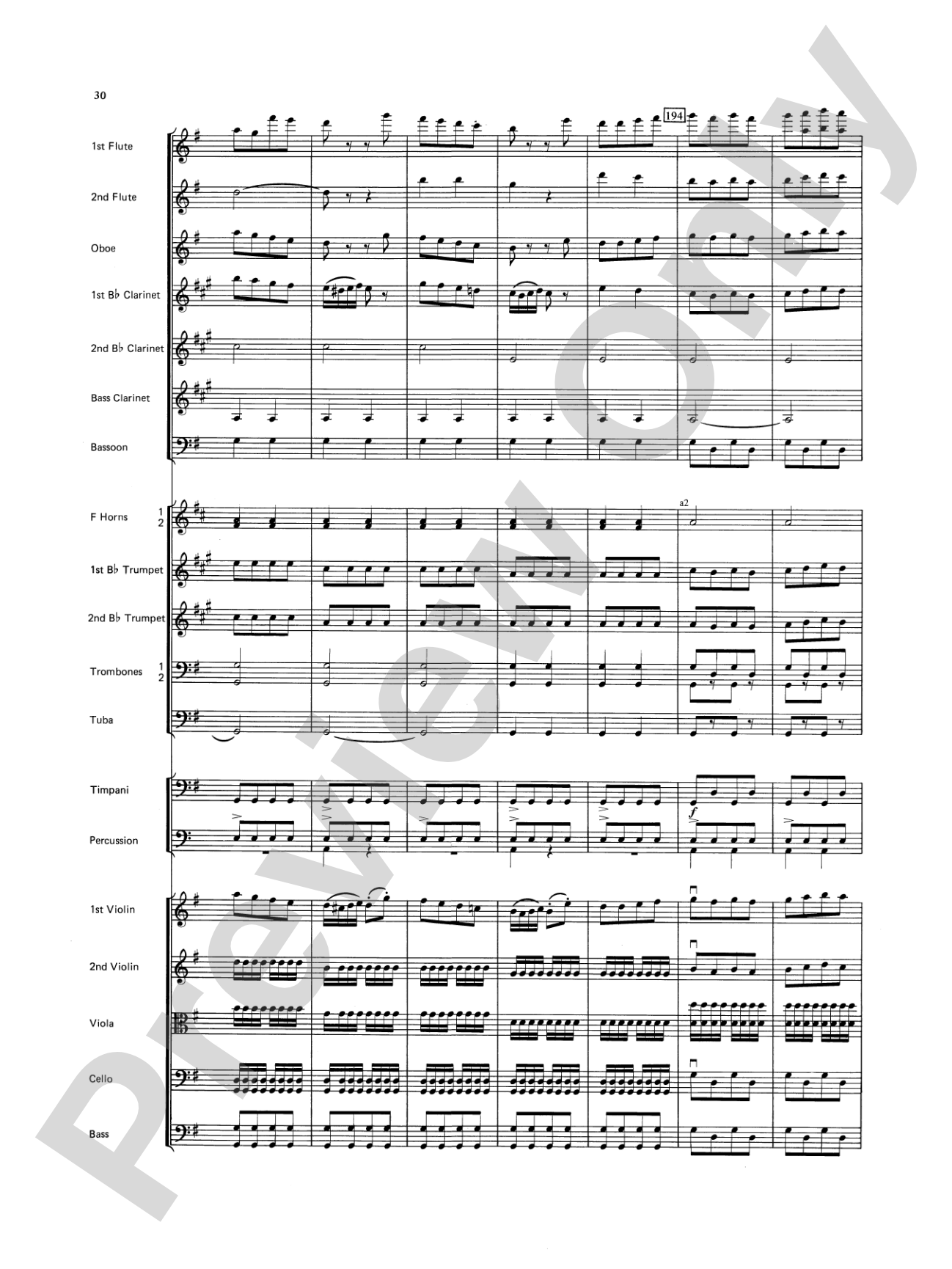
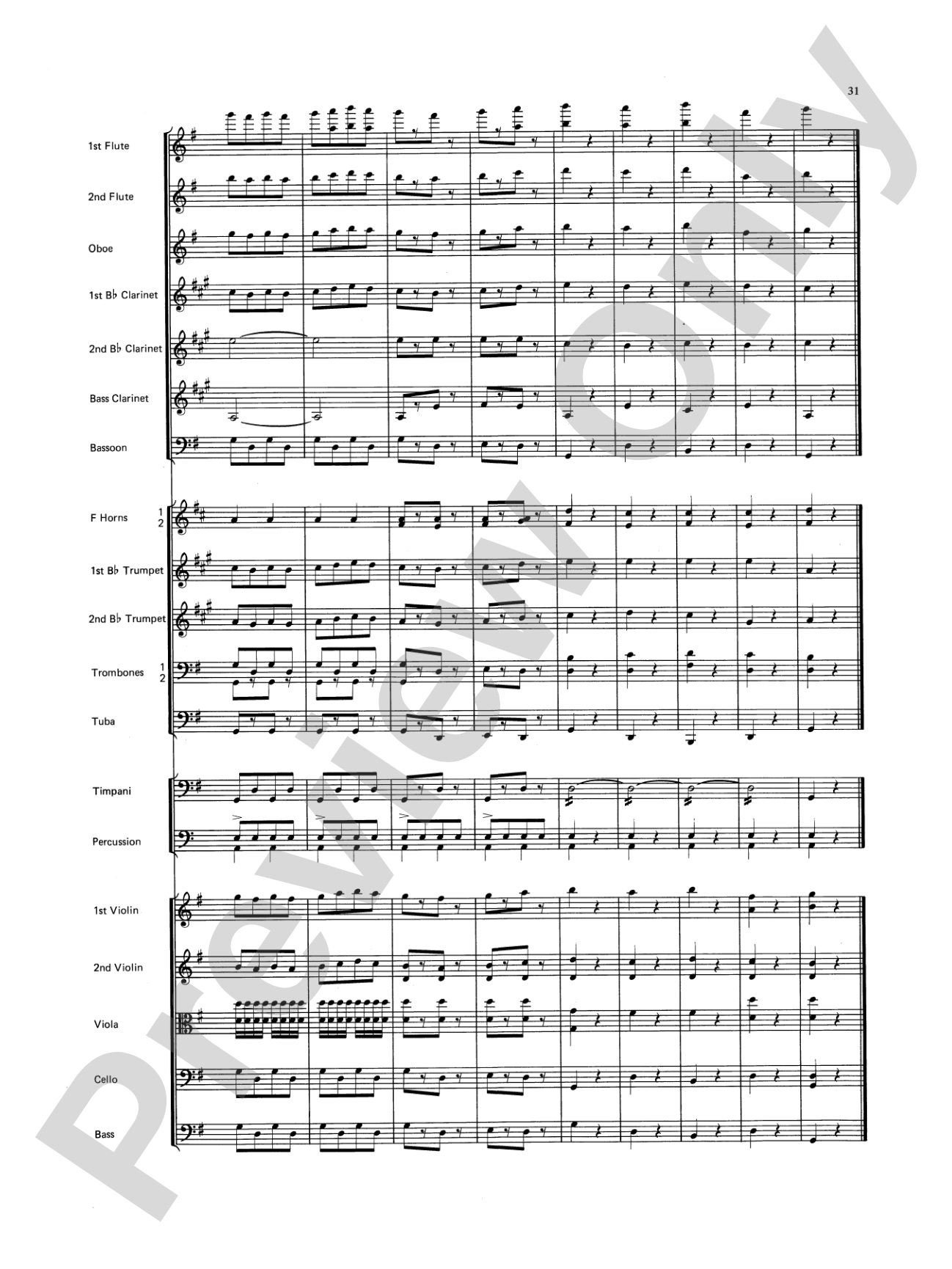


Farandole: Full Orchestra Conductor Score & Parts
By Georges Bizet / arr. Merle J. Isaac
Grade: 3
Item: 00-PK-0000041

$73.00
Pickup currently not available
Buy Extra Parts (Digital PDF Download)
| Product | Price | Quantity |
|---|---|---|
| Farandole: Score | $9.00 | |
| Farandole: Flute | $3.00 | |
| Farandole: 2nd Flute | $3.00 | |
| Farandole: Oboe | $3.00 | |
| Farandole: 1st B-flat Clarinet | $3.00 | |
| Farandole: 2nd B-flat Clarinet | $3.00 | |
| Farandole: B-flat Bass Clarinet | $3.00 | |
| Farandole: Bassoon | $3.00 | |
| Farandole: E-flat Alto Saxophone | $3.00 | |
| Farandole: B-flat Tenor Saxophone | $3.00 | |
| Farandole: 1st F Horn | $3.00 | |
| Farandole: 2nd F Horn | $3.00 | |
| Farandole: 1st B-flat Trumpet | $3.00 | |
| Farandole: 2nd B-flat Trumpet | $3.00 | |
| Farandole: 1st Trombone | $3.00 | |
| Farandole: 2nd Trombone | $3.00 | |
| Farandole: Tuba | $3.00 | |
| Farandole: Timpani | $3.00 | |
| Farandole: 1st Percussion | $3.00 | |
| Farandole: 1st Violin | $3.00 | |
| Farandole: 2nd Violin | $3.00 | |
| Farandole: 3rd Violin (Viola [TC]) | $3.00 | |
| Farandole: Viola | $3.00 | |
| Farandole: Cello | $3.00 | |
| Farandole: String Bass | $3.00 | |
| Farandole: Piano Accompaniment | $3.00 |
Parts Added to Cart!
Related Items
Farandole: String Orchestra Conductor Score & Parts |
$62.00
|
View | |
Farandole: Full Orchestra Conductor Score & Parts |
$73.00
|
View | |
Farandole: Full Orchestra Conductor Score |
$7.00
|
View | |
Farandole: String Orchestra Conductor Score & Parts |
$62.00
|
View | |
Farandole: String Orchestra Conductor Score |
$9.00
|
View |
Description


Don't just read it, hear it, play along with it, and watch your students grow with it. In MakeMusic Cloud, Farandole: Full Orchestra Conductor Score & Parts comes alive with professional accompaniment, adjustable tempo, and built-in practice tools that turn solo practice into real progress.
Open in the Player
Jump straight in and assign it today.
Start Your Free Trial
Open this title and explore the full library in minutes.
Sample Audio
No sample audio found.
Sample Video
No sample videos found.
Additional Details
Series:
Highland/Etling Full Orchestra
Publisher:
Alfred Music
Page Count:
220
SKU:
00-PK-0000041
More about this title
About the Composer: Georges Bizet
Georges Bizet (1838, 1875) stands as one of the defining composers of French opera, yet his legacy extends far beyond the stage. His gift for melodic invention and orchestral color made him a master of instrumental writing, and his works remain central to the orchestral repertoire. Despite a relatively short life, Bizet's music captures the vitality and sophistication of mid-19th-century France, balancing structural clarity with genuine emotional warmth.
Why we love this
Farandole brings genuine nineteenth-century orchestral mastery within reach of Grade 3 ensembles. The Merle Isaac arrangement preserves Bizet's melodic gift and harmonic sophistication while distributing parts so that every section has something engaging to play, making this a piece that sounds and feels substantial without overwhelming developing musicians.
What to expect
Farandole radiates Mediterranean color and rhythmic energy. The dance-like character propels the piece forward with infectious buoyancy, while Bizet's harmonic language adds sophistication and warmth beneath the surface excitement. This is music that feels celebratory and alive.
Who it's for
This arrangement suits conductors programming contest or festival repertoire who want a piece with musical substance and Romantic-era orchestration that doesn't demand post-secondary technique. It works equally well for concert programming when you need something that showcases the full orchestra and rewards solid fundamental skills.
How to get the most out of it
- Balance the Spanish flavor by keeping the rhythmic accompaniment in lower voices and woodwinds light and transparent; let the melody line sing through clearly.
- Work the ensemble into the accelerating sections gradually in rehearsal, securing the faster tempo first before layering in the coordination demands.
- Attend to Bizet's dynamic markings as structural signposts; they shape the emotional arc and help younger players understand phrasing beyond individual lines.
- Drill the string section separately on the rhythmic precision of repeated figures; accuracy here supports the entire orchestra's confidence and unanimity.
How to use it
Program this to open a concert or festival showing, where it establishes energy and ensemble confidence early. Pair it with other Romantic-era arrangements or contrasting contemporary works to demonstrate your orchestra's range. Its bright character makes it an ideal vehicle for highlighting sectional improvements over the year.
Skills your students will build
- Sectional independence and rhythmic precision in repeated figures
- Dynamic contrast and phrasing in Romantic-era orchestration
- Balancing melodic lines against accompaniment textures
- Ensemble blend across full orchestra at varying tempos
- Reading extended full-orchestra scores with multiple key areas