Eye of the Tiger Cover Image

Eye of the Tiger: Concert Band Conductor Score & Parts

$60.00 USD
Sale price  $60.00 USD Regular price 
Skip to product information
Eye of the Tiger Cover Image

Eye of the Tiger: Concert Band Conductor Score & Parts

Words and music by Frankie Sullivan III and Jim Peterik / arr. Gerald Sebesky

Grade: 1 (Very Easy)

Item: 00-CB9914

makemusic Cloud badge

Need it now?

Buy Digital Version
$60.00
Shipped

One moment…

Description
The sound of the ringside bell announces yet another showing of one of the great Rocky films. Here is the theme music from Rocky III, originally recorded by the group Survivor and recognized worldwide. Here is an arrangement for your youngest ensemble that will not create problems with technique, allowing for pure enjoyment of music made famous in the movies! (1:32) Very Easy

Don't just read it, hear it, play along with it, and watch your students grow with it. In MakeMusic Cloud, Eye of the Tiger: Concert Band Conductor Score & Parts comes alive with professional accompaniment, adjustable tempo, and built-in practice tools that turn solo practice into real progress.

Sample Pages

Sample Audio
0:00
0:00
Sample Video
Additional Details
Series: Pop Beginning Band
Publisher: Alfred Music
Page Count: 132
ISBN10: 0-7579-3282-7
ISBN13: 978-0-7579-3282-3
UPC: 029156989175
SKU: 00-CB9914

More about this title

About the Arranger: Gerald Sebesky
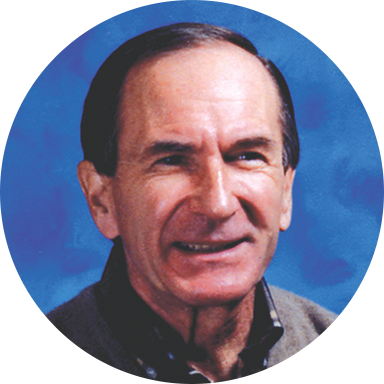
Gerald Sebesky

Gerald Sebesky holds degrees from the Manhattan School of Music (B.M. and M.M.), Columbia University (M.A.), and Kean University (M.S. in psychology). His work spans composition, conducting, and education across public schools, universities, and concert stages throughout the United States, Canada, and England.

With more than 350 published works for concert band, stage band, orchestra, and chorus, Sebesky has established himself as a prolific voice in American band music. His contributions have earned recognition including a New Jersey Council of the Arts Fellowship, and his work extends to film, having composed excerpt music for the 1990 motion picture Waiting for the Light.

Why we love this

Sebesky captures the unmistakable drive of the original without demanding advanced technique from young players. The arrangement respects what makes this theme instantly recognizable while keeping focus on solid fundamentals and the genuine thrill of playing music your students actually know and want to perform.

What to expect

Propulsive and confident, with the signature rock edge that made the original unforgettable. Your band steps into the spotlight of a blockbuster soundtrack, delivering the opening bell and that driving rhythm that audiences recognize in an instant.

Who it's for

Grade 1 and beginning concert bands looking for accessible repertoire with immediate appeal and cultural familiarity. This arrangement works equally well for first-year students and mixed-ability ensembles seeking a morale boost without technical obstacles.

How to get the most out of it

  • Lock in the steady pulse of the drum line from the opening; this piece lives and dies with rhythmic precision, and young players tend to rush the iconic rhythm.
  • Balance the melody across sections so the familiar hook cuts through. Assign the theme to your strongest section readers first, then gradually redistribute it as ensemble confidence grows.
  • Shape the dynamic peaks around the recurring rhythmic motif rather than playing at a flat level; this keeps the energy focused and prevents fatigue over the short duration.
  • Use the 1:32 length to your advantage during rehearsal by running multiple takes back-to-back, which builds stamina and lets players hear their own improvements quickly.

How to use it

Program this as an encore or second-half opener to energize a concert and showcase how young players can handle popular material with style. It pairs well with classical openers and gives audiences a moment of fun connection before returning to traditional concert band repertoire.

Skills your students will build

  • Maintaining steady pulse under syncopated rhythms
  • Reading and executing basic dynamic markings across a full ensemble
  • Balancing individual parts within a homophonic texture
  • Responding to conducting cues in a rock-influenced arrangement

You May Also Like
