
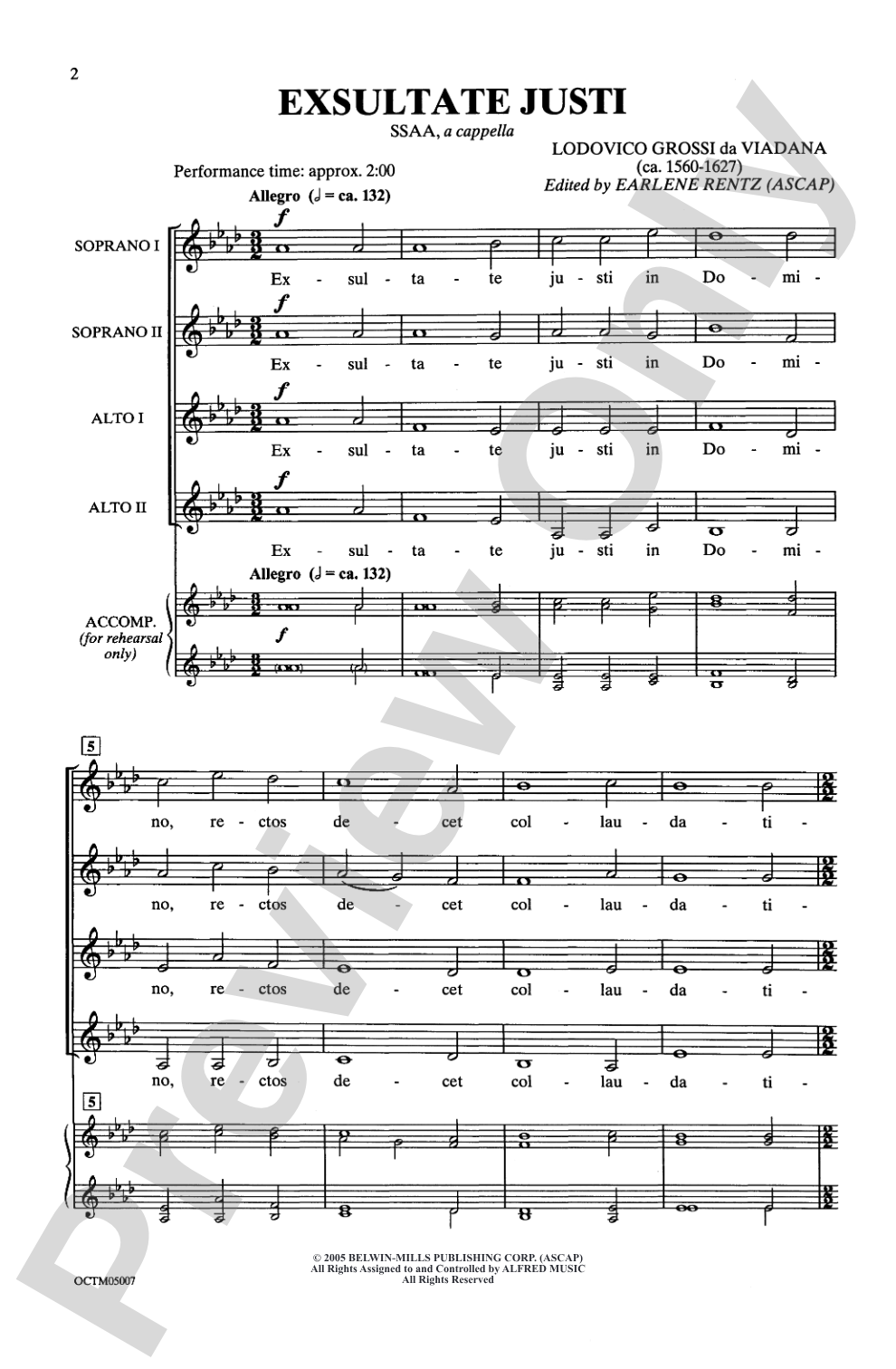
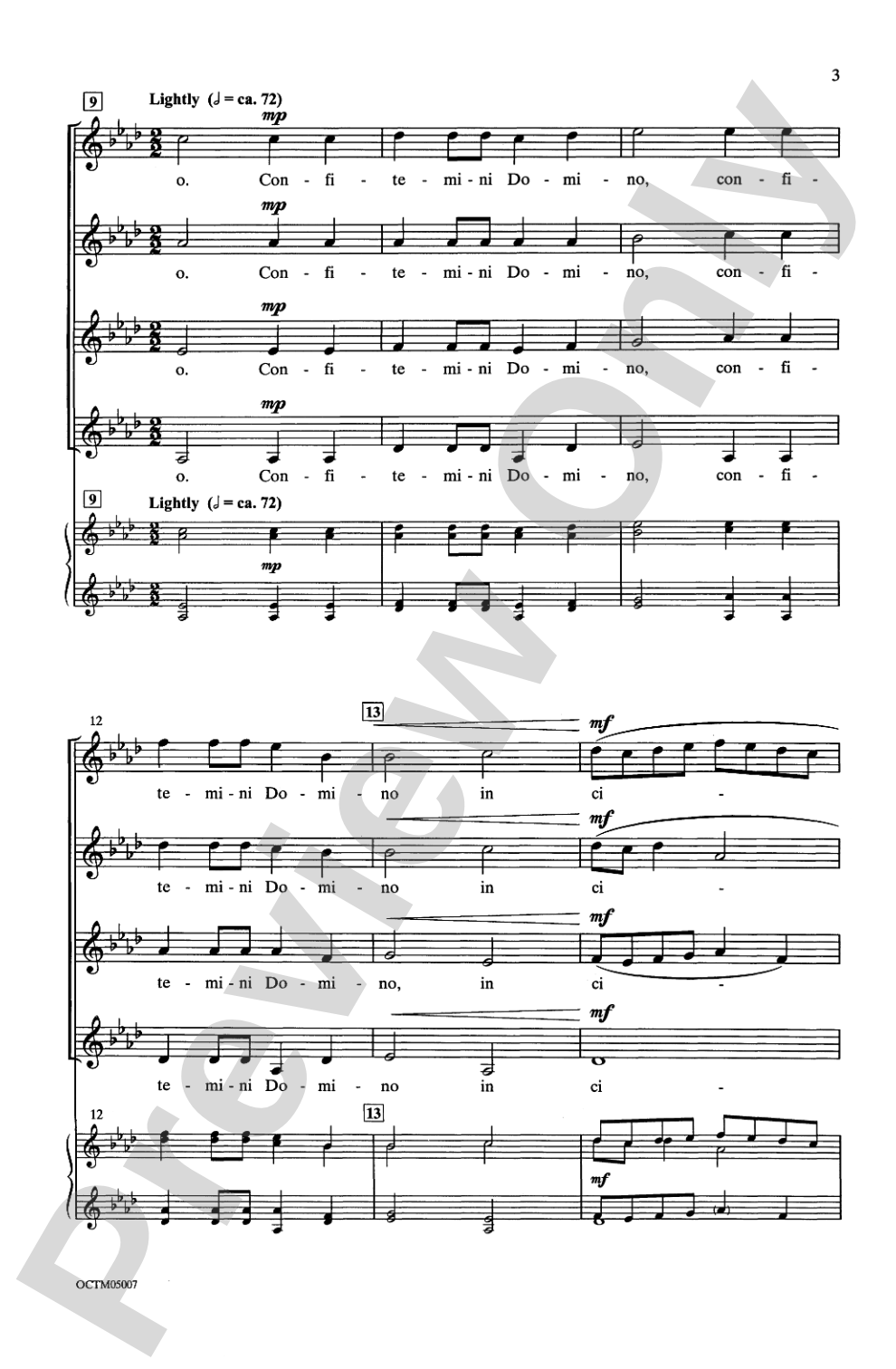
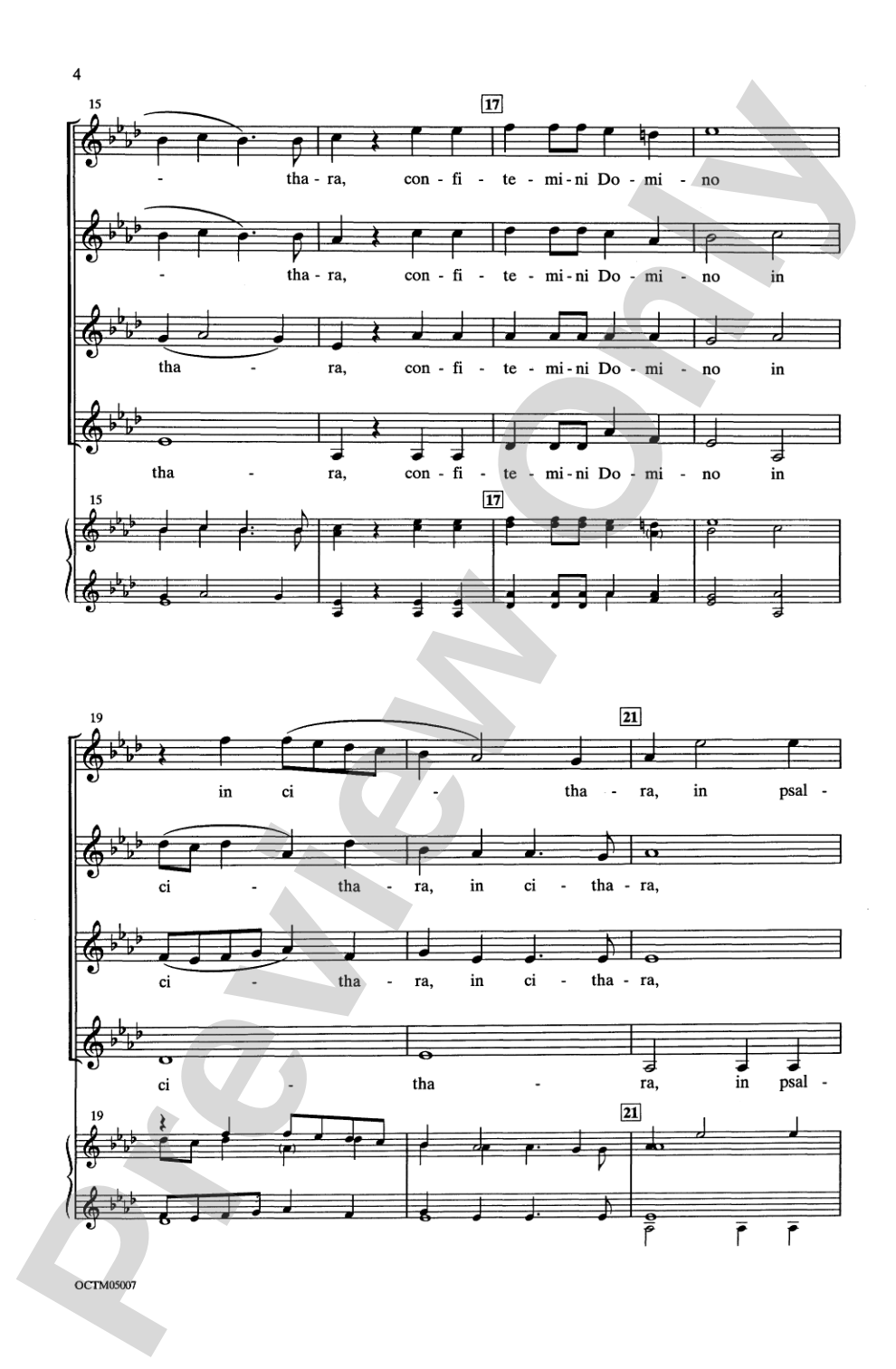

Exsultate Justi: SSAA, a cappella Choral Octavo
By Lodovico da Viadana / ed. Earlene Rentz
Level: Moderately Difficult
Item: 00-PO-0005179
$2.25
Minimum order quantity: 20 copies
Pickup currently not available
Description
Sixteenth-century composer Lodovico Viadana created this wonderful work that is now a choral performance classic, performed regularly by choirs throughout the world. Earlene presents this new setting that will give either your men (TTBB) or your women (SSAA) a chance to shine.


Exsultate Justi: SSAA, a cappella Choral Octavo isn't in MakeMusic Cloud just yet...but it could be. Let us know you'd like to see it, and you'll help shape what comes next. In the meantime, start a free trial and dive into thousands of interactive titles your students can play along with today.
Request This Title
Tell us you want it.
Start Your Free Trial
Explore everything that's ready to play right now.
Sample Audio
1
Audio File
--:--
0:00
0:00
Sample Video
No sample videos found.
Additional Details
Series:
Alfred Archive Edition: Belwin Festival Series
Publisher:
Alfred Music
Page Count:
12
SKU:
00-PO-0005179
More about this title
About the Composer: Lodovico da Viadana
Lodovico da Viadana (1560-1627) was an Italian priest, composer, and organist whose sacred music bridged the Renaissance and early Baroque eras. He spent much of his career at the Cathedral of Mantua and was known for his prolific output of masses, motets, and other liturgical works that combined Renaissance counterpoint with emerging Baroque expressiveness.
Why we love this
This arrangement captures the soaring dignity of a Renaissance masterwork while remaining entirely accessible to intermediate choirs. The SSAA voicing sits beautifully in treble voices and avoids the extremes that can make early music awkward for contemporary singers, making it ideal for festival programming or concert contexts where you want substantial musical weight without technical strain.
What to expect
Exsultate Justi unfolds with luminous counterpoint, voices weaving together in celebration and spiritual conviction. The piece conveys both intimacy and grandeur, inviting singers into a musical conversation that feels both ancient and immediate.
Who it's for
SSAA choirs seeking substantive Renaissance repertoire that combines musicality with singability. This works equally well for high school advanced choirs, college or university women's ensembles, and community choirs comfortable with a cappella performance and early music style.
How to get the most out of it
- Maintain clarity in the counterpoint by treating each voice line as a complete melody rather than harmonic filler; Renaissance texture thrives on independence and interweaving rather than block harmony.
- Shape phrases according to textual meaning and cadence points rather than conductor's breath; allow the Latin text to guide your phrasing naturally.
- Balance the voices so the soprano line sings through without dominating; all four parts deserve equal presence and clarity.
- Sing with a relatively pure, unadorned tone appropriate to the sacred context; vibrato should be minimal and tasteful rather than expressive.
How to use it
Program this as a centerpiece for a sacred music concert or festival appearance where it can anchor a set of Renaissance works. It pairs effectively with other Viadana motets, works by Palestrina, or earlier madrigals, and its moderate difficulty makes it accessible without sacrificing artistic impact.
Skills your students will build
- Renaissance counterpoint and voice leading
- Singing a cappella with rhythmic independence across voice parts
- Sustaining long phrases without accompaniment support
- Latin text clarity and appropriate diction for sacred music
- Blending and balance in four-part writing