Exploring Piano Classics Repertoire, Level 4: Piano Book & CD
$10.99 USD
Sale price
$10.99 USD
Regular price
Skip to product information


Exploring Piano Classics Repertoire, Level 4: Piano Book & CD
A Masterwork Method for the Developing Pianist
By Nancy Bachus
Level: Early Intermediate / Intermediate
Item: 00-31364
$10.99
One moment…
Description
The Exploring Piano Classics series pairs motivating performance repertoire with thoughtful technical studies. Each level contains a Repertoire book with CD and a Technique book, both with convenient page-by-page correlation. When used together, the books give students a deep understanding of the art of music, performance practices, and the necessary skills to play the piano with technical ease. The Repertoire books include pieces from the major style periods, selected and graded based on festival, competition, and examination lists from the United States, Canada, and the United Kingdom. Background information on each style period, its instruments, composers, and the music itself is included.
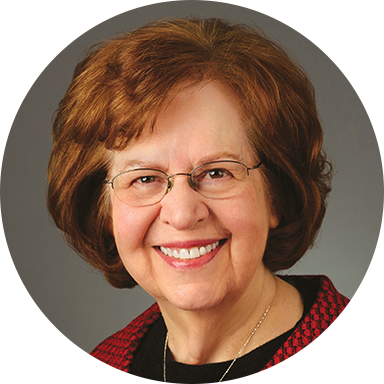
The CD recordings of the repertoire, performed by internationally known clinician and teacher Nancy Bachus, provide an indispensable tool for appropriate musical interpretation. A graduate of the Eastman School of Music with an M.M. in Piano Performance and Literature, Nancy Bachus has performed solo recitals across the U. S., Canada, and Italy, and appeared in the original "Monster Concerts" in venues such as Lincoln Center and the White House. Titles: Allegro in G Major, Hob. XVI:8 (Haydn) * At the Blacksmith, Op. 8, No. 5 (Maykapar) * Fantasia in E Minor, TWV 33:21 (Telemann) * First Loss, Op. 68, No. 16 (Schumann) * Gavotte, Op. 123, No. 5 (Chaminade) * German Dance in B-flat Major, WoO 13, No. 6 (Beethoven) * The Lame Witch Lurking in the Forest, Op. 31, No. 9 (Rebikov) * Ländler in A Major (Steibelt) * March in D Major, BWV Anh. 122 (C.P.E. Bach) * Minuet in D Minor, BWV Anh. 132 (attr. J. S. Bach) * Minuet in G Major, BWV Anh. 116 (Anonymous) * Musette, BWV 808 (J. S. Bach) * Old French Song, Op. 39, No. 16 (Tchaikovsky) * Polonaise in F Major (W. A. Mozart) * Rose Rock, Op. 205, No. 8 (Gurlitt) * Siciliano (Diabelli) * Sonatina in F Major, Op. 168, No. 1 (Diabelli) * Sonatina in C Major, Op. 157, No. 4 (Spindler) * Valse Mignonne (Pachulski) * The Wild Rider, Op. 68, No. 8 (Schumann).


The CD recordings of the repertoire, performed by internationally known clinician and teacher Nancy Bachus, provide an indispensable tool for appropriate musical interpretation. A graduate of the Eastman School of Music with an M.M. in Piano Performance and Literature, Nancy Bachus has performed solo recitals across the U. S., Canada, and Italy, and appeared in the original "Monster Concerts" in venues such as Lincoln Center and the White House. Titles: Allegro in G Major, Hob. XVI:8 (Haydn) * At the Blacksmith, Op. 8, No. 5 (Maykapar) * Fantasia in E Minor, TWV 33:21 (Telemann) * First Loss, Op. 68, No. 16 (Schumann) * Gavotte, Op. 123, No. 5 (Chaminade) * German Dance in B-flat Major, WoO 13, No. 6 (Beethoven) * The Lame Witch Lurking in the Forest, Op. 31, No. 9 (Rebikov) * Ländler in A Major (Steibelt) * March in D Major, BWV Anh. 122 (C.P.E. Bach) * Minuet in D Minor, BWV Anh. 132 (attr. J. S. Bach) * Minuet in G Major, BWV Anh. 116 (Anonymous) * Musette, BWV 808 (J. S. Bach) * Old French Song, Op. 39, No. 16 (Tchaikovsky) * Polonaise in F Major (W. A. Mozart) * Rose Rock, Op. 205, No. 8 (Gurlitt) * Siciliano (Diabelli) * Sonatina in F Major, Op. 168, No. 1 (Diabelli) * Sonatina in C Major, Op. 157, No. 4 (Spindler) * Valse Mignonne (Pachulski) * The Wild Rider, Op. 68, No. 8 (Schumann).
Exploring Piano Classics Repertoire, Level 4: Piano Book & CD isn't in MakeMusic Cloud just yet...but it could be. Let us know you'd like to see it, and you'll help shape what comes next. In the meantime, start a free trial and dive into thousands of interactive titles your students can play along with today.
Request This Title
Tell us you want it.
Start Your Free Trial
Explore everything that's ready to play right now.
Sample Audio
Minuet in G Major
0:00
0:00
Sample Video
No sample videos found.
Additional Details
More about this title
About the Author: Nancy Bachus