Excelsior! Cover Image

Excelsior!: Concert Band Conductor Score

$14.00 USD
Sale price  $14.00 USD Regular price 
Skip to product information
Excelsior! Cover Image

Excelsior!: Concert Band Conductor Score

Concert March

By William Owens

Grade: 2

Item: 98-B1375S

$14.00
Shipped

One moment…

Description
This lively march is a muscial blast of energy from beginning to end! After a full statement of the theme, a military style drum and bugle call introduces a new melody presented by woodwinds with countermelodies in the euphonium. The full band joins in as the piece comes to a rousing and exciting conclusion. An excellent original march for young bands!

Excelsior!: Concert Band Conductor Score isn't in MakeMusic Cloud just yet...but it could be. Let us know you'd like to see it, and you'll help shape what comes next. In the meantime, start a free trial and dive into thousands of interactive titles your students can play along with today.

Sample Pages

Sample Audio
No sample audio found.
Sample Video
Additional Details
Series: FJH Young Band
Publisher: The FJH Music Company, Inc.
UPC: 241444487570
SKU: 98-B1375S

More about this title

About the Composer: William Owens
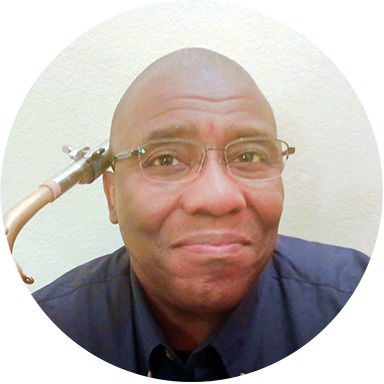
William Owens

William Owens brings three decades of band direction experience to his composition work, having spent 30 years building programs in Texas before his 2014 retirement. A VanderCook College of Music graduate and ASCAP member, he has established himself as a prolific voice in young band repertoire with over 300 published titles since 1993. His work appears on state required music lists nationwide and has become foundational to the young ensemble canon.

Owens' compositional approach prioritizes practicality without sacrificing musicality, a philosophy that earned him commissions from the South Plains College Department of Fine Arts, Phi Beta Mu International, and the American Bandmasters Association. His contributions to music education have been recognized through numerous awards, including the Texas Bandmasters Association's Meritorious Achievement Award and Distinguished Alumnus status from VanderCook. He currently resides in Fort Worth with his wife Georgia.

Why we love this

Owens writes marches that actually hold young musicians' attention. The structural clarity here, statement, new theme with strong countermelody, full band payoff, teaches form through immediate musical reward rather than abstract planning. Contest circuits recognize the Grade 2 level as deceptively challenging, and this piece delivers authentic march writing without padding or busywork.

What to expect

This march carries genuine forward momentum without pretense. The opening hits hard with full statement energy; the shift to woodwind melody with countermelody feels like discovering a new conversation within the band itself. The final section builds to something genuinely exciting rather than merely loud.

Who it's for

Grade 2 bands competing at festivals or building their march portfolio will find solid, straightforward writing here. Directors seeking repertoire with clear musical architecture, something students can hear themselves progressing through, will appreciate Owens' approach to thematic development and ensemble balance.

How to get the most out of it

  • Balance the euphonium countermelodies during the new melody section; they shouldn't drive the texture, but their presence adds sophistication that students will hear and respond to.
  • Establish the military drum and bugle call with conviction. This moment defines the piece's character shift, so precision here makes everything that follows land harder.
  • Let the full band conclusion breathe slightly before the final statement. Young musicians often rush excitement; a fraction of space lets the rousing ending feel earned rather than panicked.

How to use it

Program this as your festival opener or as a strong closer on a concert mixing styles. The Grade 2 difficulty makes it appropriate for mid-October placement when young bands still have technical limitations but need confidence-building wins. It pairs naturally with character pieces and longer works, serving as the energetic anchor most programs need.

Skills your students will build

  • Sustaining ensemble balance across full band textures
  • Responding to form cues (statement, development, recapitulation)
  • Playing countermelody lines that support rather than compete with primary themes
  • Building dynamic control toward a climax without rushing tempo
  • Articulation consistency in march style (crisp, clean, unified)

You May Also Like