Excelsior! Cover Image

Excelsior!: Concert Band Conductor Score & Parts

$55.00 USD
Sale price  $55.00 USD Regular price 
Skip to product information
Excelsior! Cover Image

Excelsior!: Concert Band Conductor Score & Parts

Concert March

By William Owens

Grade: 2

Item: 98-B1375

$55.00
Shipped

One moment…

Description
This lively march is a muscial blast of energy from beginning to end! After a full statement of the theme, a military style drum and bugle call introduces a new melody presented by woodwinds with countermelodies in the euphonium. The full band joins in as the piece comes to a rousing and exciting conclusion. An excellent original march for young bands!

Excelsior!: Concert Band Conductor Score & Parts isn't in MakeMusic Cloud just yet...but it could be. Let us know you'd like to see it, and you'll help shape what comes next. In the meantime, start a free trial and dive into thousands of interactive titles your students can play along with today.

Sample Pages

Sample Audio
0:00
0:00
Sample Video
Additional Details
Series: FJH Young Band
Publisher: The FJH Music Company, Inc.
UPC: 674398223701
SKU: 98-B1375

More about this title

About the Composer: William Owens
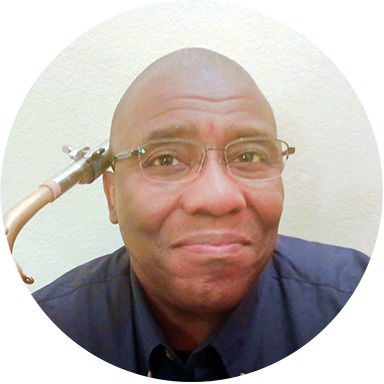
William Owens

William Owens brings three decades of classroom experience to his compositional work. A VanderCook College of Music graduate and former Texas band director, he has written over 300 works for young ensembles since 1993, earning recognition from the American Bandmasters Association, ASCAP, and his alma mater as a Distinguished Alumnus.

Owens' approach to composition is rooted in the practical realities of the rehearsal room. His pieces appear on required music lists across the country and serve as teaching staples, having been analyzed in educational texts and performed at festivals nationwide. He now resides in Fort Worth, Texas, where he continues to mentor musicians and compose.

Why we love this

Owens crafts marches that actually sound like marches, and this one delivers immediate payoff. The structural clarity (full theme statement, then a contrasting section with real countermelody writing) gives young musicians something to latch onto and perform with confidence, while the military drum and bugle call gesture adds distinctive color without overcomplicating the arrangement.

What to expect

Excelsior! launches straight into muscular forward motion, full of the bright confidence of a military march. The drum and bugle call momentarily breaks the stride with something more angular and dramatic, introducing woodwind melody with real character before the whole ensemble surges toward an exciting finish.

Who it's for

Grade 2 concert bands preparing for contests or festivals need marches that balance accessibility with genuine musicality. Young players benefit from the straightforward narrative arc here, and directors will appreciate how efficiently Owens moves through material without sacrificing musical substance.

How to get the most out of it

  • Establish the march tempo early in rehearsals and maintain it strictly through the drum and bugle passage. Young bands often rush here out of excitement, so lock the pulse with the percussion section first.
  • Balance the euphonium countermelodies carefully against the woodwind melody. They should sit just below the top line, providing harmonic support rather than competing for attention.
  • Shape the opening theme with clear phrase endpoints. The energy comes from the rhythm and articulation, not from pushing the dynamic; let the natural momentum of the march carry the forward motion.
  • Build the final section gradually by bringing in sections on cue rather than having the full band enter all at once. This gives the conclusion genuine excitement rather than just volume.

How to use it

Lead off a contest set with this piece. Its energy and clear structure establish band confidence immediately, making it an ideal opener that showcases fundamentals while leaving room for deeper repertoire to follow. It also works well as a non-traditional season closer when you want something celebratory rather than introspective.

Skills your students will build

  • Maintaining steady march tempo and rhythmic precision in a traditional form
  • Balance and blend when accompanying a melody line
  • Articulation control in fast-moving passages
  • Sectional independence, particularly in the countermelody section
  • Dynamic shaping within a march idiom

You May Also Like