

Eric Steiner Piano Course, Book 1: Piano
By Eric Steiner
Item: 00-PB-0001903
$7.99
Pickup currently not available
Related Items
Eric Steiner Piano Course, Book 1: Piano Book |
$7.99
|
View |
Description
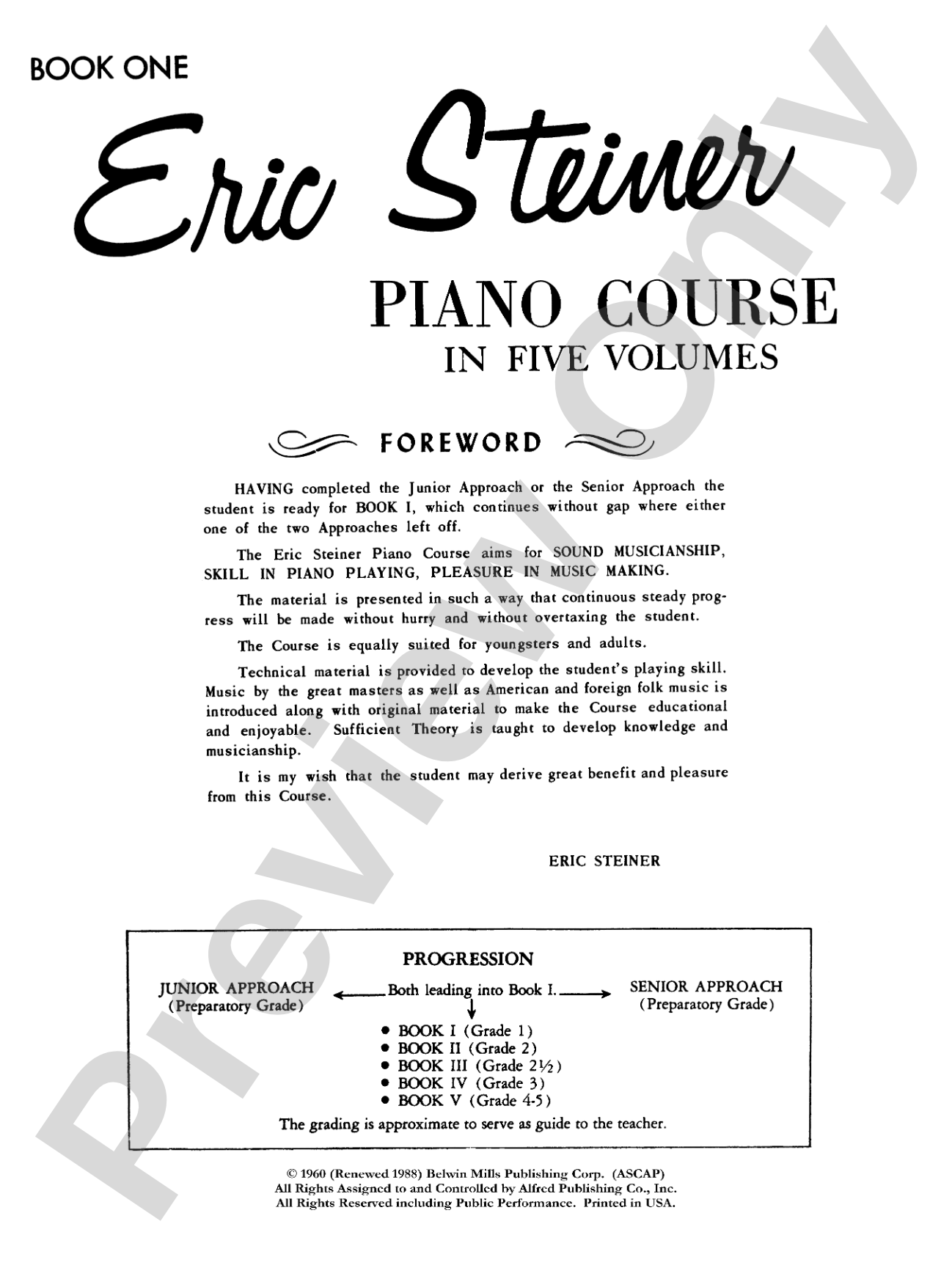
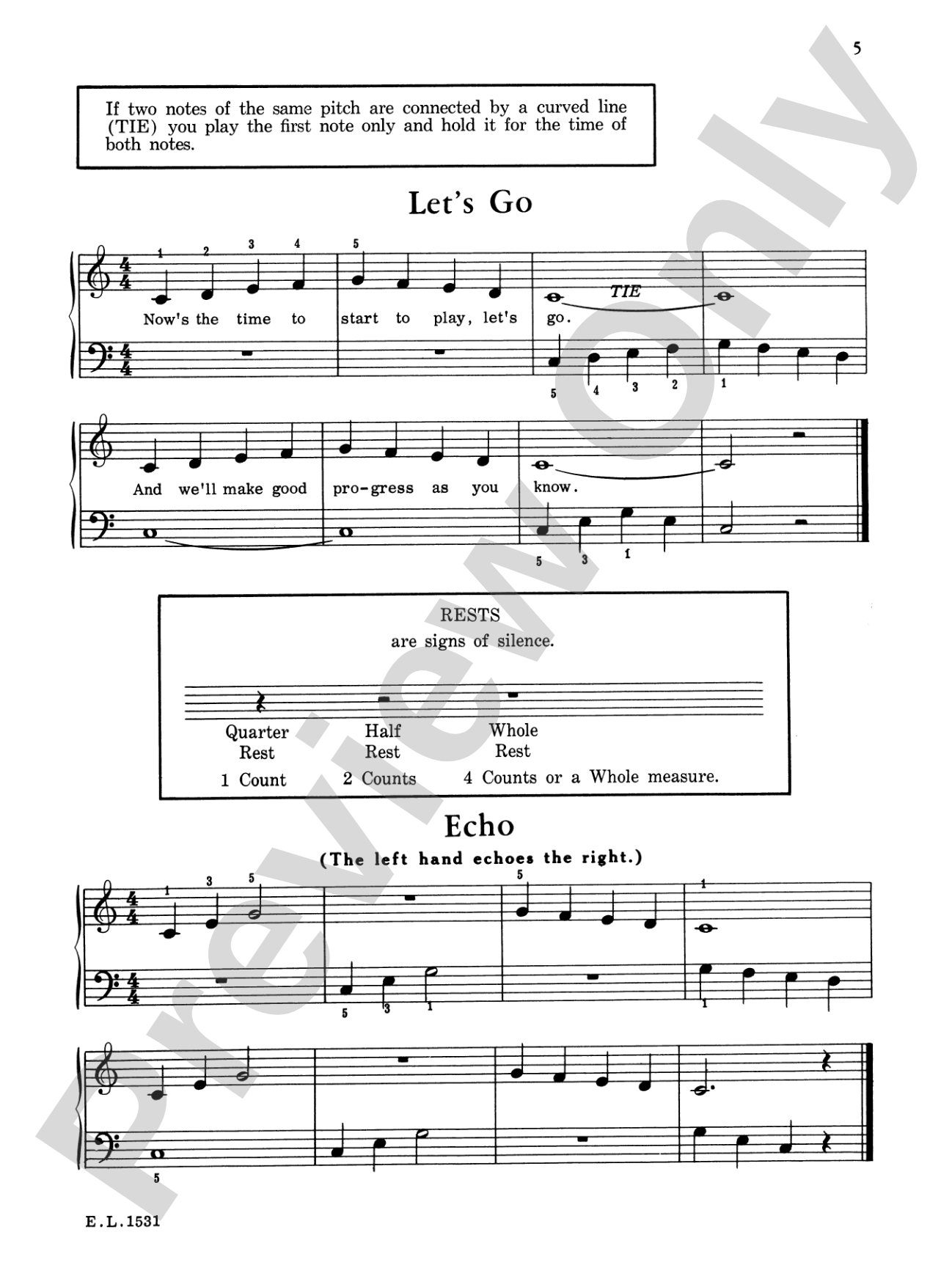
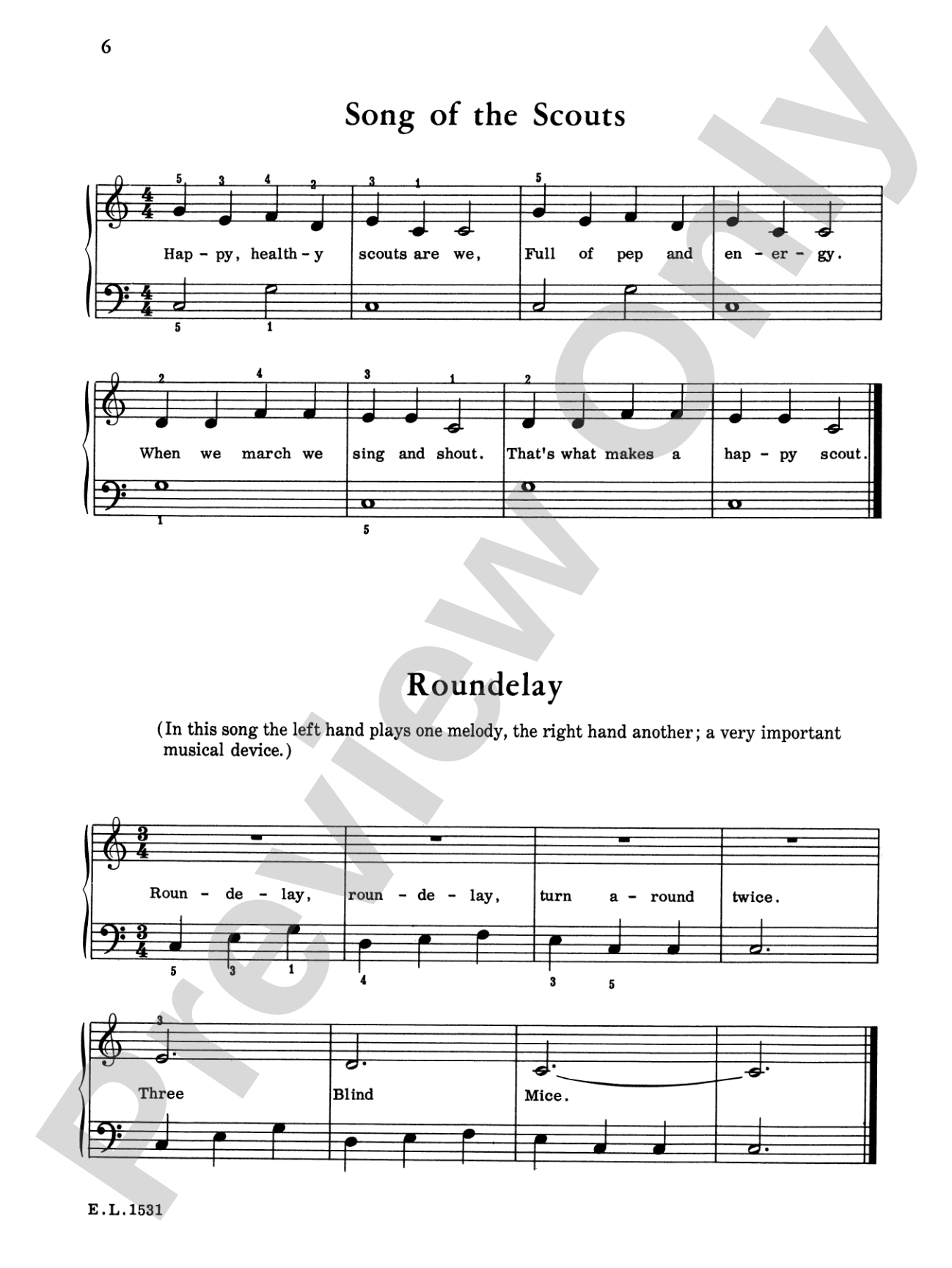
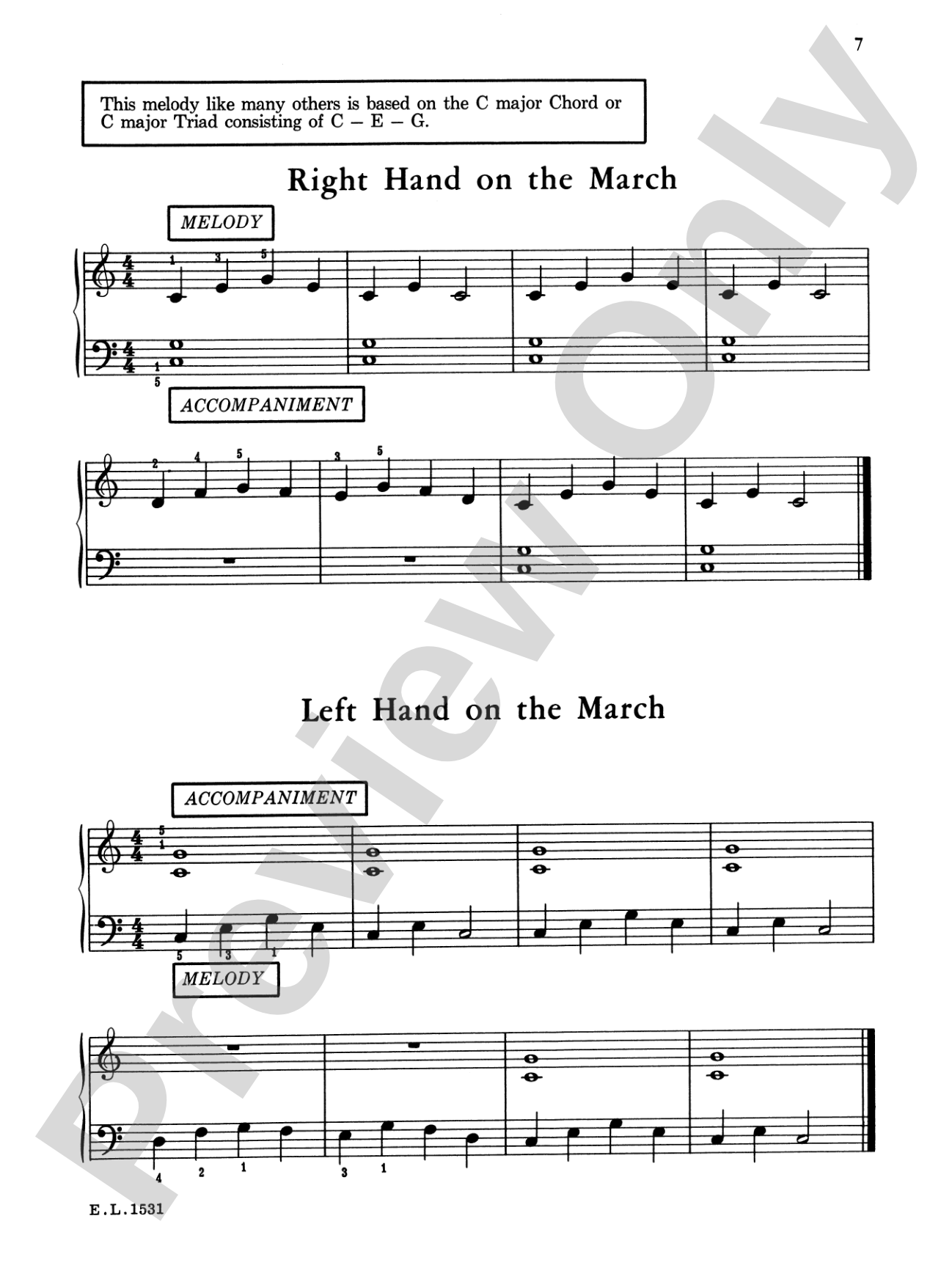
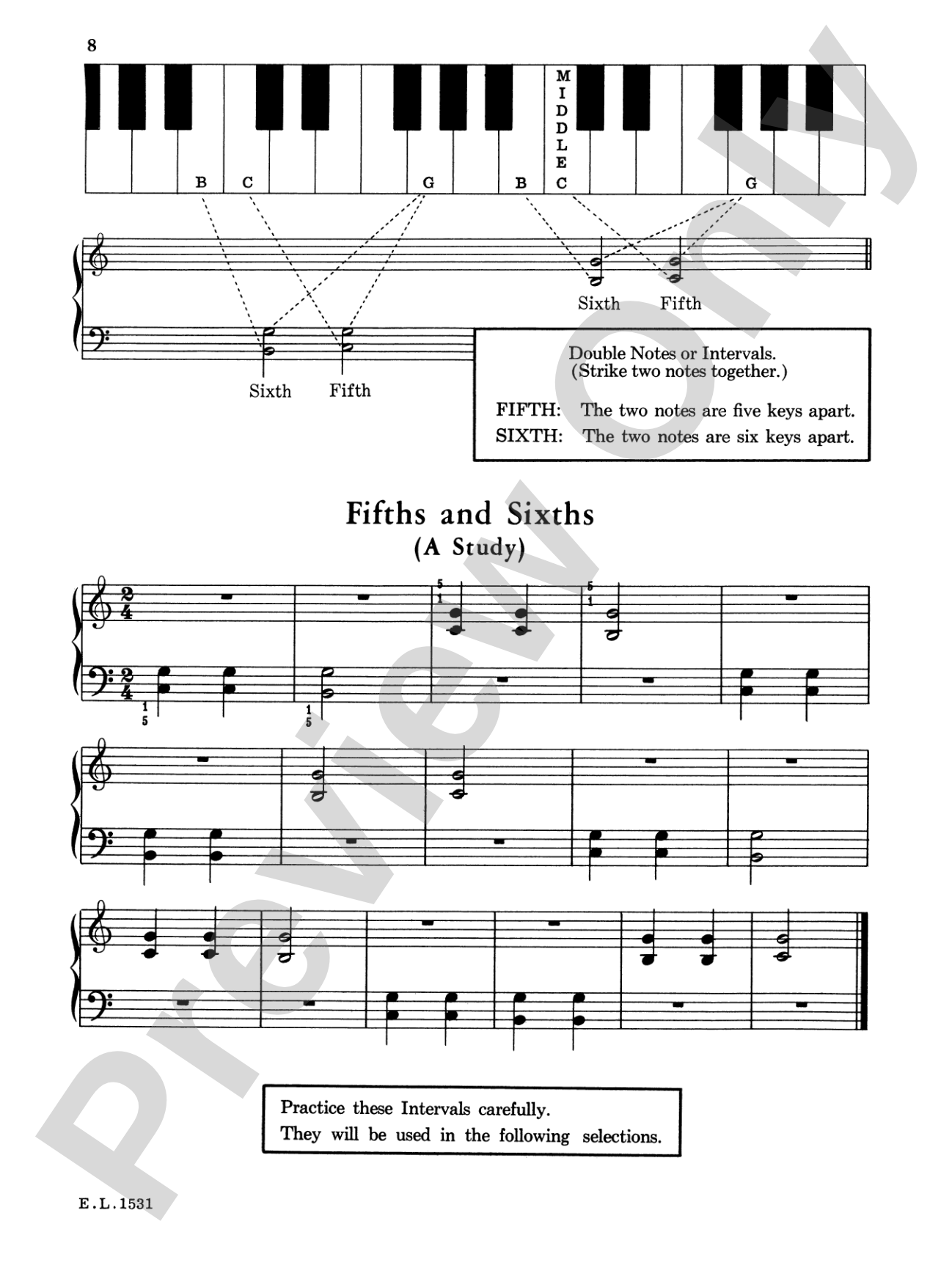
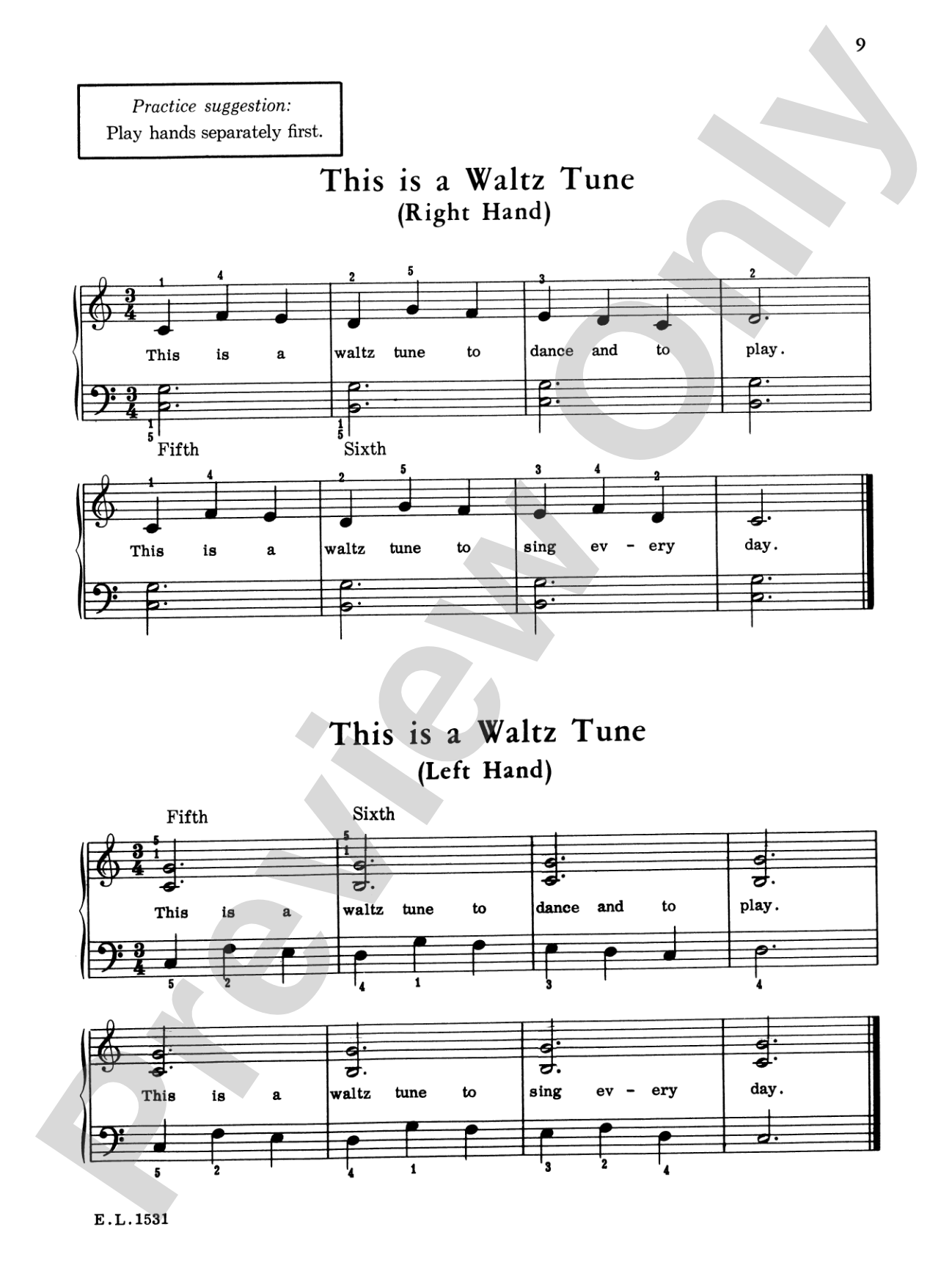
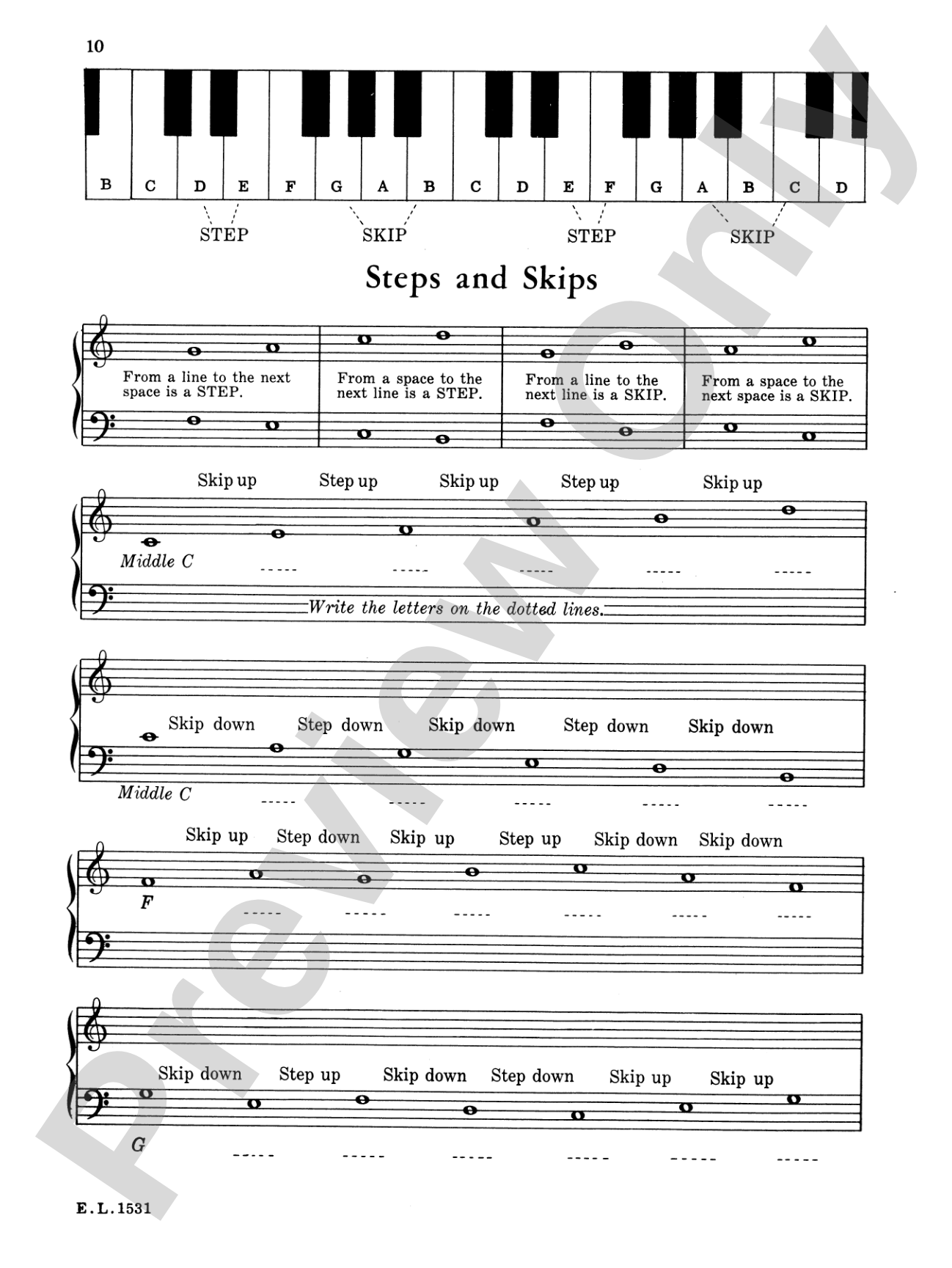
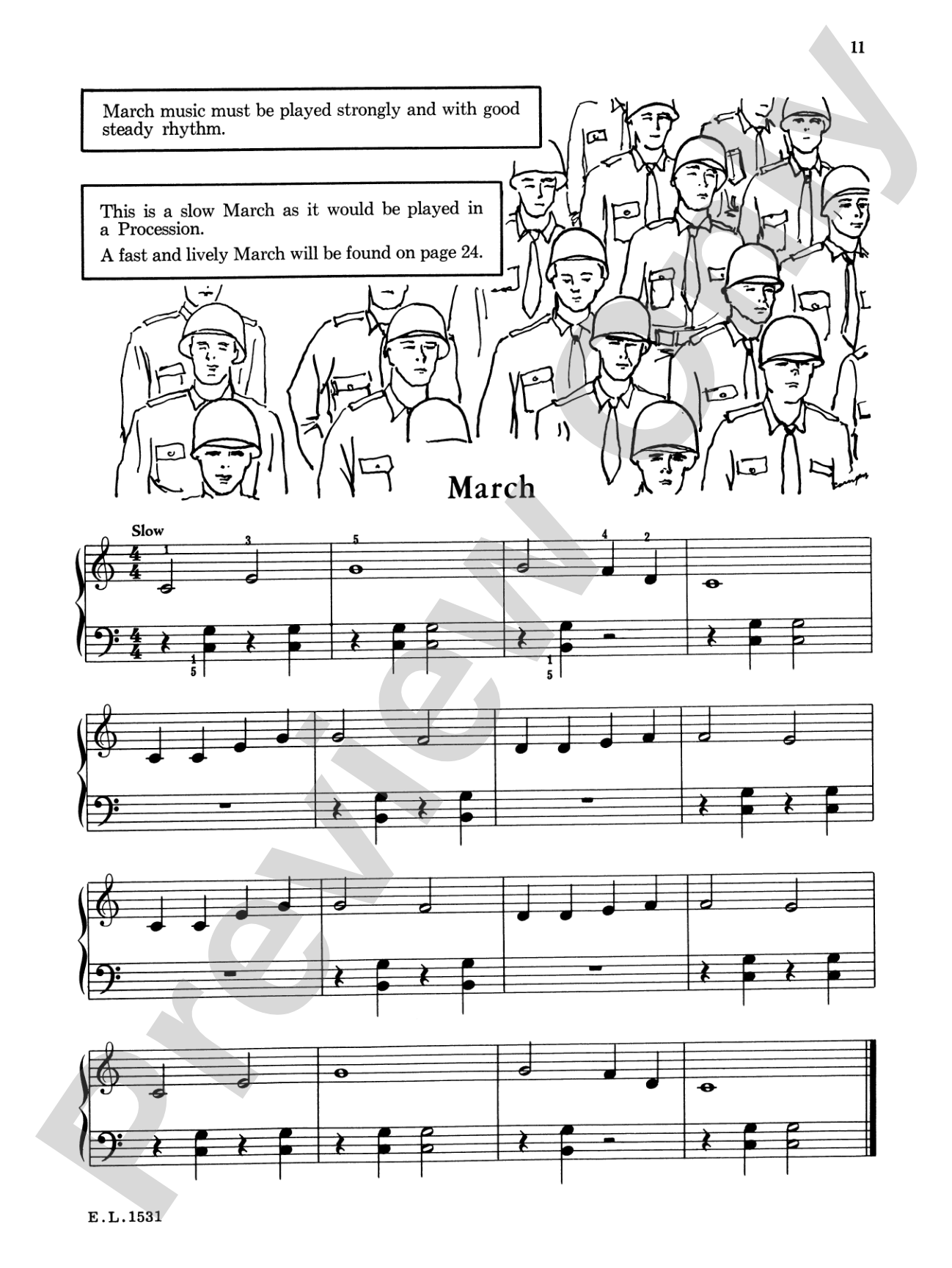
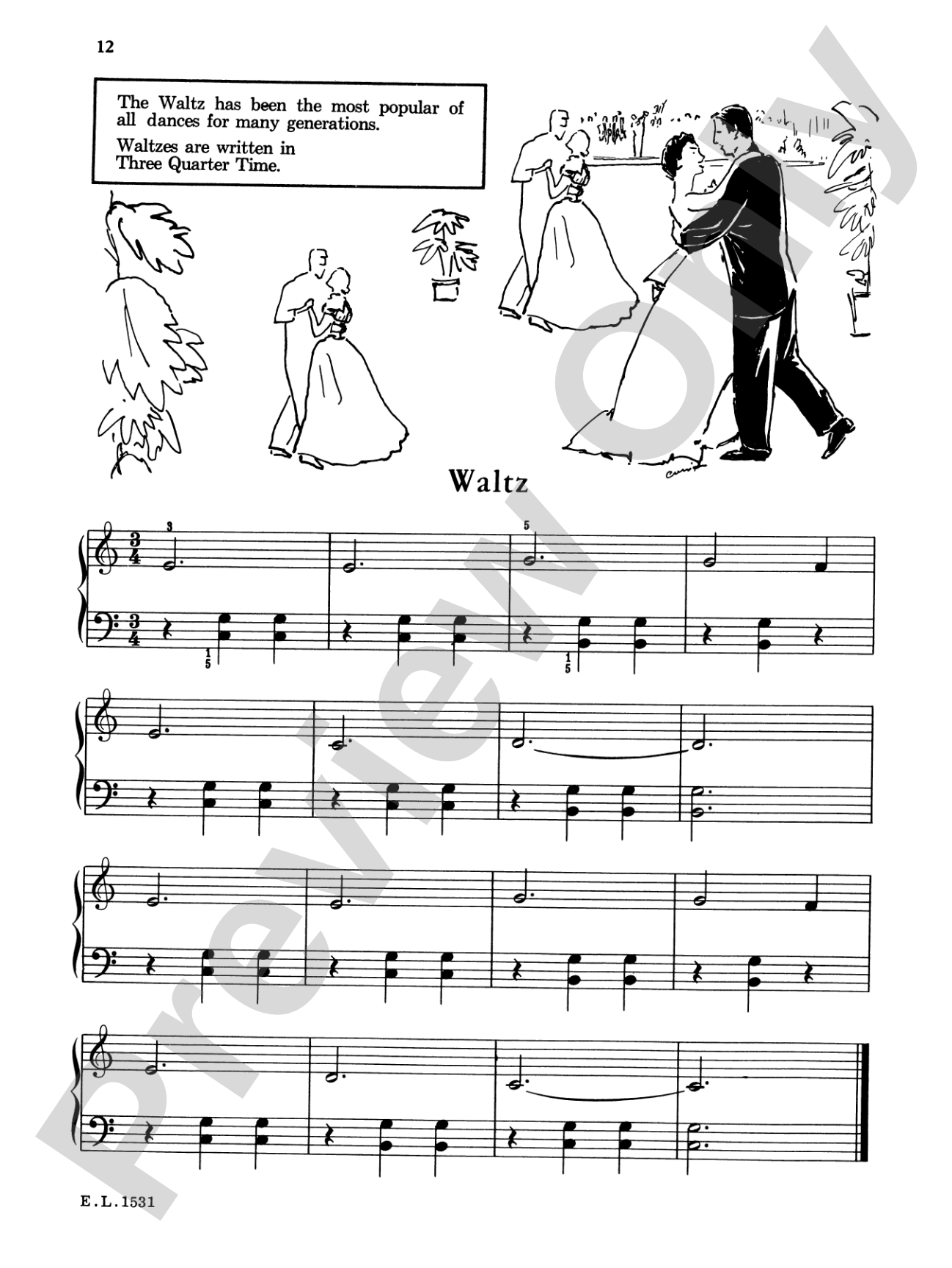
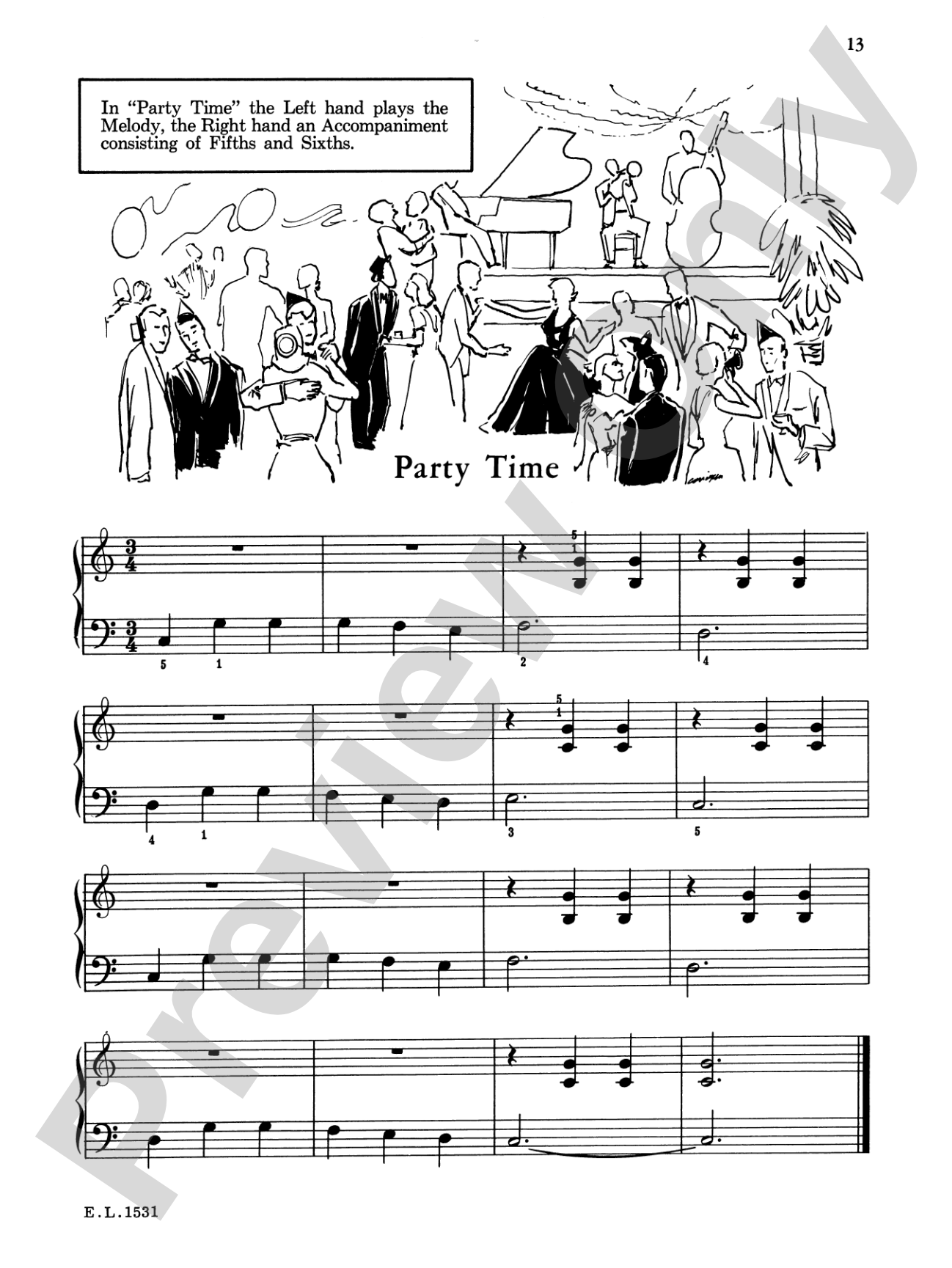
The ERIC STEINER PIANO COURSE aims for sound musicianship, skill in piano playing, and pleasure in music making. The material is presented in such a way that continuous steady progress will be made without hurry and without overtaxing the student. The course is equally suited for youngsters and adults. Technical material is provided to develop the student's playing skill. Music by the great masters as well as American and foreign folk music is introduced along with original material to make the Course educational and enjoyable. Sufficient Theory is taught to develop knowledge and musicianship. It is my wish that the student may derive great benefit and pleasure from this course.


Discover MakeMusic Cloud: thousands of interactive titles your students can play along with today.
Sample Audio
No sample audio found.
Sample Video
No sample videos found.
Additional Details
Publisher:
Alfred Music
Page Count:
64
SKU:
00-PB-0001903
More about this title
About the Composer: Eric Steiner

Eric Steiner arrived in the United States in 1938 as a pianist and trained lawyer fleeing Nazi-occupied Austria. He settled in New Jersey and devoted himself entirely to piano pedagogy, directing the Lauter Piano School in Newark while building a private teaching practice and establishing himself as a respected voice in music education circles.
Steiners comprehensive approach to piano instruction earned him recognition among teachers across multiple states, and his memberships in the New York Piano Teachers' Congress (serving as vice president from 1951 to 1957), the National Guild of Piano Teachers, and the New Jersey Music Educators Association reflected his deep commitment to the field. Though he passed in 1987, his pedagogical legacy endures through the Eric Steiner Memorial Awards for Composition Competition, established by the Music Educators Association of New Jersey to honor his contributions to piano education.
Why we love this
Steiner's method balances serious technical development with genuine musicianship from the opening pages. The deliberate pacing prevents the frustration that often derails young pianists, while the thoughtful mix of folk material, classical excerpts, and original compositions keeps lessons engaging without feeling like disconnected exercises.
What to expect
The journey unfolds naturally, moving from simple melodies to gradually richer harmonic language. You encounter genuine music from the start, not artificial learning materials; each new technical challenge arrives when you're ready for it, creating the satisfying momentum that keeps students returning to practice.
Who it's for
Book 1 serves beginners of any age, from early elementary students through adults encountering the piano for the first time. Its design assumes no prior musical knowledge while respecting the learner's intelligence and avoiding condescension.
How to get the most out of it
- Introduce theory concepts only after students have already played music that demonstrates those principles; this cements understanding through muscle memory and ear training rather than abstract rules alone.
- Space out technical studies across multiple days rather than clustering them in one practice session; distributed practice builds fluency more reliably than massed repetition.
- Select folk songs that resonate with your student's cultural background or current interests when possible, since personal connection deepens engagement with the material.
How to use it
Position this as the foundation for any piano program serving young beginners or adult learners seeking comprehensive instruction. The 64-page scope allows flexibility; some teachers complete it in one year with consistent weekly lessons, while others stretch the material across two years with younger or less practiced students.
Skills your students will build
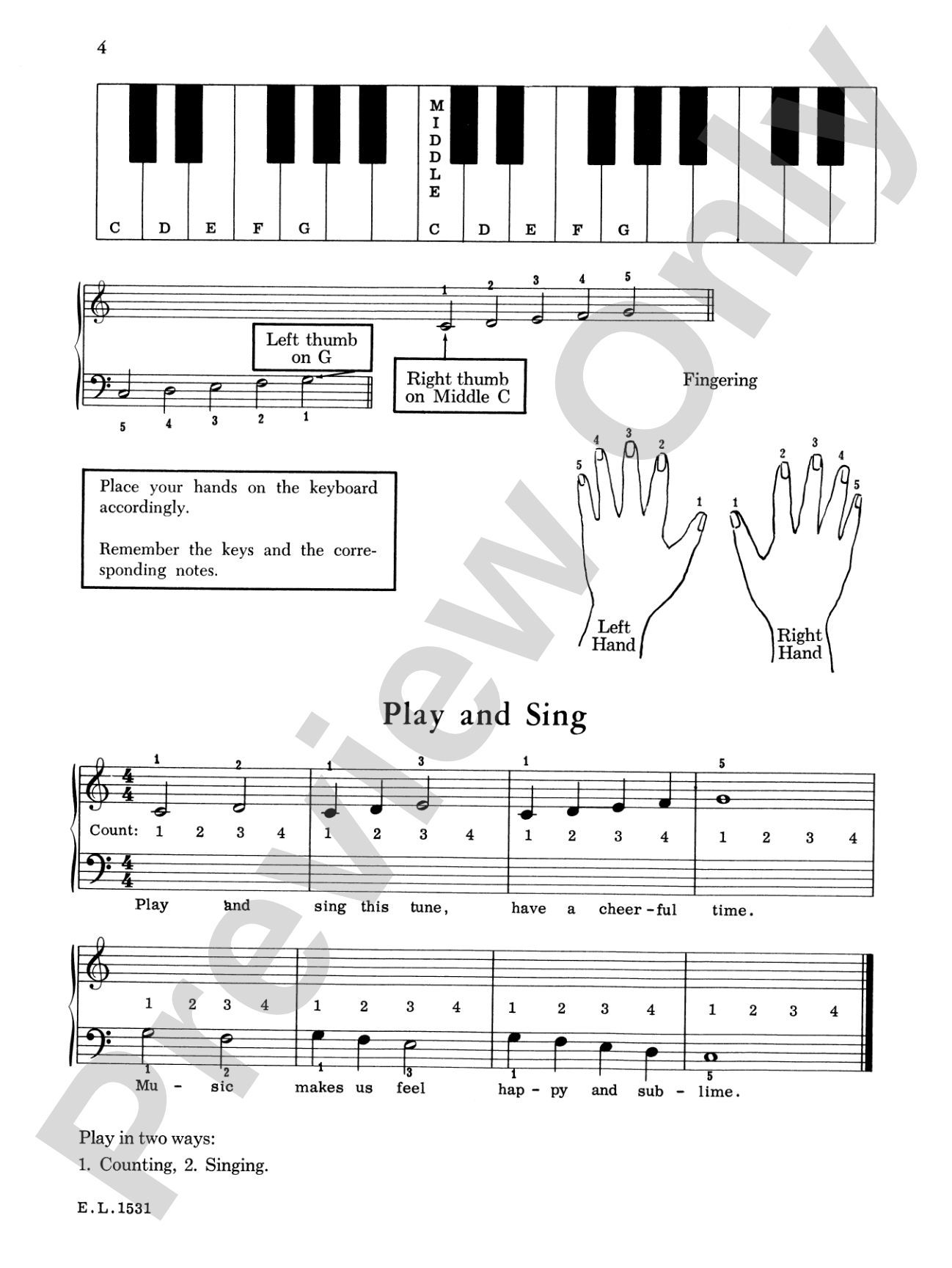
- Hand position and posture at the keyboard
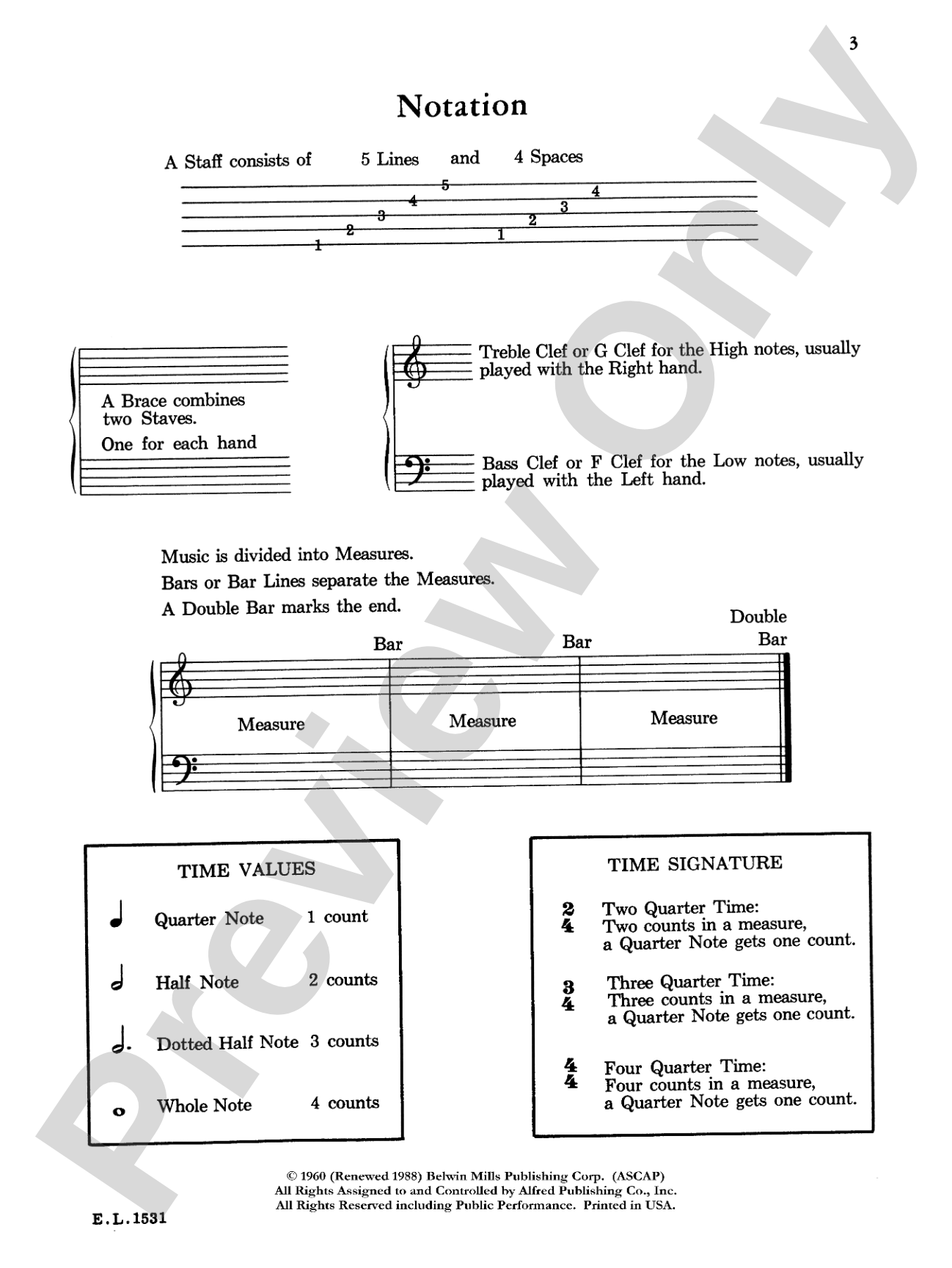
- Reading treble clef and bass clef notation
- Understanding basic harmonic progressions through folk material
- Finger independence and controlled touch across the keyboard
- Sight reading at a beginner's level
- Integration of music theory with playing technique