Entrata Maestoso Cover Image

Entrata Maestoso: String Orchestra Conductor Score

$7.00 USD
Sale price  $7.00 USD Regular price 
Skip to product information
Entrata Maestoso Cover Image

Entrata Maestoso: String Orchestra Conductor Score

By Loreta Fin

Grade: 2

Item: 76-30178S

$7.00
Shipped

One moment…

Description
This piece is perfect for a "Grand Entrance" in a school parade, or the opening of a concert. Dynamics should be carefully observed and the melody line well projected as it changes voice. The piano part assists with the harmony, but is not essential.

Entrata Maestoso: String Orchestra Conductor Score isn't in MakeMusic Cloud just yet...but it could be. Let us know you'd like to see it, and you'll help shape what comes next. In the meantime, start a free trial and dive into thousands of interactive titles your students can play along with today.

Sample Pages

Sample Audio
No sample audio found.
Sample Video
Additional Details
Series: Wilfin String Orchestra: Young String Ensemble Series
Publisher: Wilfin Music
Page Count: 8
UPC: 038081327266
SKU: 76-30178S

More about this title

About the Composer: Loreta Fin
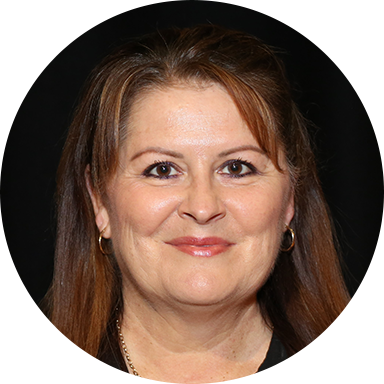
Loreta Fin

Loreta Fin is an Australian violist, educator, and prolific composer with deep roots in string education and performance. A graduate of the Sydney Conservatorium of Music and former first violinist with the Sydney Youth Orchestra, she spent over 25 years as Principal Viola player with the Queensland Pops Orchestra while simultaneously building a distinguished teaching career. Since 1993, Fin has directed strings at Somerville House School in Brisbane, where she has shaped generations of young musicians.

Fin's contributions to string music education span composition, adjudication, and leadership. She has authored over 100 published works for string orchestra, presented at multiple Australian and American National String Teachers' Conferences, and served the Australian Strings Association as both State and National President. Her work earned recognition through a Queensland State Award for services to music education and a National Award for Services to Music and String Teaching. In recent years, she has conducted the State and National Honours Ensembles Programs and created an accessible beginner series for young string players.

Why we love this

Fin understands exactly what young string orchestras need at the opening of a concert or ceremony: music that sounds accomplished and dignified without requiring technical wizardry. The straightforward Grade 2 writing allows all sections to participate meaningfully in a unified sound, while the careful dynamic shaping gives conductors real musical material to shape with their ensemble. This is the kind of piece that builds ensemble pride and opens a program with authority.

What to expect

A stately procession with quiet dignity. The piece carries a ceremonial tone that feels both confident and unhurried, with harmonic textures that rest solidly on each chord before moving forward. There is elegance in its simplicity and genuine grandeur in its clean, direct writing.

Who it's for

String orchestras in their first or second year of study will find a welcoming vehicle for building ensemble cohesion and musical maturity. The Grade 2 level keeps technical demands accessible while the conducting score gives directors real opportunities to work on dynamic control, voice independence, and unified ensemble sound.

How to get the most out of it

  • Watch the dynamic markings closely; they are fundamental to projecting the maestoso character. Shape the crescendos and decrescendos deliberately rather than playing through them, and observe soft dynamics as precisely as the louder ones.
  • Follow the melody line as it passes between sections. Cue the instruments that receive it so the transition is seamless and the main voice always emerges clearly.
  • Use the piano part to reinforce harmonic accuracy during rehearsal, but encourage the orchestra to listen for balance without it once confidence is established. This builds stronger ensemble awareness.
  • Choose a tempo that allows the piece to feel unhurried and grand. Resist rushing the opening; let the full sound settle in before moving forward.

How to use it

This piece excels as the concert opener or as the processional music for a school assembly or ceremony. It also works beautifully as the opening number of a spring concert, establishing an expectant mood before lighter or more virtuosic repertoire follows. The eight-page length makes it a substantial standalone work without overextending young players.

Skills your students will build

  • Dynamic shaping and contrast within a single tempo
  • Tracking and executing voice transfers as the melody moves between sections
  • Reading conductor cues in a unified ensemble setting
  • Sustaining legato phrasing across multiple measures

You May Also Like