Entrata Maestoso Cover Image

Entrata Maestoso: String Orchestra Conductor Score & Parts

$45.00 USD
Sale price  $45.00 USD Regular price 
Skip to product information
Entrata Maestoso Cover Image

Entrata Maestoso: String Orchestra Conductor Score & Parts

By Loreta Fin

Grade: 2

Item: 76-30178

Need it now?

Buy Digital Version
$45.00
Shipped

One moment…

Description
This piece is perfect for a "Grand Entrance" in a school parade, or the opening of a concert. Dynamics should be carefully observed and the melody line well projected as it changes voice. The piano part assists with the harmony, but is not essential.

Entrata Maestoso: String Orchestra Conductor Score & Parts isn't in MakeMusic Cloud just yet...but it could be. Let us know you'd like to see it, and you'll help shape what comes next. In the meantime, start a free trial and dive into thousands of interactive titles your students can play along with today.

Sample Pages

Sample Audio
No sample audio found.
Sample Video
Additional Details
Series: Wilfin String Orchestra: Young String Ensemble Series
Publisher: Wilfin Music
Page Count: 68
UPC: 038081327259
SKU: 76-30178

More about this title

About the Composer: Loreta Fin
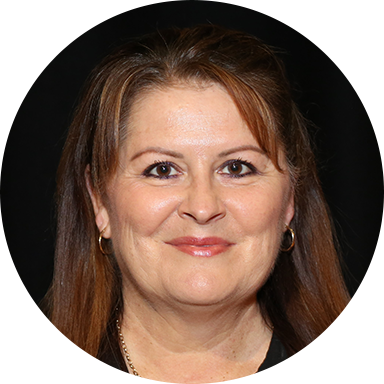
Loreta Fin

Loreta Fin AM is a violinist and violist based in Australia with deep roots in string education and performance. She studied at the Sydney Conservatorium of Music, served as principal viola with the Queensland Pops Orchestra for over 25 years, and has directed the strings program at Somerville House School in Brisbane since 1993. Her work as an adjudicator, conference presenter, and examiner with the Australian Music Examinations Board has shaped string music education across Australia and internationally.

Fin has composed more than 100 works for string orchestra, many published worldwide by Alfred Music. She chaired the Australian Strings Association as both State and National President, received a Queensland State Award for services to music education in 2009, and was honored with the National Award for Services to Music and String Teaching. Since 2015, she has conducted state and national honours ensembles programs, bringing her decades of performance and pedagogical experience to emerging string musicians.

Why we love this

Fin writes with orchestra in mind, and this opening number shows her gift for creating dramatic effect without unnecessary complexity. The piece recognizes the reality of young string sections: it projects authority through clear phrasing and dynamic contrast rather than technical demands, making it ideal for students who are still building fundamental skills but ready for expressive musicianship.

What to expect

Stately and ceremonial. The piece establishes a formal atmosphere through careful balance of voices and respect for silence; there is weight and purpose in every note, with dynamics that shift deliberately to guide the listener through the entrance.

Who it's for

String orchestras in grades 2-3 preparing for festivals, contests, or opening numbers at school events. Directors seeking an accessible entrance piece that trains young musicians to play with character and projection rather than relying on technical display.

How to get the most out of it

  • Shape the melody line dynamically as it moves between voices; mark the score to show which section carries the primary voice in each phrase so players understand when to support versus when to lead.
  • Establish a confident tempo before the first rehearsal. The piece gains its stature from assured phrasing and deliberate articulation, not from rushing the entrance.
  • Balance the string choir so the melody projects clearly. Young players often play louder on higher notes; check that dynamic markings match your interpretation across all four voice parts.
  • If using the optional piano part, position it where you can easily cue the accompaniment; the harmonic support will help younger ensembles lock the chord changes, but the orchestra must remain independent enough to stand alone.

How to use it

Open a concert with this piece to set a polished, confident tone for your program. Its formal character makes it an excellent choice for school parades, awards ceremonies, or any event where you want the orchestra to make a strong first impression without stretching rehearsal time on advanced technique.

Skills your students will build

  • Ensemble balance across multiple voice parts
  • Dynamic control and expressive phrasing within a formal musical context
  • Melodic awareness and voice independence
  • Listening for harmonic support and chord definition
  • Intonation consistency in sustained passages

You May Also Like