

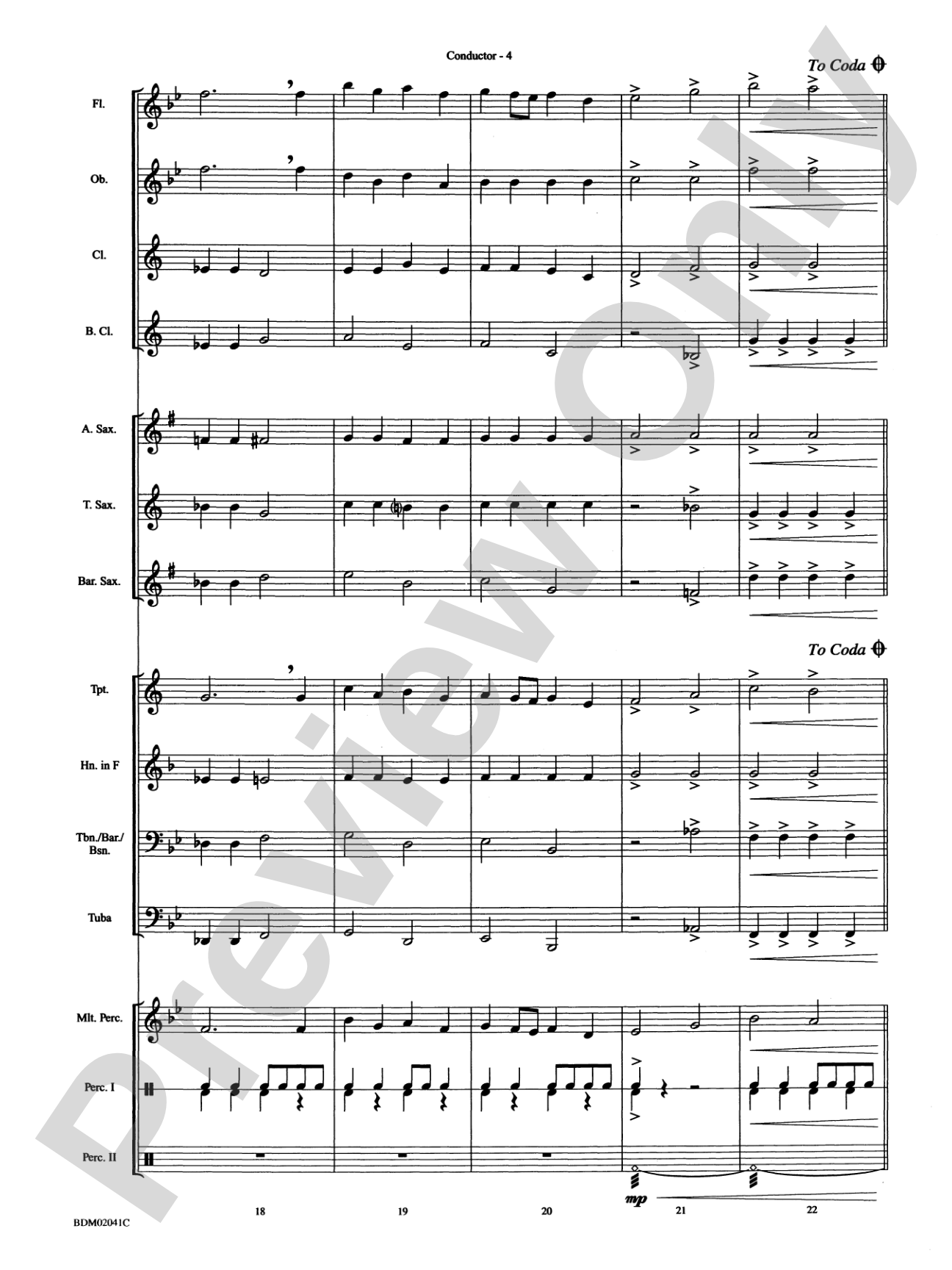
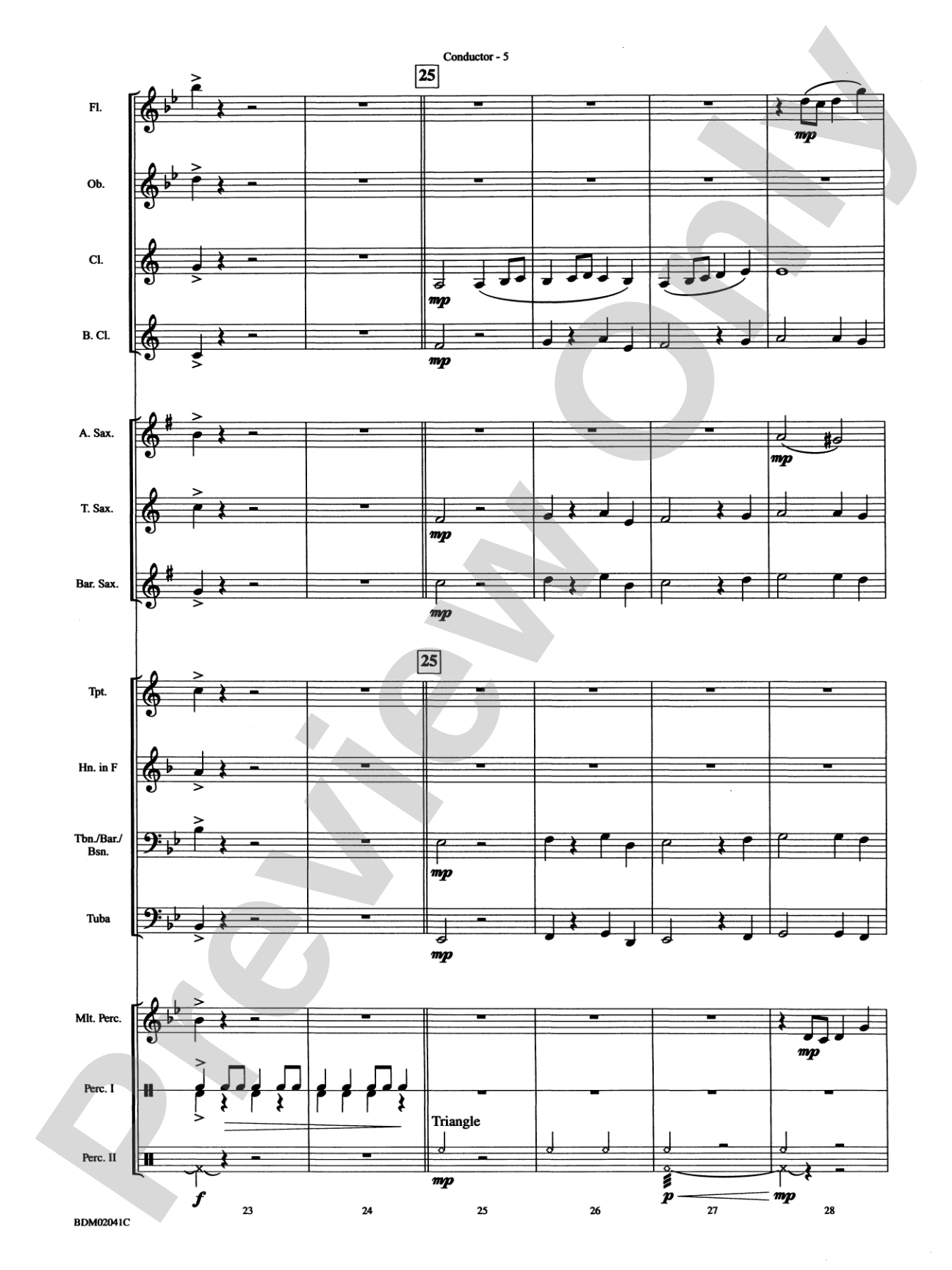
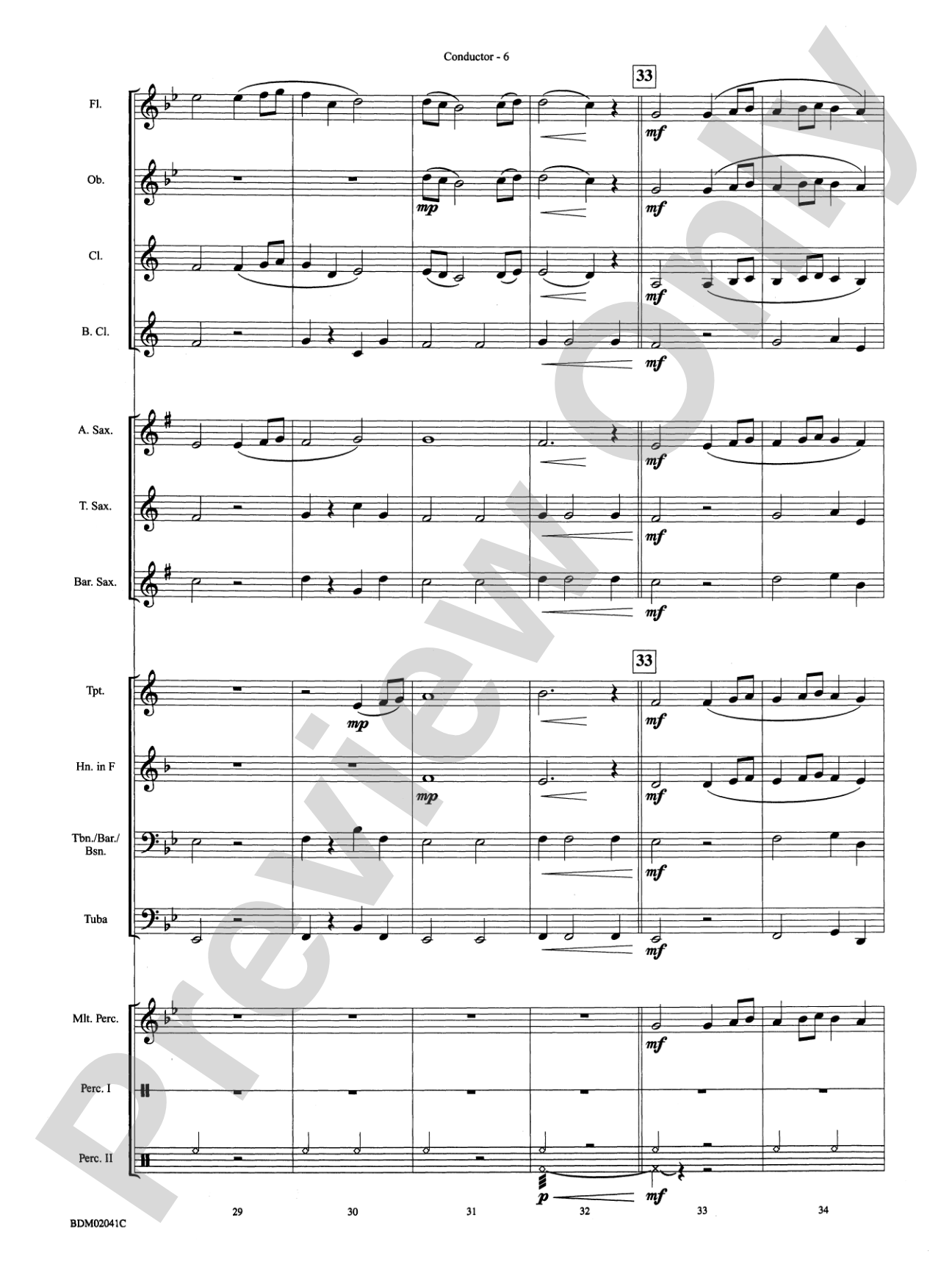
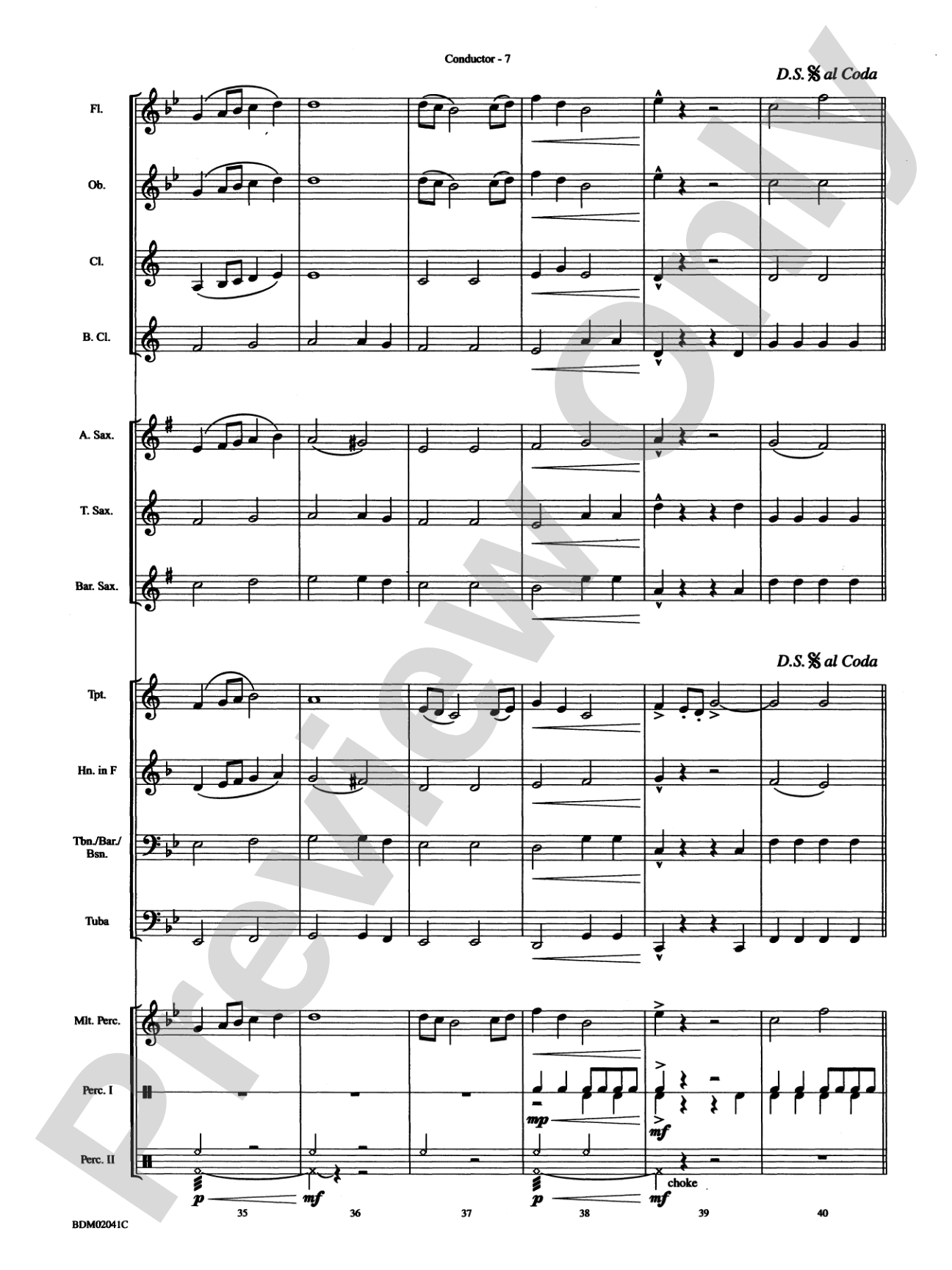
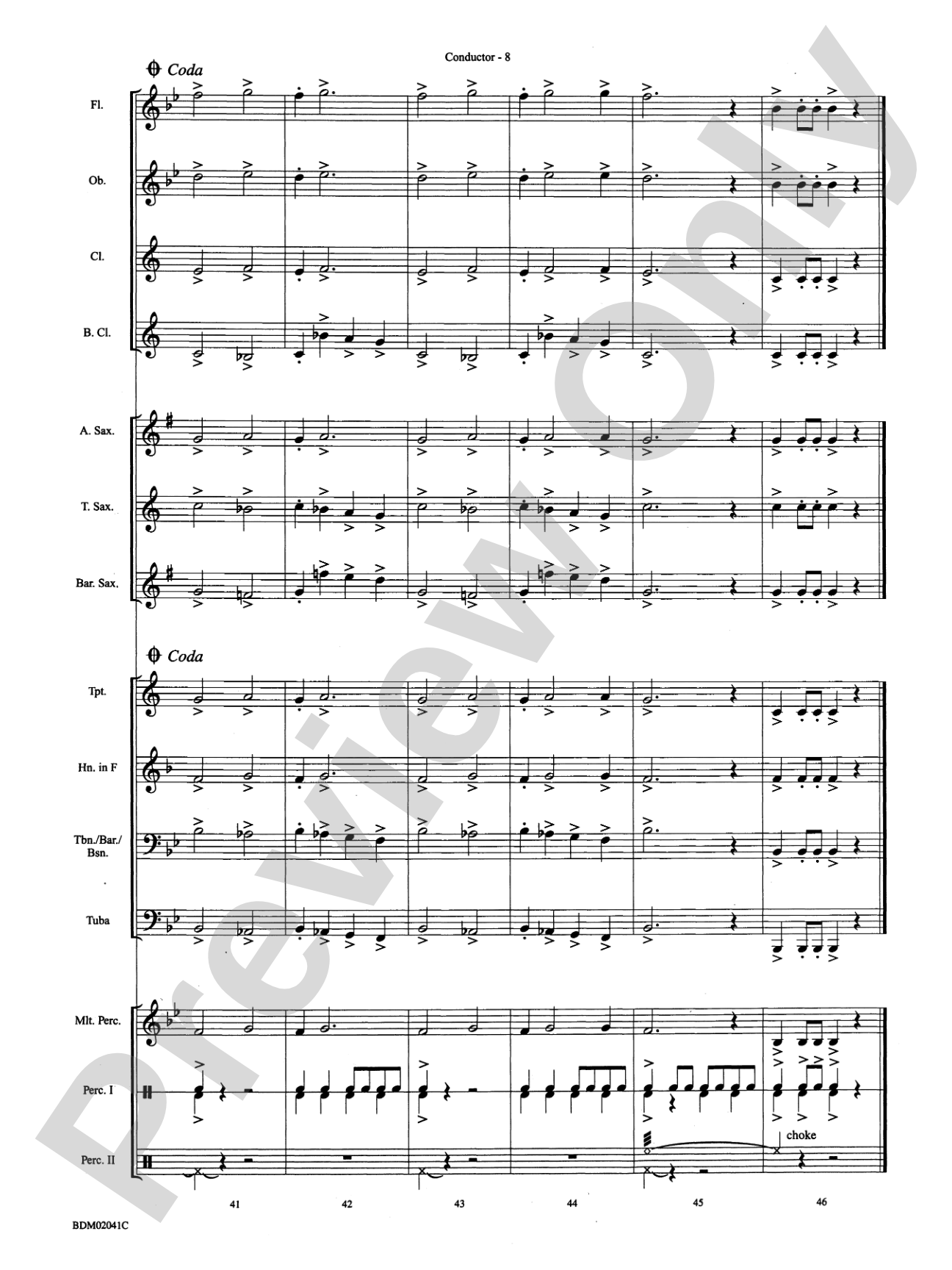



Entrada (An Overture for Band): Concert Band Conductor Score & Parts
By Michael Story
Grade: 1 (Very Easy)
Item: 00-PK-0004381

$55.00
Pickup currently not available
Buy Extra Parts (Digital PDF Download)
Parts Added to Cart!
Description
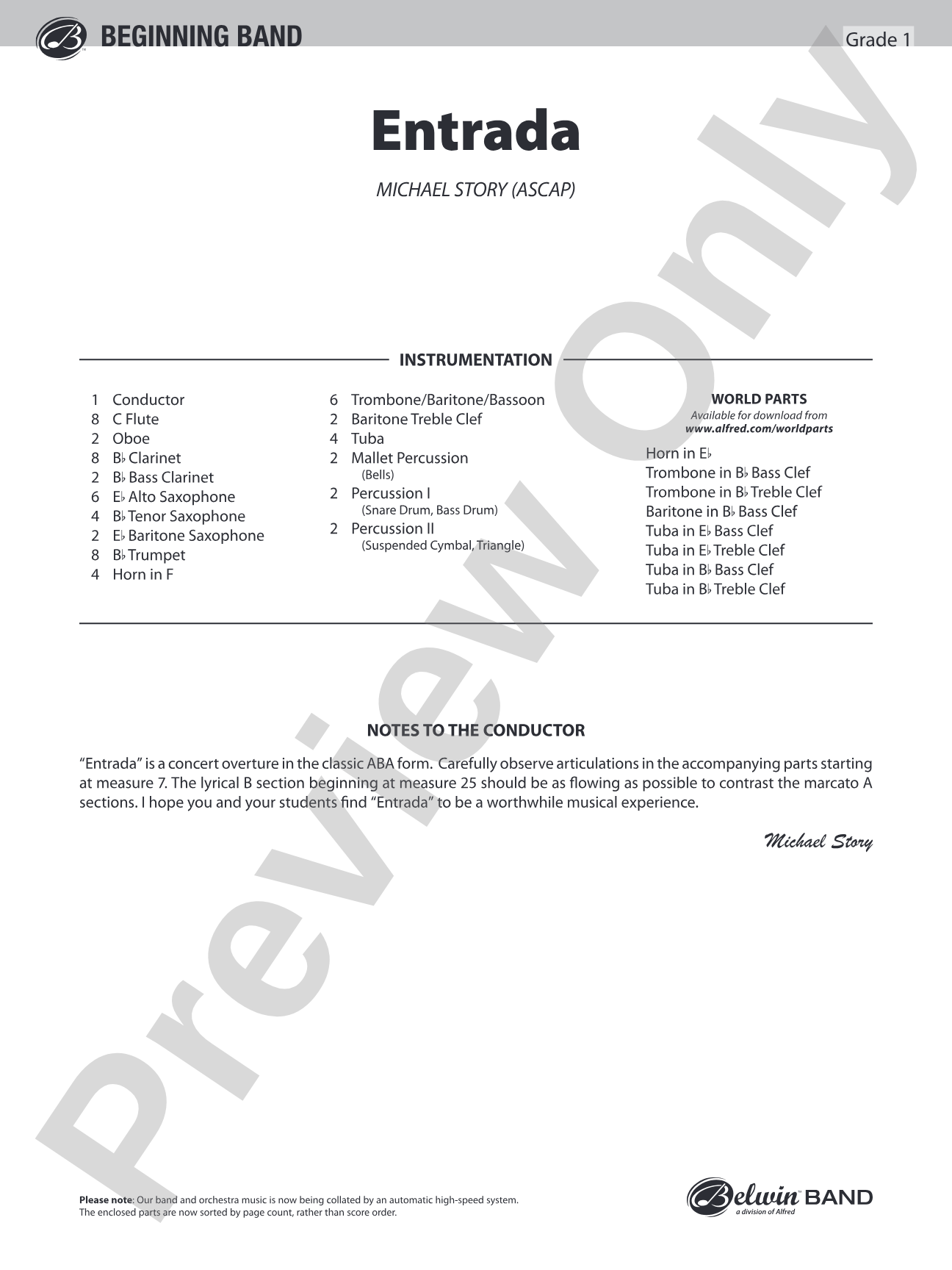
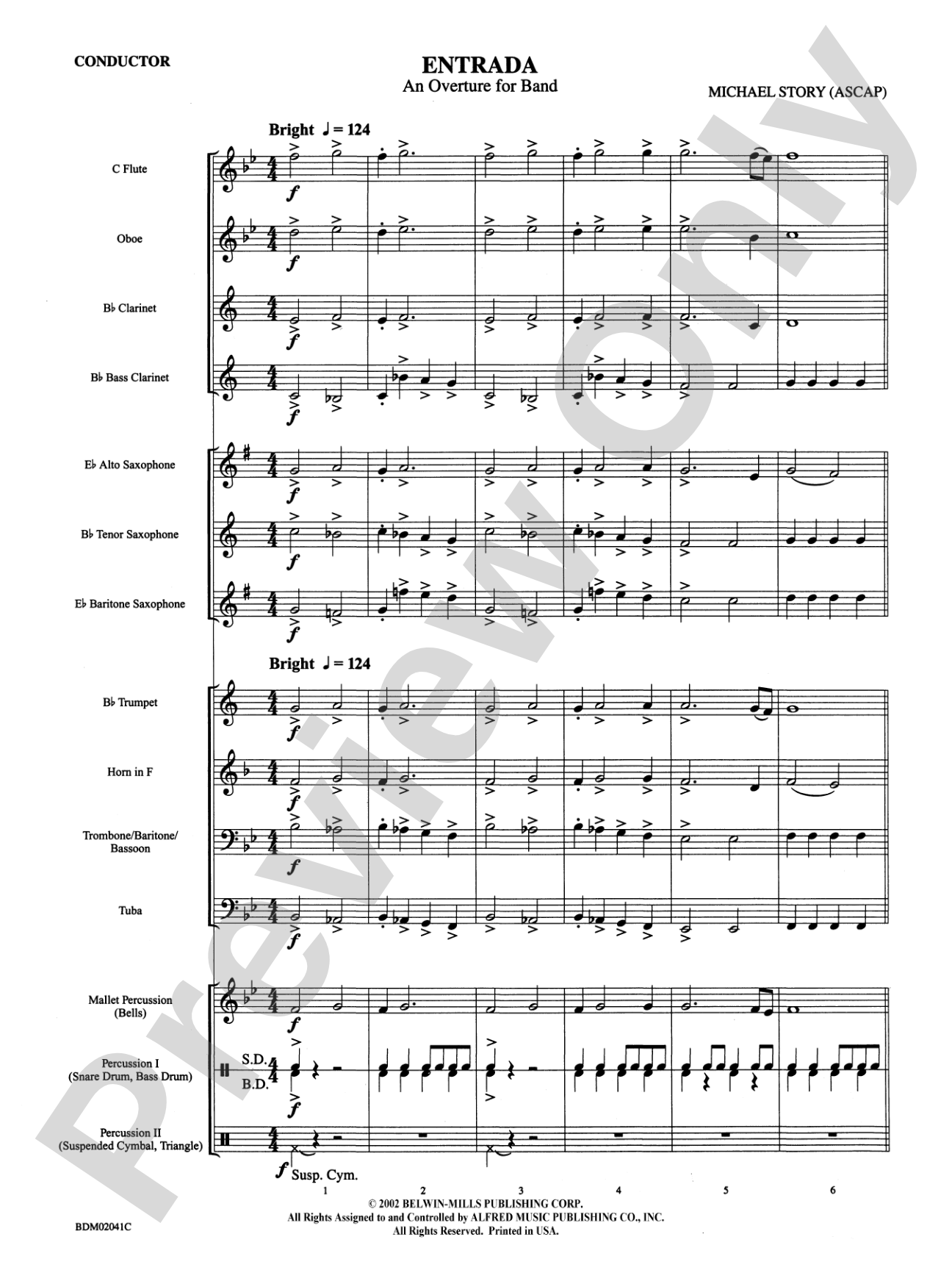
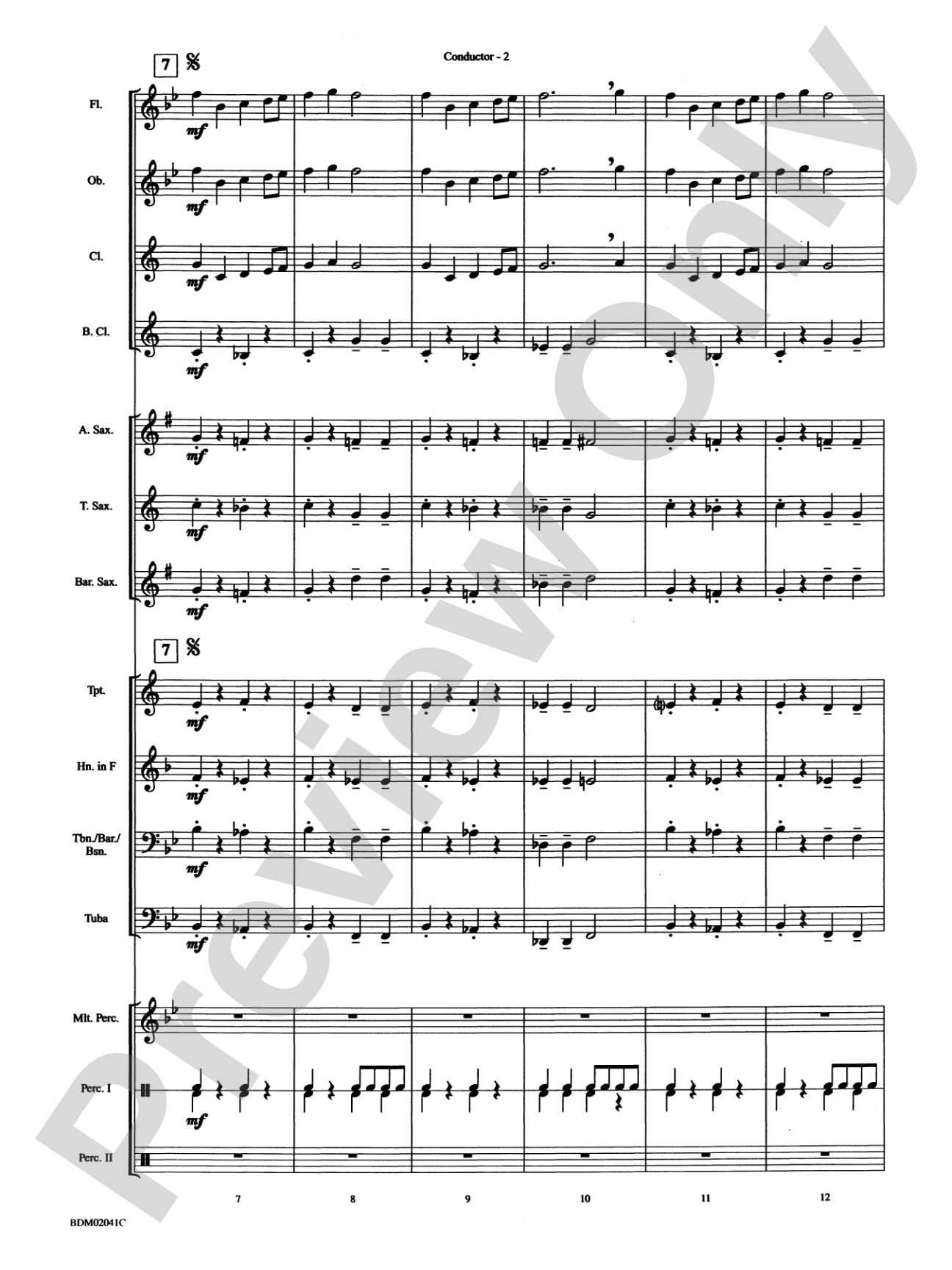
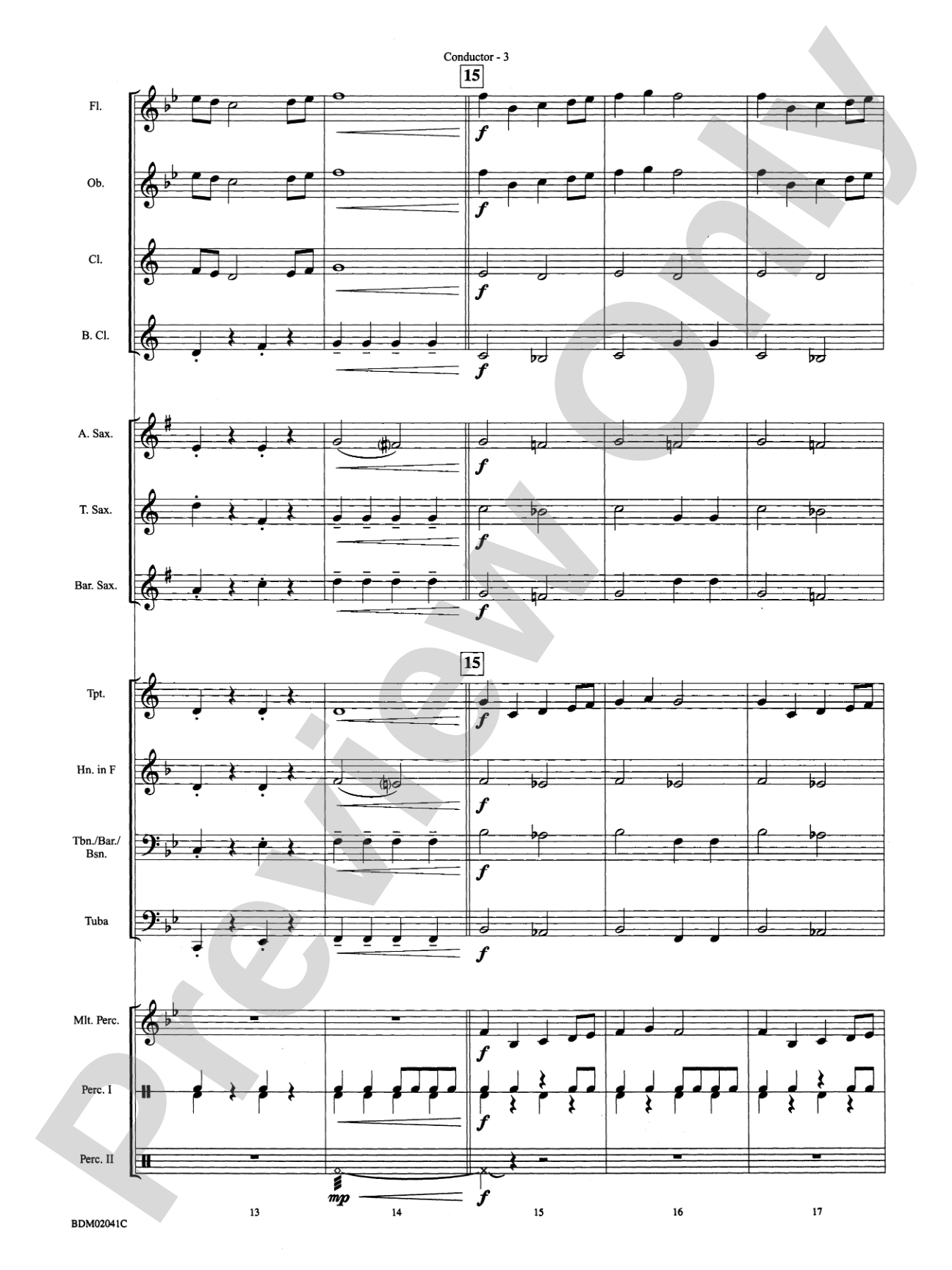
Classic A-B-A form is the structure for this modern overture. The beginning and ending segments are bold marcato statements separated by a flowing melodic theme. Wonderful music for the discerning director. (2:00)


Don't just read it, hear it, play along with it, and watch your students grow with it. In MakeMusic Cloud, Entrada (An Overture for Band): Concert Band Conductor Score & Parts comes alive with professional accompaniment, adjustable tempo, and built-in practice tools that turn solo practice into real progress.
Open in the Player
Jump straight in and assign it today.
Start Your Free Trial
Open this title and explore the full library in minutes.
Sample Audio
1
Audio File
--:--
0:00
0:00
Sample Video
No sample videos found.
Additional Details
Series:
Belwin Beginning Band
Publisher:
Alfred Music
Page Count:
124
SKU:
00-PK-0004381
More about this title
About the Composer: Michael Story
Michael Story is a prolific composer and arranger whose work spans concert band, wind ensemble, and orchestra. His compositions are staples in school music programs across North America, where they're valued for their musical substance paired with accessibility. Story's gift lies in crafting pieces that challenge students meaningfully without overwhelming them, a balance that comes from deep understanding of what young musicians can accomplish.
Why we love this
A well-proportioned overture that teaches formal structure through direct, engaging musical statements rather than abstract discussion. The A-B-A design is immediately audible to listeners and players alike, making this an ideal teaching vehicle for bands encountering classical form in a contemporary context. Story's marcato writing at Grade 1 gives young ensembles accessible material that still demands rhythmic precision and dynamic control.
What to expect
Entrada opens with swagger, crisp, marked statements that feel ceremonial without being pretentious. The middle flows with genuine lyricism, letting melody take the lead. When the bold opening returns, it lands harder because you've stepped away from it; the contrast makes the journey feel complete.
Who it's for
Grade 1 concert bands seeking accessible yet musically substantive overture material. Directors developing student understanding of A-B-A form will appreciate how clearly Story's design communicates; the piece works equally well as a concert opener or as part of a thematic program exploring classical forms. Beginning bands ready for their first formal concert piece will find this engaging and achievable.
How to get the most out of it
- Emphasize the rhythmic clarity of the marcato sections; crisp articulation throughout the opening and closing segments will define the piece's character and balance the flowing middle section.
- Shape the B section melodically by assigning the primary theme to your strongest voice and allowing the ensemble to support with warm, sustained harmonies rather than prominent counterlines.
- Use the two-minute duration to establish a confident tempo that allows the marcato material to speak clearly without rushing; give yourself room to breathe between the contrasting sections.
- Balance the dynamic shift from bold opening to singing melody by having the ensemble pull back in intensity during the B section, then rebuild energy for the final A restatement.
How to use it
Program Entrada as an opening selection where you want to establish ensemble focus and musicianship immediately; its two-minute length allows room for larger concert works while its formal clarity makes an excellent first impression. Use it in a concert exploring musical form alongside other accessible works, or pair it with contrasting Grade 1 selections to demonstrate the range of expression available at this level. It also serves well as a festival or concert band competition piece where clean execution and musical maturity are valued.
Skills your students will build
- Recognizing and responding to A-B-A (ternary) form
- Marcato articulation with consistent rhythmic precision
- Dynamic contrast between bold statements and lyrical passages
- Maintaining ensemble balance during thematic transitions
- Shaping sustained melodic lines with appropriate phrasing