

Elegy and Dance: String Orchestra Conductor Score & Parts
By Richard Meyer
Grade: 1
Item: 00-PK-0000379

$46.00
Pickup currently not available
Buy Extra Parts (Digital PDF Download)
| Product | Price | Quantity |
|---|---|---|
| Elegy and Dance: Score | $8.00 | |
| Elegy and Dance: 1st Violin | $5.99 | |
| Elegy and Dance: 2nd Violin | $5.99 | |
| Elegy and Dance: 3rd Violin (Viola [TC]) | $5.99 | |
| Elegy and Dance: Viola | $5.99 | |
| Elegy and Dance: Cello | $5.99 | |
| Elegy and Dance: String Bass | $5.99 | |
| Elegy and Dance: Piano Accompaniment | $5.99 |
Parts Added to Cart!
Description
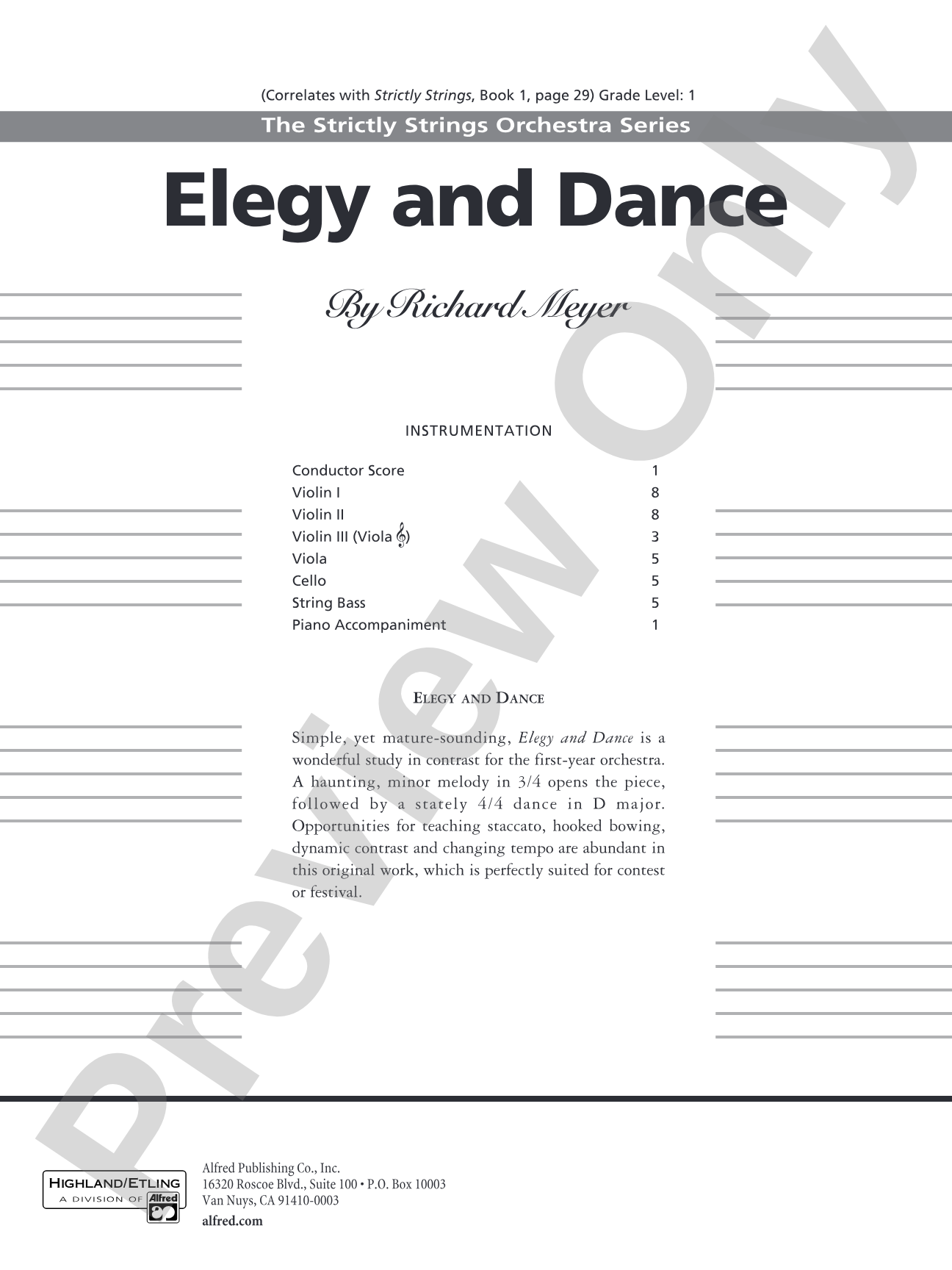
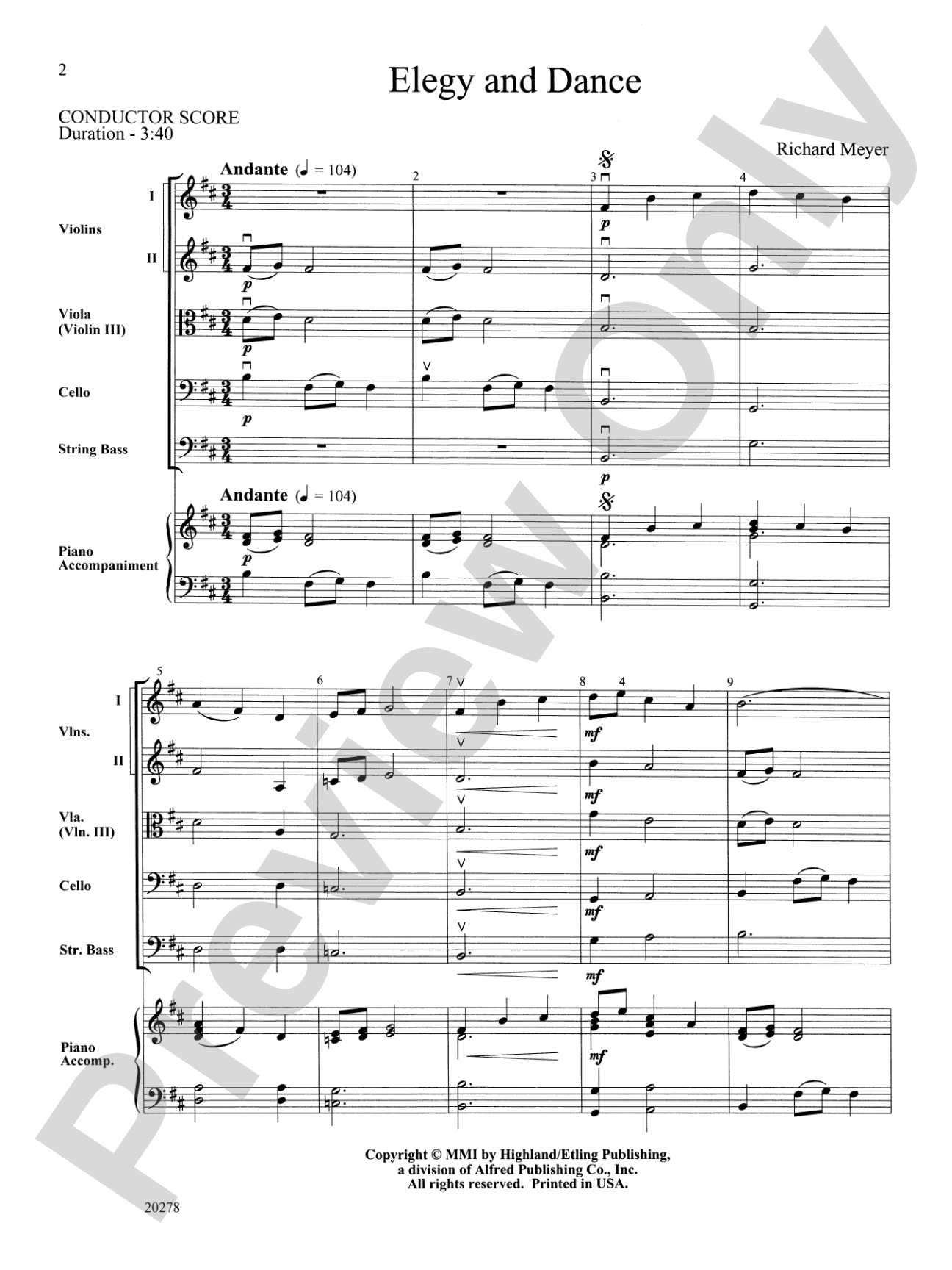
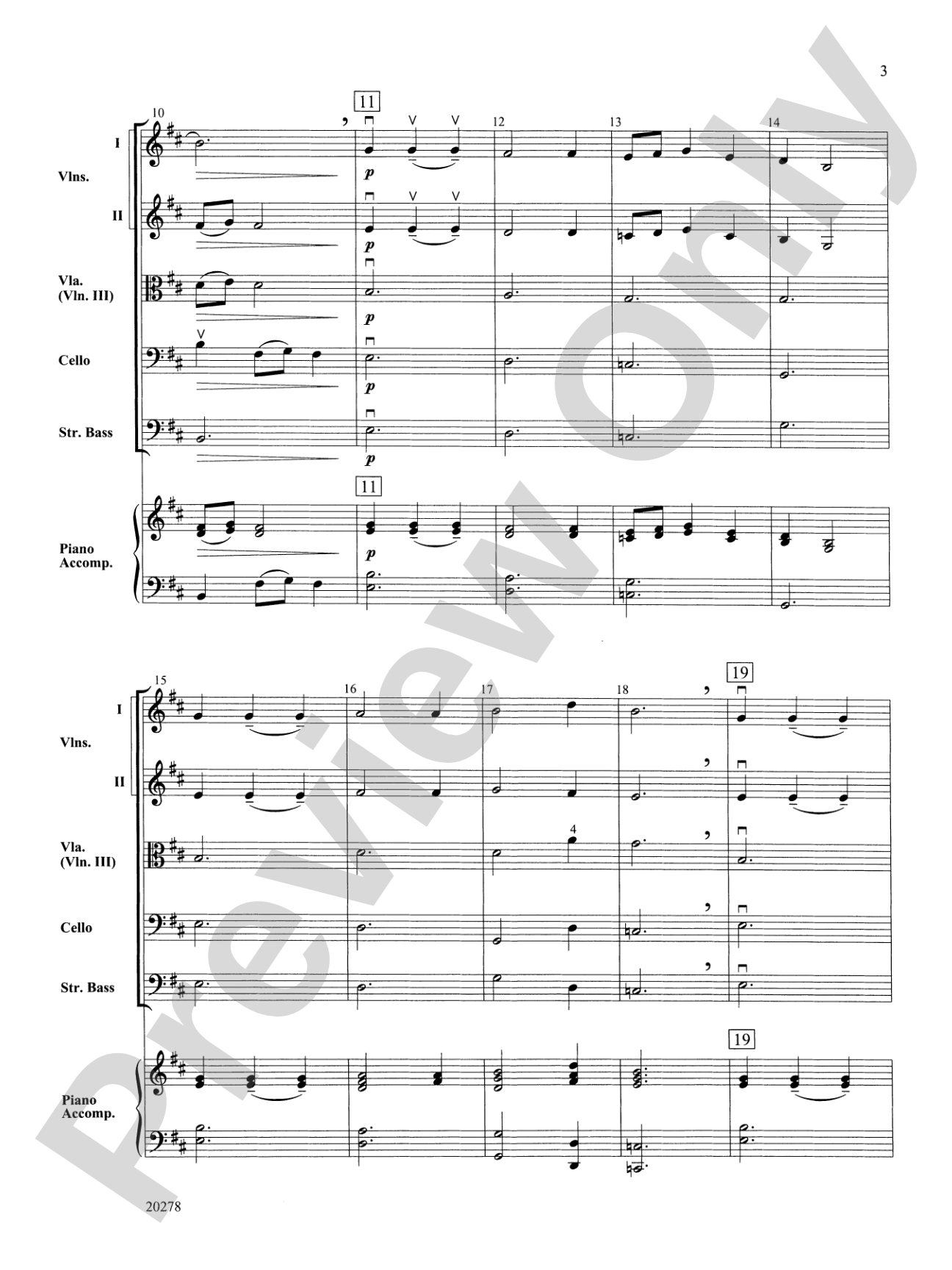
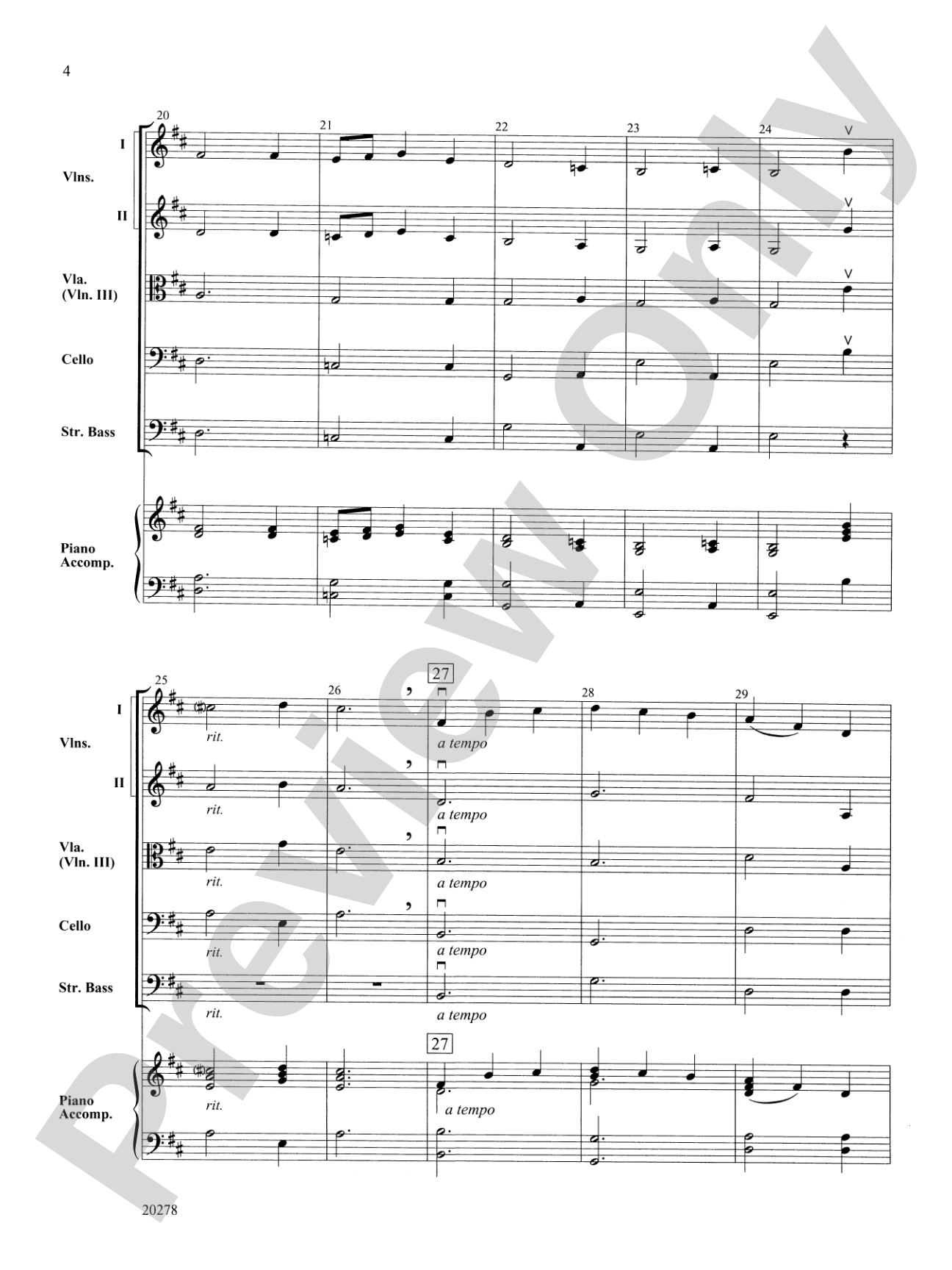
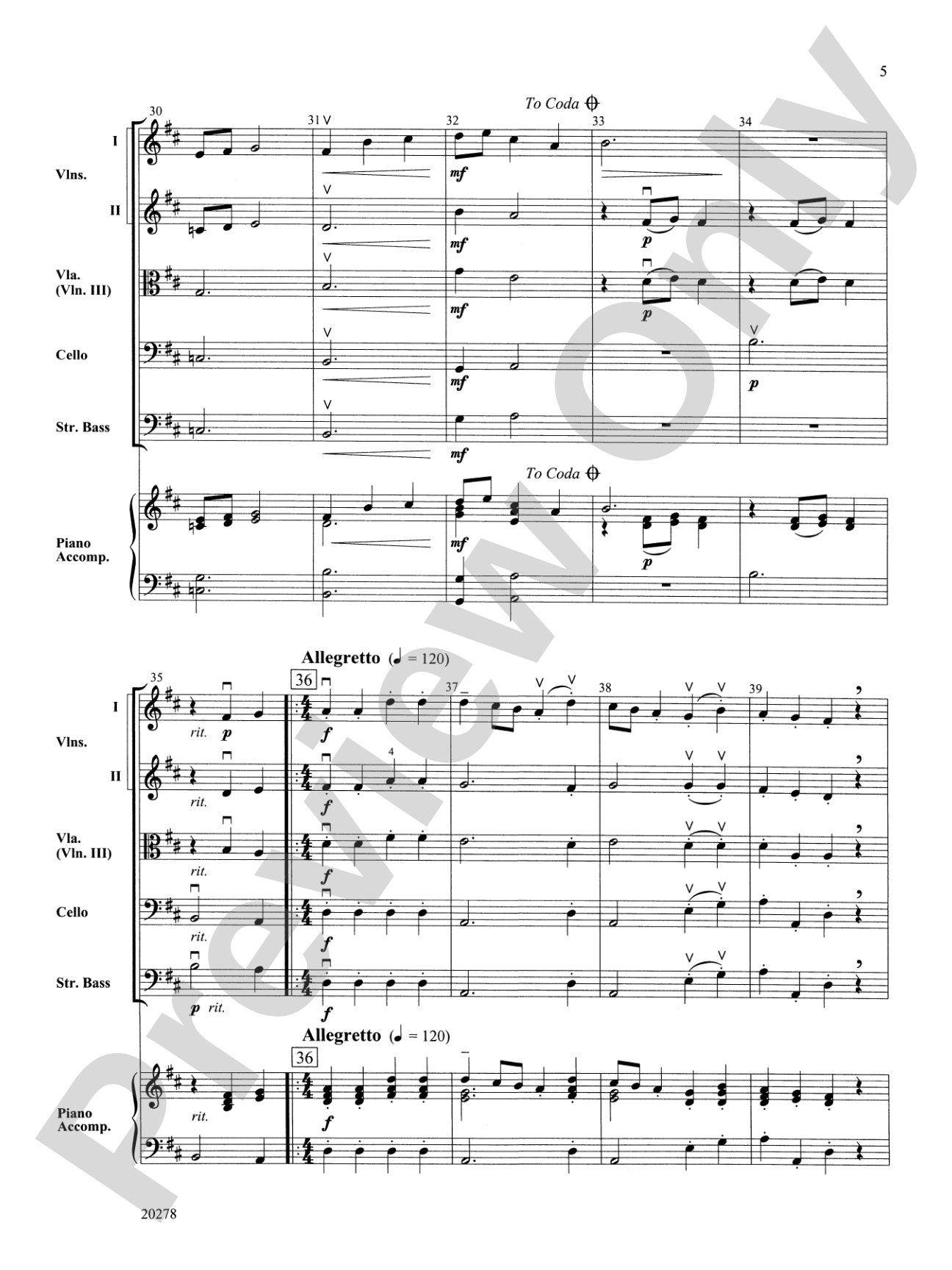
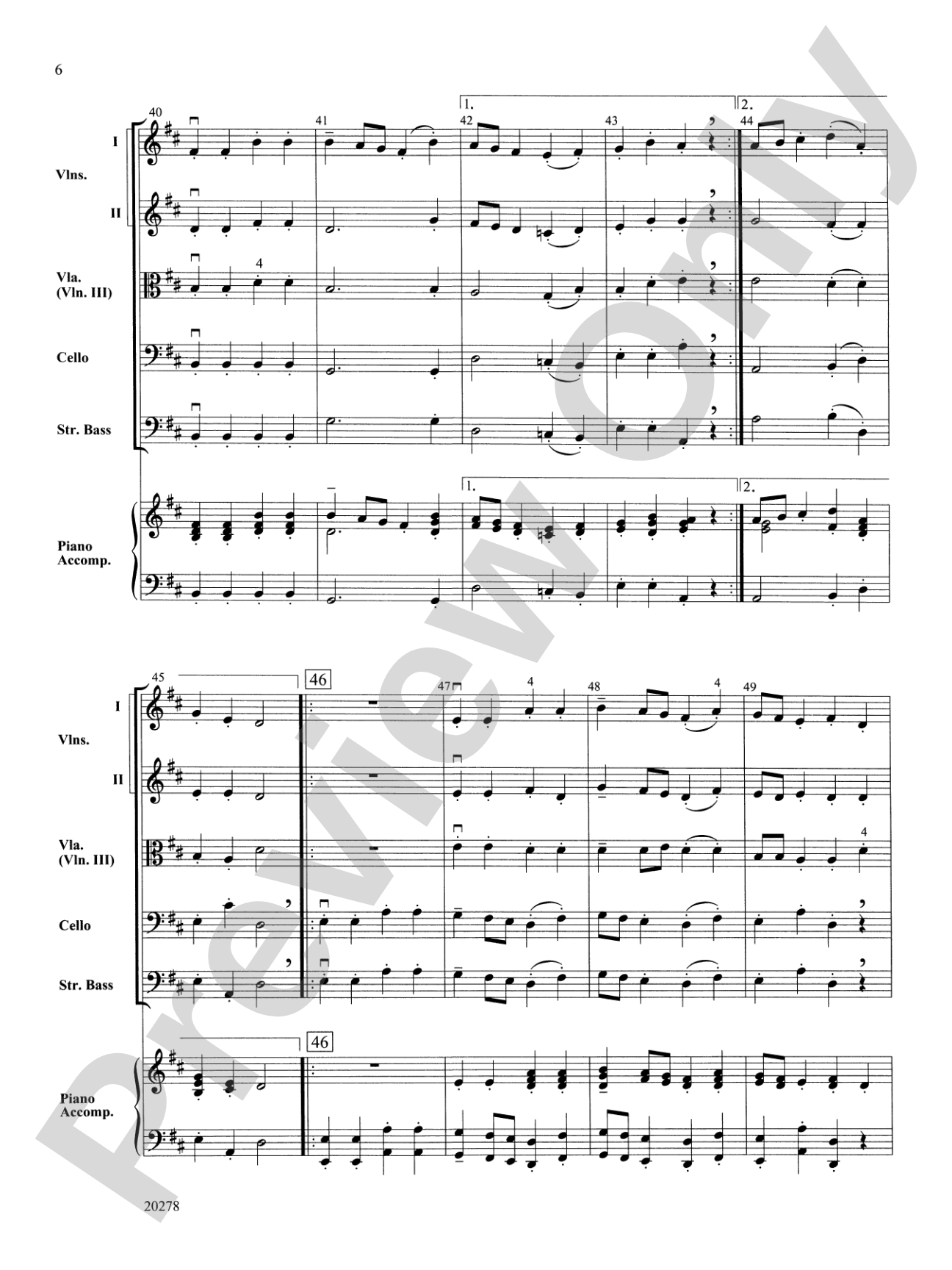
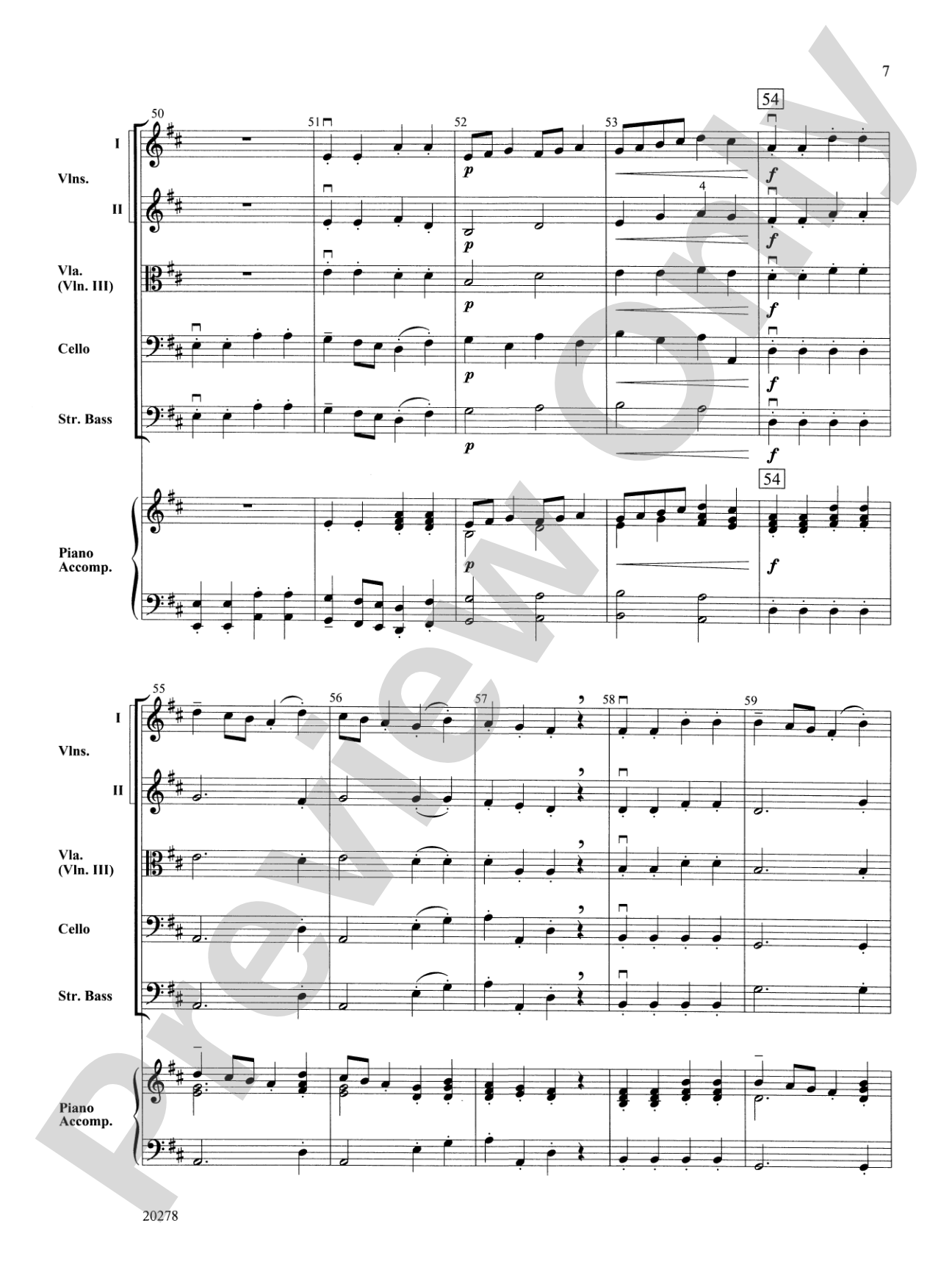
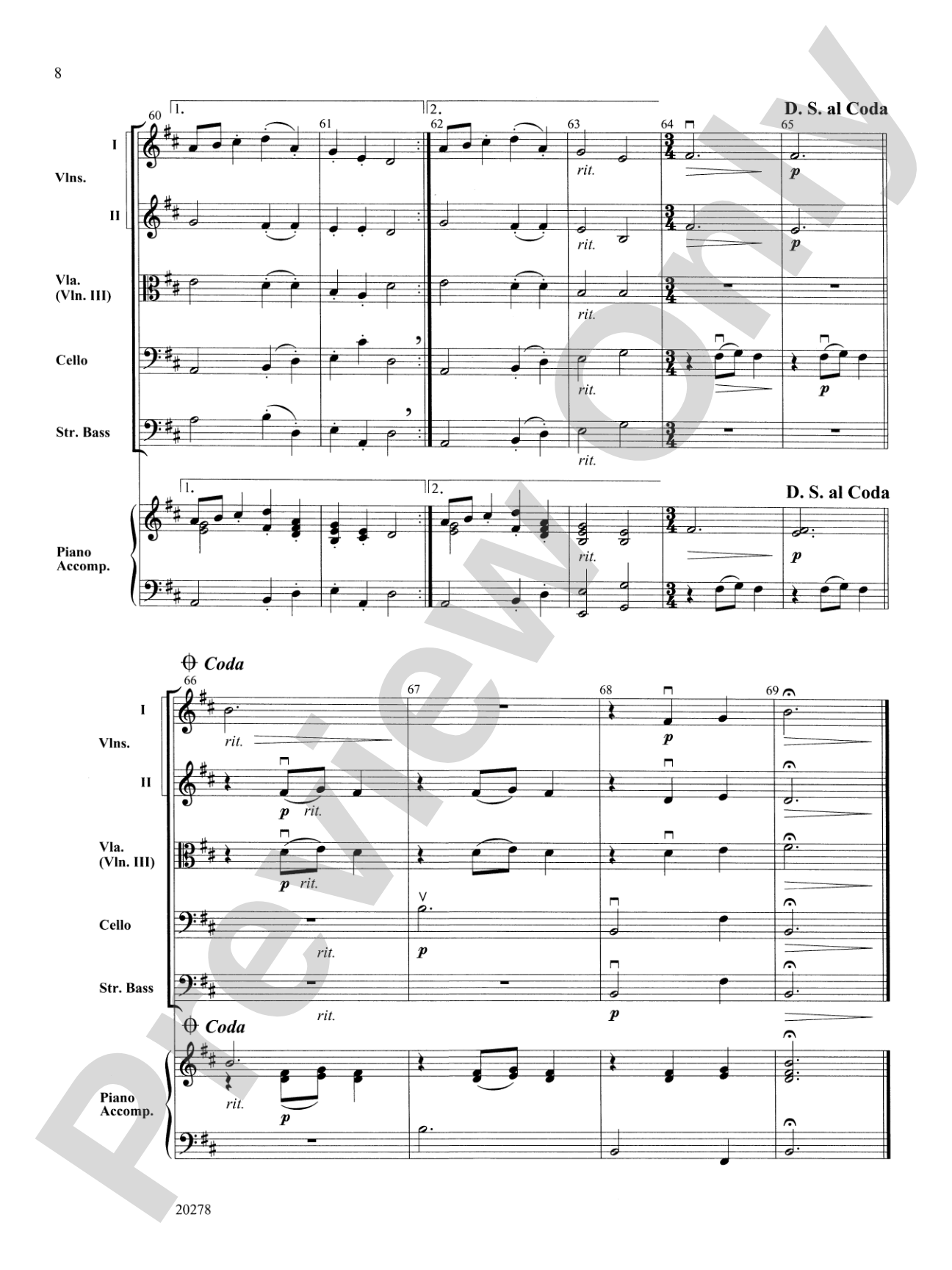
Simple yet mature-sounding, Elegy and Dance is a wonderful study in contrast for the first-year orchestra. A haunting, minor melody in 3/4 opens the piece, followed by a stately 4/4 dance in D major. Opportunities for teaching staccato, hooked bowing, dynamic contrast and changing tempo are abundant in this original work, which is perfectly suited for contest or festival. Correlated with Strictly Strings, Book 1, page 29. This title is available in MakeMusic Cloud.


Don't just read it, hear it, play along with it, and watch your students grow with it. In MakeMusic Cloud, Elegy and Dance: String Orchestra Conductor Score & Parts comes alive with professional accompaniment, adjustable tempo, and built-in practice tools that turn solo practice into real progress.
Open in the Player
Jump straight in and assign it today.
Start Your Free Trial
Open this title and explore the full library in minutes.
Sample Audio
1
Audio File
--:--
0:00
0:00
Sample Video
No sample videos found.
Additional Details
Series:
Highland/Etling Strictly Strings
Publisher:
Alfred Music
Page Count:
72
SKU:
00-PK-0000379
More about this title
About the Composer: Richard Meyer

Richard Meyer brings three decades of string teaching experience into every composition he writes. His tenure directing orchestras at Oak Avenue Intermediate School in Temple City, California saw the program grow from 29 students to 200, and he spent 22 years building a comprehensive string curriculum across the district. Beyond the classroom, Meyer served as music director of the Pasadena Youth Symphony Orchestra for 16 years, leading ensembles on international tours to Vienna, Australia, and Canada. He founded the "Giving Bach" program in 2009, an initiative that uses interactive concerts to reach special needs and underserved student populations throughout Southern California.
Meyer's work as a composer and arranger reflects his deep understanding of what young string players need to grow. With nearly 200 published compositions and arrangements in print, he has shaped string education through method books including the String Explorer Series and Sight-read It for Strings, and served 16 years as string editor for Alfred Publishing Company. He remains an active clinician, having presented at the A.S.T.A. National Conference, the Texas Orchestra Directors' Association Conference, and string workshops at Ohio State University.
Why we love this
Meyer understands exactly what Grade 1 orchestras can handle musically and technically. He designs this piece to sound sophisticated without overwhelming developing players, giving them a genuine artistic experience while teaching essential bowing and rhythmic concepts that transfer directly to their daily repertoire.
What to expect
The opening unfolds with introspective quietness, a minor-key melody that draws listeners in with genuine emotional weight despite its simplicity. The middle section transforms entirely into a bright, stately dance that lifts the mood and invites a more energetic, articulate sound from the ensemble.
Who it's for
String orchestra conductors teaching Grade 1 ensembles who want repertoire that sounds mature and musically coherent. This piece works equally well for students preparing for their first festival or contest experience.
How to get the most out of it
- Establish the minor melody's phrasing in the opening through careful dynamic shaping. Even at Grade 1, players respond to the conductor's attention to musical shape over mechanical accuracy.
- Isolate the staccato passages in sectional rehearsals before combining parts. Meyer writes staccato in ways that reinforce proper bow control, so make the technique the focus rather than rushing through.
- Conduct the tempo change crisply at the transition to the D major dance. The shift from 3/4 to 4/4 and from minor to major needs clear, confident direction so students understand the structural contrast.
- Balance the dynamic contrast between sections using part-by-part rehearsals. The piece relies on transparent orchestration, which means each voice must hear its role in the larger texture.
How to use it
Program this as a contrasting piece on a concert that includes more technical or dramatic works; its elegance and structural clarity complement both lighter openers and heavier finales. It pairs naturally with Grade 1 pieces that explore different moods, creating a concert that teaches audiences about variety in orchestral color and form.
Skills your students will build
- Reading and executing staccato articulation with consistent bow control
- Playing hooked bowings that connect phrases while maintaining rhythmic precision
- Responding to dynamic contrast between sections (minor key softness to major key brightness)
- Adjusting tempo and maintaining ensemble cohesion during a meter change (3/4 to 4/4)
- Balancing individual parts in transparent orchestration to support overall ensemble sound