El Vaquero! Cover Image

El Vaquero!: Concert Band Conductor Score & Parts

$55.00 USD
Sale price  $55.00 USD Regular price 
Skip to product information
El Vaquero! Cover Image

El Vaquero!: Concert Band Conductor Score & Parts

By William Owens

Level:.5

Item: 98-B1708

Need it now?

Buy Digital Version
$55.00
Shipped

One moment…

Description
Take an exciting ride across the open range with this bold Spanish-flavored work! Your students will sound mature beyond their years with this strategically orchestrated work using only six notes! A wealth of intelligently scored auxiliary percussion adds a great deal to the character of the work. Giddyup!

El Vaquero!: Concert Band Conductor Score & Parts isn't in MakeMusic Cloud just yet...but it could be. Let us know you'd like to see it, and you'll help shape what comes next. In the meantime, start a free trial and dive into thousands of interactive titles your students can play along with today.

Sample Pages

Sample Audio
0:00
0:00
Sample Video
Additional Details
Series: FJH Starter Series
Publisher: The FJH Music Company, Inc.
UPC: 241444379660
SKU: 98-B1708

More about this title

About the Composer: William Owens
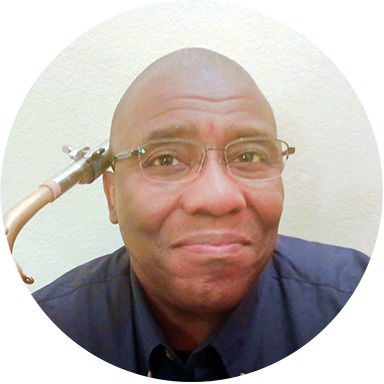
William Owens

William Owens has spent three decades as a band director in Texas while establishing himself as one of the most prolific composers for young ensembles in North America. Since 1993, he has written over 300 works for concert band, string orchestra, and small ensemble, with his pieces appearing on required music lists and in educational curricula across the country. A 1985 graduate of VanderCook College of Music and member of ASCAP, Owens has received commissions from the American Bandmasters Association, Phi Beta Mu International, and South Plains College.

Owens approaches composition for developing musicians with clear pedagogical intent, balancing accessibility with musical substance. His work has been analyzed in educational texts and recognized by the Texas Bandmasters Association and his alma mater. Now based in Fort Worth, he continues to influence young band programs through writing that respects both the limitations and capabilities of beginning ensembles.

Why we love this

Owens delivers an arrangement that proves beginners can sound polished and confident without complex technical demands. The six-note limitation forces elegant orchestration rather than padding, and the auxiliary percussion writing elevates the whole ensemble's energy without overwhelming anyone. Your students get to play a genuine musical work with real character, not a scaled-down exercise.

What to expect

Riding horses across open terrain with swagger. The Spanish flavor brings color and movement, while the percussion work adds texture and drive. Simple melodies bloom into something vivid through smart orchestration.

Who it's for

Beginning concert bands ready to perform something with genuine style and personality. Educators looking for a piece that sounds substantive without requiring chromatic scales or advanced technique.

How to get the most out of it

  • Balance the auxiliary percussion carefully so it colors the sound rather than dominates. The percussion adds character, but the melodic lines remain the focus.
  • Drill the rhythmic figures in isolation before full ensemble rehearsals. Even with simple pitches, locking the rhythm section sets up everything else.
  • Mark the accented figures and articulations; they drive the Spanish character more than tempo does.
  • Give your students confidence in the material early. This piece invites mature phrasing from young players when they trust the simplicity.

How to use it

Open a concert with this to set an energetic, confident tone. It also works well mid-program as a mood changer, especially when programming alongside European-flavored or classical works. The accessibility makes it ideal for October or November performances when fundamental skills are still solidifying.

Skills your students will build

  • Maintaining tone quality on limited pitch sets
  • Recognizing and executing articulation patterns that convey style
  • Reading parts with non-traditional rhythmic groupings
  • Blending individual voices into orchestrated color through supporting roles
  • Understanding how percussion voice integrates with melodic lines

You May Also Like