

Eine Kleine Kazoo Musik: SAB Choral Octavo
Music by Wolfgang Amadeus Mozart / arr. Tom Anderson
Item: 00-PO-0007433
$2.30
Minimum order quantity: 20 copies
Pickup currently not available
Related Items
Eine Kleine Kazoo Musik: 2-Part Choral Octavo |
$2.30
|
View | |
Eine Kleine Kazoo Musik: SoundTrax Digital Audio Download |
$29.99
|
View | |
Eine Kleine Kazoo Musik: SAB Choral Octavo |
$2.30
|
View | |
Eine Kleine Kazoo Musik: 2-Part Choral Octavo |
$2.30
|
View | |
Eine Kleine Kazoo Musik: Choral SoundTrax CD |
$29.99
|
View |
Description
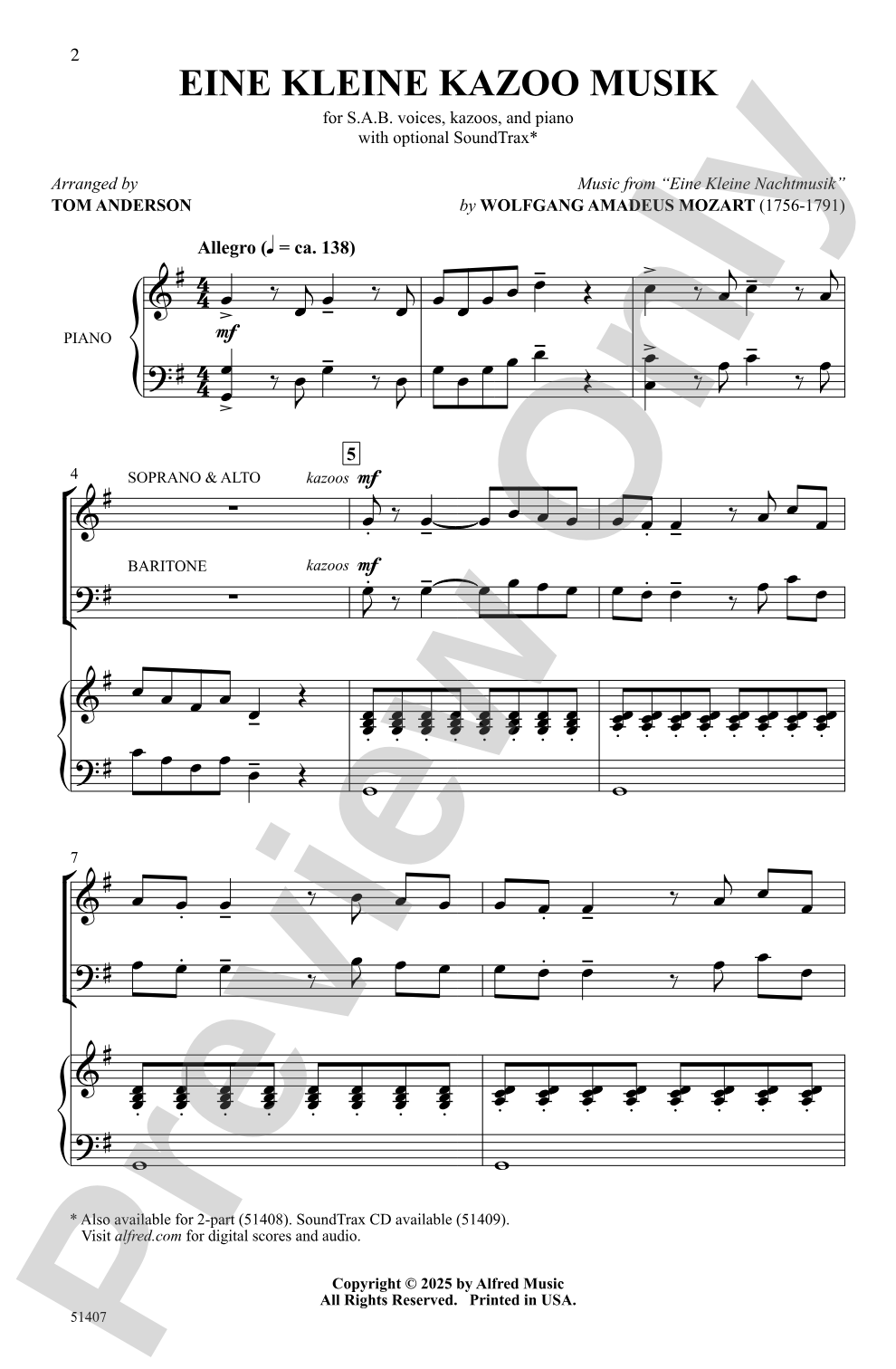
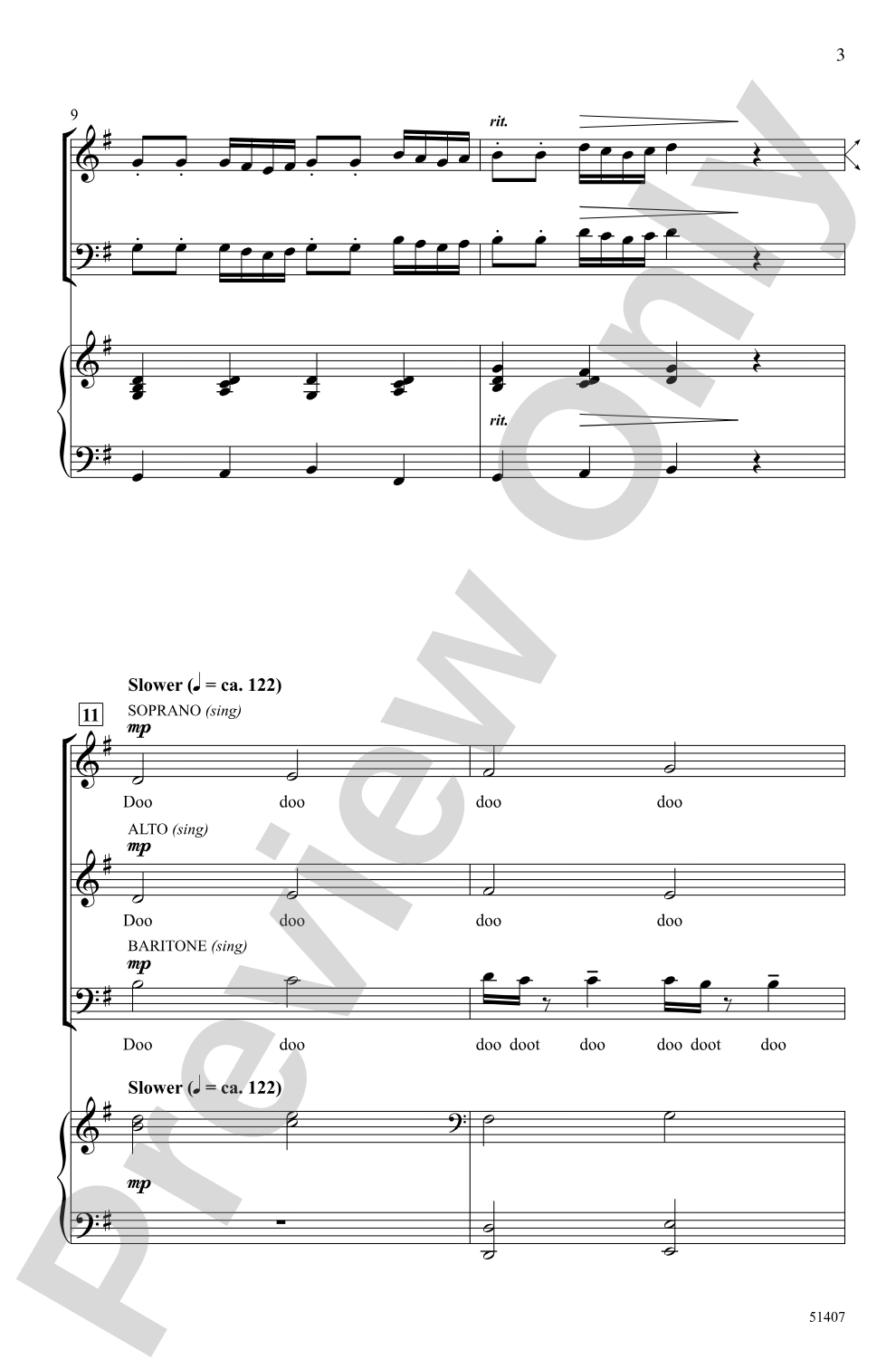
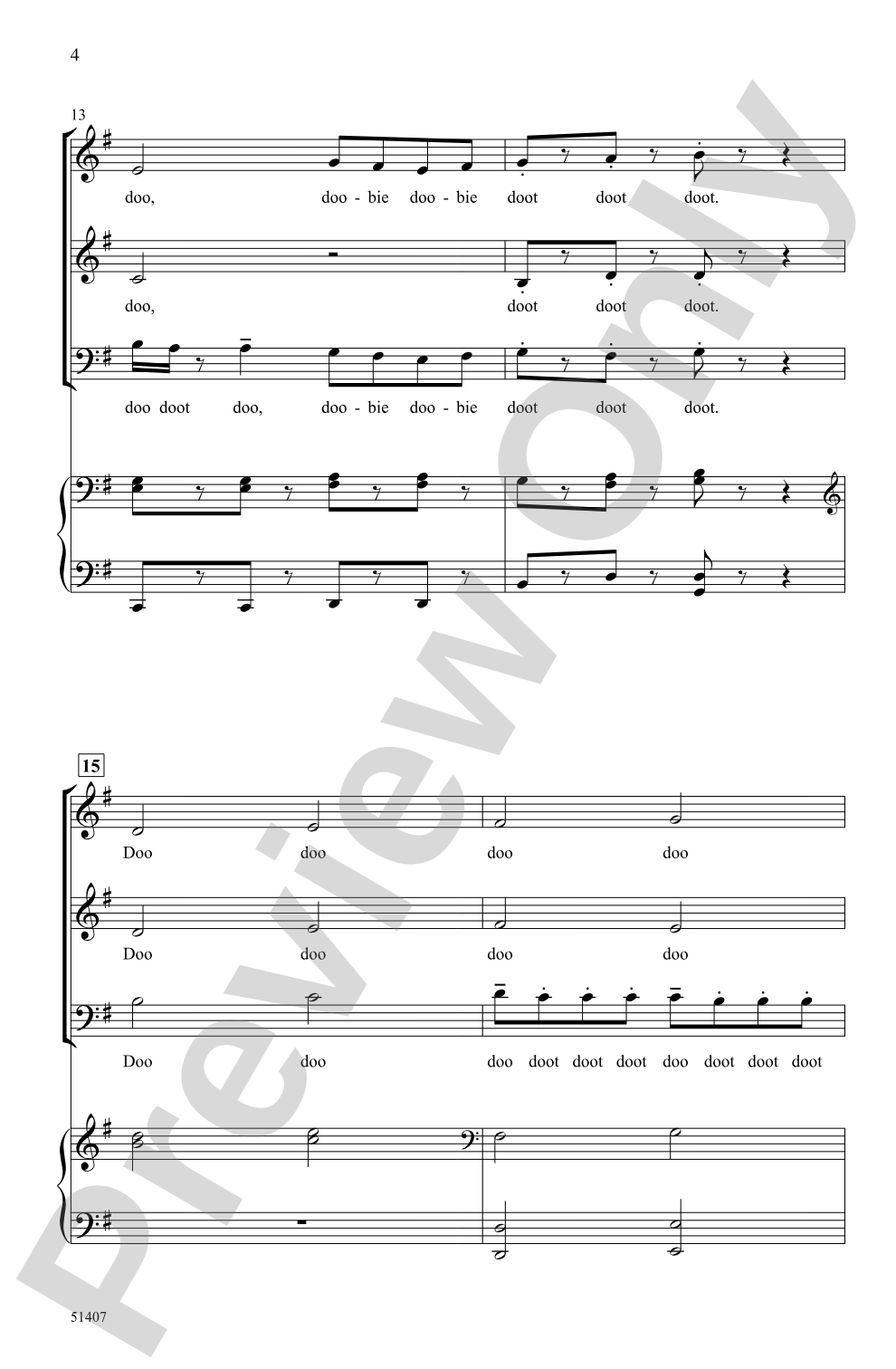
You've never heard Mozart like this before! "Eine Kleine Nachtmusik" is performed on neutral syllables with plenty of kazoo moments interspersed throughout. Get ready to switch back and forth between singing and kazoo-ing, but be sure to keep a straight face while performing the dramatic dynamic and tempo changes. It's guaranteed to be the most fun you'll ever have performing a masterwork!


Eine Kleine Kazoo Musik: SAB Choral Octavo isn't in MakeMusic Cloud just yet...but it could be. Let us know you'd like to see it, and you'll help shape what comes next. In the meantime, start a free trial and dive into thousands of interactive titles your students can play along with today.
Request This Title
Tell us you want it.
Start Your Free Trial
Explore everything that's ready to play right now.
Sample Audio
1
Audio File
--:--
0:00
0:00
Sample Video
Additional Details
Series:
Alfred Choral Designs
Publisher:
Alfred Music
Page Count:
12
SKU:
00-PO-0007433
Instrumentation:
Kazoos
More about this title
About the Composer: Wolfgang Amadeus Mozart
Wolfgang Amadeus Mozart (1756–1791) composed over 600 works across nearly every genre, from symphonies and concertos to operas and chamber music. His prolific output and gift for melody established him as a cornerstone of the Classical period, and his works remain central to music education at all levels. "Eine Kleine Nachtmusik," originally written as a serenade for strings, has become one of the most recognizable pieces in Western music.
For choral educators, Mozart's music offers students access to sophisticated harmonic language and elegant phrasing within music they often already know. This arrangement transforms a revered masterwork into an accessible and joyful learning experience.
Why we love this
This arrangement captures what makes Mozart so enduring while giving singers permission to be playful with a piece they might otherwise treat with reverence. The combination of precise vocal writing and kazoo interjections creates genuine ensemble cohesion around a shared comedic goal, and the dramatic dynamic and tempo shifts keep everyone engaged and listening closely to each other.
What to expect
Dignified and absurd in equal measure. The piece honors Mozart's architectural elegance while inviting performers to embrace the unexpected joy of making music with a toy instrument. Moments of genuine lyricism sit alongside moments of pure delight, creating a performance that audiences find both musically satisfying and thoroughly entertaining.
Who it's for
This arrangement works for community choirs, high school and middle school show choirs, and any ensemble confident enough to commit to both musical sophistication and theatrical fun. Singers need secure pitch awareness and the ability to maintain focus while switching between singing and playing, but no prior kazoo experience is necessary.
How to get the most out of it
- Commit fully to the neutral syllables; the clarity of the vocal line depends on crisp articulation and consistent vowel shaping across all three parts.
- Rehearse the kazoo moments separately from the singing sections so singers develop confidence switching instruments mid-phrase without losing the melodic line.
- Lock the dynamic and tempo changes as ensemble priorities; the humor lands only when these shifts happen with precision and uniformity across all voices.
- Balance the kazoo timbre with the vocals so the novelty element doesn't overshadow the elegance of Mozart's original melody.
How to use it
Program this as a concert closer or finale act, where the energy shift and comedy provide a memorable send-off without undermining your group's musical credibility. It also works brilliantly on a mixed program that includes more traditional repertoire, creating contrast and showing audiences the full range of your choir's capabilities.
Skills your students will build
- Reading and sustaining neutral syllables with precise vowel consistency
- Switching between singing and instrumental playing while maintaining ensemble unity
- Executing dramatic tempo and dynamic changes with ensemble precision
- Balancing individual confidence with the demands of ensemble coordination
- Understanding historical masterworks through creative and contemporary interpretation