Easy Jazz Conception Trombone Cover Image

Easy Jazz Conception Trombone: Trombone Book & Online Audio

$24.95 USD
Sale price  $24.95 USD Regular price 
Skip to product information
Easy Jazz Conception Trombone Cover Image

Easy Jazz Conception Trombone: Trombone Book & Online Audio

15 Solo Etudes for Jazz Phrasing, Interpretation and Improvisation

By Jim Snidero

Level: Easy - Intermediate

Item: 01-ADV14763

$24.95
Shipped

One moment…

Description
A new and exciting way for trumpet players to learn and practice basic jazz style.
This book/audio download set features 15 solo etudes based on blues and standard chord progressions, demonstrated by Slide Hampton on trombone along with a world-class rhythm section: Mike LeDonne, piano; Peter Washington, bass; and Kenny Washington, drums.
The recording features two separate versions of each etude: one with the soloist and rhythm section and one with the rhythm section only. See and hear how the soloist phrases, play with or without the soloist on the recordings and learn basic jazz style first-hand.

Easy Jazz Conception Trombone: Trombone Book & Online Audio isn't in MakeMusic Cloud just yet...but it could be. Let us know you'd like to see it, and you'll help shape what comes next. In the meantime, start a free trial and dive into thousands of interactive titles your students can play along with today.

Sample Pages

Sample Audio

track 1

0:00
0:00
Sample Video
Additional Details
Series: Advance Music: Easy Jazz Conception
Publisher: Advance Music
UPC: 805095147636
SKU: 01-ADV14763
Instrumentation: Trombone

More about this title

About the Author: Jim Snidero
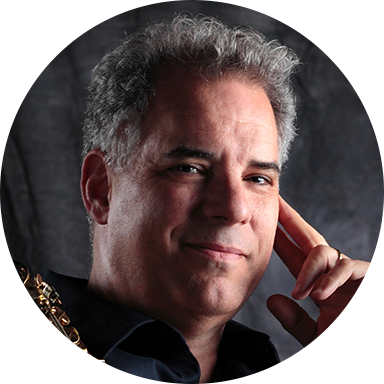
Jim Snidero

Jim Snidero has spent more than three decades establishing himself as a cornerstone of contemporary jazz. Recognized by DownBeat Magazine as both a "master musician" and "alto saxophone virtuoso," he earned a Critic's Poll placement in 2017, cementing his influence across the international jazz community. His journey began in Camp Springs, Maryland, where early mentorship from Phil Woods and studies with Dave Liebman shaped his artistic trajectory. After moving to New York in 1981, Snidero built an extensive résumé working alongside Brother Jack McDuff, the Mingus Big Band, Frank Wess, Toshiko Akiyoshi, and Frank Sinatra, among many others.

As a bandleader, composer, and educator, Snidero has created a prolific catalogue marked by consistency and range. His recordings span from Mixed Bag (1987) through Blue Afternoon (1989), which The Penguin Jazz Guide identifies as one of the finest jazz records ever made. Beyond the recording studio, his pedagogical work reflects a commitment to passing jazz literacy directly to the next generation of musicians.

Why we love this

Snidero's etudes cut straight to what matters: hearing how a master improviser actually phrases over real changes, then trying it yourself with the same rhythm section. The dual-track format eliminates guesswork about tempo, articulation, and phrasing nuance. Your students hear Slide Hampton nail every etude, then step in and fill that chair without losing the pocket.

What to expect

Conversational and grounded. These etudes sound like the trombone is having a real conversation with the piano, bass, and drums rather than performing a formal exercise. The blues and standard progressions feel lived-in, encouraging players to find relaxation and swing in their own sound.

Who it's for

Trombone players moving from classical foundations into jazz who need concrete models for phrasing and articulation. This also serves intermediate players who know the changes but haven't yet developed a personal voice in the solo.

How to get the most out of it

  • Listen to the full soloist version twice before touching your horn. Notice how Hampton approaches the head, where he sits in the pocket, and how he shapes phrases across bar lines rather than playing safe quarter notes.
  • Track the bass line independently during a few run-throughs. This grounds your ears in the harmonic movement and makes solo construction feel less like guess-work.
  • Record yourself playing along with the rhythm section alone, then compare your phrasing and time feel to Hampton's recording. Small adjustments compound quickly.
  • Work through the chord changes on a staff or keyboard first if reading them on lead sheets feels shaky. You'll internalize the harmonic landscape faster.

How to use it

Assign one etude per week during a jazz focus unit or for students participating in jazz ensemble. The recorded format works equally well for private lesson review or as independent study homework. Pair this with live rhythm section playing once students have internalized the etudes.

Skills your students will build

  • Phrasing over blues and standard chord progressions
  • Time feel and pocket placement within a rhythm section
  • Call-and-response conversation between soloist and accompaniment
  • Articulation choices for swing style on the trombone
  • Listening and imitation as compositional tools

You May Also Like