Easy Jazz Conception Flute Cover Image

Easy Jazz Conception Flute: Flute Book & Online Audio

$24.95 USD
Sale price  $24.95 USD Regular price 
Skip to product information
Easy Jazz Conception Flute Cover Image

Easy Jazz Conception Flute: Flute Book & Online Audio

15 Solo Etudes for Jazz Phrasing, Interpretation and Improvisation

By Jim Snidero

Level: Easy - Intermediate

Item: 01-ADV14764

$24.95
Shipped

One moment…

Description
For jazz phrasing, interpretation and improvisation
A new and exciting way for flute players to learn and practice basic jazz style.
This book/audio set features 15 solo etudes based on blues and standard chord progressions, demonstrated by Jim Snidero on flute along with a world-class rhythm section: Mike LeDonne, piano; Peter Washington, bass; and Kenny Washington, drums. The recording features two separate versions of each etude: one with the soloist and rhythm section and one with the rhythm section only. See and hear how the soloist phrases, play with or without the soloist and learn basic jazz style first-hand.

Easy Jazz Conception Flute: Flute Book & Online Audio isn't in MakeMusic Cloud just yet...but it could be. Let us know you'd like to see it, and you'll help shape what comes next. In the meantime, start a free trial and dive into thousands of interactive titles your students can play along with today.

Sample Pages

Sample Audio

track 1

0:00
0:00
Sample Video
Additional Details
Series: Advance Music: Easy Jazz Conception
Publisher: Advance Music
UPC: 805095147643
SKU: 01-ADV14764
Instrumentation: Flute

More about this title

About the Author: Jim Snidero
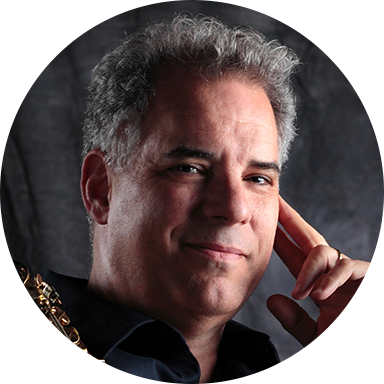
Jim Snidero

Jim Snidero stands among the most respected alto saxophonists in contemporary jazz, a status earned through decades of bandleading, composing, and performing at the highest levels. Since the early 1980s, he has built a substantial discography marked by musical integrity and stylistic range, earning recognition from DownBeat Magazine as both a master musician and alto saxophone virtuoso. His recordings across labels like Criss Cross and his collaborations with everyone from the Mingus Big Band to the Toshiko Akiyoshi Jazz Orchestra demonstrate a commitment to the art form that extends far beyond his own bandstand.

Snidero's pedagogical work flows naturally from his extensive experience as a working musician. Trained by saxophone legends Phil Woods and Dave Liebman, and mentored early in his New York career by giants like Brother Jack McDuff, he understands the specific challenges facing developing jazz musicians. His Easy Jazz Conception series reflects that practical knowledge, translating decades of real-world musicianship into accessible instruction that respects the student's intelligence while building genuine jazz facility.

Why we love this

Snidero wrote these etudes for flutists specifically, which means every phrase, every rhythmic gesture, and every harmonic situation sits naturally under the fingers and in the voice of the instrument. The rhythm section recordings feature world-class players (LeDonne, the two Washingtons), so your students aren't learning jazz style in a vacuum; they're playing alongside musicians who understand how to support and respond to a soloist. Having both the full version and the rhythm-section-only version means each student can progress at their own pace without a soloist's interpretation limiting their own creative choices.

What to expect

The blues figures in these etudes have a soulful, unhurried quality that invites you to sit back in the groove rather than rush ahead. Snidero's phrasing feels singable and conversational, which is exactly what jazz should sound like when it's played well. The rhythm section swings naturally underneath, creating a pocket that makes you want to stay there and explore.

Who it's for

Flute players moving from classical technique into jazz, typically around early intermediate level. Students need secure fundamentals on the instrument but don't require prior jazz experience; these etudes assume you're learning blues language and standard changes from the ground up.

How to get the most out of it

  • Listen to Snidero's recorded version multiple times before touching the instrument. Absorb the sound of his phrasing, his articulation, and how he breathes within the blues framework. Then step away and let yourself phrase differently.
  • Work the rhythm section accompaniment without the melody line so your ear locks onto the harmonic movement. This is where jazz fundamentals solidify; you'll start anticipating chord changes instead of reacting to them.
  • Record yourself on the rhythm section tracks and play it back. You'll catch where you're landing before or after the beat, where your articulation muddies the line, and where your phrasing gets too predictable.
  • Transpose a few etudes to new keys after you've mastered them in the original. The chord changes stay the same, but moving the fingering pattern breaks the habit of rote repetition and deepens your understanding of the harmonic structure.

How to use it

Assign these as solo repertoire for jazz ensemble members who want foundational language before they tackle big band charts or jazz improvisation ensembles. You can also use them within private lessons as sequential building blocks, working through a few etudes each semester while your students are simultaneously learning ensemble jazz. A single student performing one of these pieces at a jazz recital or informal concert gives the audience a genuine glimpse of what jazz learning sounds like when it's taught with real musicianship.

Skills your students will build

  • Blues phrasing and articulation patterns specific to jazz flute
  • Reading and internalizing basic jazz chord progressions and harmonic movement
  • Rhythmic placement in relation to a swing rhythm section (ahead of the beat, behind the beat, in the pocket)
  • Listening and response skills through call-and-response with recorded soloists
  • Beginning improvisation vocabulary built on 12-bar blues and jazz standards
  • Stylistic interpretation and personal expression within a structured framework

You May Also Like