Easy Jazz Conception Cello Cover Image

Easy Jazz Conception Cello: Cello & Piano Book & Online Audio

$25.95 USD
Sale price  $25.95 USD Regular price 
Skip to product information
Easy Jazz Conception Cello Cover Image

Easy Jazz Conception Cello: Cello & Piano Book & Online Audio

15 Solo Etudes for Jazz Phrasing, Interpretation and Improvisation

By Jim Snidero

Level: Easy - Intermediate

Item: 01-ADV14772

$25.95
Shipped

One moment…

Description
A new and exciting way for cello players to learn and practice basic jazz style.
This book features 15 solo etudes based on blues and standard chord progressions, demonstrated by Erik Friedlander on cello along with a world-class rhythm section: Mike LeDonne, piano; Peter Washington, bass; and Kenny Washington, drums.
The recording features two separate versions of each etude: one with the soloist and rhythm section and one with the rhythm section only. See and hear how the soloist phrases, play with or without the soloist and learn basic jazz style first-hand.

Easy Jazz Conception Cello: Cello & Piano Book & Online Audio isn't in MakeMusic Cloud just yet...but it could be. Let us know you'd like to see it, and you'll help shape what comes next. In the meantime, start a free trial and dive into thousands of interactive titles your students can play along with today.

Sample Pages

Sample Audio

track 1

0:00
0:00
Sample Video
Additional Details
Series: Advance Music: Easy Jazz Conception
Publisher: Advance Music
UPC: 805095147728
SKU: 01-ADV14772
Instrumentation: Cello

More about this title

About the Author: Jim Snidero
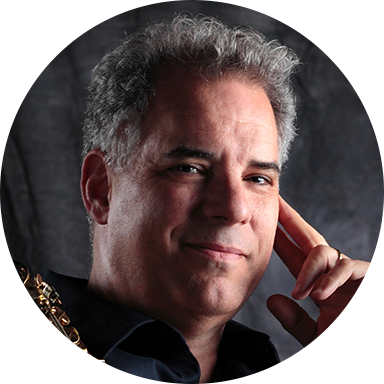
Jim Snidero

Jim Snidero stands as one of the most prolific voices in contemporary jazz. A alto saxophonist, composer, and arranger of international reputation, he has spent decades building a catalog that bridges virtuosic playing with accessible pedagogy. Downbeat Magazine has recognized him as a "master musician," and his influence extends far beyond the stage into the classroom, where his teaching and writing have shaped how musicians approach jazz fundamentals.

Snidero's path began in Maryland under the mentorship of Phil Woods and later Dave Liebman, studies that positioned him for a career spanning work with everyone from the Mingus Big Band to Frank Sinatra. Since moving to New York in 1981, he has recorded prolifically as a leader and collaborator, bringing both technical depth and musical storytelling to everything he touches. His Easy Jazz Conception series represents a natural extension of this work: a musician at the height of his craft, distilling essential jazz language into forms that beginners can absorb and internalize.

Why we love this

Snidero has partnered cellists with one of the finest rhythm sections in jazz to create a book that actually sounds like jazz, not a study pretending to be one. Hearing Erik Friedlander navigate the same blues changes and standards across 15 etudes gives your students a living model of phrasing and tone color in context. The dual-track recordings let you isolate the rhythm section for practice, then layer the soloist back in to study exactly how a professional improviser breathes and articulates over these harmonic spaces.

What to expect

Warm, conversational, and grounded in blues sensibility. These etudes breathe with the kind of relaxed swing and harmonic clarity that makes jazz feel inevitable rather than exotic. The cello sits comfortably in its lower-middle register across most phrases, allowing you to focus on style and phrasing rather than technical gymnastics.

Who it's for

Cellists between easy and intermediate levels who are ready to move beyond folk and classical styles into jazz vocabulary. This book works equally well for self-teaching musicians and for ensemble students whose directors want to introduce jazz language without overwhelming the section.

How to get the most out of it

  • Study both recorded versions of each etude in sequence. Play along with the soloist first to internalize the phrasing and rhythmic language, then switch to the rhythm section only and shape your own interpretation using what you heard.
  • Focus on the rhythm section's groove before worrying about improvisation. Listen to how the piano, bass, and drums interact on the blues etudes; lock into that pocket and your lines will sit naturally within the harmonic flow.
  • Transcribe phrases that catch your ear. Friedlander's approach to vibrato, articulation, and note choice on the standard progressions contains lessons that won't appear anywhere on the page.

How to use it

Insert this into your string curriculum as an elective study unit in late fall or winter, when students have solid fundamentals in place. Cellists who complete this material emerge with enough jazz language to participate in informal jam sessions and understand what improvisation actually means. It also pairs well with wind players learning from the saxophone version of the same series, creating crossover conversations about style and approach.

Skills your students will build

  • Comping and soloing over 12-bar blues progressions
  • Reading and responding to swing eighth-note rhythms
  • Translating standard jazz chord changes into melodic choices
  • Developing vibrato control and articulation for jazz tone
  • Listening and transcription as a practice method

You May Also Like