Easy Jazz Conception Bass Lines Cover Image

Easy Jazz Conception Bass Lines: String Bass Book & Online Audio

$24.95 USD
Sale price  $24.95 USD Regular price 
Skip to product information
Easy Jazz Conception Bass Lines Cover Image

Easy Jazz Conception Bass Lines: String Bass Book & Online Audio

Transcribed Bass Lines as Played by Paul Gill

By Jim Snidero

Level: Easy - Intermediate

Item: 01-ADV14768

$24.95
Shipped

One moment…

Description
A new and exciting and unique way for bassists to learn and practice how to play in a jazz rhythm section and how to accompany a jazz soloist.
This book/audio set features 15 solo etudes based on blues and standard chord progressions, demonstrated by different soloists along with a world-class rhythm section: Dave Hazeltine, piano; Paul Gill, bass; and Kenny Washington, drums. The recording features two separate versions of each etude: one with the complete rhythm section and one without the piano. Sit in for Paul and comp for Jim Snidero, alto sax; Eric Alexander, tenor sax; Ryan Kisor, trumpet; Slide Hampton, trombone; or Joe Cohn, guitar.

Compatible editions are available for alto and baritone, tenor and soprano saxophone, flute, clarinet, trumpet, trombone, violin, guitar, piano comping, and drums making it invaluable for larger ensemble instruction.

Easy Jazz Conception Bass Lines: String Bass Book & Online Audio isn't in MakeMusic Cloud just yet...but it could be. Let us know you'd like to see it, and you'll help shape what comes next. In the meantime, start a free trial and dive into thousands of interactive titles your students can play along with today.

Sample Pages

Sample Audio

track 1

0:00
0:00
Sample Video
Additional Details
Series: Advance Music: Easy Jazz Conception
Publisher: Advance Music
UPC: 805095147681
SKU: 01-ADV14768
Instrumentation: Bass

More about this title

About the Author: Jim Snidero
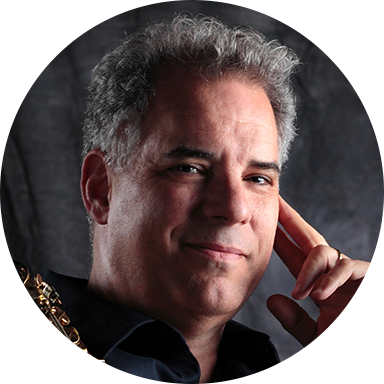
Jim Snidero

Jim Snidero has spent more than three decades establishing himself as one of contemporary jazz's most respected musicians. A master of the alto saxophone who has earned Downbeat Magazine's praise as both a "master musician" and "alto saxophone virtuoso," Snidero combines deep musicianship with a gift for pedagogy. His work spans sideman dates with legends like the Mingus Big Band, Frank Wess, and Toshiko Akiyoshi, as well as a prolific recording career under his own name beginning with On Time in 1984.

Growing up outside Washington, DC, Snidero studied with saxophone greats Phil Woods and Dave Liebman before moving to New York in 1981. His early breakthrough came through recordings with Brother Jack McDuff, but it was his consistent artistry across projects and releases like Mixed Bag and Blue Afternoon that cemented his reputation. Today, Snidero channels that same dedication to musical excellence into compositions and educational materials that serve working musicians and serious students alike.

Why we love this

Few pedagogical jazz resources come from someone who has actually sat in the chair as a working soloist in New York jazz. Snidero built this series around real rhythm section work, using world-class players (Hazeltine on piano, Paul Gill on bass, Kenny Washington on drums) who understand exactly what a soloist needs. The two-version recording approach gives students room to grow: they can follow the full section first, then strip away the piano to focus entirely on bass lines and comping feel without losing the pulse.

What to expect

Swinging and conversational. The etudes breathe with the kind of natural phrasing you hear in a working jazz club rather than a practice room exercise. Students experience what it means when a bass player knows the soloist won't always land where the chord changes suggest; the listening required here translates immediately into better ensemble playing.

Who it's for

String bass students ready to move beyond learning changes and into actually playing within a rhythm section. Directors building jazz combos or improvisation programs will find this especially valuable for teaching ensemble interdependence. Intermediate and advancing young players benefit most when they're ready to think rhythmically and listen actively rather than read mechanically.

How to get the most out of it

  • Listen through the complete rhythm section version first to absorb the pocket and phrasing before isolating your bass line. Gill's tone and time feel set the standard.
  • Lock the hi-hat cymbal with Kenny Washington's kick drum on the etudes without piano. That partnership is where the swing lives.
  • Pay attention to how the bass line answers or anticipates the soloist's phrases rather than playing underneath passively. This music teaches conversation, not accompaniment as wallpaper.
  • Transpose mentally across the different soloists (saxophone, trumpet, trombone, guitar). Each brings different note choices and phrasing that shape how you approach walking and comping changes.

How to use it

Assign etudes alongside your standard repertoire for jazz ensemble sectionals. String bass students can work through one etude per rehearsal cycle while the whole group learns those same changes in written arrangements, creating multiple entry points into the material. The multiple compatible editions mean you can rotate through different horns in the same etude over several semesters, keeping the bass line fresh while cycling through your jazz curriculum.

Skills your students will build

  • Walking bass lines over blues and jazz standards
  • Listening to and responding to melodic phrasing from different instruments
  • Understanding chord-tone soloing and improvised comping approaches
  • Playing with rhythmic independence while locking time with the drum kit
  • Building flexibility across various tempos and swing feels
  • Reading jazz notation and chord changes with fluency

You May Also Like