


Duke's Place: Choral SoundPax
Music by Duke Ellington, words by Ruth Roberts, Bill Katz, and Robert Thiele / arr. Russell Robinson
Item: 00-PK-0001346

$30.00
One moment…
Related Items
Duke's Place: SoundTrax Digital Audio Download |
$24.95
|
View | |
Duke's Place: SATB Choral Octavo |
$1.85
|
View | |
Duke's Place: SAB Choral Octavo |
$1.85
|
View | |
Duke's Place: 2-Part Choral Octavo |
$1.85
|
View | |
Duke's Place: Choral Octavo SoundTrax CD |
$24.95
|
View | |
Duke's Place: Choral SoundPax |
$30.00
|
View |
Description
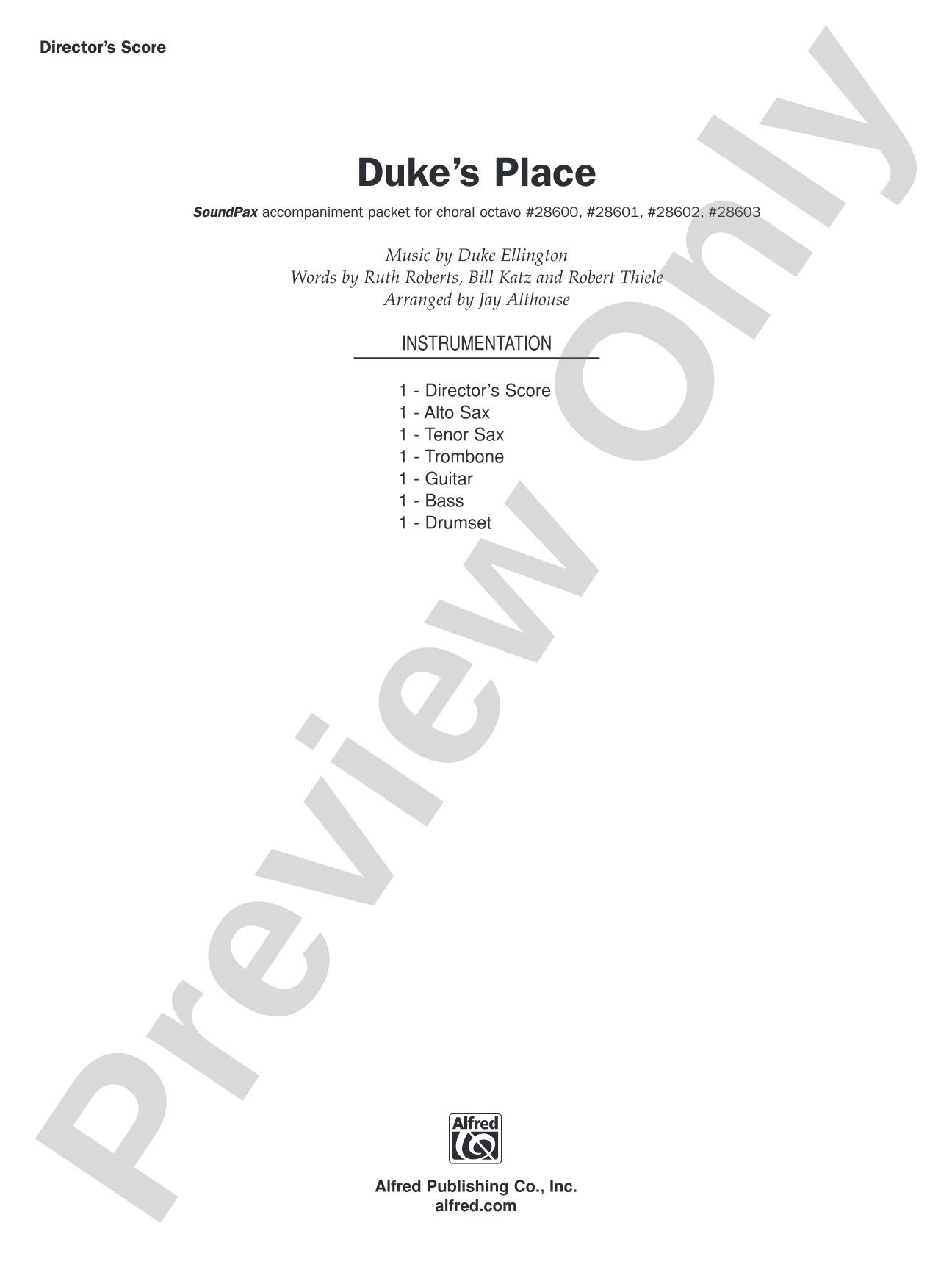
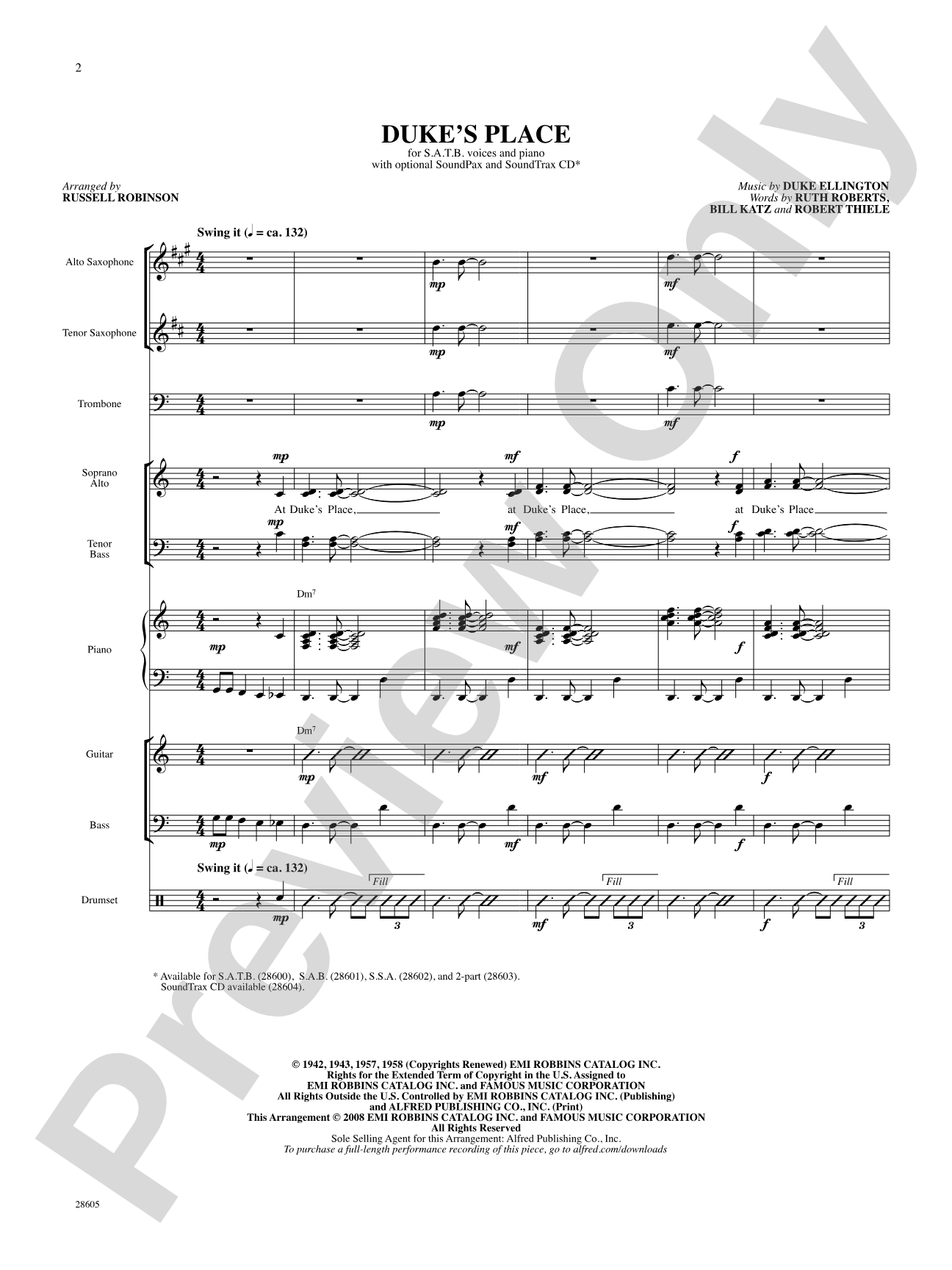
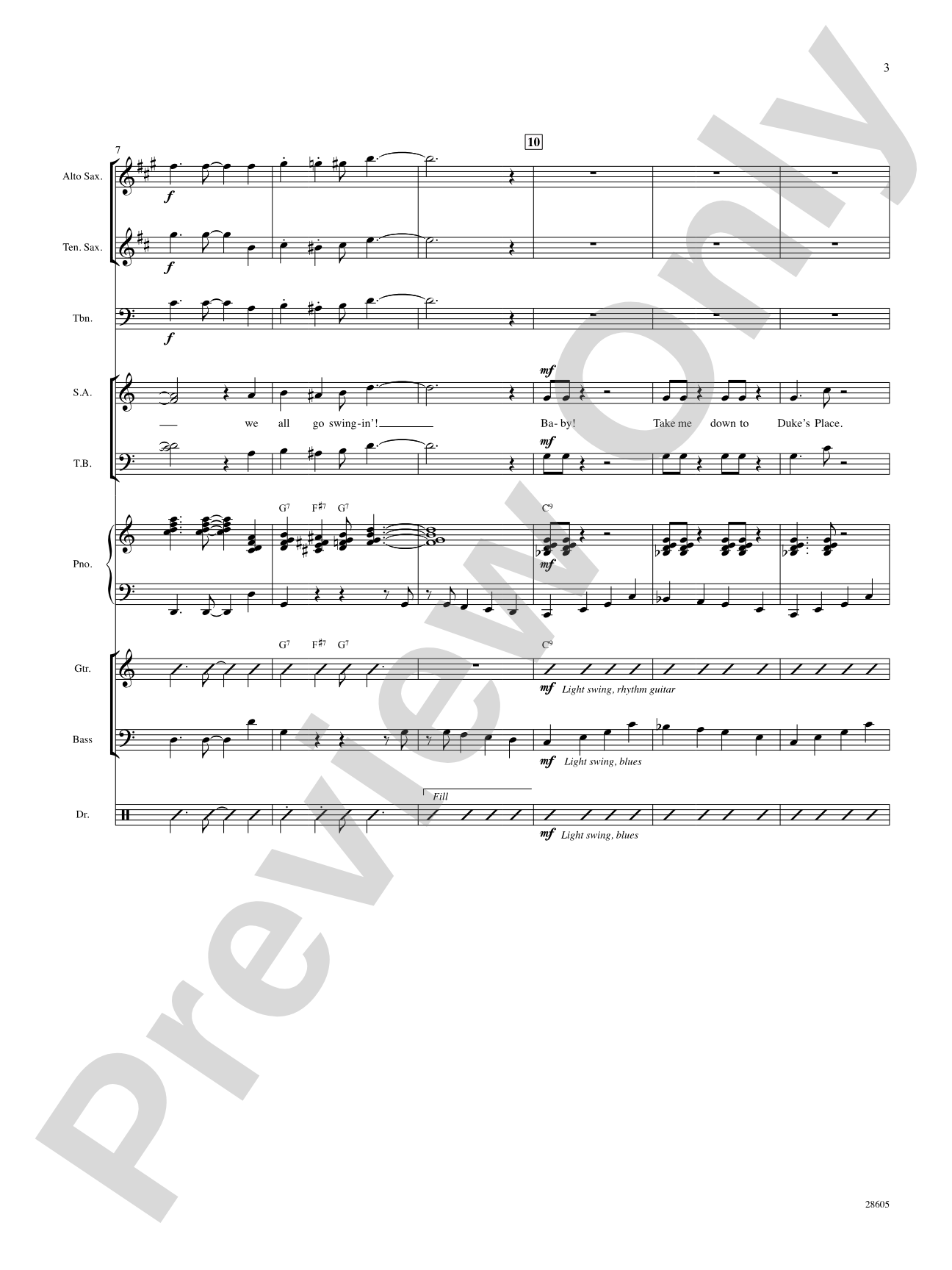
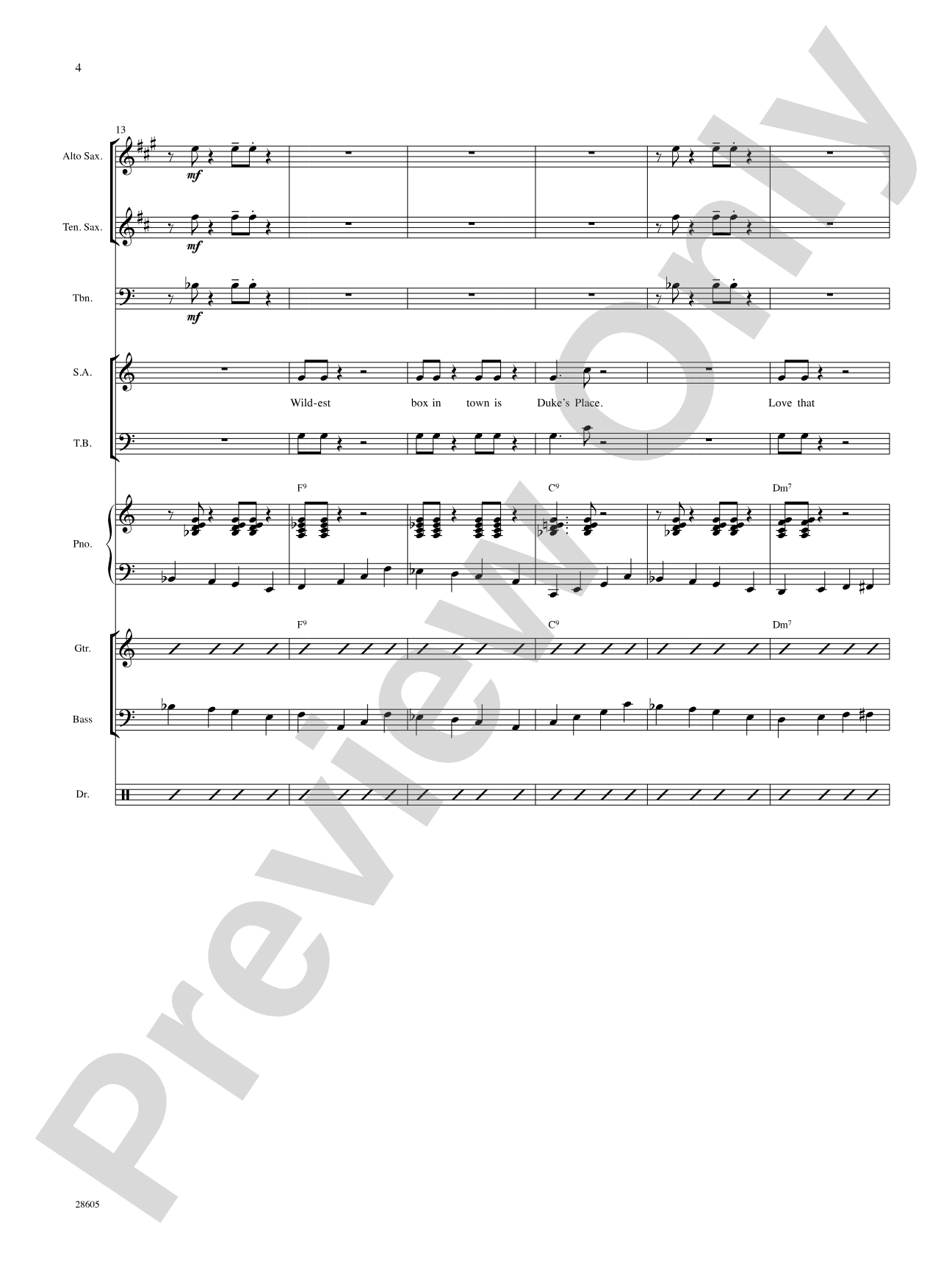
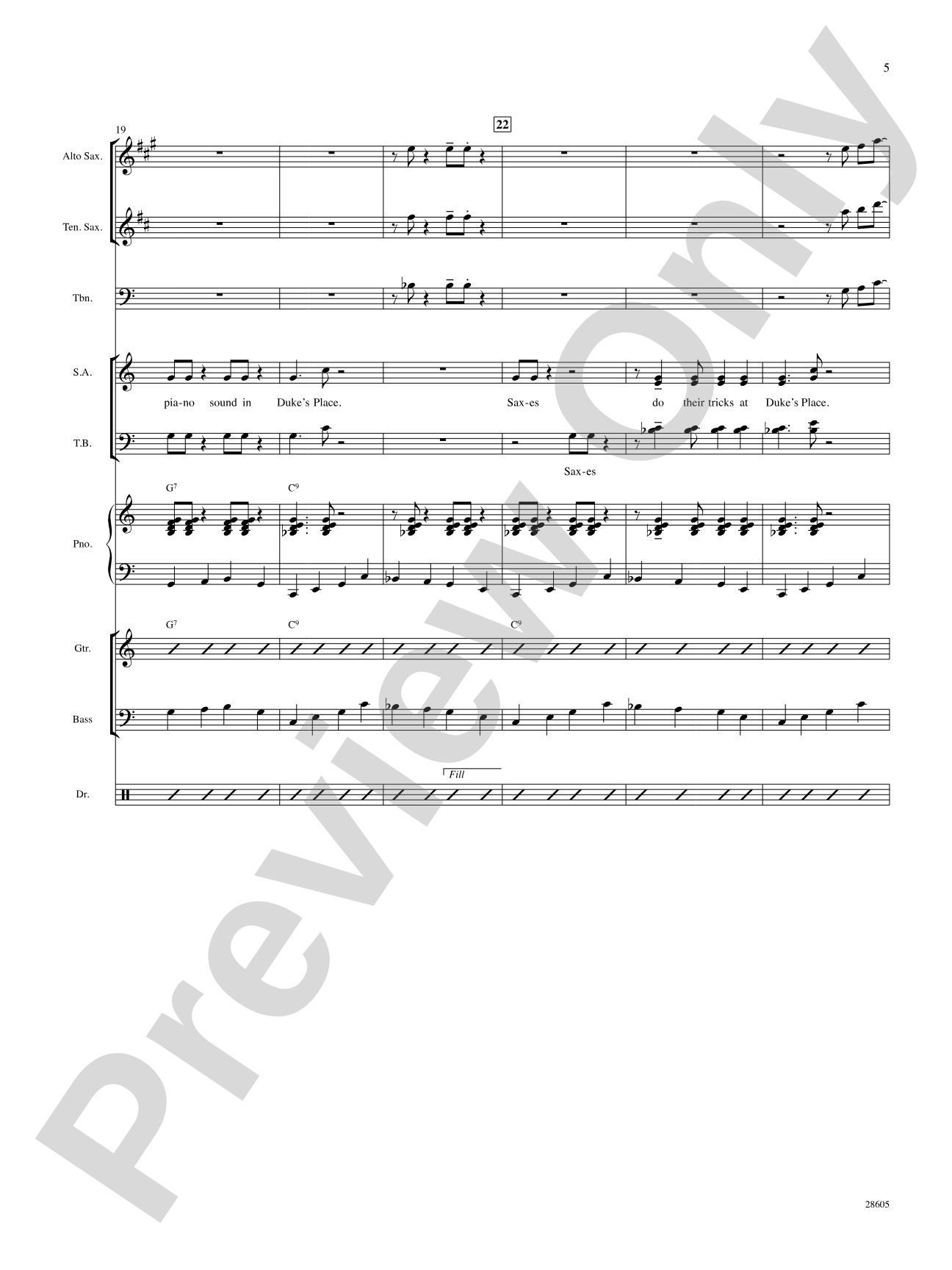
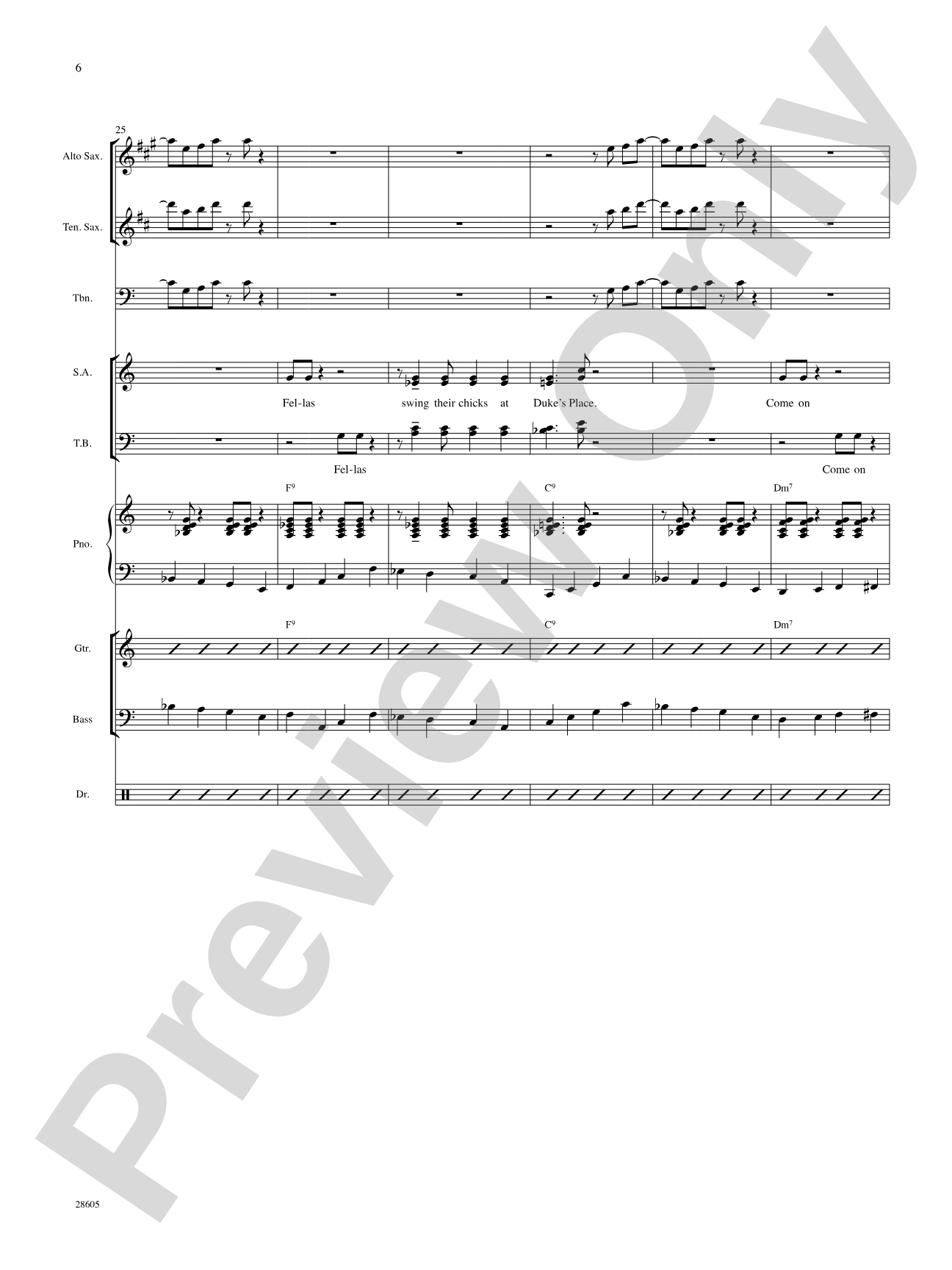
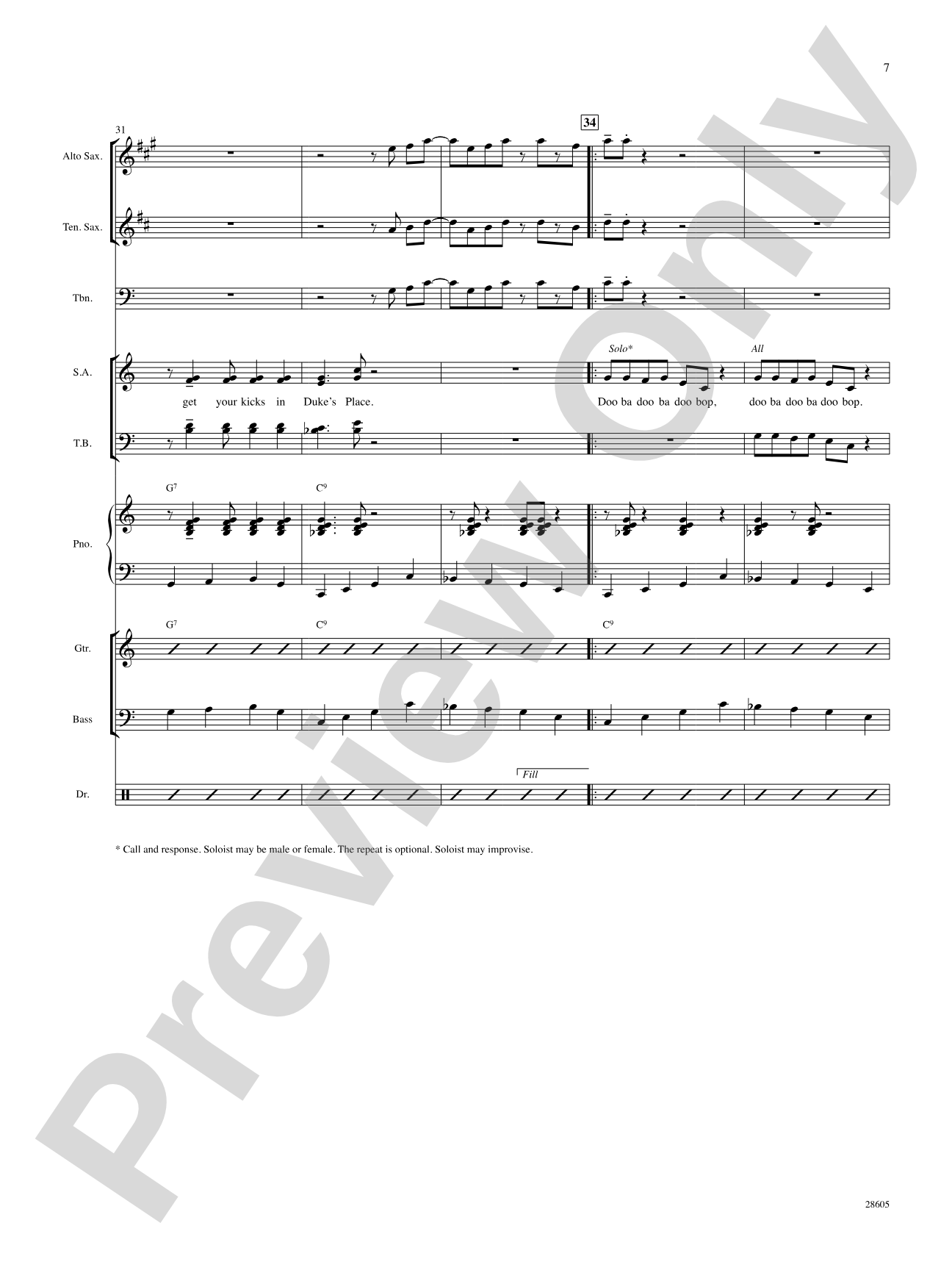
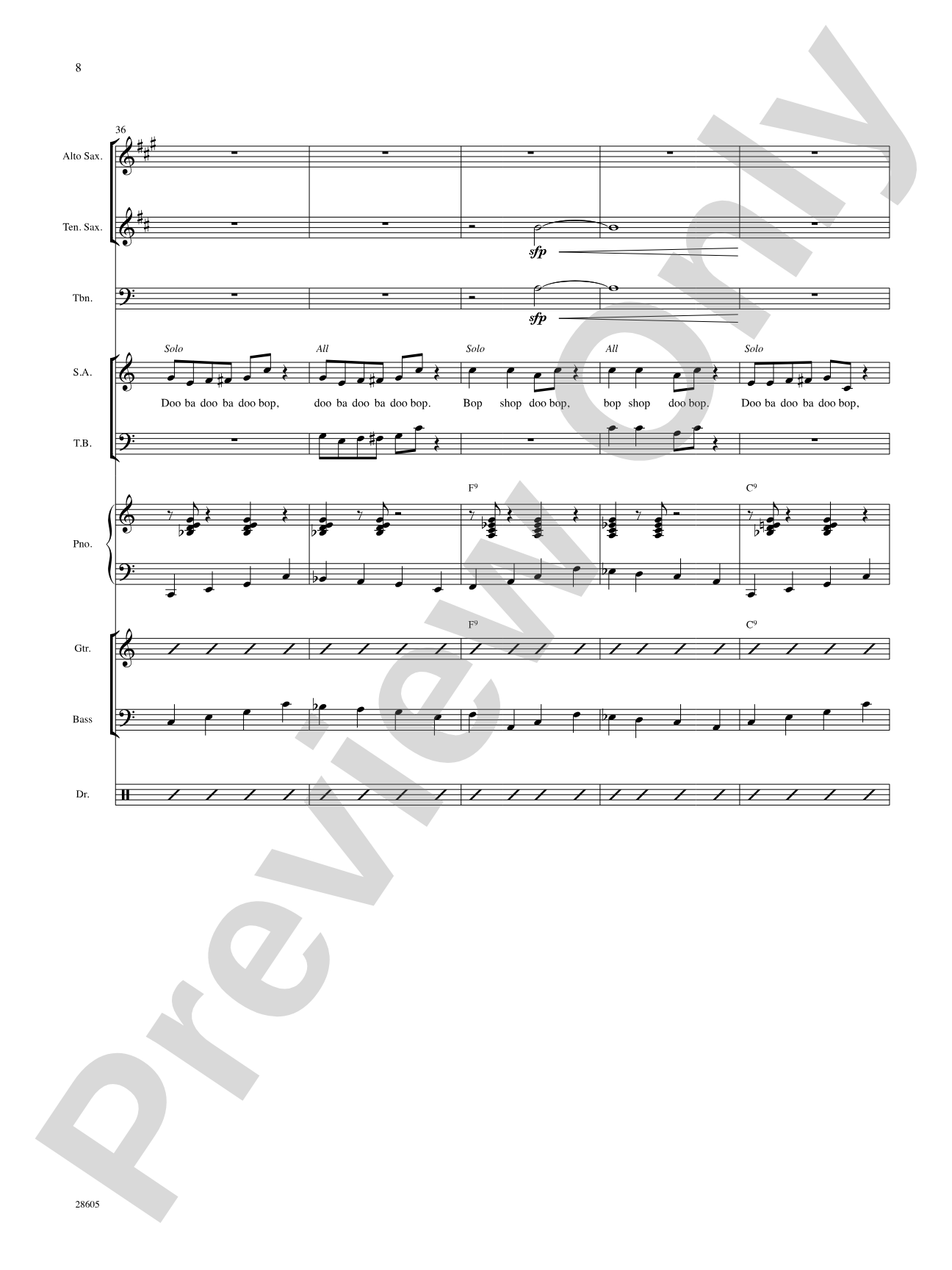
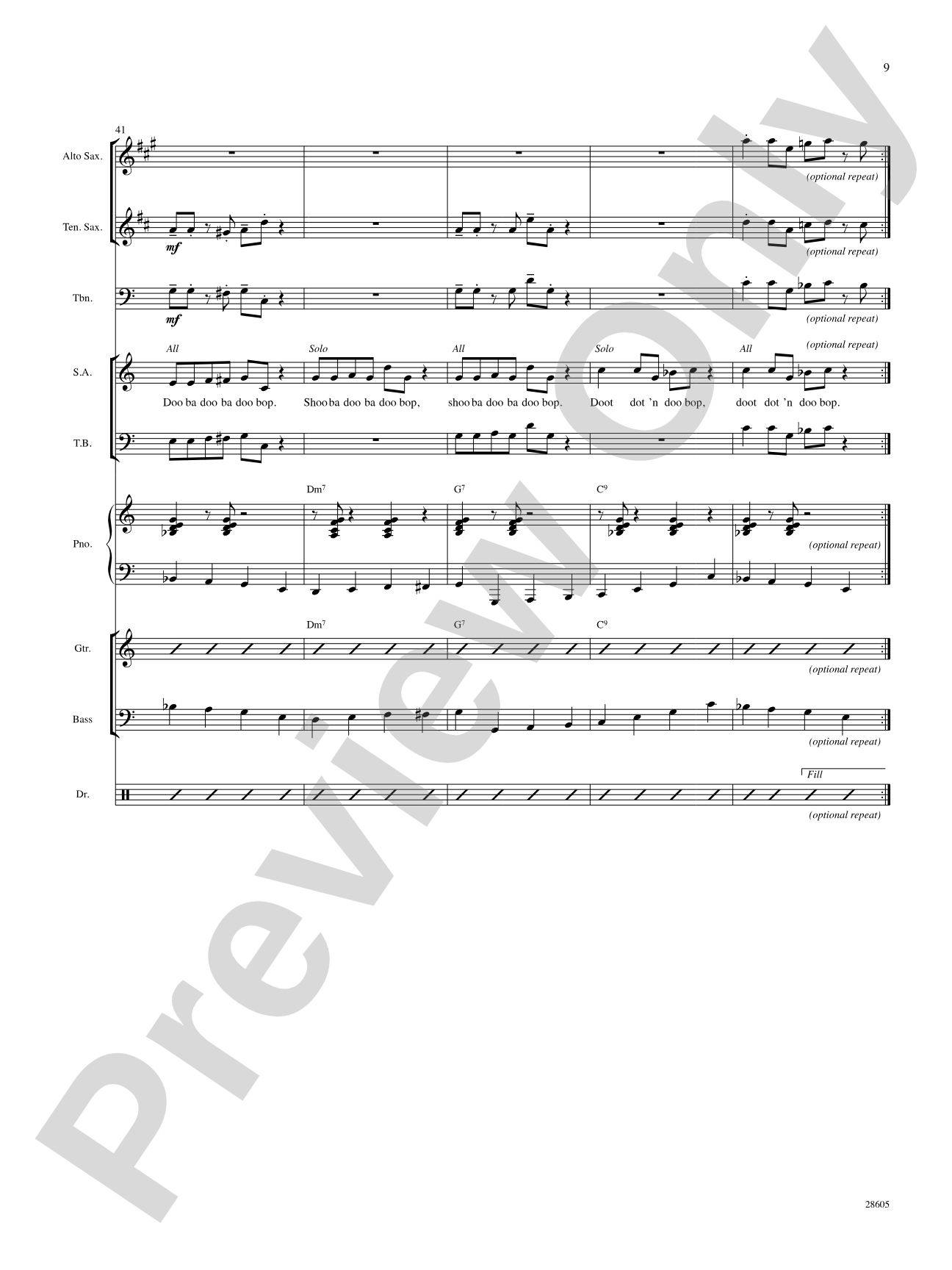
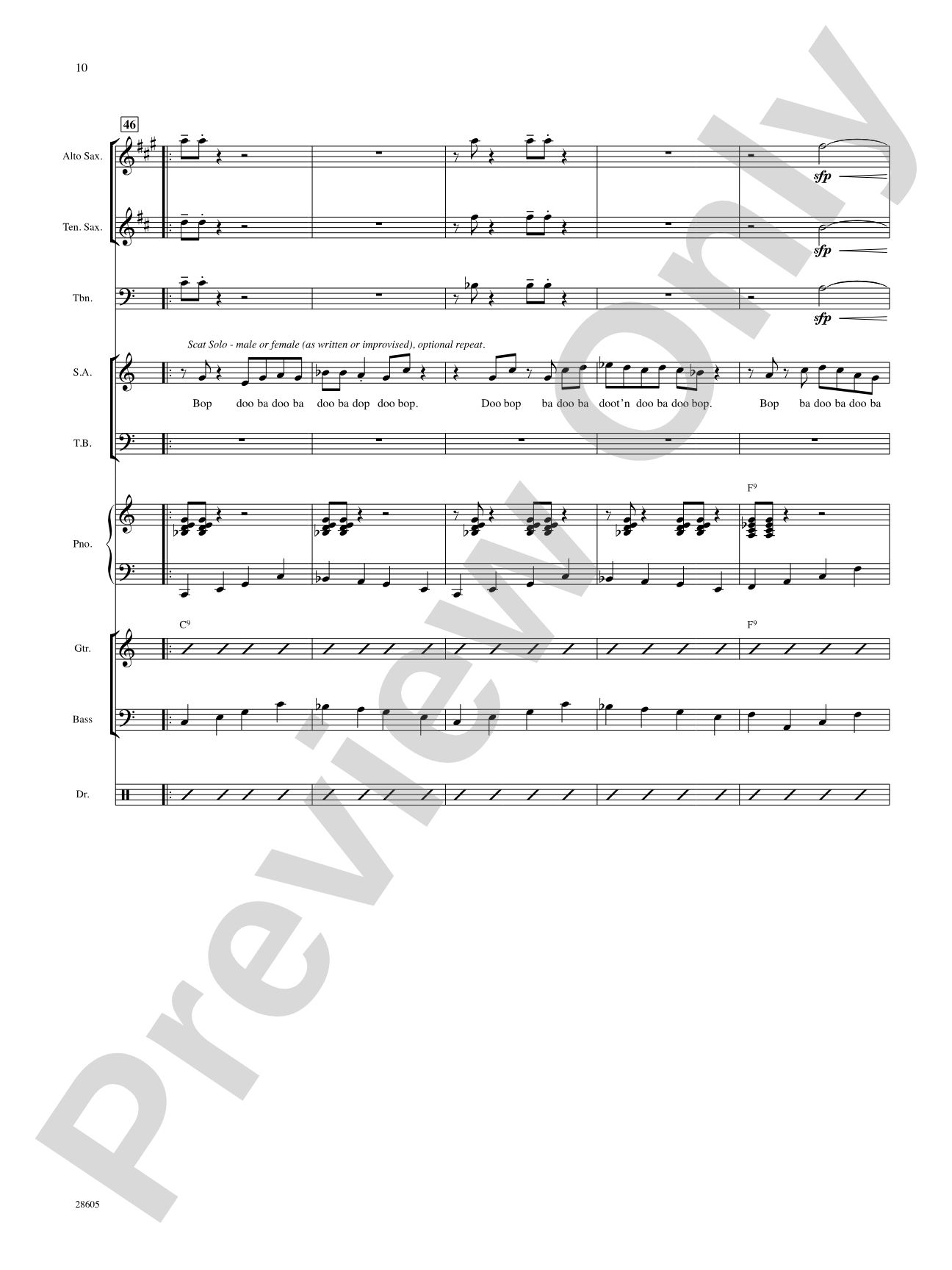
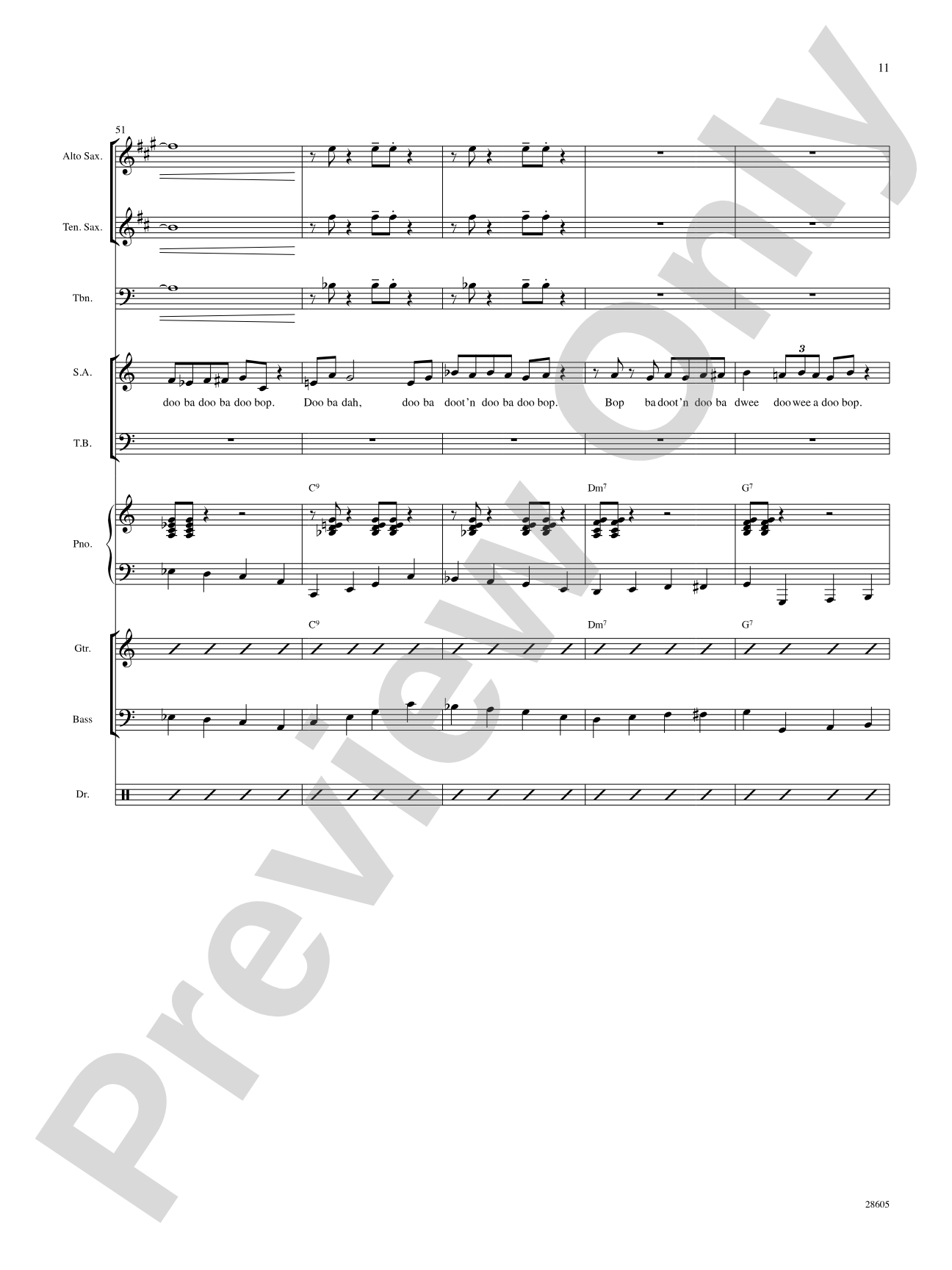
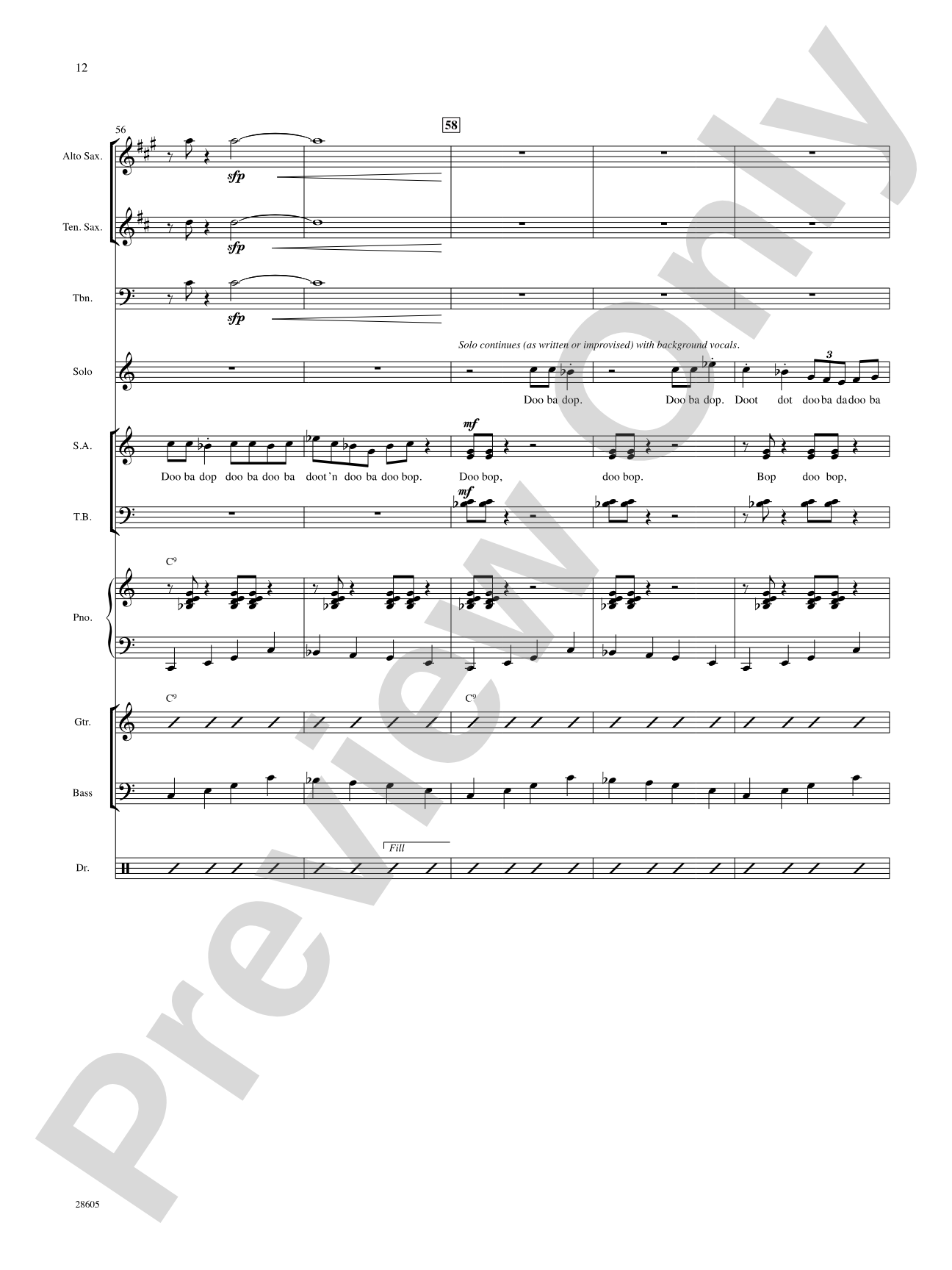
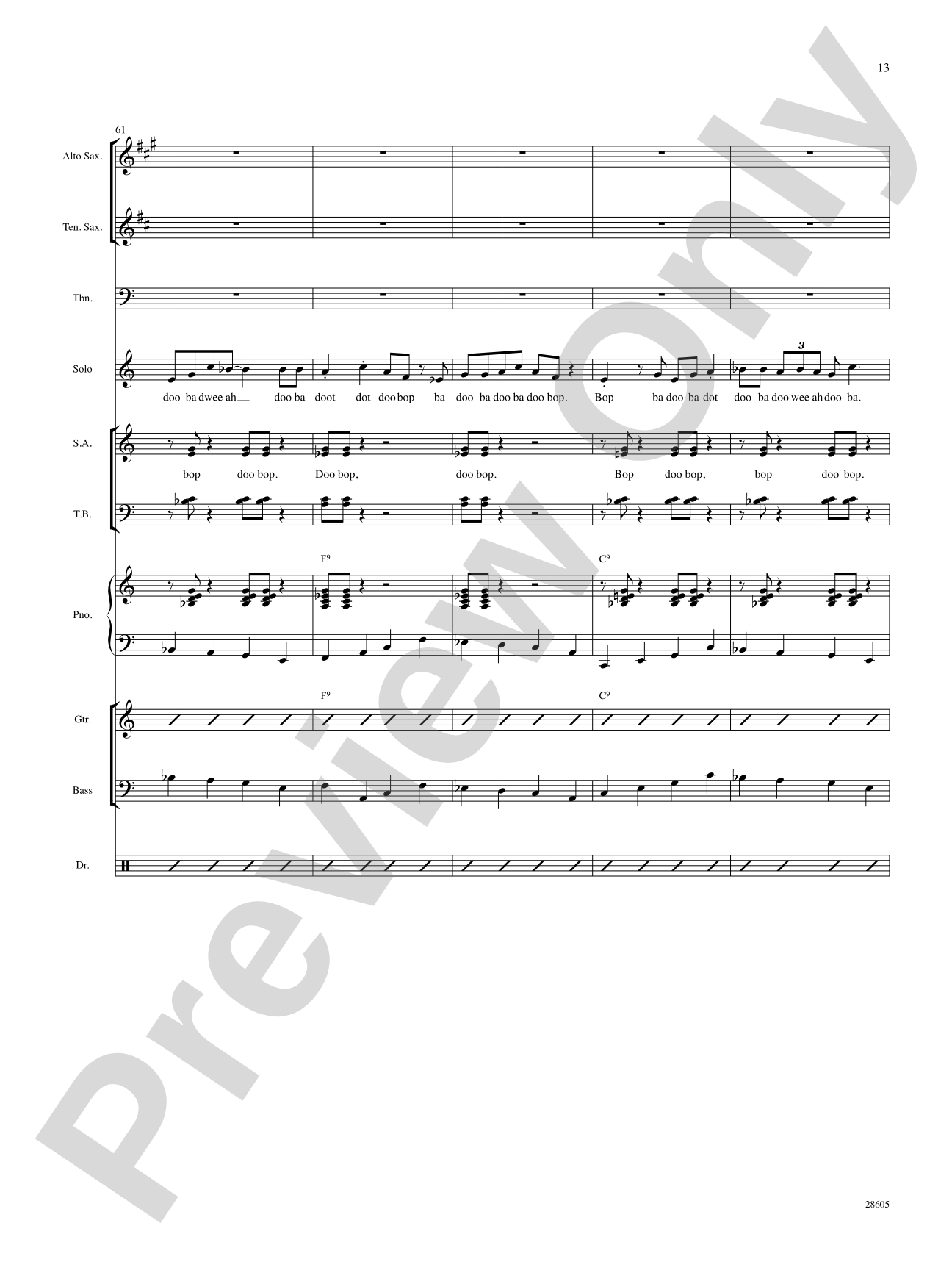
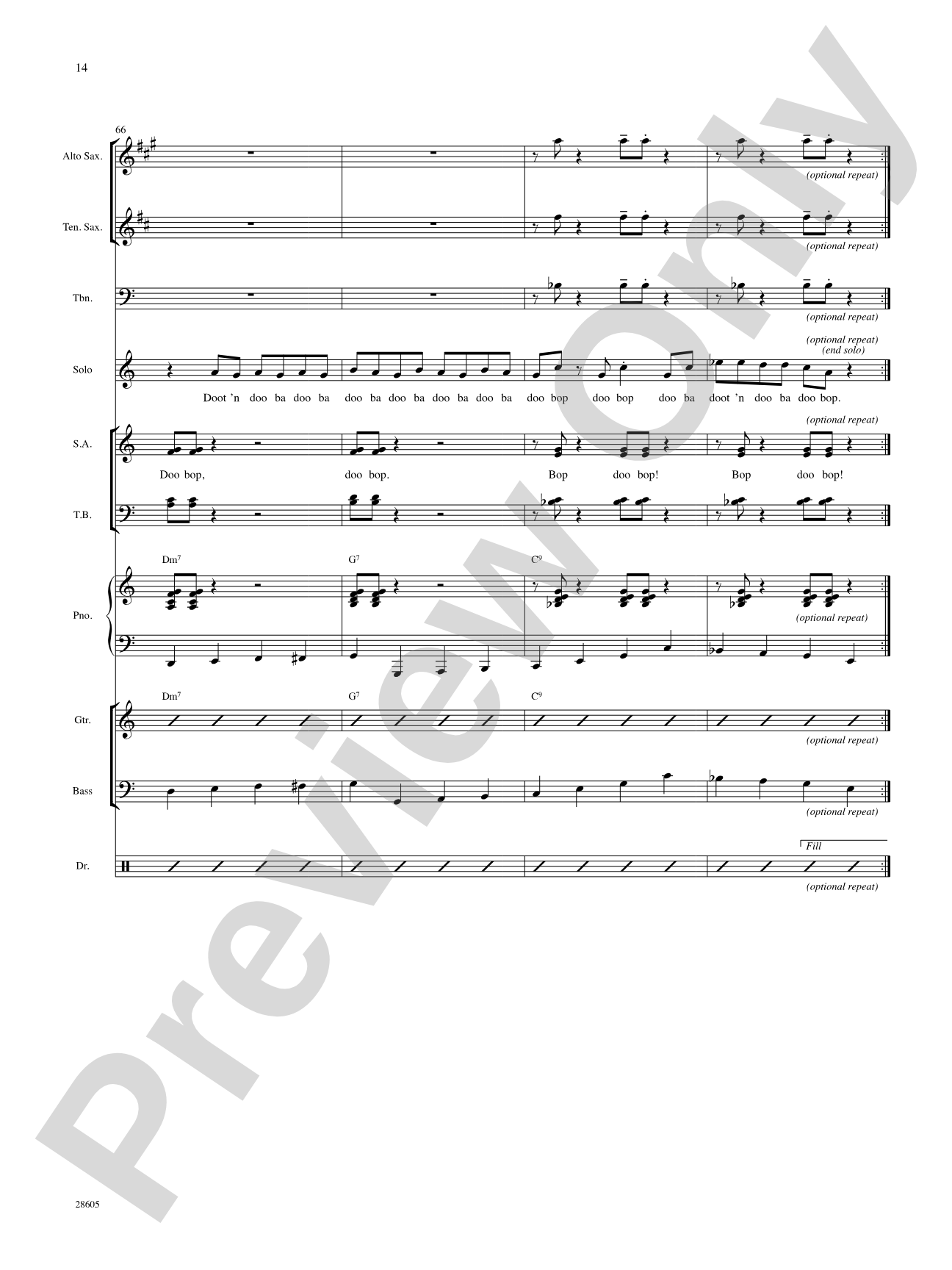
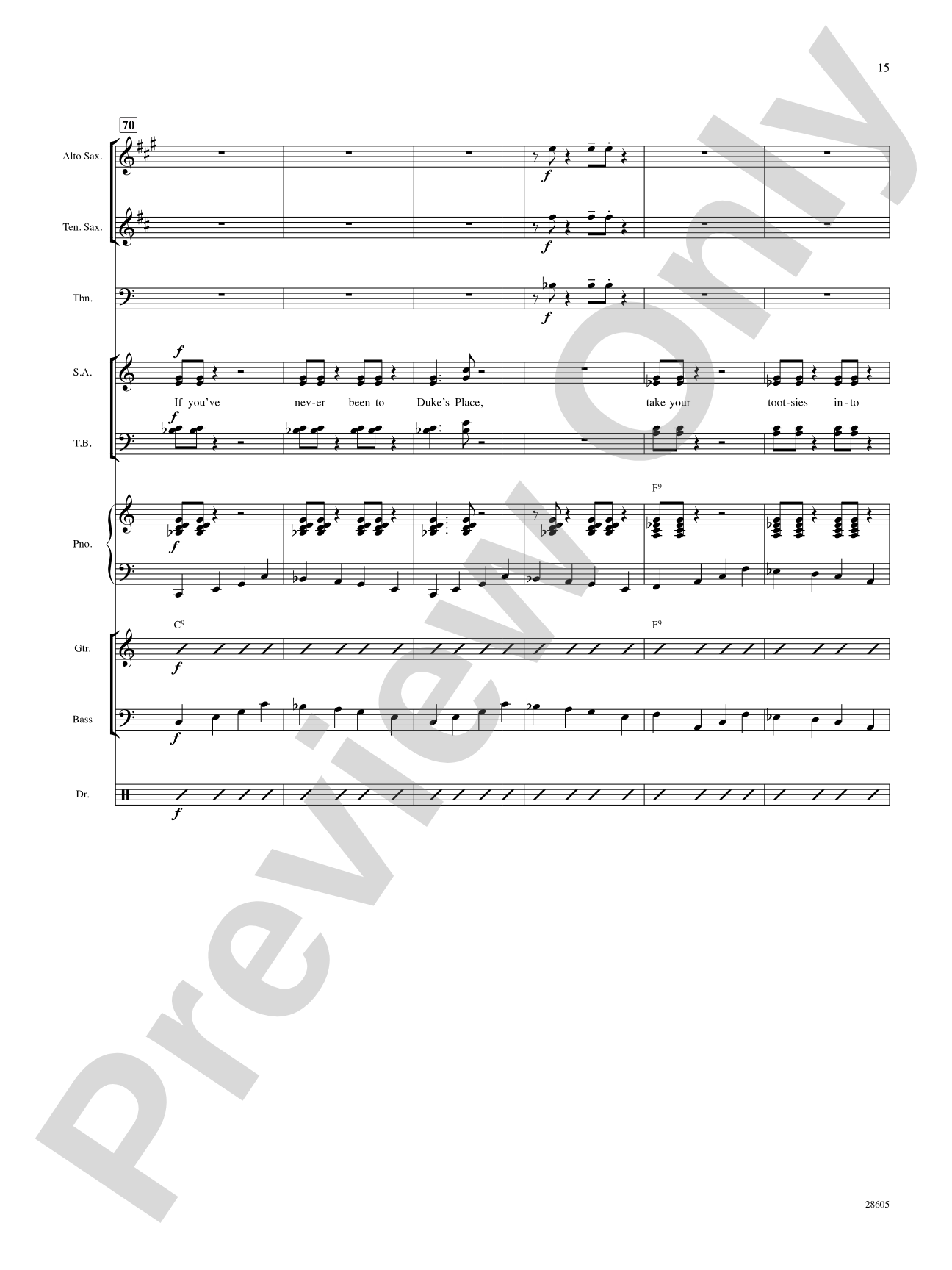
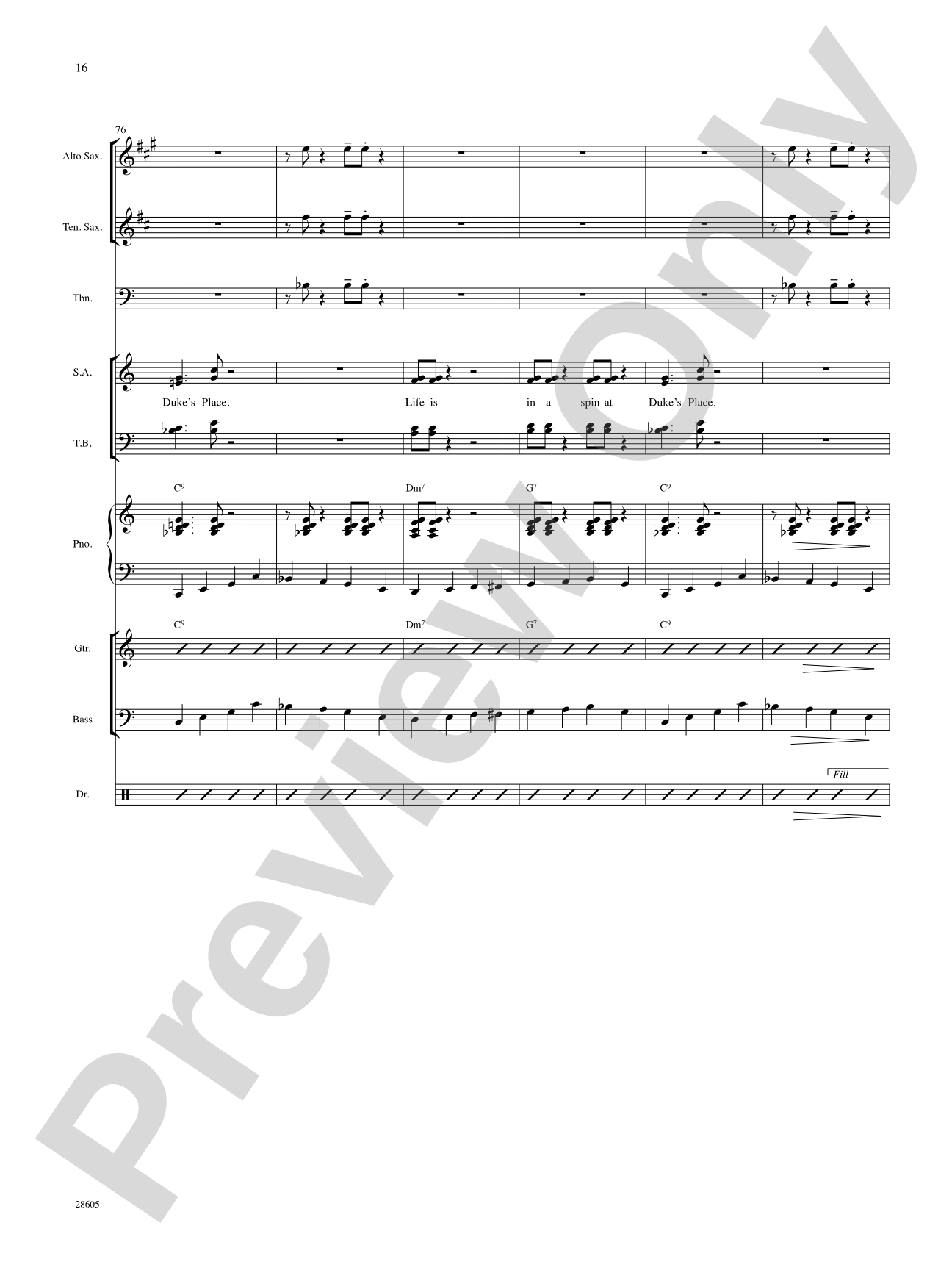
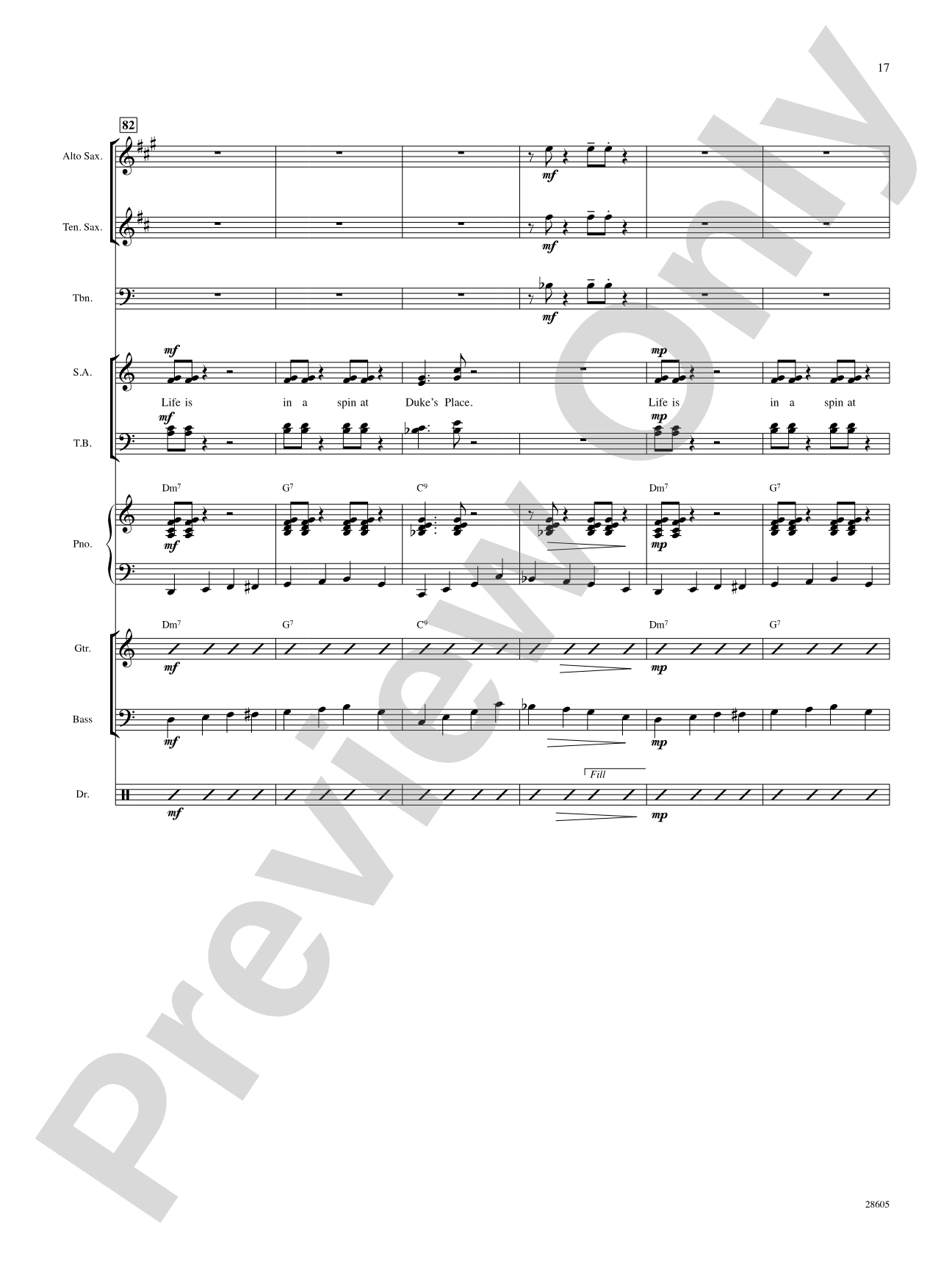
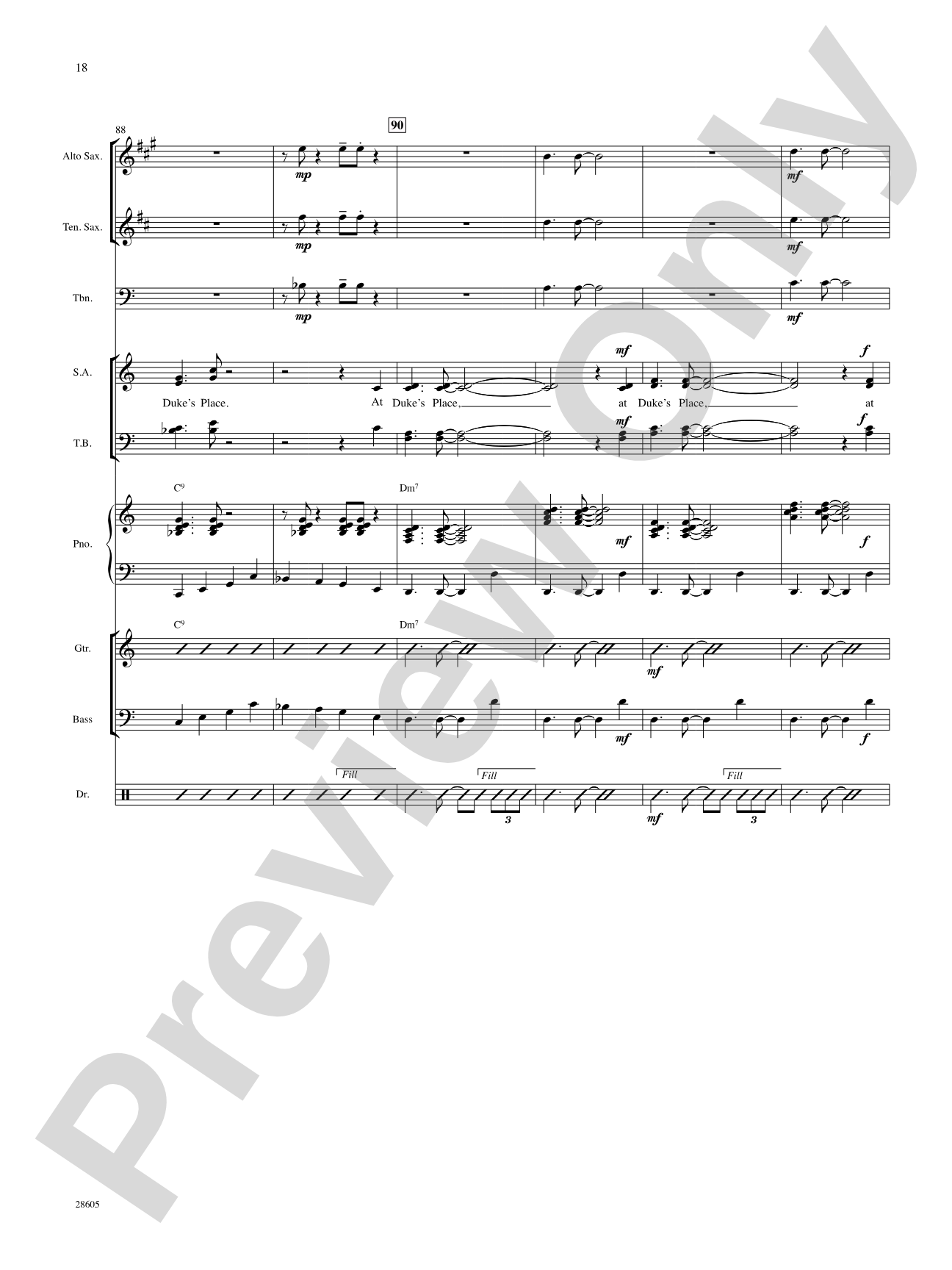
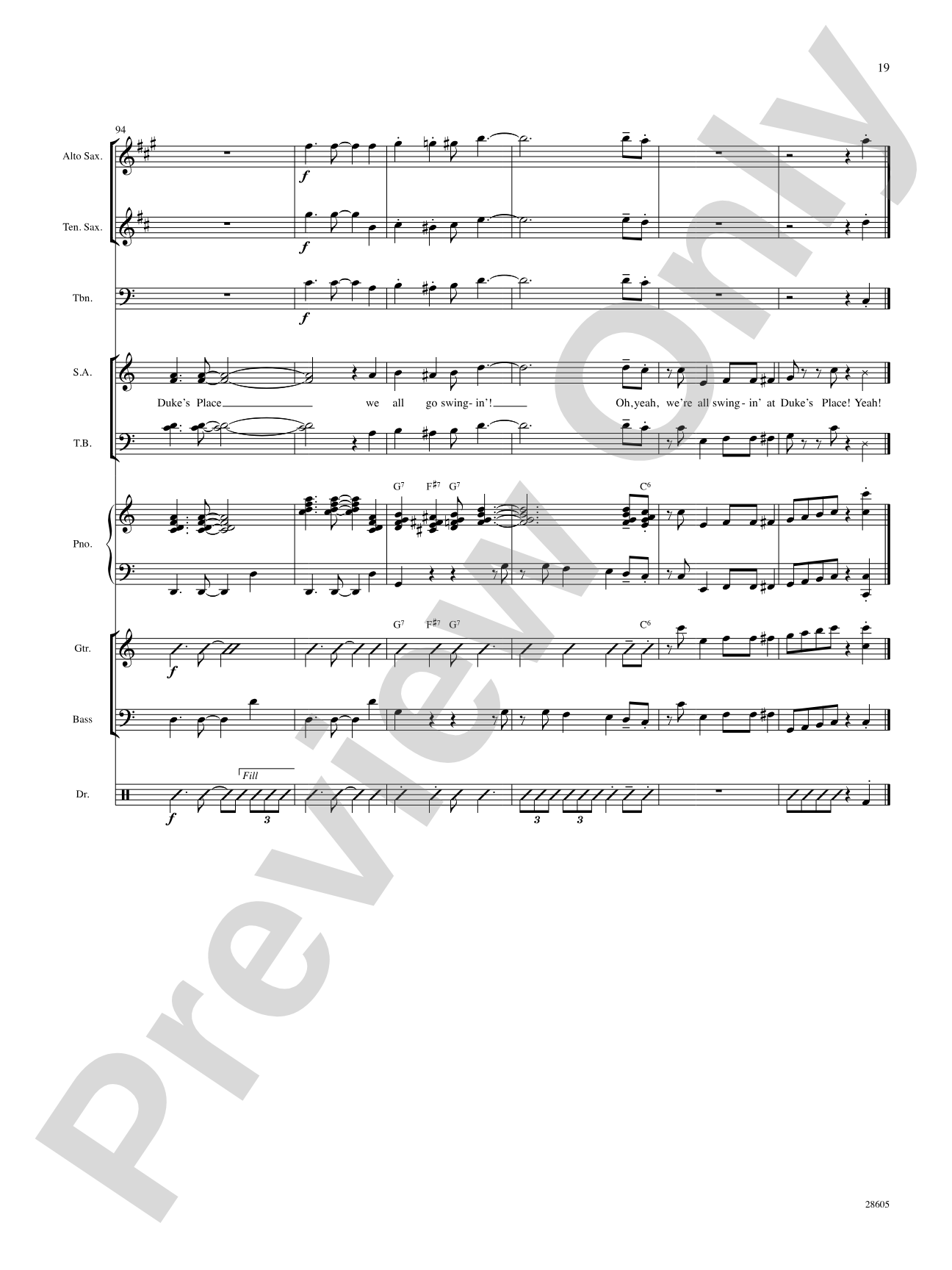
Sometimes known as "C Jam Blues," this is the vocal version of Duke Ellington's signature theme. The lyrics are as hip as can be: "Saxes do their tricks at Duke's Place." Perfectly crafted for developing choirs with easy, tight harmonies. Also included are a call and response section and a written-out scat solo. This arrangement has it all. Includes parts for alto sax., tenor sax., trombone, and rhythm.


Don't just read it, hear it, play along with it, and watch your students grow with it. In MakeMusic Cloud, Duke's Place: Choral SoundPax comes alive with professional accompaniment, adjustable tempo, and built-in practice tools that turn solo practice into real progress.
Open in the Player
Jump straight in and assign it today.
Start Your Free Trial
Open this title and explore the full library in minutes.
Sample Audio
1
Audio File
--:--
0:00
0:00
Sample Video
No sample videos found.
Additional Details
Series:
Alfred Pop Choral Series
Publisher:
Alfred Music
Page Count:
24
SKU:
00-PK-0001346
Instrumentation:
SoundPax
More about this title
About the Composer: Duke Ellington
Duke Ellington (1899-1974) stands as one of the most prolific and innovative composers in American music history. His work across jazz, blues, and extended classical forms fundamentally shaped twentieth-century composition, and his influence extends equally into choral and vocal music. Ellington's gift for memorable melody combined with sophisticated harmonic language made his themes natural candidates for vocal treatment, and many of his instrumental signatures have become standards in choral repertoires worldwide.
Beyond his output as a composer, Ellington was a bandleader, pianist, and cultural ambassador who demonstrated that jazz and popular idioms deserved the same compositional rigor as classical traditions. His legacy in music education lies not just in the quality of his melodies, but in his insistence that popular music could be both accessible and artistically serious. For student musicians, learning Ellington's work opens doors to understanding how swing, blues language, and jazz harmony function as compositional tools.
Why we love this
This arrangement captures everything that makes Ellington's writing singable without sacrificing the swagger of the original. The harmonies sit perfectly for developing voices, and Robinson's scoring creates real interplay between the choir and the jazz ensemble parts, giving young singers the visceral experience of performing alongside live horns rather than simply accompanying them. The scat solo and call-and-response section transform what could be a straightforward blues into a dynamic performance that builds confidence in singers unfamiliar with jazz vocabulary.
What to expect
Cool, confident, and playful. The tune swings with the easy sophistication of a 1940s nightclub, and the harmonies have just enough color to keep things interesting without becoming cluttered. Singing this feels like being part of something genuinely hip, not a dumbed-down approximation of jazz.
Who it's for
This arrangement suits intermediate to early-advanced choirs with basic jazz vocabulary and steady rhythmic control. It works equally well in school settings and community or church choirs looking to expand beyond traditional repertoire.
How to get the most out of it
- Balance the written-out scat solo carefully so the soloist cuts through the ensemble without losing the lightness that makes the line swing. A slight lift in dynamics from the choir behind the soloist works better than having the singer punch through.
- Lock the rhythm section (bass and drums from the SoundPax) with the choir's pulse during the call-and-response section. Ask singers to feel the backbeat strongly and resist the urge to rush into their responses.
- Shape the phrase "Saxes do their tricks at Duke's Place" with clarity and attitude. The lyrics have personality, and choirs often flatten the delivery by treating it as literal melody rather than letting the rhythm and accent of speech guide the phrasing.
- Feature the alto and tenor sax parts prominently in the opening statement so the choir understands the thematic material. Singers will lock onto the blues sound more readily when they hear the horns establish it first.
How to use it
Program this as a centerpiece for a pops or jazz-themed concert, or pair it with other mid-century standards to create a cohesive evening of American song. It also works beautifully as a lighter contrast in a mixed program, giving audiences a breather between heavier classical or contemporary pieces while still showcasing your choir's musicianship.
Skills your students will build
- Swing rhythm and jazz articulation
- Blues harmony and voice leading in jazz idiom
- Call-and-response singing and ensemble listening
- Scat singing and improvisation basics
- Rhythmic independence while singing over a jazz rhythm section