
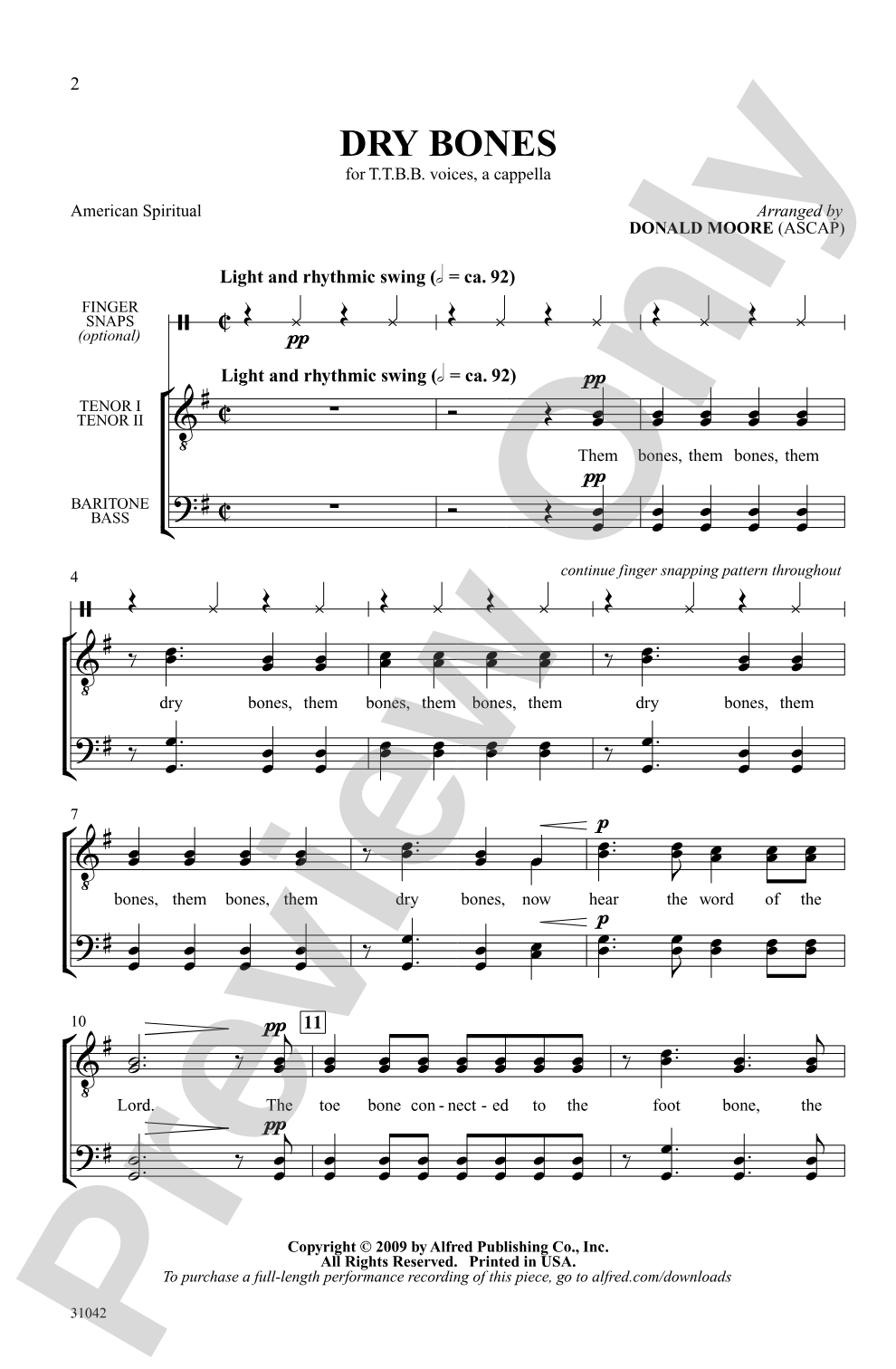
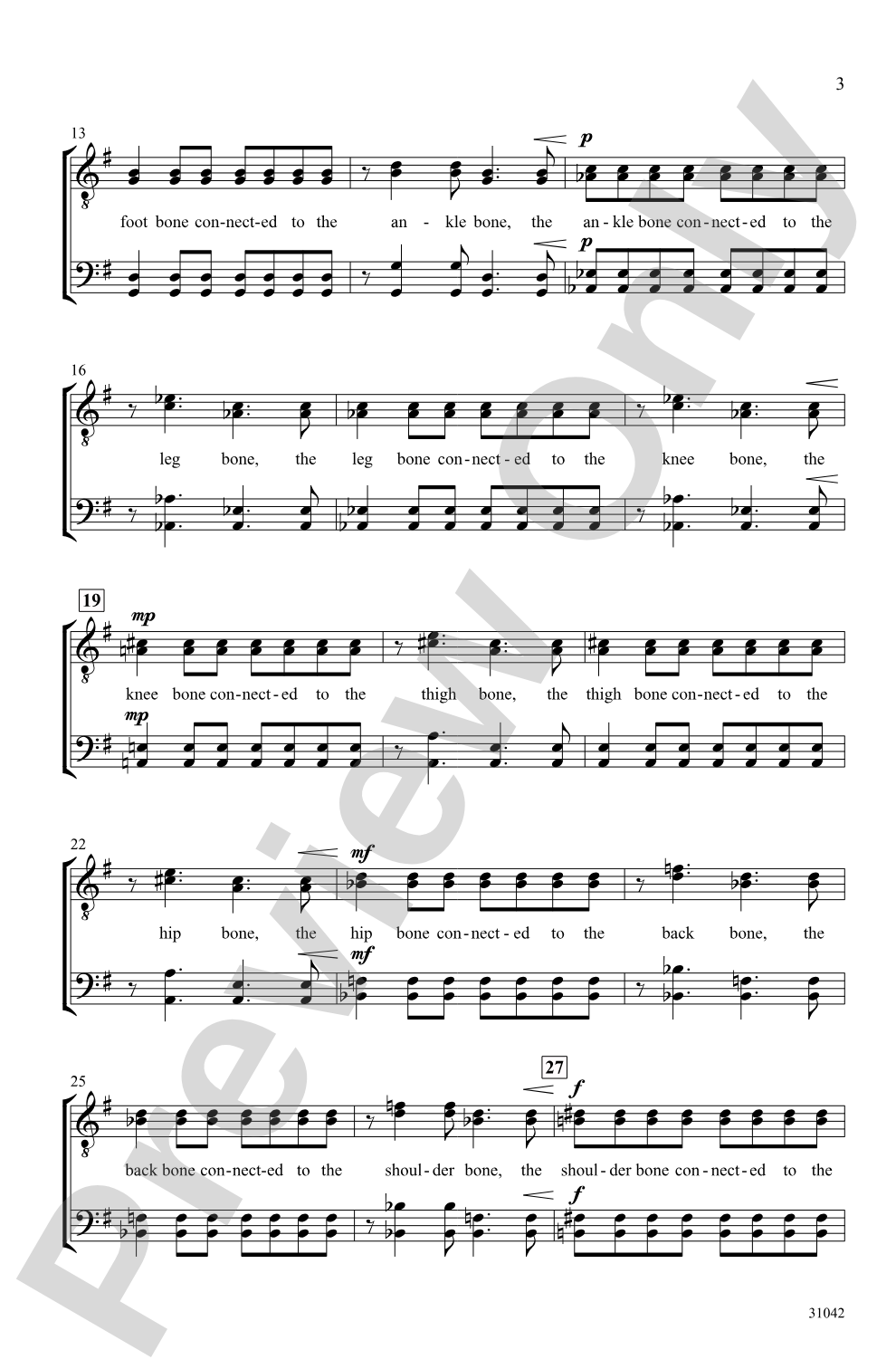

Dry Bones: TTBB, a cappella Choral Octavo
American Spiritual / arr. Donald Moore
Item: 00-PO-0000764
$1.75
Minimum order quantity: 20 copies
Pickup currently not available
Related Items
Dry Bones: TTBB, a cappella Choral Octavo |
$1.75
|
View |
Description
Here is a practical and useful arrangement of a well-known American spiritual for 4-part men's choirs. A pleasure to sing, with energized rhythms, achievable a cappella, and chromatic modulations as the body part lyrics unfold. Solid men's repertoire.


Dry Bones: TTBB, a cappella Choral Octavo isn't in MakeMusic Cloud just yet...but it could be. Let us know you'd like to see it, and you'll help shape what comes next. In the meantime, start a free trial and dive into thousands of interactive titles your students can play along with today.
Request This Title
Tell us you want it.
Start Your Free Trial
Explore everything that's ready to play right now.
Sample Audio
1
Audio File
--:--
0:00
0:00
Sample Video
No sample videos found.
Additional Details
Series:
Alfred Choral Designs
Publisher:
Alfred Music
Page Count:
8
SKU:
00-PO-0000764
More about this title
About the Arranger: Donald Moore
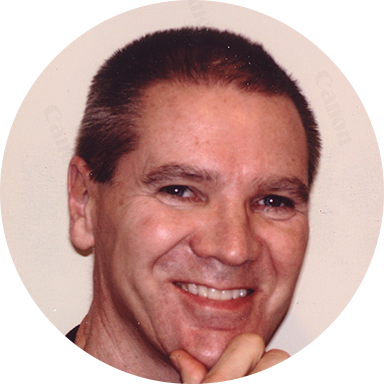
Donald Moore studied organ performance at Kent State University and earned a Master of Arts in Teaching from the same institution. He has served as Organist-Choirmaster at Pilgrim United Church of Christ in Cuyahoga Falls, Ohio, and has established himself as one of the most prolific arrangers and composers in American choral music, with over 500 works published across multiple major publishers including Alfred Music, Hal Leonard, and Heritage Music Press.
Moore's compositions span sacred, secular, and educational genres for choir, organ, and piano. His work has been performed regularly at state contests and festivals and featured at conventions across state, regional, national, and international levels. He is a seventeen-time recipient of the ASCAP Composers Standard Award and was recently recognized by the American Choral Directors Association as one of 400 elite composers of historical significance in American choral music.
Why we love this
Moore gives this spiritual the rhythmic energy and harmonic interest that keeps men's choirs engaged without overcomplicating the a cappella texture. The chromatic modulations that accompany the unfolding lyrics create genuine musical momentum, transforming a familiar tune into something fresh enough to command attention while remaining grounded in accessibility and authentic spiritual style.
What to expect
The piece brims with rhythmic vitality and warmth. The chromatic moves create a sense of musical discovery as the spiritual progresses, and the a cappella setting allows the four voices to blend into rich harmonic moments that feel both earthy and expressive, capturing both the folk roots and spiritual depth of the original.
Who it's for
Men's choirs seeking repertoire that balances accessibility with musical substance. This arrangement works equally well for collegiate, community, and church choirs looking to add a vibrant spiritual to their concert programming without requiring orchestral accompaniment or a large ensemble.
How to get the most out of it
- Establish the rhythmic groove early by having all sections tap or pat the steady pulse during the first run-through; this spiritual demands energy, and locking the rhythm will unlock the piece's character.
- Work the chromatic modulations slowly at rehearsal tempo, isolating the transition moments between sections so singers understand which voice carries the movement and can anticipate the pitch shift.
- Shape the text with clarity and purpose; the body part lyrics are the narrative spine, so articulate consonants crisply and allow the rhythm to propel the storytelling naturally rather than forcing artificial phrasing.
- Balance the four voices so that the top two voices carry the melodic line while the bottom voices anchor harmonic support; this prevents the a cappella texture from becoming muddy despite the richer voicing.
How to use it
Pair this with other spirituals or sacred works for a thematically cohesive concert segment, or use it as a standalone opener that immediately energizes the audience and sets a conversational, authentic tone. The piece's approachable style and memorable tune make it equally suitable for a spring pops concert or a more formal sacred music program.
Skills your students will build
- Singing a cappella in four-part harmony without instrumental support
- Navigating chromatic modulations while maintaining pitch accuracy and ensemble blend
- Rhythmic precision and ensemble synchronization in syncopated spiritual idiom
- Balancing four independent voice parts to create cohesive harmonic color
- Text expression and narrative clarity in sacred choral music